Photos from current listings. Actual item, color, and included accessories may vary.
Riding Helmet Buying Guide
Riding helmets are certified impact-protection helmets for equestrian sports, not fashion hats, and the primary trade-off is certification standard and retention-system quality versus ventilation and weight. The decisive rule: buy a helmet that carries a current recognized standard (VG1, ASTM F1163, EN 1384, or SNELL E2001) and a dial or harness retention system that locks the fit; skip any lid with only a novelty or unstated certification, regardless of brand prestige.


At a glance
- Category
- Riding Helmets, Boots & Apparel
- Data updated
- Nov 16, 2026
Current offers
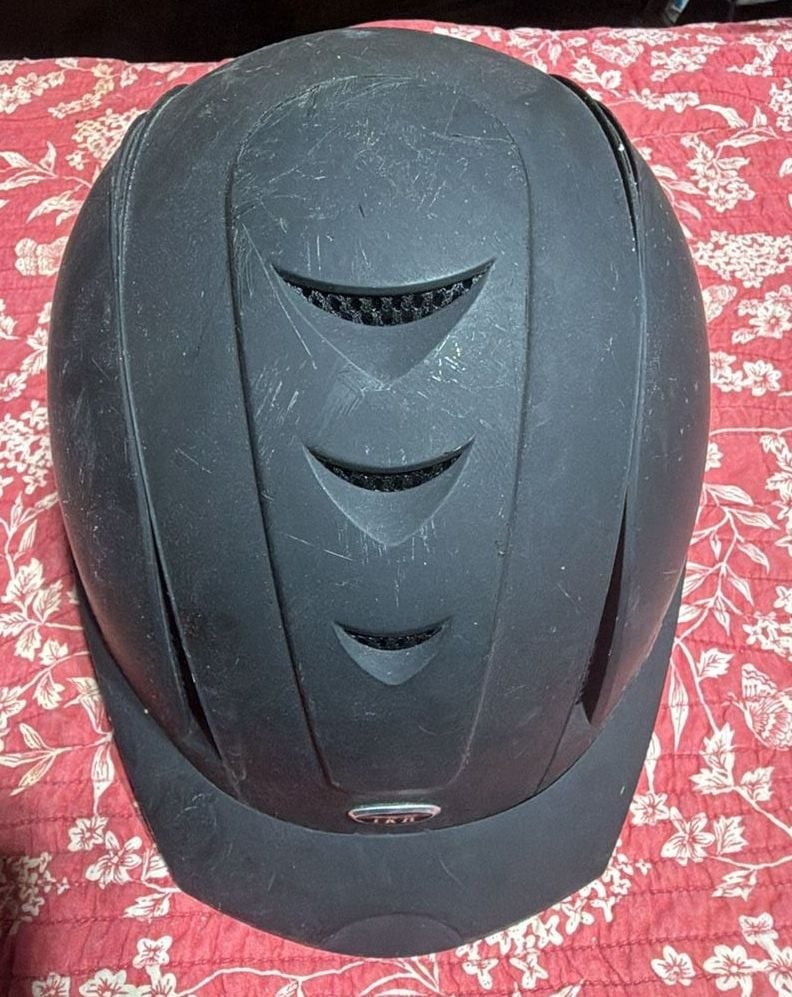 IRH Equi-Pro Matte Black Equestrian Riding Helmet (Small/Medium)$20.00
 View on eBay
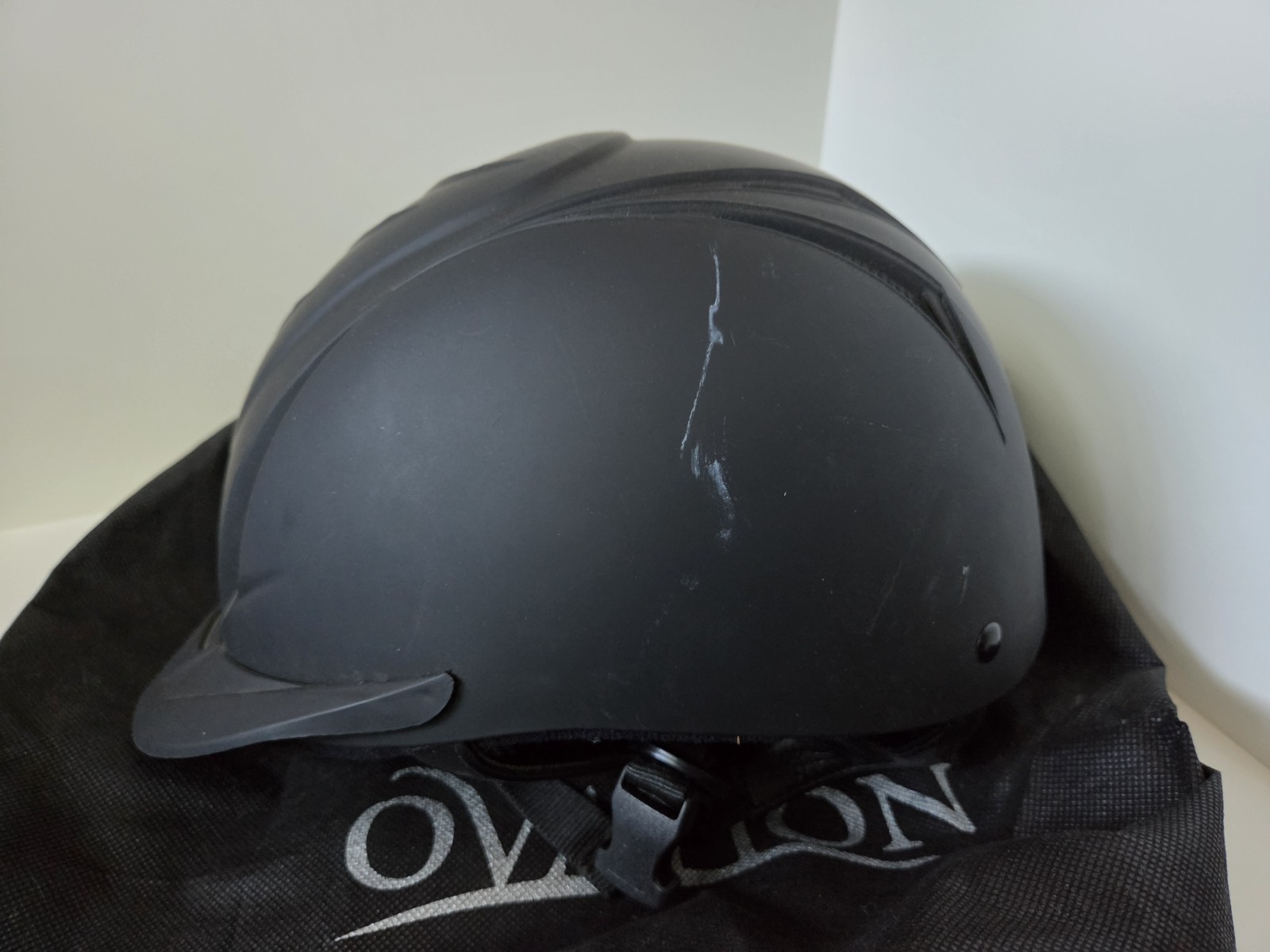 Ovation OV Deluxe Schooler Riding Helmet Equestrian Black S/M 52-56$20.99View on eBay
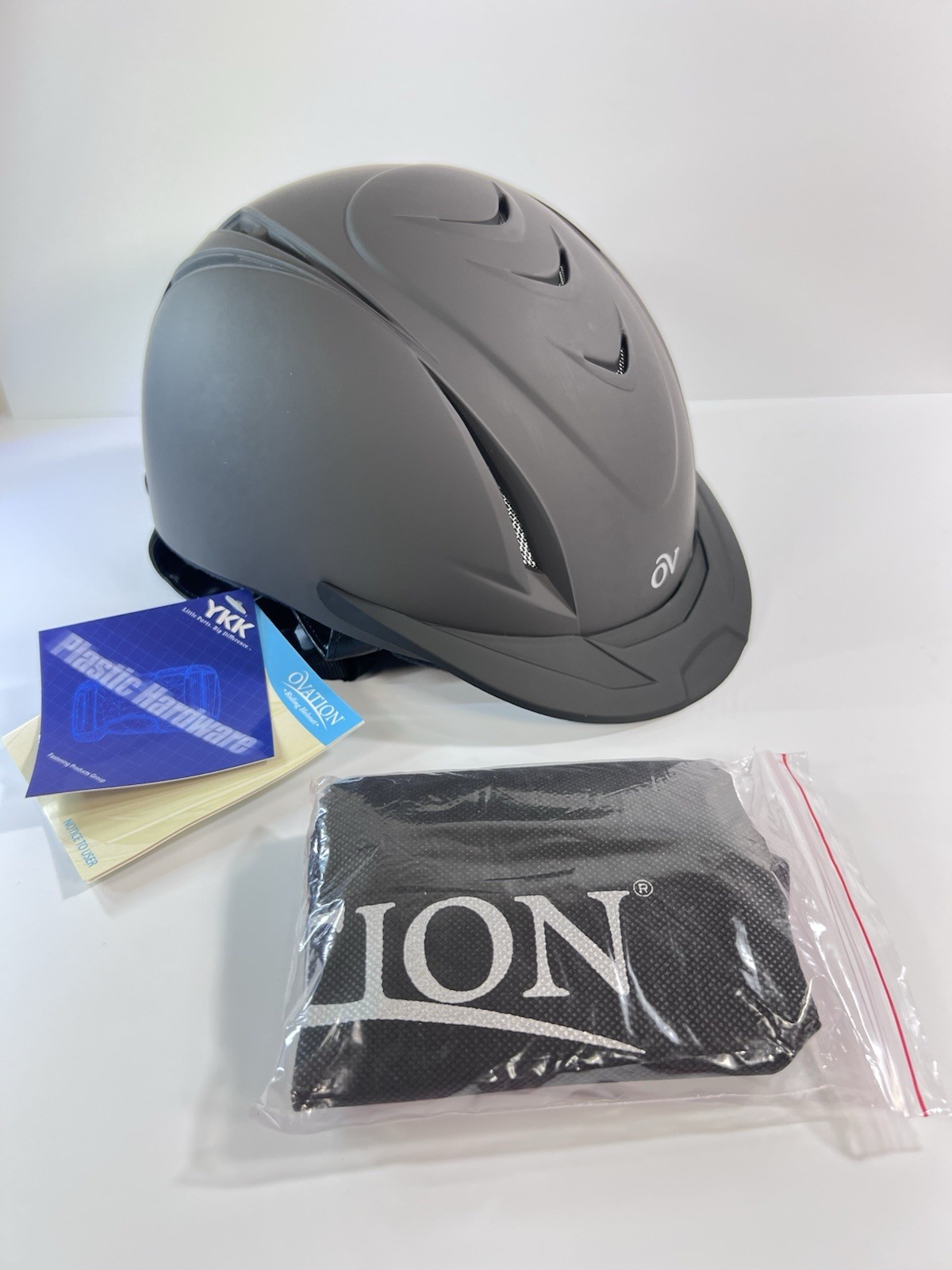 OVATION Adult Deluxe Schooler Riding Helmet - Lightweight SIZE: XS / S Dark-Grey$34.89View on eBay
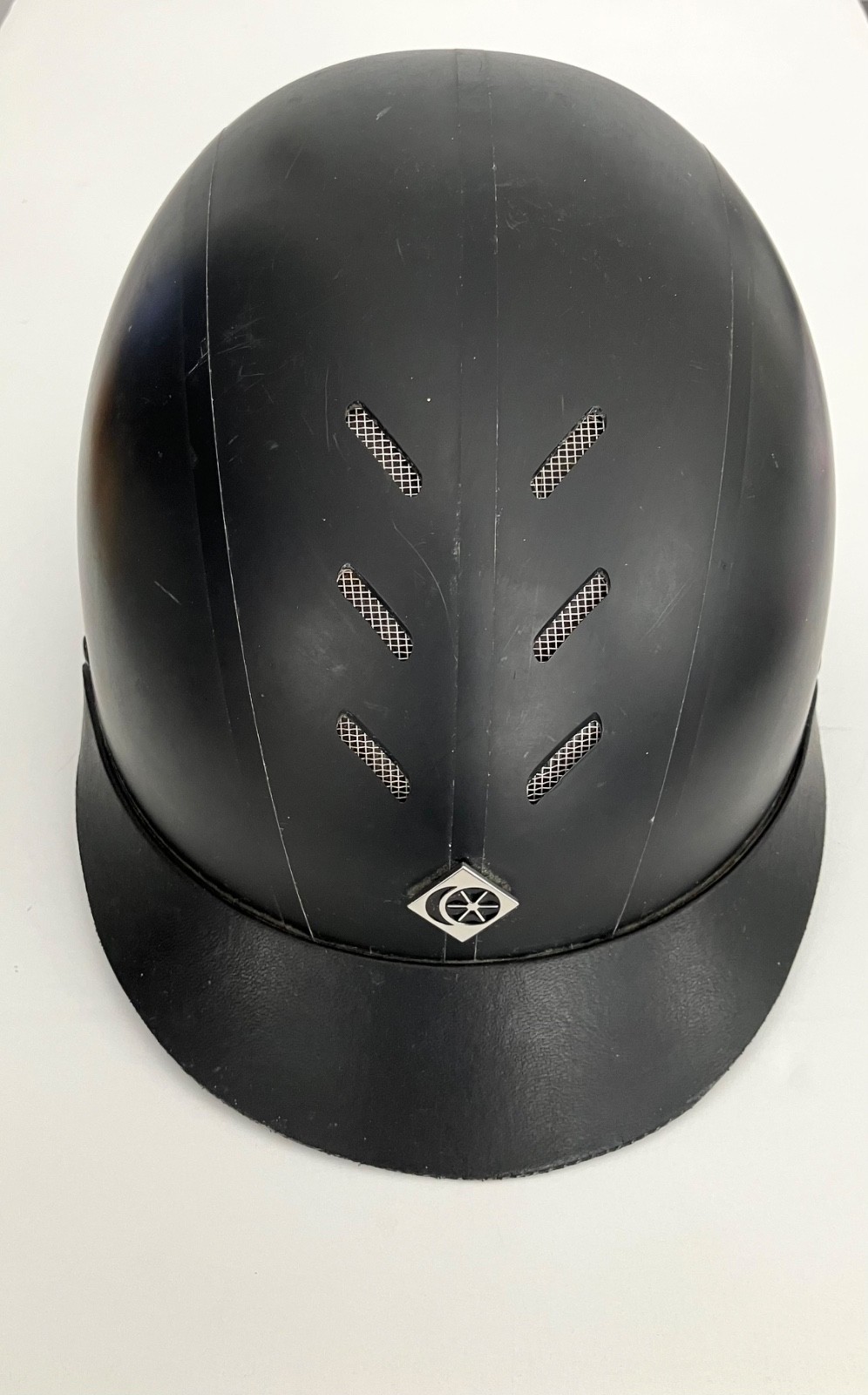 Charles Owen MyPs riding helmet size 6 7/8 Black Matte , REDUCED$39.00View on eBay
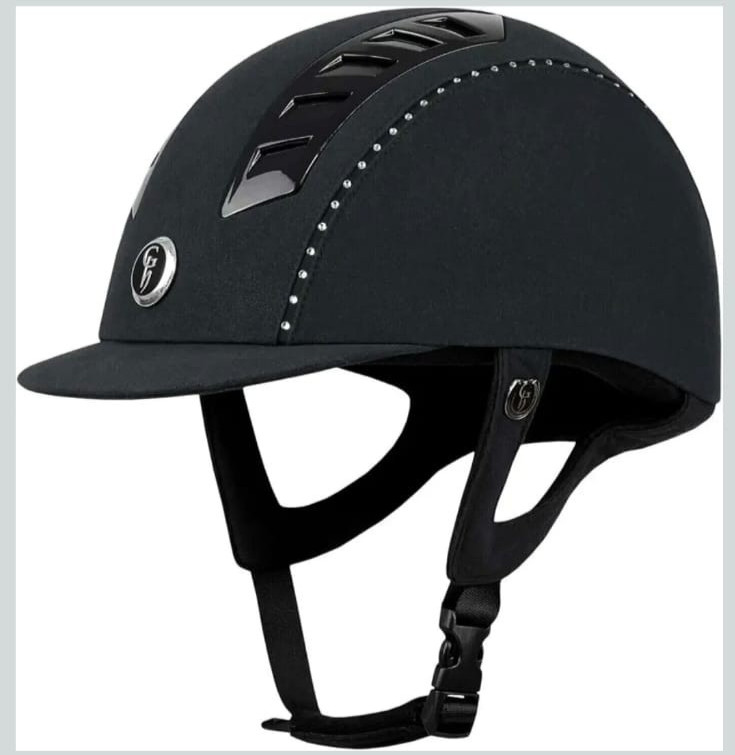 Gatehouse Chelsea Air Flow Pro Riding Helmet Black Crystal Size 54 Used$51.99View on eBay
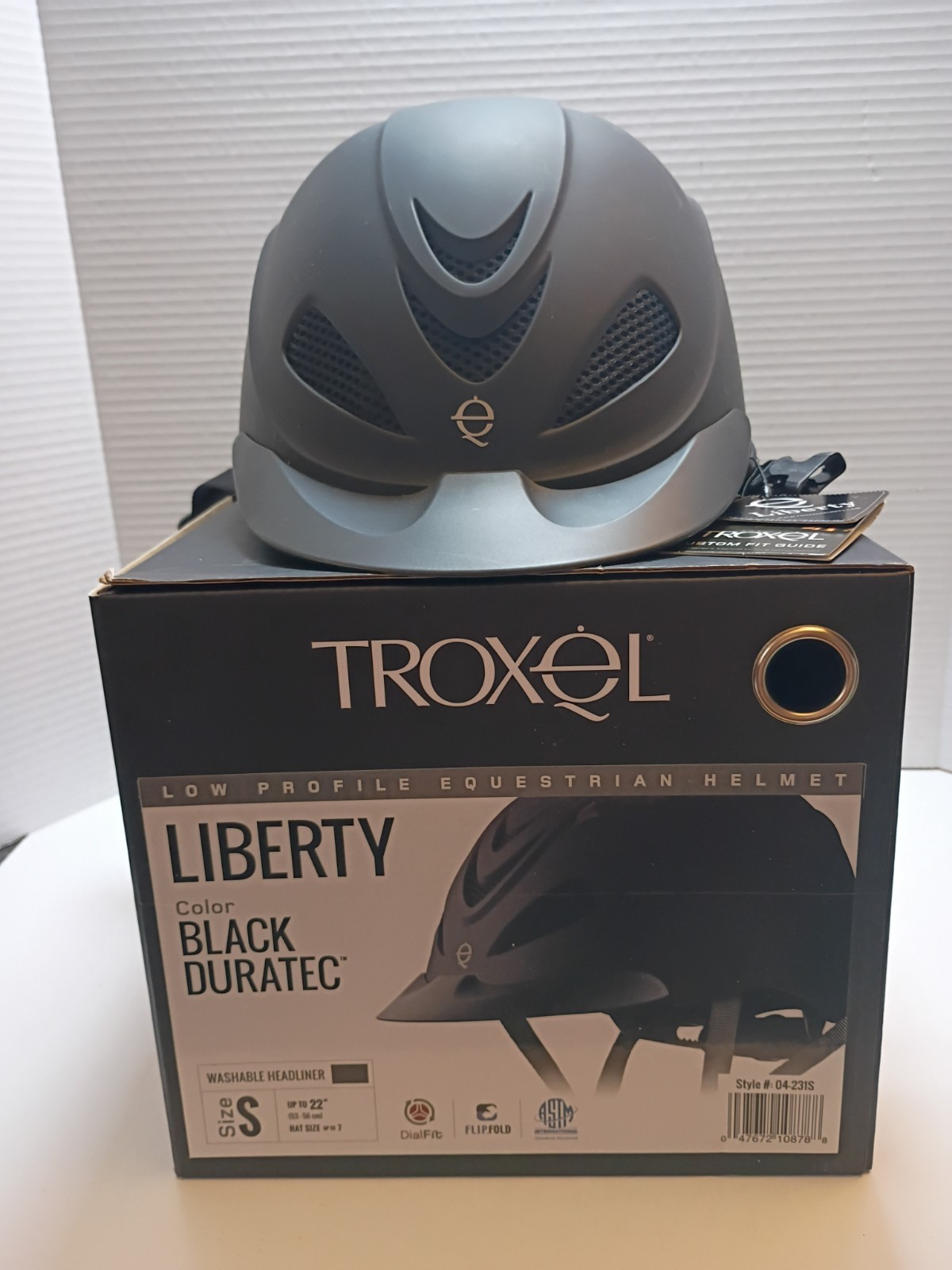 Troxel Spirit with Mips Technology Horse Riding Helmet Black Duratec Size Small$54.99View on eBay
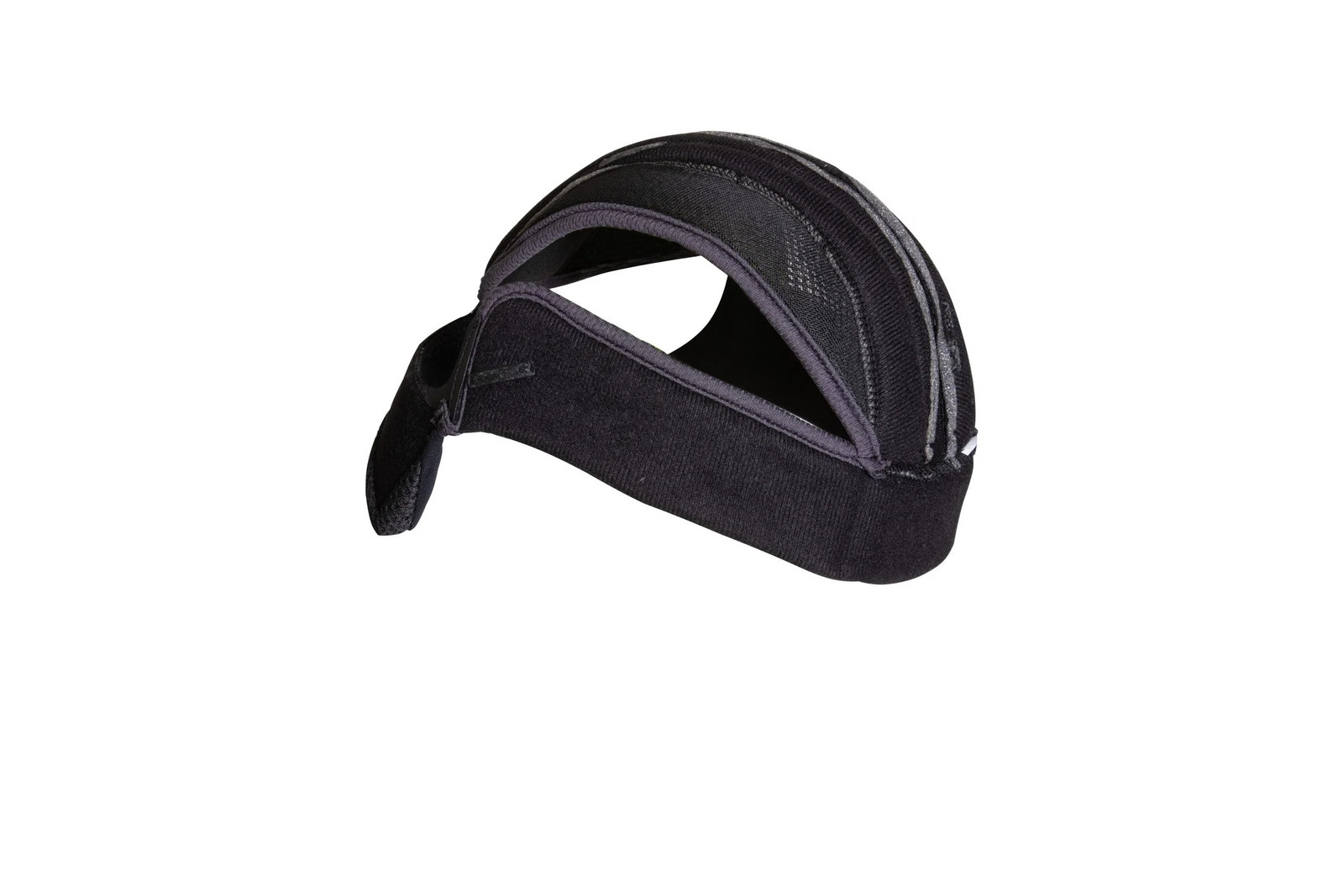 Suomy Apex Riding Helmet - Comfort Inner Padding/Lining Horse Riding Helmet$55.20View on eBay
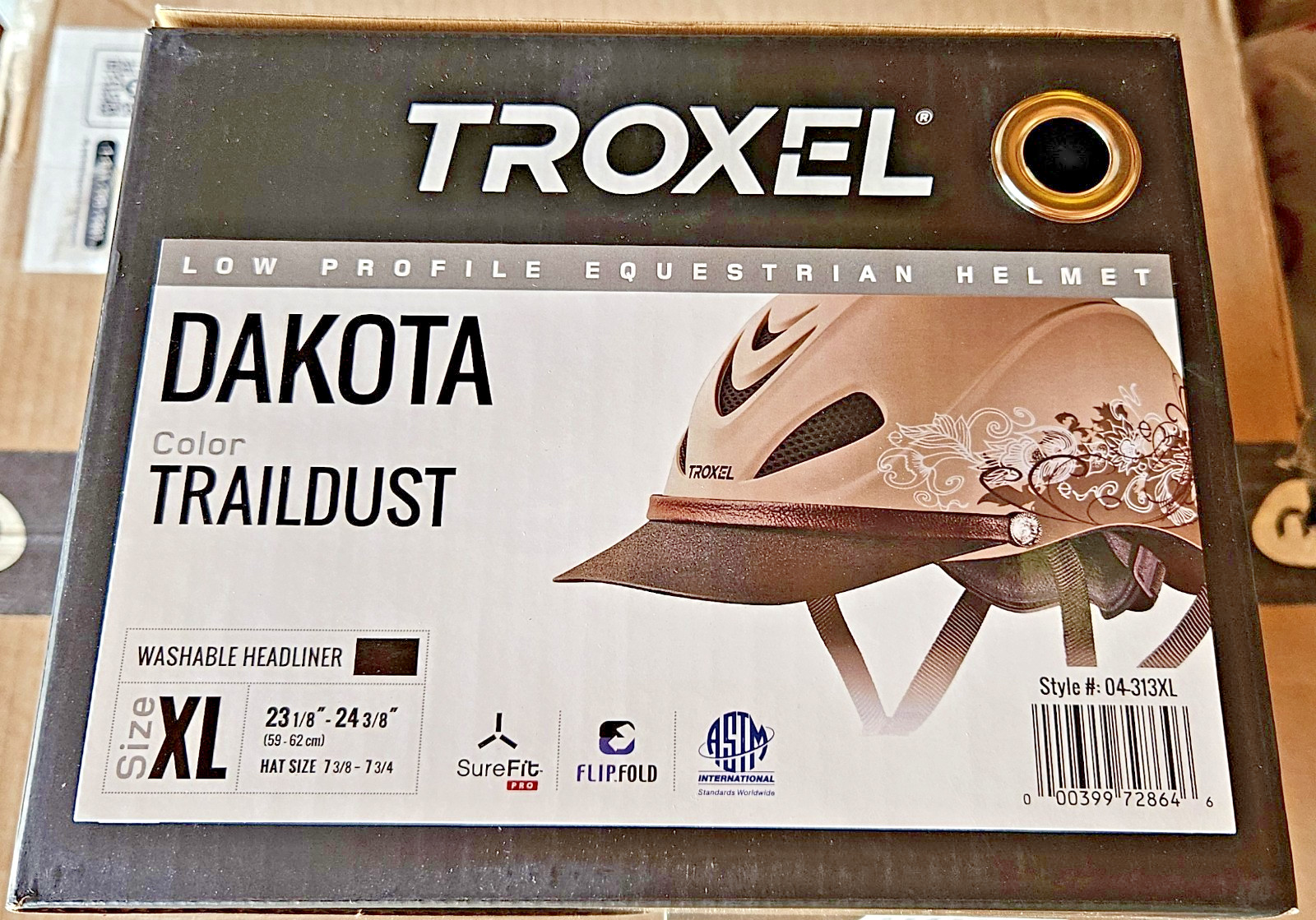 Troxel Dakota Traildust Low-Profile Equestrian Riding Helmet XL NIB w/ Tags!$65.00View on eBay
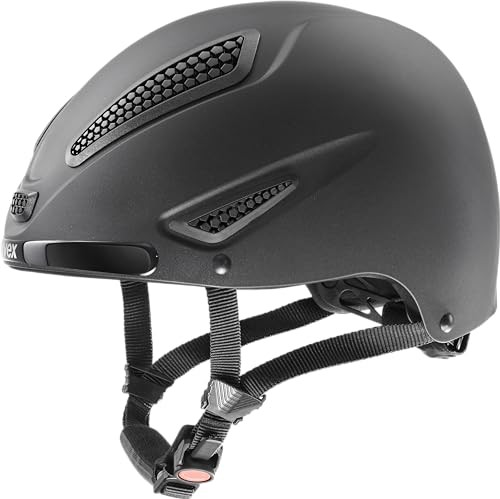 uvex perfexxion II xc Horse Riding Helmet, Women & Men - Black Matte, L-XL$65.63View on eBay
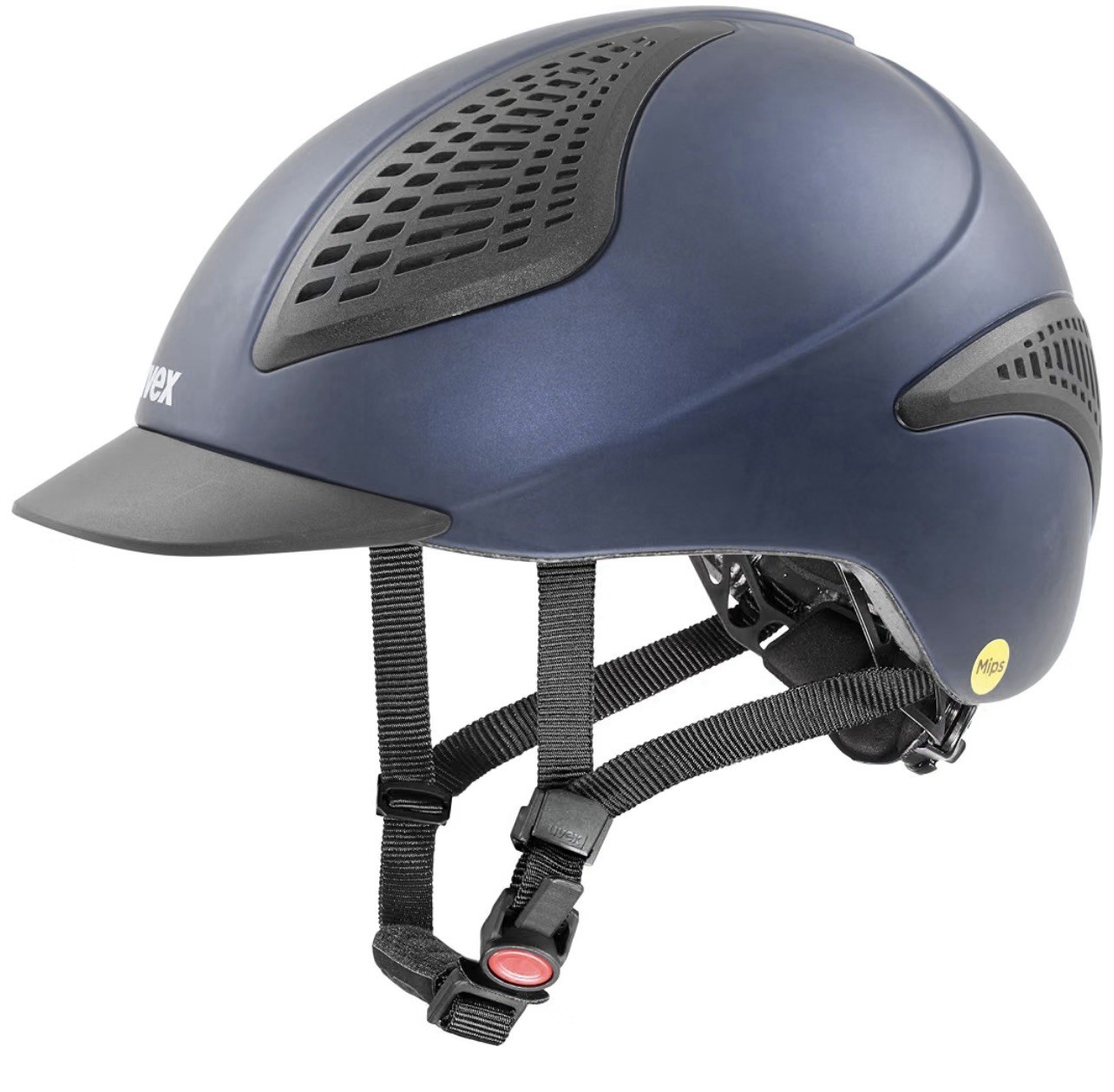 Exxential II MIPS Horse Riding Helmet for Women & Men L-XL -Equestrian$89.99View on eBay
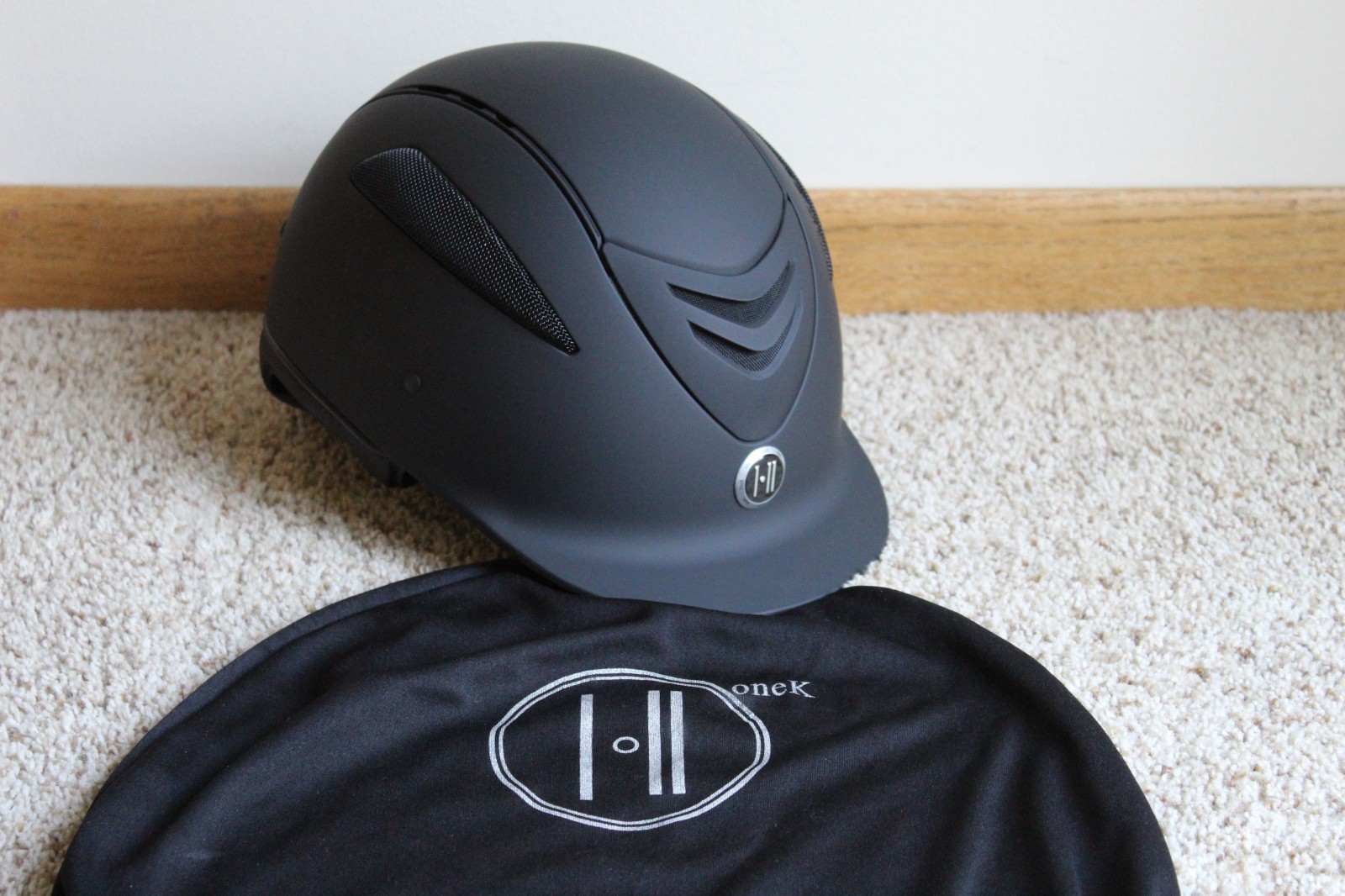 One K Defender Riding Helmet Matte Black Size L 57-58 Unworn?$99.99View on eBay
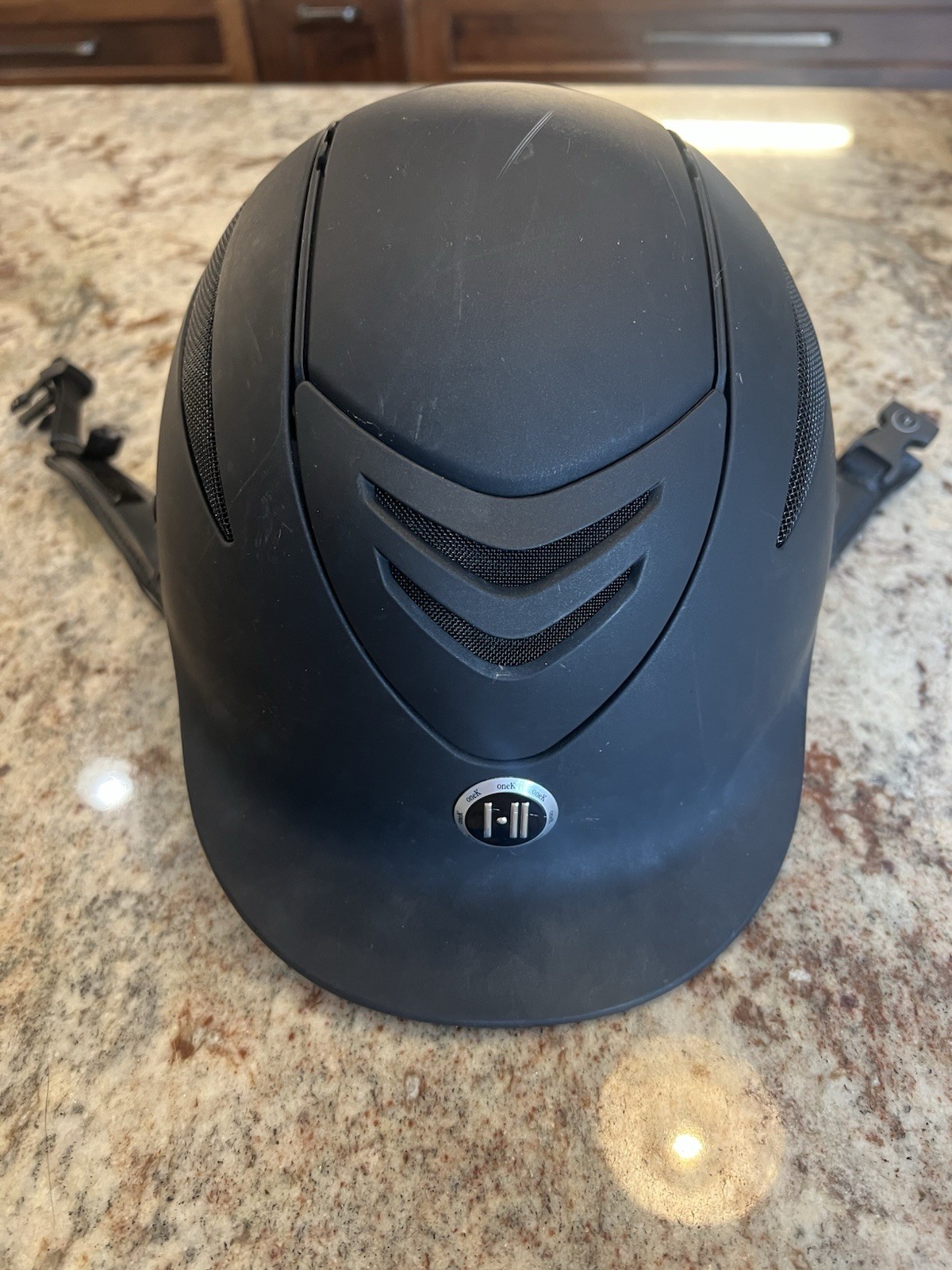 One K Defender Riding Helmet, Black Matte, Large Pre-owned$100.00View on eBay
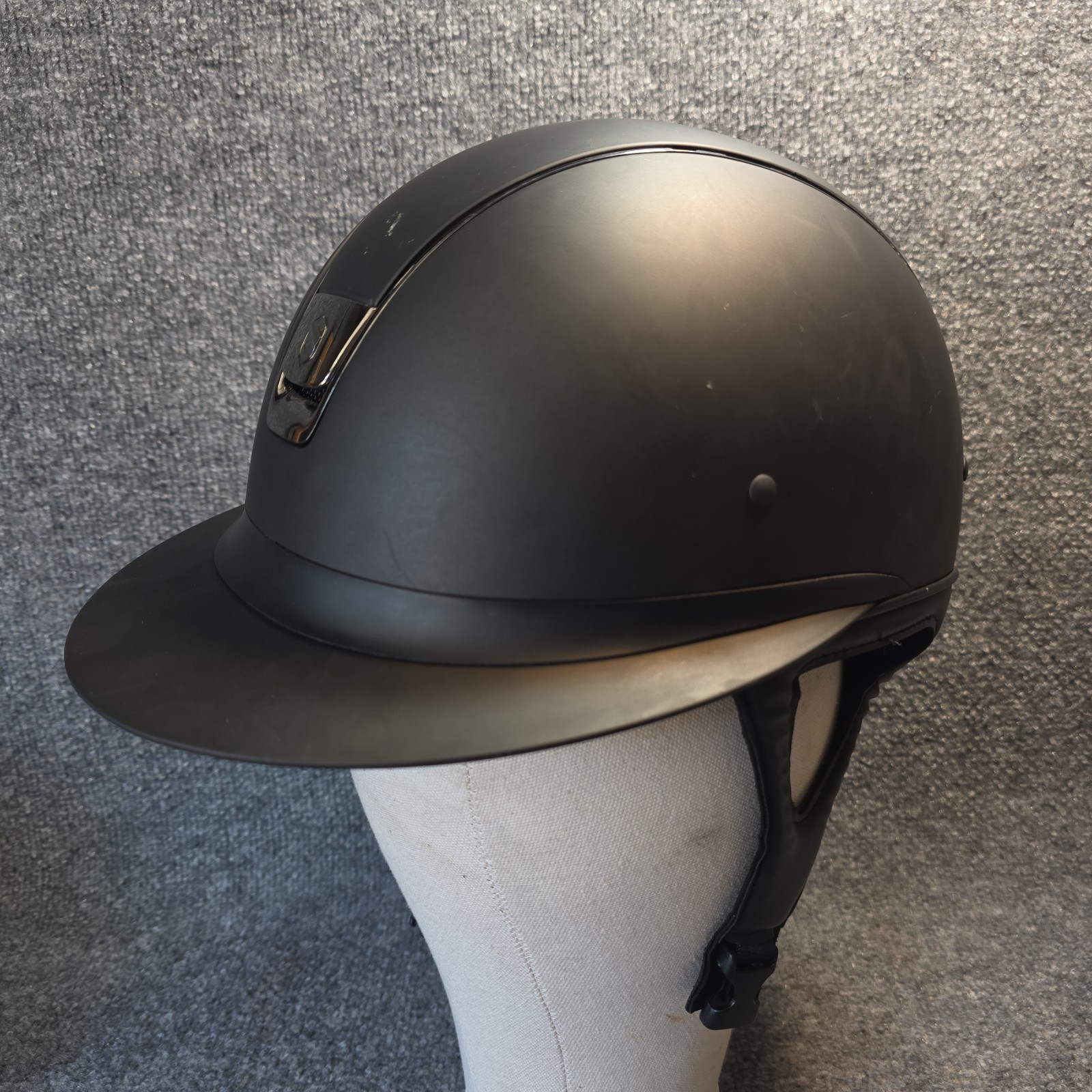 Samshield Miss Shield Shadowmatt Equestrian Riding Helmet 6 7/8- 7 1/8 READ$119.99View on eBay
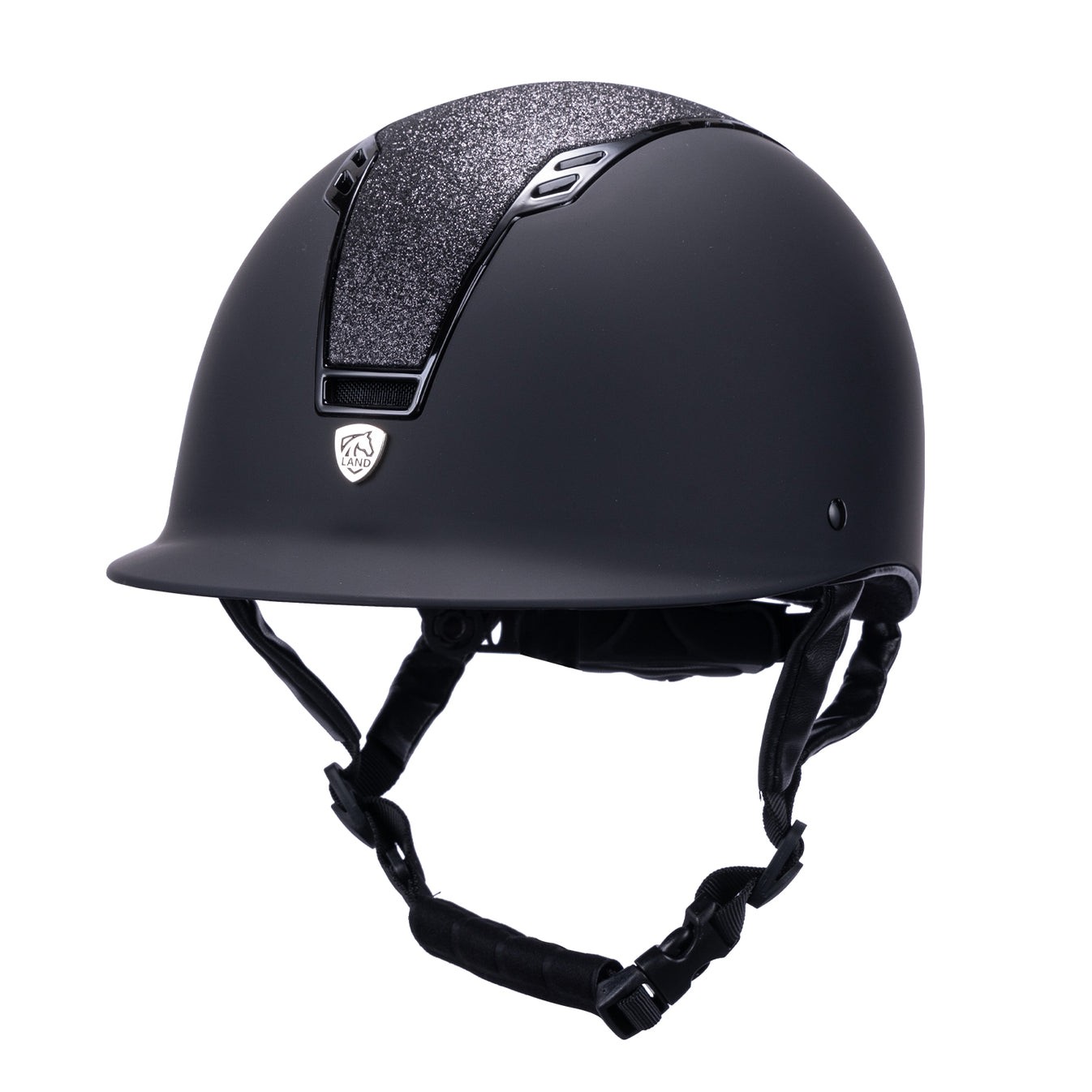 Land Helmets Stella Equestrian Helmet - ASTM/SEI F1163-23 - Horse Riding Helmet$129.99View on eBay
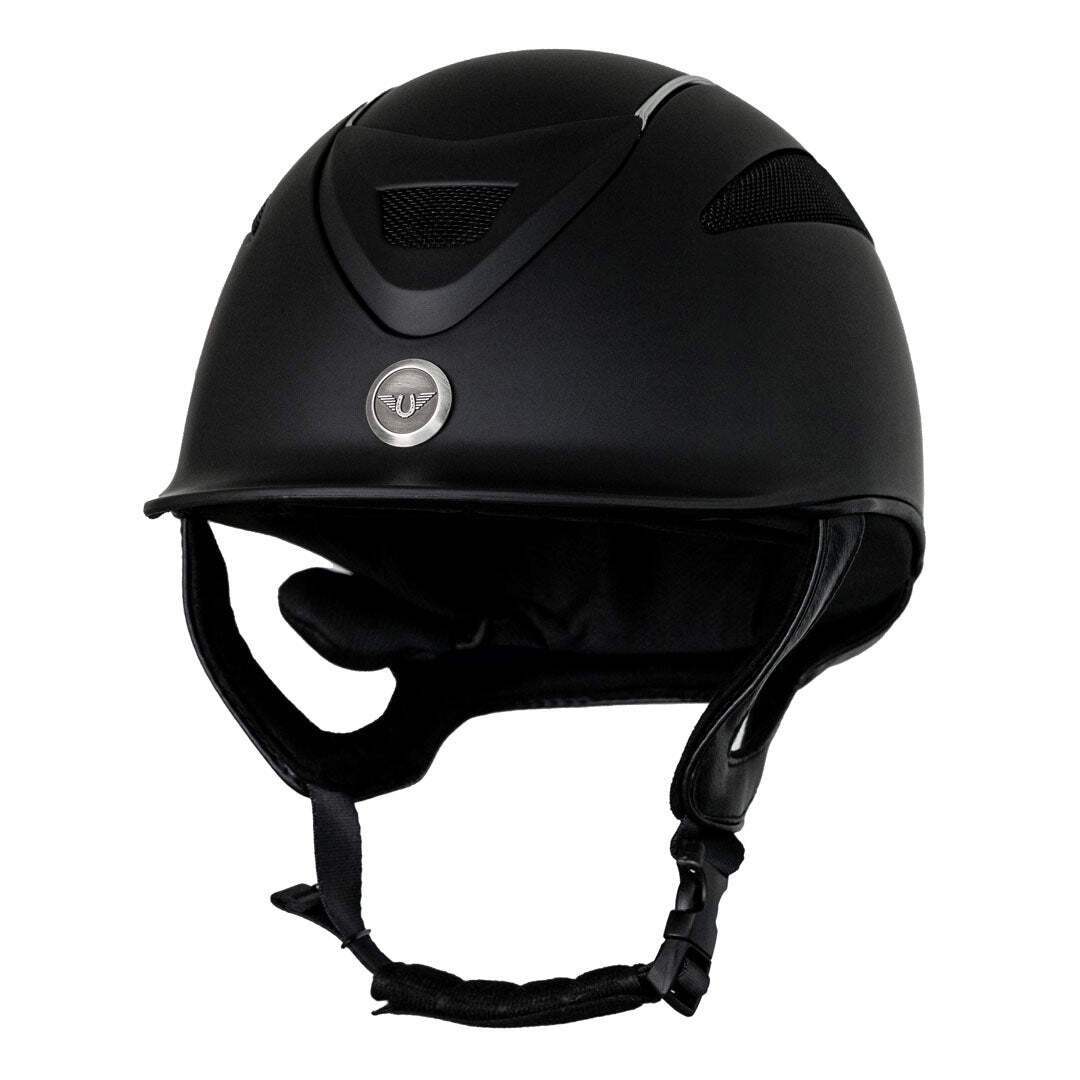 TuffRider Ventek Air Riding Helmet$139.99View on eBay
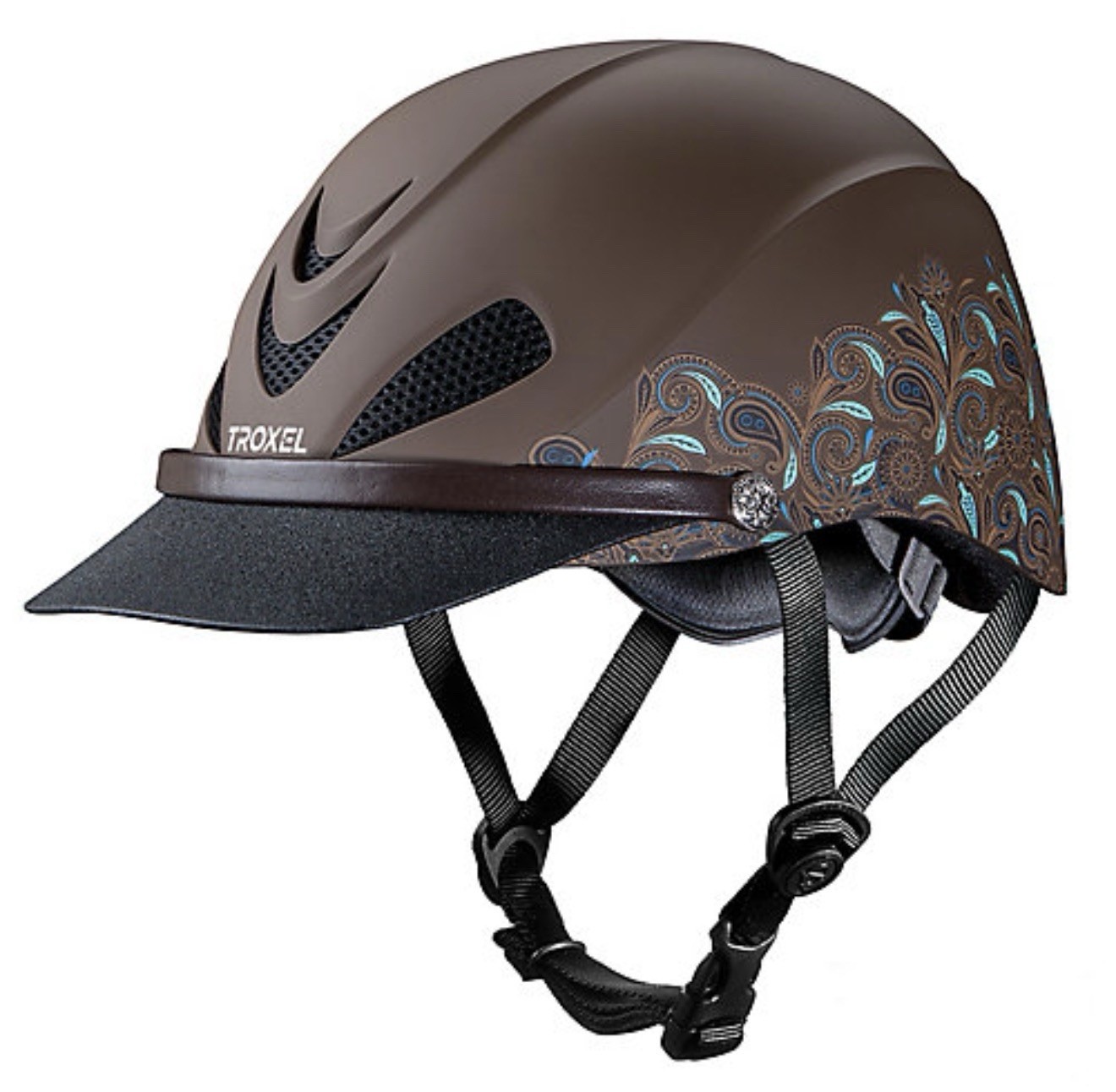 Dakota Trail Horse Riding Helmet, Low-Profile Light Adjustable Design, Saftey L$139.99View on eBay
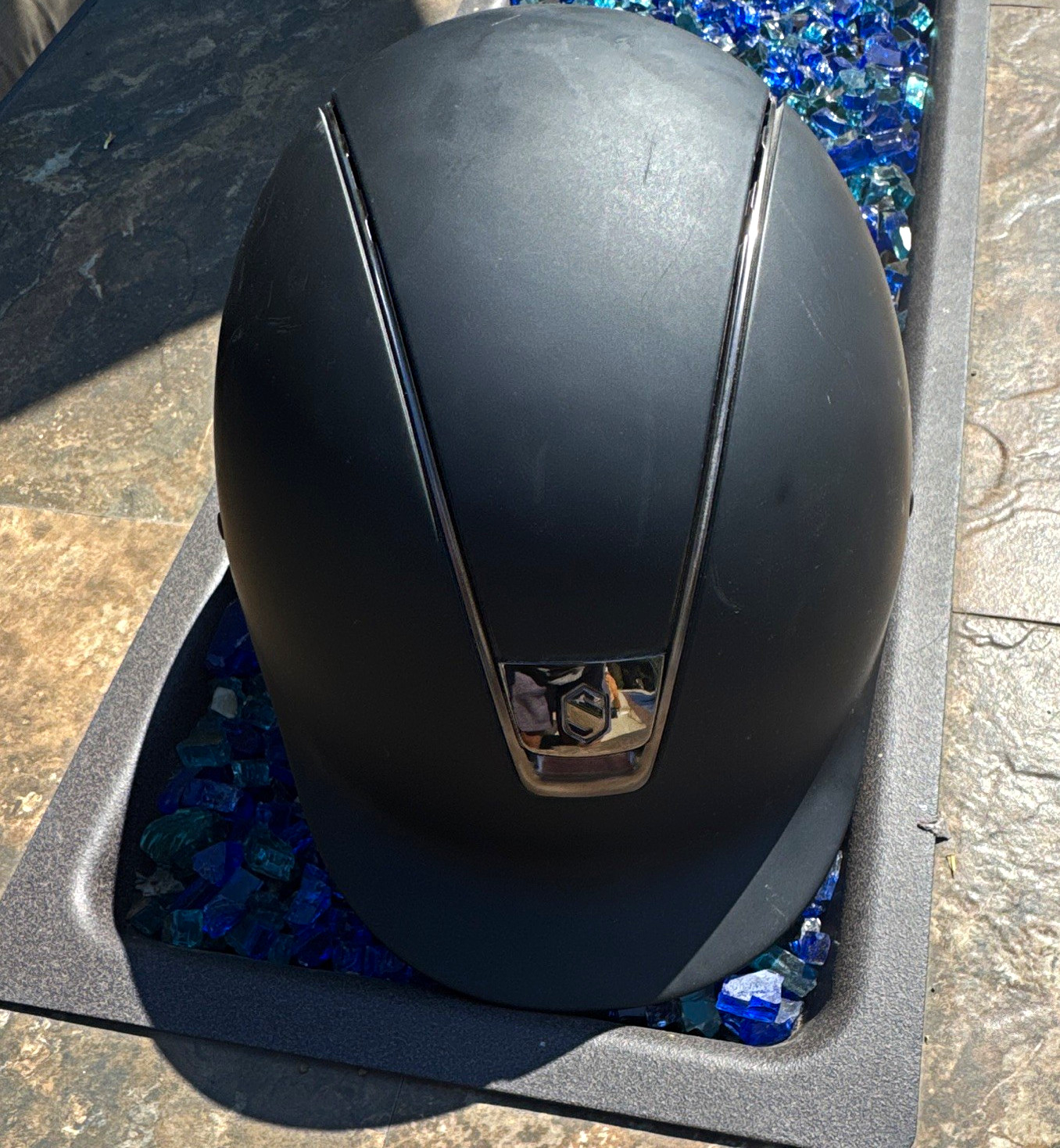 Samshield Shadowmatt Black English Riding Helmet w/ Chin Strap Size 58L 7 1/4$199.95View on eBay
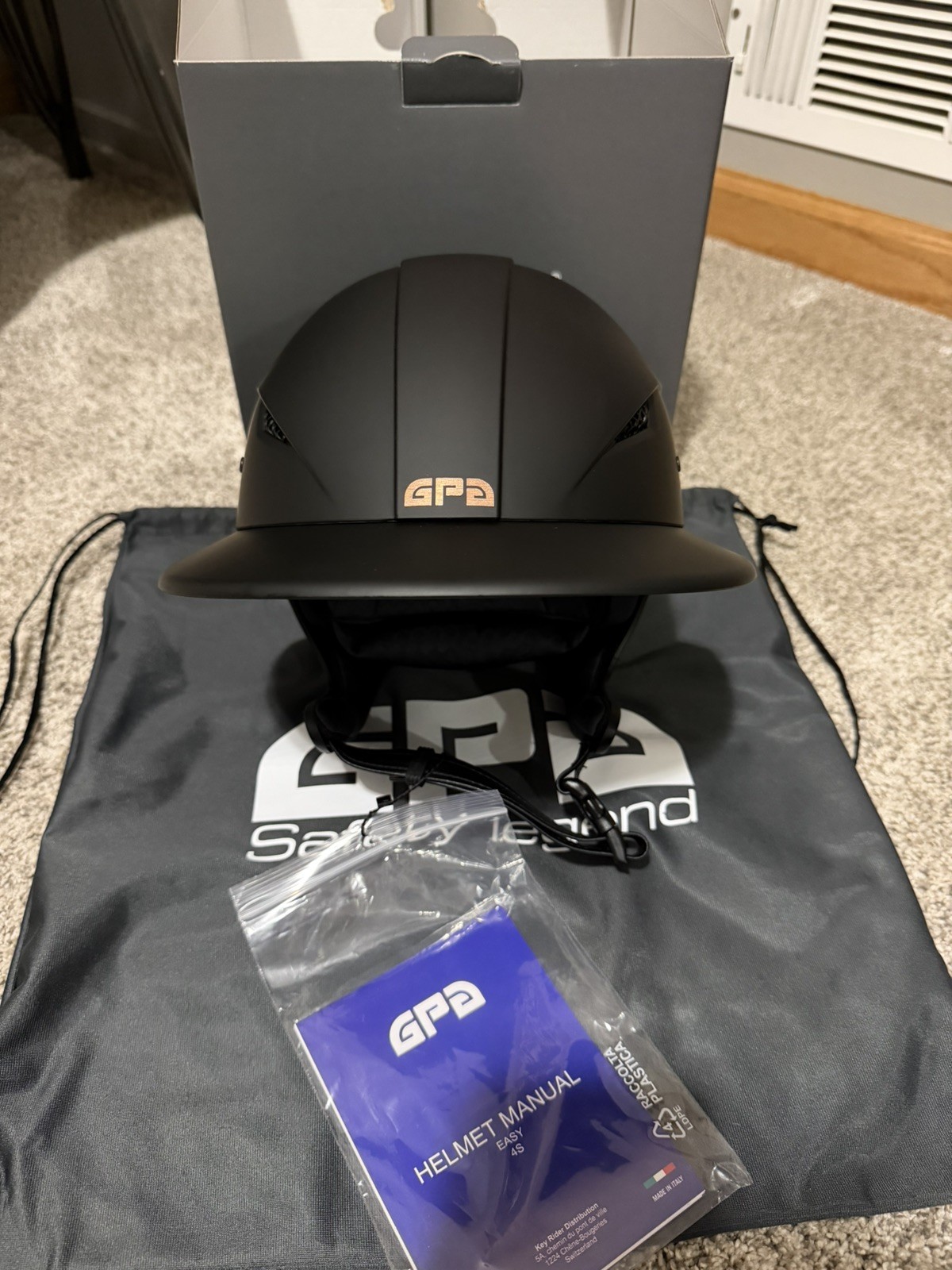 GPA First Lady Riding Helmet$230.00View on eBay
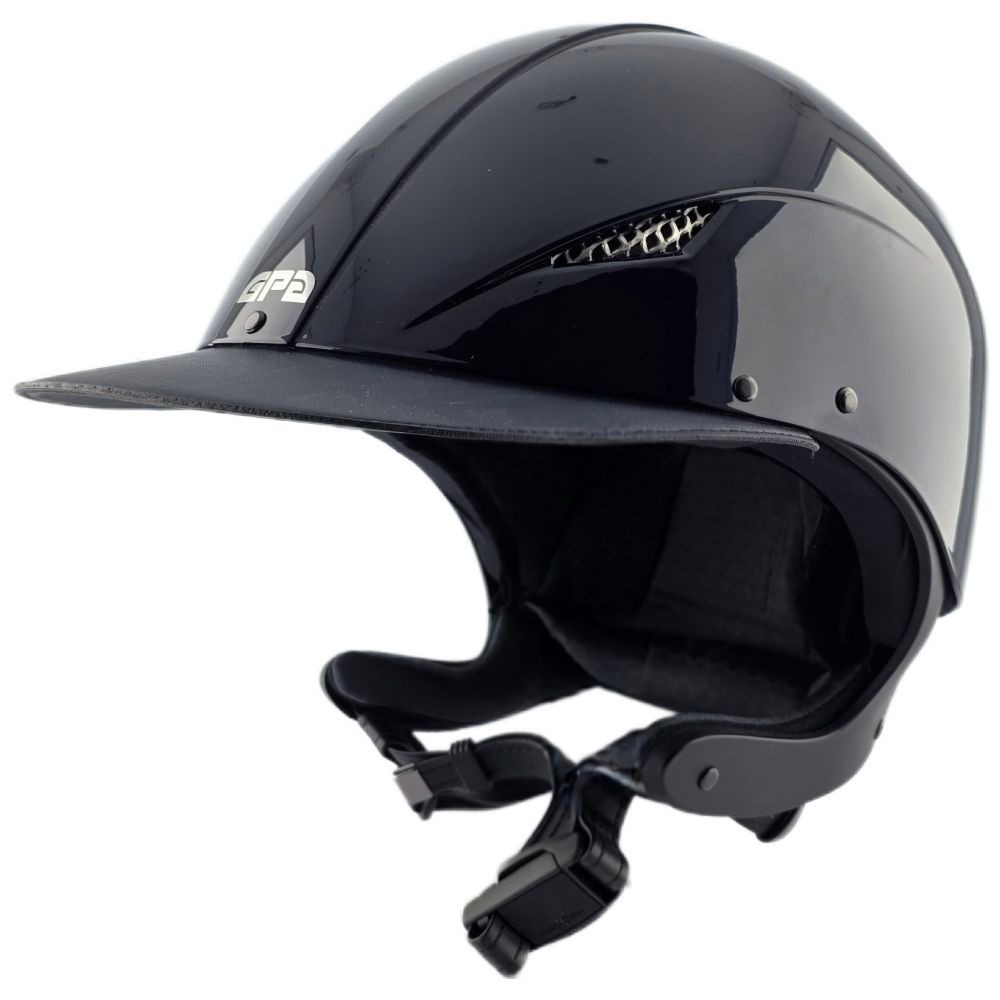 Horse Riding Helmet, Reithelm, Horse Riding Helmet GPA$237.39View on eBay
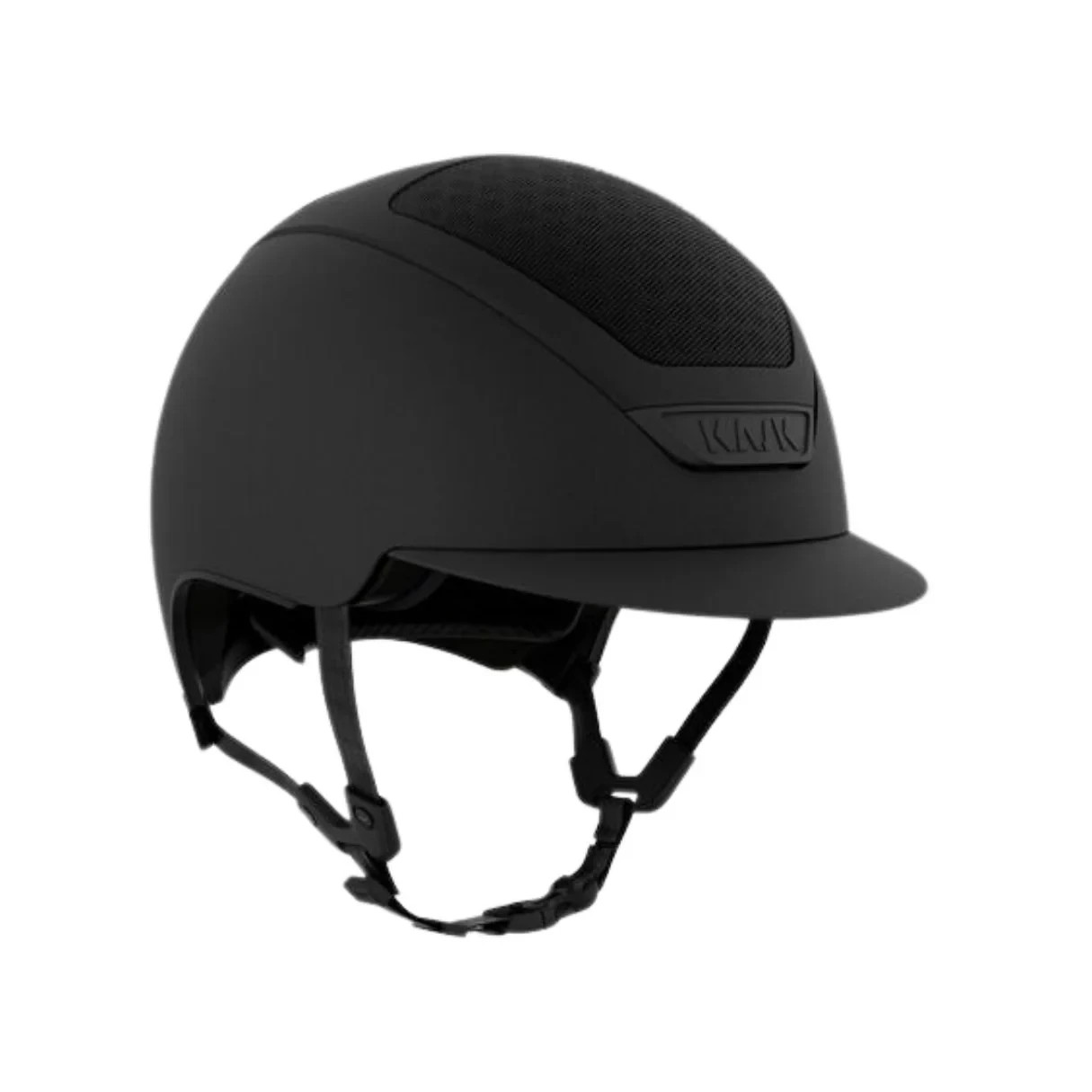 Unworn Kask Star Dogma Hunter Equestrian Riding Helmet - Black - Size 59 | 7 3/8$400.00View on eBay
Highlights
- Certification tiers separate real protection: VG1 (British BS EN 1384 as amended) and ASTM F1163 are the baseline equestrian standards; SNELL E2001 and MIPS rotational-impact liners add measurable protection.
- Shell construction differs by price tier: injection-molded ABS shells dominate schooler and entry helmets, while fiberglass, carbon-fiber, and Kevlar composite shells cut weight and improve impact dispersal on premium models.
- Retention systems are decisive: a dial-fit harness (e.g., GPA or uvex speed dial) or a padded harness with quick-release buckle determines whether the helmet stays seated in a fall; a loose harness defeats any shell.
- Size ranges frequently overlap (52–56 cm or 54–57 cm), so a manufacturer's cm sizing chart and head measurement matter more than S/M/L labels and are the difference between a safe fit and a loose shell.
Best use cases
- Pick an ASTM F1163 or VG1-certified dial-fit helmet for daily schooling and lessons; a schooler helmet with removable washable liner handles sweat and shared use.
- Choose a MIPS-equipped model (e.g., Troxel Spirit with MIPS) for trail riding and cross-country where rotational falls are likelier; skip MIPS only if budget forces it, not because it's unnecessary.
- For competition, buy a current-standard helmet in matte black with a fixed or dial harness and no crystal or novelty adornments that violate discipline rules; skip decorative helmets for sanctioned shows.
- For a growing child, buy the smallest certified size that fits now with a dial adjuster; skip oversized 'room to grow' helmets, which shift and fail to protect.
Buying tips
- Measure head circumference in cm at the widest point above the ears and match to the manufacturer's cm chart; a 56 cm head sits at the top of a 52–56 shell and the bottom of a 54–57 shell, so try the tighter shell first.
- Confirm the certification label inside the helmet reads VG1, ASTM F1163, EN 1384, or SNELL E2001; an unlabeled or 'CE approved' generic claim is not a substitute for an equestrian-specific standard.
- Choose fiberglass or composite shells over ABS when weight matters for long rides; a lighter shell reduces neck fatigue but must still carry the same certification.
- Replace any helmet after a significant impact or roughly every five years of regular use; shell foam degrades and a used helmet may hide previous crash damage.
Specs
| Certification Standard | VG1 / ASTM F1163 / SNELL E2001 |
|---|---|
| Shell Material | ABS vs fiberglass / carbon composite |
| Retention System | Dial-fit vs padded harness + buckle |
| Size Range | 52–56 cm / 54–57 cm (XS–XL) |
Related searches
What to check before buying
- Measure head circumference in cm and cross-check the helmet's cm size range; bring a thin riding cap if you'll wear one under the helmet, and re-measure with it on.
- Check your discipline's rulebook for helmet standards and adornment restrictions before buying a crystal or decorated model.
- Verify the harness style: dial-fit for quick adjustment, padded harness with quick-release buckle for traditional fit; confirm the chin strap length adjusts to your jaw.
- Inspect for a removable, washable liner and ventilation channels if you ride in hot climates; sealed foam without vents traps heat.
FAQ
Data sources: eBay / Amazon listings and product attribute feeds Data updated Nov 16, 2026.
Some links on this page are affiliate links. If you buy after clicking one, we may earn a commission at no extra cost to you. This does not change which products appear here or their order. Affiliate disclosure.