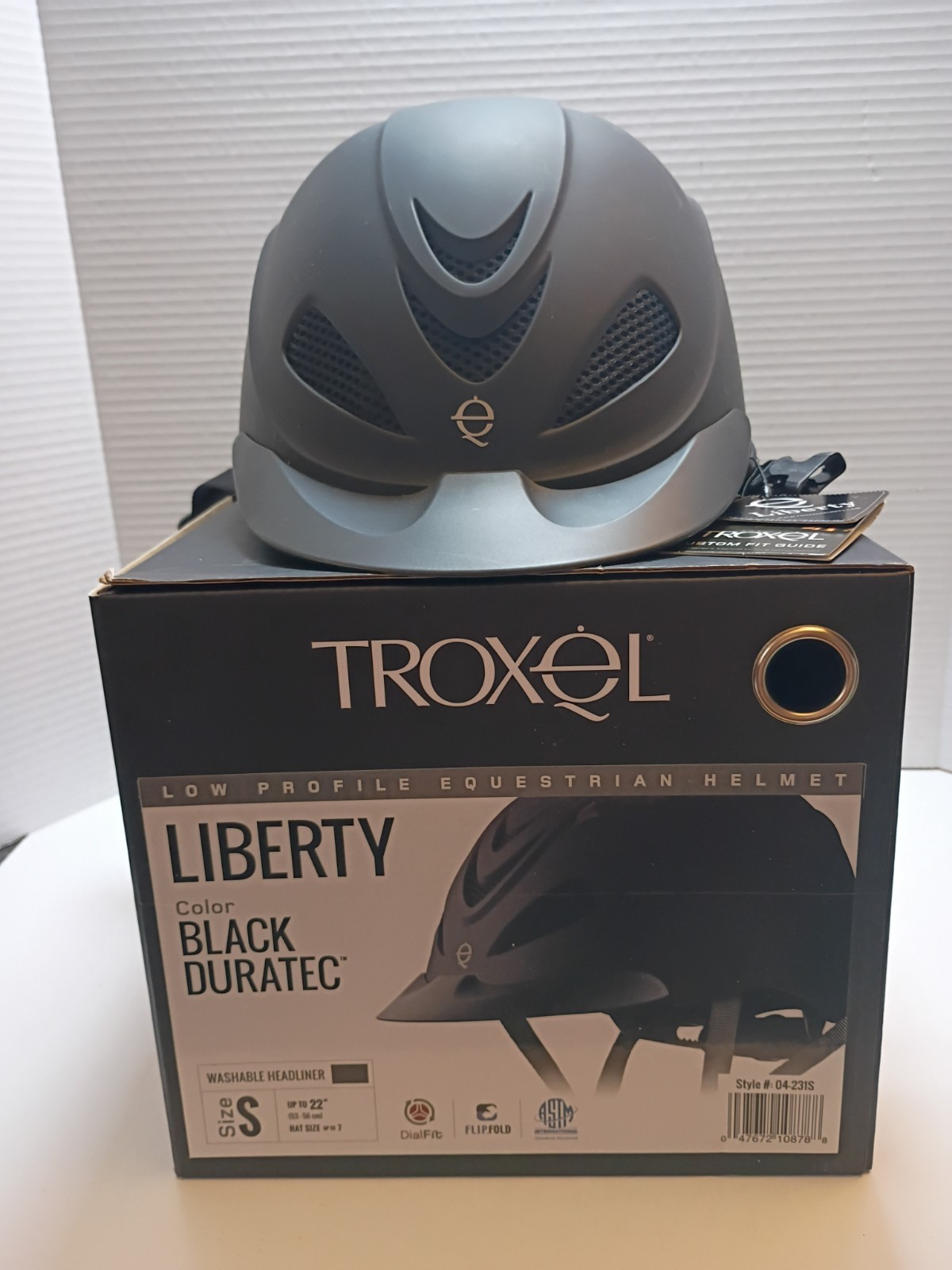

Photos from current listings. Actual item, color, and included accessories may vary.
Troxel Riding Helmet Buying Guide
Troxel riding helmets are equestrian safety helmets built for English and Western disciplines, with the core trade-off being ASTM/SEI certification and impact technology (MIPS vs. traditional foam) versus price and weight. The clear decision rule: choose a Troxel with ASTM F1163 certification and a dial-fit system; skip any helmet without a SEI tag or that relies on fixed padding for fit.


At a glance
- Category
- Riding Helmets, Boots & Apparel
- Data updated
- Nov 16, 2026
Current offers
Highlights
- All Troxel helmets meet ASTM F1163 and carry the SEI certification mark, the legal standard for equestrian use in the US.
- MIPS models (e.g., Spirit, Sierra) add a low-friction layer that redirects rotational impact energy; non-MIPS models rely on EPS foam alone.
- Duratec outer shells are molded polycarbonate for scrape resistance; lower tiers use glued-on fabric covers that peel with heavy use.
- Dial-fit systems (Troxel's Dial-A-Fit) provide 1–2 cm of circumference adjustment, while fixed-pad models demand accurate head measurement.
Best use cases
- Best fit: English riders schooling or showing under 3 hours per session should pick a ventilated MIPS model (Spirit) for heat management and rotational protection.
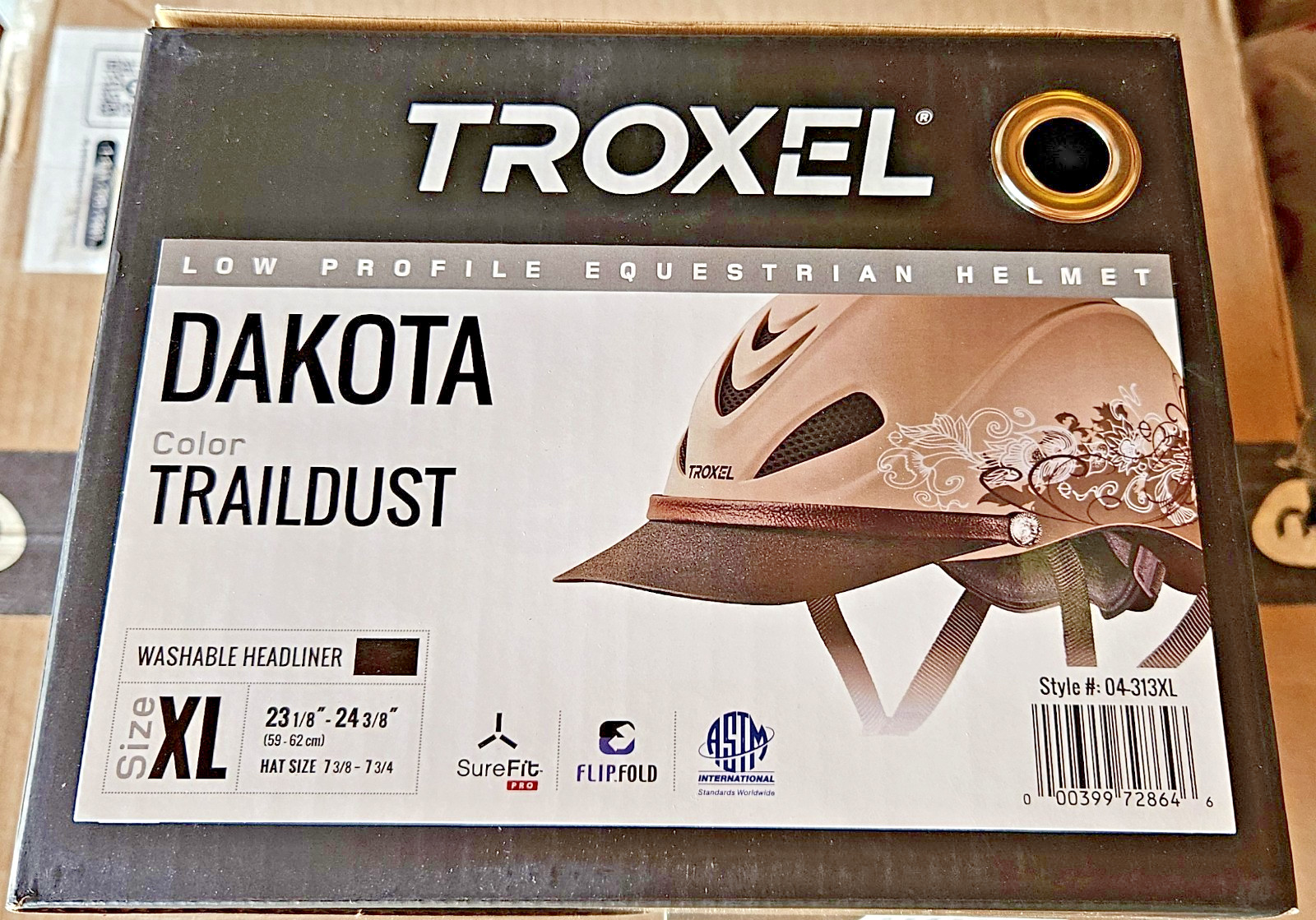
- Best fit: Western trail riders needing sun coverage should choose a low-profile model with a wide brim (Dakota) and fixed or dial fit, sized to hat size.
- Wrong fit: Buyers wanting a single helmet for multiple riders should skip fixed-pad models; only dial-fit helmets accommodate different head shapes safely.
- Wrong fit: Competitive eventers jumping solid obstacles should not rely on a basic schooling Troxel; they need a helmet with a reinforced liner and five-year replacement cycle.
Buying tips
- Measure head circumference 2 cm above the eyebrows; Troxel sizes run S (52–54 cm), M (55–57 cm), L (58–60 cm), XL (61–63 cm).
- Replace any helmet after a fall or every 5 years; EPS foam degrades and does not visibly crack before losing protective capacity.
- Choose MIPS if you ride faster than a walk or jump; the added layer costs little and reduces rotational forces in angled impacts.
- Match shell style to discipline: vented English skulls for schooling, low-profile Western with brim for trail; avoid open-face designs for jumping.
Specs
| Safety Standard | ASTM F1163 + SEI certified |
|---|---|
| Impact Tech | MIPS vs. EPS foam only |
| Fit System | Dial-A-Fit vs. fixed pads |
| Shell Style | Vented English / low-profile Western |
Related searches
What to check before buying
- Measure head circumference and match to Troxel's size chart; do not size up for growth—helmets must fit snugly with no front-to-back rock.
- Confirm the helmet carries an SEI tag sewn inside the liner; without it, the helmet is not certified for equestrian use.
- Check helmet weight: MIPS models add roughly 100–150 g; if neck fatigue is a concern, try a non-MIPS low-profile model.
- Verify replacement part availability (liners, dials) for your model; Troxel supports current models but older shells may lack parts.
FAQ
Data sources: eBay / Amazon listings and product attribute feeds Data updated Nov 16, 2026.
Some links on this page are affiliate links. If you buy after clicking one, we may earn a commission at no extra cost to you. This does not change which products appear here or their order. Affiliate disclosure.