Photos from current listings. Actual item, color, and included accessories may vary.
Packable Backpack Buying Guide
Packable backpacks are lightweight daypacks that fold into their own pocket for travel and emergency use. The core trade-off is fabric durability versus packed size: ultralight silnylon packs compress small but wear fast, while 210D ripstop nylon balances weight and abrasion resistance. Choose a pack with a defined capacity tier, ripstop fabric, and taped or reinforced seams for real hiking; skip thin PU-coated polyester if you plan to carry sharp or heavy loads.


At a glance
- Category
- Hiking Backpacks & Hydration Packs
- Data updated
- Nov 17, 2026
Current offers
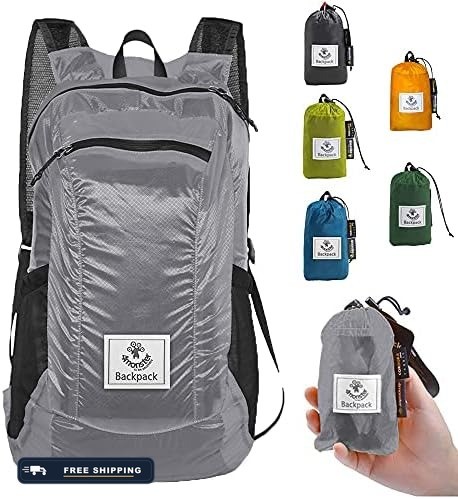 Hiking Daypack,Water Resistant Lightweight Packable Backpack for Travel Camping$36.99
 View on eBay
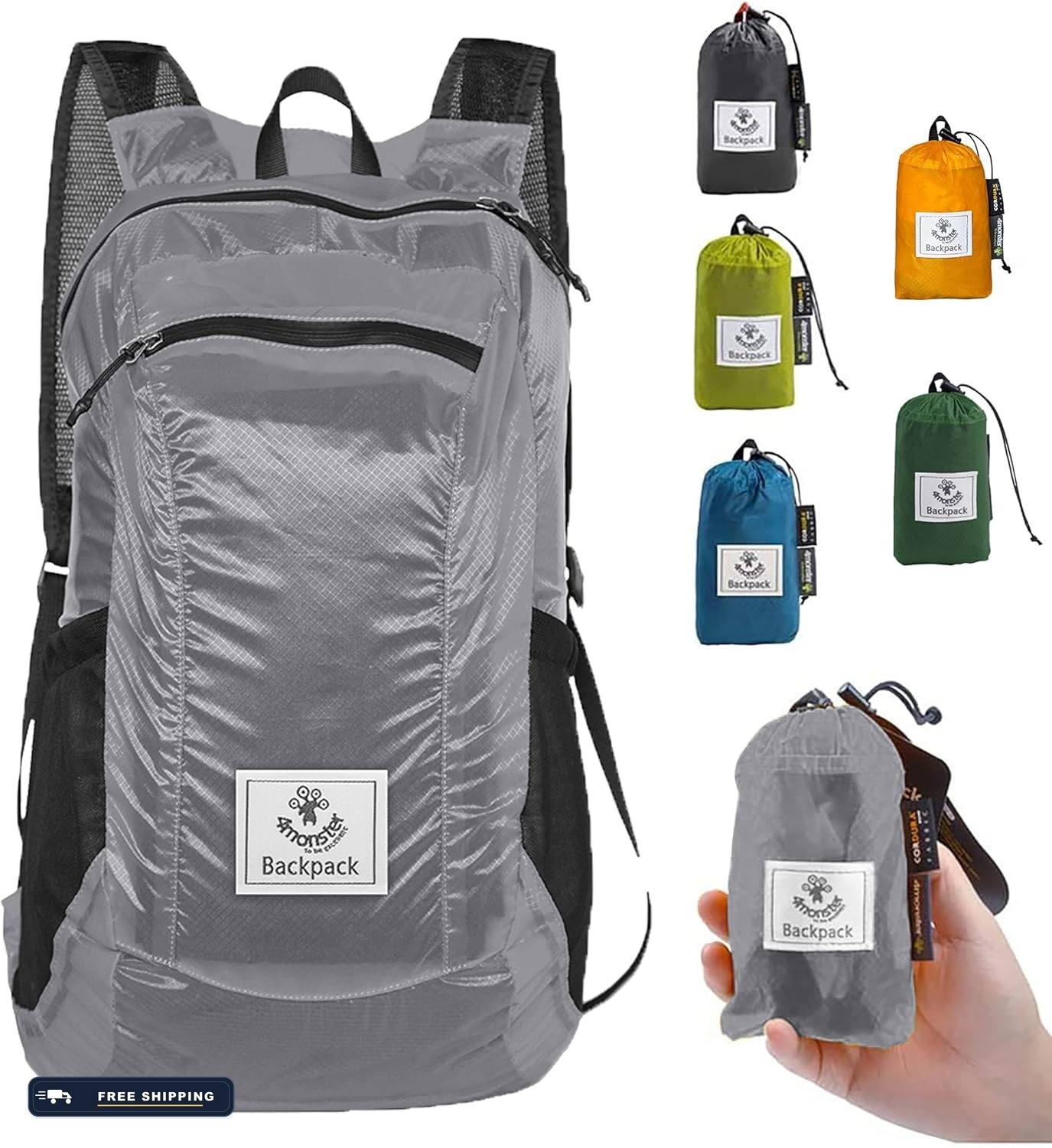 Hiking Daypack,Water Resistant Lightweight Packable Backpack for Travel Camping$38.99View on eBay
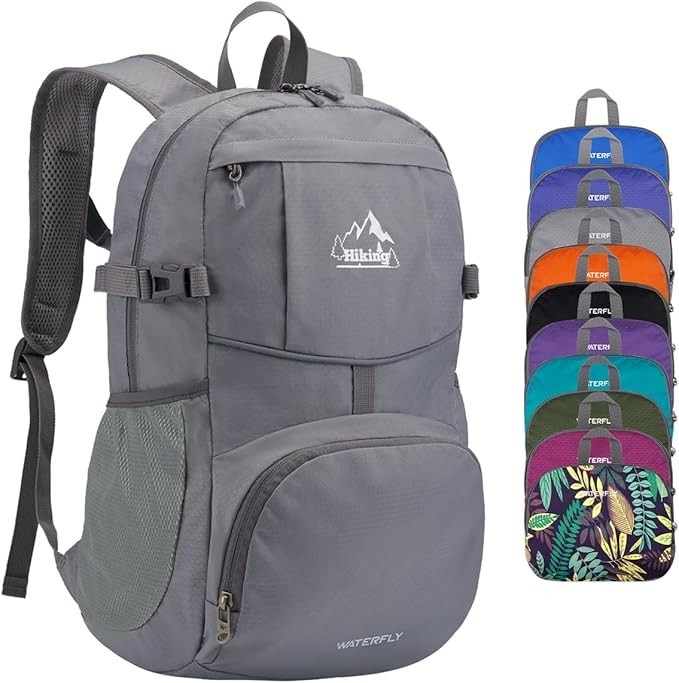 WATERFLY Packable Hiking Daypack: 25L Ultralight Fold-Waterproof Outdoor Unisex$30.00View on eBay
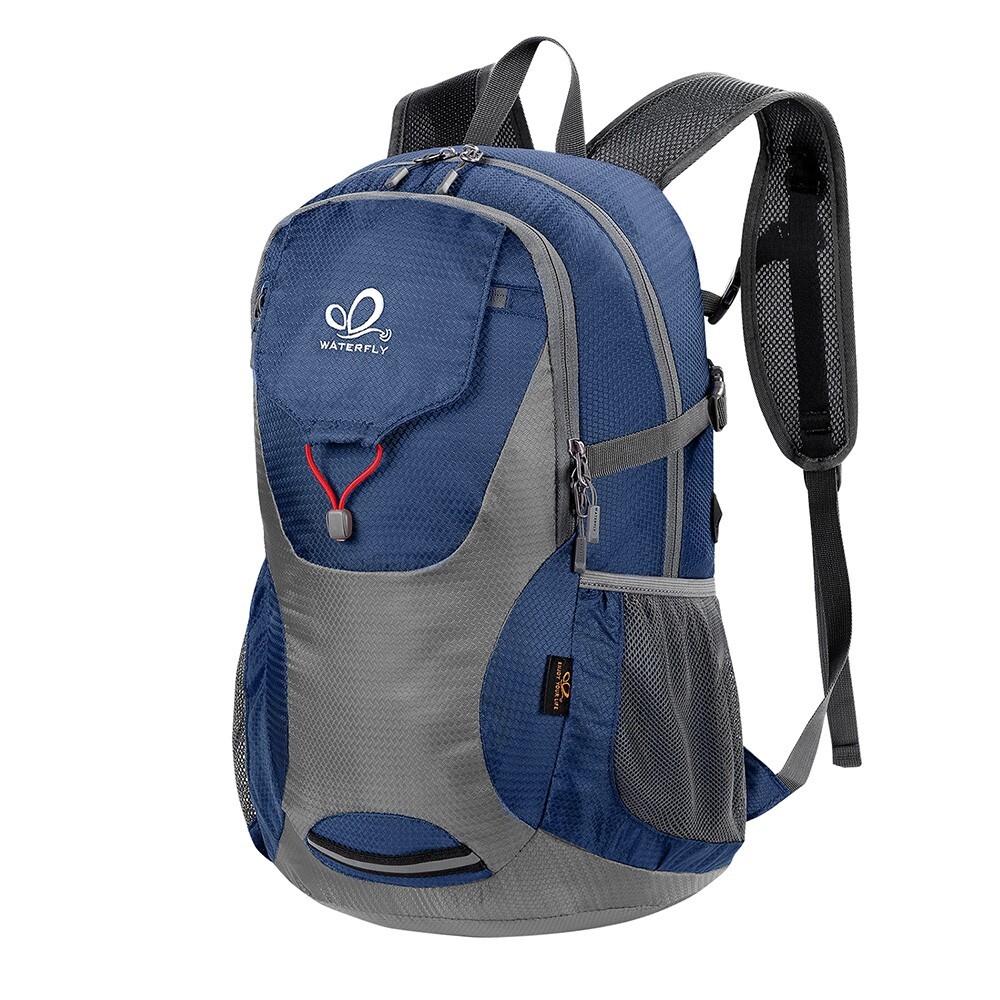 WATERFLY 30L Lightweight Packable Hiking Backpack - Ultralight Foldable Daypack$32.39View on eBay
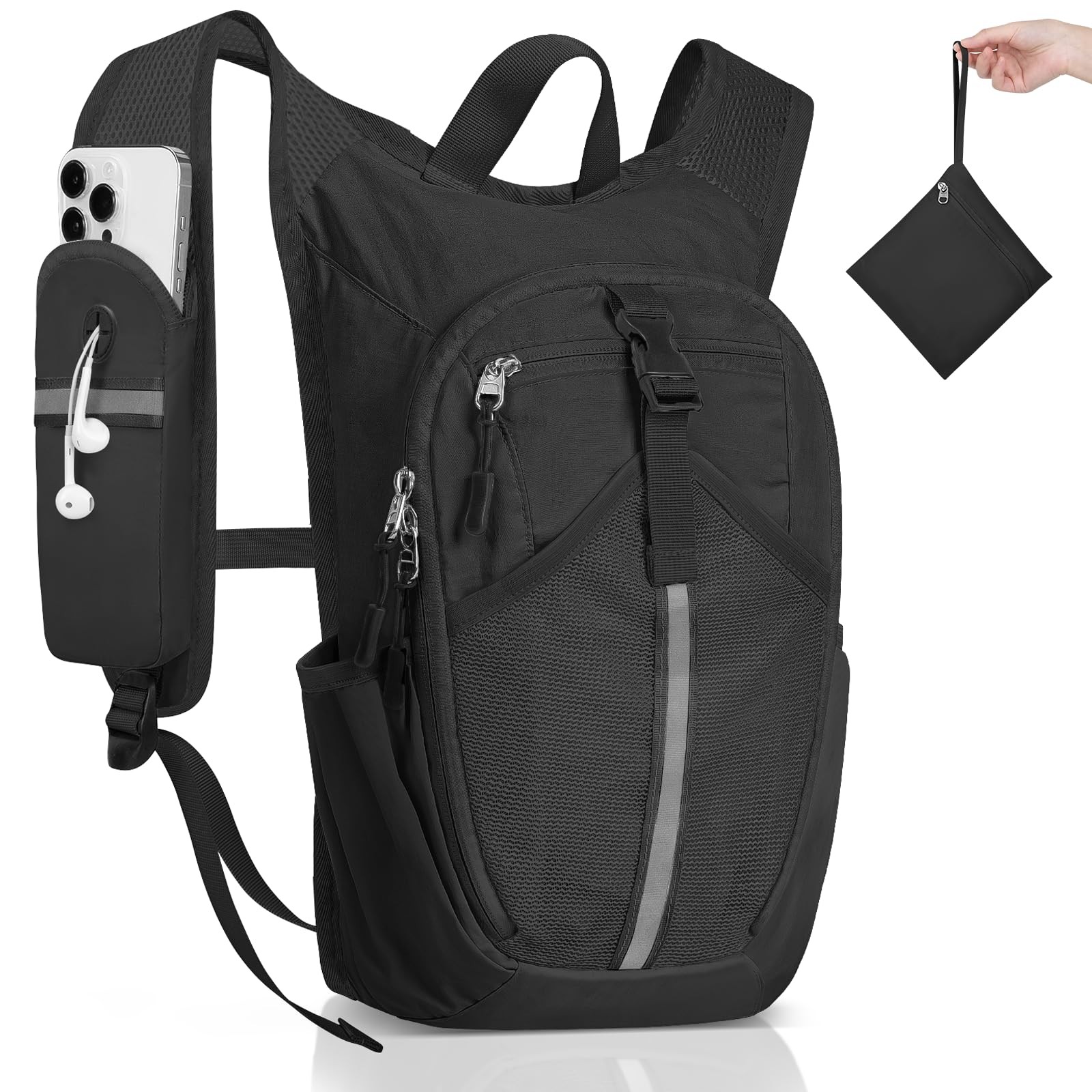 Small Hiking Backpack 10L - Lightweight Packable Foldable Backpack for Travel...$33.90View on eBay
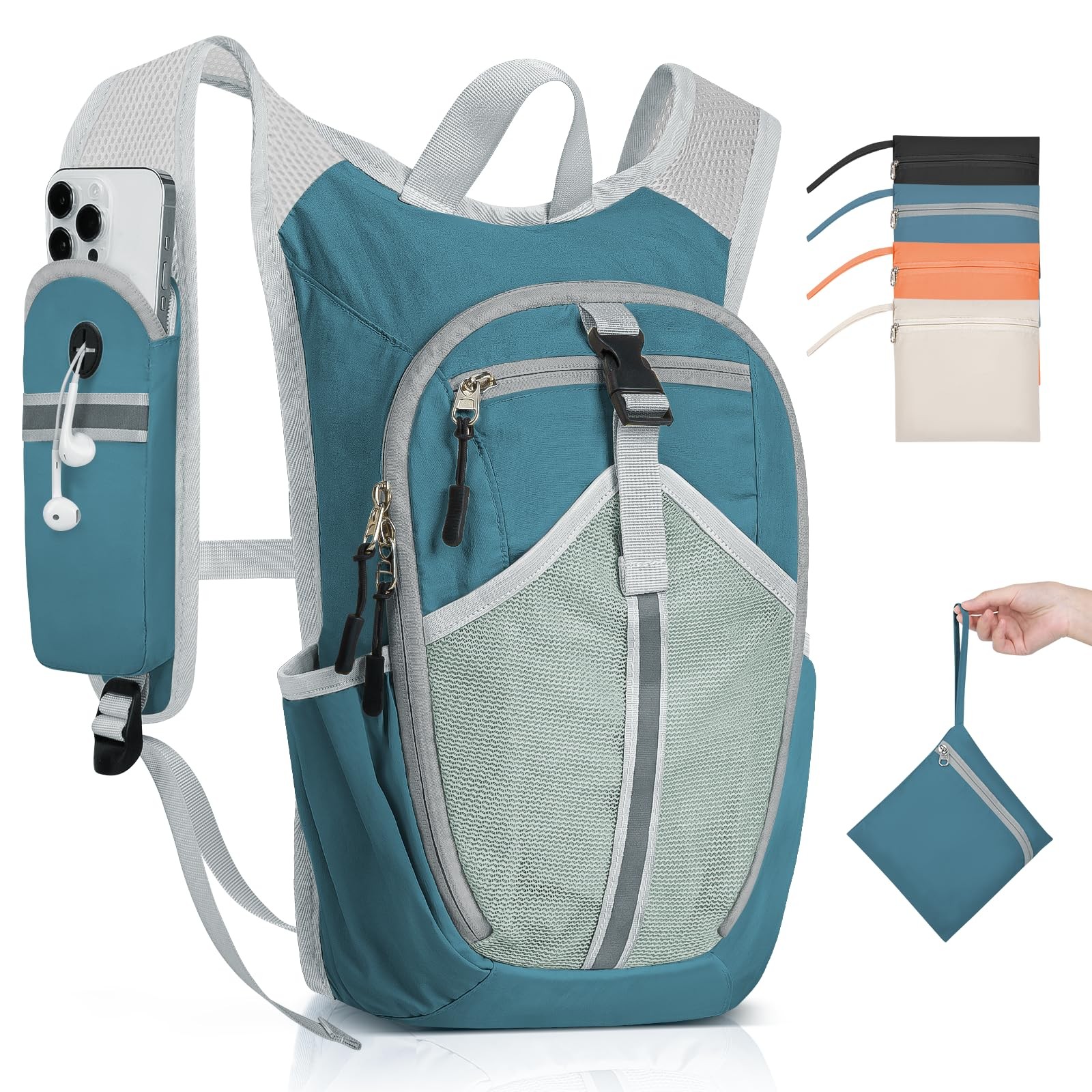 Small Hiking Backpack 10L-Lightweight Packable Foldable Backpack for Travel C...$33.90View on eBay
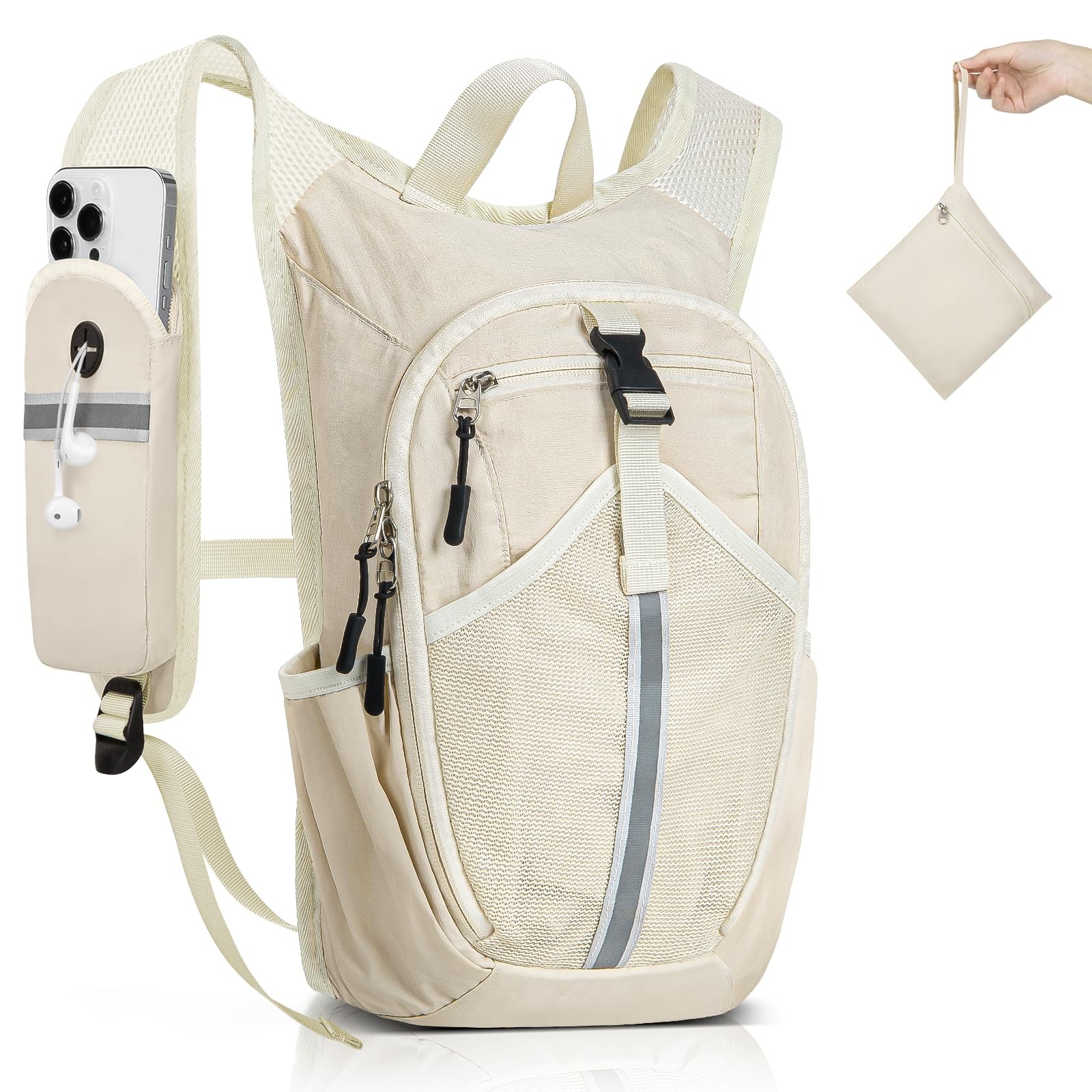 Small Hiking Backpack 10L- Lightweight Packable Foldable Backpack for Travel ...$33.90View on eBay
- Small Hiking Backpack 10L-Lightweight Packable Foldable Backpack for Travel C...$34.68View on eBay
- Small Hiking Backpack 10L-Lightweight Packable Foldable Backpack for Travel C...$34.96View on eBay
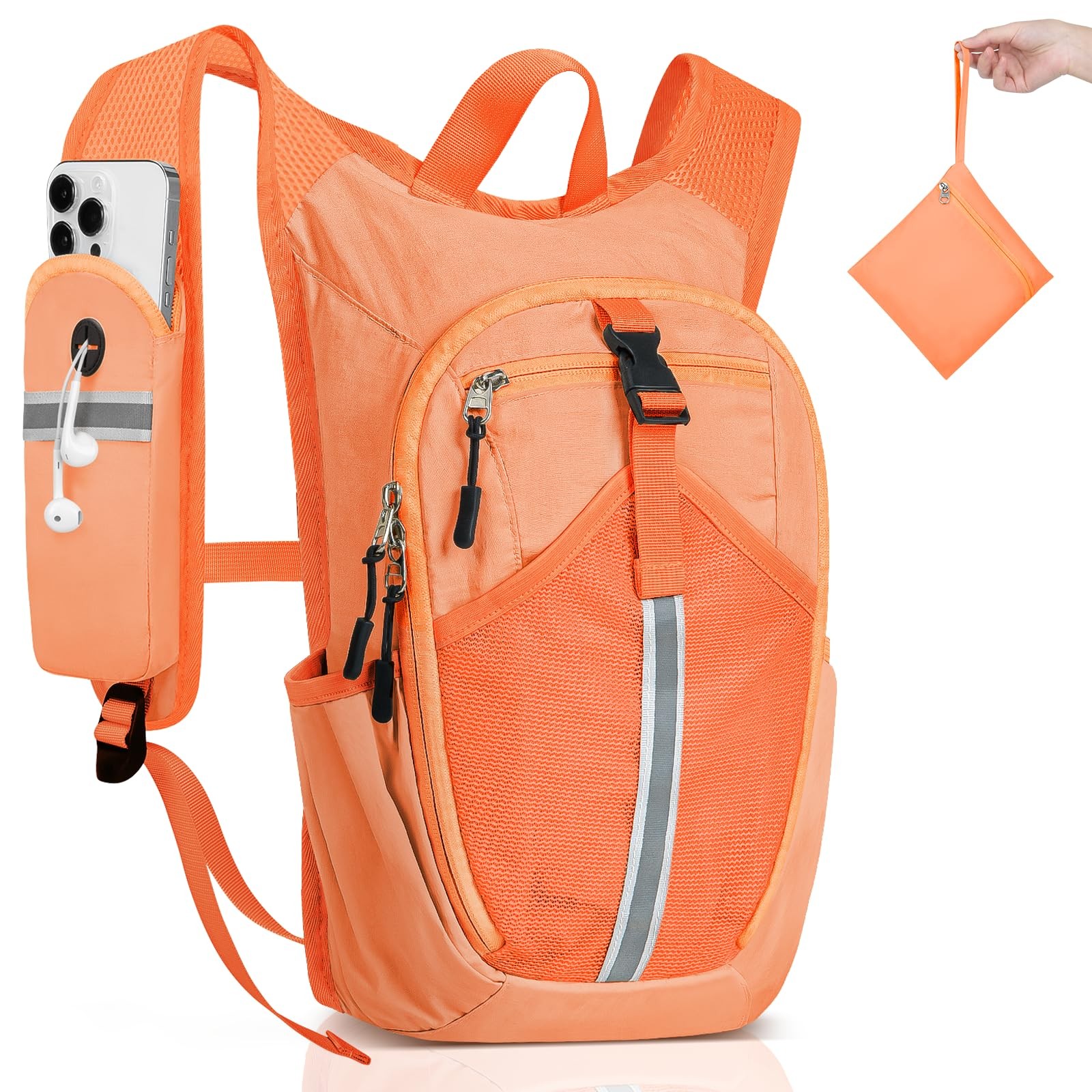 Small Hiking Backpack 15L- Lightweight Packable Foldable Backpack for Travel ...$35.51View on eBay
- Small Hiking Backpack 10L- Lightweight Packable Foldable Backpack for Travel ...$36.12View on eBay
- Small Hiking Backpack 15L- Lightweight Packable Foldable Backpack for Travel ...$37.46View on eBay
- Small Hiking Backpack 15L-Lightweight Packable Foldable Backpack for Travel C...$37.88View on eBay
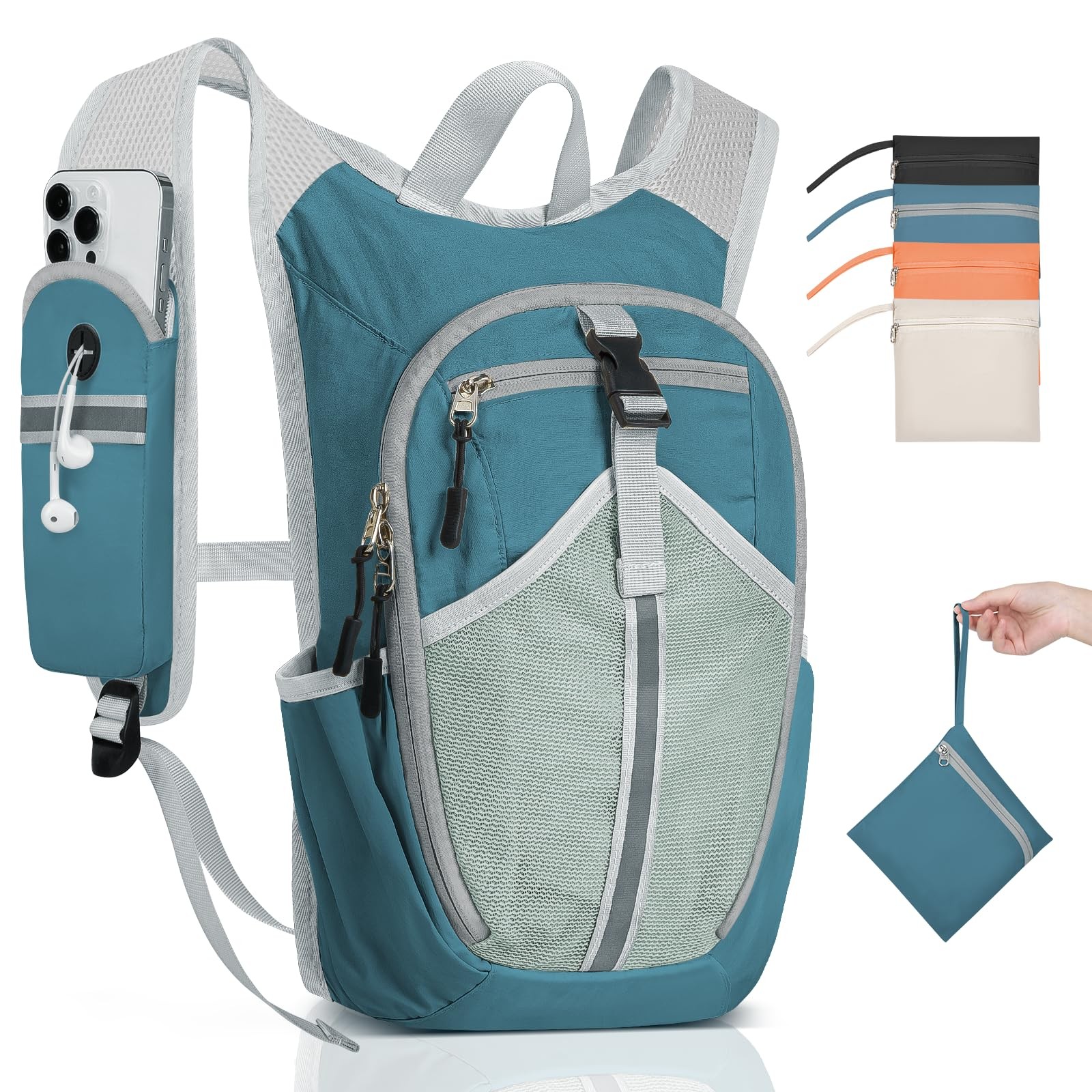 Small Hiking Backpack 15L-Lightweight Packable Foldable Backpack for Travel C...$39.09View on eBay
Highlights
- Fabrics: 20D-40D silnylon is ultralight and compressible but less abrasion-resistant; 210D ripstop nylon offers a better durability-to-weight ratio for trail use.
- Capacity tiers: 10-15L suits minimalist day hikes and travel; 20-30L covers full-day hiking with layers, water, and food; packs over 30L add weight and bulk without structural support.
- Seam construction: taped or welded seams and a roll-top closure provide reliable water resistance; simple stitched seams with PU coating resist light rain only.
- Harness: padded shoulder straps and a sternum strap improve load stability; thin webbing straps suit ultralight loads under 5 kg but cause pressure points with heavier gear.
Best use cases
- Best for travel and city day trips: pick a 10-15L packable with a suitcase pass-through or internal pocket, and skip framed packs that don't compress.
- Best for full-day hikes with layers and water: choose a 20-30L ripstop nylon pack with padded straps and a sternum strap; skip 10L sacks that force gear onto the outside.
- Wrong fit for multi-day backpacking: packable daypacks lack hip belts and frames for loads over 7-8 kg—use a framed 40-60L backpack instead.
Buying tips
- Match capacity to load: 10-15L for 3-5 kg essentials, 20-25L for 6-9 kg day loads, 30L for bulky layers—add 20% volume for food and water.
- Choose 210D ripstop nylon or 30D+ silnylon for trail use; 20D silnylon only if packed size matters more than abrasion resistance.
- Look for taped seams and a roll-top or water-resistant zipper for rain; PU-coated zippers and stitched seams only handle drizzle.
- Verify packed size against your luggage: a 25L pack typically compresses to 18-22 cm x 12-15 cm, fitting most carry-on pockets and daypack lids.
Specs
| Fabric Grade | 20D silnylon vs 210D ripstop nylon |
|---|---|
| Capacity Range | 10L / 15L / 20-25L / 30L |
| Packed Size | 0.5-1.5L (bottle to grapefruit) |
| Harness Type | Padded straps + sternum vs webbing |
Related searches
What to check before buying
- Measure your torso and daily load: packs under 15L rarely have hip belts, so ensure shoulder straps are padded for loads over 4 kg.
- Check packed dimensions against your carry-on or trekking pack pocket—most 25L packs fold to roughly a 1L bottle size.
- Confirm fabric and seam treatment: ripstop nylon with taped seams for wet climates; basic PU coating for dry travel.
- Ensure compatibility with hydration bladders or bottle pockets if you hike long days—many ultralight packs omit a bladder sleeve.
FAQ
Data sources: eBay / Amazon listings and product attribute feeds Data updated Nov 17, 2026.
Some links on this page are affiliate links. If you buy after clicking one, we may earn a commission at no extra cost to you. This does not change which products appear here or their order. Affiliate disclosure.