Photos from current listings. Actual item, color, and included accessories may vary.
Waterproof Backpack Buying Guide
A waterproof backpack is not a single category but a spectrum from fully seam-welded dry bags to water-resistant nylon daypacks with taped zippers. The core trade-off is waterproof rating versus breathability, suspension, and access: true submersible protection uses TPU-laminated fabric and roll-tops, while weatherproof hiking packs trade absolute sealing for harness comfort and quick-draw pockets. Buy fully welded roll-top construction if you will ford rivers or ride in sustained rain; buy DWR-coated nylon with taped zippers if you mostly need reliable rain protection on trail with adjustable ventilation.


At a glance
- Category
- Hiking Backpacks & Hydration Packs
- Data updated
- Nov 17, 2026
Current offers
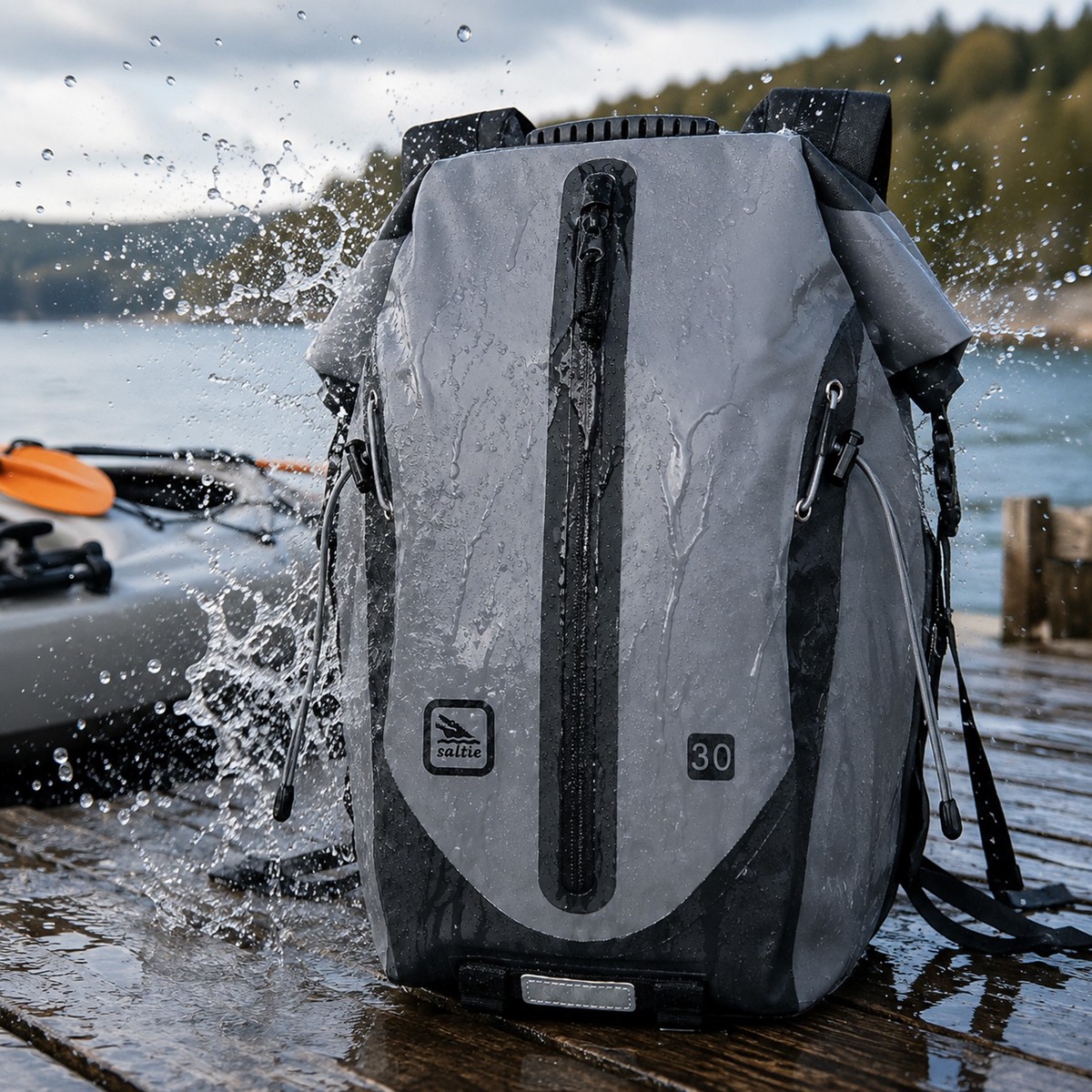 Waterproof Hiking Backpack 30L Dry Bag Camping Outdoor Gear Gray$24.99
 View on eBay
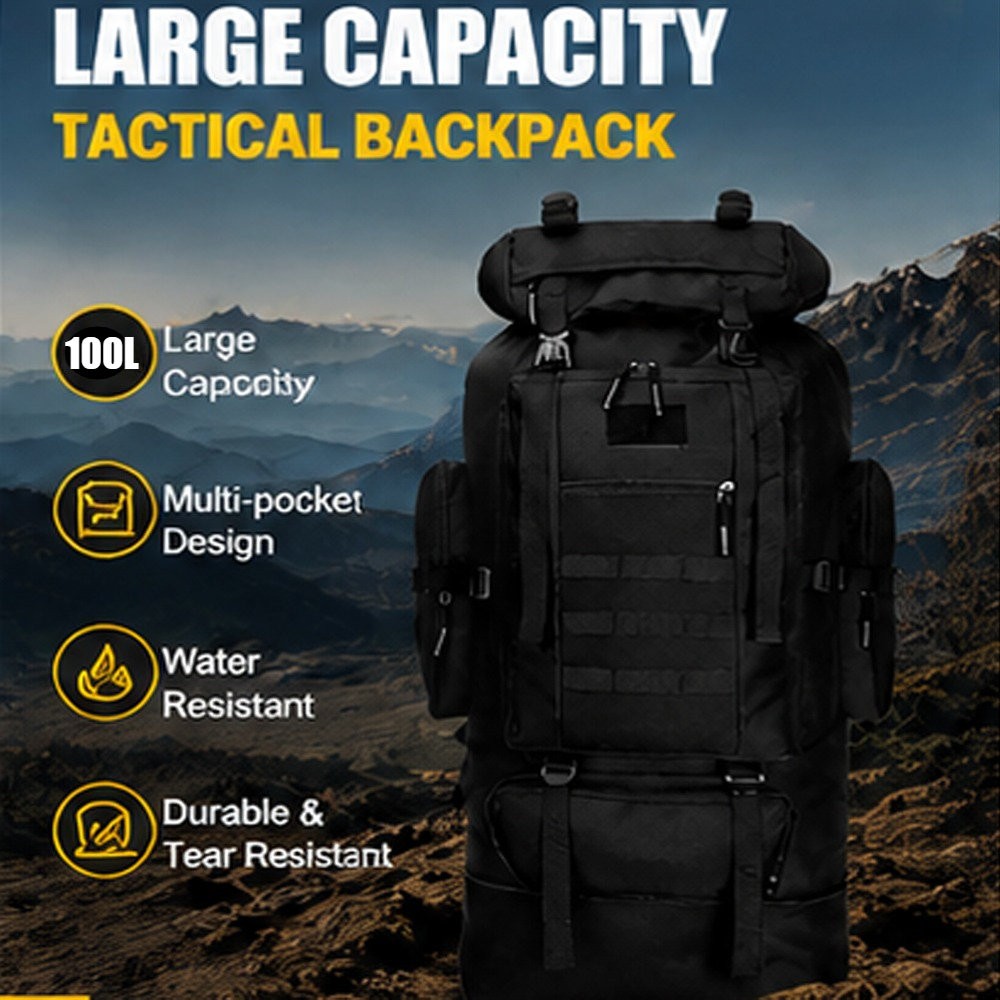 100L Expandable Hiking Backpack Waterproof Trekking Camping Backpack$25.99View on eBay
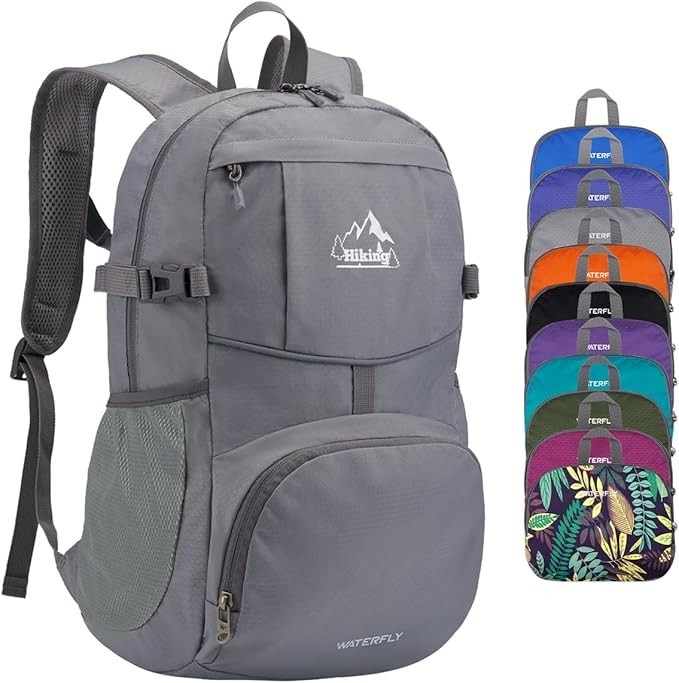 WATERFLY Packable Hiking Daypack: 25L Ultralight Fold-Waterproof Outdoor Unisex$30.00View on eBay
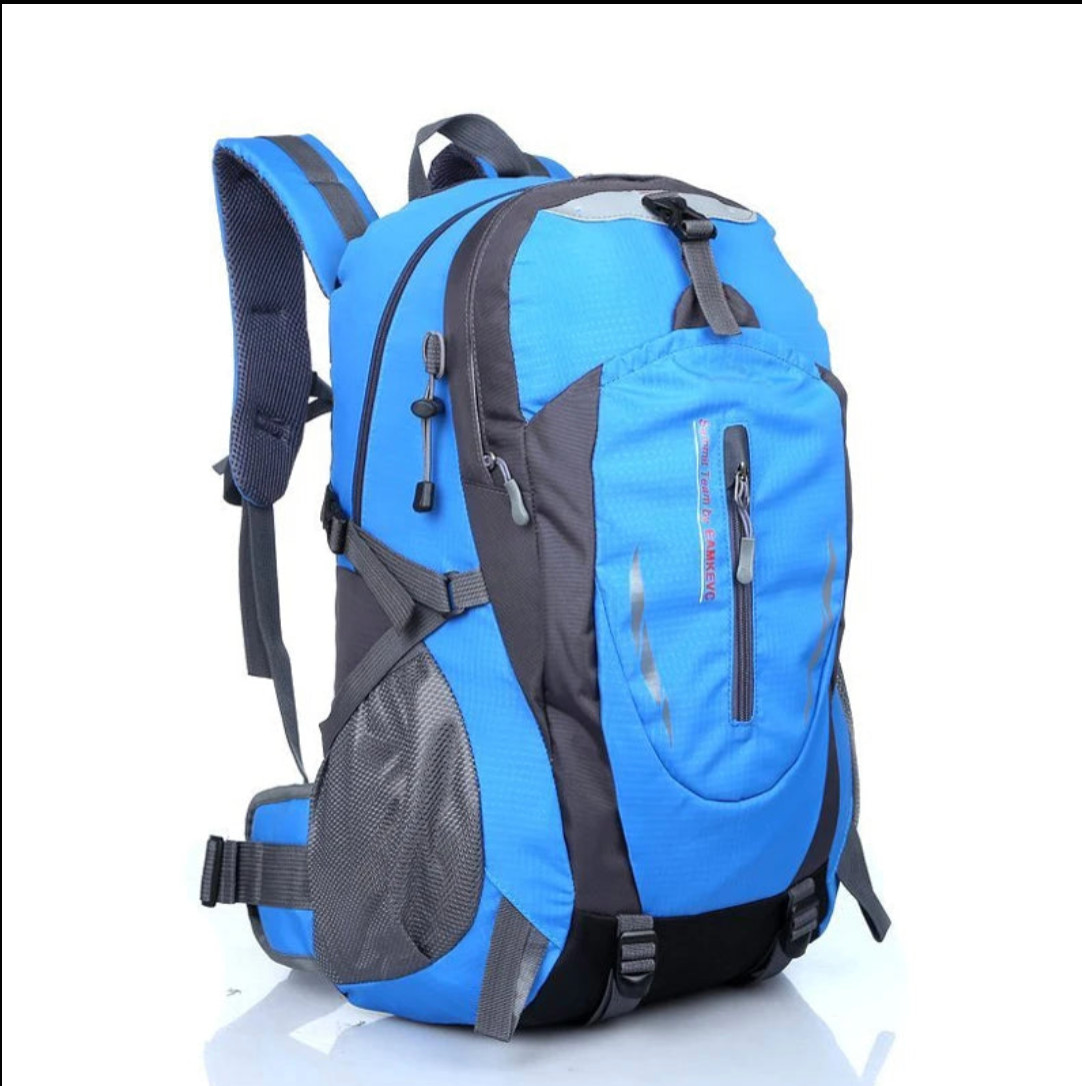 Unisex 40L Waterproof Hiking Backpack – Travel Camping Outdoor Sports Daypack$35.80View on eBay
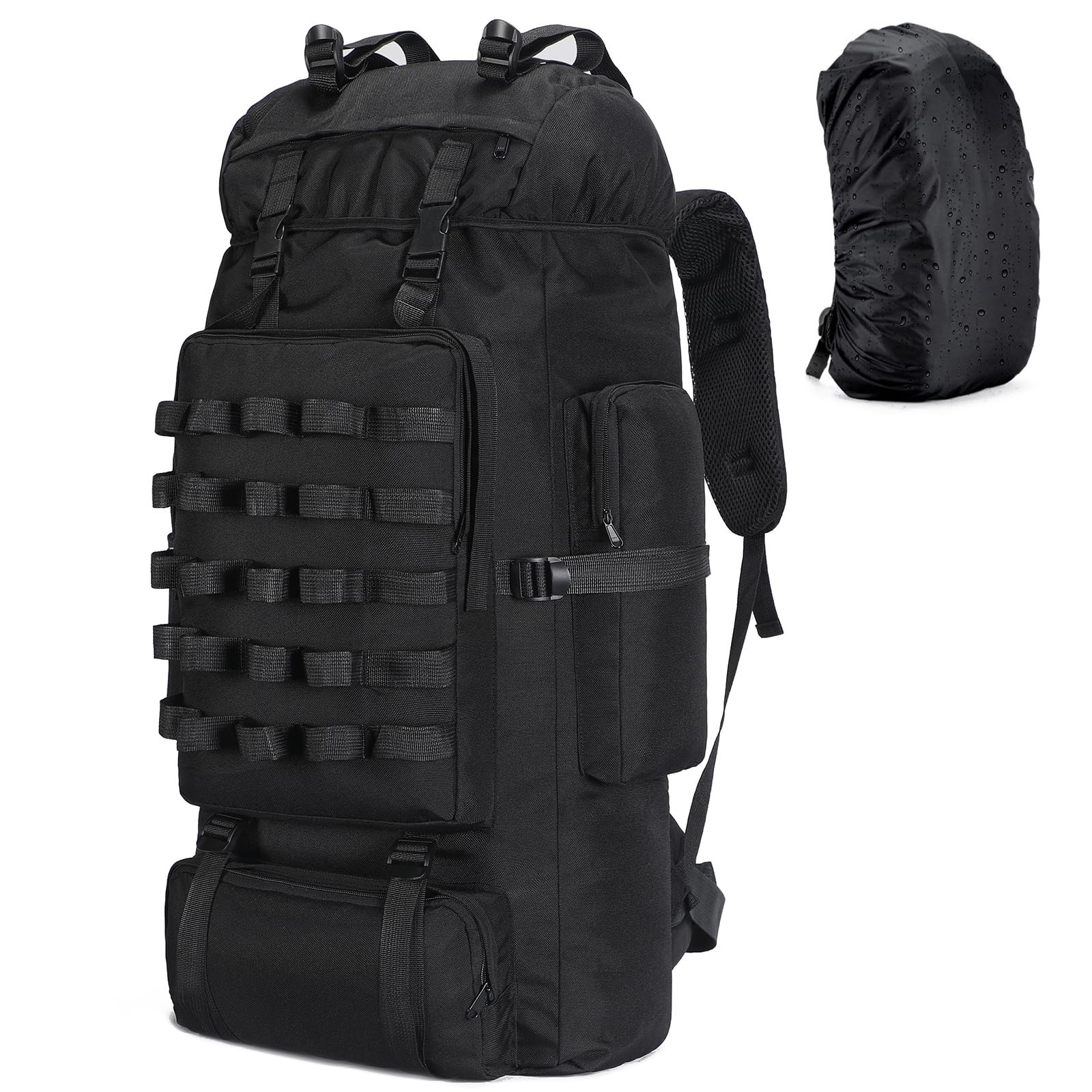 70L Camping Hiking Backpack with Rain Cover, Waterproof Molle Rucksack for Men,$35.86View on eBay
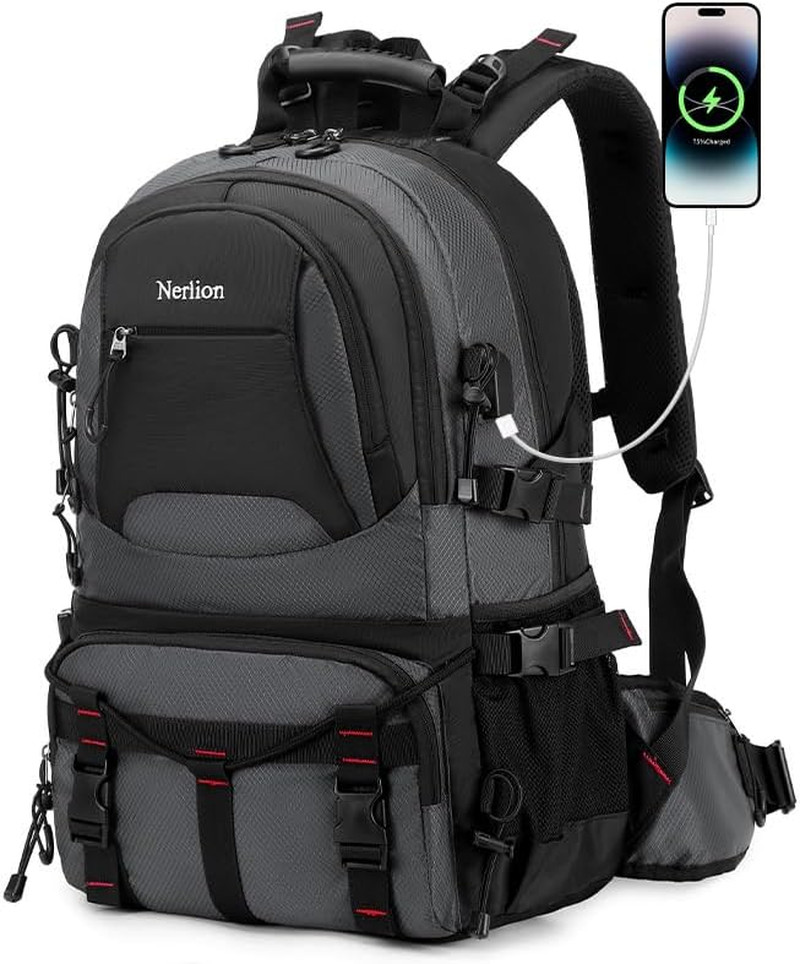 Nerlion 40L Waterproof Hiking Backpack for Men & Women - Lightweight Daypack$37.24View on eBay
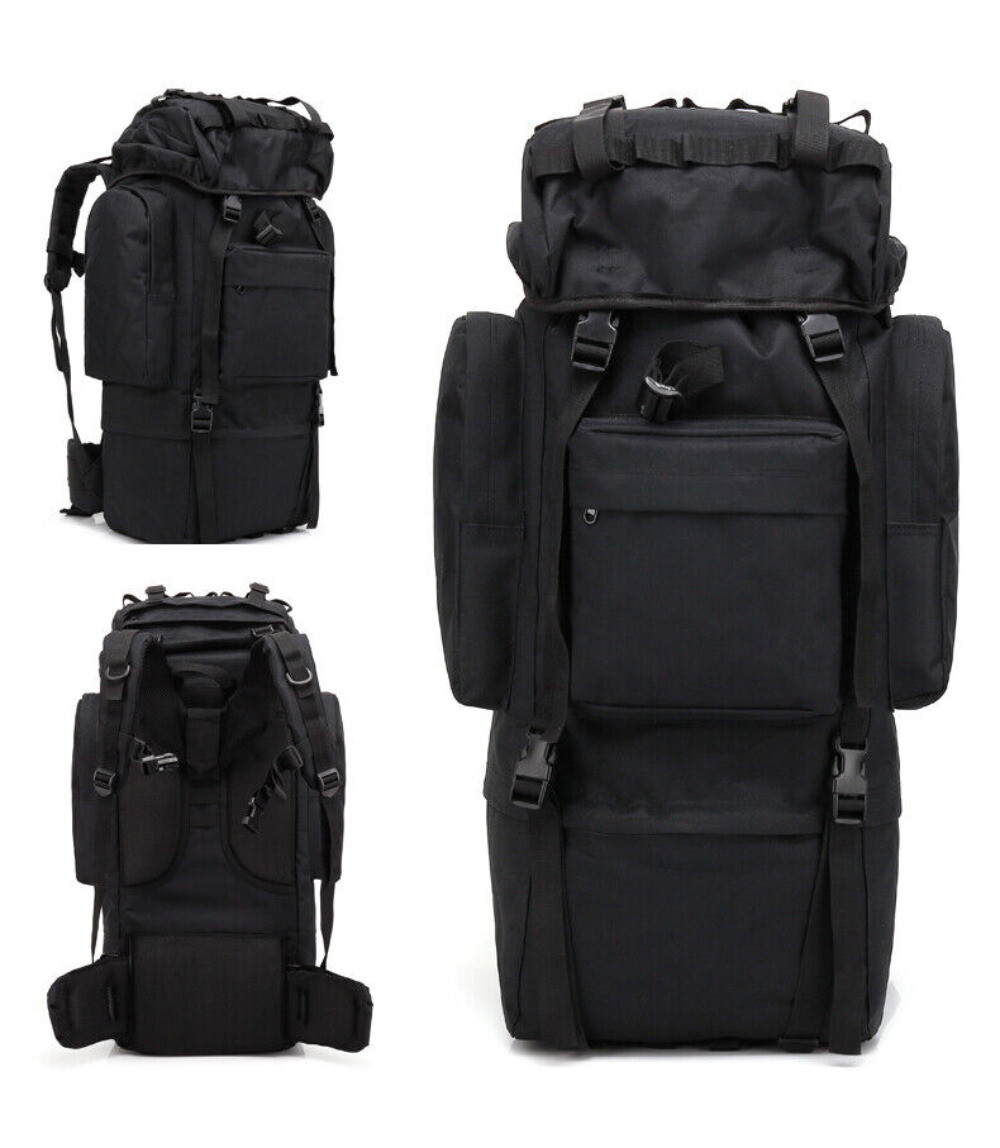 65L Tactical Backpack with Internal Frame Waterproof Rucksack for Camping Hiking$40.99View on eBay
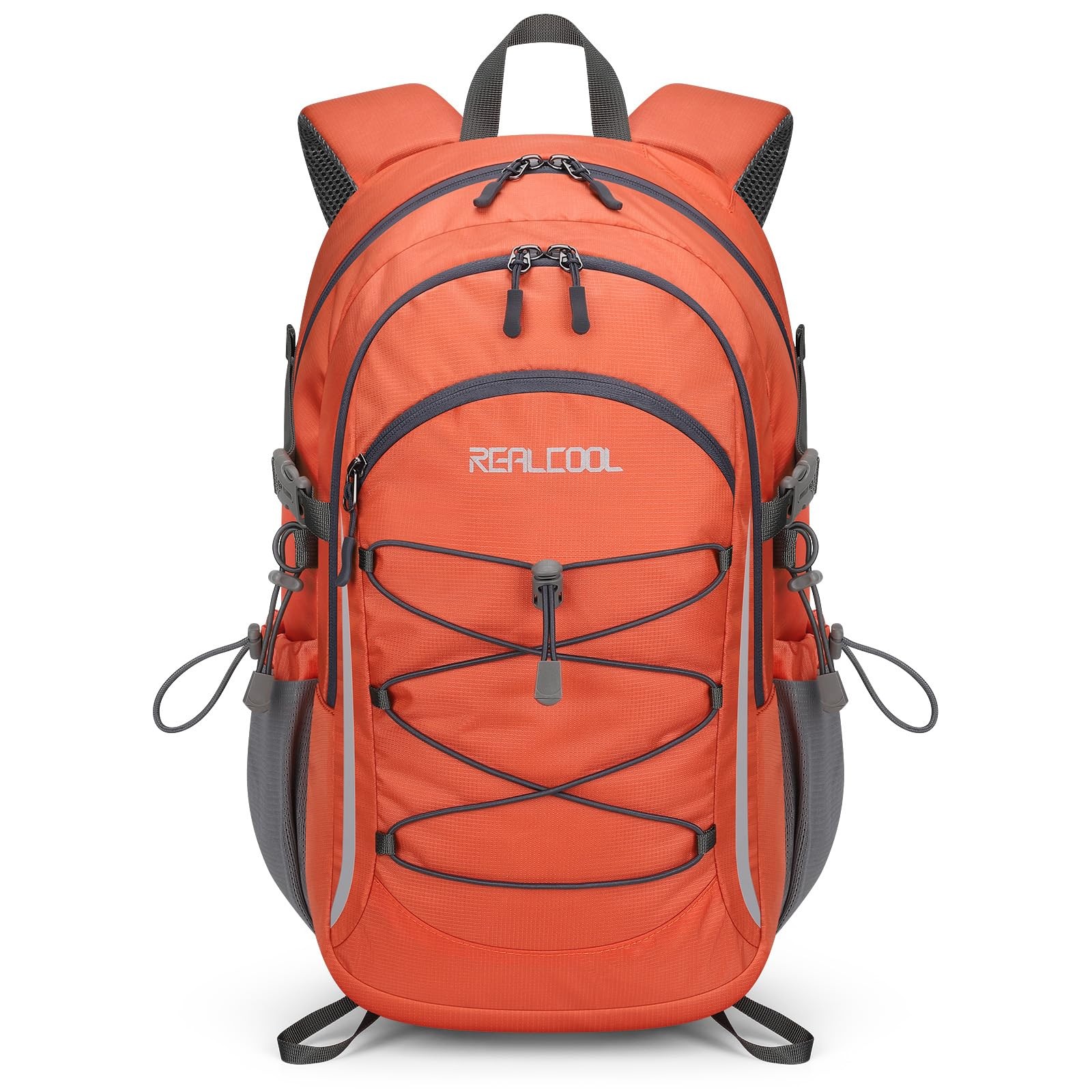 20L Lightweight Hiking Backpack, Waterproof Daypack for Camping$41.48View on eBay
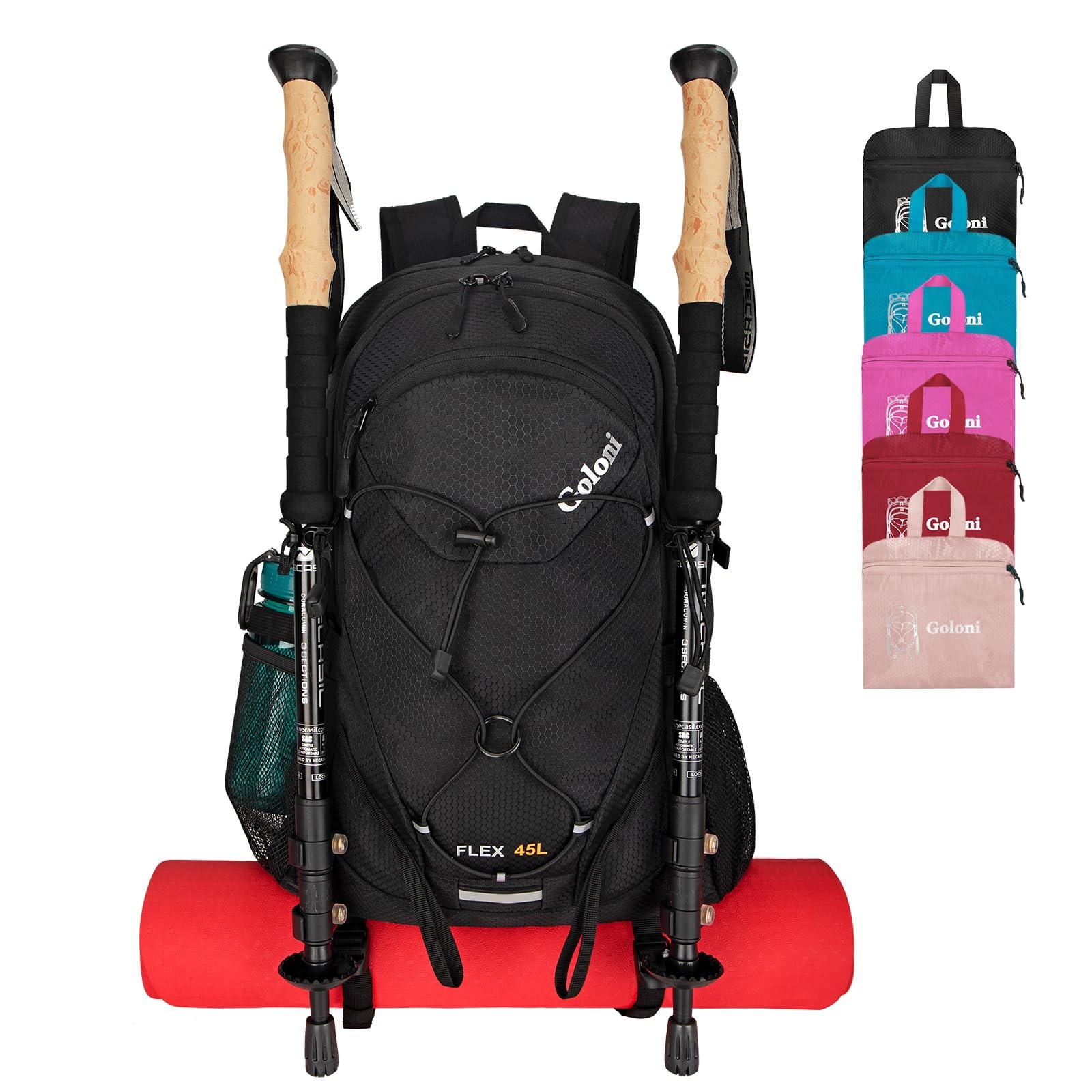 45L Hiking Backpack Lightweight Foldable, Waterproof Camping Backpack with Ra...$45.93View on eBay
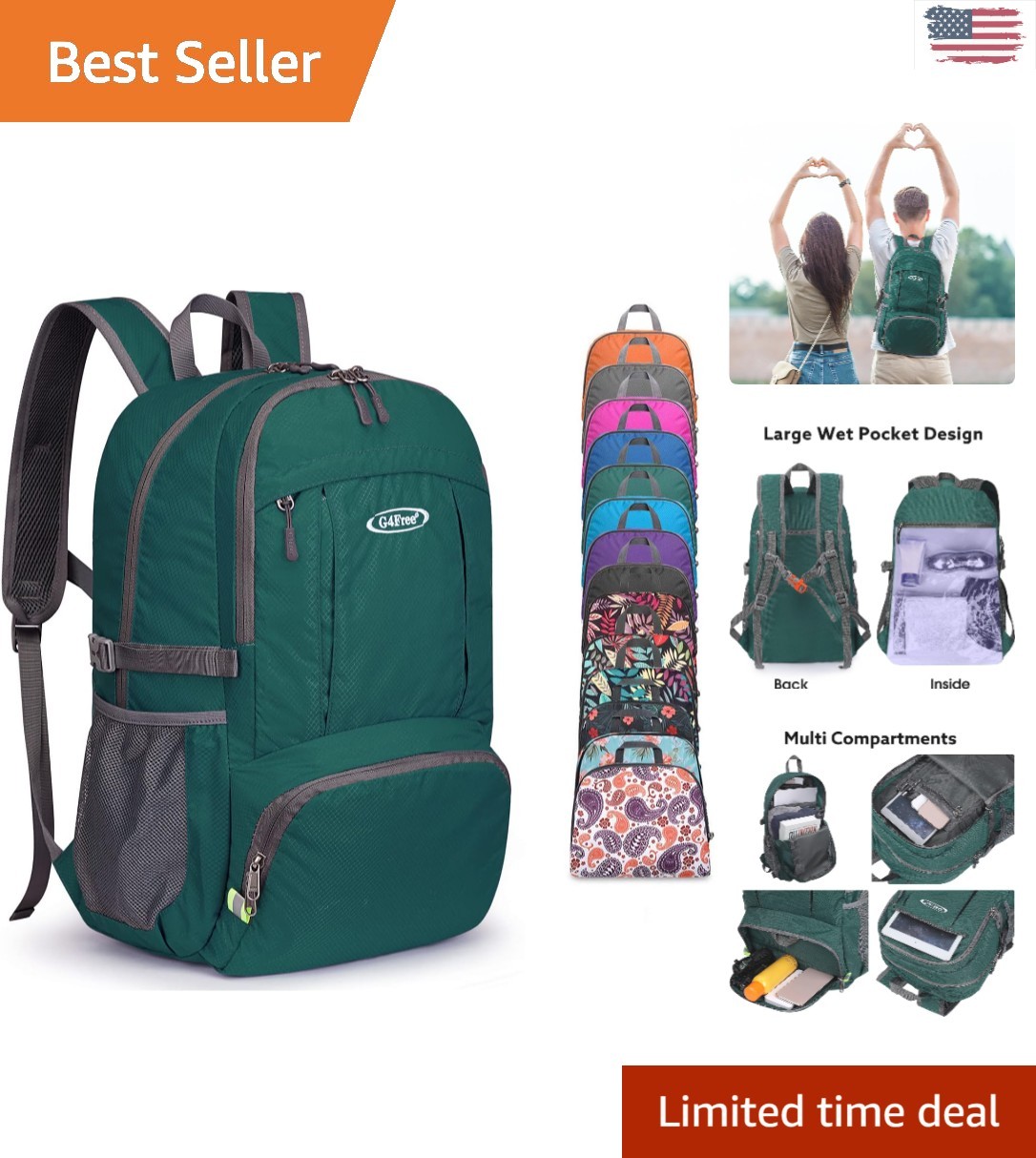 Versatile 40L Hiking Daypack with Multi-Compartments and Waterproof Features$47.99View on eBay
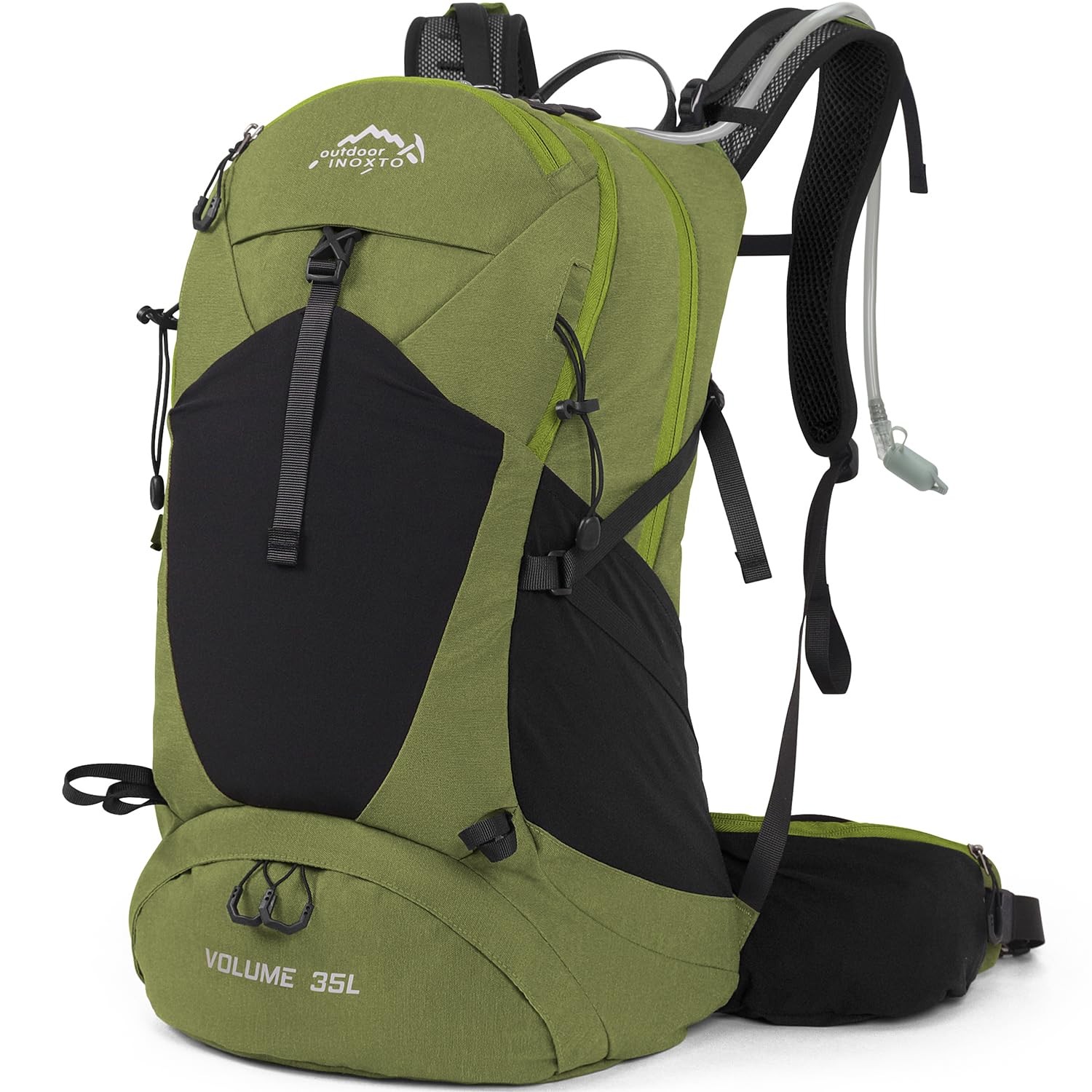 Hiking Backpack,35L Waterproof Hiking Daypack with 3L Water Bladder and Rain ...$55.00View on eBay
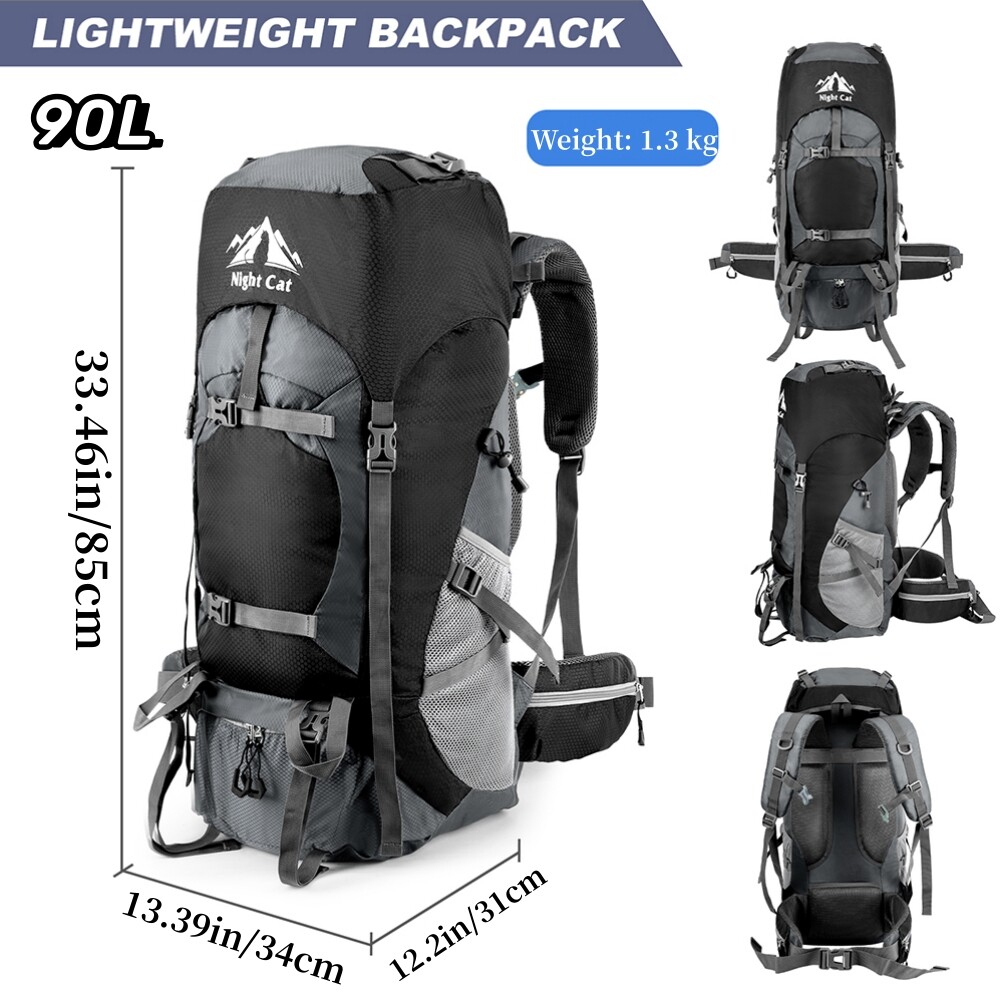 Night Cat Backpack Hiking Camping Cycling Waterproof 70L / 90L Daypacks Bag$60.49View on eBay
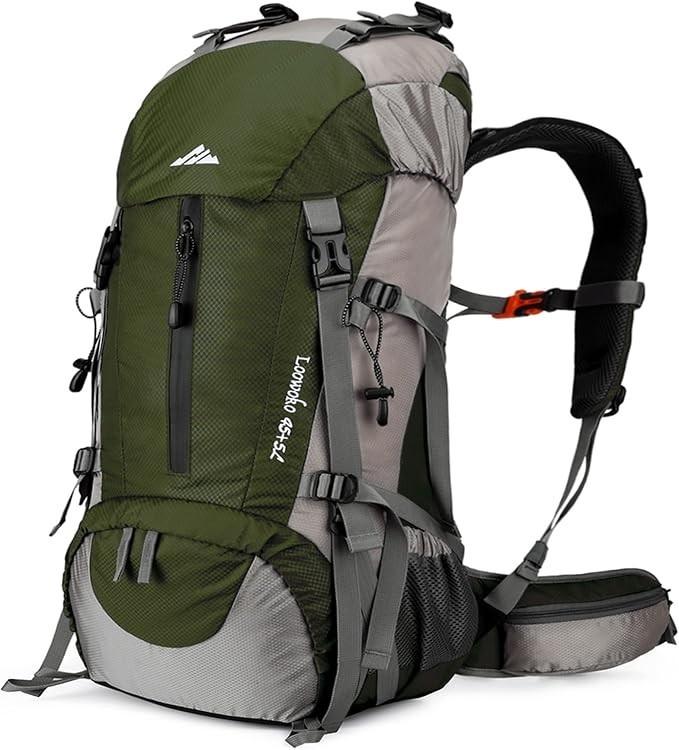 50L Hiking Backpack, Waterproof Camping Essentials Bag with Rain Cover, 45+5 Lit$66.38View on eBay
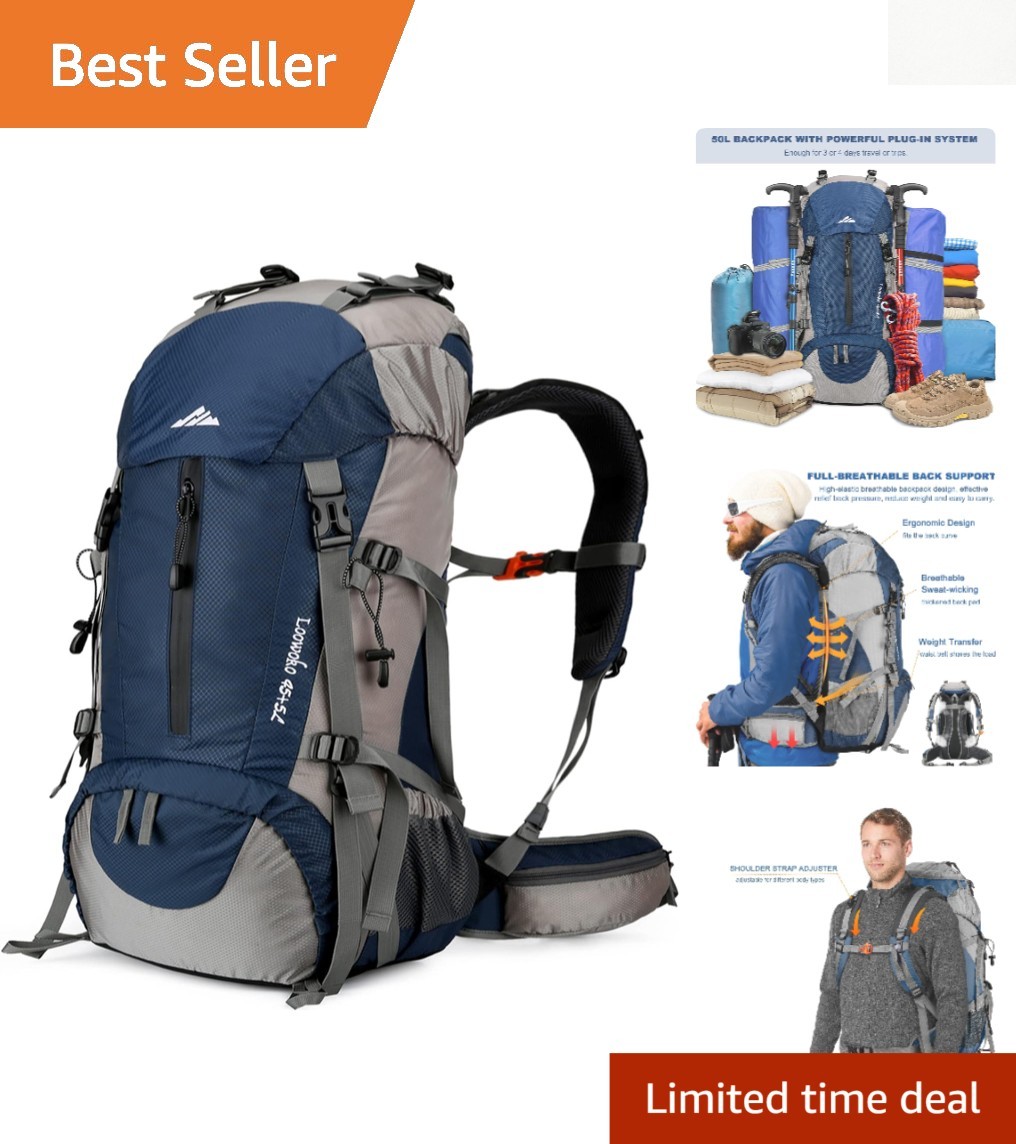 Ultimate 50L Daypack - Waterproof, Lightweight, Adjustable & Perfect for Hiking$91.99View on eBay
Highlights
- IPX6 (high-pressure spray) and IPX7 (1 m submersion for 30 min) are the two waterproofing benchmarks; only welded-seam roll-tops with taped or zipperless closures consistently reach IPX7.
- Material grades: 200-500D TPU-laminated polyester or nylon offers puncture resistance and weldability; 210D ripstop nylon with PU coating plus DWR is lighter but relies on taped seams and water-resistant zippers, typically IPX4-IPX6.
- Zipper construction is the weakest link: standard coil zippers leak under pressure, water-resistant (PU-coated) zippers resist rain, and only welded waterproof zippers (e.g., TIZIP) or roll-top dry closures keep gear dry during immersion.
- Suspension vs waterproofing conflict: internal-frame 40-65 L packs with padded hipbelts distribute load for multi-day trips but add seams and zippers that reduce sealing; ultralight 20-30 L packable daypacks prioritize welded construction and packability with minimal carry support.
Best use cases
- Multi-day alpine or river crossings with electronics and sleep system: choose a 40-70 L internal-frame pack with TPU-laminated body, welded seams, and a roll-top or waterproof zipper main compartment; skip stitched panels with standard zippers.
- Daily trail hikes and travel in wet climates: choose a 20-30 L packable daypack in 210D ripstop with taped seams and water-resistant zippers; skip heavy 100 L expedition bags that add weight without needed capacity.
- Women's fit: choose a 25-40 L pack with a shorter torso length (15-17 in vs 17-19 in unisex), narrower shoulder straps, and a curved hipbelt; skip unisex one-size designs that sit too low or gap at the lumbar.
- Tactical or bushcraft use: choose a 45-65 L MOLLE-compatible rucksack in 500D+ Cordura with rain cover included; skip ultralight packable bags that cannot survive abrasion from branches and gear.
Buying tips
- Torso length determines fit more than height: measure from C7 vertebra to iliac crest; 16-19 in fits most women and shorter men (S/M), 18-21 in fits average-to-tall men (M/L), 21+ in needs a large harness.
- Match capacity to trip length: 20-30 L for day hikes, 30-45 L for overnight or fastpacking, 45-65 L for 2-4 day trips, 65-100 L for expedition or gear-heavy travel; add 10 L if carrying a bear canister or winter layers.
- Verify waterproofing claims by closure type: roll-top with welded seams = submersion-ready; taped zippers + DWR = rain-resistant; standard zippers with a separate rain cover = emergency protection only, not waterproof.
- For women, prioritize packs with adjustable torso length and gender-specific hipbelt/strap geometry; unisex packs often carry weight too low on the hips and cause shoulder pressure on shorter torsos.
Specs
| Waterproof Rating | IPX4 spray to IPX7 submersion |
|---|---|
| Closure Type | Roll-top welded / taped zip |
| Fabric Grade | 210D ripstop to 500D TPU |
| Capacity Range | 20 L daypack to 100 L expedition |
Related searches
What to check before buying
- Measure your torso (C7 to iliac crest) and hip circumference before selecting size; a 2-inch mismatch in torso length causes load instability and shoulder pain on any pack over 15 kg.
- Check that your intended water exposure matches the closure: river fords and heavy monsoon require IPX7 welded roll-top; sustained trail rain is covered by IPX6 taped-zip packs; occasional drizzle needs only DWR.
- Confirm compatibility with your hydration system: most hiking packs route a 2-3 L bladder hose through a dedicated port; dry bags with roll-tops often lack hose ports and require a separate hydration carrier.
- Verify airline carry-on limits if traveling: 40 L packs typically fit within 55 x 40 x 20 cm cabin limits, while 65 L+ internal-frame packs usually require checked baggage.
FAQ
Data sources: eBay / Amazon listings and product attribute feeds Data updated Nov 17, 2026.
Some links on this page are affiliate links. If you buy after clicking one, we may earn a commission at no extra cost to you. This does not change which products appear here or their order. Affiliate disclosure.