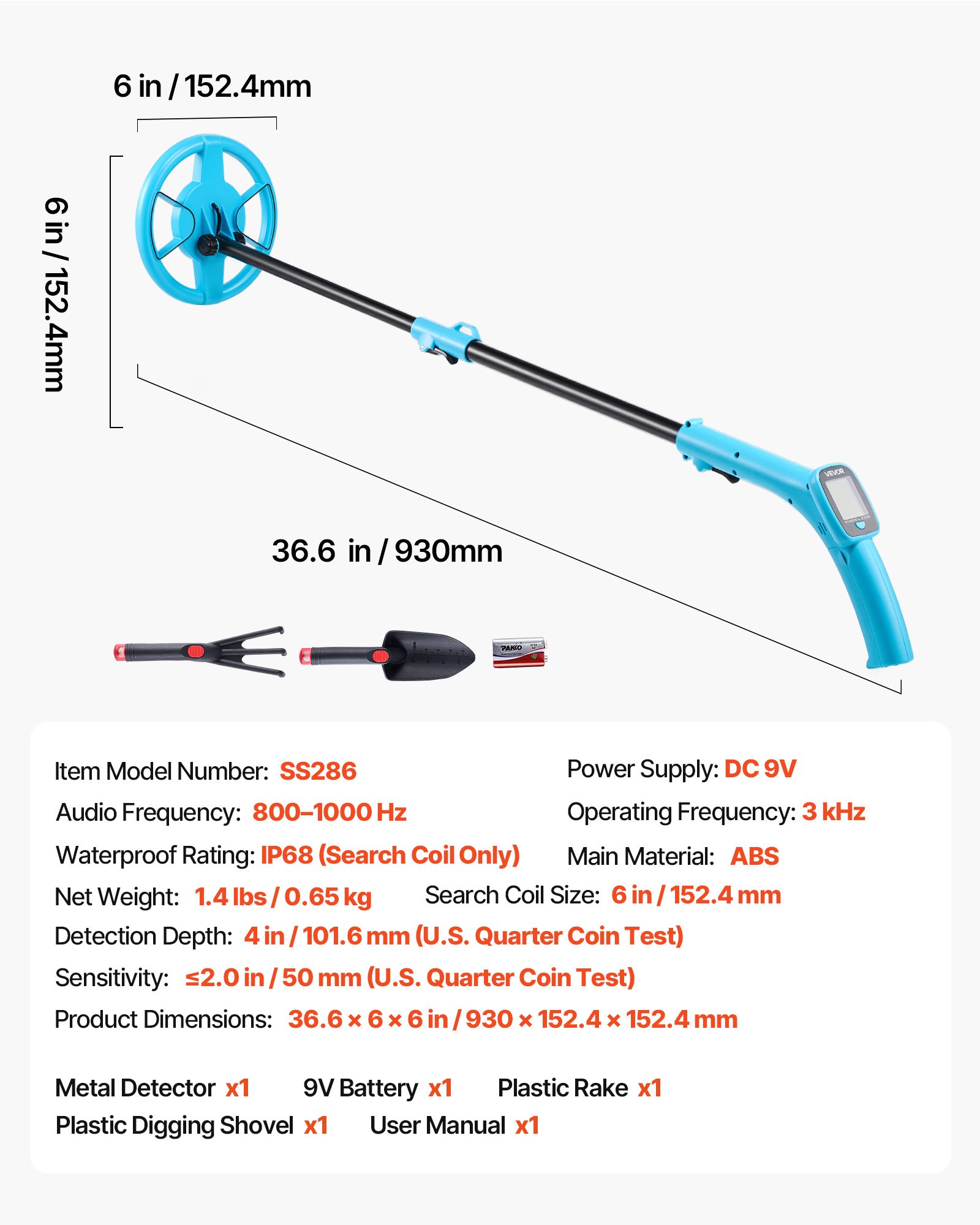

Photos from current listings. Actual item, color, and included accessories may vary.
Gold Detecting Metal Detector Buying Guide
Gold detecting metal detectors are specialized VLF or pulse-induction machines tuned to hit small, low-conductivity gold at depth while rejecting iron trash. The core trade-off is frequency and coil size versus target separation: high-frequency VLF (18–71 kHz) excels on sub-gram nuggets, while pulse induction (PI) handles mineralized ground and depth but ignores discrimination. Buy a high-frequency VLF with ground balance and a mid-size waterproof coil for general prospecting; step to PI only for extreme mineralization and deep relic-style hunting.


At a glance
- Category
- Hunting, Prospecting & Metal Detecting
- Data updated
- Nov 16, 2026
Current offers
Highlights
- Operating frequency defines gold sensitivity: 18–30 kHz general-purpose VLF, 40–71 kHz for tiny nuggets, PI for mineralized ground with no iron rejection.
- Coil size controls depth versus separation: 6-inch coils isolate targets in bedrock cracks, 10–12-inch coils add depth but mask adjacent small gold.
- Ground balance is mandatory: manual or automatic ground balance cancels mineralized soil; fixed-balance machines false-signal on hot rock and black sand.
- IP68 rating means the coil is submersible, not the control box; only fully waterproof housings (e.g., Equinox, AT Gold) allow wading or surf use.
Best use cases
- Best fit: dry creek beds, tailings piles, and bedrock crevices — pick a 40–71 kHz VLF with a 6–10-inch coil and manual ground balance.
- Best fit: mineralized laterite or black-sand beaches where VLF chatters — choose pulse induction (e.g., Garrett ATX, Minelab SDC 2300) and accept digging all targets.
- Wrong fit: park or relic hunting with iron rejection — skip high-frequency gold VLF; use a multi-frequency machine with notch discrimination.
- Wrong fit: diving or surf wading with a coil-only IP68 detector — the control housing is not waterproof; choose a fully submersible rated unit.
Buying tips
- Match frequency to nugget size: 18–30 kHz for 1–5 g pieces at depth, 40–71 kHz for sub-gram flakes in shallow bedrock.
- Size the coil to terrain: 6-inch for tight crevices and trashy ground, 10–12-inch for open ground depth; skip 15-inch+ on small-gold claims.
- Prioritize manual ground balance and a ground-balance readout over mode counts; six preset modes do not replace proper mineralization tuning.
- Verify the coil connector and shaft standard: most brands use proprietary connectors, so spare coils must match the exact model series.
Specs
| Tech Type | VLF vs Pulse Induction |
|---|---|
| Frequency Band | 12–71 kHz (higher = smaller gold) |
| Coil Size | 6–12 in waterproof (IP68 coil) |
| Ground Balance | Manual / Auto / Fixed |
Related searches
What to check before buying
- Confirm the control housing waterproof rating separately from the coil — IP68 coil does not mean a submersible control box.
- Check shaft length range against your standing height: most adjust roughly 22–36 inches; taller users need extended lower shafts.
- Verify headphone output type (1/4-inch or 3.5 mm) and whether wireless headphones pair natively or need a bundled transmitter.
- Match battery type (AA, built-in Li-ion, or rechargeable pack) to trip length; multi-day backcountry hunts favor field-swappable AA.
FAQ
Data sources: eBay / Amazon listings and product attribute feeds Data updated Nov 16, 2026.
Some links on this page are affiliate links. If you buy after clicking one, we may earn a commission at no extra cost to you. This does not change which products appear here or their order. Affiliate disclosure.