Photos from current listings. Actual item, color, and included accessories may vary.
Waterproof Metal Detector Buying Guide
A waterproof metal detector is defined by whether the entire unit or only the search coil can be submerged, and that single design choice separates shallow-water wading detectors from fully submersible pulse-induction machines. The key trade-off is coil water resistance and target separation versus depth and saltwater stability; VLF detectors excel on land and in freshwater, while PI detectors dominate saltwater and deep relic hunting. Buy a fully submersible IP68 unit only if you will wade or dive; otherwise an IP68 coil on a land detector covers beach and shallow-water hunting at lower weight and cost.


At a glance
- Category
- Hunting, Prospecting & Metal Detecting
- Data updated
- Nov 16, 2026
Current offers
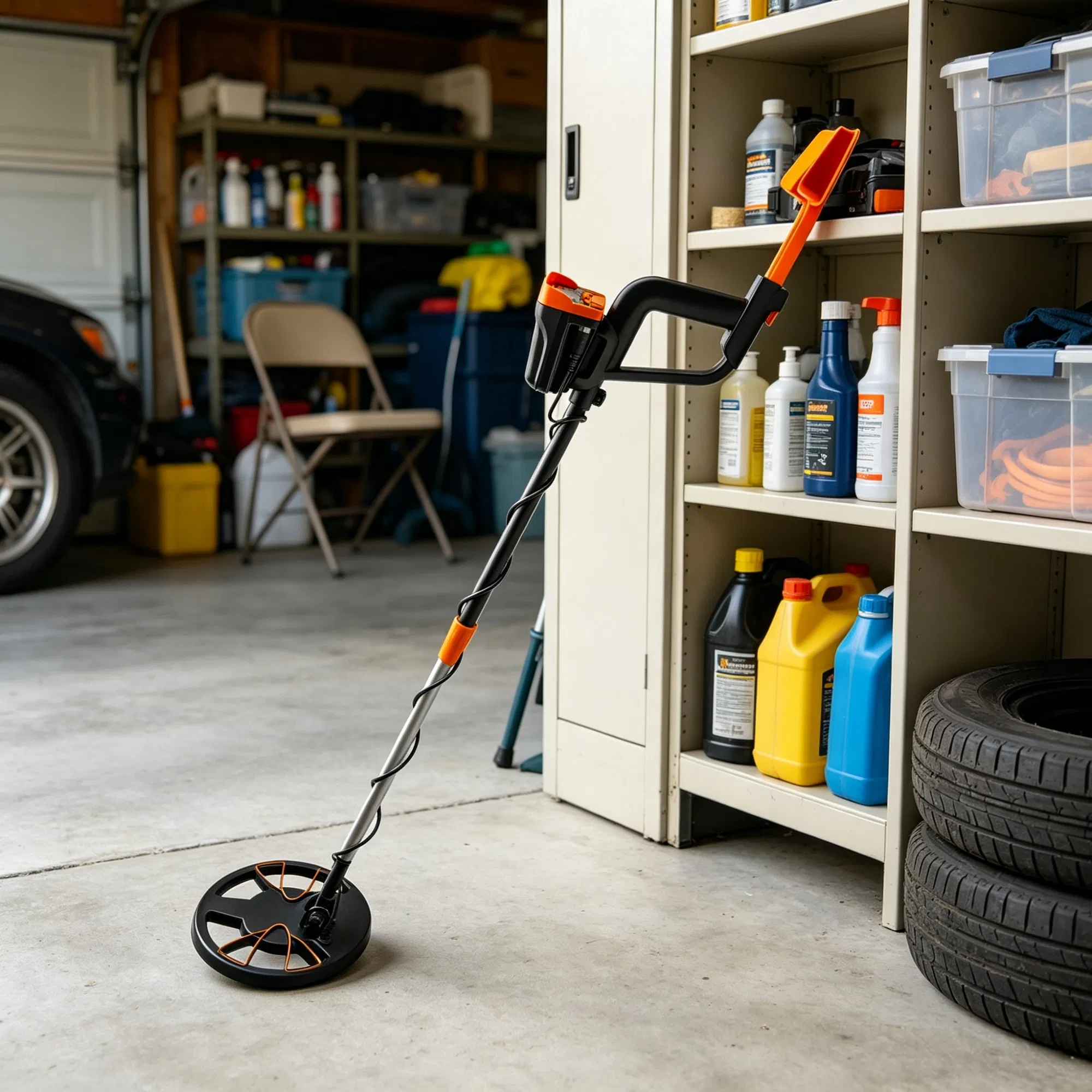 Waterproof Metal Detector with LCD Display, High Accuracy Disc Mode for Underground & Shallow Water, Headphone, for Adults & Kids$132.99
 View on Mallflare
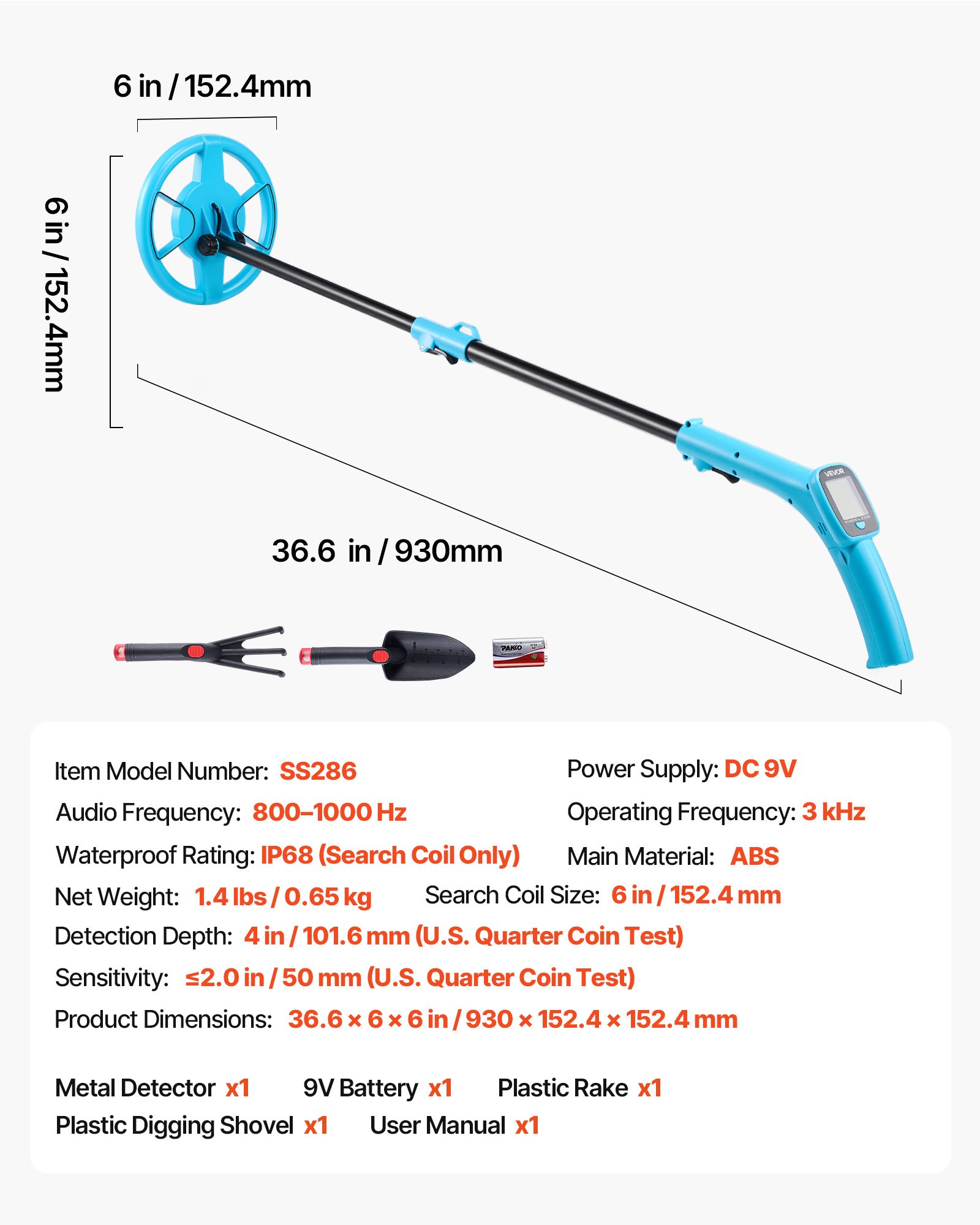 Metal Detector, 4", Lightweight With LCD Display, 6" IP68 Waterproof Search Coil, Adjustable 25.6"-36.6" High Accuracy Gold Easy To Use, For Detecting Exploration$36.99View on Mallflare
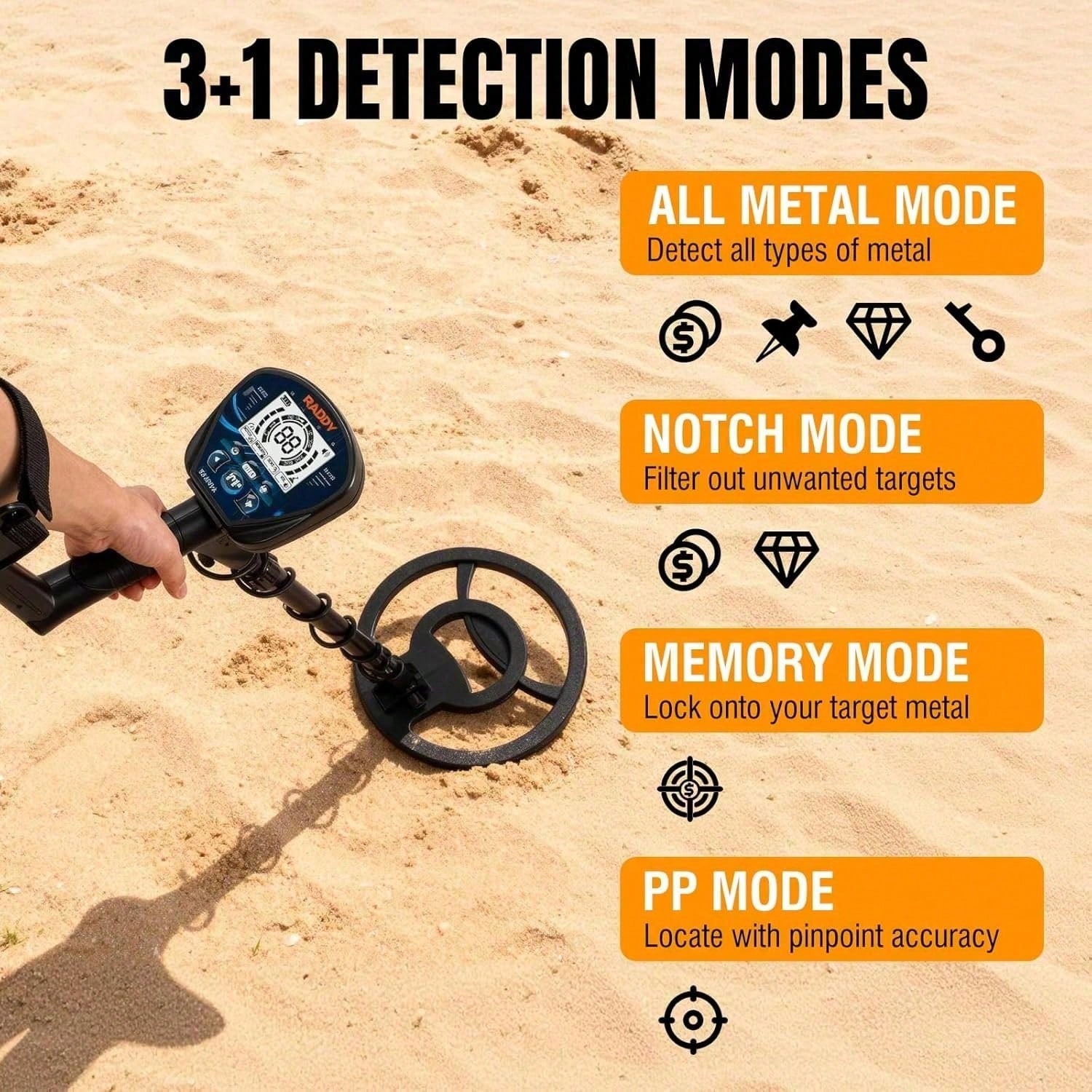 High-Precision Professional Adult Metal Detector, 4 Modes, 10 Inch IPX7 Waterproof Probe, LCD Display Complete Treasure Hunt Kit Including Earphones, Carrying Bag And Shovel.$83.99View on Mallflare
Highlights
- IP68 search coils tolerate full submersion to stated depth, but most budget units rate only the coil, not the control housing or headphone jack—those must stay dry.
- VLF (very-low-frequency) circuits give precise discrimination and target ID in freshwater and dry sand; pulse induction (PI) ignores mineralized salt but cannot discriminate iron.
- Coil diameter governs coverage and depth: 4-6 in coils separate targets in trash, 10-12 in coils add depth and ground coverage but mask adjacent targets.
- Multi-frequency simultaneous operation (e.g., 5-40 kHz) stabilizes wet-salt beach performance far better than single-frequency VLF, which falses on black sand.
Best use cases
- Freshwater lakes, streams, and wet sand: choose a VLF detector with an IP68 coil and a waterproof control housing rated to at least 3 ft if you wade; skip IP68-coil-only units if the box can be splashed.
- Saltwater surf and diving: choose a fully submersible pulse-induction or simultaneous multi-frequency detector rated to 10 ft or more; skip single-frequency VLF units that chatter in salt.
- Park and relic hunting on dry land: a lightweight VLF unit with a 6-10 in coil and waterproof coil is the right pick; skip heavy PI dive units that lack discrimination and drain batteries fast.
- Kids and entry-level wading: pick a short adjustable shaft (22-34 in) with a 4-6 in IP68 coil and sealed battery compartment; skip adult-length 12 in coil units that are too heavy to swing.
Buying tips
- Match submersion rating to use: IP68 coil only for splashing and shallow wading; IP68 full unit rated 3-10 ft for standing-depth water; 100 ft+ PI units only for actual diving.
- Size the coil to the site: 4-6 in for trashy parks and shallow water, 8-10 in as the all-around choice, 12 in+ only for open fields and deep relic hunting.
- Check shaft adjustability against your height: adult units should span roughly 40-52 in; compact/youth units 22-36 in; ensure the armrest and grip fit before committing to a 12 in coil.
- Prefer sealed, O-ringed battery compartments and waterproof connectors; standard 1/4 in headphone jacks are not waterproof unless the housing is sealed, so use supplied waterproof headphones.
Specs
| Waterproof Rating | IP68 coil-only vs full-unit submersible |
|---|---|
| Detection Technology | VLF vs Pulse Induction vs Multi-Freq |
| Search Coil Size | 4-6 in / 8-10 in / 12 in+ |
| Submersion Depth | Splash / 3-10 ft wading / 100 ft+ diving |
Related searches
What to check before buying
- Measure your intended water depth and confirm the detector’s full-unit submersion rating, not just the coil rating.
- Verify the control housing, battery door, and headphone connector are sealed or rated for the same depth as the coil.
- Confirm shaft length range fits your standing height and that the coil cable is long enough for full extension.
- Check battery type and runtime (typically 8-20 hr on AA or rechargeable Li-ion) and whether spares are field-swappable.
FAQ
Data sources: eBay / Amazon listings and product attribute feeds Data updated Nov 16, 2026.
Some links on this page are affiliate links. If you buy after clicking one, we may earn a commission at no extra cost to you. This does not change which products appear here or their order. Affiliate disclosure.