Photos from current listings. Actual item, color, and included accessories may vary.
Metal Detector Buying Guide
A metal detector is a VLF or pulse-induction instrument whose real-world performance hinges on coil size, target separation, ground-balance capability, and waterproof rating—not on mode count. The primary trade-off is sensitivity versus false signals: larger coils go deeper but miss small gold in trashy ground, while small coils separate targets but lose depth. Buy a detector with manual or automatic ground balance and a genuinely waterproof coil if you hunt mineralized soil or beaches; skip fixed-ground-balance toys with sealed coils.

At a glance
- Category
- Hunting, Prospecting & Metal Detecting
- Data updated
- Nov 16, 2026
Current offers
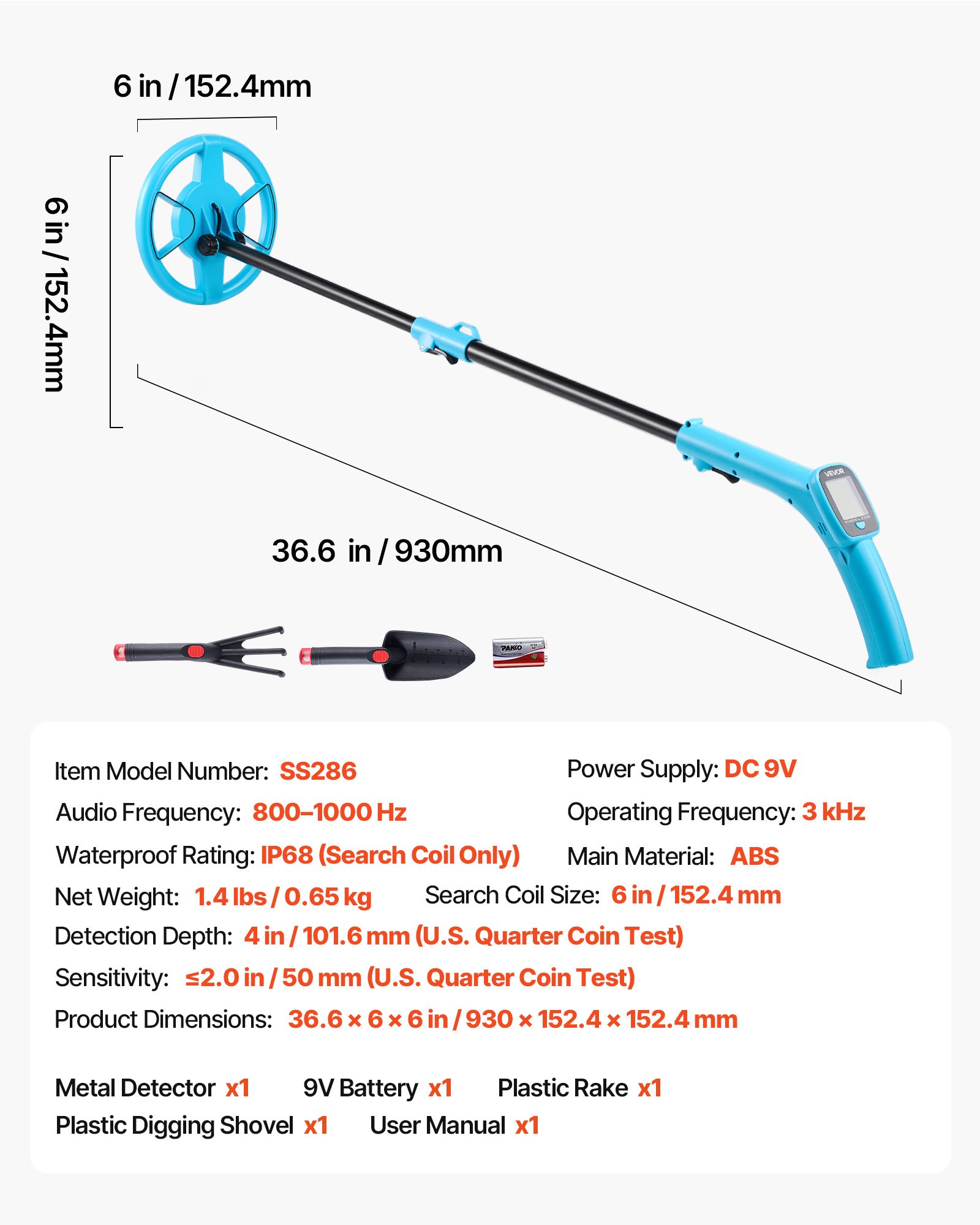 Metal Detector, 4", Lightweight With LCD Display, 6" IP68 Waterproof Search Coil, Adjustable 25.6"-36.6" High Accuracy Gold Easy To Use, For Detecting Exploration$36.99
 View on Mallflare
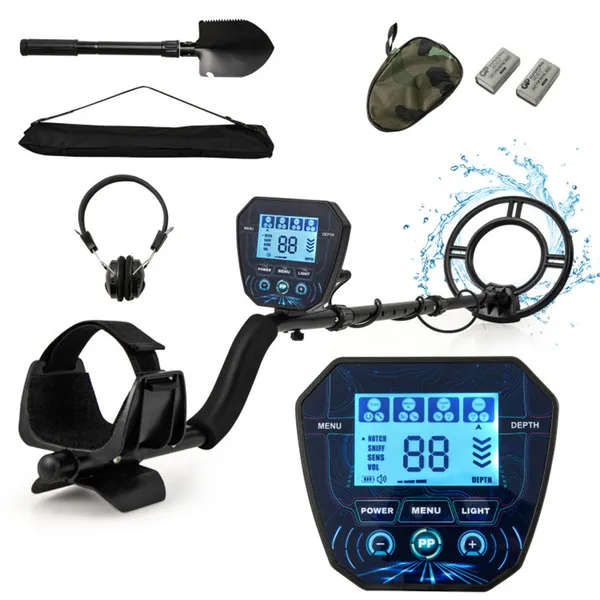
 High-Precision Professional Adult Metal Detector, 4 Modes, 10 Inch IPX7 Waterproof Probe, LCD Display Complete Treasure Hunt Kit Including Earphones, Carrying Bag And Shovel.$83.99View on Mallflare
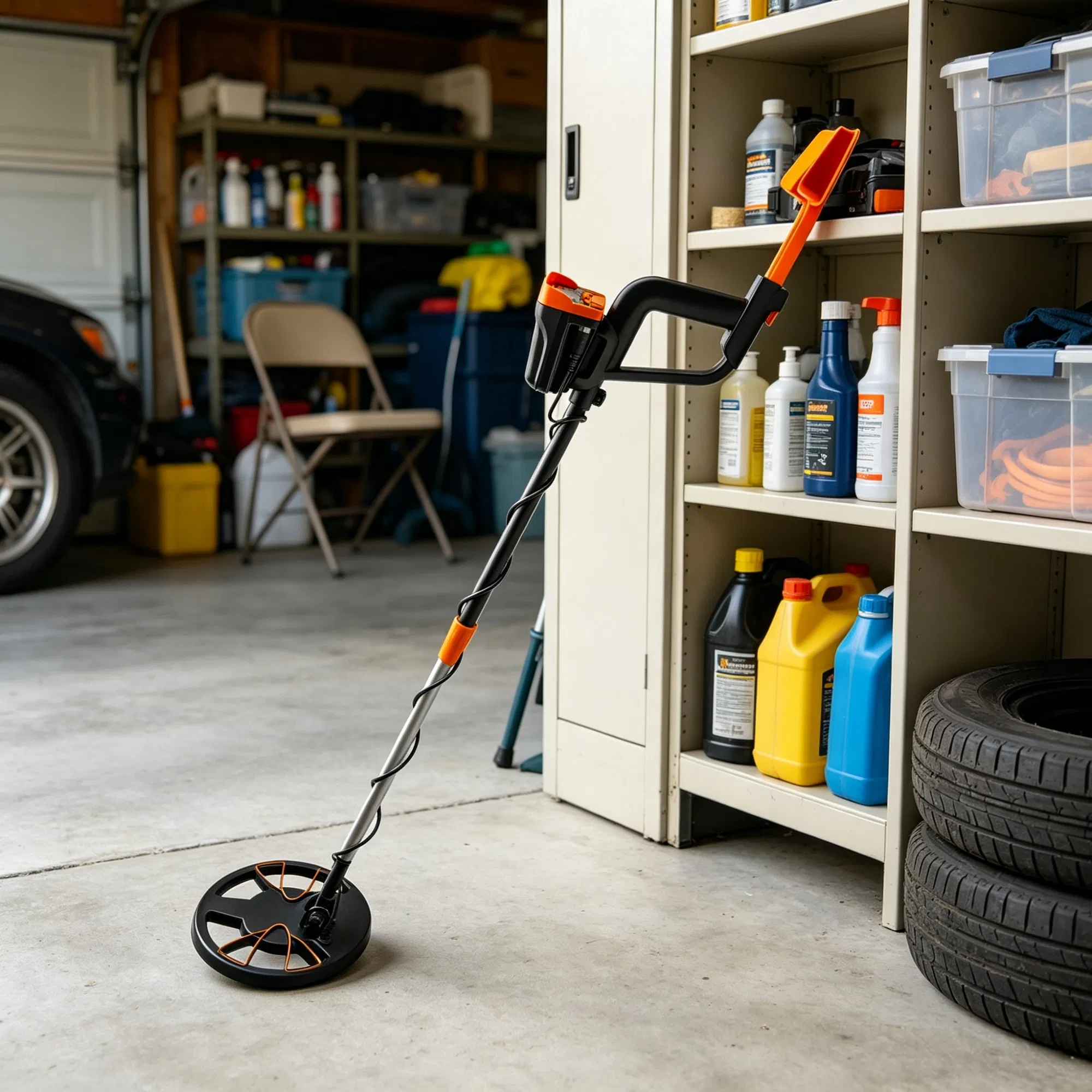 Waterproof Metal Detector with LCD Display, High Accuracy Disc Mode for Underground & Shallow Water, Headphone, for Adults & Kids$132.99View on Mallflare
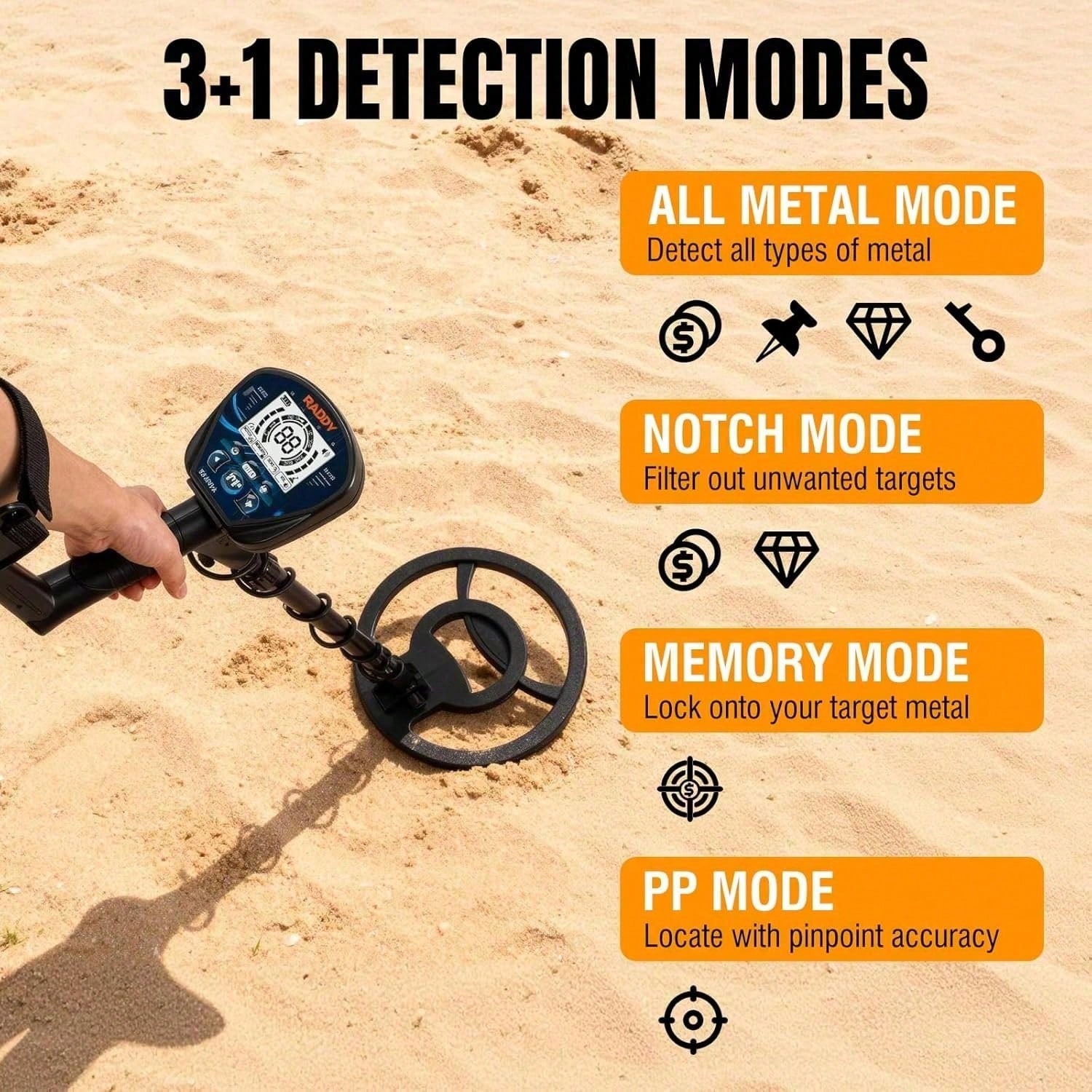
 Black Metal Detector, IP67 Waterproof Coil & 4 Detection Modes, 10" Max Depth$149.99View on Mallflare
Highlights
- VLF detectors use concentric or DD coils; DD coils handle mineralized ground and trash better, while concentric coils are lighter and more sensitive to small targets in mild soil.
- Coil diameter drives depth: 10–12 inch coils add depth on coin-sized targets but increase false signals; 6-inch coils are best for gold nuggets and relic hunting in dense trash.
- IP68 means the coil can be submerged about 1 meter; IPX7 is similar for shallow water, but only the coil—not the control housing—is typically waterproof.
- Higher frequency (above 15 kHz) favors small gold; lower frequency (below 10 kHz) favors deep silver and coins; selectable multi-frequency is the most versatile.
Best use cases
- Coin and jewelry hunting in parks or yards: pick a 9–11 inch DD coil VLF detector with notch discrimination and manual ground balance; skip 4-inch coils that lack depth and fixed-ground-balance entry models.
- Gold prospecting in mineralized creeks: choose a high-frequency (15–40 kHz) or pulse-induction detector with a 5–8 inch coil and true threshold-based all-metal mode; skip multi-mode coin detectors with factory-preset ground balance.
- Beach and shallow-water hunting: require an IP68 coil and a control pod rated water-resistant; use a DD coil and salt mode if available; skip detectors whose control box is not sealed, even if the coil is waterproof.
- Relic hunting in iron-infested sites: select a detector with adjustable iron rejection and a small DD coil for target separation; skip models with only three fixed modes and no iron audio.
Buying tips
- Match coil to target: 5–8 inch for gold nuggets and trashy sites, 9–11 inch all-purpose, 12 inch or larger for deep relics and open fields.
- Check ground balance: manual or automatic ground balance is mandatory for mineralized soil; fixed ground balance loses depth and chatters in red dirt.
- Verify waterproof claims: IP68 applies to the coil only on most hobby detectors; the display and battery compartment are usually not submersible.
- Frequency rule: above 15 kHz for small gold, below 10 kHz for deep coins, multi-frequency for saltwater and mixed sites.
Specs
| Coil Size | 5–12 in (depth vs separation) |
|---|---|
| Waterproof Rating | IP68 / IPX7 coil only |
| Operating Frequency | VLF 3–40 kHz or PI |
| Ground Balance | Manual / Auto / Fixed |
Related searches
 best rated metal detectorstop metal detectorstop rated metal detectorsmetal detectors for goldmetal detectingbest metal detector for goldgood metal detector for goldmetal detector for gold prospectingaffordable metal detectorsbest affordable metal detectorsbest budget metal detectorbest cheap metal detectorbest inexpensive metal detectorbest metal detector on a budgetgood budget metal detectormetal detector for coinsbest metal detector for beachbest metal detector for the moneybest metal detector for gold prospectingbest metal detector for coins
What to check before buying
- Measure your tallest and shortest user heights against the adjustable shaft range (typically 22–36 inches or 25–36 inches) to ensure comfortable swing.
- Confirm the coil is IP68 or IPX7 if you plan to hunt wet sand, creeks, or shallow water; a waterproof coil alone does not protect the control housing.
- Check the battery type and runtime (AA cells vs rechargeable) and whether headphones are wired or wireless for your preferred hunt length.
- Verify operating frequency and ground-balance type match your soil: high frequency for gold, manual balance for mineralized ground, salt mode for beaches.
FAQ
Data sources: eBay / Amazon listings and product attribute feeds Data updated Nov 16, 2026.
Some links on this page are affiliate links. If you buy after clicking one, we may earn a commission at no extra cost to you. This does not change which products appear here or their order. Affiliate disclosure.