Photos from current listings. Actual item, color, and included accessories may vary.
Bench And Weight Set Buying Guide
A bench and weight set pairs a load-bearing bench with free weights, where the decisive trade-off is bench steel gauge and weld quality versus included weight plates and bar capacity. Buyers should pick a bench rated well above their working load and a bar/plate set sized to their lift progression, skipping thin-gauge benches and plate sets that cap out at beginner loads.

At a glance
- Category
- Power Racks, Benches & Platforms
- Data updated
- Nov 17, 2026
Current offers
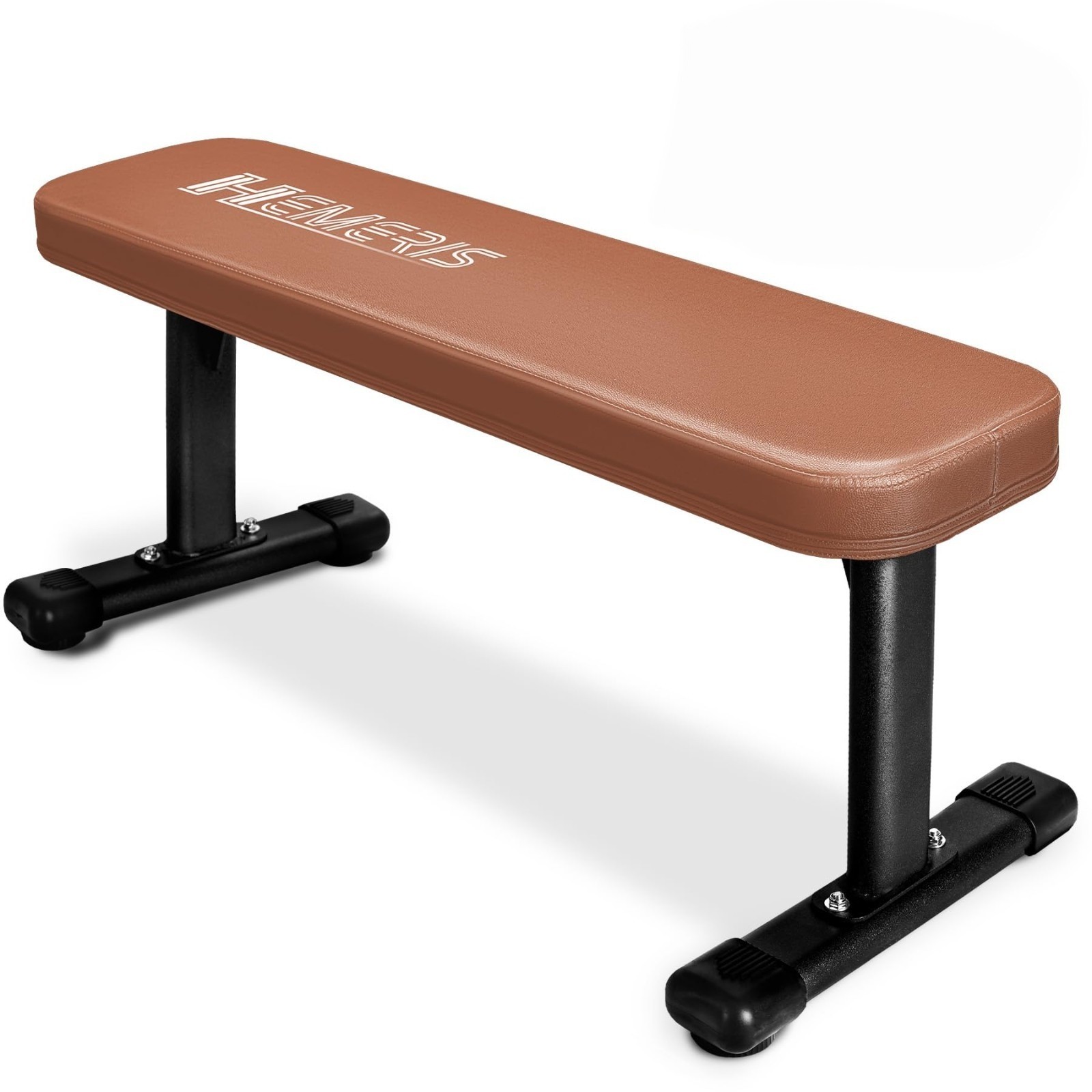 Basic Flat Weight Bench for Home Gym Strength Weight Training Equipment Brown$43.99
 View on eBay
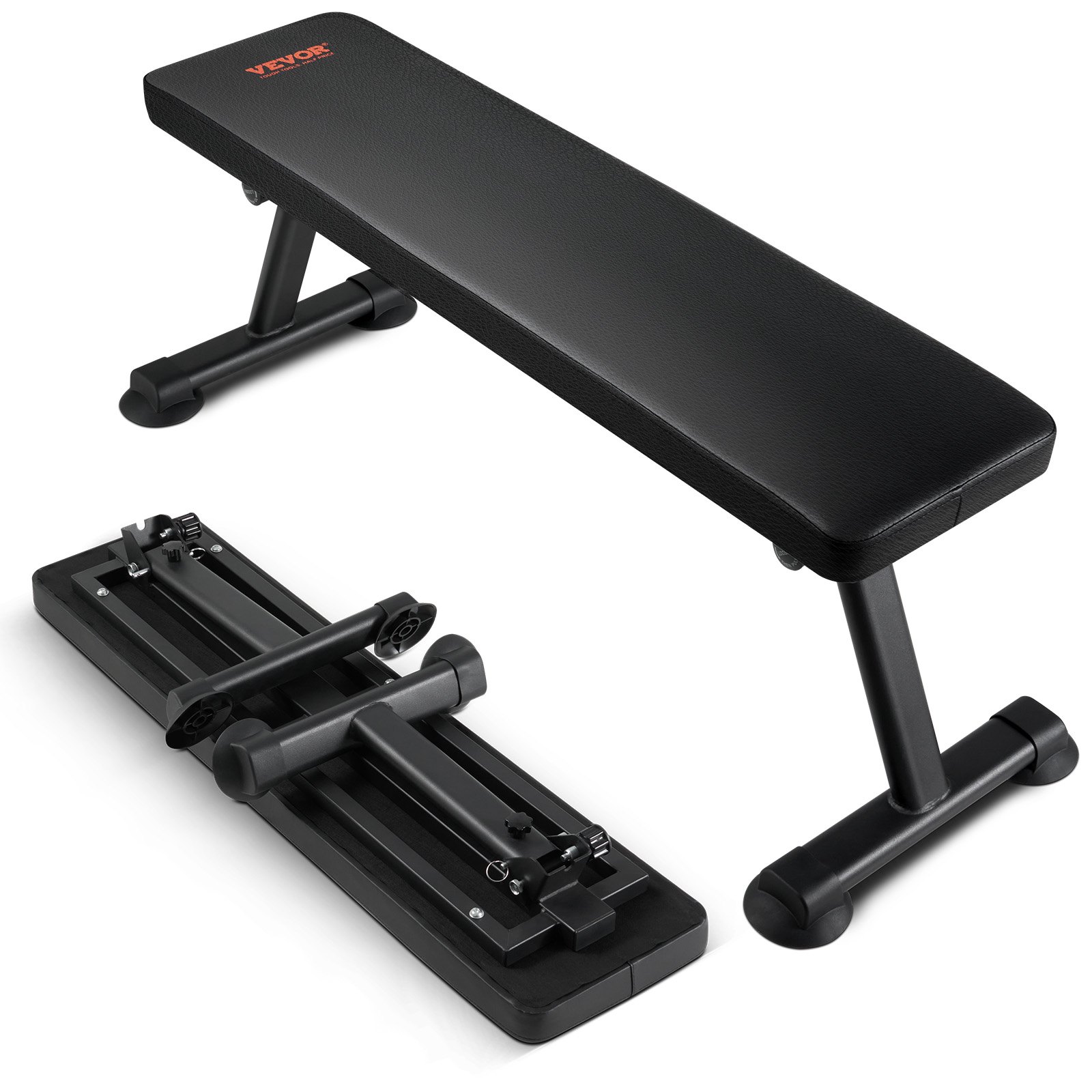 Flat Weight Bench, Foldable Strength Training Utility Workout For Full Body 1000 LBS Press For Home Gym Exercise, For Multi-Purpose And Ab Exercises$79.99
 View on Mallflare
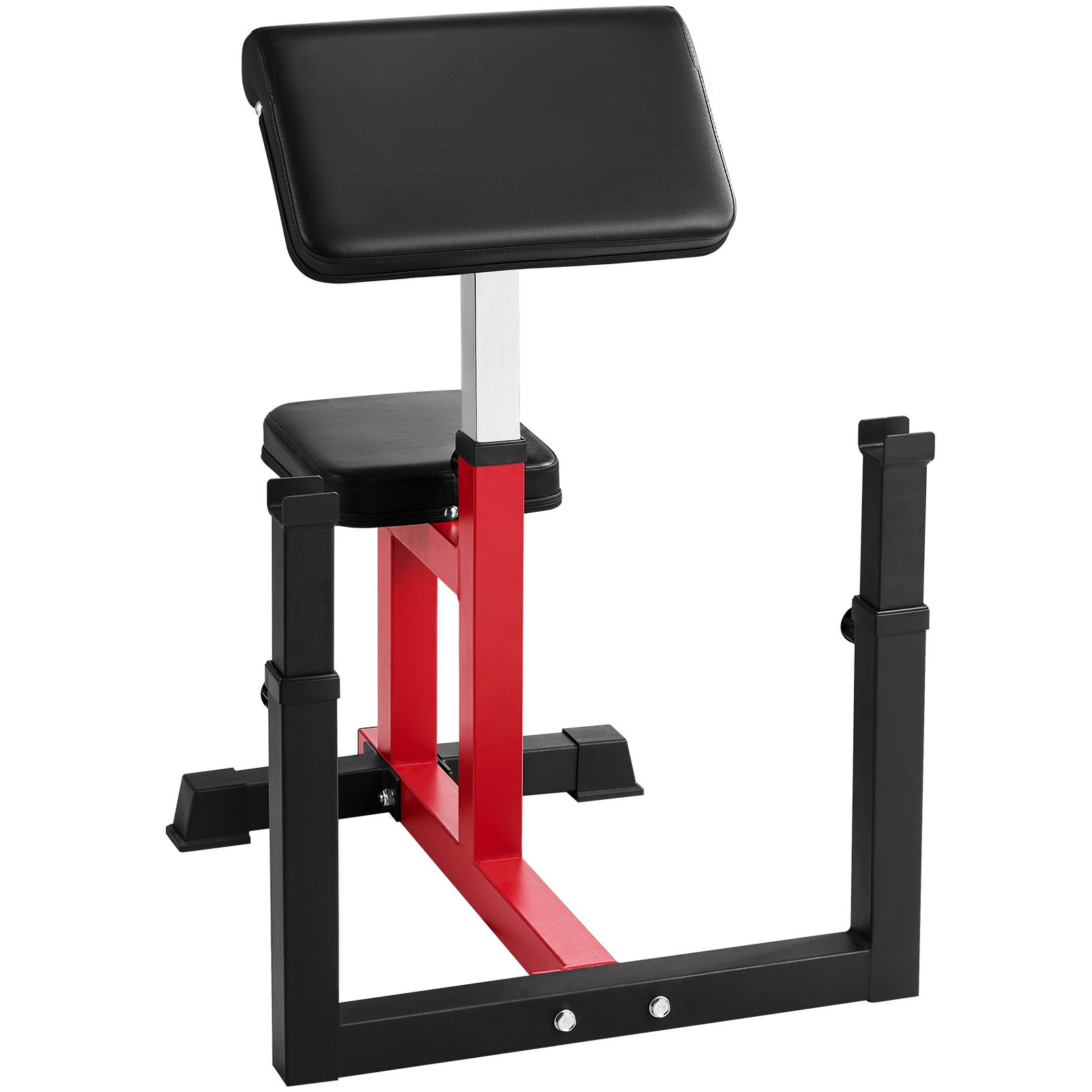 Weight Bench With Leg Extension, Strength Training Benches, Max Load 440 LBS Home Gym Fitness Equipment, Seated Arm Isolated Barbell Dumbbell Bicep Station, Workout For Gym$92.99View on Mallflare
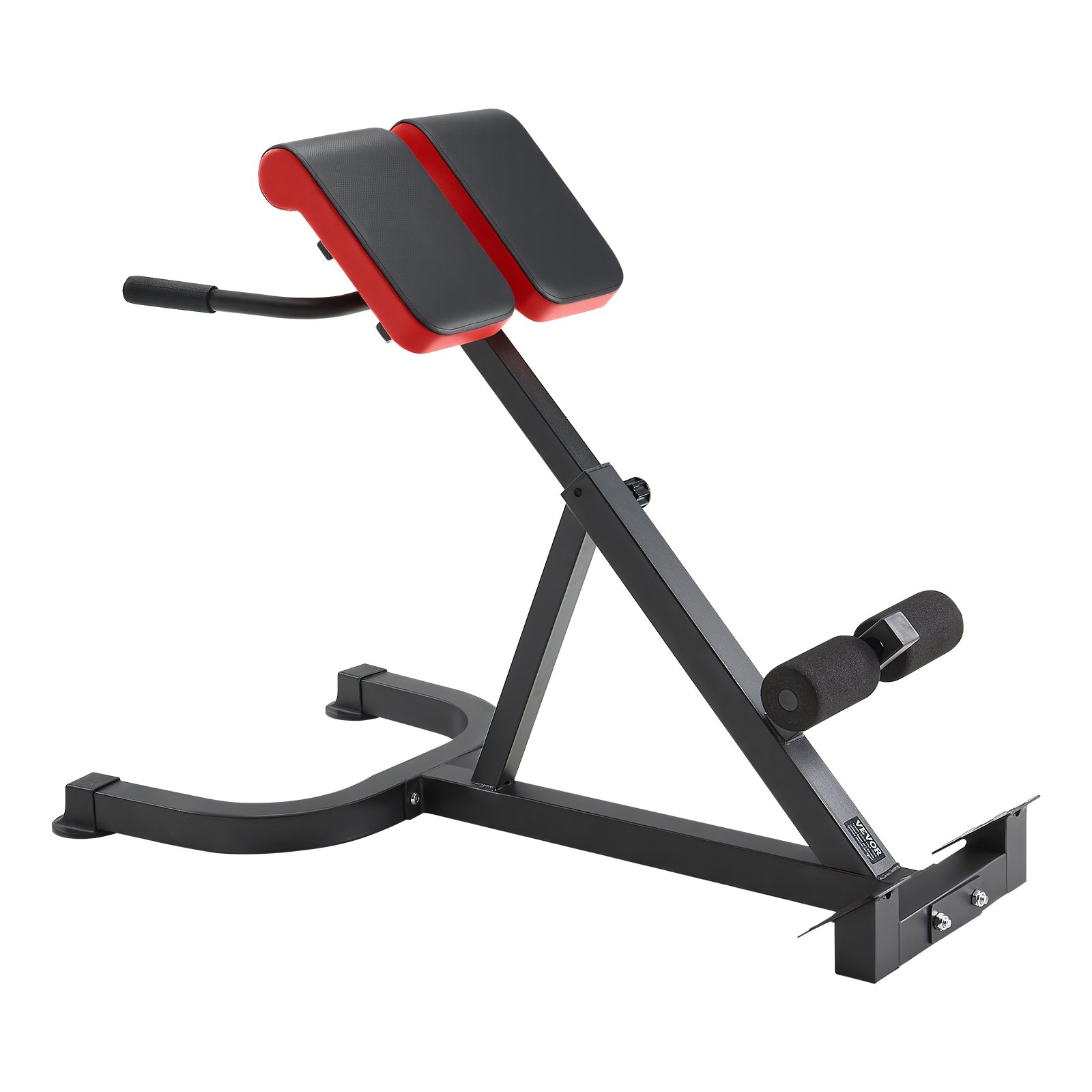 Roman Chair Hyperextension Bench, 300 Lbs Adjustable Extension Machine, Multi-Function Exercise Equipment For Glute, Hamstring, Lower Back, And Ab Workout, Fitness Weight For Home Gym$99.99View on Mallflare
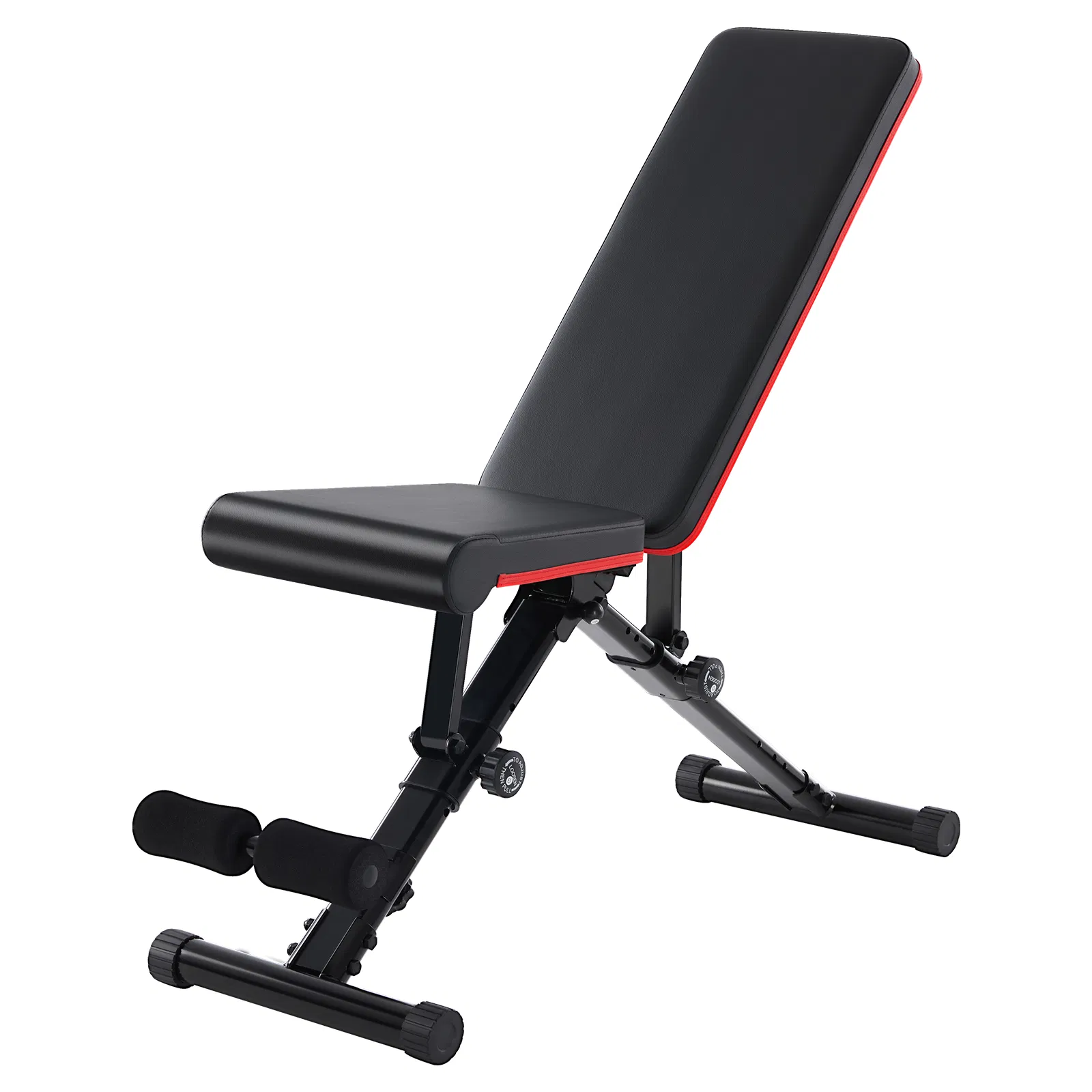 Weight Bench Adjustable Workout for Home Gym, Foldable Press for Full Body Exercise and Strength Training for Gym, for$99.99View on Mallflare
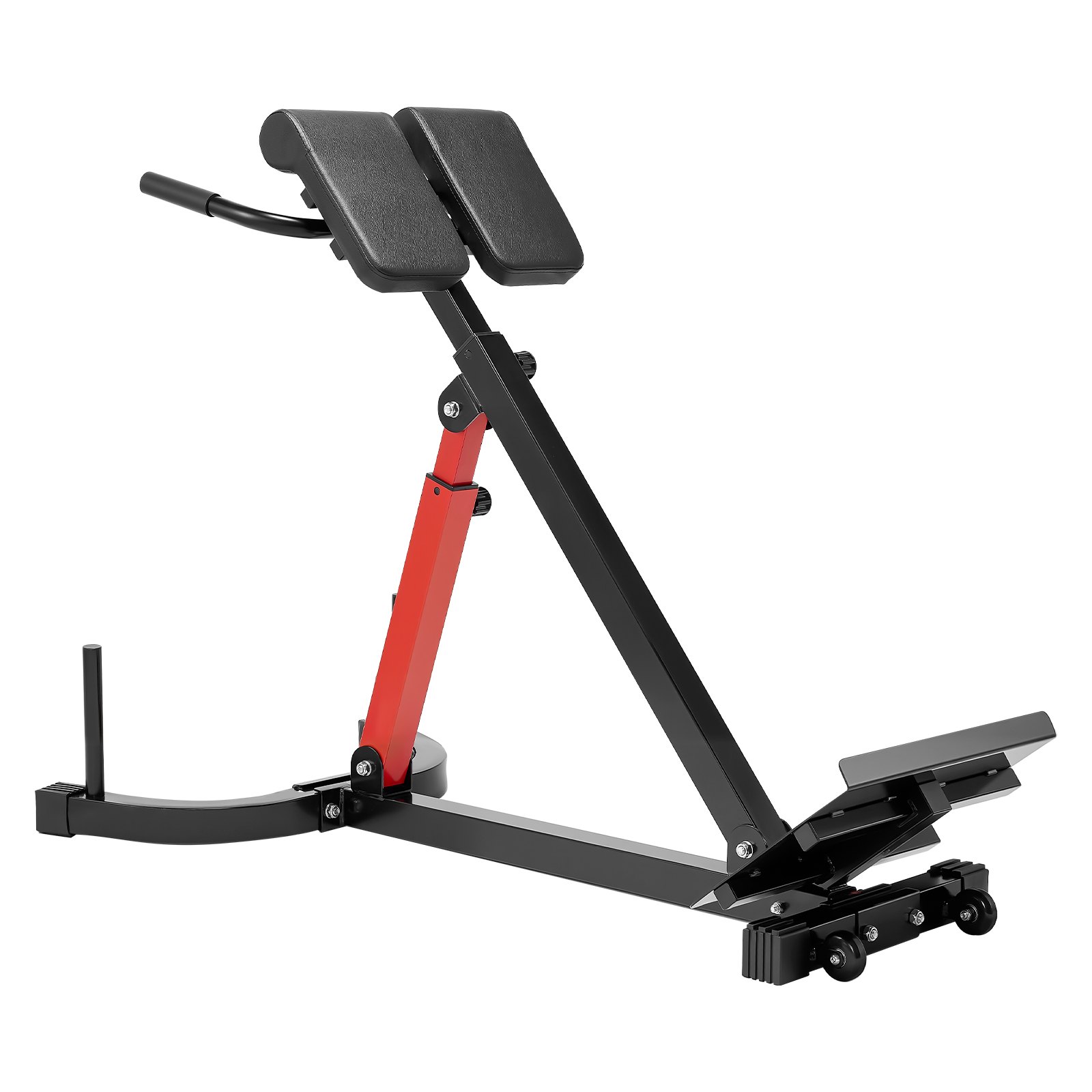 Roman Chair Hyperextension Bench, 350 Lbs Adjustable Extension Machine, Multi-Function Exercise Equipment For Glute, Hamstring, Lower Back, And Ab Workout, Fitness Weight For Home Gym$110.99View on Mallflare
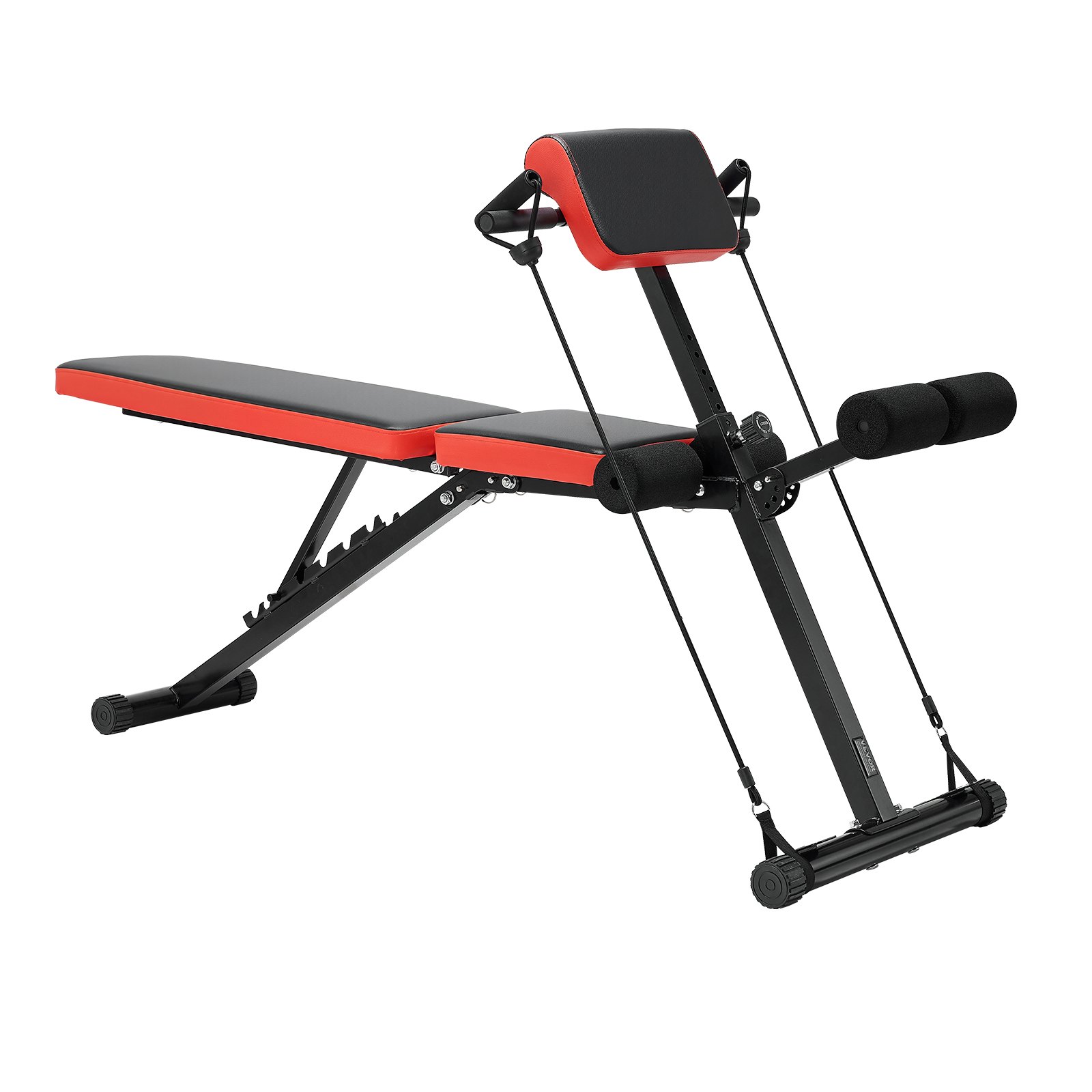 Multi-Functional Weight Bench For Full Body Workout, Roman Chair Hyperextension 770 Lbs Adjustable & Foldable Equipment For Back Arm Core Ab Sit Up Exercise Machine For Home Gym$110.99View on Mallflare
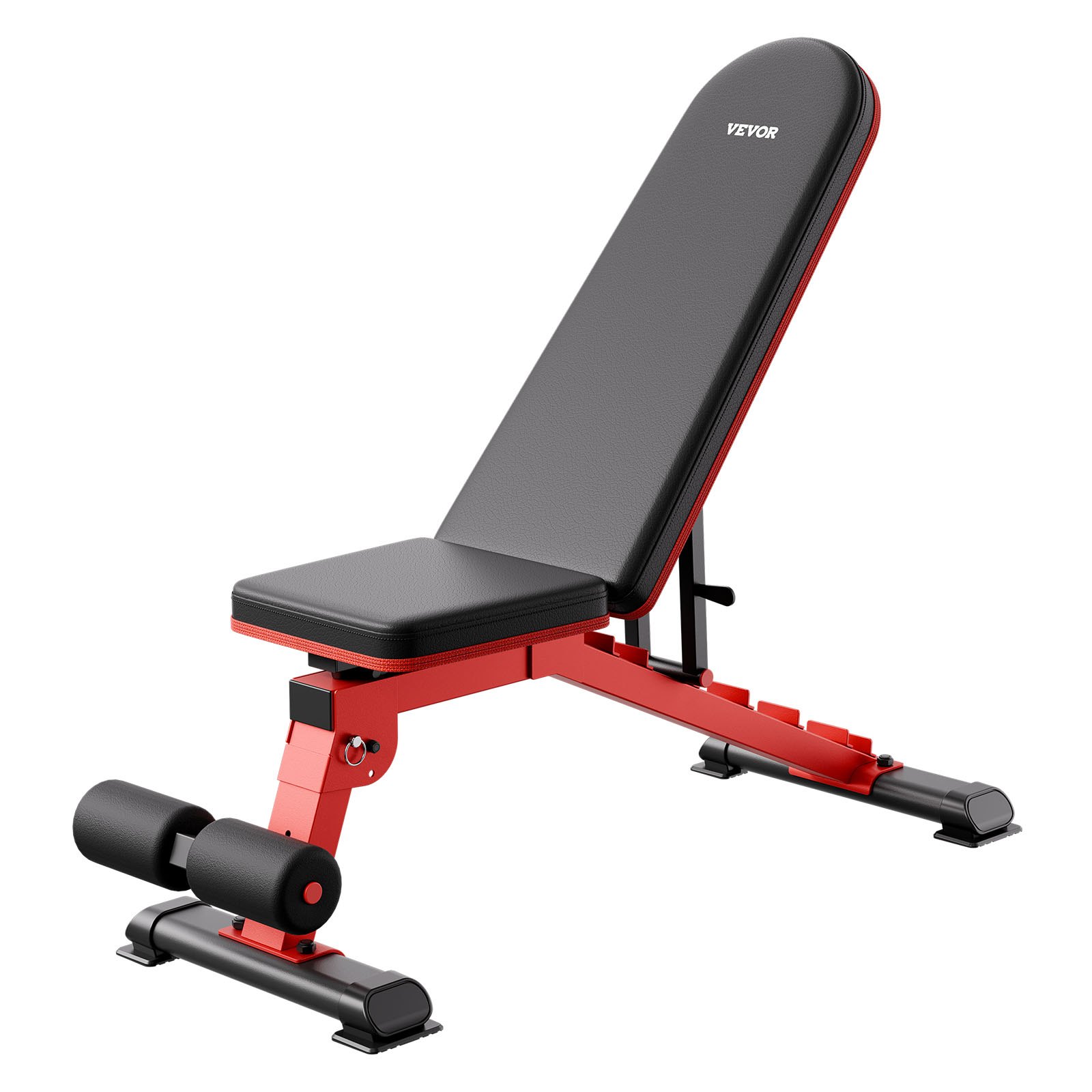 Weight Bench, 1200lbs Heavy Duty Stable Press For Full Body Workout, Adjustable Exercise Sit Up For Home Gym Strength Training, Flat With Quick Folding & Fast Adjustment$115.99View on Mallflare
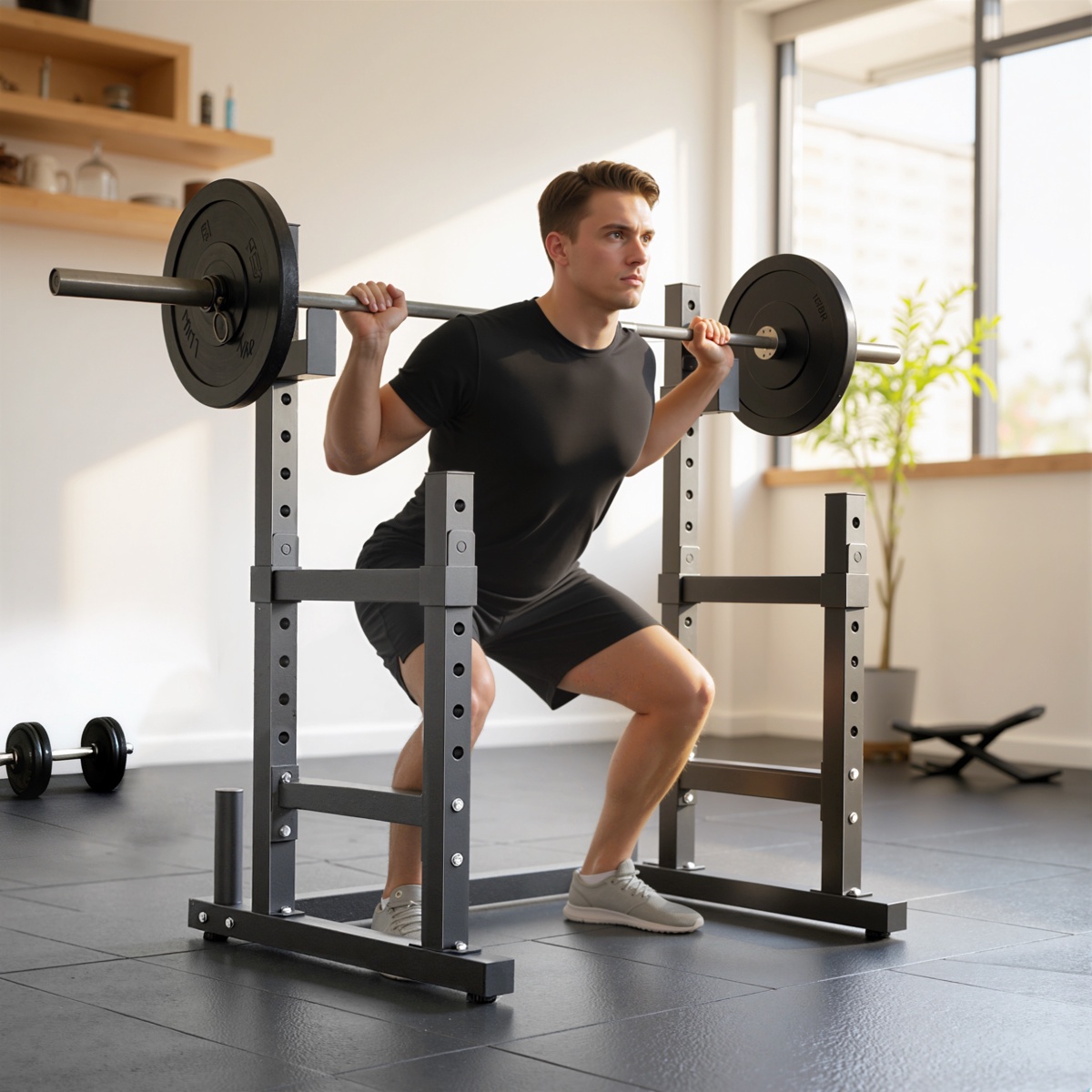 Adjustable Squat Rack, 660lbs Multi-Functional Bench Press for Weight Lifting Home Gym Strength Training, Black$126.99View on Mallflare
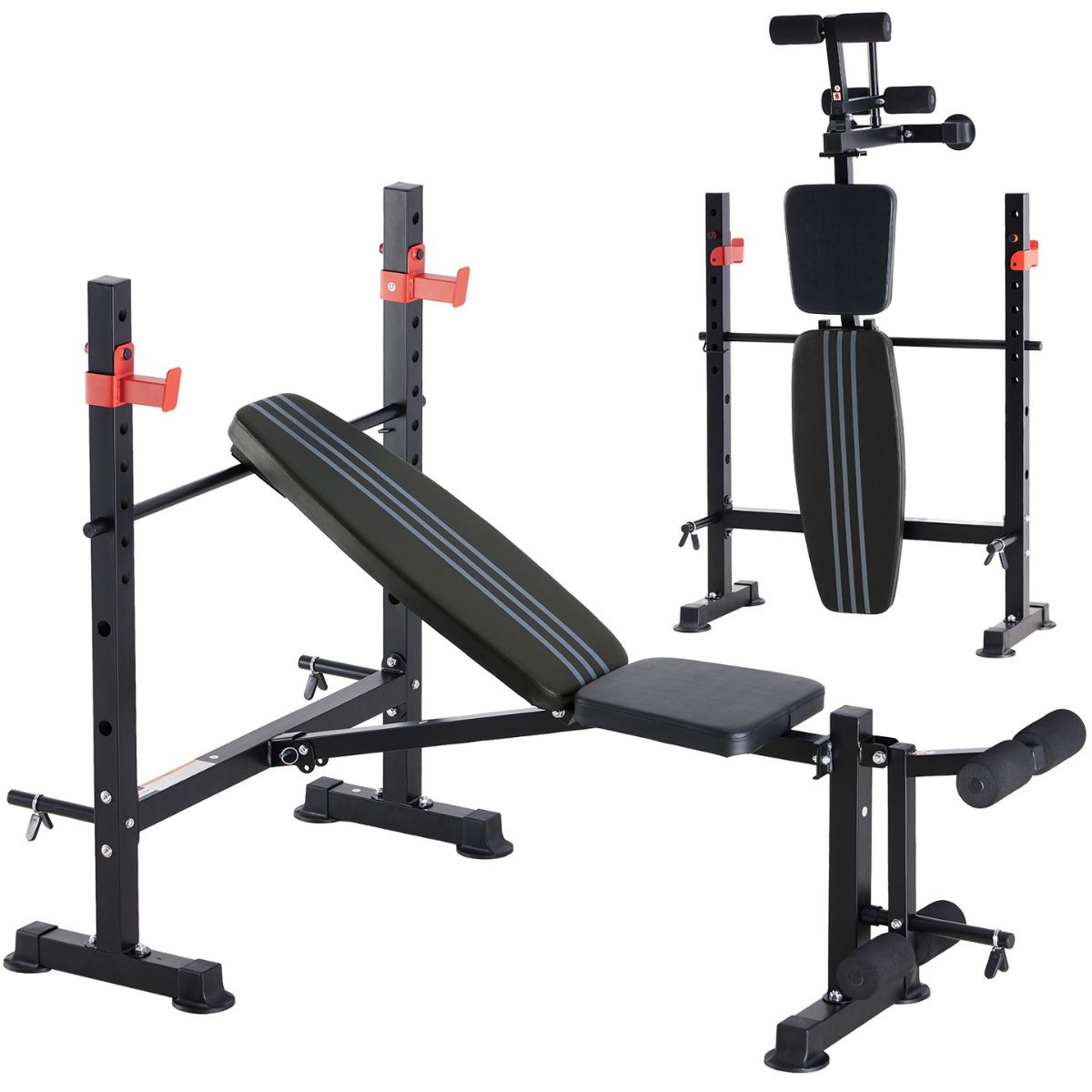 Adjustable Weight Bench With Rack, 650 LBS Capacity, Heavy Duty Foldable Press, Leg Extension Curl, Easy Assembly, For Home, Garage, Gym$132.99View on Mallflare
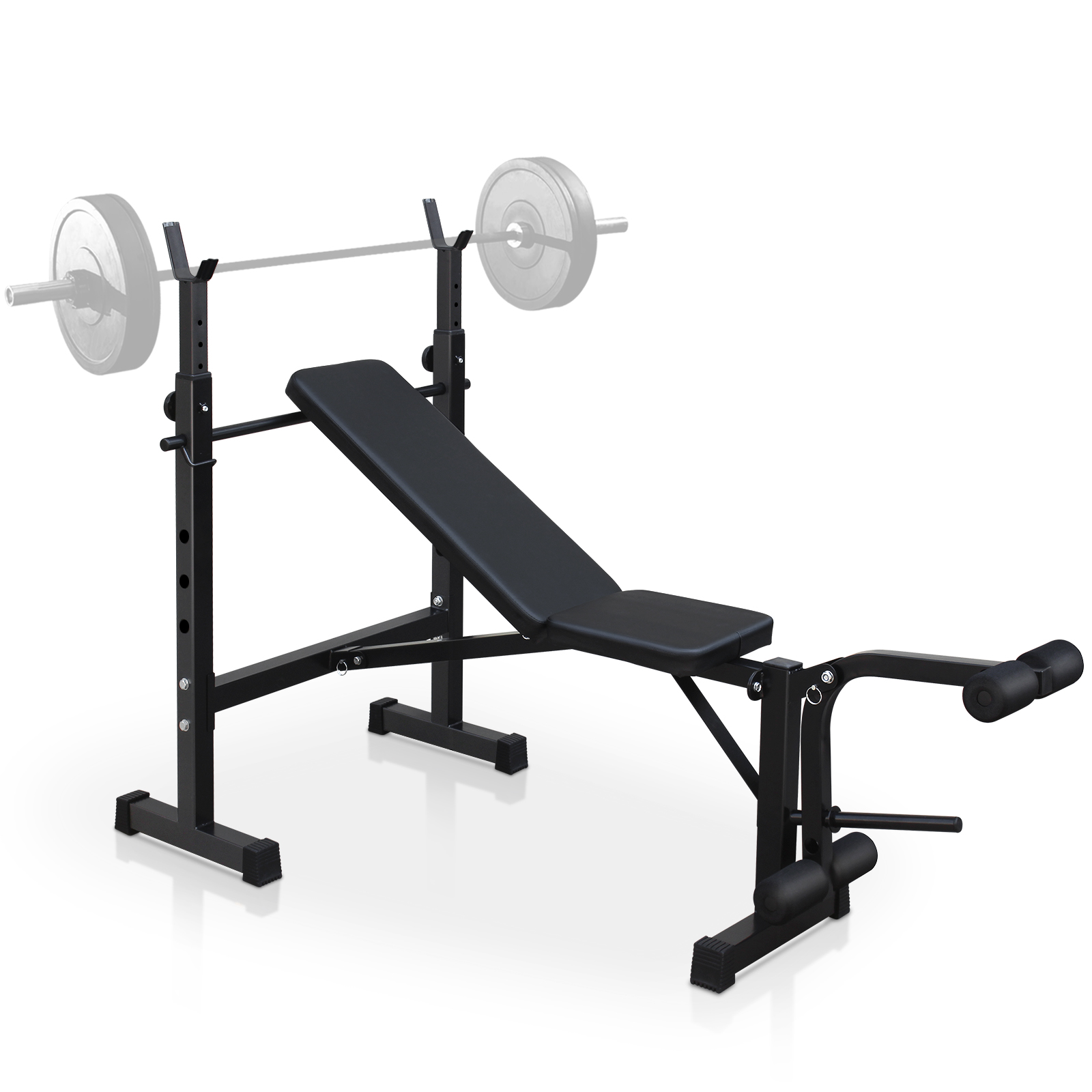 Olympic Weight Bench, Press Set With Squat Rack And For Home Gym Full-Body Workout$132.99View on Mallflare
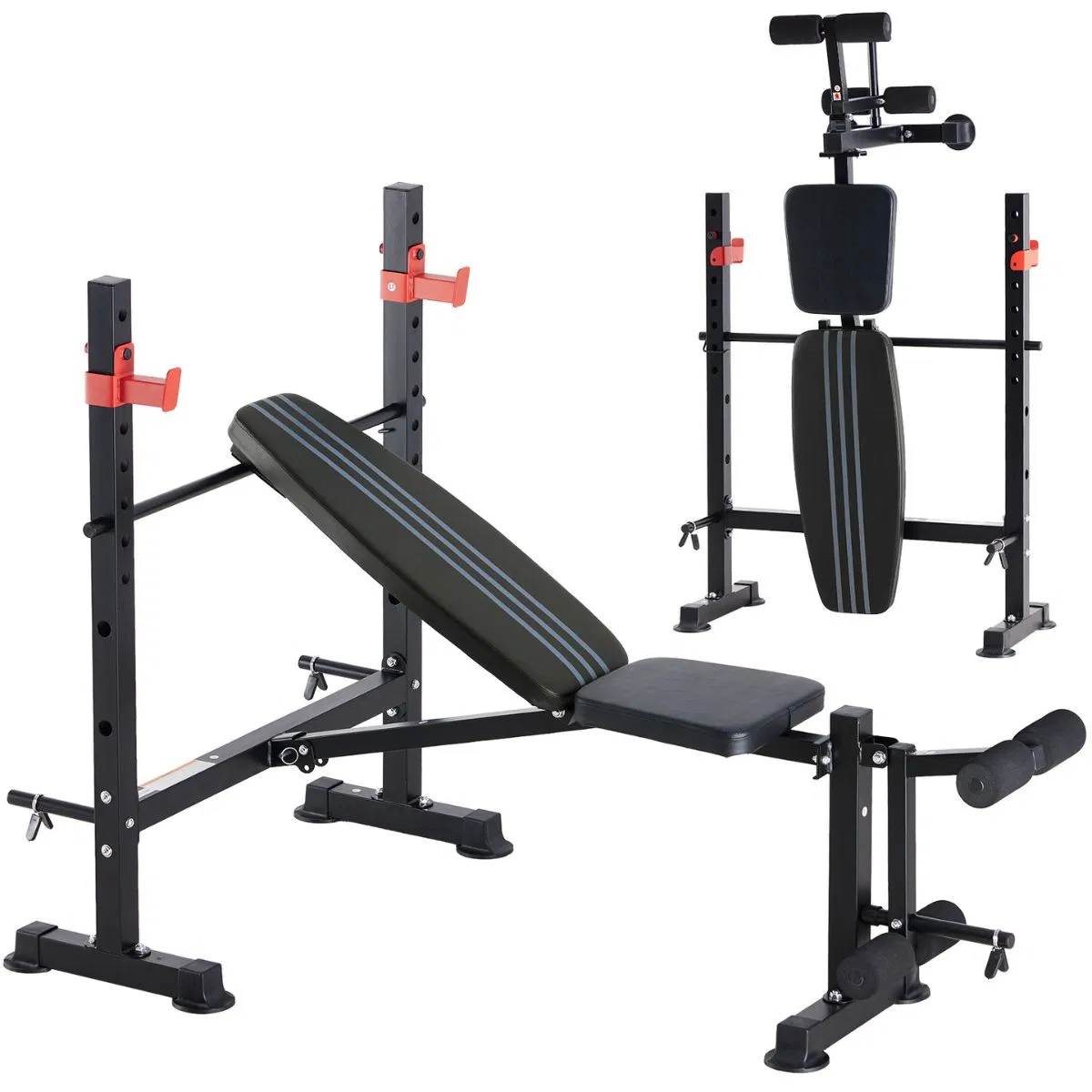 650LBS Adjustable Weight Bench with Rack & Leg Developer, Foldable Press Set for Home Gym, Heavy Duty Strength Training Station for Full Body Workout$138.99View on Mallflare
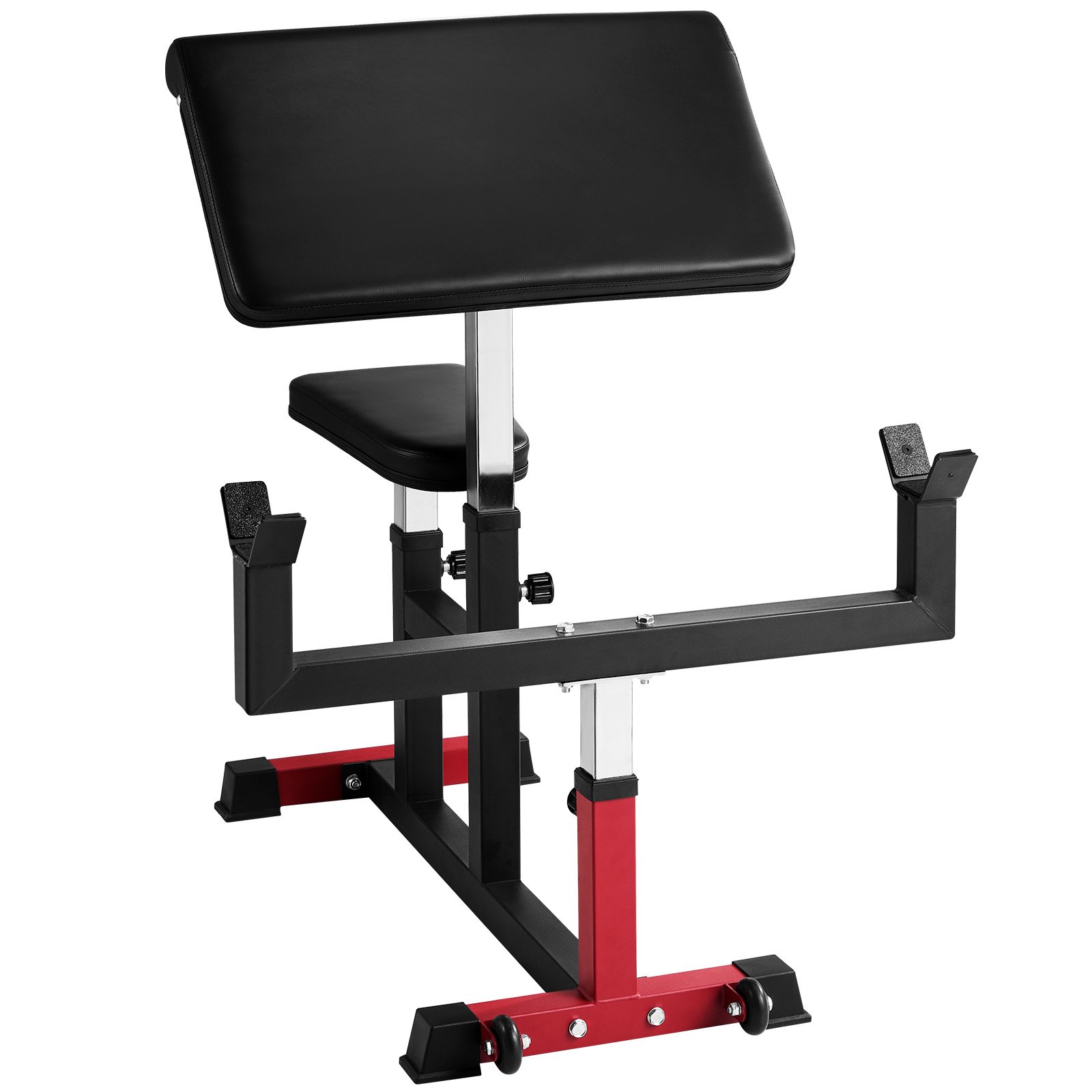 Preacher Curl Bench, Strength Training Biceps Machine, Max Load 440 LBS Home Gym Equipment, Seated Arm Isolated Barbell Dumbbell Bicep Station, Adjustable Weight Benches For Gym$151.99View on Mallflare
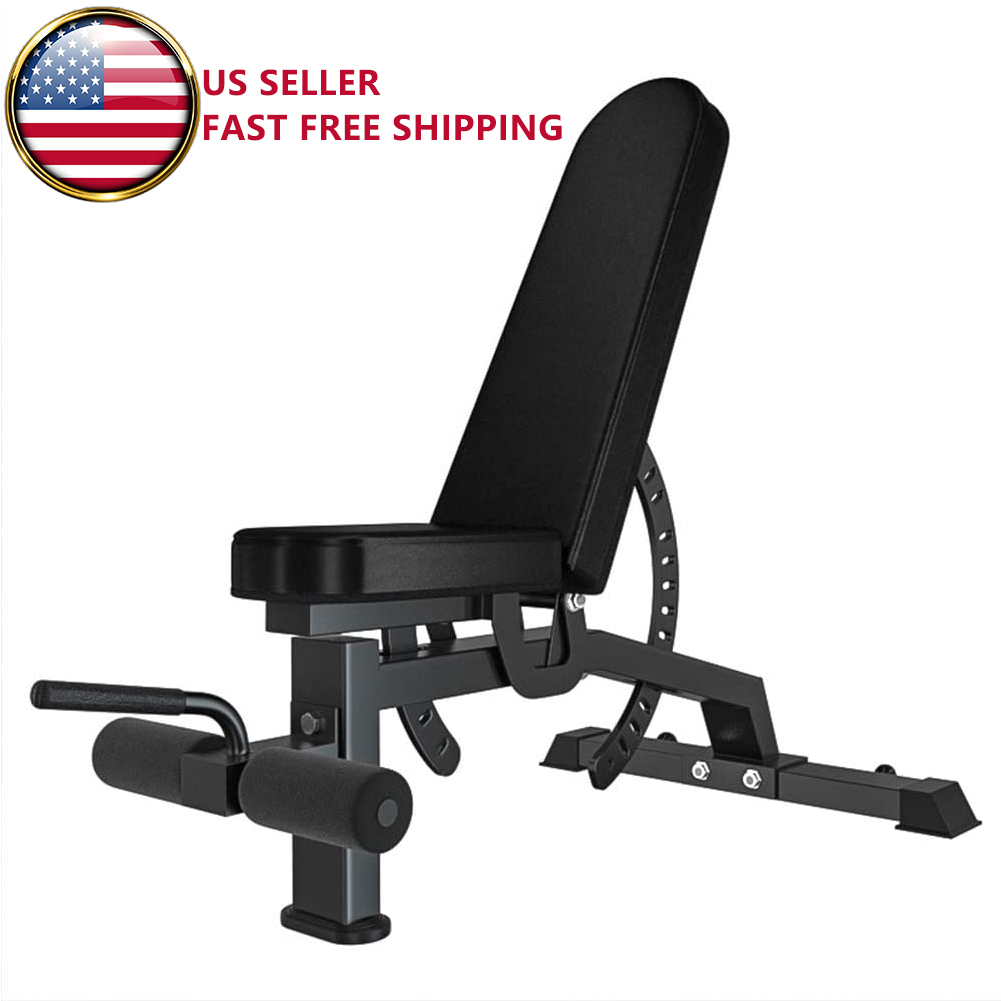 Adjustable Strength Training Bench Press Home Full Body Workout Foldable Weight Benches Gym Multi-functional Fitness Dumbbell Chair$158.99View on Mallflare
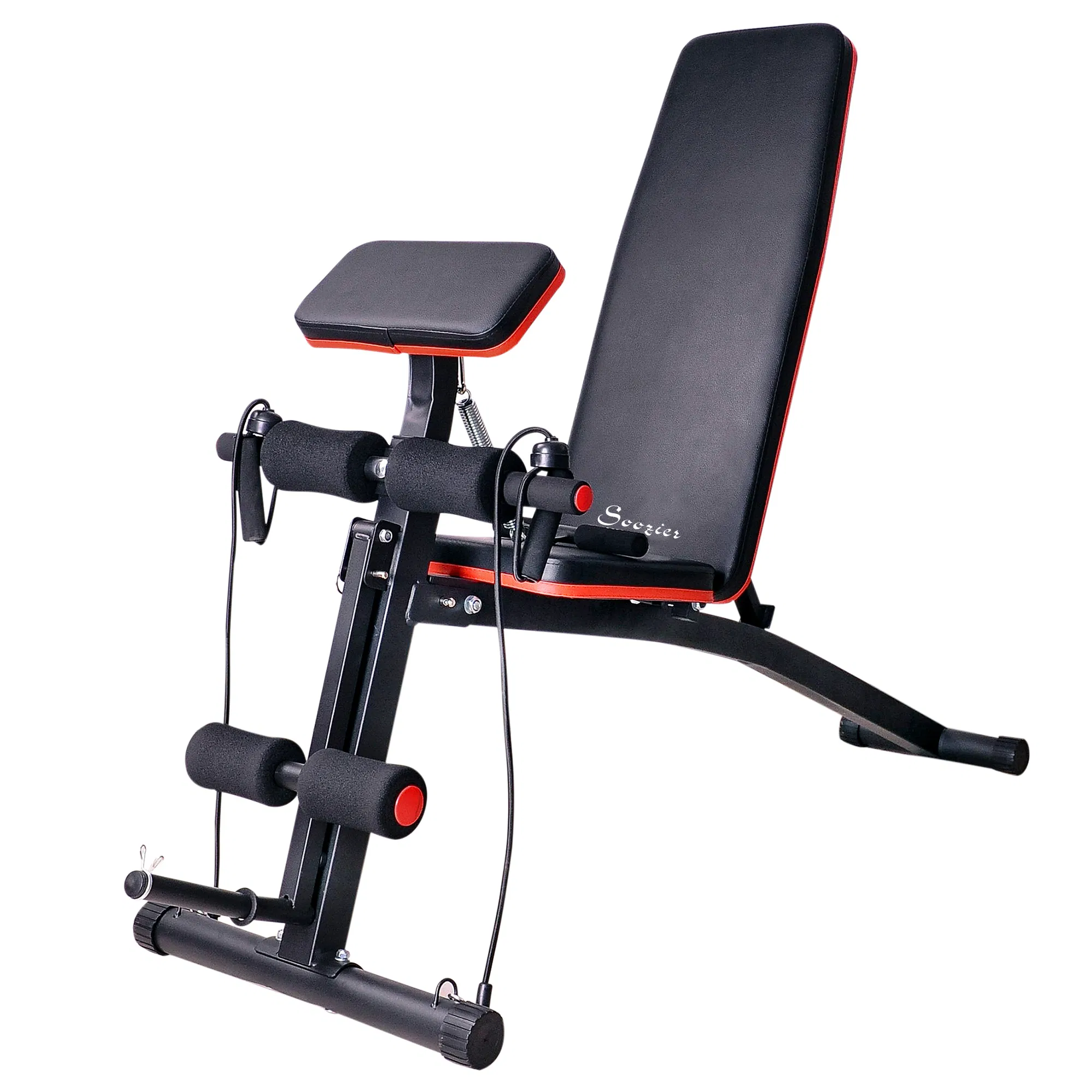 Foldable Press Bench Adjustable Dumbbell, Weight Training Exercises Gym Chair, Black & Red$159.99View on Mallflare
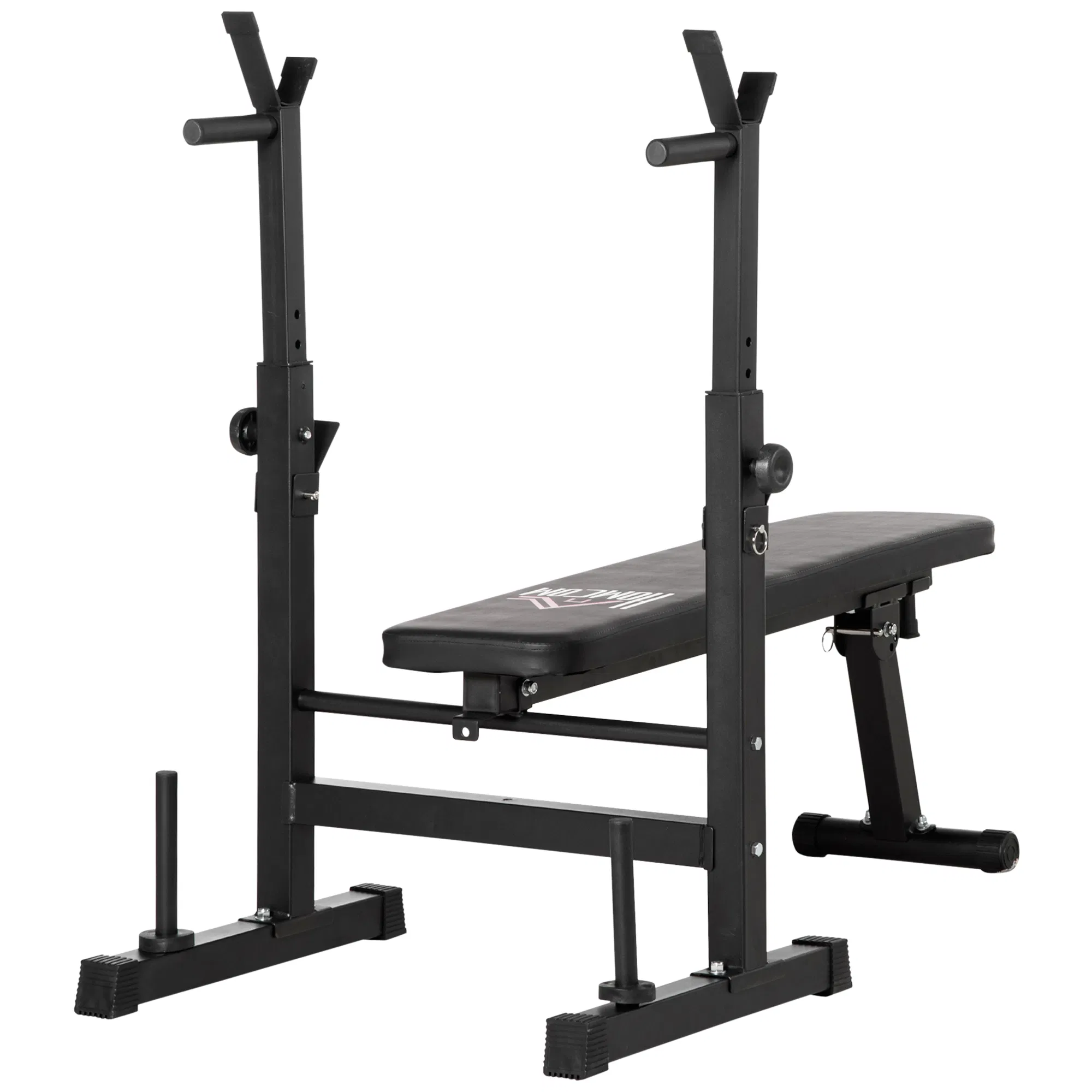 Adjustable Weight Bench, Foldable Press with Barbell Rack and Dip Station for Home Gym, Strength Training Multiuse Workout Black$171.99View on Mallflare
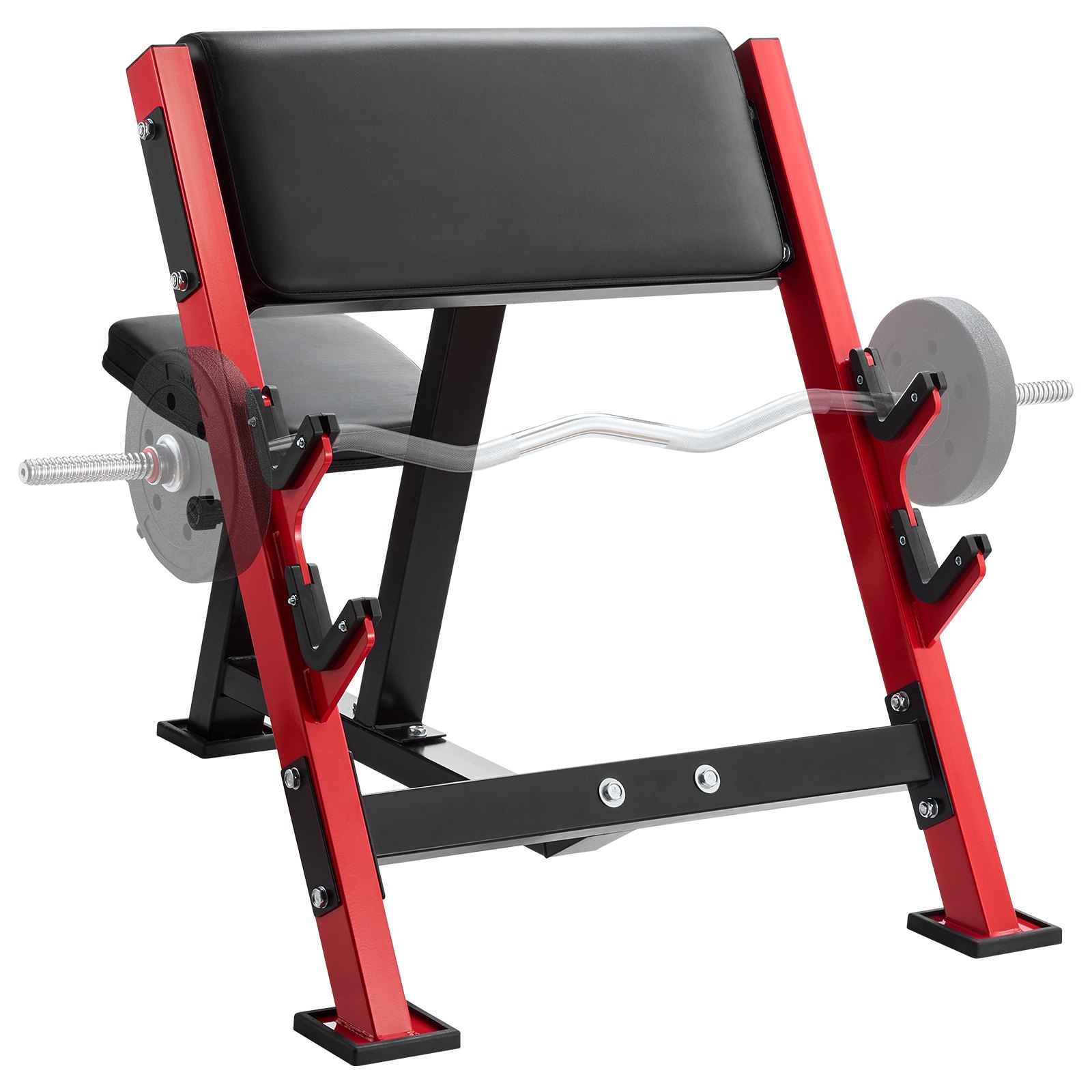 Preacher Curl Bench, Strength Training Benches, Max Load 660 LBS Home Gym Fitness Equipment, Seated Arm Isolated Barbell Dumbbell Bicep Station, Adjustable Weight With Bar Holders$174.99View on Mallflare
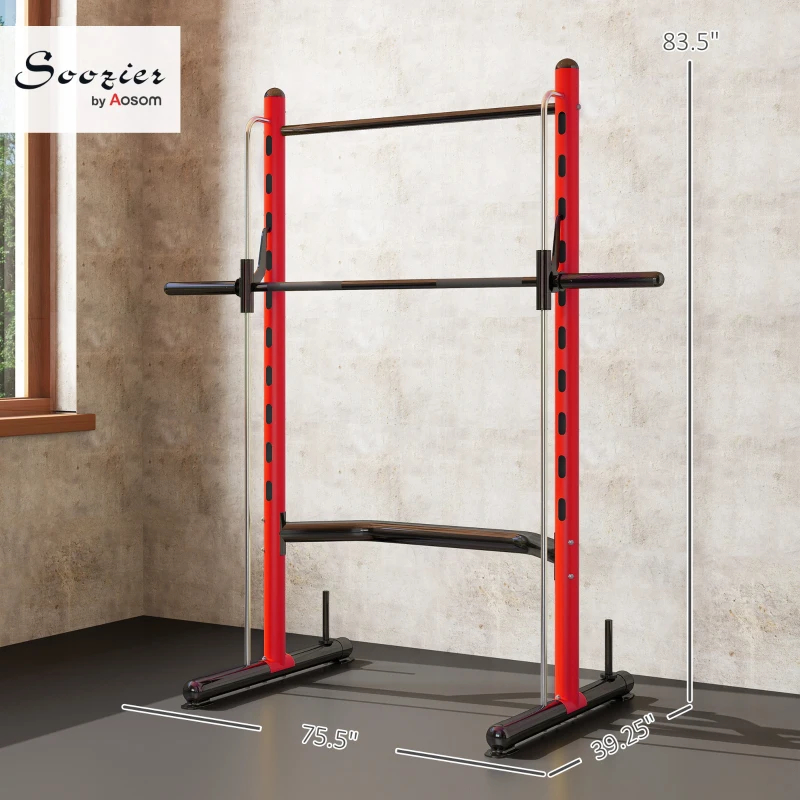 Soozier Squat Rack With Pull Up Bar And Barbell Bar Adjustable Bench Press Multi-Function Weight Lifting Half Red$180.99View on Mallflare
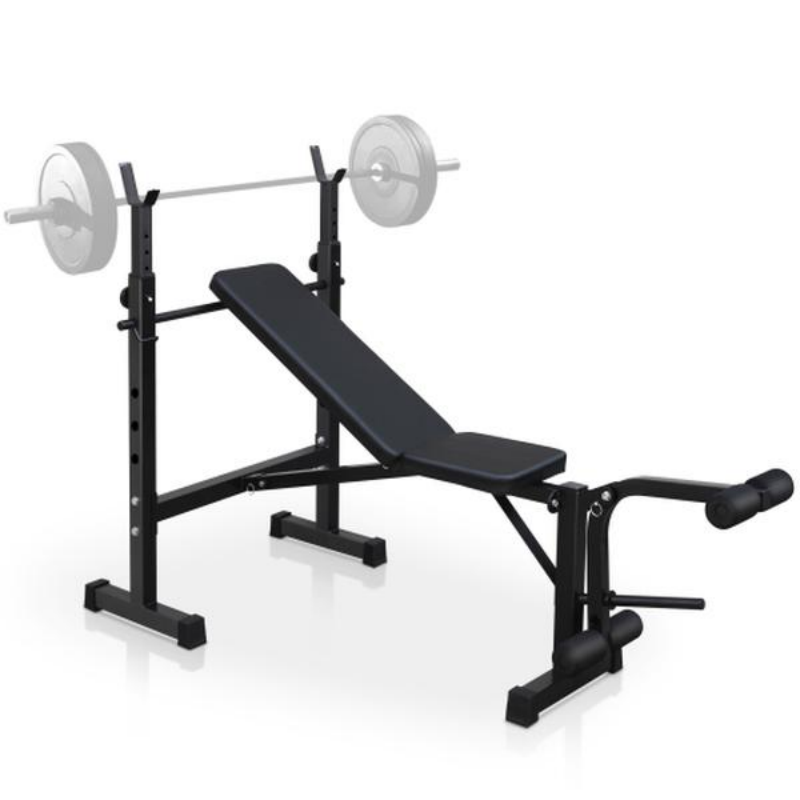 Olympic Weight Bench Full Body Workout For Your Home Gym With Squat Rack And Press$182.99View on Mallflare
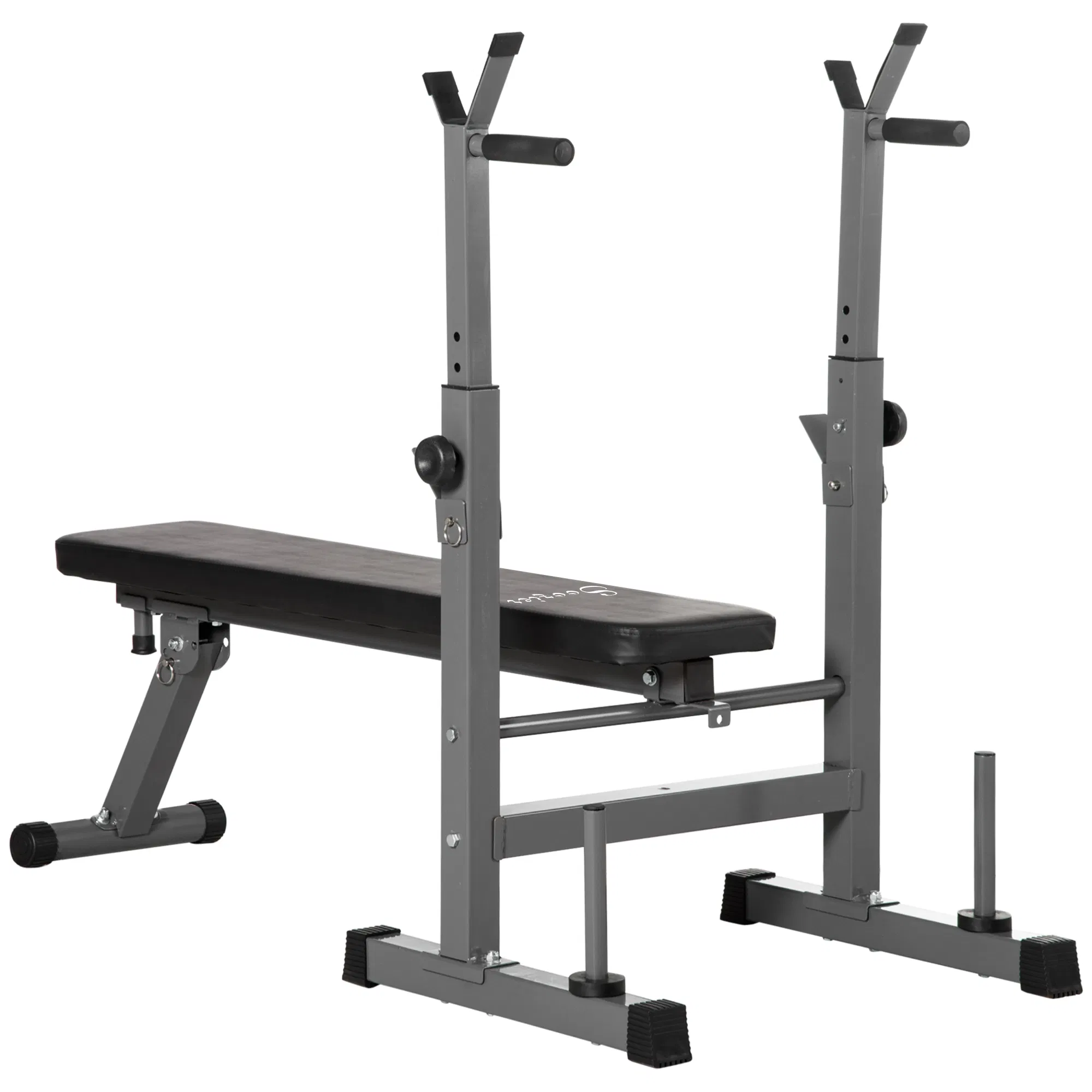 Adjustable Weight Bench, Foldable Press with Barbell Rack and Dip Station for Home Gym, Strength Training Multiuse Workout Black and Grey$184.99View on Mallflare
Highlights
- Bench capacity tiers run from around 300 lb Roman-chair frames through 600–800 lb adjustable benches to 1000–1200 lb flat press benches; the rating reflects steel gauge and weld integrity.
- Included weight sets are typically 100–300 lb of cast-iron or cement-filled plates on a 1-inch standard bar or 2-inch Olympic sleeve; Olympic bars handle far more load.
- Adjustable benches add incline/decline and leg-extension attachments but introduce pivot and locking-pin play; flat benches are stiffer and cheaper per pound of capacity.
- Folding benches trade stability for storage; the hinge and locking mechanism, not the pad, is the first failure point under heavy pressing.
Best use cases
- Best fit: a flat or adjustable bench rated 600 lb+ paired with a 300 lb Olympic plate set for a garage gym pressing and rowing setup.
- Best fit: a compact folding bench plus a 100–150 lb standard-bar set for apartment lifters who must store everything between sessions.
- Wrong fit: a 300 lb Roman-chair/hyperextension frame used as a flat press bench — it is designed for bodyweight back extensions, not barbell loads.
- Skip: benches bundled with cement-filled plates if you plan to squat or deadlift; upgrade to cast-iron Olympic plates and a 2-inch sleeve bar.
Buying tips
- Choose a bench rated at least 2x your bodyweight plus working load; a 200 lb lifter pressing 225 lb needs a 600 lb+ rated bench.
- Match bar sleeve diameter: 1-inch standard bars take standard plates; 2-inch Olympic sleeves need Olympic plates — the two do not interchange.
- For pressing over 300 lb, pick a bench with a wide base and rear stabilizer bar; narrow A-frame benches tip under heavy incline work.
- Check pad thickness and density: 2–3 inch high-density foam over plywood backing resists compression better than thin vinyl over bare steel.
Specs
| Bench Capacity | 300–1200 lb rated tiers |
|---|---|
| Bar Sleeve | 1-inch standard vs 2-inch Olympic |
| Plate Type | Cast iron vs cement-filled |
| Bench Style | Flat, adjustable, folding, Roman chair |
Related searches
What to check before buying
- Measure your floor space and ceiling height: a 7 ft Olympic bar needs roughly 8.5 ft of width clearance for loading plates.
- Confirm your floor can take the load: a 300 lb set plus a 200 lb lifter plus bench concentrates several hundred pounds on a small footprint.
- Verify bar and plate diameter compatibility (1-inch vs 2-inch) before buying any set, and check whether collars are included.
- Check bench footprint and folding dimensions against your storage area; folded benches still need clearance for the hinge to swing.
FAQ
Data sources: eBay / Amazon listings and product attribute feeds Data updated Nov 17, 2026.
Some links on this page are affiliate links. If you buy after clicking one, we may earn a commission at no extra cost to you. This does not change which products appear here or their order. Affiliate disclosure.