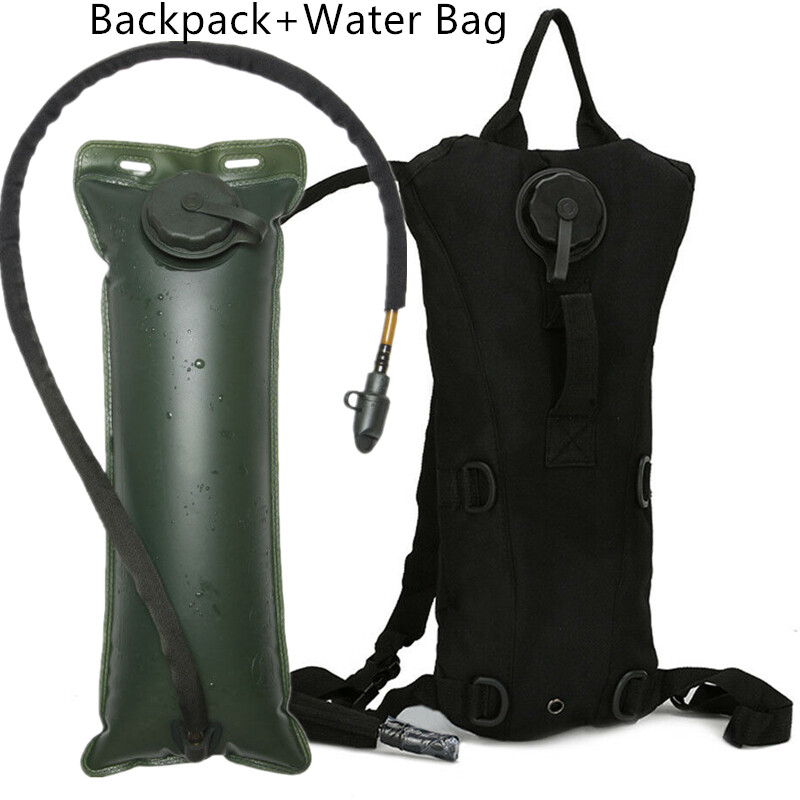

Photos from current listings. Actual item, color, and included accessories may vary.
Hydration Bladder Buying Guide
A hydration bladder is a flexible water reservoir that slides into a running vest or backpack, converting it into a hands-free drinking system via a bite valve and hose. The core trade-off is wall thickness and valve quality versus weight and packability: thin TPU bladders kink and taste plastic, while heavy-duty bladders last seasons but add grams. Buy a bladder only if you need 1.5–3L of on-the-move capacity and your vest has a dedicated bladder sleeve; choose bottles instead for short runs or if you prefer visible consumption tracking.


At a glance
- Category
- Running Hydration & Visibility
- Data updated
- Nov 17, 2026
Current offers
Highlights
- Wall thickness separates durable bladders (0.4–0.5 mm TPU or PEVA) from disposable-feel ones (0.2–0.3 mm), which crease, leak at seams, and impart plastic taste within weeks.
- Bite valves with push-pull locks and silicone seals hold pressure better than simple pull-tab valves, which drip when inverted and are the first failure point.
- A wide-mouth (opening ≥ 8 cm) or slide-top closure allows hand-drying and ice loading; narrow screw caps trap moisture and grow biofilm unless scrubbed with a brush.
- Insulated hose sleeves reduce summer heat gain but add bulk; for running vests, route the hose through a shoulder clip to prevent bouncing and valve bite fatigue.
Best use cases
- Running vests with a rear bladder sleeve: pick a 1.5–2L bladder with a short hose and shoulder-mount clip; skip 3L bladders, which overfill vest sleeves and slosh.
- Hiking/cycling backpacks with a dedicated hydration compartment: choose 2–3L capacity and a wide slide-top for cleaning; skip narrow-cap bladders that are hard to dry on multi-day trips.
- Short road runs under 45 minutes: use a handheld bottle or belt instead of a bladder; bladders are overkill and add cleaning overhead.
- Cold-weather running: select a bladder with an insulated hose or bite-valve cover; uninsulated hoses freeze at the valve within minutes below freezing.
Buying tips
- Match capacity to activity: 1.5L for runs up to 2 hours, 2L for 2–4 hours, 3L for full-day hikes; oversized bladders add slosh weight and are harder to clean.
- Check the hose length (typically 90–110 cm) against your torso: too long loops and snags, too short restricts head movement; measure from bladder sleeve to mouth with the pack on.
- Prefer bladders with a handle or hanger loop at the top; these suspend the bladder in the sleeve and prevent it collapsing to the bottom under load.
- Confirm the bite valve is replaceable and the hose detaches at both ends; sealed one-piece units become landfill when the valve wears.
Specs
| Capacity | 1.5L / 2L / 3L |
|---|---|
| Wall Material | TPU / PEVA (0.4–0.5 mm) |
| Valve Type | Push-pull lock / silicone bite |
| Opening | Wide slide-top / screw cap |
Related searches
What to check before buying
- Measure your pack's bladder sleeve dimensions (height and width) and confirm the filled bladder fits without bowing the pack panel.
- Verify the hose port or exit hole on your vest/backpack is wide enough for the hose diameter (typically 6–8 mm).
- Check that your pack has a hose clip or shoulder strap loop; without one the valve swings and leaks against your chest.
- Confirm the bladder's fill opening fits under your tap or water filter outlet; wide-mouth openings are easier to fill from streams with a filter.
FAQ
Data sources: eBay / Amazon listings and product attribute feeds Data updated Nov 17, 2026.
Some links on this page are affiliate links. If you buy after clicking one, we may earn a commission at no extra cost to you. This does not change which products appear here or their order. Affiliate disclosure.