Photos from current listings. Actual item, color, and included accessories may vary.
Hydration Pack Buying Guide
A running hydration pack is a body-mapped vest or minimal backpack that carries water and essentials without bouncing. The core trade-off is reservoir capacity versus vest weight and fit: 2L bladders suit most runs up to a half marathon, while 3L adds range but demands a snug, size-specific harness. Buy a vest with a dedicated bladder sleeve, adjustable sternum straps, and a size matched to your chest measurement, not a generic 'one size fits all' pack.

At a glance
- Category
- Running Hydration & Visibility
- Data updated
- Nov 17, 2026
Current offers
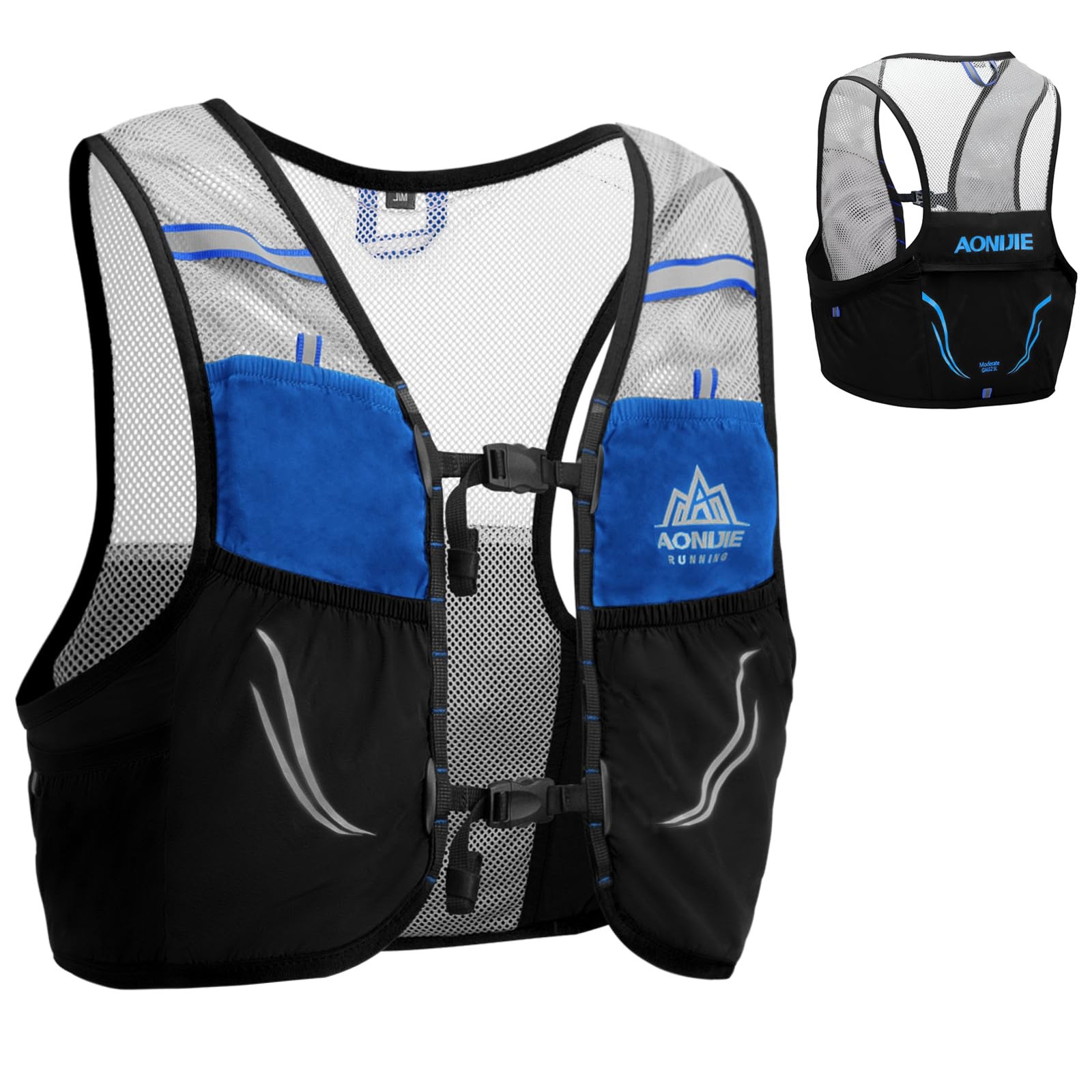 Hydration Pack Running Vest for Men & – Lightweight Trail Backpack for Marath...$36.25
 View on eBay
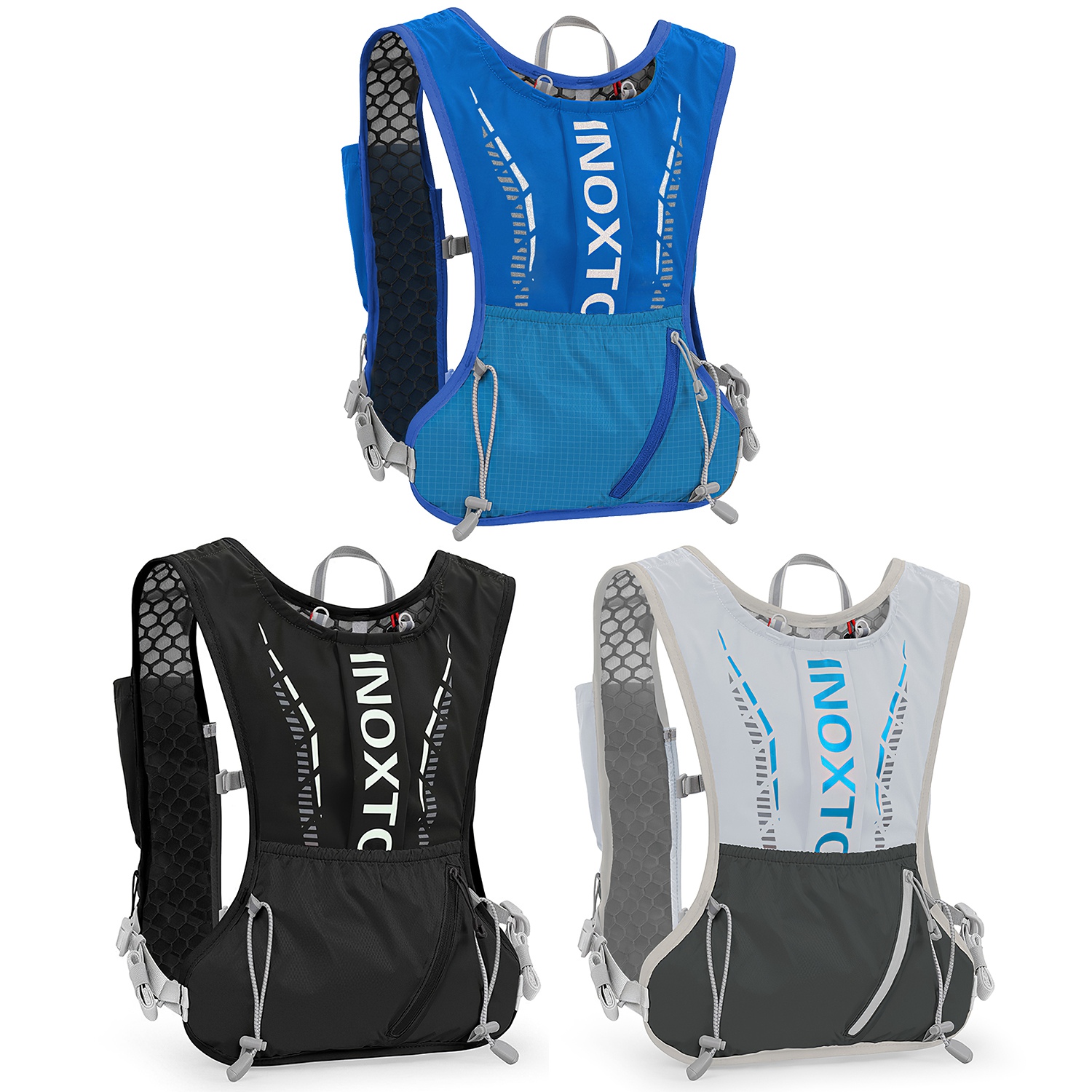 1Pc Sport Hydration Vest Running Backpack With 15oz 50oz Water Bladder Adjustable Strap Storage Bag For Trail Marathon Race Hiking$66.99
 View on Mallflare
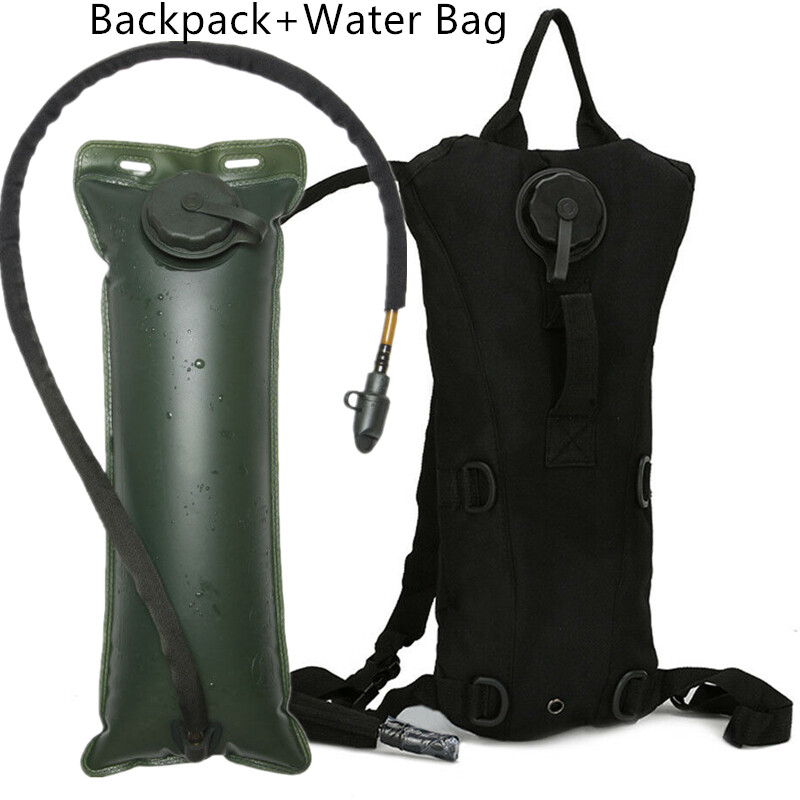 3L Water Bladder Bag Hydration Backpack Pack Hiking Camping Cycling Outdoor USA$11.89View on eBay
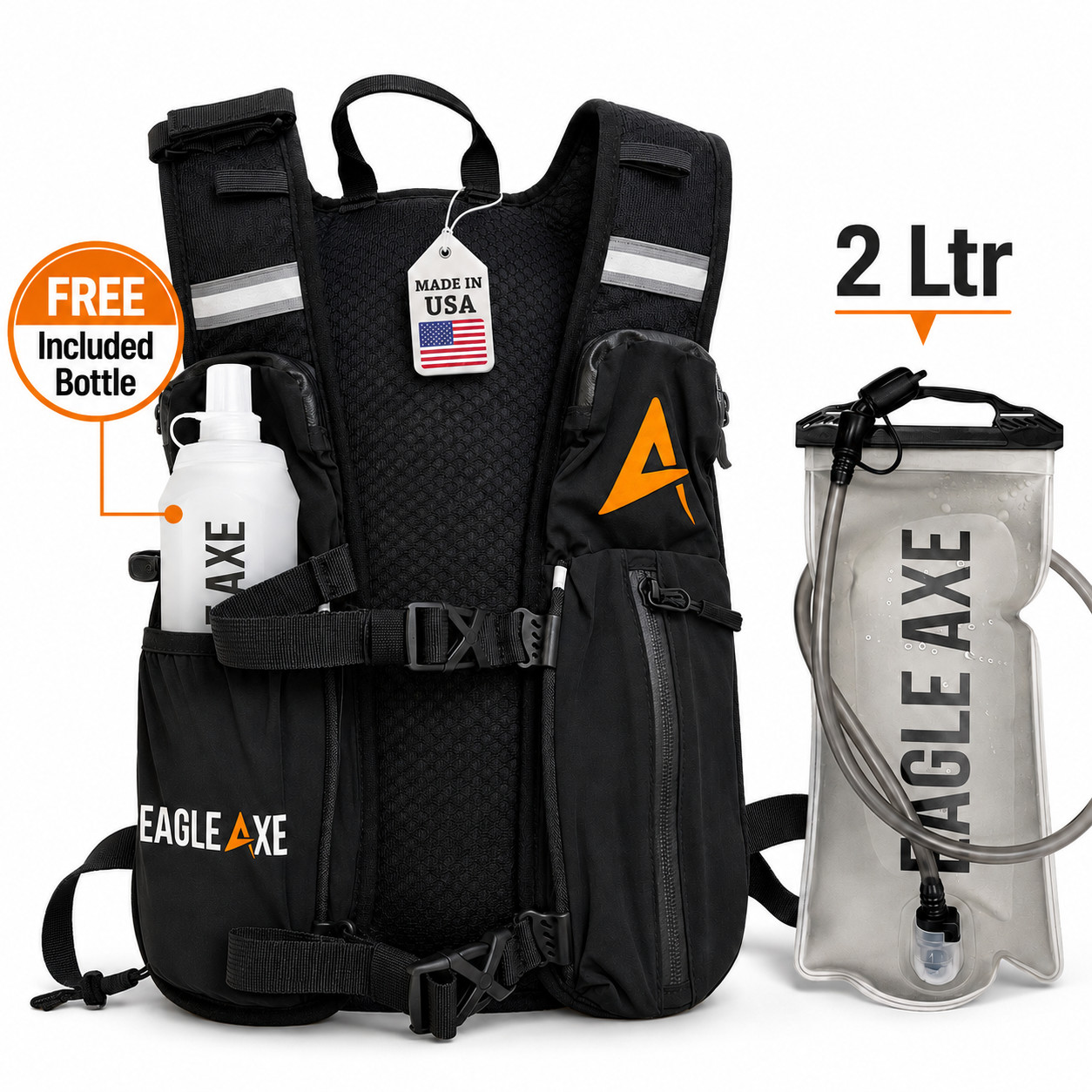 Running Vest Hydration Backpack with 2L Water Bladder Trail Running Cycling Race$13.99View on eBay
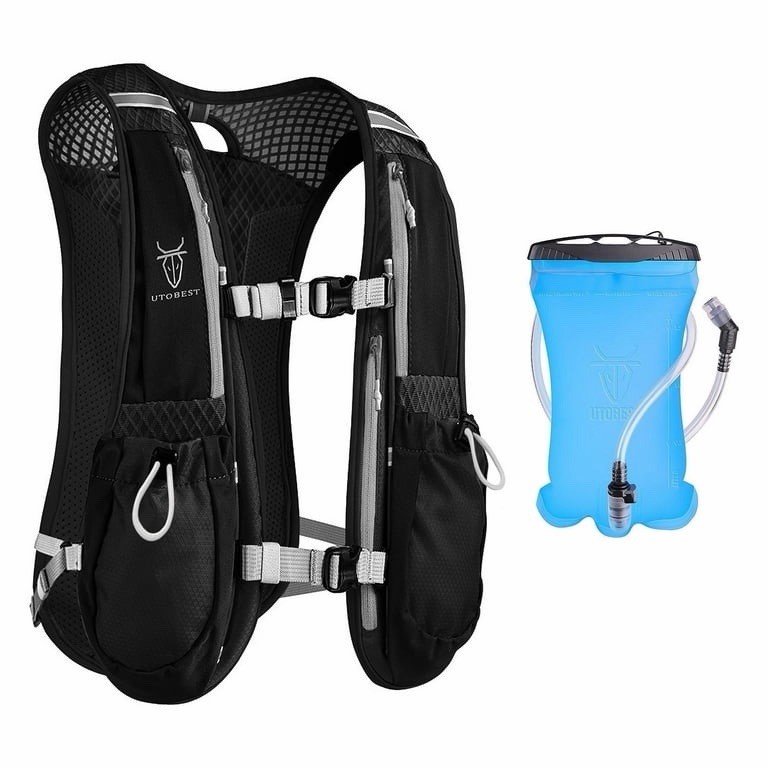 UTOBEST BLACK RUNNING HYDRATION VEST BACKPACK BAG 5L INCLUDES BLADDER$24.97View on eBay
- Hydration Backpack Running Vest Pack Backpack for Men - Marathon Trail Race C...$32.71View on eBay
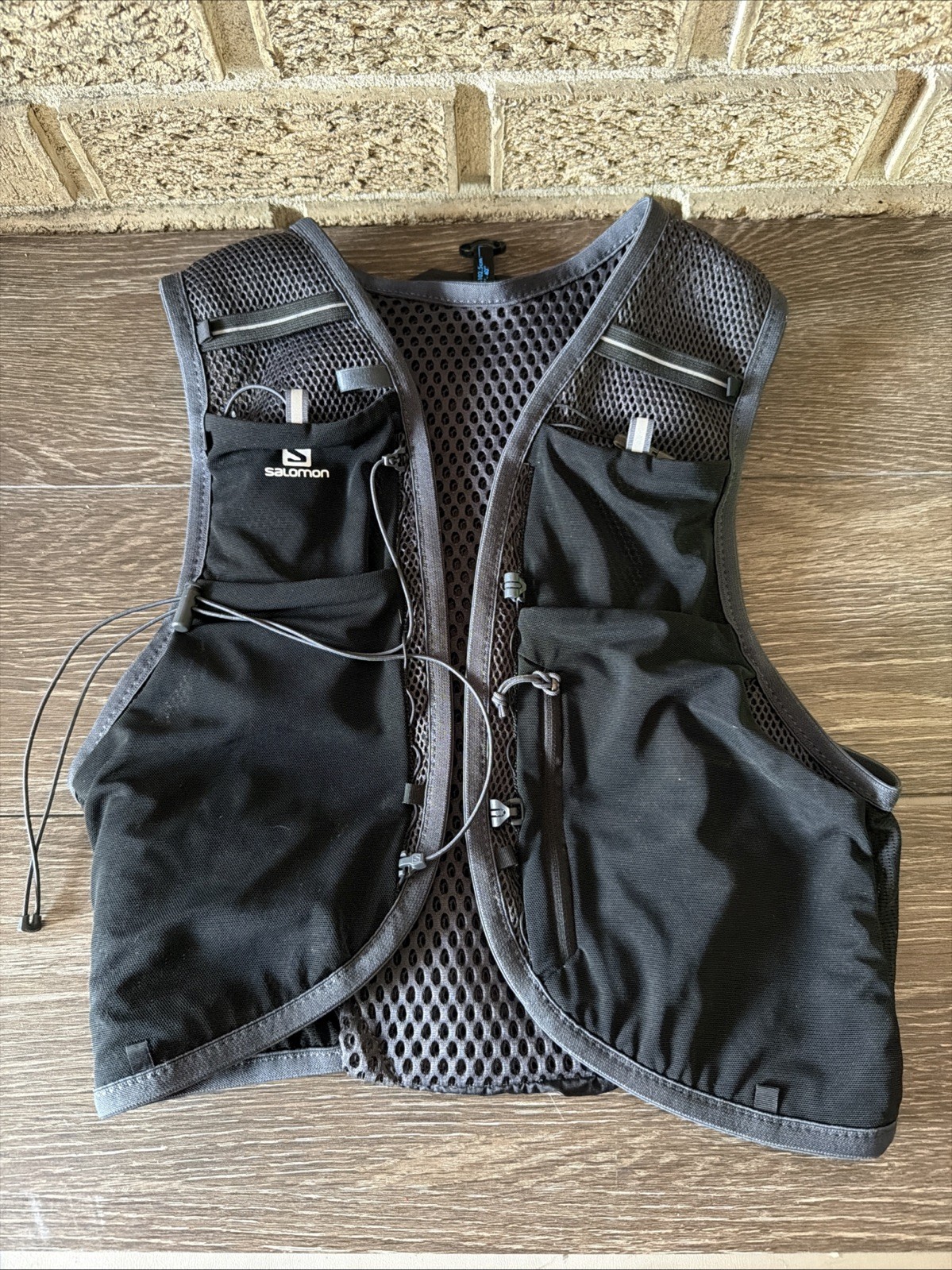 Salomon Active Skin 8 Hydration Vest Size M Excellent Condition Ships Same Day!$55.00View on eBay
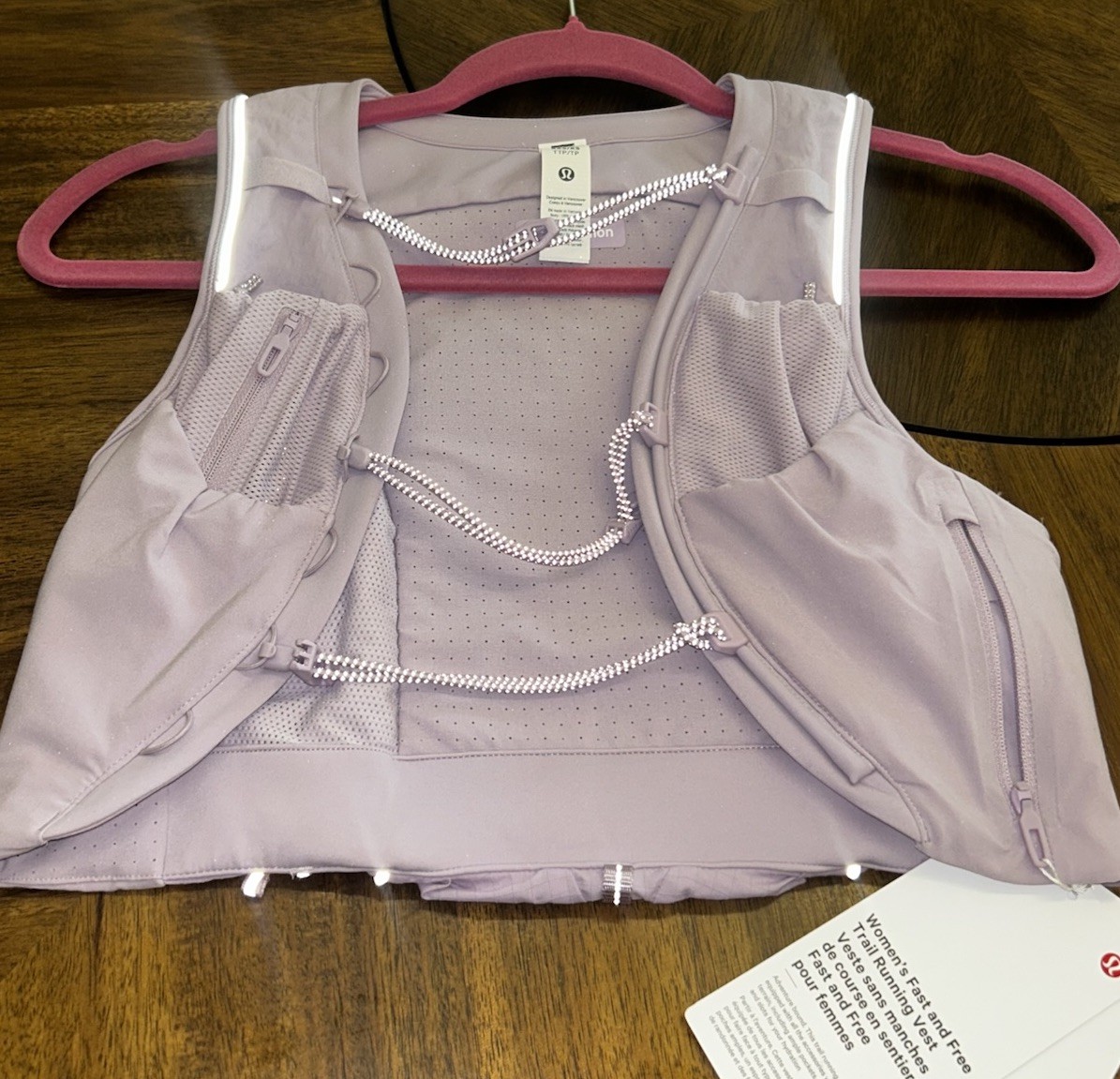 NWT Lululemon Fast and Free Trail Running Vest XXS/XS Lavender Hydration Vest$119.00View on eBay
Highlights
- Reservoir capacity splits into 2L and 3L tiers; 2L is the standard for road half marathons, while 3L targets ultra and self-supported trail runs.
- Running vests use a chest-hugging harness with dual sternum straps; daypacks use shoulder straps and waist belts, which bounce at speed.
- Fabric grade matters: ripstop nylon with a PU coating resists abrasion and seepage, while basic polyester wears at strap anchors.
- Bladder bite valves and hose routing differ: insulated hoses delay freezing, and magnetic clips keep the bite valve reachable without looking.
Best use cases
- Marathon and half marathon road racing: pick a 2L vest in your chest size with two front soft-flask pockets; skip 3L backpacks that sway.
- Trail ultra and self-supported mountain runs: choose a 3L bladder or 2L bladder plus flask combo with pole loops and a whistle.
- Daily training under 10K: a handheld bottle or waist belt is enough; a full vest is overkill and adds heat.
- Women-specific fit: select vests sized by chest measurement with shorter torso panels; unisex XXS/XS often gaps at the shoulders.
Buying tips
- Size by chest circumference: measure at the fullest point and match the vest's stated range; a loose vest bounces and chafes regardless of capacity.
- Match bladder volume to aid stations: if refills are available every 5–8 km, 2L suffices; unsupported runs need 3L or additional flasks.
- Check bladder compatibility: most vests use a 2L or 3L bladder with a standard wide-mouth opening; confirm hose exit port placement.
- Prioritize ripstop nylon or 70D+ fabric with taped seams; lighter 30D fabrics save grams but wear faster at strap anchors.
Specs
| Reservoir Capacity | 2L vs 3L bladder |
|---|---|
| Vest Type | Running vest vs daypack |
| Harness | Dual sternum straps |
| Fabric Grade | Ripstop nylon vs polyester |
Related searches
What to check before buying
- Measure your chest circumference and torso length; compare against the vest's size chart, not your shirt size.
- Confirm the bladder capacity (2L vs 3L) and whether the vest includes a bladder or requires a separate purchase.
- Check hose routing and bite valve attachment: insulated hose for cold climates, magnetic clip for quick access.
- Verify front storage fits your phone and soft flasks, and that rear pockets reach without removing the vest.
FAQ
Data sources: eBay / Amazon listings and product attribute feeds Data updated Nov 17, 2026.
Some links on this page are affiliate links. If you buy after clicking one, we may earn a commission at no extra cost to you. This does not change which products appear here or their order. Affiliate disclosure.