Photos from current listings. Actual item, color, and included accessories may vary.
Vest Buying Guide
A running vest is a body-mapped harness for carrying water, nutrition, and layers without bounce, and the core trade-off is between soft-bottle front-flask systems and bladder-only designs—each with different fit, capacity, and durability profiles. Durable options use stretch-woven nylon-elastane panels, YKK zips, and load-compression cords; compromises rely on non-breathable polyester mesh, fixed non-adjustable straps, and thin foam that collapses under load. The decision rule: choose a vest with dual sternum straps, elastic load-lock cords, and a bottle/bladder capacity matched to your longest unsupported run, and skip any vest whose fit is not adjustable in both chest and torso length.

At a glance
- Category
- Running Hydration & Visibility
- Data updated
- Nov 16, 2026
Current offers
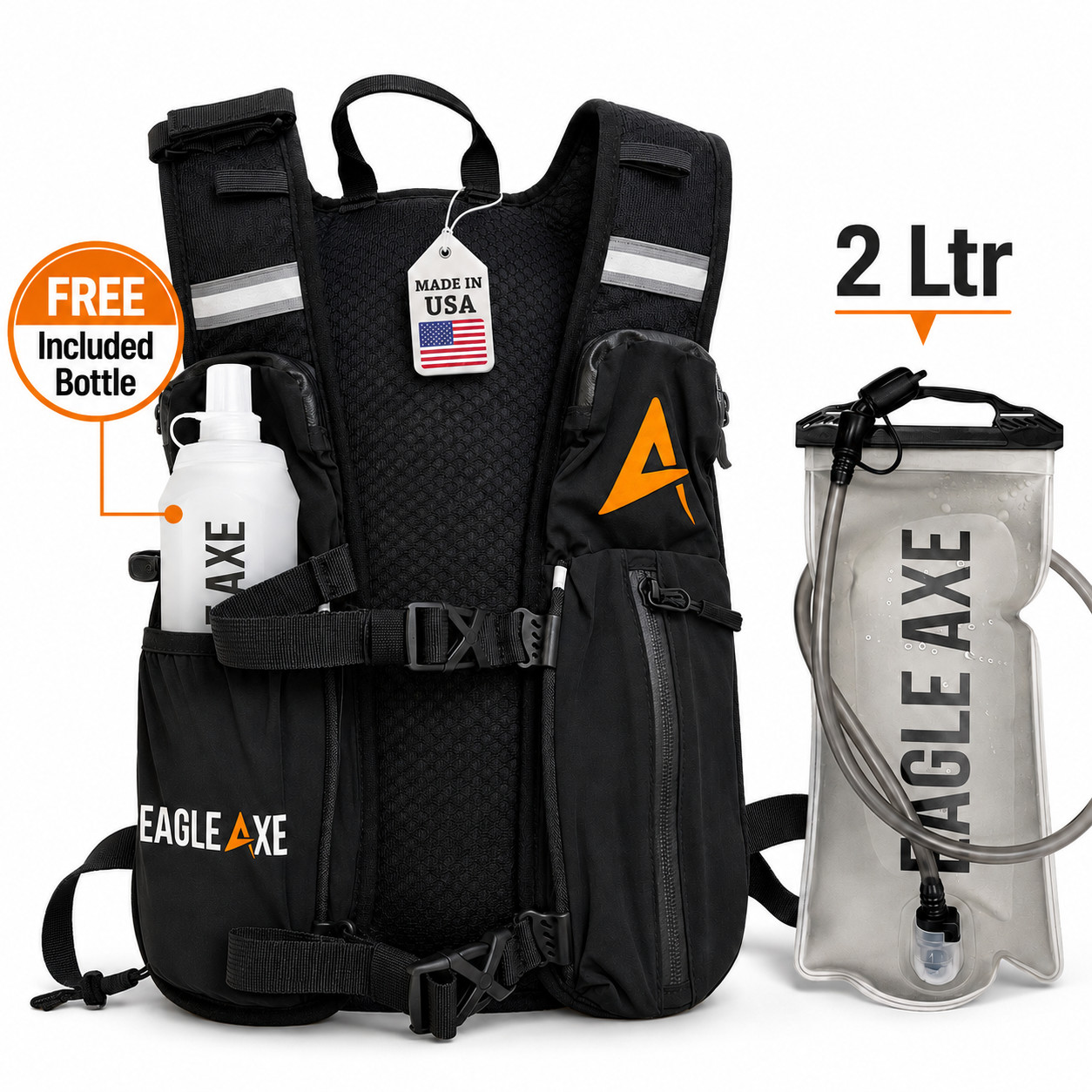 Running Vest Hydration Backpack with 2L Water Bladder Trail Running Cycling Race$13.99
 View on eBay
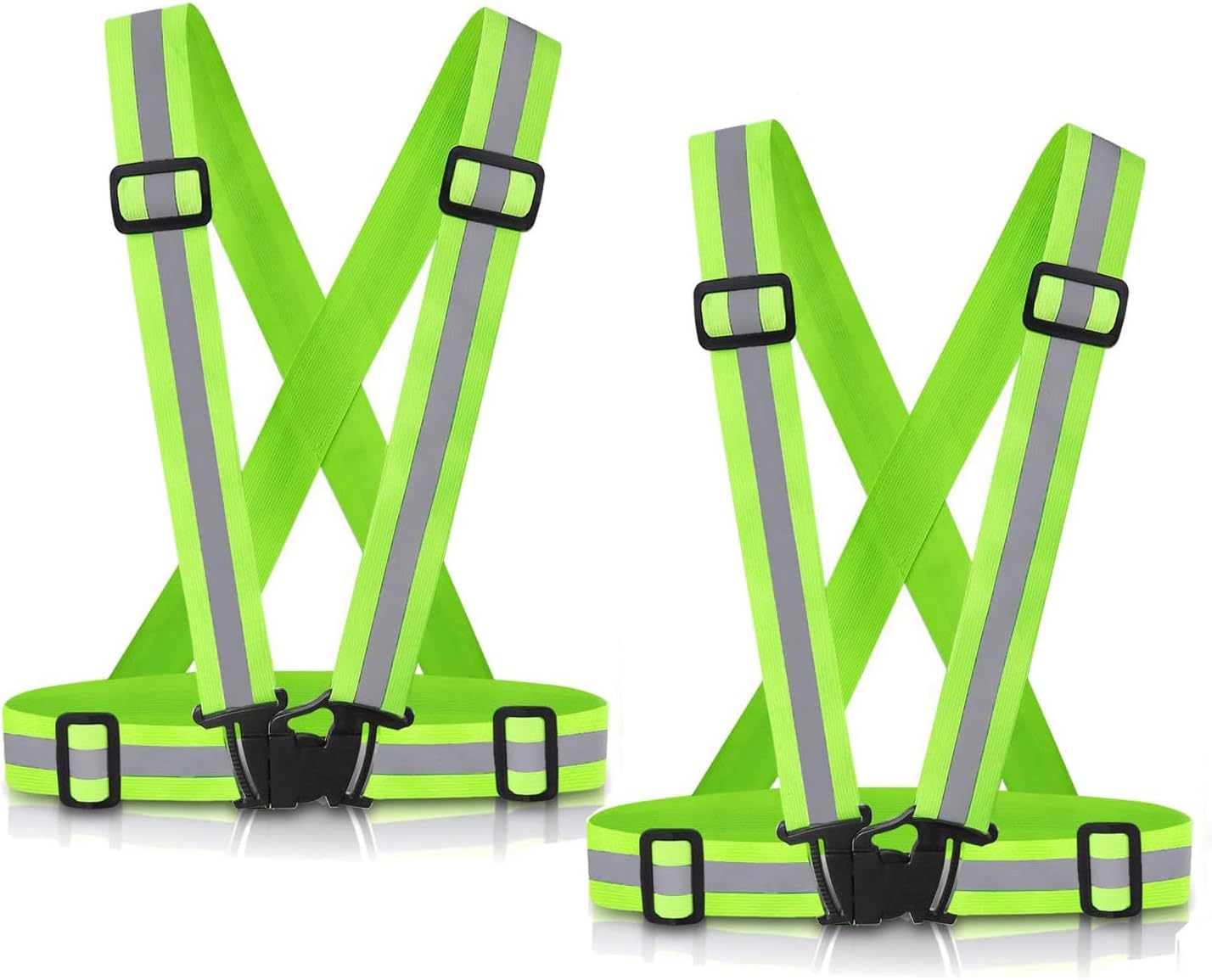 Reflective Running Safety Vest 2-10 PCS, High Visibility Gear For Cycling, Walking And Outdoor Activities$55.99
 View on Mallflare
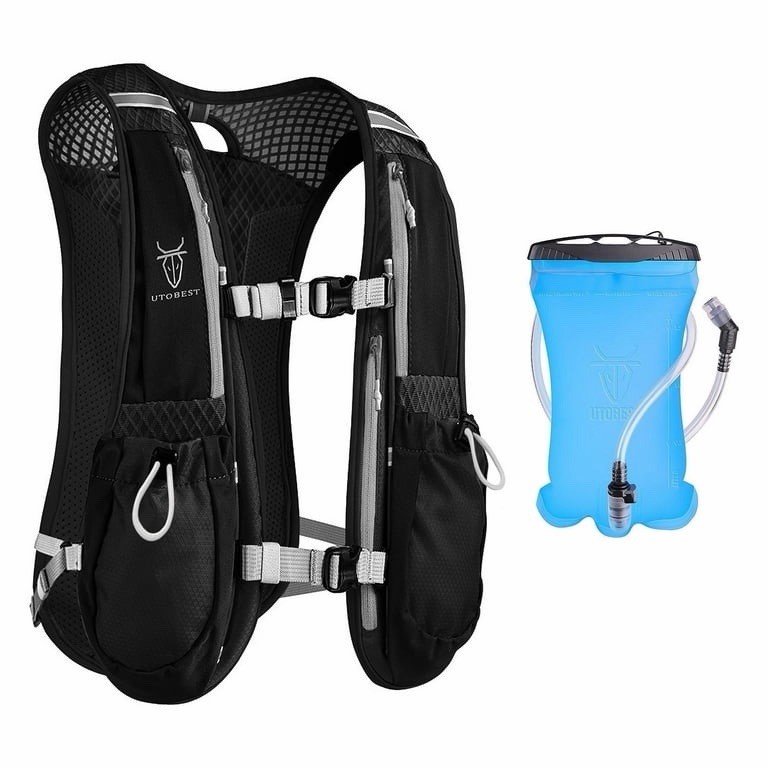 UTOBEST BLACK RUNNING HYDRATION VEST BACKPACK BAG 5L INCLUDES BLADDER$24.97View on eBay
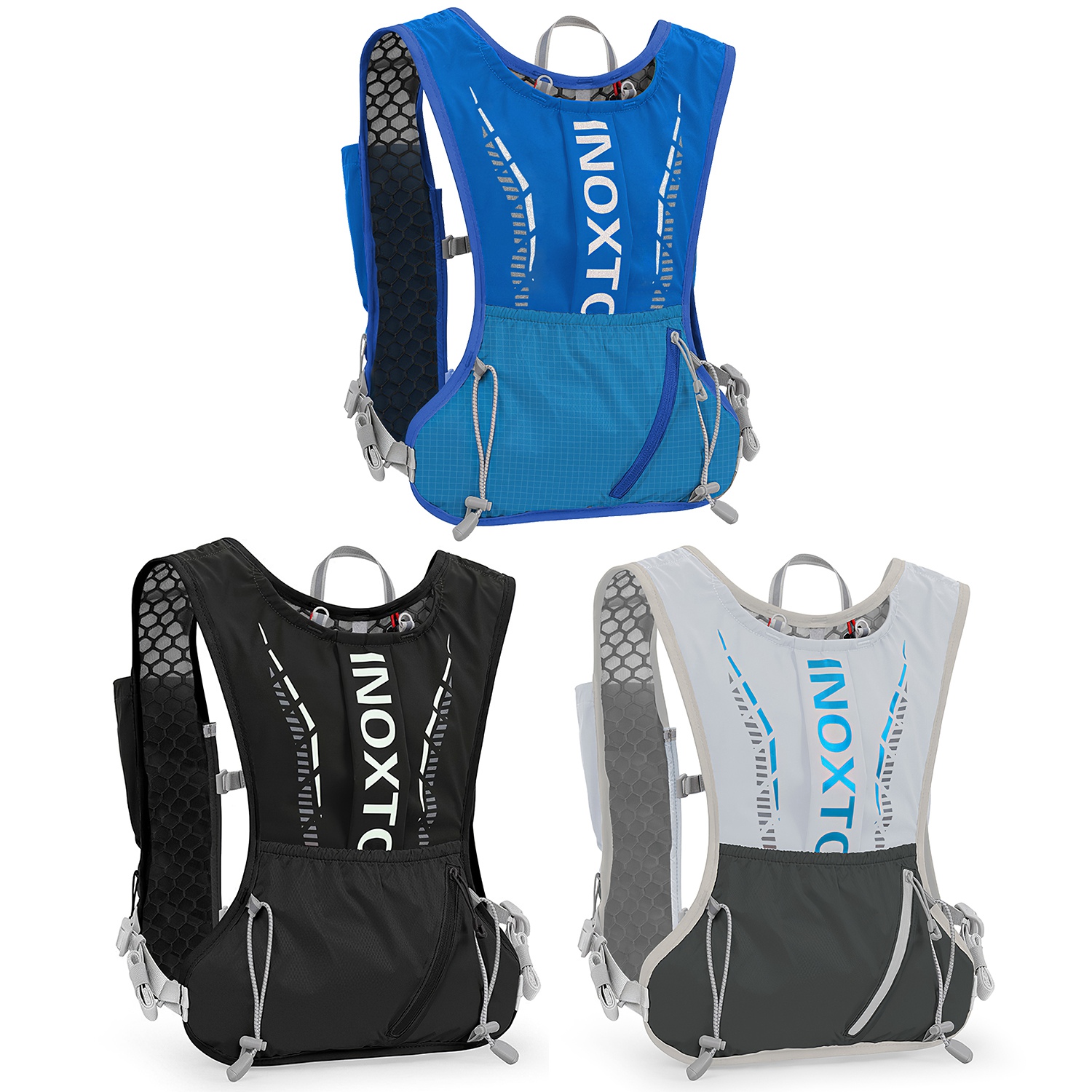 1Pc Sport Hydration Vest Running Backpack With 15oz 50oz Water Bladder Adjustable Strap Storage Bag For Trail Marathon Race Hiking$66.99View on Mallflare
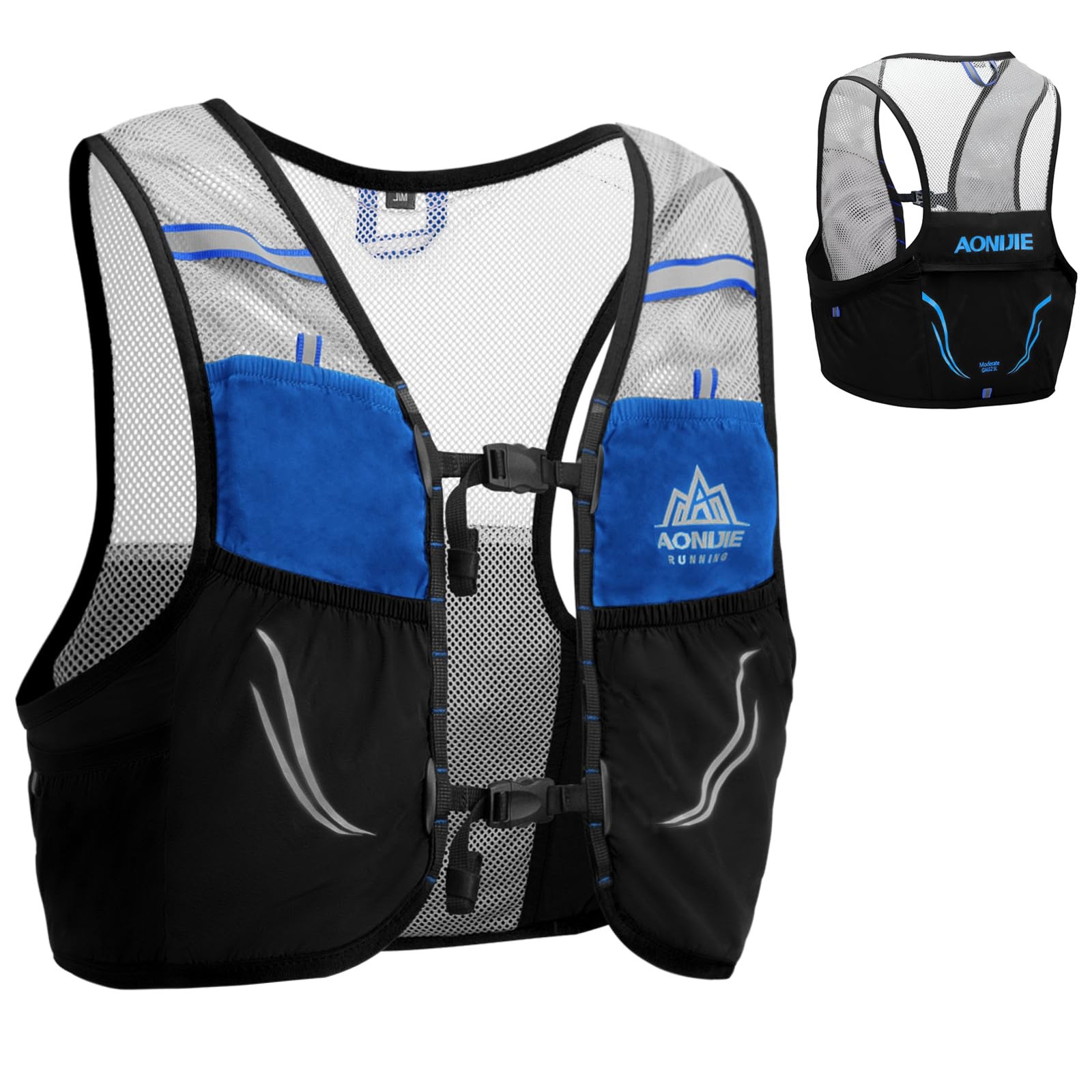 Hydration Backpack Running Vest Pack Backpack for Men - Marathon Trail Race C...$32.71View on eBay
- Hydration Pack Running Vest for Men & – Lightweight Trail Backpack for Marath...$36.25View on eBay
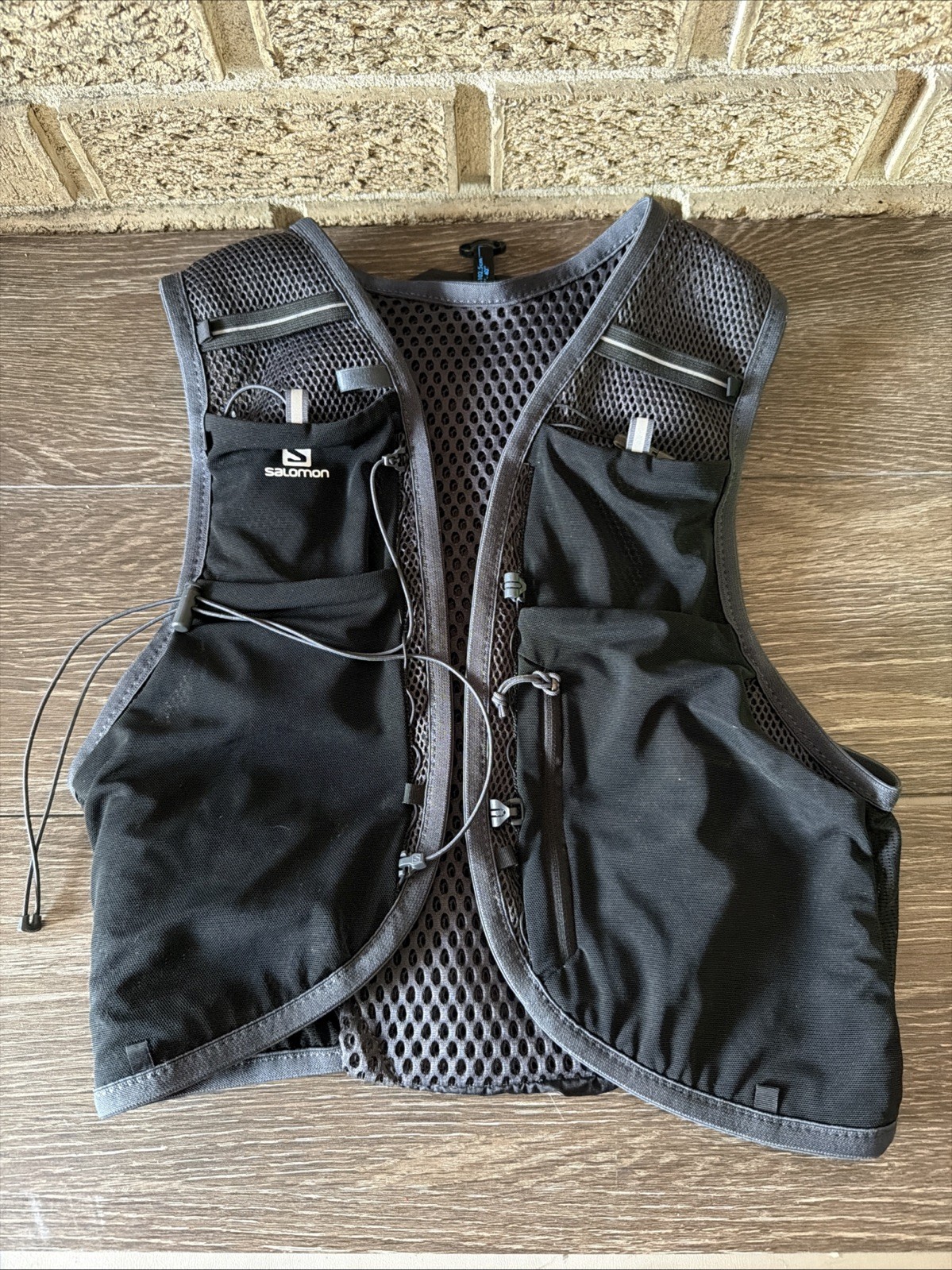 Salomon Active Skin 8 Hydration Vest Size M Excellent Condition Ships Same Day!$55.00View on eBay
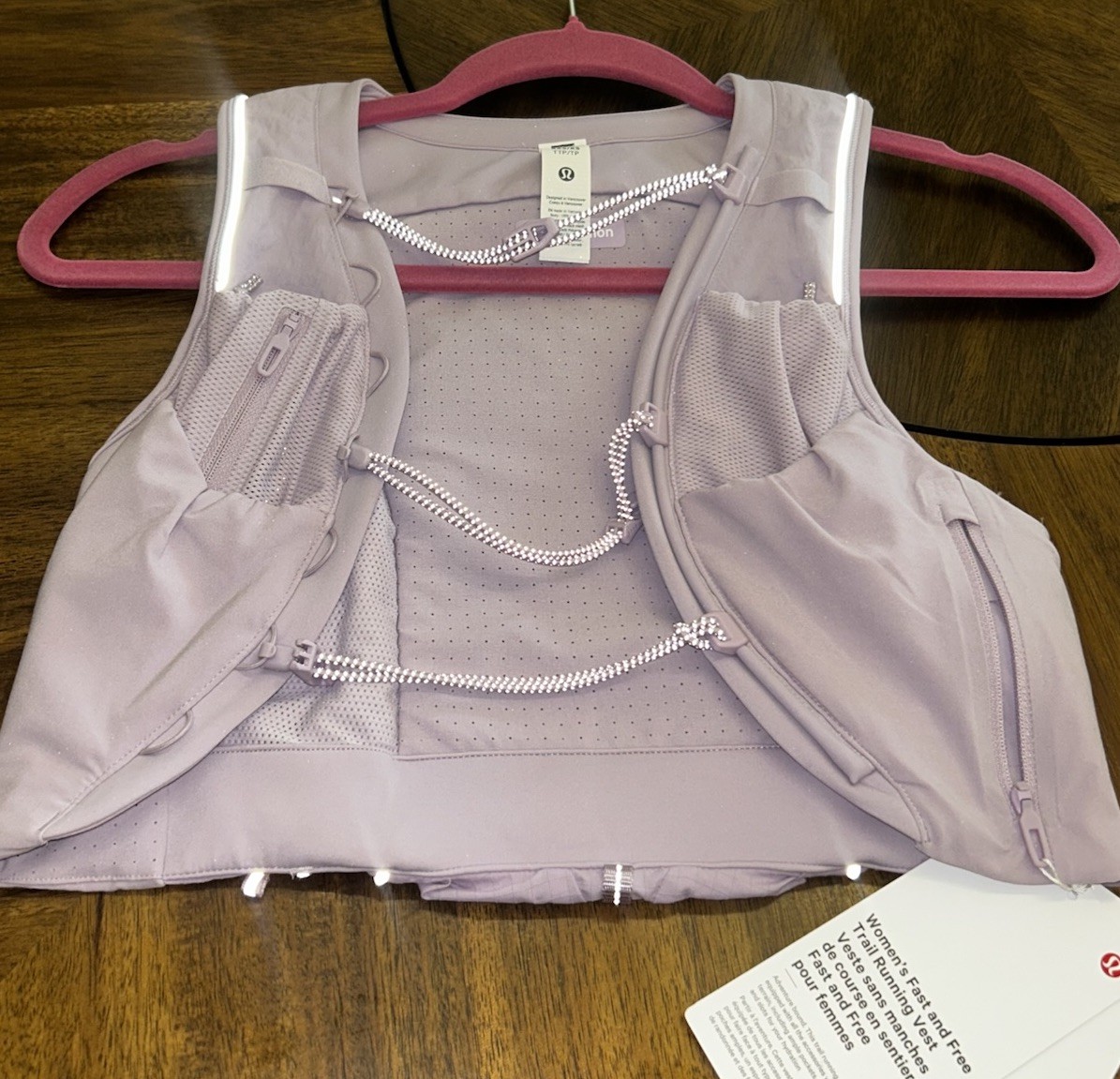 NWT Lululemon Fast and Free Trail Running Vest XXS/XS Lavender Hydration Vest$119.00View on eBay
Highlights
- Soft-flask vests (typically 2×500 ml chest pockets) trim sway and allow drinking on the move, while bladder vests (1.5–2 L rear sleeve) carry more but require a hose and are harder to refill mid-run.
- Sizing is chest-circumference driven: measure at the ribcage, then pick a vest that adjusts 5–10 cm tighter for a snug, bounce-free fit—never size up for layering, since vest panels stretch.
- Durability is set by face fabric: stretch-woven nylon-elastane (often 70–140 gsm) resists abrasion and pilling, whereas thin polyester mesh and bonded seams fail first at strap anchors and bottle pockets.
- Visibility ratings are separate: a hydration vest is not a safety vest—ANSI/ISEA 107 high-visibility vests use fluorescent fabric and retroreflective tape in Class 2 or Class 3 configurations, and a running vest only adds reflective trims.
Best use cases
- Marathon and ultra runners: pick a 5–12 L vest with dual sternum straps, front soft-flask pockets, and rear bungee compression; skip bladder-only packs that slosh when partially filled.
- Trail and fastpacking days: choose a 12–20 L vest with a bladder sleeve, pole attachments, and a roll-top or cinch rear compartment; skip minimal 2–3 L race vests that cannot carry mandatory kit.
- Road runners and commuters needing visibility: pick a separate ANSI/ISEA 107 Class 2 reflective safety vest over your running layers; do not expect a hydration vest’s reflective trims to meet road-work visibility standards.
- Casual walkers and gym users: a 2–5 L vest with a single 500 ml flask is sufficient; skip 15 L+ fastpacking vests whose extra straps and buckles add chafe without benefit.
Buying tips
- Measure chest circumference at the ribcage and choose the size whose adjustable range covers it with 5–10 cm of compression; fit should be snug over a base layer, not loose.
- Match reservoir volume to aid-station spacing: 1 L total (2×500 ml flasks) suits 60–90 minutes; 1.5–2 L bladders suit 2–3 hours; 5 L+ vests are for self-supported ultra distances.
- Look for YKK zippers, bar-tacked or double-stitched strap anchors, and stretch-woven nylon-elastane panels—bonded seams and thin mesh are the first failure points on budget vests.
- For night or road use, buy an ANSI/ISEA 107 Class 2 vest with retroreflective tape and fluorescent fabric; hydration vests only supplement with small reflective logos and trim.
Specs
| Hydration Format | Front soft flasks vs rear bladder |
|---|---|
| Carry Volume | 2–5 L race / 8–20 L fastpacking |
| Fit Adjustment | Dual sternum straps + torso adjust |
| Visibility Standard | ANSI/ISEA 107 Class 2/3 separate vest |
Related searches
What to check before buying
- Chest circumference measured at the ribcage, plus torso length from shoulder to waist, to confirm the vest’s adjustable strap range covers your frame.
- Hydration format decided: front soft flasks for on-the-move drinking versus rear bladder for larger volume and hands-free hose access.
- Layering plan confirmed, since vests fit snugly over a base layer and may need one size up if worn over a shell or insulated jacket.
- Visibility standard required for your route—ANSI/ISEA 107 Class 2 or 3 for road/shoulder running, versus reflective trims on the vest for trail dawn/dusk use.
FAQ
Data sources: eBay / Amazon listings and product attribute feeds Data updated Nov 16, 2026.
Some links on this page are affiliate links. If you buy after clicking one, we may earn a commission at no extra cost to you. This does not change which products appear here or their order. Affiliate disclosure.