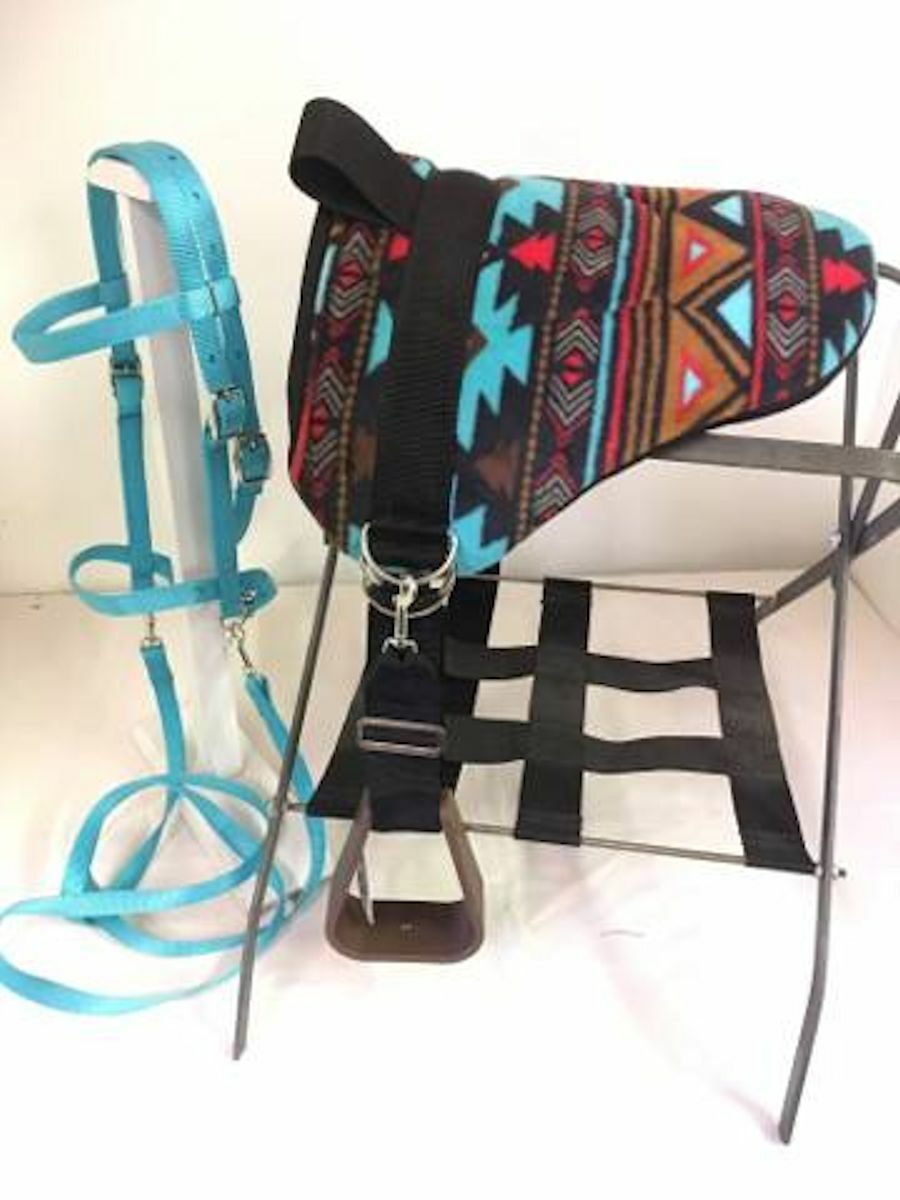

Photos from current listings. Actual item, color, and included accessories may vary.
Bareback Saddle Pad Buying Guide
A bareback saddle pad is a thin, grippy interface that adds cushioning, protection, and stability when riding without a tree, typically made from fleece, felt, or quilted synthetic with a non-slip underside. The core trade-off is thickness versus feel: a too-thick pad floats and rolls, while a too-thin pad offers no spine relief or sweat management. Choose a pad with a contoured spine channel and a grippy bottom if you want bareback security; skip flat, thick pads that bunch and slide.


At a glance
- Category
- Equestrian Saddles & Pads
- Data updated
- Nov 18, 2026
Current offers
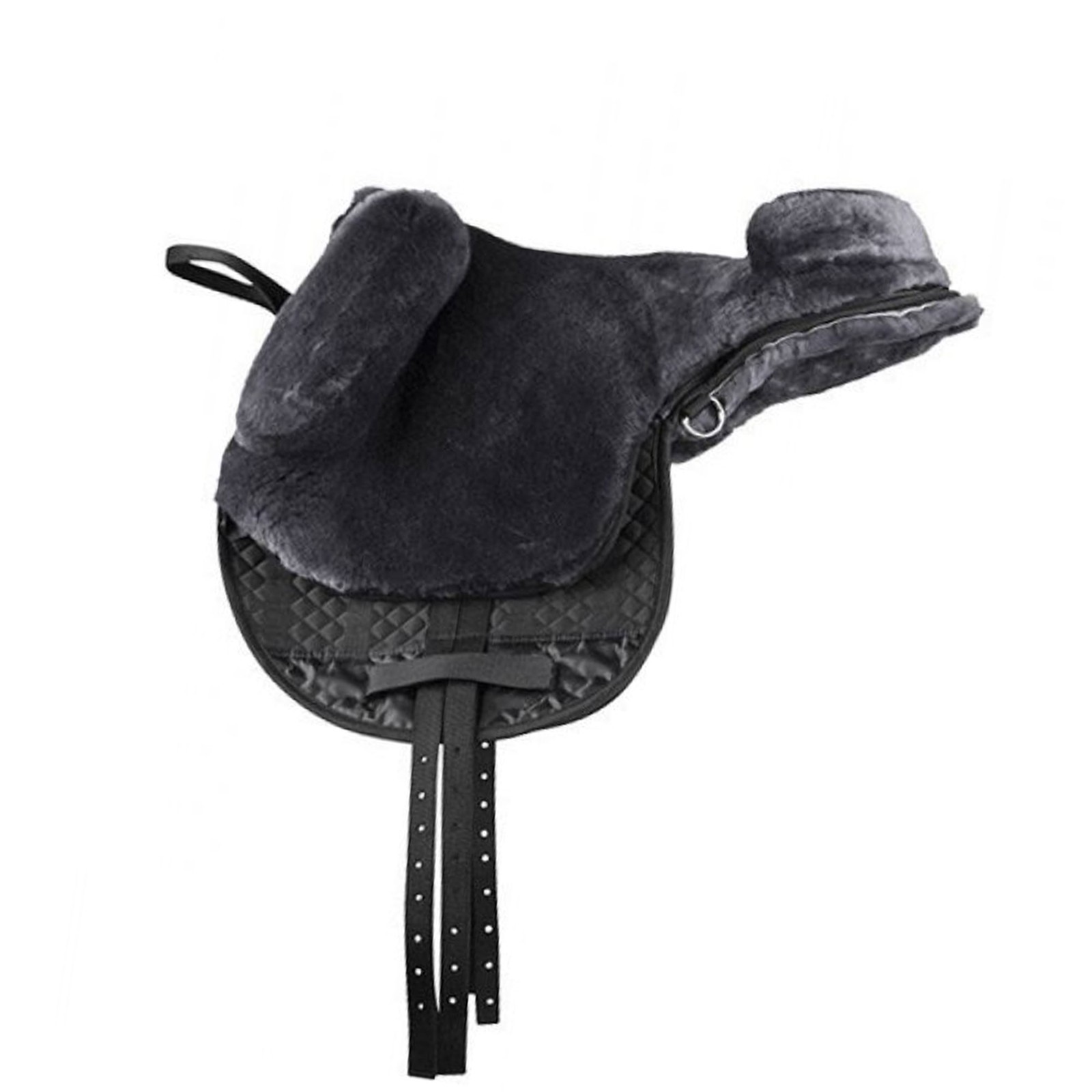
Highlights
- Fleece-lined pads use 200-300 GSM polyester fleece for wick-and-grip; heavier 400+ GSM adds bulk without meaningful slip resistance.
- Non-slip undersides rely on silicone grip dots or rubberized mesh; silicone dots outlast sprayed rubber coatings by several seasons.
- Spine relief requires a contoured channel at least 2 inches wide; flat pads concentrate pressure on the withers and loin.
- Mini/pony sets size to 36-42 inch back length; full-size bareback pads run 48-54 inches and must match girth circumference.
Best use cases
- Best fit: light hack or schooling on a quiet horse — pick a 1-inch fleece pad with silicone grip dots and a contoured spine.
- Best fit: mini horse or small pony — buy a dedicated mini/pony set (pad, cinch, and bitless bridle) sized to 36-42 inch back length, not a cut-down full-size pad.
- Wrong fit: long trail rides or rocky terrain — skip bareback pads entirely; a treed saddle or treeless saddle with rigid panels disperses load better.
- Wrong fit: sensitive-skinned horses — avoid synthetic fleece over nylon; choose natural wool fleece or felt to reduce rub and static.
Buying tips
- Measure your horse's back from withers to loin; pad length should leave 2-3 inches of clearance behind the cantle area to avoid loin pressure.
- Match girth circumference: pony pads fit 50-60 inch girths, full-size pads 60-72 inches; an oversized pad bunches under the leg.
- Choose silicone-dot grip over sprayed rubber; dots stay tacky for years, while rubber coatings peel after repeated washing.
- For sweat management, pick a pad with a wicking mesh top or wool fleece; closed-cell foam traps heat and moisture against the back.
Specs
| Pad Thickness | 3/4-1 in (1.9-2.5 cm) ideal |
|---|---|
| Lining Material | Wool fleece / felt / synthetic |
| Grip Type | Silicone dots vs rubberized mesh |
| Size Range | Mini/pony 36-42 in; full 48-54 in |
Related searches
What to check before buying
- Measure back length withers-to-loin and confirm pad leaves 2-3 inches clearance behind the saddle area.
- Confirm girth circumference fits the pad's cinch straps; mismatched girths cause the pad to roll.
- Check that the pad has a contoured spine channel at least 2 inches wide for wither clearance.
- Verify the horse's coat and skin sensitivity: wool fleece for sensitive skin, synthetic fleece for easy-care horses.
FAQ
Data sources: eBay / Amazon listings and product attribute feeds Data updated Nov 18, 2026.
Some links on this page are affiliate links. If you buy after clicking one, we may earn a commission at no extra cost to you. This does not change which products appear here or their order. Affiliate disclosure.