Photos from current listings. Actual item, color, and included accessories may vary.
Western Saddle Buying Guide
Western saddles are the heavy-duty work and trail riding saddles defined by a horn, deep seat, and wide weight-distributing bars; the core trade-off is between proper tree fit and bar angle for your horse versus cosmetic leather tooling and trim. A durable Western saddle starts with a solid wood or fiberglass-covered tree with correct gullet width and bar spread, quality full-grain leather, and stainless or brass rigging hardware; anything that skimps on the tree or uses bonded leather is a short-lived compromise.


At a glance
- Category
- Equestrian Saddles & Pads
- Data updated
- Nov 16, 2026
Current offers
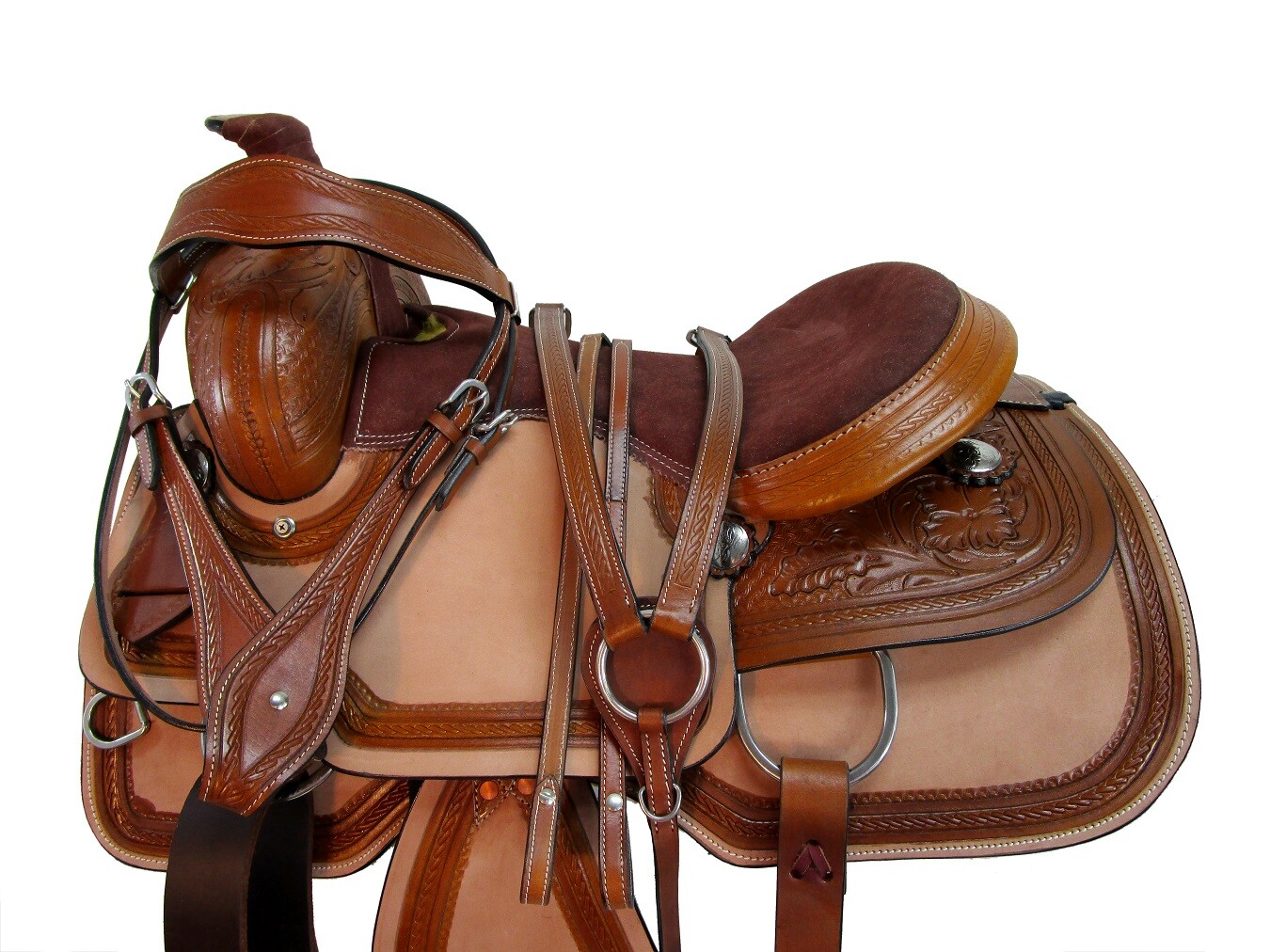 COMFY TRAIL WESTERN SADDLE PLEASURE HORSE TACK 15 16 17 18 FLORAL TOOLED LEATHER$399.66
 View on eBay
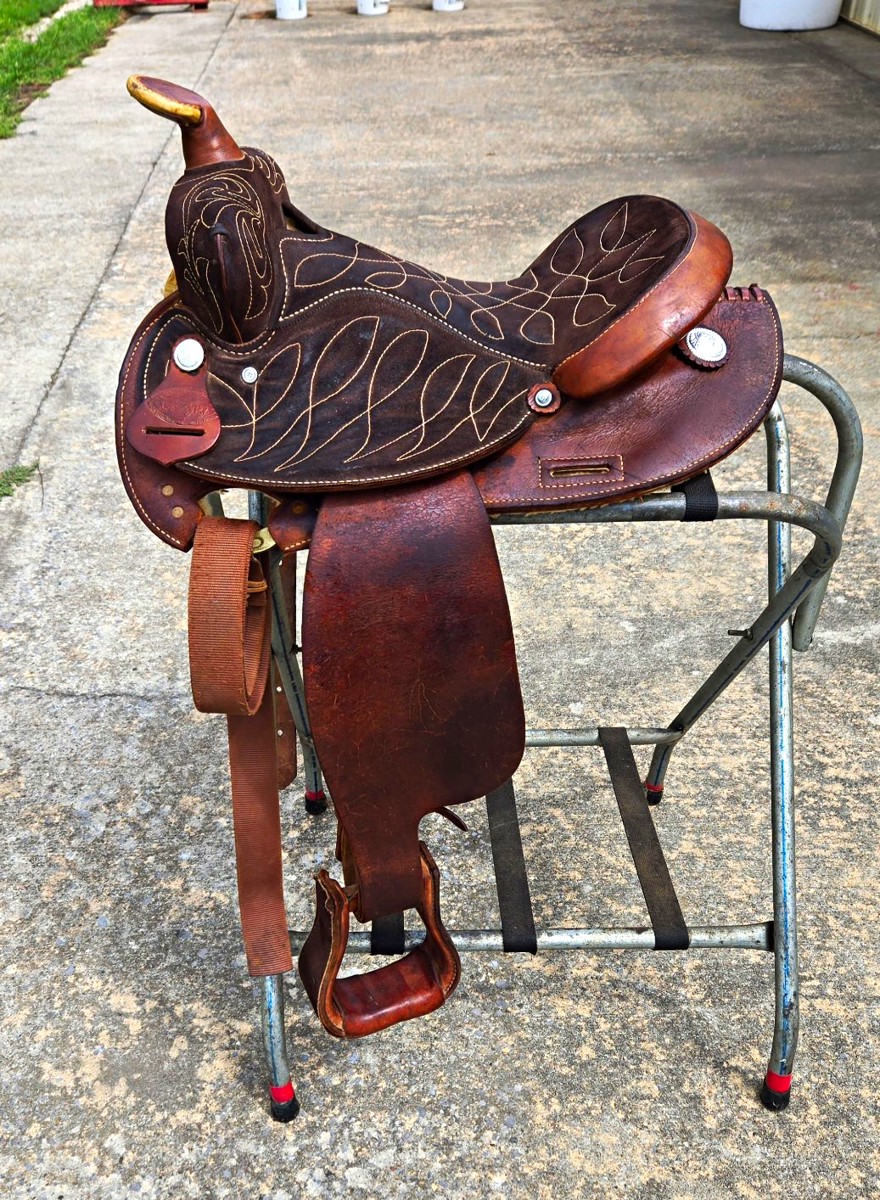 Circle Y Cow Country Western Saddle$450.00View on eBay
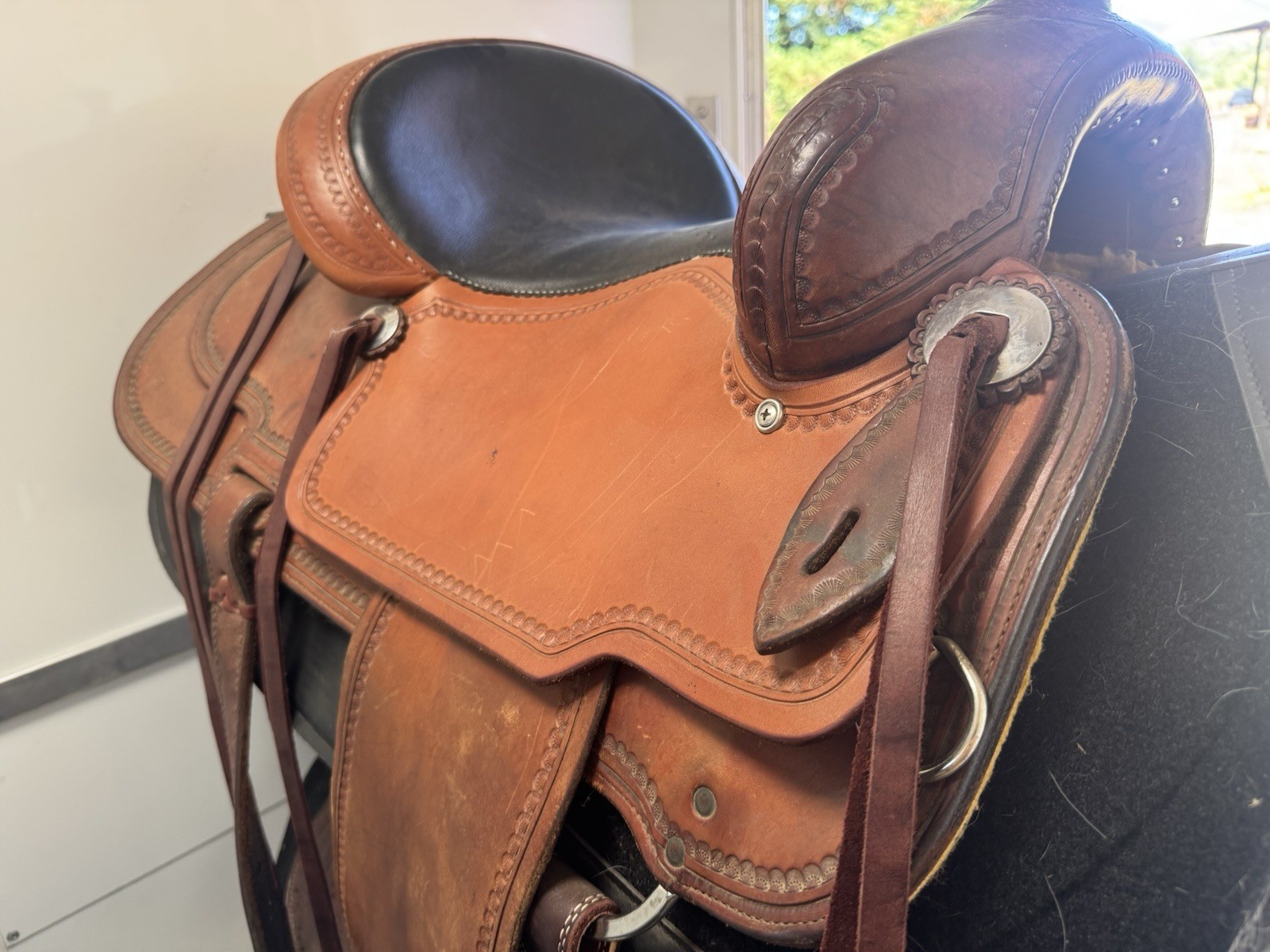 Martin All Around Western Saddle 15" Seat$1,765.00View on eBay
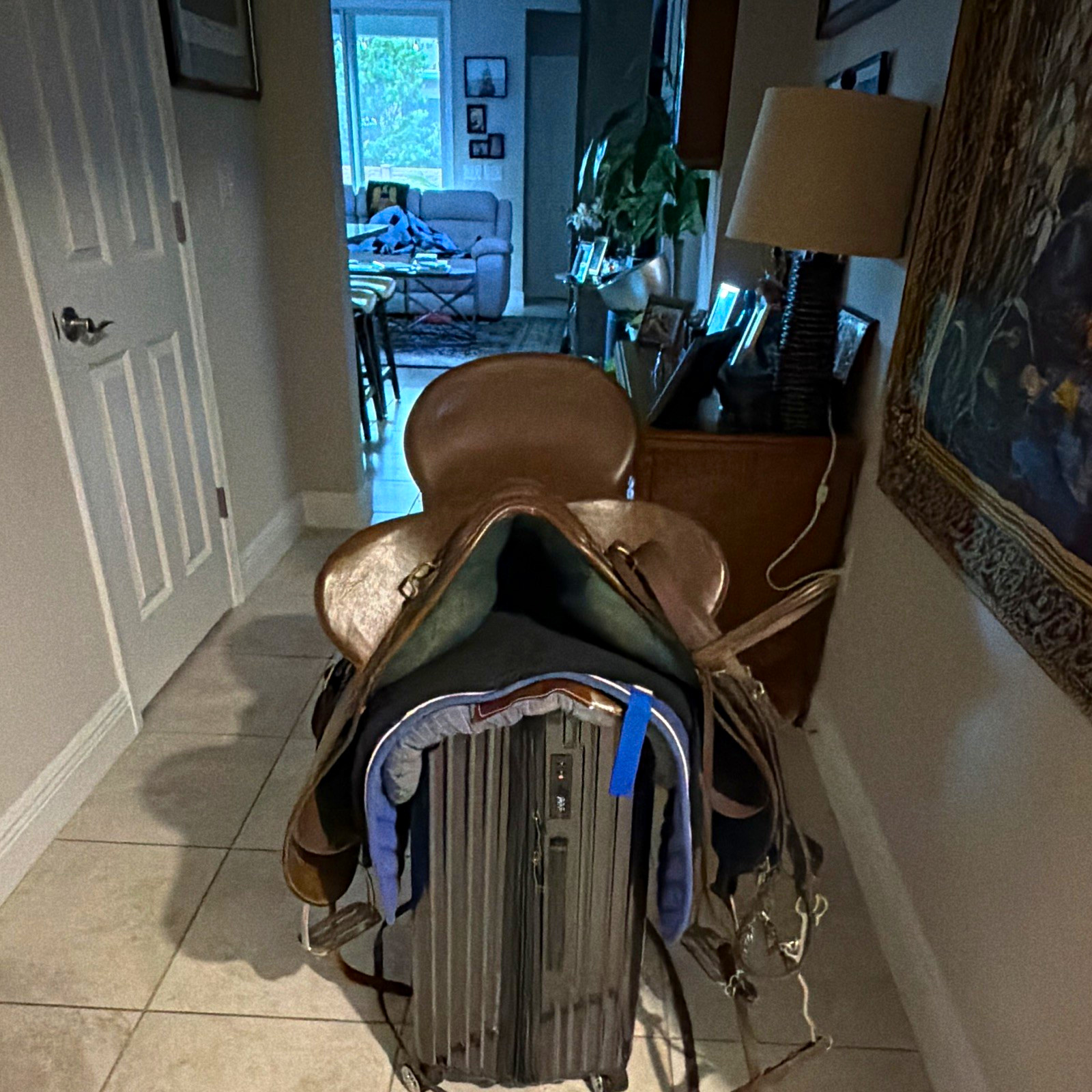 Leather Pleasure/Trail Western Horse Saddle, Traditional Design, Brown, 15 in$300.00View on eBay
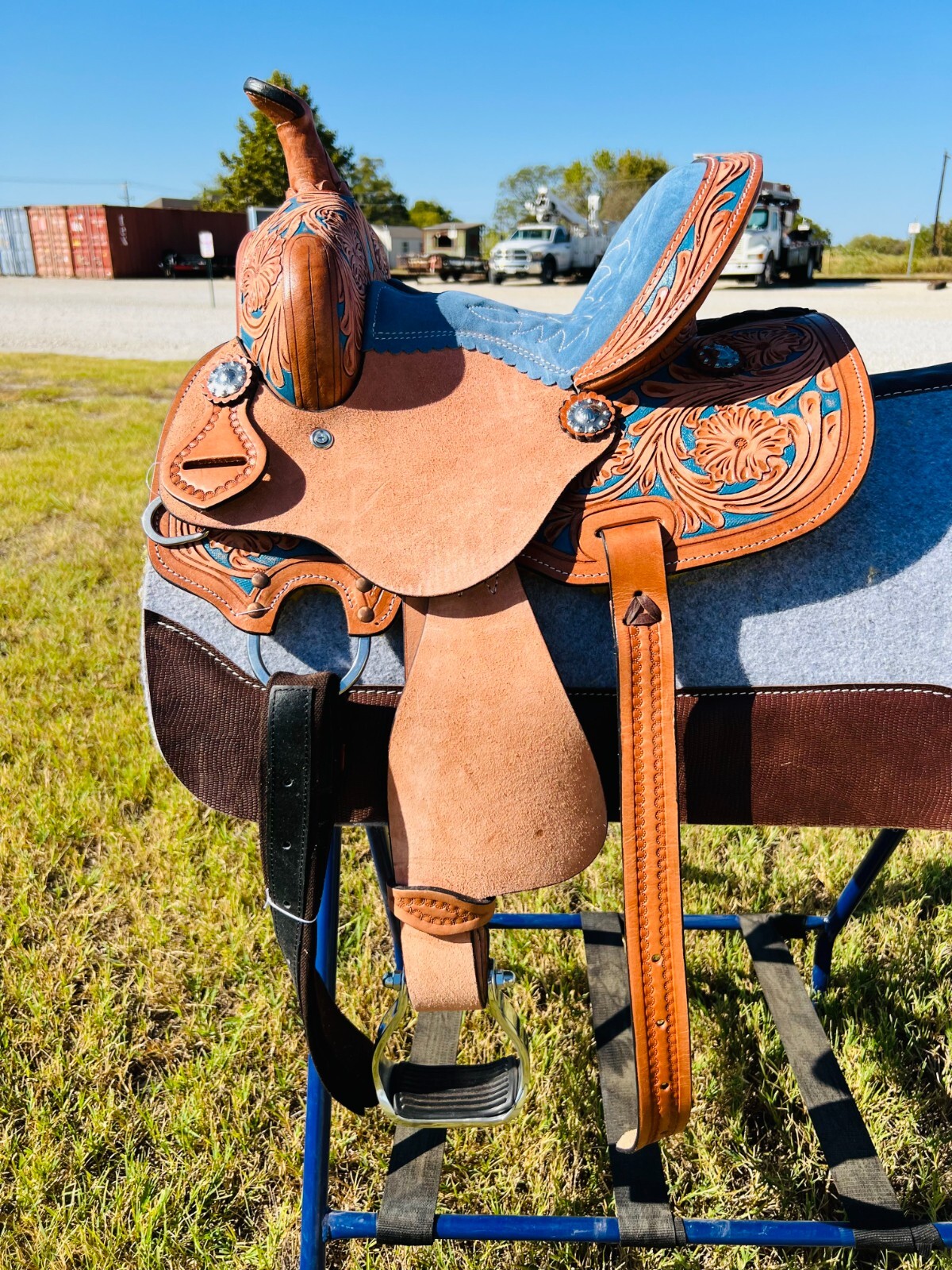 Kids-Adults Western Horse Barrel & Floral Tooled Saddle With Free Shipping$309.99View on eBay
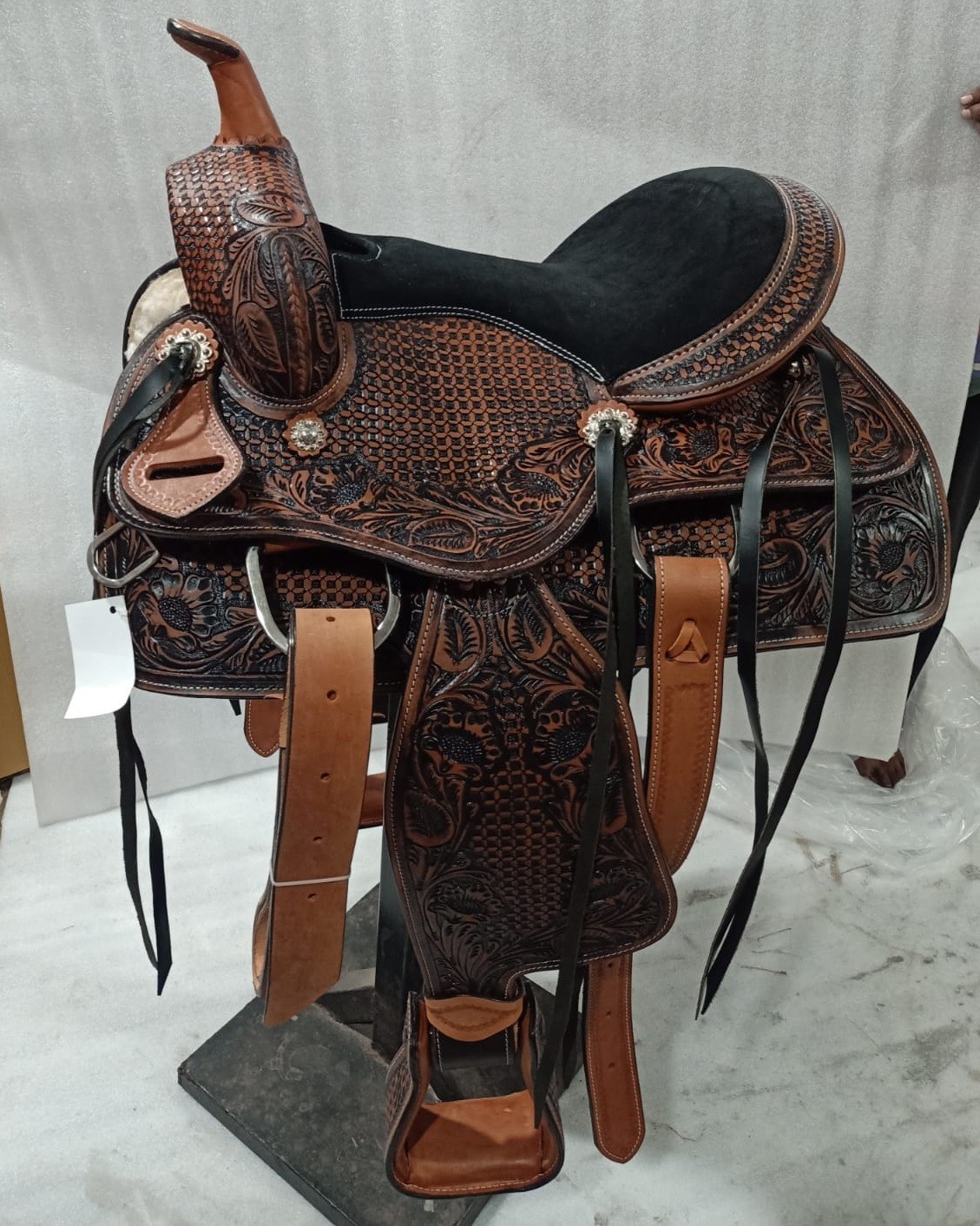 Western Pleasure Saddle with Headstall, Brestcollar$380.00View on eBay
Highlights
- Tree construction is the deciding durability factor: solid wood trees wrapped in rawhide or fiberglass-covered wood resist twisting and last decades, while cheap plastic or thin plywood trees flex and fail under a rider's weight.
- Bar type and angle must match your horse's back: full Quarter Horse bars (about 6.5–7 in gullet) fit most stock horses, semi-QH bars suit narrower backs, and Arabian or draft bars are needed for wider or narrower builds.
- Seat size runs 13–18 in; a 15 in seat fits most average adult riders, 16 in suits taller or heavier riders, and 13–14 in is a youth/petite fit — seat sizing is about rider thigh length, not horse size.
- Rigging style matters for fit and security: a 7/8 or 3/4 double rigging with front and rear cinch points holds the saddle stable on trails and steep terrain, while single front rigging is for flat arena work.
Best use cases
- Best fit: trail and pleasure riding — choose a 15–16 in seat, full Quarter Horse bars, 7/8 double rigging, and a padded fleece or felt underside for long hours; skip heavy tooled show saddles that add weight without comfort.
- Best fit: all-around ranch and arena work — pick a 15–16 in all-around saddle with a reinforced horn, sturdy stainless dee rings, and a flat or semi-QH bar; skip ultralight trail saddles with thin leather that wear out under rope and daily use.
- Best fit: youth or petite riders — a 13–14 in seat with semi-QH or regular bars and lighter leather keeps the rider balanced; skip adult 16–17 in saddles that put a small rider behind the cantle and out of balance.
- Wrong fit: draft or wide-backed breeds — standard QH bars will pinch; you need draft or wide bars and a larger gullet, so skip any saddle labeled 'regular QH bars' regardless of seat size.
Buying tips
- Measure gullet width with a wire or gullet gauge before buying: most stock horses need 6.5–7 in, and a saddle that is more than 0.25 in too narrow will bridge and create pressure points.
- Check bar length and flare: short bars suit short-backed horses like Arabians and mules, while long bars fit long-backed stock horses; mismatched bar length causes rocking and soreness.
- Choose full-grain or top-grain genuine leather over 'genuine leather' split or bonded leather — full-grain develops a patina and resists cracking, split leather is weaker, and bonded leather peels within seasons.
- Match rigging to terrain: 7/8 double rigging for trail and roping, 3/4 for all-around, and single front for flat arena; rear cinch hardware should be stainless or brass, not plated steel that rusts.
Specs
| Tree Material | Wood / fiberglass-covered wood / rawhide |
|---|---|
| Bar Type | Full QH / Semi-QH / Draft / Arabian |
| Seat Size | 13–18 in (15–16 in average adult) |
| Rigging Style | 7/8 double / 3/4 / single front |
Related searches
What to check before buying
- Measure your horse's back: gullet width at the withers, back length from wither to loin, and shoulder angle — bring these numbers to compare against bar type and spread.
- Confirm seat size against your thigh length: sit in a chair with feet flat, measure from knee to back of buttock, and add 1–2 in for Western seat depth.
- Match saddle weight to your riding: leather-and-wood Western saddles run 25–40 lb, so confirm you can lift it onto your horse's back from the ground or a mounting block.
- Verify rigging compatibility with your existing cinch: Western saddles use a front dee or ring for a latigo and off-side billet, and rear rigging needs a matching back cinch and connector strap.
FAQ
Data sources: eBay / Amazon listings and product attribute feeds Data updated Nov 16, 2026.
Some links on this page are affiliate links. If you buy after clicking one, we may earn a commission at no extra cost to you. This does not change which products appear here or their order. Affiliate disclosure.