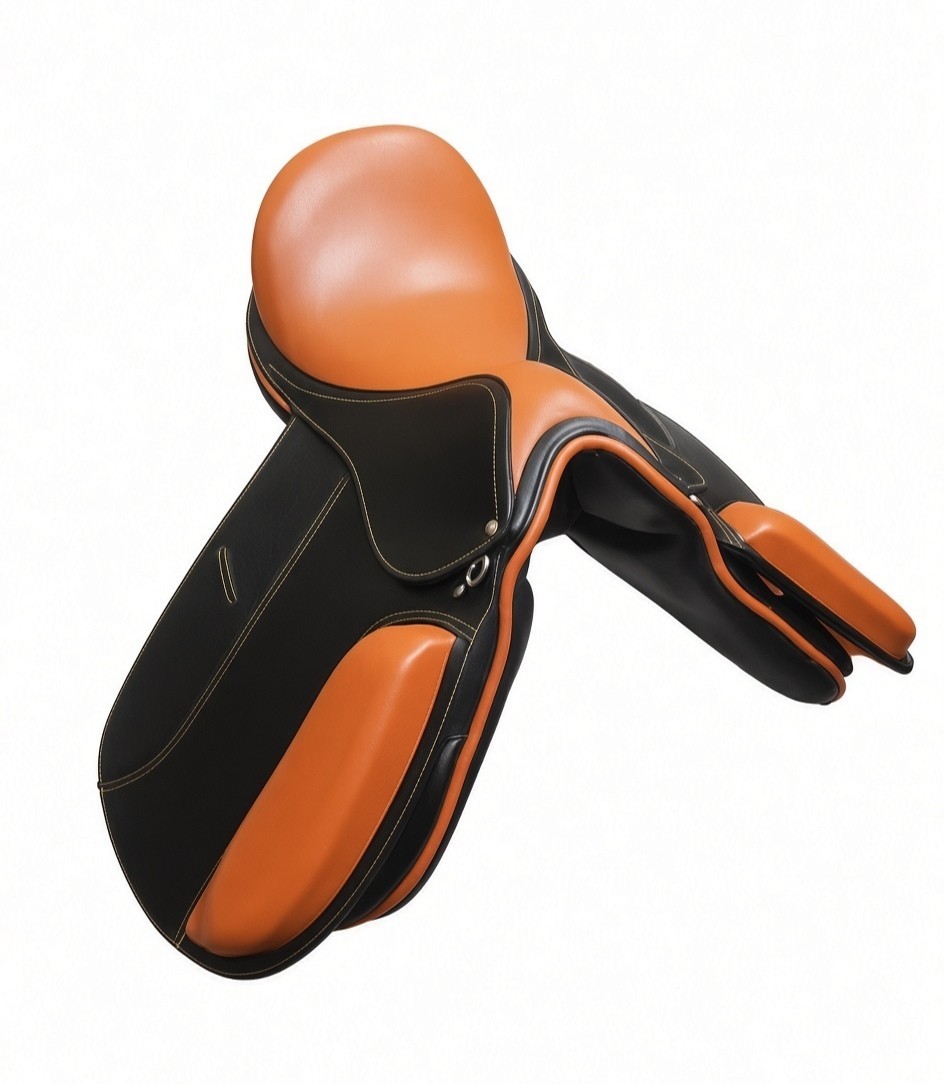

Photos from current listings. Actual item, color, and included accessories may vary.
Dressage Saddle Buying Guide
A dressage saddle is a deep-seated, long-flap English saddle engineered to place the rider's leg long and vertical for precise aids, with the primary trade-off being between supple, re-flockable traditional leather and lighter, lower-maintenance synthetic builds. Durable options use full-grain or calfskin leather over a laminated beech or synthetic tree with adjustable gullet plates, while compromises rely on foam-stuffed panels, glued seams, and non-adjustable plastic trees. The decision rule: buy a saddle with a verified tree width and re-flockable wool panels; skip any saddle that cannot be fitted to your horse's back.


At a glance
- Category
- Equestrian Saddles & Pads
- Data updated
- Nov 18, 2026
Current offers
Highlights
- Tree construction dictates longevity: laminated beech or fiberglass-covered spring trees flex and hold shape, while cheap plastic trees crack and create pressure points.
- Panel type separates fit from discomfort: wool-flocked panels can be adjusted by a saddler, whereas foam panels compress permanently and cannot be re-fitted.
- Gullet width must match the horse's wither: most dressage saddles ship in medium (approx. 5 in / 12.7 cm) with interchangeable plates or adjustable gullet systems.
- Leather grade drives break-in and grip: full-grain calfskin softens into a close-contact feel, while corrected-grain or bonded leather stiffens and cracks at stress points.
Best use cases
- Best fit: daily schooling on a consistently shaped horse — choose a wool-flocked leather saddle with a verified medium gullet and 17-18 in seat.
- Best fit: budget-conscious rider needing a first dressage saddle — pick a synthetic or leather hybrid with an adjustable gullet and re-flockable panels, not a fixed foam tree.
- Wrong fit: high-wither or wide-backed horse — skip any saddle without an adjustable or wide gullet option, as a medium tree will bridge and create pressure.
- Wrong fit: competitive FEI dressage — skip untested brands lacking clear panel symmetry and tree integrity; choose saddles from makers with verifiable fitting support.
Buying tips
- Match seat size to rider: 16 in for petite riders, 17-17.5 in for average adults, 18 in for taller or larger riders; a too-small seat forces a chair position.
- Measure gullet width at the wither: medium fits most warmbloods and Thoroughbreds; wide or extra-wide plates are required for draft crosses and cob types.
- Prioritize re-flockable wool panels over foam: wool can be adjusted seasonally as the horse's topline changes, extending saddle life by years.
- Check flap length: long straight flaps suit dressage leg position; short flaps push the knee forward and defeat the purpose of a dressage saddle.
Specs
| Tree Material | Laminated beech vs plastic |
|---|---|
| Panel Type | Wool-flocked vs foam |
| Gullet Width | Medium 5 in / Wide / X-Wide |
| Seat Size | 16-18 in (rider-dependent) |
Related searches
What to check before buying
- Measure your horse's wither tracing and gullet width before selecting a tree size — a medium tree will not fit a wide or high-wither back.
- Confirm your saddle pad thickness: a thick pad adds pressure; pair a close-contact dressage saddle with a thin quilted pad.
- Verify stirrup leather placement and length: dressage saddles have long billets and set-back stirrup bars for a vertical leg.
- Check the saddle's panel symmetry and flocking evenness on arrival; asymmetric panels cause uneven pressure and lameness.
FAQ
Data sources: eBay / Amazon listings and product attribute feeds Data updated Nov 18, 2026.
Some links on this page are affiliate links. If you buy after clicking one, we may earn a commission at no extra cost to you. This does not change which products appear here or their order. Affiliate disclosure.