Photos from current listings. Actual item, color, and included accessories may vary.
English Saddle Buying Guide
An English saddle is a close-contact riding saddle built on a rigid tree and balanced for flatwork, jumping, or dressage, where the tree material and panel construction—not cosmetics—set durability and horse fit. The core trade-off is leather grade and tree engineering versus price: synthetic or generic leather trees flex and break down, while quality leather over a wooden or synthetic spring tree lasts decades. Buy a used saddle with intact billets and flocking or a new saddle with a stated tree material; skip anything with cracked leather or unlisted tree construction.


At a glance
- Category
- Equestrian Saddles & Pads
- Data updated
- Nov 18, 2026
Current offers
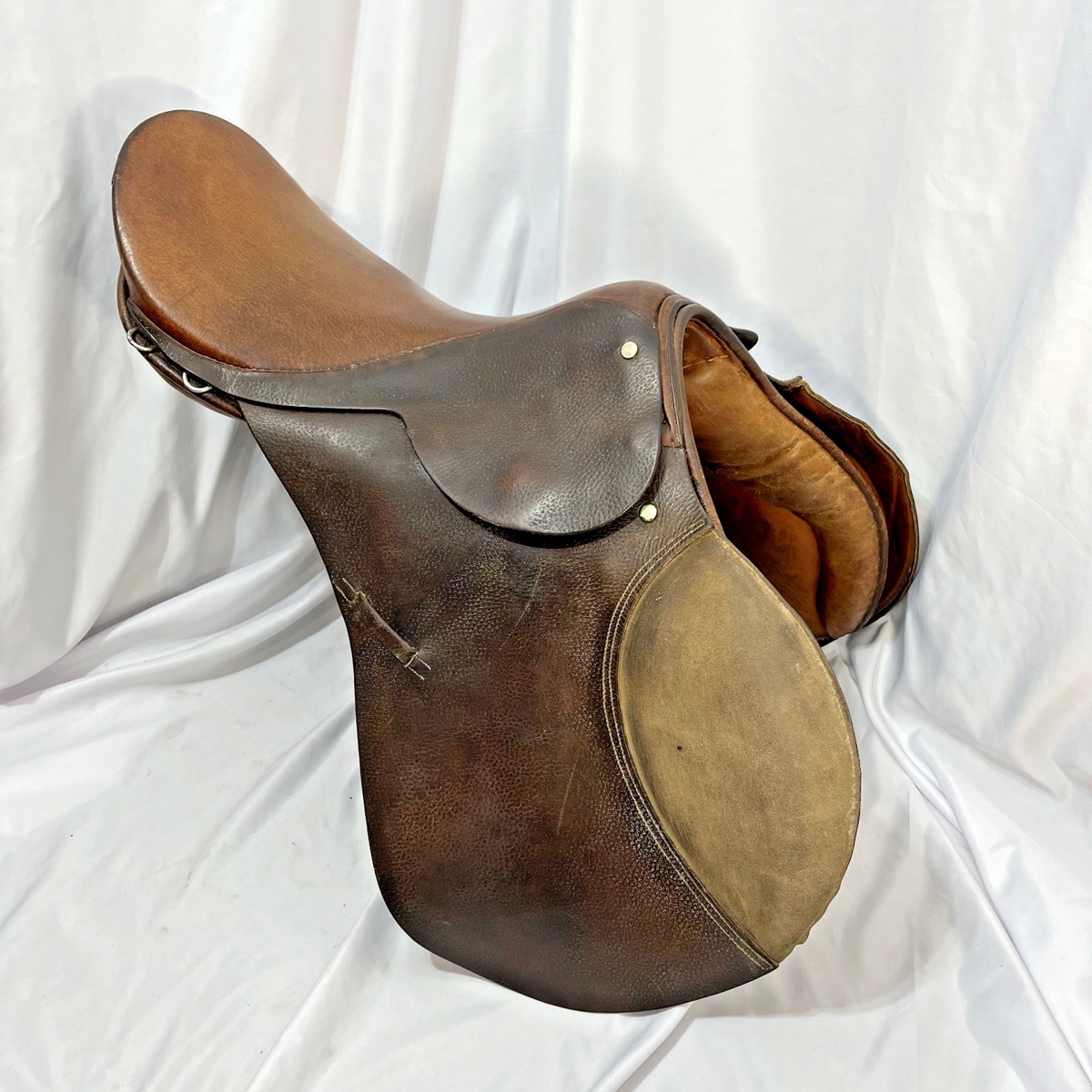 Eldonian Brookes Leather English Saddle about 16 inch Walsall England Pre-Owned$76.45
 View on eBay
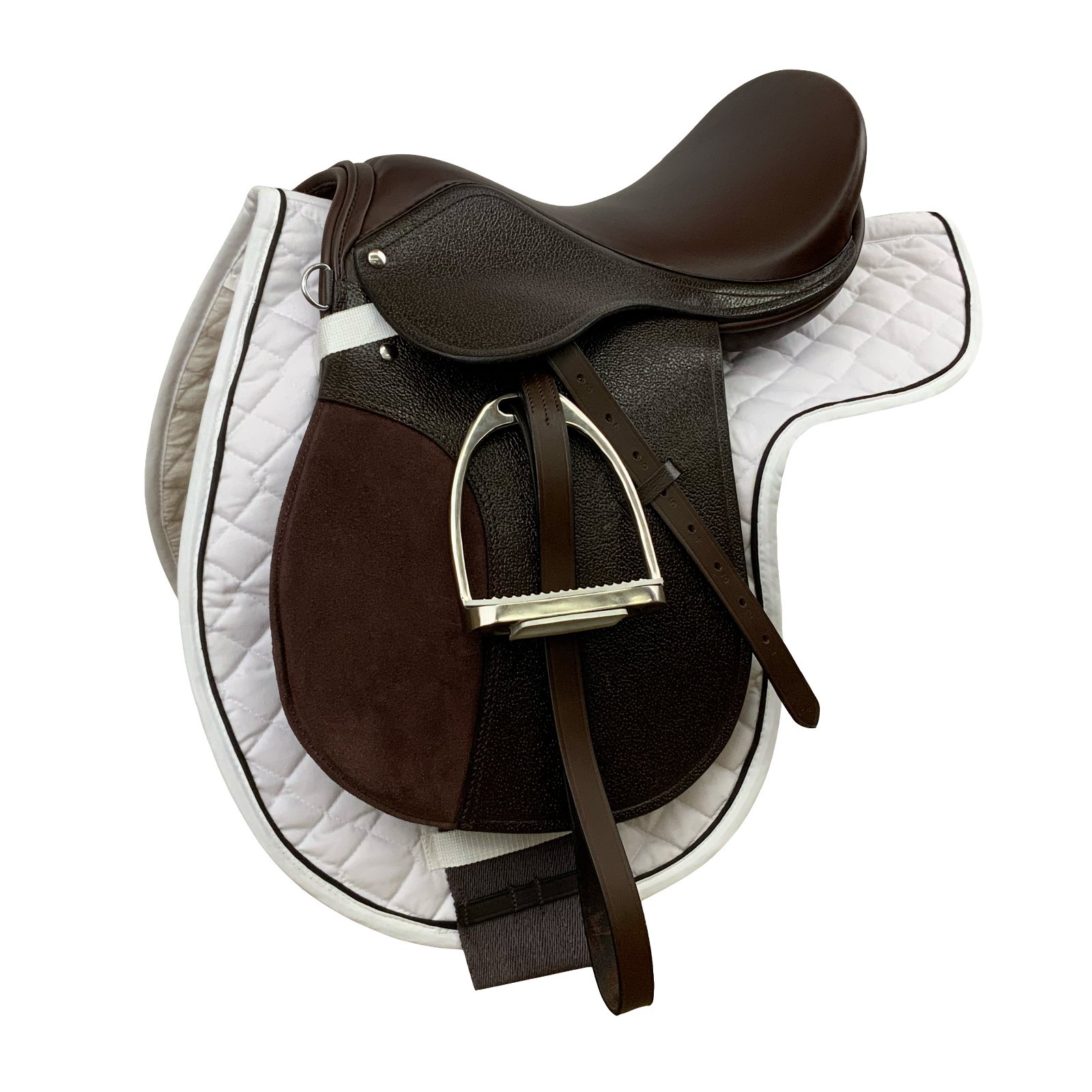 All-Purpose English Saddle Complete Starter Set 14" 15" 16" 17" 18" NEW$180.90View on eBay
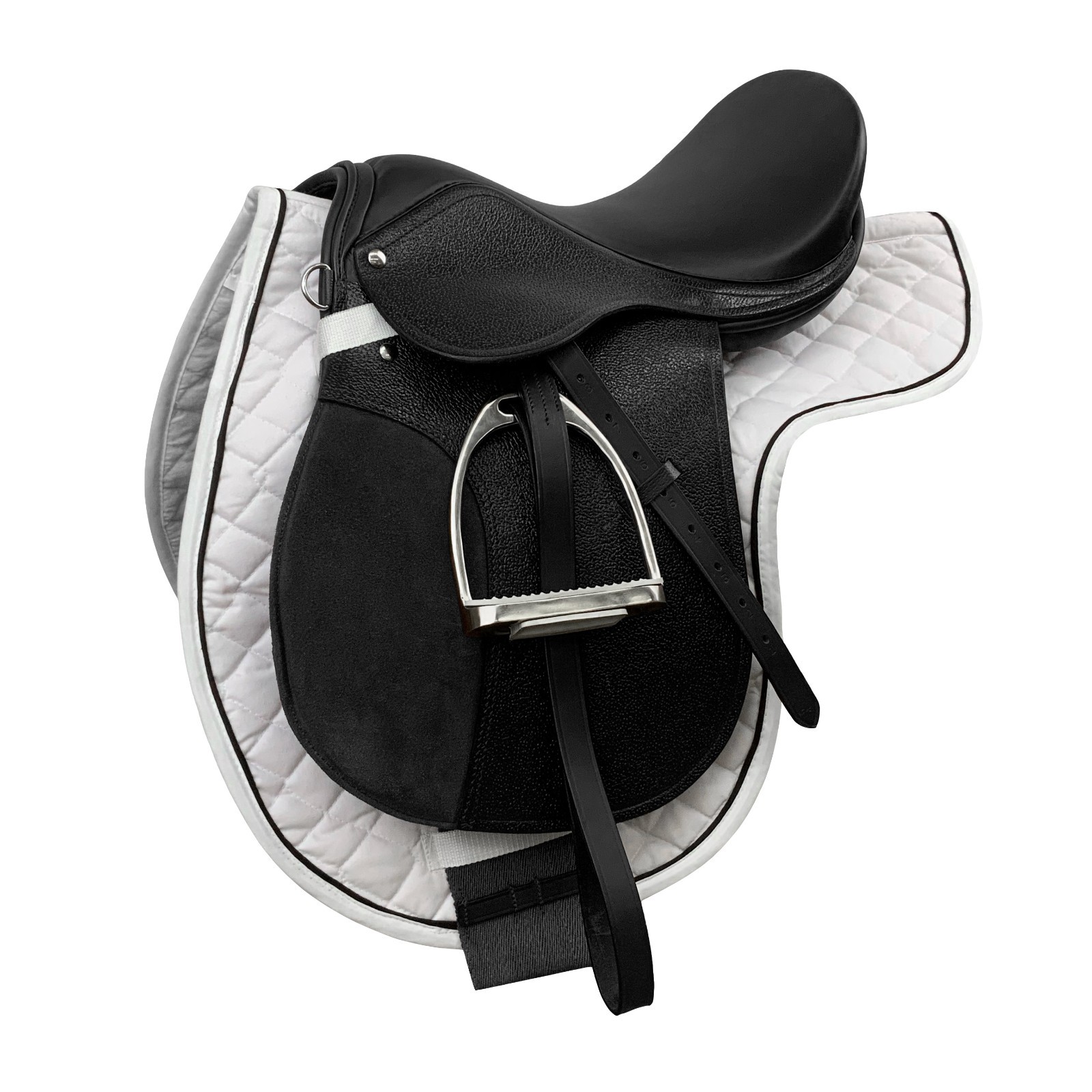 ENGLISH SADDLE SET All Purpose Headstall Reins Leathers Irons Pad & Saddle$230.95Last checked Nov 18, 2026View on eBay
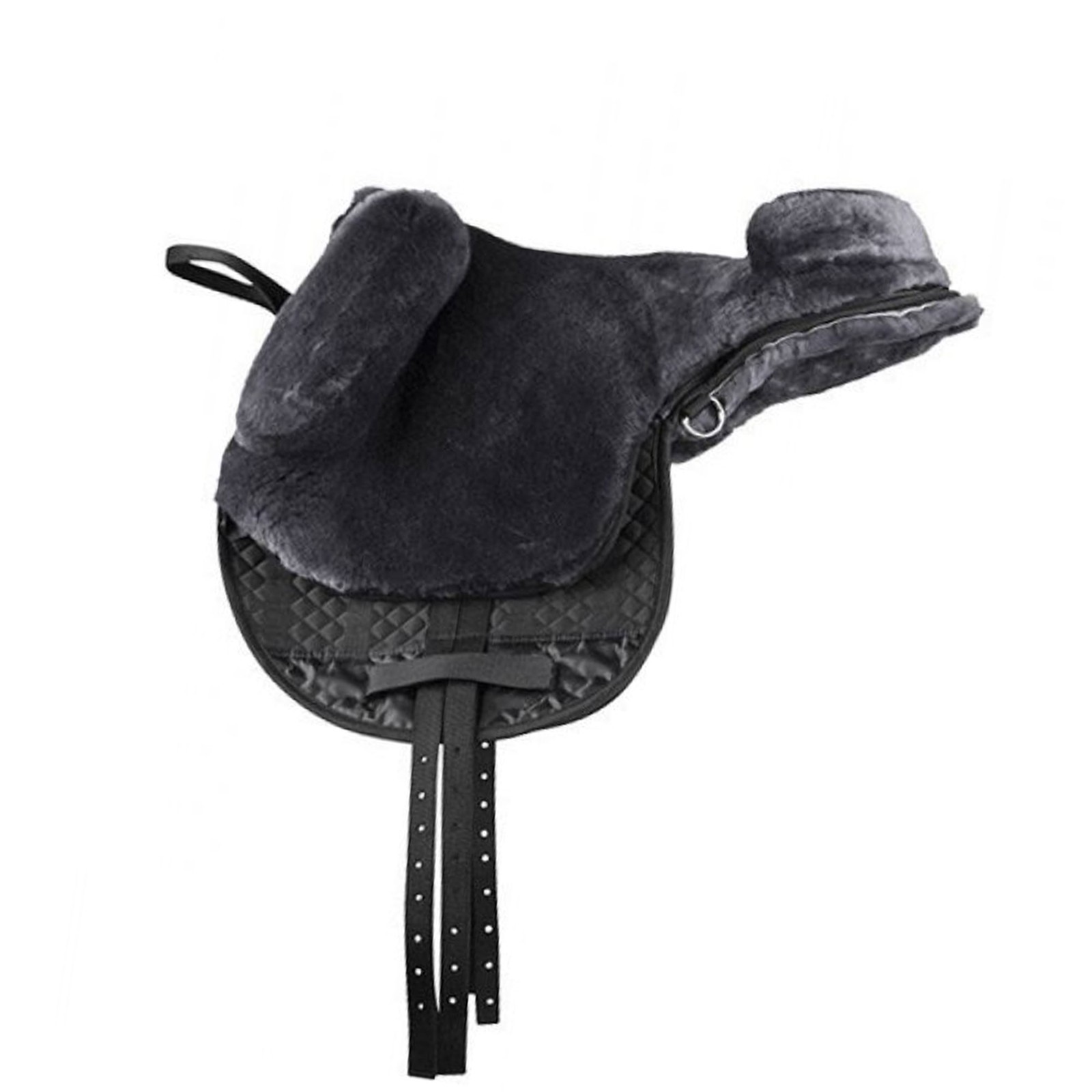 English Black Fleece Lined Bareback Saddle Lightweight Saddle Pad NEW$83.90View on eBay
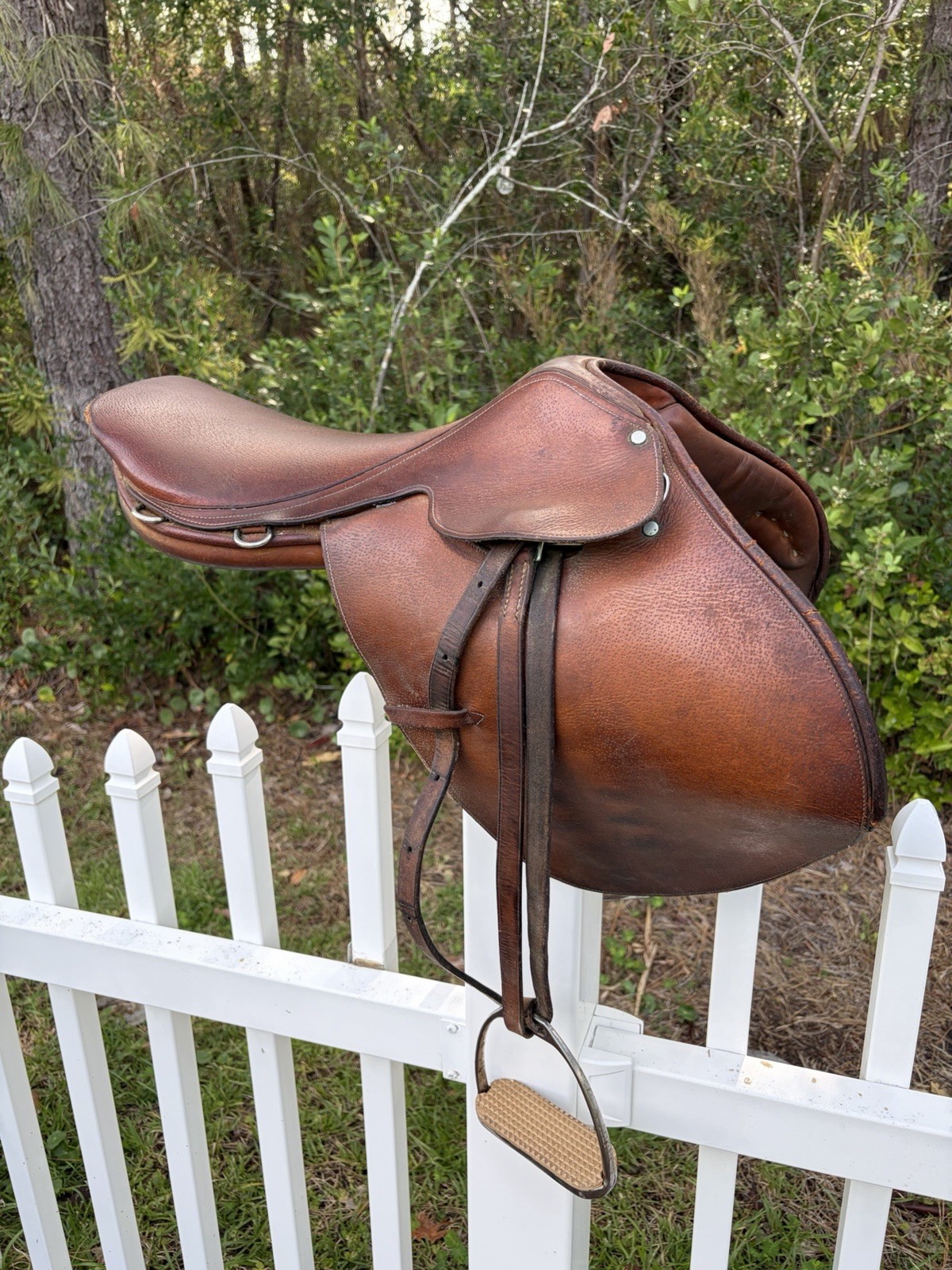 BT Crump English Riding Saddle 17"$199.90View on eBay
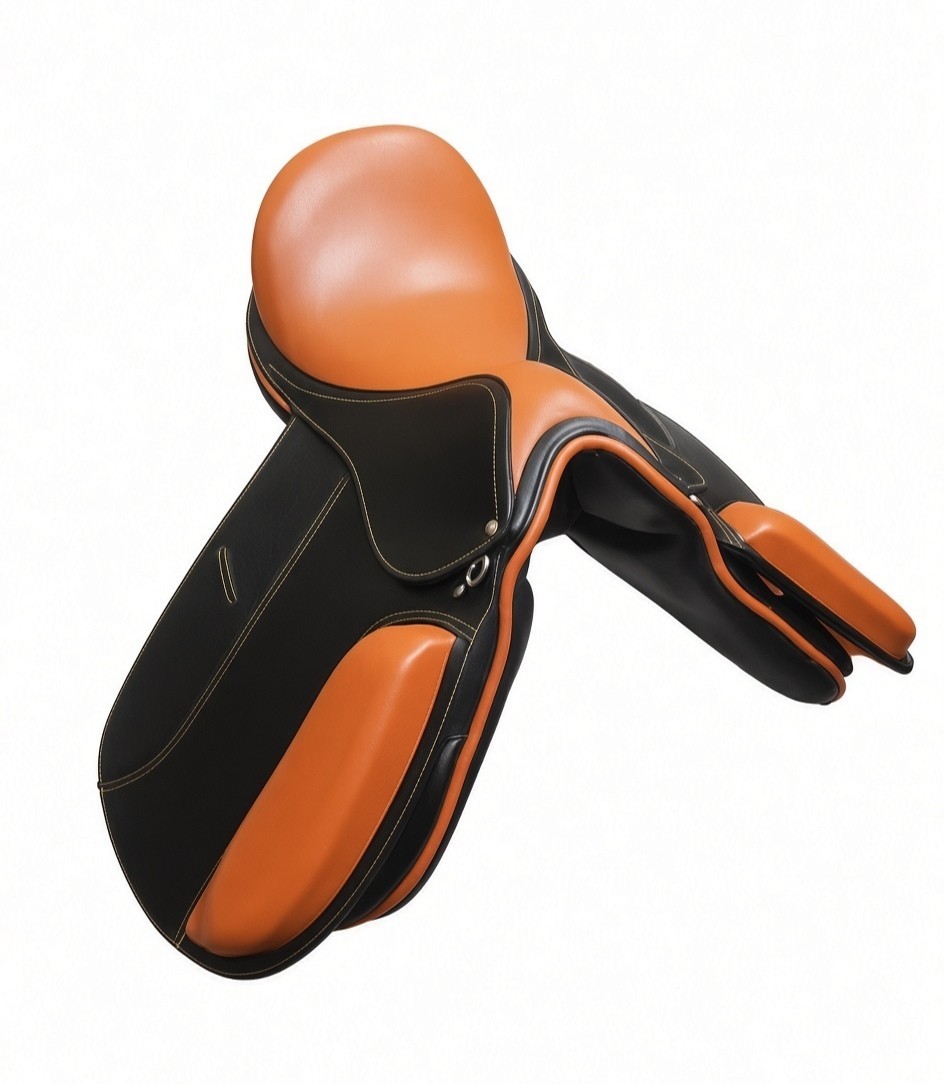 Leather 18" Dressage Saddle English Horse Saddle Black Tan Premium Equestrian$249.00Last checked Nov 18, 2026View on eBay
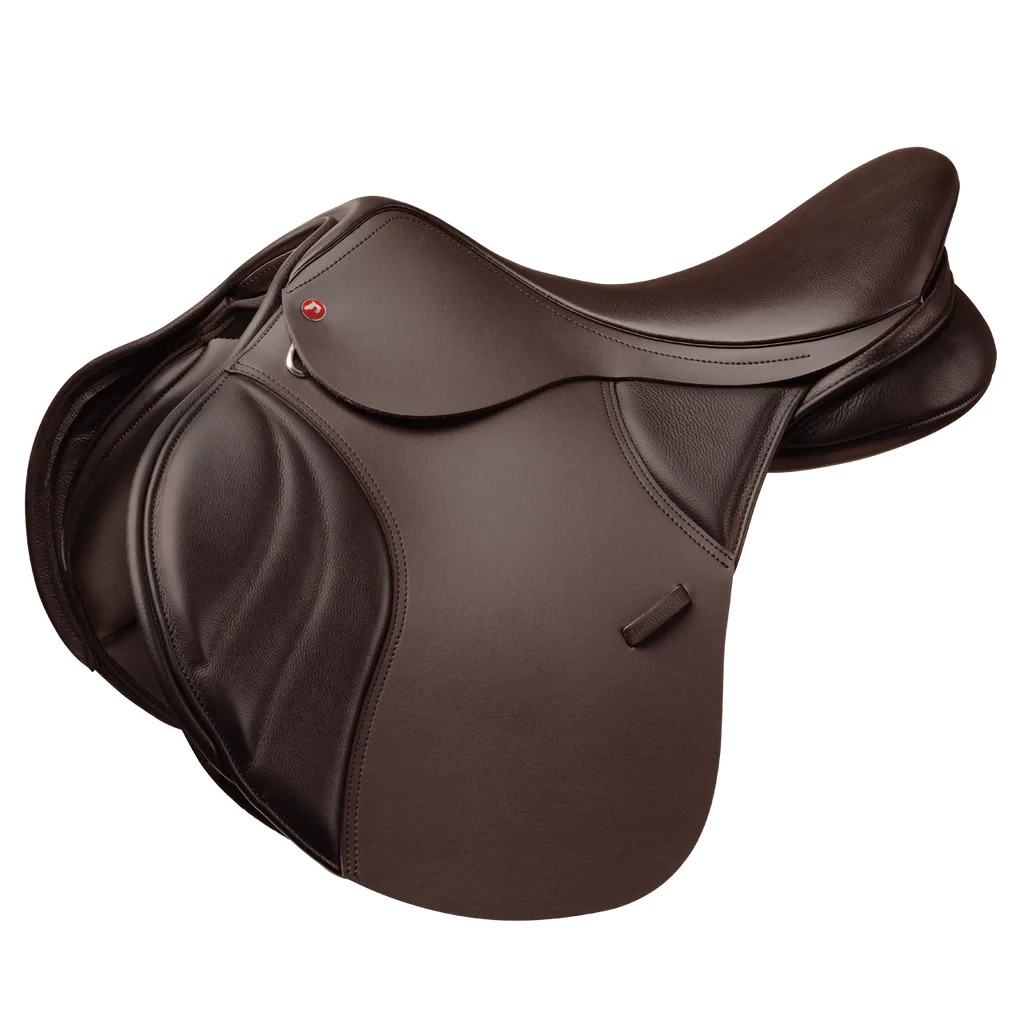 PREMIUM DARK BROWN ENGLISH JUMPING SADDLE CLOSE CONTACT 16 INCH HORSE TACK$479.48Last checked Nov 18, 2026View on eBay
Highlights
- Tree construction decides lifespan: wooden spring trees are traditional and repairable, synthetic trees are lighter and cheaper but can fatigue, and cheap generic trees crack under rider weight.
- Leather grade separates tiers: full-grain or calfskin panels and skirts break in and conform, while corrected-grain and bonded leather crack at the billet and stirrup points within a season.
- Discipline geometry is fixed: close-contact and jumping saddles have forward flaps and flat seats, dressage saddles have deep seats and long straight flaps, all-purpose sits between—choose the flap before the brand.
- Gullet width and panel flocking determine horse fit: adjustable-gullet plates fit multiple withers, while fixed-gullet saddles must match the horse's measured width or they bridge and cause pressure.
Best use cases
- Best fit: hunter/jumper riders buying a close-contact or all-purpose saddle in 16–17.5 in with forward flaps and a flat seat for jumping position—skip dressage models with long straight flaps.
- Best fit: dressage riders who need a deep-seated saddle with long flaps and adjustable or wide gullet for a warmblood—skip close-contact jump saddles that put the leg forward and block flatwork.
- Best fit: beginners and lesson programs buying a complete all-purpose set with pad, irons, and leathers—skip bareback pads and decorative fleece items, which are not riding saddles.
- Wrong fit: buying any used English saddle without checking billets, tree straightness, and panel flocking first—cracked billets and hard lumpy panels are unsafe and not economically repairable.
Buying tips
- Size by seat inches and rider build: 14–15 in for children and small teens, 16–16.5 in for average adults, 17–17.5 in for taller or larger riders, 18 in rarely needed—never size up to compensate for a narrow flap.
- Measure the horse's wither and gullet width before choosing: fixed-gullet saddles must clear the wither with two to three fingers, otherwise pick an adjustable-gullet plate system.
- For used saddles, flex the tree and check billets: a tree that flexes asymmetrically or billets with surface cracks means pass; leather that is dry but intact can be conditioned and saved.
- Match flap length and forward cut to leg length and discipline: long-femur riders need forward or long flaps, and dressage riders need straight flaps so the knee is not forced forward.
Specs
| Discipline Type | Close-contact / Dressage / All-purpose |
|---|---|
| Seat Size | 14-18 in (adult 16-17.5 in) |
| Tree Material | Wooden spring vs synthetic |
| Leather Grade | Full-grain / corrected-grain / synthetic |
Related searches
What to check before buying
- Measure horse withers and back: gullet width, back length, and shoulder clearance determine panel fit, and a saddle that bridges or rocks will cause soreness.
- Check stirrup bar safety: bars must be recessed or covered with leather keepers so the stirrup leather cannot hang up during a fall.
- For used saddles, inspect billets, tree, and flocking in person or via detailed close-up photos covering both sides and the panels before committing.
FAQ
Data sources: eBay / Amazon listings and product attribute feeds Data updated Nov 18, 2026.
Some links on this page are affiliate links. If you buy after clicking one, we may earn a commission at no extra cost to you. This does not change which products appear here or their order. Affiliate disclosure.