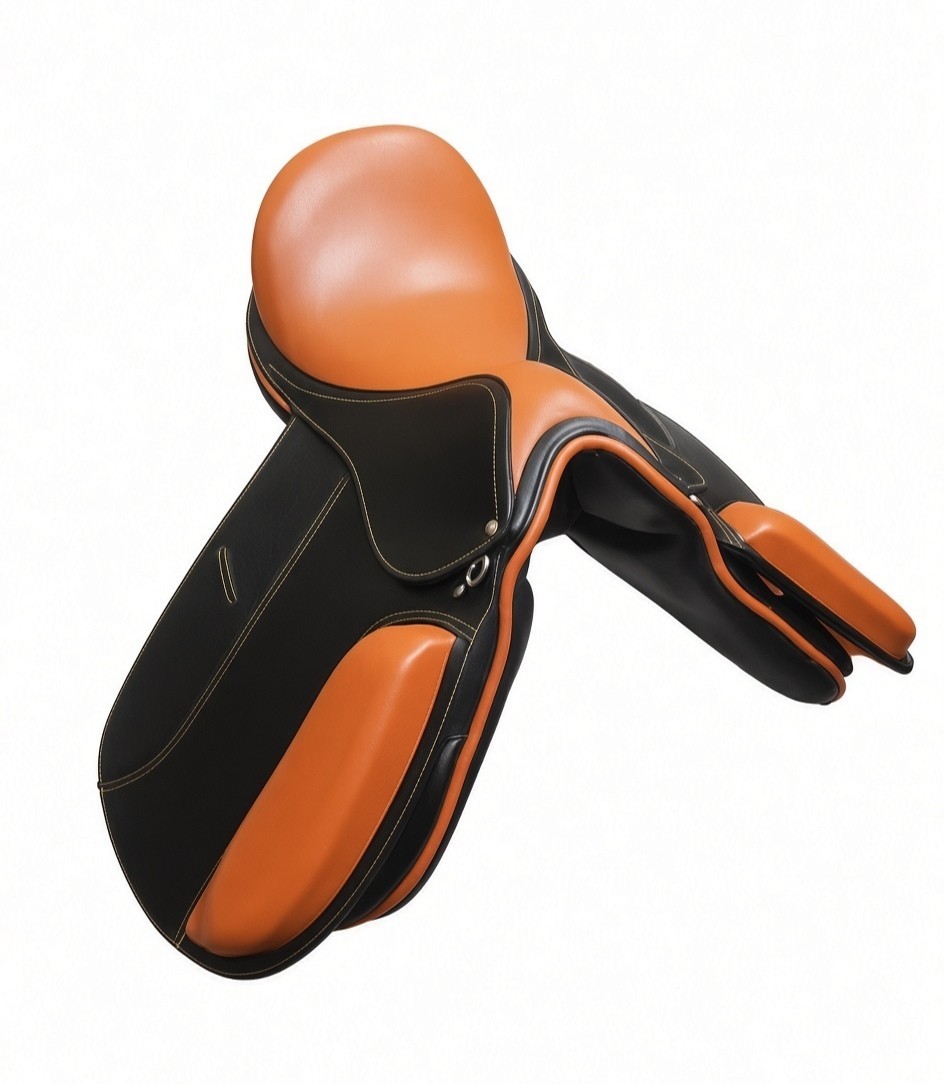

Photos from current listings. Actual item, color, and included accessories may vary.
Equestrian Saddle Buying Guide
An equestrian saddle is a load-bearing leather or synthetic structure that distributes a rider's weight across the horse's back through a rigid tree, panels, and a gullet channel. The core trade-off is tree material and fit geometry: a correctly sized, flexible or adjustable tree protects the horse's spinal clearance and shoulder movement, while a cheap fixed tree with narrow gullet causes pressure points and gait restriction. The decision rule is simple: match discipline, seat size, and gullet width to the horse's measured back first, then buy the highest-grade leather or synthetic with a replaceable gullet or flocked panels—never buy by looks or color alone.


At a glance
- Category
- Equestrian Saddles & Pads
- Data updated
- Nov 16, 2026
Current offers
Highlights
- Tree type defines performance: traditional wood-and-steel spring trees suit disciplined English/Dressage work, while adjustable synthetic or changeable-gullet trees fit multiple horses but add weight and require plate swaps.
- Gullet width must match the horse's wither tracing: narrow (about 5.5–6.5 in) for high-withered Thoroughbreds, medium (6.5–7.5 in) for most Warmbloods, wide (7.5–8.5 in) for draft crosses and flat-backed stock horses.
- Seat size scales with rider femur length, not body size: 16.5 in suits most petite-to-average adults, 17–17.5 in is the common adult sweet spot, and 18 in fits taller riders or those needing more thigh support.
- Panel construction separates durable saddles from budget ones: wool-flocked panels can be re-stuffed and adjusted by a saddler, while foam panels are lighter and low-maintenance but compress and cannot be refitted.
Best use cases
- Choose an English/Dressage saddle with deep seat and long, forward-cut flaps for flatwork and arena schooling; skip jumping or close-contact designs if your riding is primarily dressage.
- Pick a changeable-gullet synthetic or leather saddle if one saddle must fit a growing horse or a rotating lesson string; buy a fixed-tree premium leather saddle only when it is fitted to one specific horse.
- For trail and endurance riding, select a saddle with wide weight-bearing panels and a security seat; avoid ultralight racing saddles or side-saddle designs, which concentrate pressure and are built for show or specialty work.
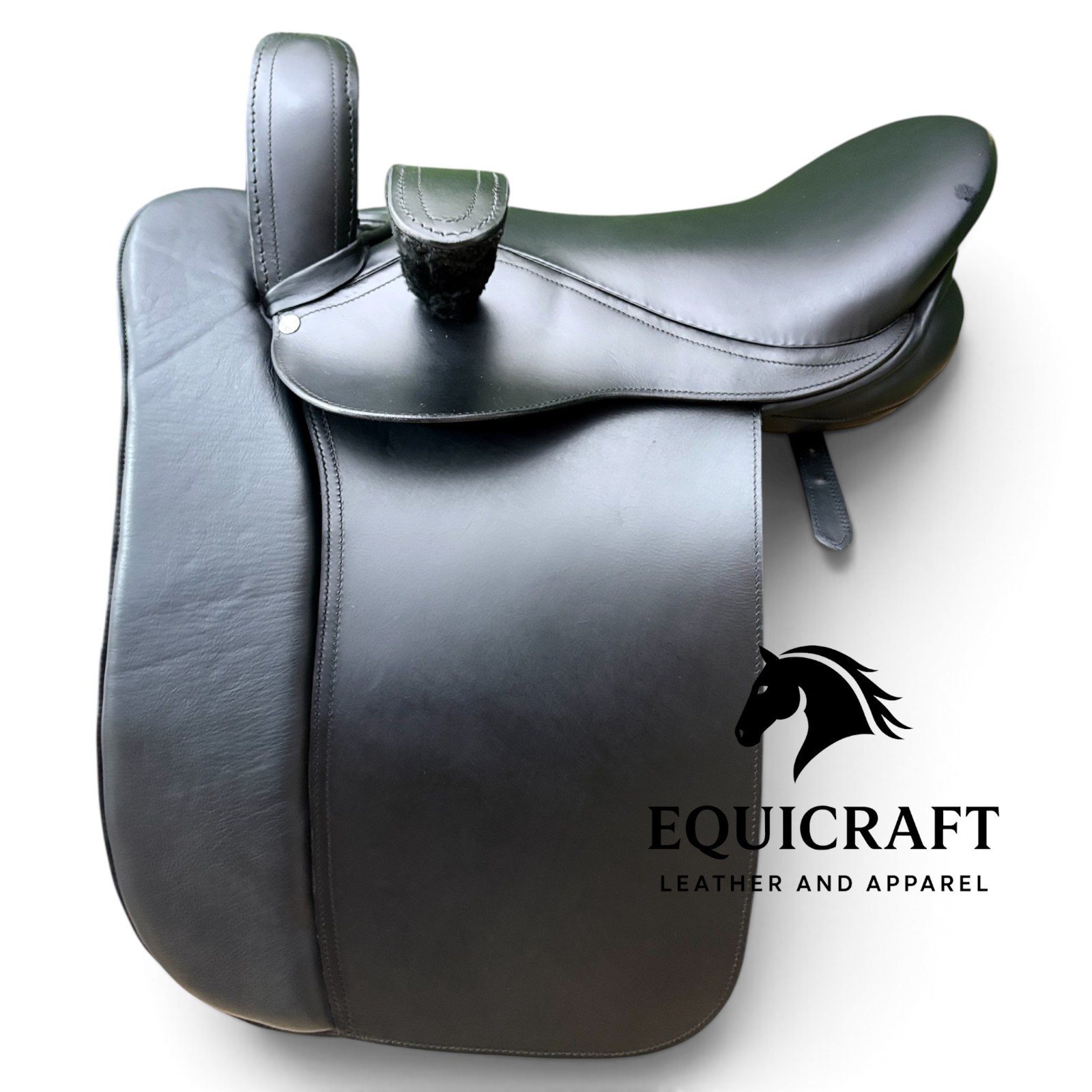
- Side saddles and handmade leather show saddles are correct only for period, sidesaddle, or presentation riding; do not buy them as a first general-purpose saddle because their asymmetric balance and rigging suit a narrow specialty.
Buying tips
- Measure the horse before choosing a seat: trace the wither and 3–4 in behind the shoulder blade, then convert the tracing width to gullet size—an ill-fitting gullet is the leading cause of saddle soreness and resistance.
- Match flap length to leg: a 16.5 in seat with long flaps suits a tall rider on a compact horse, while short forward flaps on the same seat suit a shorter rider; flap length changes rider balance more than seat size alone.
- Budget for the full system: a saddle needs a correctly shaped and thick saddle pad (usually 1 in or less of even thickness), a girth sized to the billets, and stirrup leathers—buying a saddle without these companion parts leaves it unusable.
- Leather grade matters more than color: full-grain, vegetable-tanned hides resist cracking and mold far better than corrected-grain or bonded leather, and stitched-on billets with reinforced webbing outlast riveted budget fittings.
Specs
| Tree Type | Fixed spring vs adjustable gullet |
|---|---|
| Gullet Width | Narrow / Medium / Wide (5.5–8.5 in) |
| Seat Size | 16.5 / 17 / 17.5 / 18 in |
| Panel Fill | Wool flocked vs foam |
Related searches
What to check before buying
- Confirm the horse's measured gullet width and back shape (high wither, flat, or mutton) against the saddle's tree width before purchase.
- Verify seat size against your femur length and riding discipline, not your height or weight alone.
- Check billet length and girth compatibility: short billets need a longer girth, and dressage billets sit farther back than jumping billets.
- Inspect leather thickness and stitching at stress points (billets, stirrup bars, cantle) and confirm the panels are flocked or foam as advertised.
FAQ
Data sources: eBay / Amazon listings and product attribute feeds Data updated Nov 16, 2026.
Some links on this page are affiliate links. If you buy after clicking one, we may earn a commission at no extra cost to you. This does not change which products appear here or their order. Affiliate disclosure.