Photos from current listings. Actual item, color, and included accessories may vary.
Saddle Tack Buying Guide
Saddle tack covers the saddle and the pads that interface it to the horse, spanning Western, English, and endurance disciplines. The core trade-off is leather grade and tree construction versus synthetic affordability, and the decision rule is simple: buy a saddle whose tree width and seat size match your horse and rider measured in inches, and a pad thick enough to protect but not so thick it changes saddle fit.


At a glance
- Category
- Equestrian Saddles & Pads
- Data updated
- Nov 18, 2026
Current offers
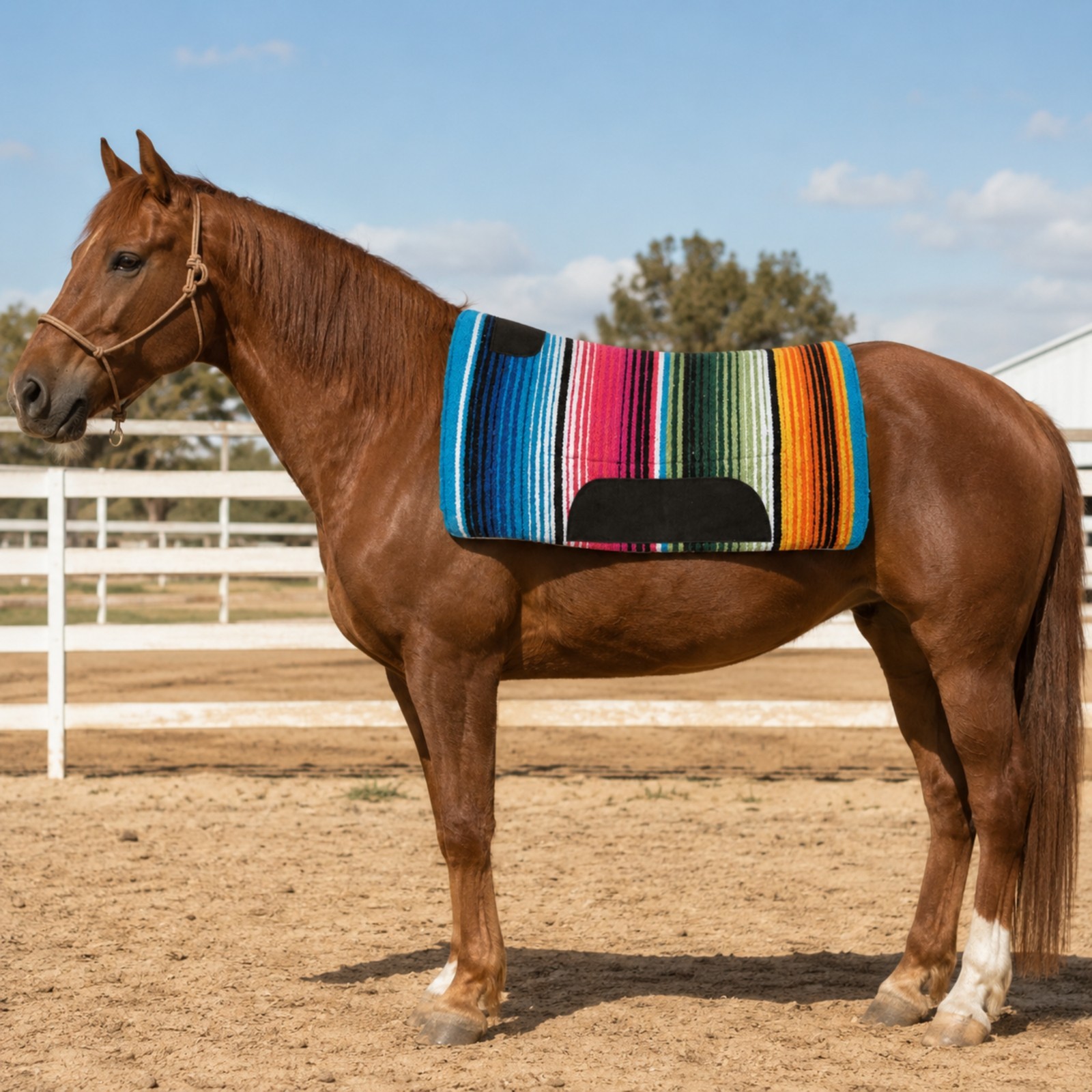 Western Saddle Pad 30x30 Multi Color Horse Tack Pad 1 Inch Fleece Bottom$49.98
 View on eBay
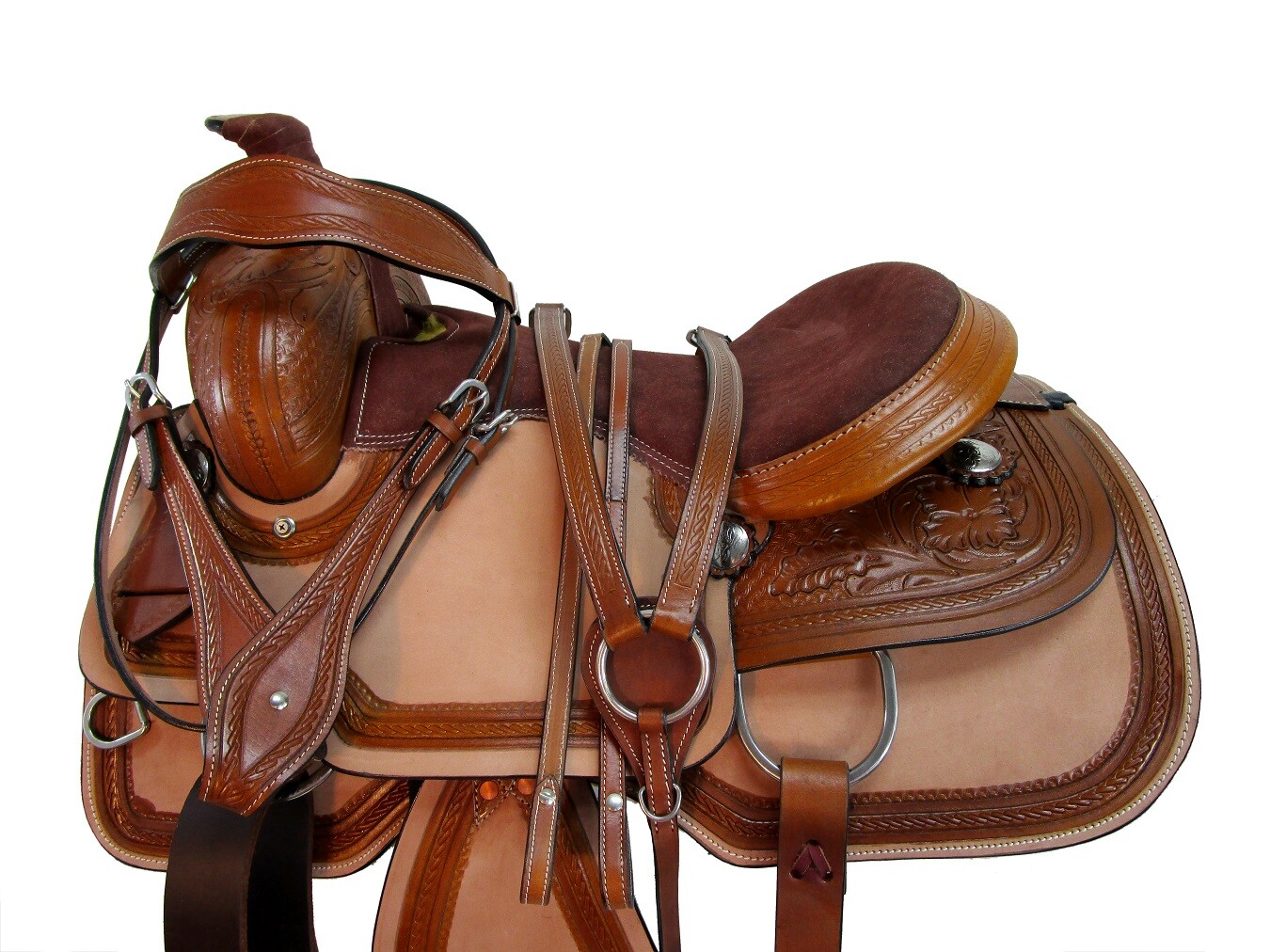 COMFY TRAIL WESTERN SADDLE PLEASURE HORSE TACK 15 16 17 18 FLORAL TOOLED LEATHER$399.66Last checked Nov 18, 2026View on eBay
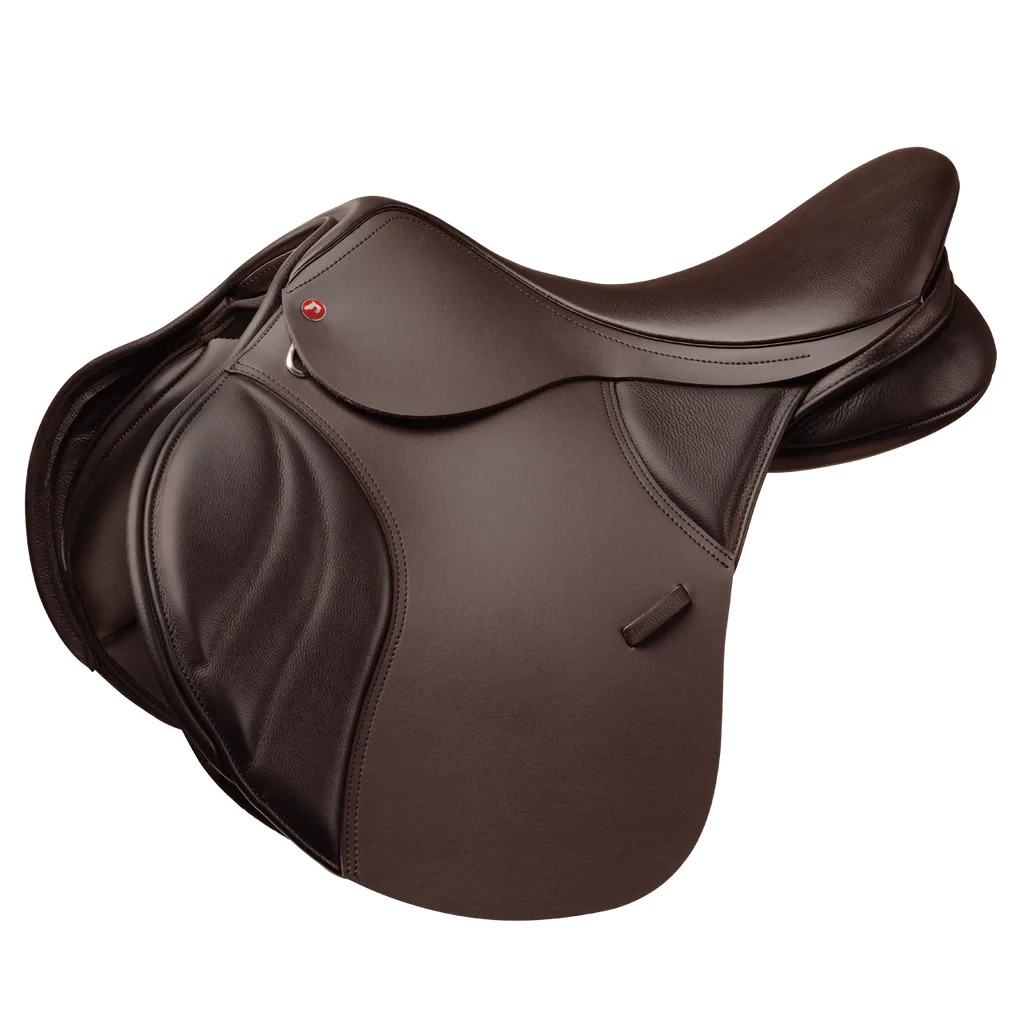 PREMIUM DARK BROWN ENGLISH JUMPING SADDLE CLOSE CONTACT 16 INCH HORSE TACK$479.48Last checked Nov 18, 2026View on eBay
Highlights
- Western saddles use a wood or fiberglass tree with a horn and wide fenders; English saddles use a spring-steel or synthetic tree with flocked panels and no horn.
- Seat size in inches is the primary fit metric: Western 14-17 in, English 15-18 in, with tree width (narrow/regular/wide/X-wide) matching horse withers.
- Pad thickness matters: 1-inch fleece or felt bottom absorbs shock and wicks sweat, while 1/2-inch pads suit close-contact English saddles to preserve feel.
- Leather grade separates tiers: full-grain tooled leather resists cracking for decades; bonded or split leather delaminates under sweat and stirrup stress.
Best use cases
- Trail and pleasure riding: pick a Western saddle with a 1-inch fleece-bottom pad in 30x30 in and a seat sized to your inseam; skip close-contact English tack.
- Jumping and arena work: choose a 16-17 in close-contact English saddle with flocked panels and a thin quilted pad; skip thick Western pads that alter panel contact.
- Growing riders or shared horses: buy an adjustable-tree synthetic saddle and a square pad with shim pockets; skip fixed-tree tooled leather until seat size is settled.
Buying tips
- Measure seat size by your thigh length: riders under 5'4" typically fit 15-16 in English or 14-15 in Western; taller riders need 17-18 in English or 16-17 in Western.
- Match tree width to withers: a hand's width of clearance under the gullet is the target; narrow trees pinch high-withered horses and wide trees rock on narrow ones.
- Choose pad thickness by discipline: 1-inch felt or fleece for Western shock absorption, 1/2-inch quilted for English close contact, and shim pads only for correcting fit.
- Inspect leather by flexing a stirrup leather: full-grain creases evenly and returns; bonded leather shows a fabric core edge and cracks at fold lines within a season.
Specs
| Discipline | Western / English / Endurance |
|---|---|
| Seat Size | Western 14-17 in / English 15-18 in |
| Tree Material | Wood, fiberglass, or spring-steel |
| Pad Thickness | 1/2 in English / 1 in Western |
Related searches
What to check before buying
- Measure your horse's wither height and back length; a saddle longer than the last rib presses the loin and causes soreness.
- Confirm seat size against your inseam and riding style before ordering; Western and English sizes are not interchangeable.
- Check pad dimensions against saddle footprint: a 30x30 in Western pad must extend 2-3 inches beyond the skirt on all sides.
- Verify billets, stirrup leathers, and girth/cinch are included or compatible; English saddles often ship without girths and Western without cinches.
FAQ
Data sources: eBay / Amazon listings and product attribute feeds Data updated Nov 18, 2026.
Some links on this page are affiliate links. If you buy after clicking one, we may earn a commission at no extra cost to you. This does not change which products appear here or their order. Affiliate disclosure.