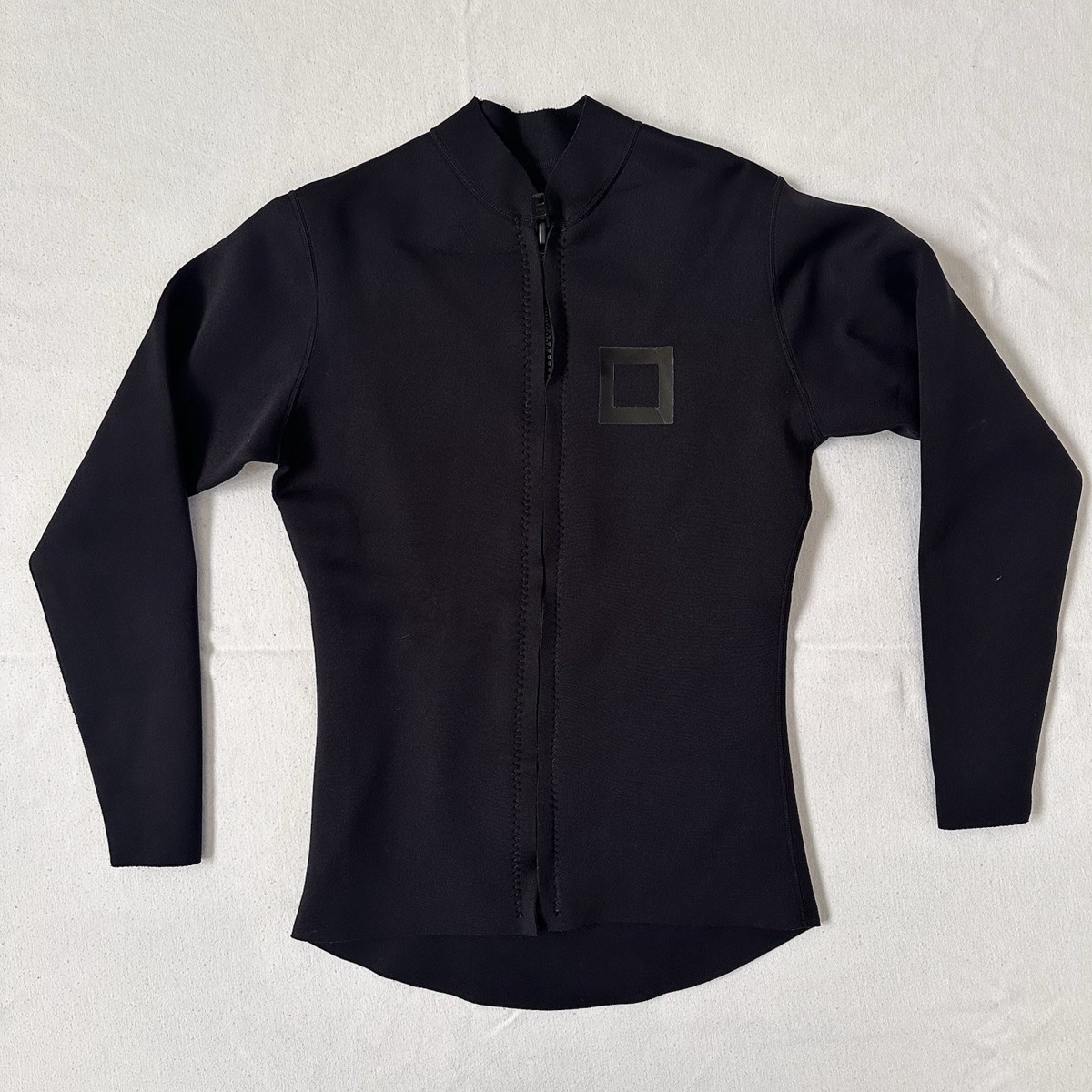

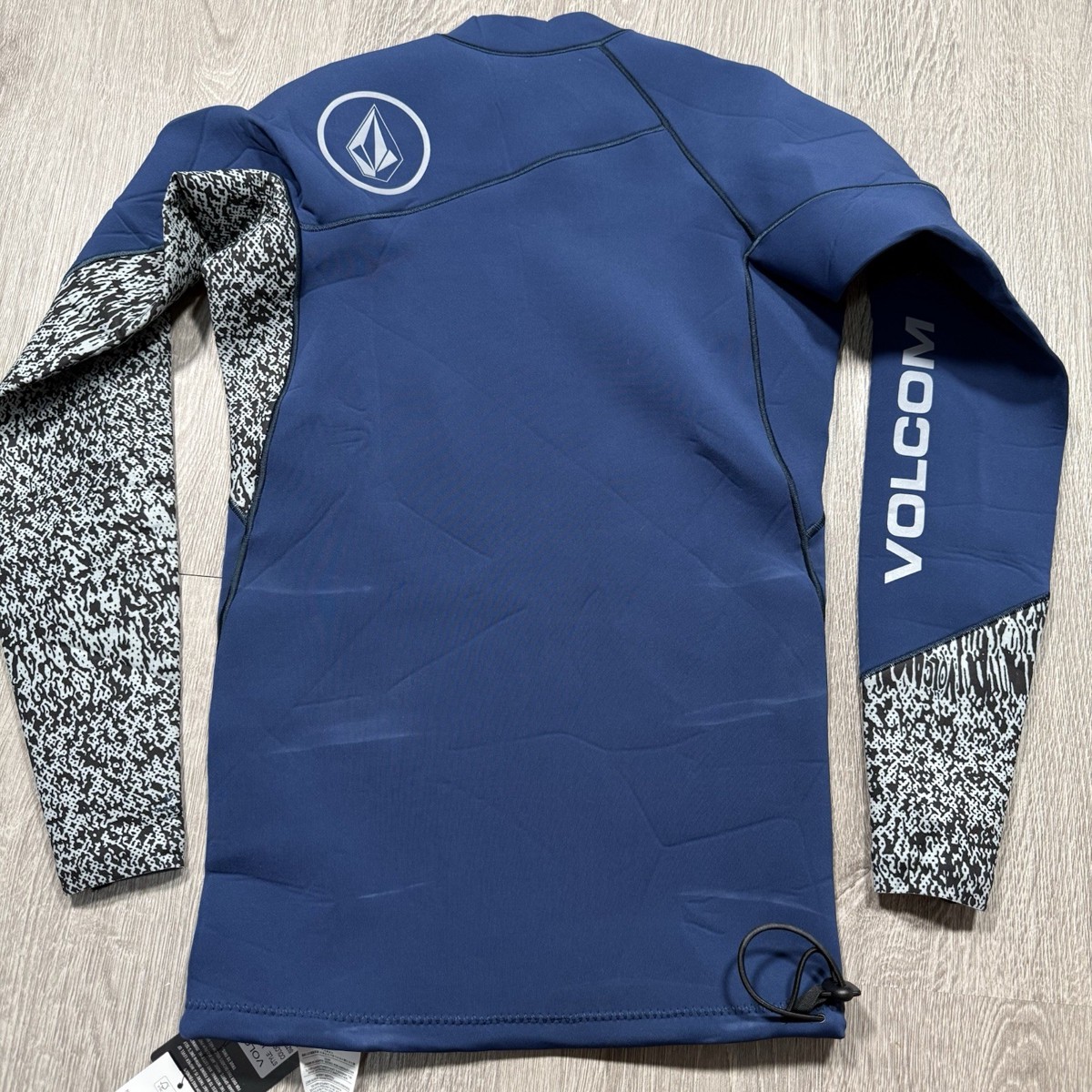
Photos from current listings. Actual item, color, and included accessories may vary.
Neoprene Jacket Buying Guide
A neoprene jacket is a sleeved, torso-covering wetsuit top used alone for warm-water surfing, layering under a suit, or adding wind protection for paddling and water sports. The decisive trade-off is thickness and seam construction versus stretch and freedom of movement: thinner (1–2 mm) smooth-skin or flatlock jackets prioritize mobility, while 2 mm+ glued-and-blindstitched (GBS) jackets prioritize warmth and durability. Buy 1–1.5 mm pullovers for warm water and high-paddle sports; step to 2 mm front-zip GBS jackets only when water is consistently below ~21°C or wind chill is a factor.


At a glance
- Category
- Surf Wetsuits & Rash Guards
- Data updated
- Nov 18, 2026
Current offers
Highlights
- Thickness tiers: 1 mm–1.5 mm for water 22°C+, 2 mm for 18–22°C, 3 mm+ for below 18°C; the sample jackets are 1.5 mm pullover and 2 mm front-zip.
- Seam engineering: flatlock stitching is flexible and budget-friendly; glued-and-blindstitched (GBS) seams plus taped stress points block flushing and last longer in cold water.
- Entry systems: pullover (no-zip) maximizes stretch and minimizes flushing; front zip eases entry and venting but adds a water-entry point; chest-zip and back-zip are compromises.
- Neoprene grade: limestone-based (e.g., Yamamoto/Sheico) is lighter, stretchier and less petroleum-dependent than standard petroleum neoprene; smooth-skin exterior sheds wind but is fragile.
Best use cases
- Warm-water surfing (water 22°C+): pick a 1 mm–1.5 mm pullover with flatlock seams and no zip — maximum stretch and minimal flushing, exactly the Volcom Stone Revo 1.5 mm class.
- Cool-water wind protection or layering under a full suit: pick a 2 mm GBS front-zip jacket like the Surf Squared 2 mm — the zip eases entry over a hooded vest and the thicker GBS seam resists flushing.
- Paddling, SUP, kite and wake: choose a pullover or chest-zip with articulated sleeves and a snug hem; skip front-zip jackets because the zip can catch on PFD straps and board leashes.
Buying tips
- Size by chest and waist, not height: measure your bare chest circumference and match the brand size chart; a neoprene jacket must fit skin-tight to work, but if you can pinch >2 cm of fabric at the chest, size down.
- Match thickness to water temperature: 1–1.5 mm for 22°C+, 2 mm for 18–22°C, 3 mm+ for under 18°C; a 1.5 mm pullover is a warm-water garment, not a cold-water substitute.
- Prefer GBS or seam-taped construction for anything 2 mm and thicker; flatlock seams on a 2 mm jacket will flush in choppy or windy conditions.
- Check zip type: a YKK front zip with an internal storm flap is the durable standard; plastic coil zips are lighter but wear faster in salt water — rinse and lubricate with silicone grease.
Specs
| Thickness Range | 1.0-3.0 mm (1.5-2.0 mm typical) |
|---|---|
| Seam Construction | Flatlock / GBS / taped GBS |
| Entry System | Pullover / Front zip / Chest zip |
| Neoprene Grade | Limestone vs petroleum-based |
Related searches
What to check before buying
- Measure bare chest, waist and sleeve length; compare to the brand size chart — neoprene fits 1–3 cm tighter than street clothing.
- Confirm water temperature at your usual break: below 18°C you need 3 mm+, so a 1.5–2 mm jacket is a layering piece, not a standalone suit.
- Check entry preference and companion gear: front zip for easy on/off over a vest; pullover for maximum stretch; ensure the hem overlaps your boardshorts or wetsuit waist.
- Rinse in fresh water after every salt-water session and dry inside-out away from direct sun; smooth-skin panels need a suit hanger and talc or silicone spray to prevent creasing.
FAQ
Data sources: eBay / Amazon listings and product attribute feeds Data updated Nov 18, 2026.
Some links on this page are affiliate links. If you buy after clicking one, we may earn a commission at no extra cost to you. This does not change which products appear here or their order. Affiliate disclosure.