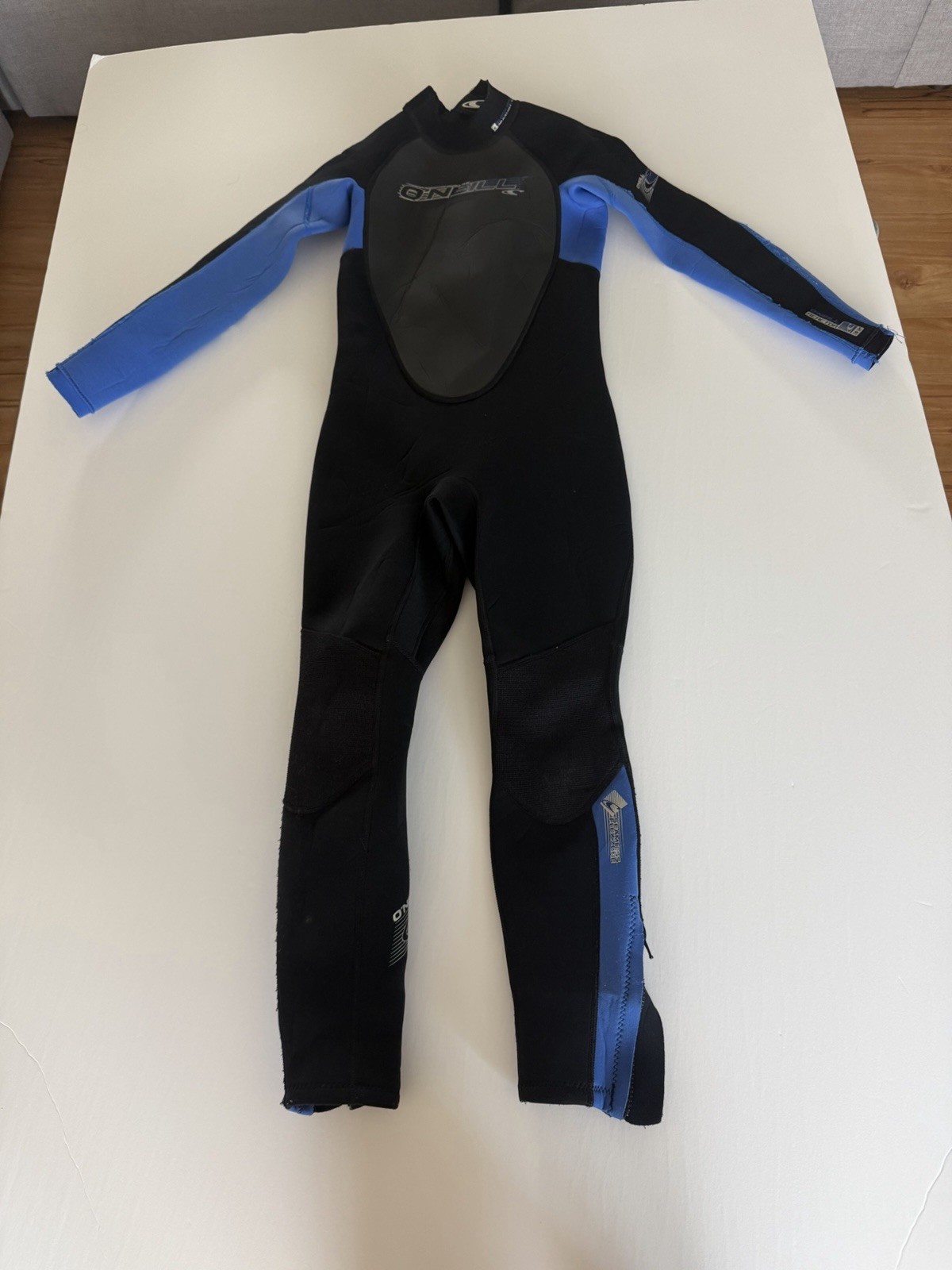

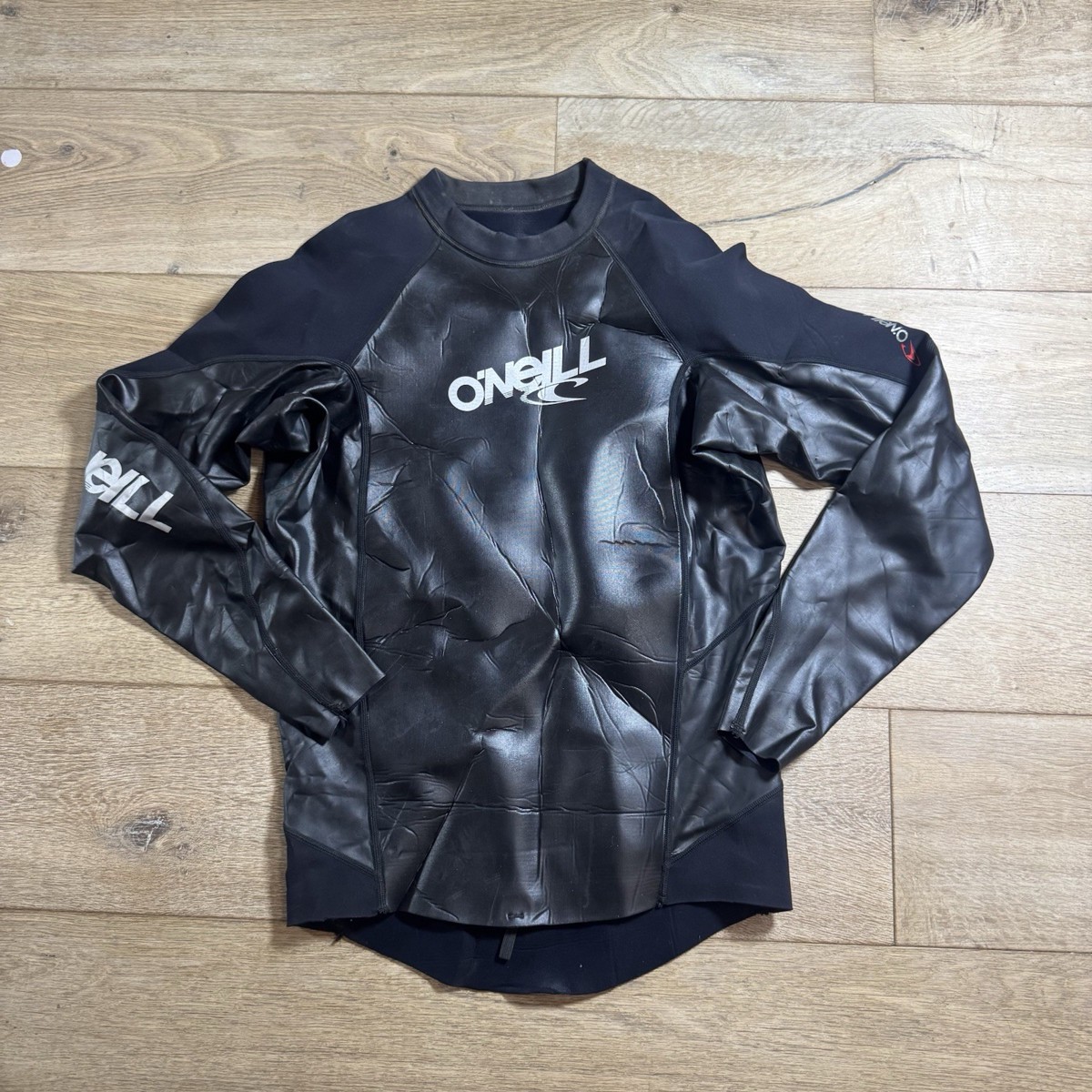
Photos from current listings. Actual item, color, and included accessories may vary.
O Neill Surf Wetsuit Buying Guide
O'Neill surf wetsuits are a benchmark category built around proven neoprene grades and seam architectures that directly determine warmth, flexibility, and lifespan. The core trade-off is between entry-level FluidFlex/UltraFlex panels and premium TechnoButter or TB3 Firewall linings, where you pay for stretch and heat retention. The decision rule: match neoprene grade and seam type to your water temperature and session length—2mm flatlock for warm-water short sessions, 3/2mm glued-and-blindstitched for year-round temperate use, and 4/3mm+ taped seams for cold water.


At a glance
- Category
- Surf Wetsuits & Rash Guards
- Data updated
- Nov 16, 2026
Current offers
Highlights
- Neoprene grades scale performance: UltraFlex 1.0 is basic stretch, UltraFlex 2.0 adds flexibility, TechnoButter 2/3 delivers maximum stretch and minimal water absorption.
- Seam construction dictates durability and warmth: flatlock is breathable but leaks; glued-and-blindstitched (GBS) seals better; fully taped or liquid-sealed seams are warmest and most durable.
- Zipper architecture changes entry and flush: back-zip is easiest on/off but flushes more; chest-zip reduces flushing and increases paddle freedom; zipless models maximize stretch.
- Thickness pairings map to water temp: 2mm for 70°F+, 3/2mm for 62–70°F, 4/3mm for 52–62°F, and 5/4mm+ hooded for below 52°F.
Best use cases
- Warm-water (70°F+) short sessions: pick a 2mm or 1.5mm UltraFlex spring suit or long-sleeve top; skip 3/2mm fullsuits that overheat.
- Temperate year-round (62–70°F): choose a 3/2mm GBS chest-zip or back-zip fullsuit; avoid flatlock seams that flush in wind.
- Cold water (52–62°F): invest in a 4/3mm with taped or liquid-sealed seams and a built-in hood; do not size up for layering—neoprene must fit skin-tight.
- Rash guard only for sun/board rash: select 6–8 oz nylon-spandex with flatlock seams; do not expect thermal insulation from a rash guard.
Buying tips
- Fit rule: neoprene should feel tight but not restrict breathing—if you can pinch >1 inch of fabric at the lower back, size down; if shoulders bind, size up.
- Match thickness to water temp, not air temp: 3/2mm is the year-round default for 62–70°F; add 1mm for wind chill or long sessions.
- Prefer GBS or taped seams over flatlock for anything below 68°F—flatlock stitches perforate neoprene and leak in duck dives.
- Chest-zip or zipless models reduce flushing and improve paddle range; back-zip is easier for quick transitions but flushes more on wipeouts.
Specs
| Neoprene Grade | UltraFlex 1.0/2.0 vs TechnoButter 2/3 |
|---|---|
| Seam Construction | Flatlock / GBS / Taped / Liquid-sealed |
| Thickness Options | 2mm / 3-2mm / 4-3mm / 5-4mm |
| Entry System | Back-zip / Chest-zip / Zipless |
Related searches
What to check before buying
- Measure chest, waist, and height against O'Neill's size chart—size 12 typically fits 38–40 inch chest; do not assume street-clothing size.
- Confirm water temperature range for your spot; choose 2mm, 3/2mm, 4/3mm, or 5/4mm accordingly.
- Check entry system (back-zip, chest-zip, zipless) against your mobility needs and patience for on/off.
- Inspect seam type (flatlock, GBS, taped) and neoprene grade (UltraFlex vs TechnoButter) before committing to a tier.
FAQ
Data sources: eBay / Amazon listings and product attribute feeds Data updated Nov 16, 2026.
Some links on this page are affiliate links. If you buy after clicking one, we may earn a commission at no extra cost to you. This does not change which products appear here or their order. Affiliate disclosure.