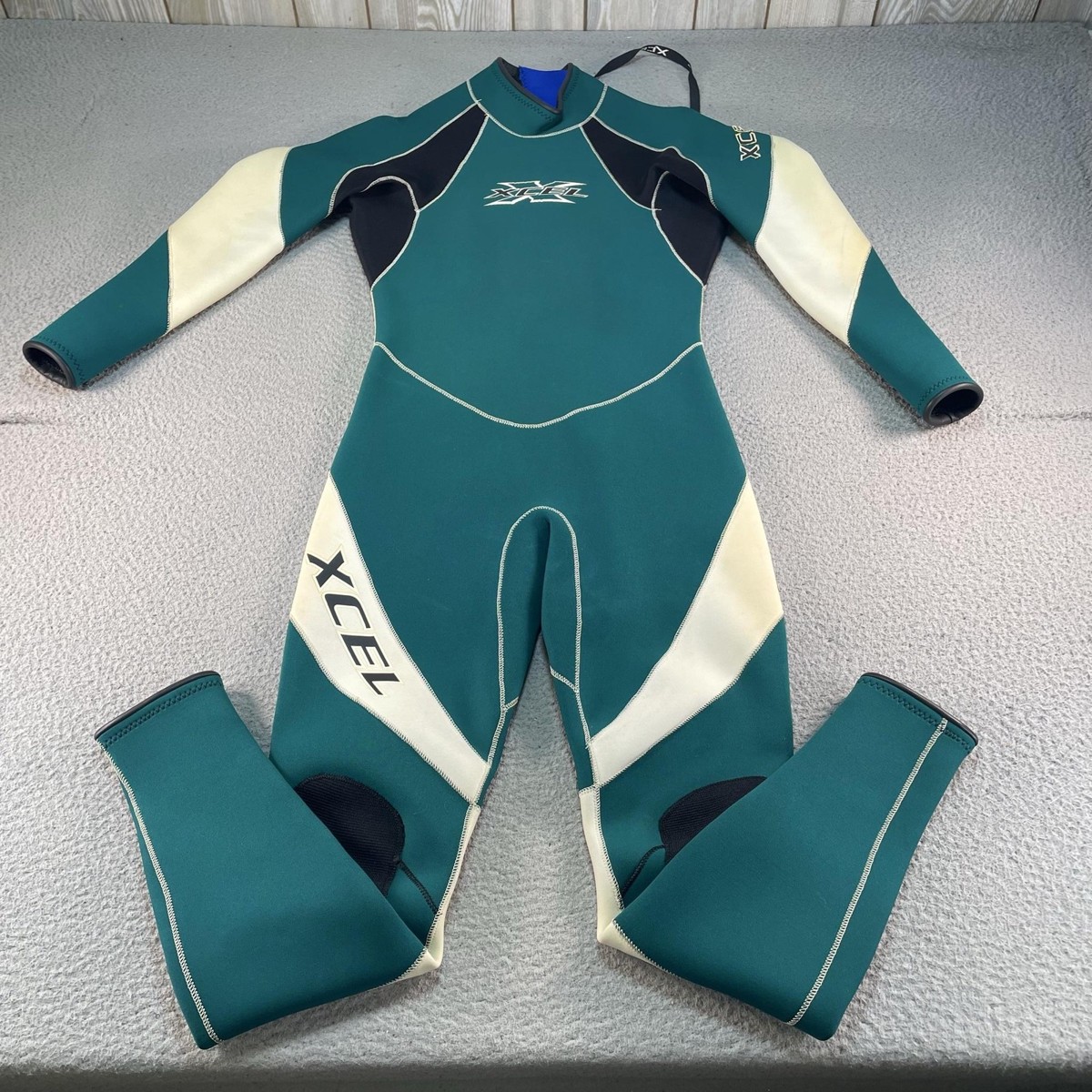

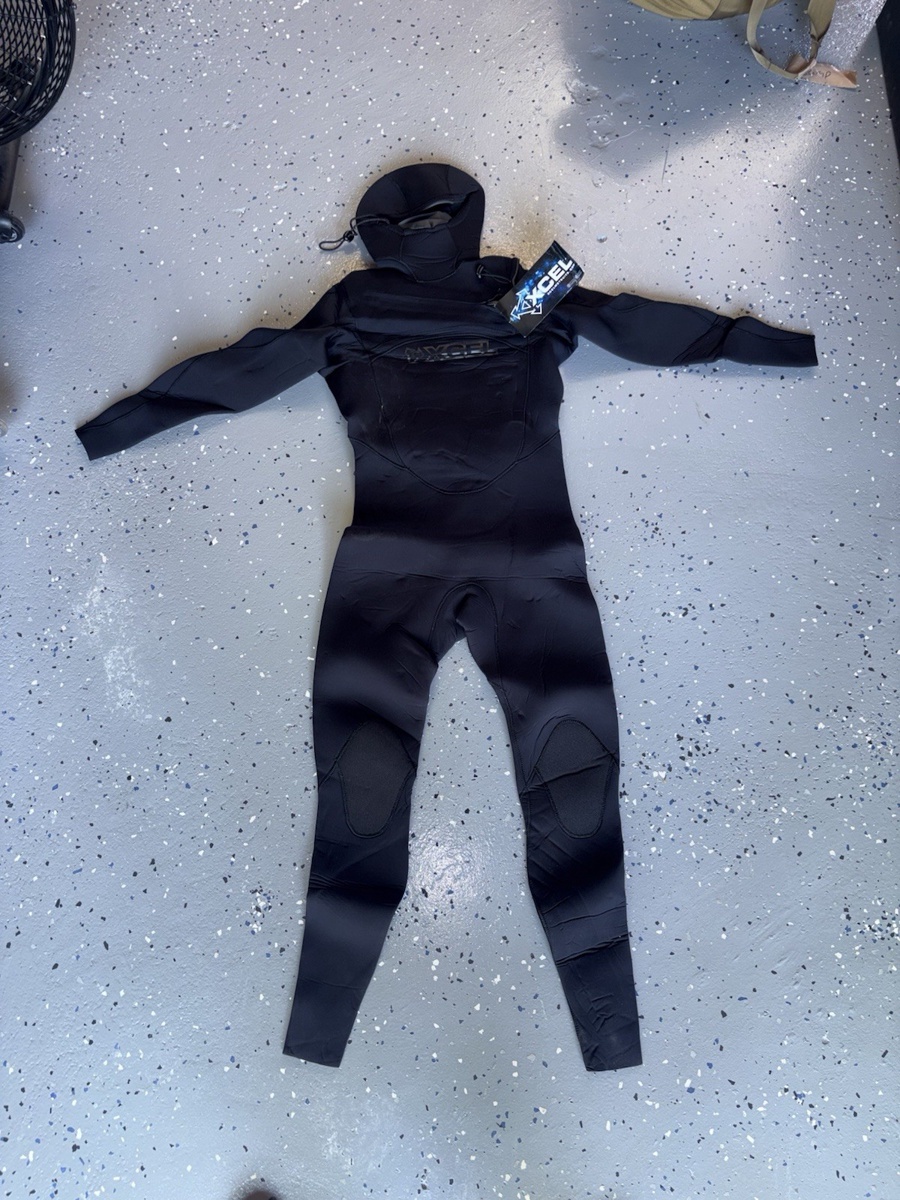
Photos from current listings. Actual item, color, and included accessories may vary.
Xcel Surf Wetsuit Buying Guide
Xcel surf wetsuits are neoprene full suits built for cold-to-temperate water surfing, where the primary trade-off is neoprene flexibility versus thermal thickness and seam sealing. Buyers should treat 3/2mm as the warm-water baseline, 4/3mm as the year-round workhorse, and 5/4mm hooded suits as dedicated cold-water gear rather than one-suit-fits-all compromises.


At a glance
- Category
- Surf Wetsuits & Rash Guards
- Data updated
- Nov 16, 2026
Current offers
Highlights
- Thickness tiers drive warmth: 3/2mm for 60-70°F water, 4/3mm for 52-62°F, and 5/4mm hooded for 45-55°F surf sessions.
- Seam construction separates tiers: flatlock stitching is entry-level and leaky; glued-and-blindstitched seams with taped stress points retain warmth in cold water.
- Neoprene grade matters more than brand marketing: limestone-based neoprene with a high stretch content flexes better and absorbs less water than standard petroleum neoprene.
- Chest-zip and back-zip entries differ in flush protection: chest-zip suits seal better and reduce water entry, while back-zip suits are easier to get into and usually less expensive.
Best use cases
- Best fit: a 4/3mm chest-zip full suit for year-round temperate surf (52-62°F) — pick glued-and-blindstitched seams and skip flatlock suits if sessions run over an hour.
- Best fit: a 5/4mm hooded full suit for cold-water winter surfing (45-55°F) — choose built-in hood and sealed seams; skip 3/2mm suits in these temperatures because cold flush causes rapid heat loss.
- Best fit: a 3/2mm or 2mm short-sleeve full suit for warm-water summer surf (65-75°F) — prioritize flexibility and thin neoprene; skip heavy 5/4mm suits that cause overheating.
- Wrong fit: buying an oversized suit for comfort — excess neoprene lets water flush through, defeating insulation; size to body measurements, not street-clothing size.
Buying tips
- Match thickness to water temperature, not air temperature: 3/2mm for 60-70°F, 4/3mm for 52-62°F, and 5/4mm hooded for 45-55°F — one suit cannot cover all ranges without compromise.
- Check seam construction before buying: glued-and-blindstitched seams with internal taping at stress points retain warmth; flatlock seams are stitched through and leak in cold water.
- Use the size chart over street size: wetsuits run snug by design — measure chest, waist, and height; a suit that feels tight dry is correct because neoprene relaxes when wet.
- Prefer chest-zip entry for cold water and back-zip for warm water: chest-zip reduces flush and improves seal, while back-zip is easier to don and typically lighter on the wallet.
Specs
| Thickness Range | 3/2mm to 5/4mm hooded |
|---|---|
| Seam Type | Flatlock vs glued-blindstitched |
| Entry Style | Chest-zip vs back-zip |
| Neoprene Grade | Limestone vs petroleum-based |
Related searches
What to check before buying
- Measure chest, waist, hip, and height against the Xcel size chart — do not assume your t-shirt size translates.
- Confirm water temperature range for your local break: below 55°F demands a 5/4mm hooded suit with sealed seams.
- Inspect seam type and zipper style: glued-and-blindstitched or taped seams for cold water; flatlock is warm-water only.
- Check that the suit has adequate stretch panels at shoulders and knees for paddling and pop-up mobility.
FAQ
Data sources: eBay / Amazon listings and product attribute feeds Data updated Nov 16, 2026.
Some links on this page are affiliate links. If you buy after clicking one, we may earn a commission at no extra cost to you. This does not change which products appear here or their order. Affiliate disclosure.