Photos from current listings. Actual item, color, and included accessories may vary.
Surf Wetsuit Buying Guide
A surf wetsuit is a neoprene garment that traps a thin layer of water against your skin, which your body heats to keep you warm in the ocean. The primary trade-off is thickness and seam construction versus flexibility: thicker suits (5/4mm and up) with sealed and taped seams keep you warm in cold water but restrict paddling, while thinner suits (2mm and under) prioritize mobility for warm water. The decision rule is simple: match suit thickness and seal type to your water temperature, and never buy a suit that is too loose—a baggy suit flushes cold water and defeats the insulation entirely.


At a glance
- Category
- Surf Wetsuits & Rash Guards
- Data updated
- Nov 16, 2026
Current offers
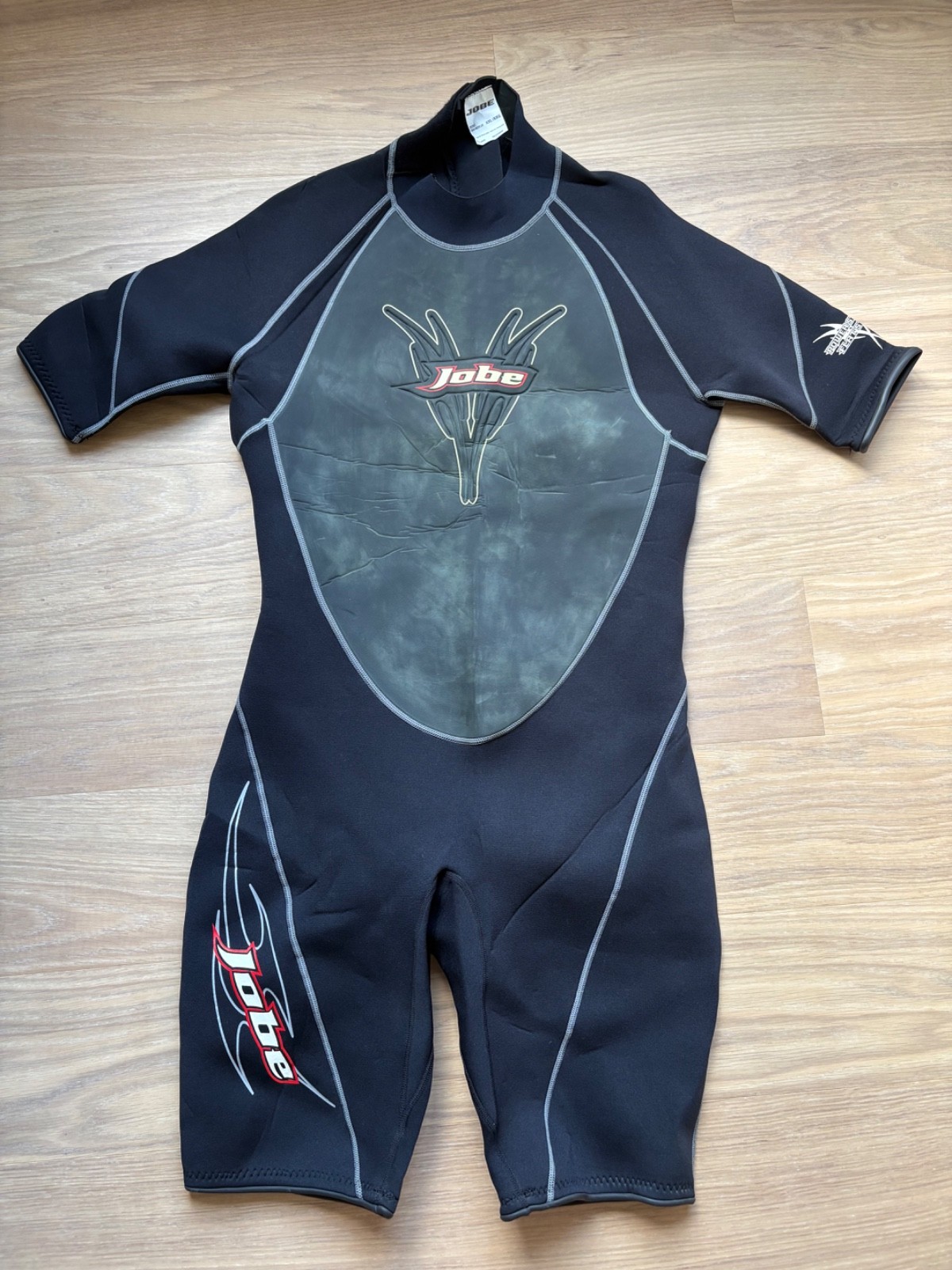 Jobe Men's Shorty Wetsuit XXL Black Neoprene Water Sports Surf Wakeboard$10.00
 View on eBay
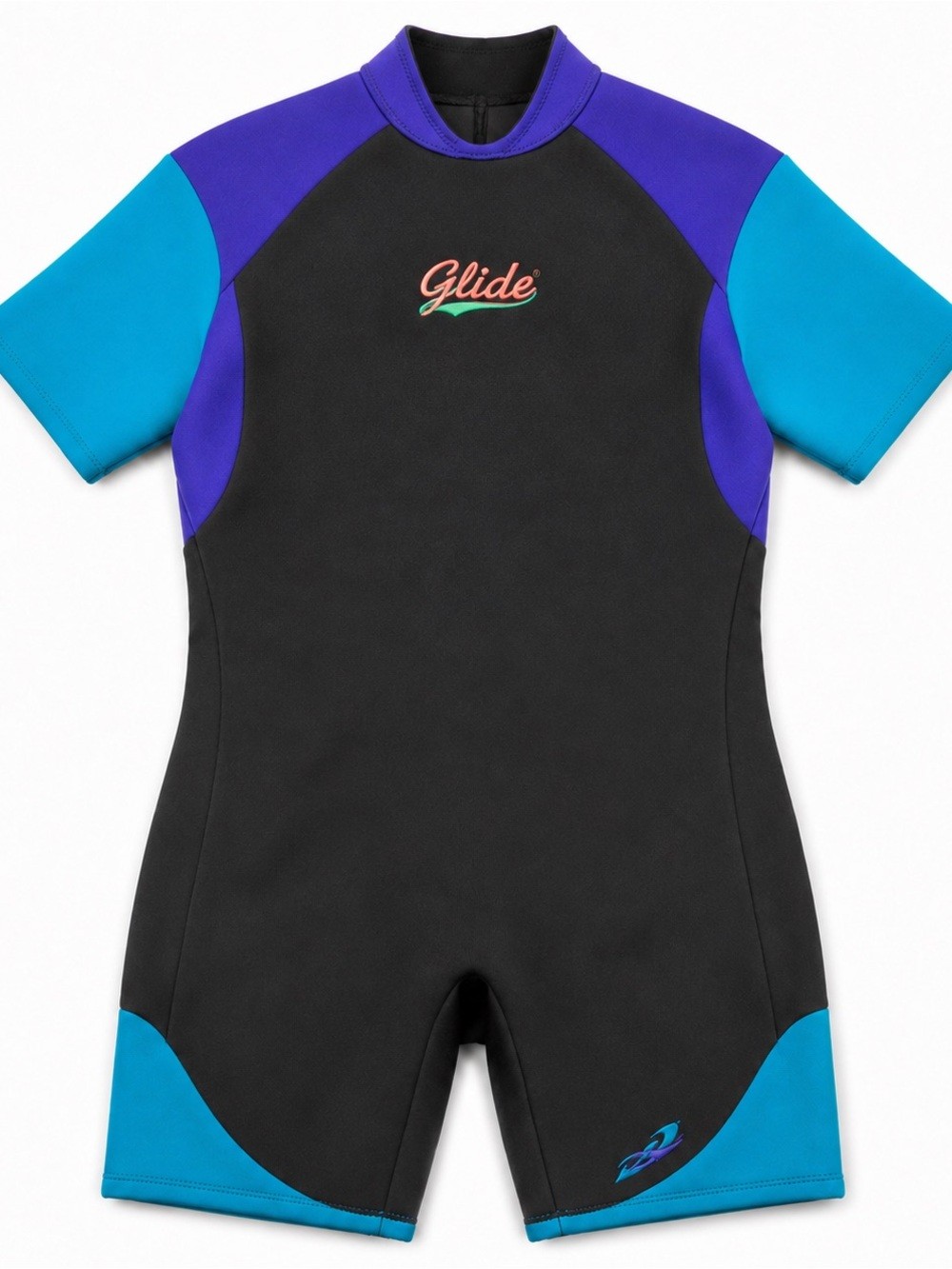 VINTAGE Glide 90s Colorblock Shorty Wetsuit Neoprene size L surf suit$18.00View on eBay
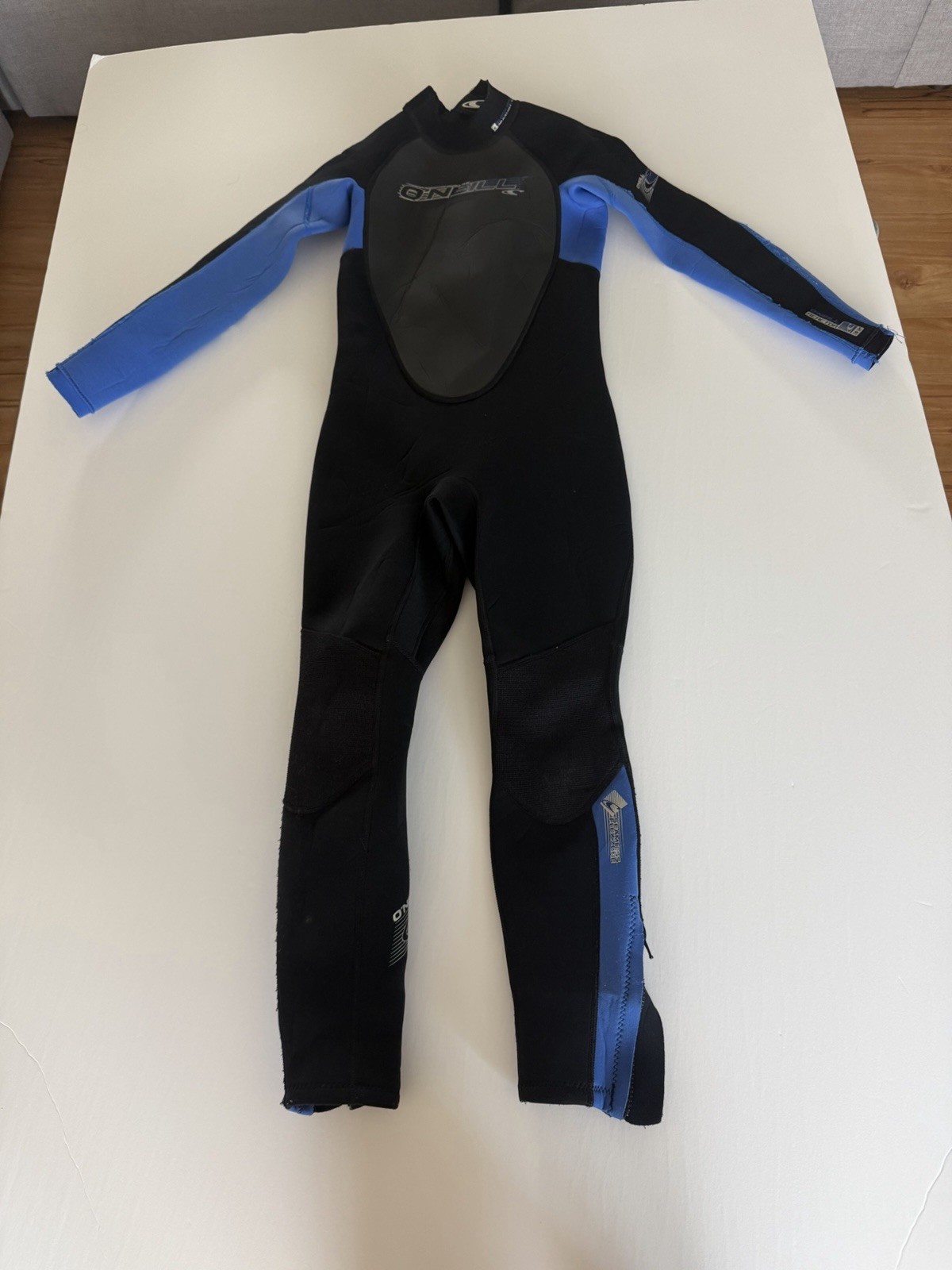 O’Neill Full Wetsuit Men Size 12 Black Blue Back Zip 3/2mm Surf Dive Suit$23.77View on eBay
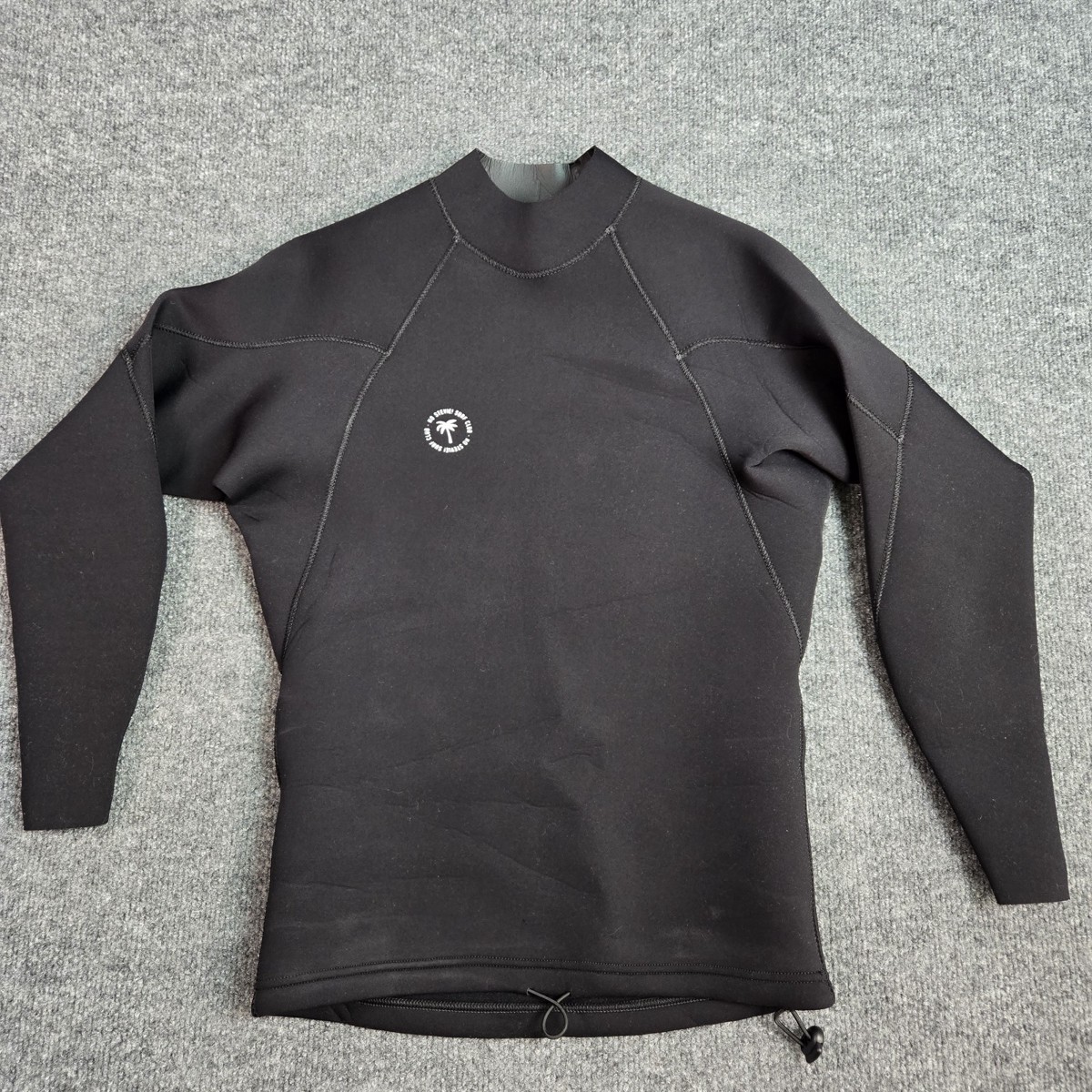 Ho Stevie 2mm Wetsuit Top Men's Black Long Sleeve Neoprene Surf Dive Zipperless$29.99View on eBay
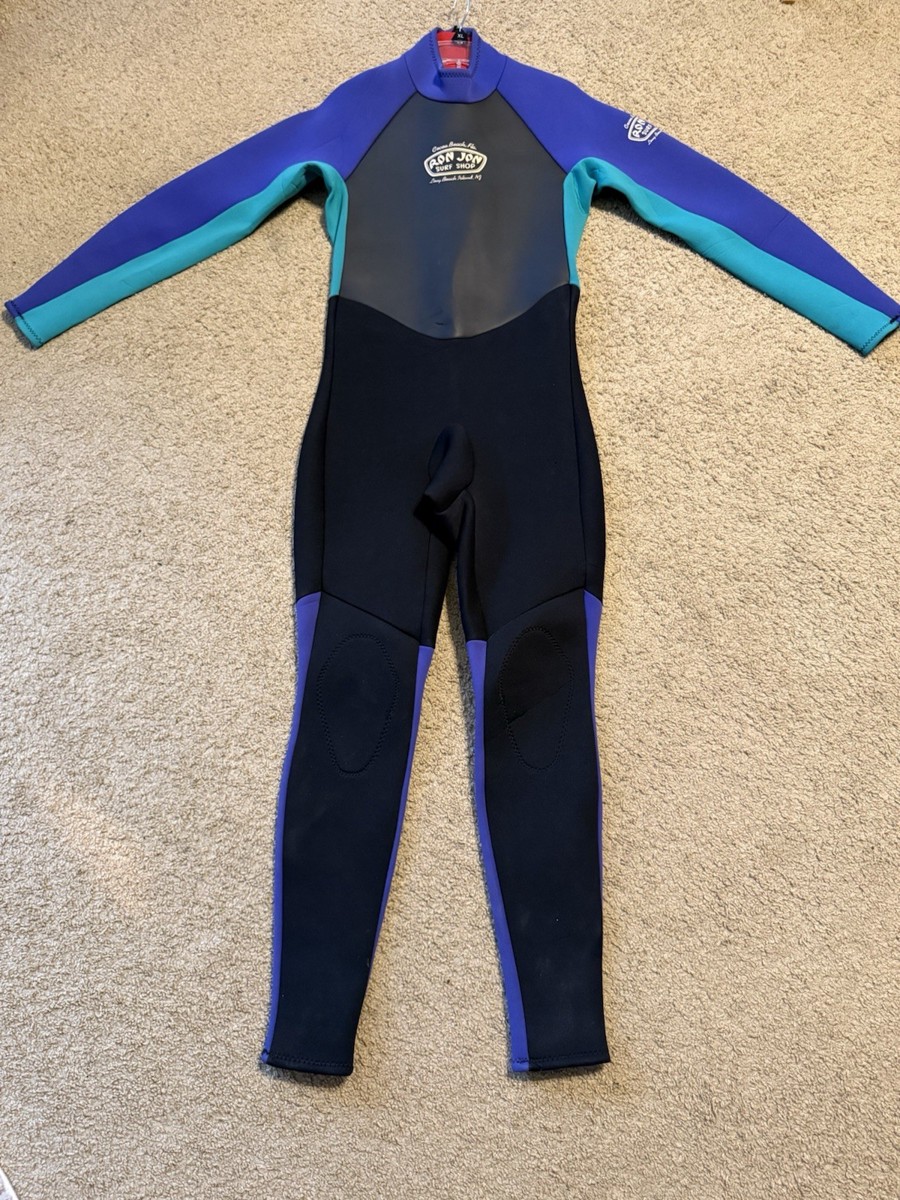 Mens Ron Jon Surf Shop Neoprene Summer Wetsuit Sz L Full Length Suit Little Use$31.49View on eBay
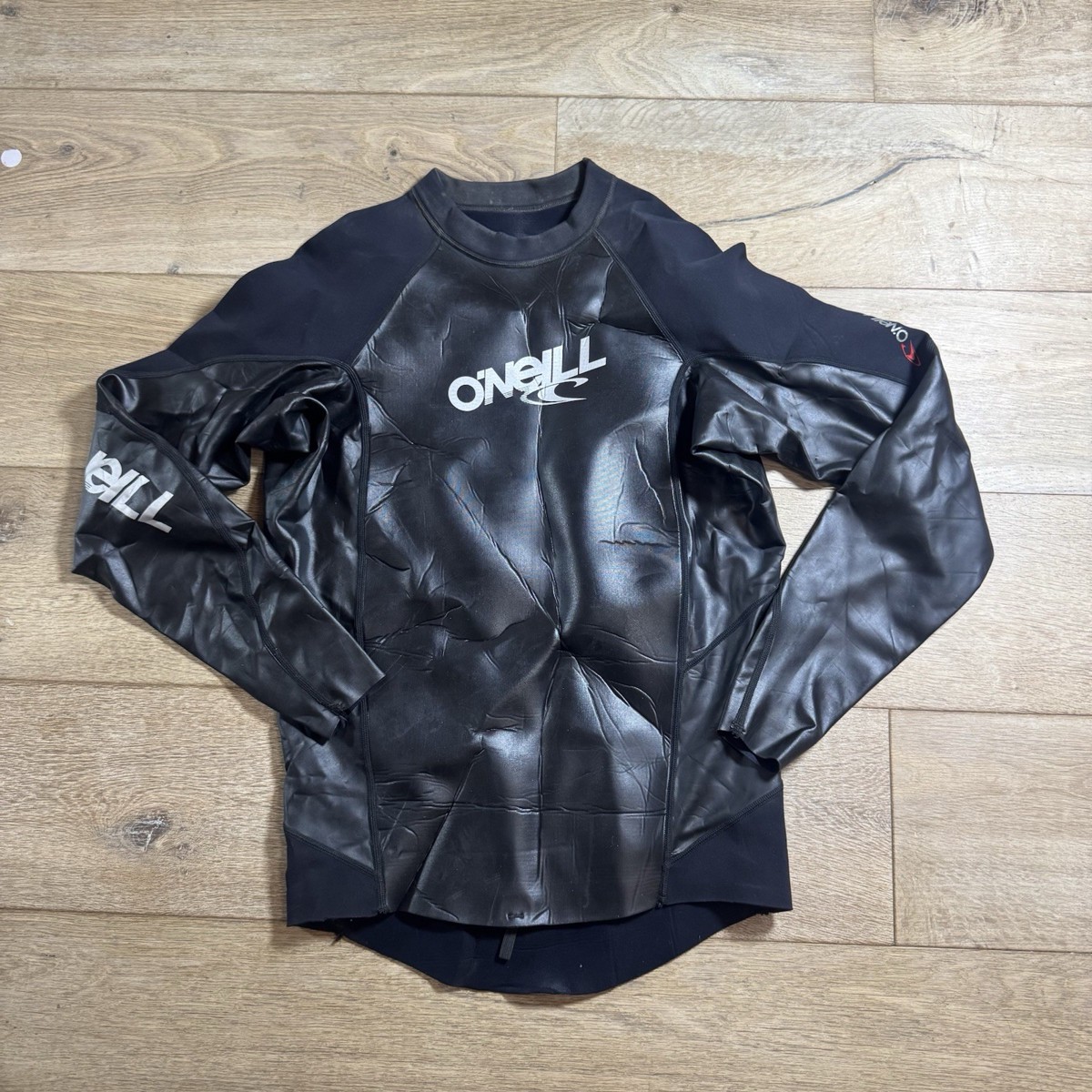 O’Neill Gooru Ultraflex 05 Wetsuit Top Black Long Sleeve Neoprene Surf Dive$34.99View on eBay
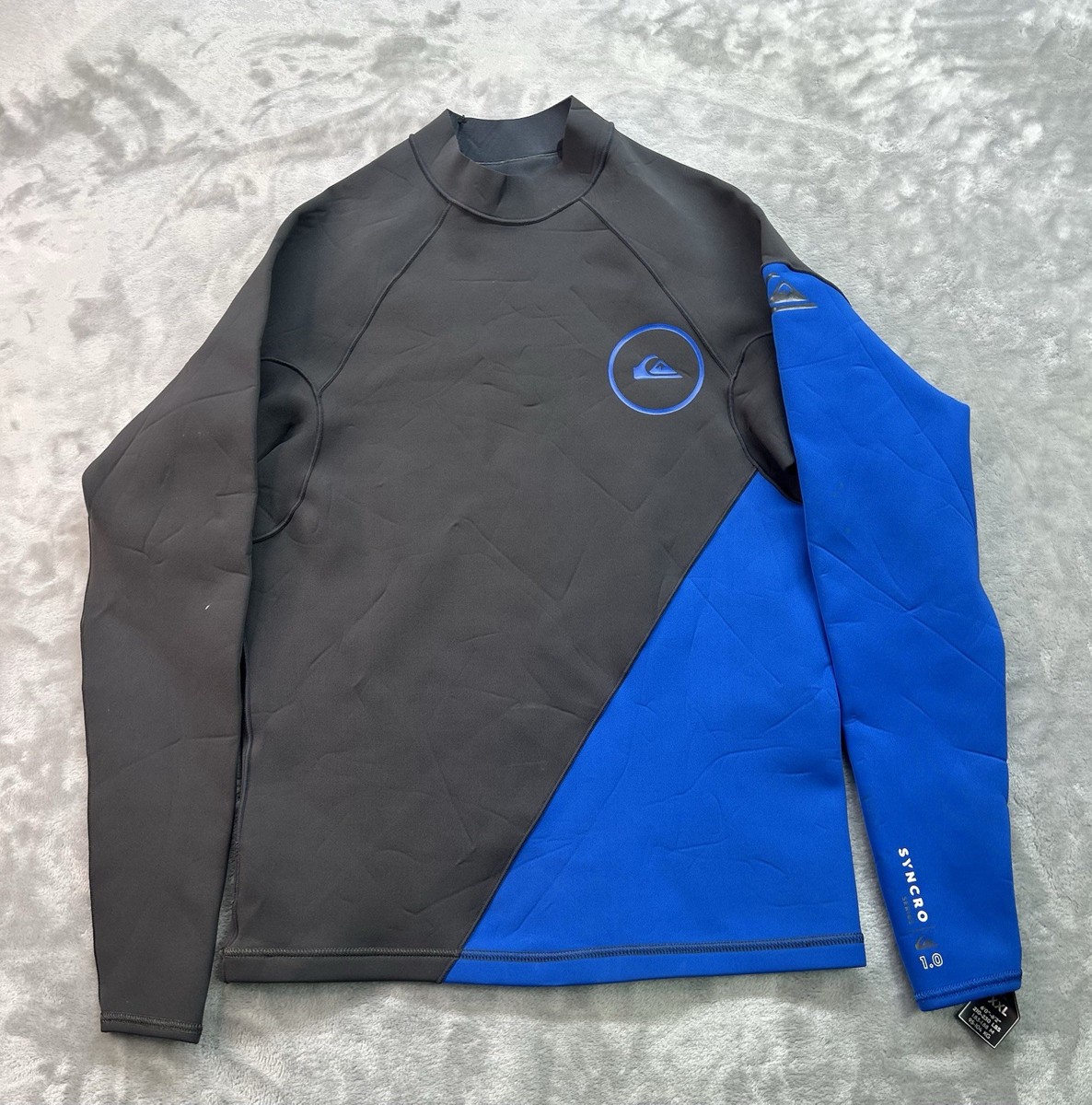 Quiksilver Syncro 1.0mm Wetsuit Top Men XXL Long Sleeve Surf Dive BodyBoard Swim$36.79View on eBay
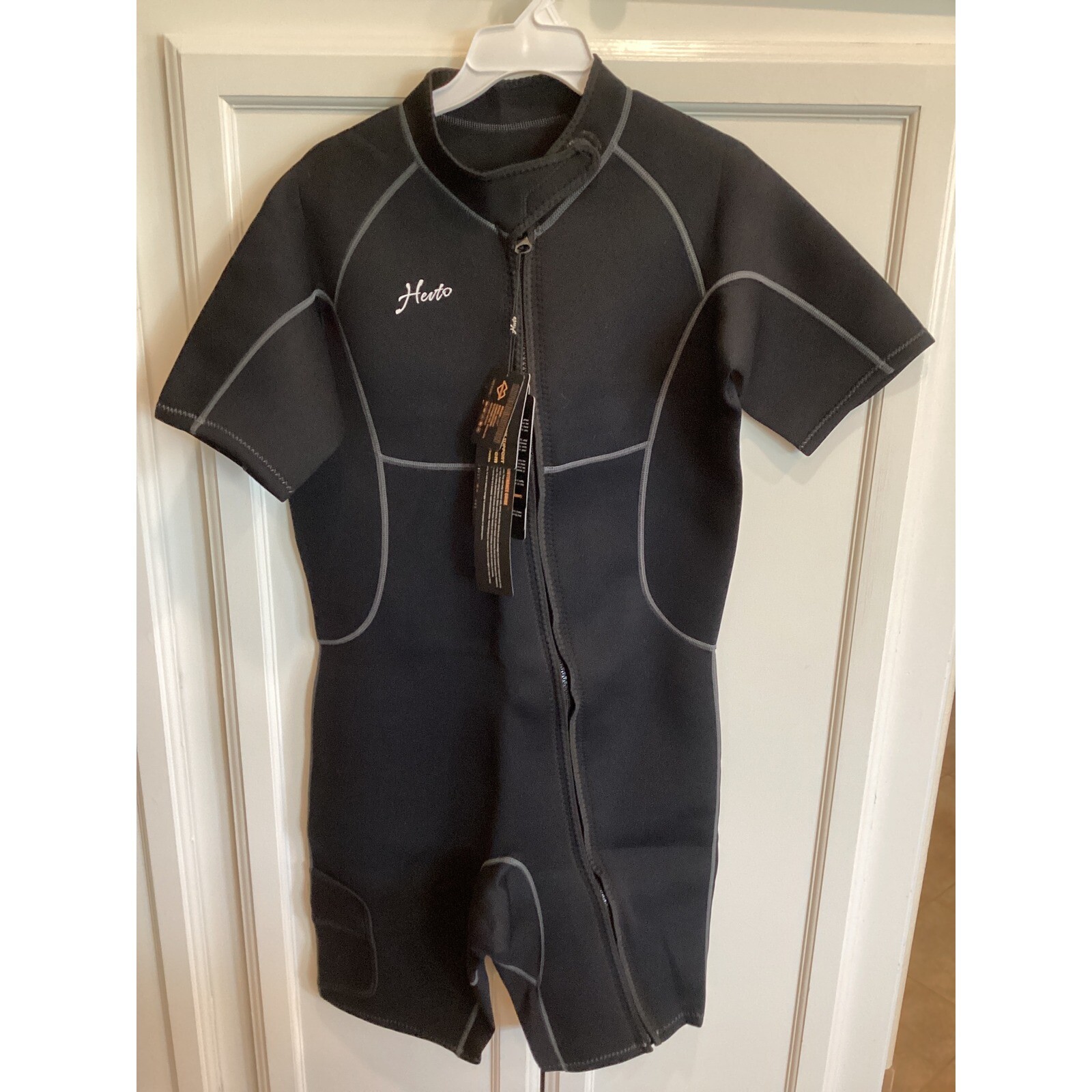 Hevto Wetsuit XL Short Sleeve Neoprene Front Zip Swim Surf Diving$40.96View on eBay
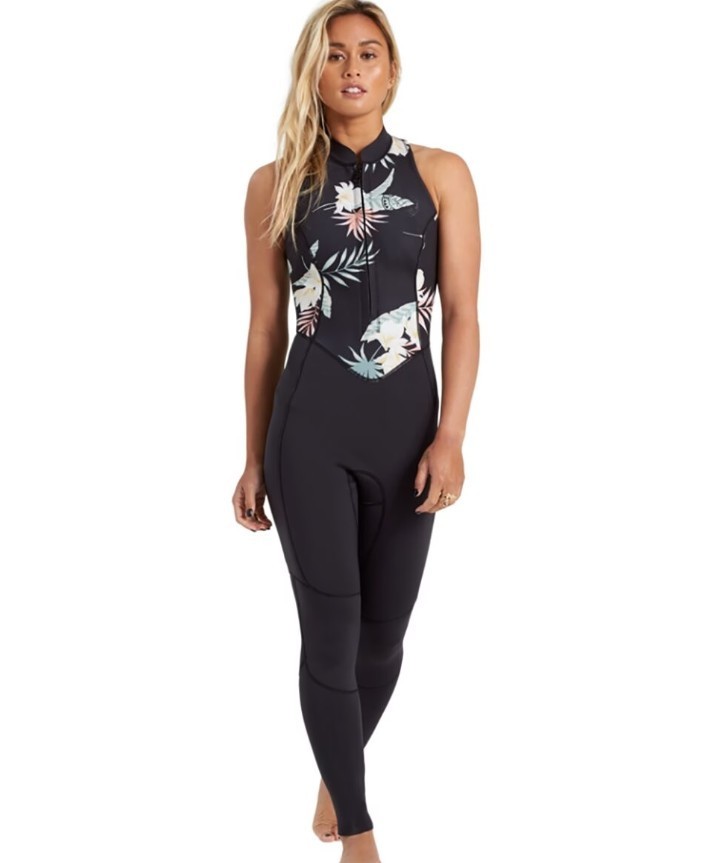 Billabong Salty Jane Black Tropical Full Surf Capsule Wetsuit Sleeveless Size 2$48.00View on eBay
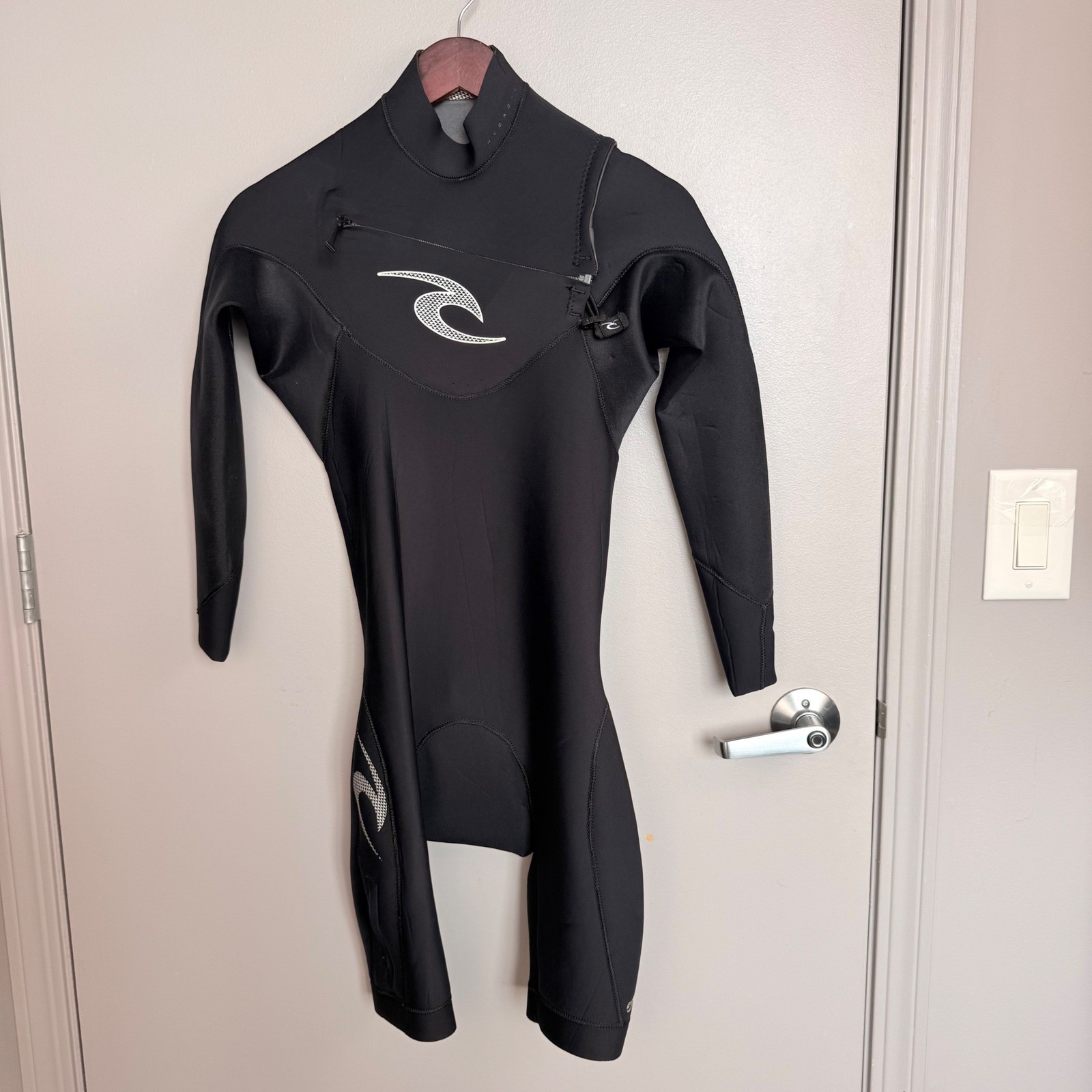 Rip Curl E-Bomb Pro+ E3 Wetsuit Mens Small Black Shorty Chest Zip Surf Suit$49.99View on eBay
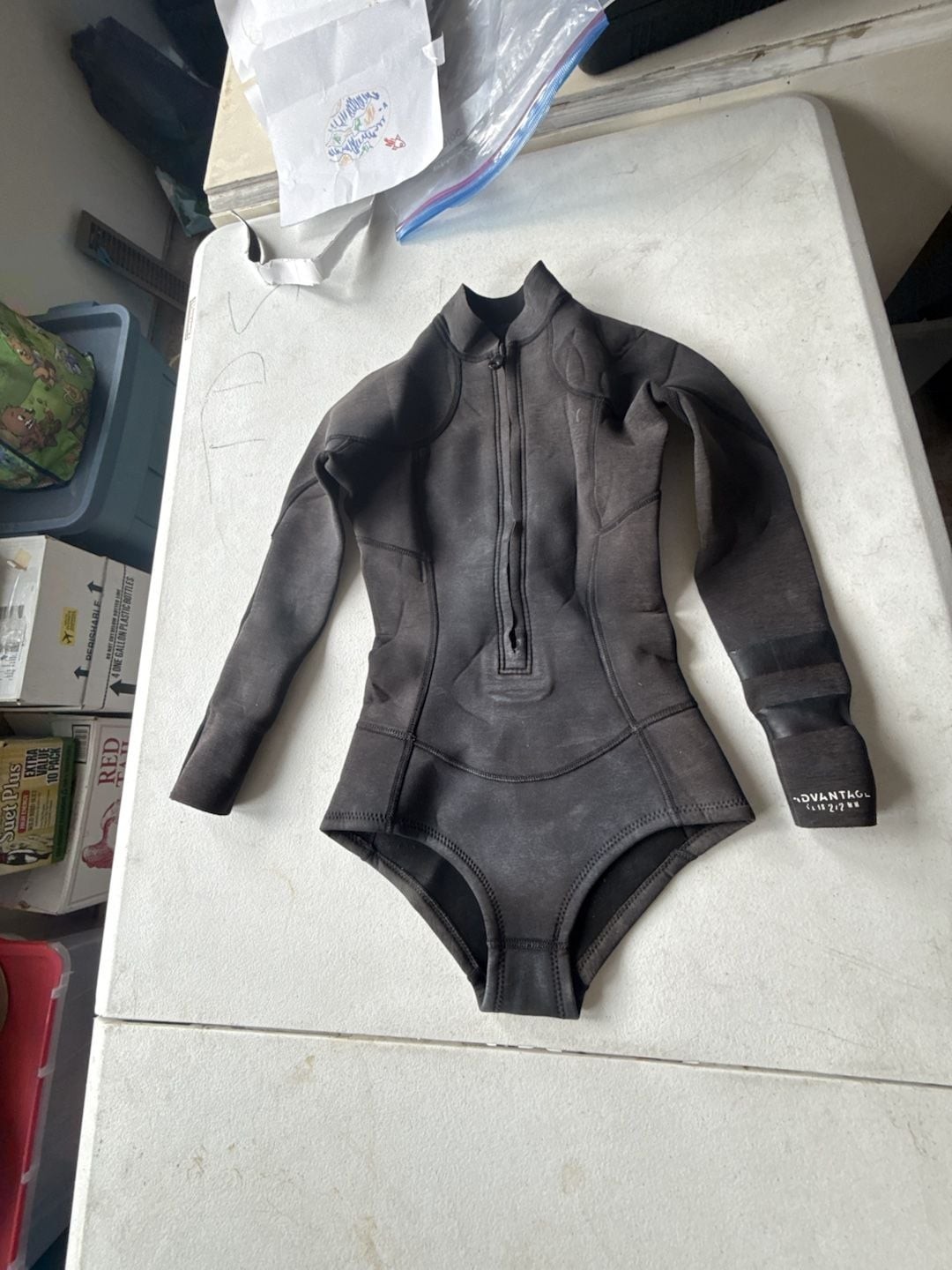 Hurley Advantage 2/2mm Long Sleeve Surf Springsuit Wetsuit$50.00View on eBay
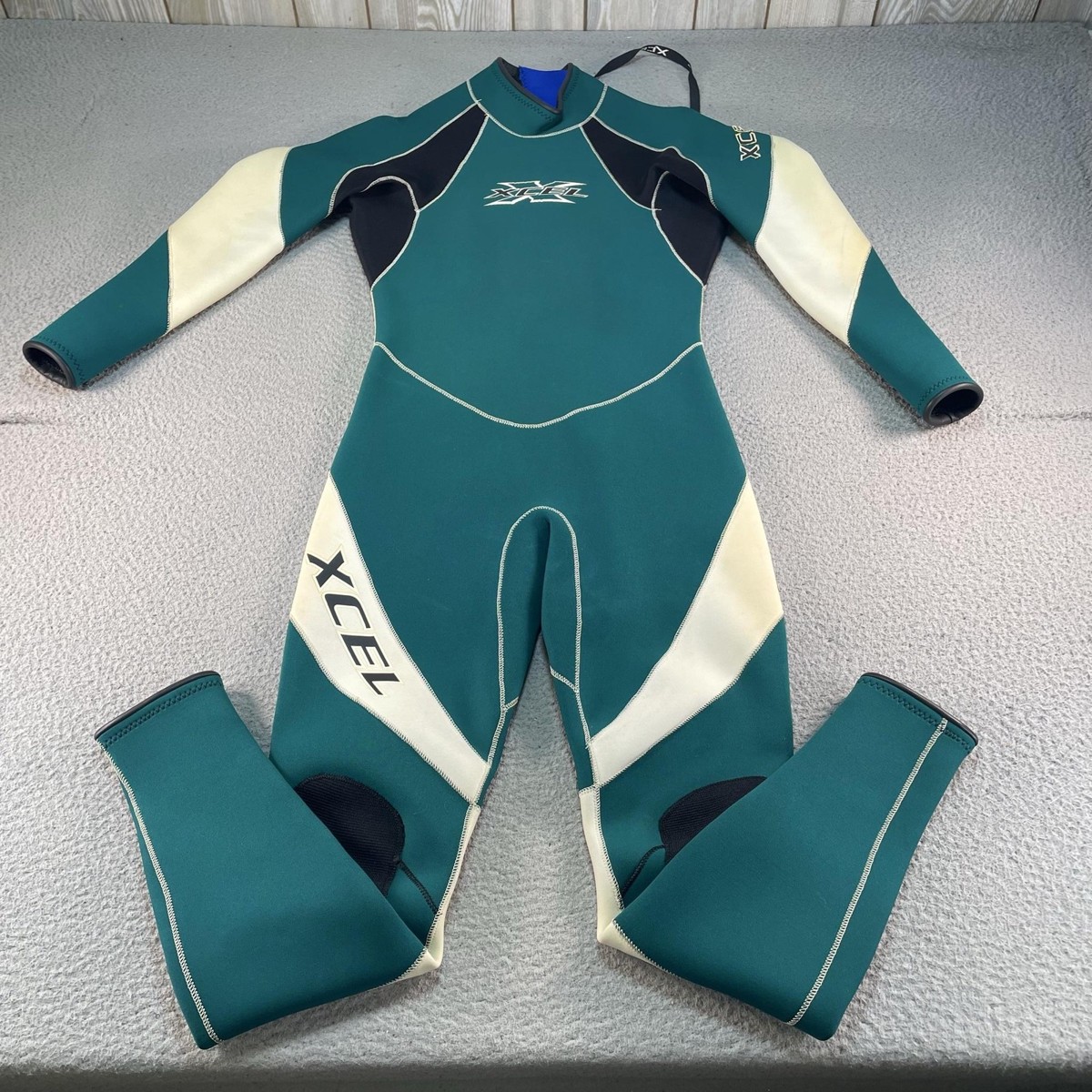 Xcel Wetsuit Mens Medium Green Full Suit Neoprene Surf Dive Scuba Swim Gear USA$59.99View on eBay
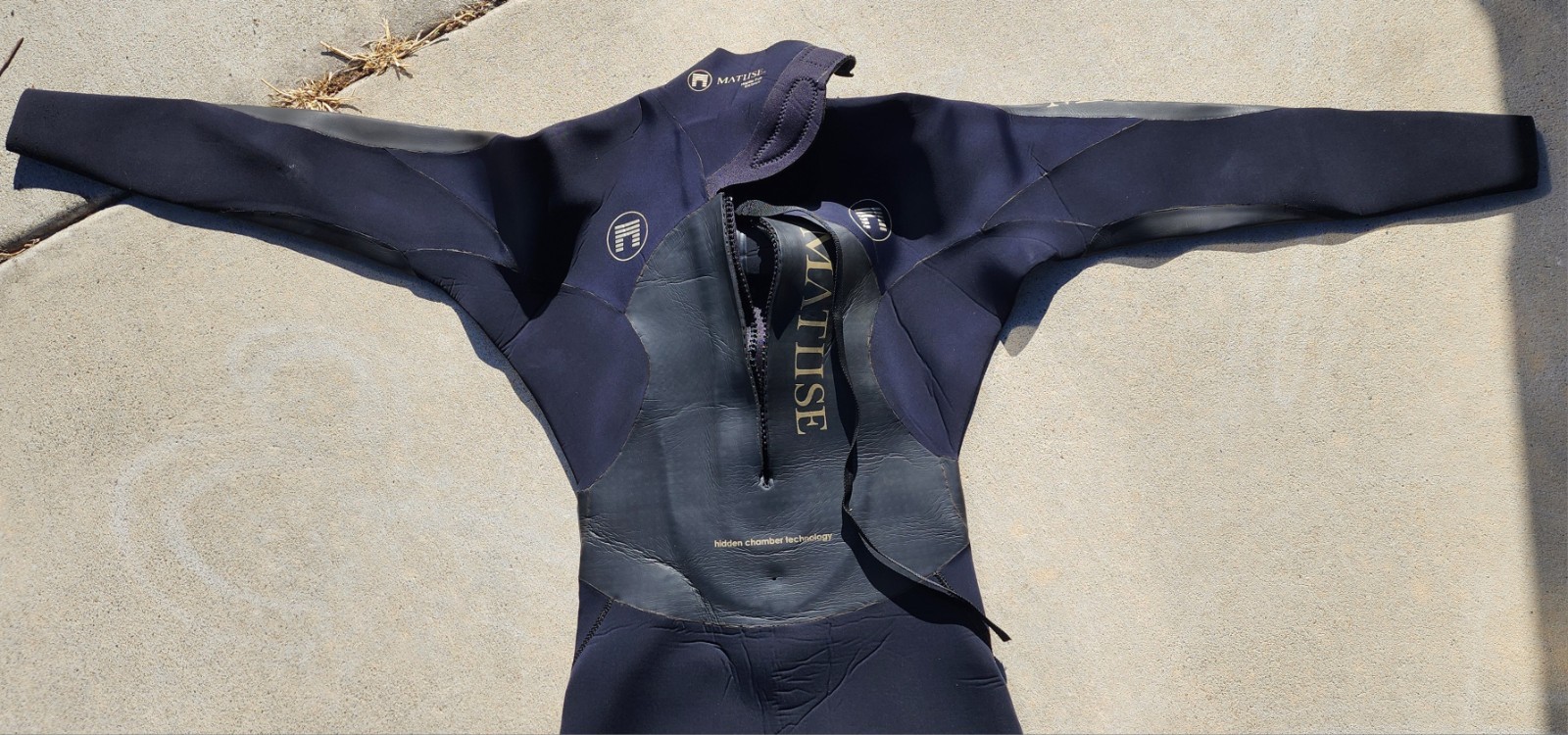 Matuse Hoplite Wetsuit Mens M Medium Full suit Front Zip Geoprene 3/2 4/3 Surf$100.00View on eBay
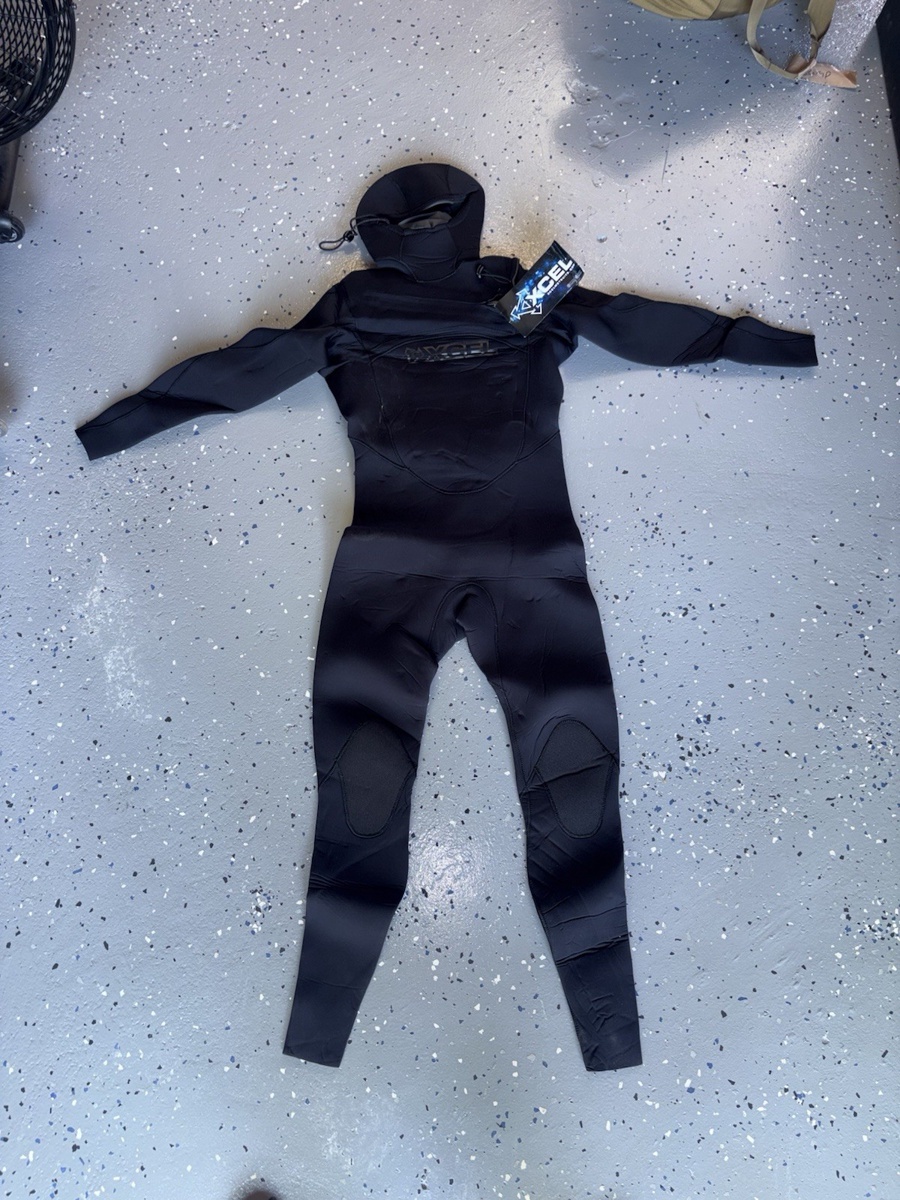 XCEL Hooded 5/4 Full Wetsuit Mens Medium Black Surf Dive Cold Water Suit$185.00View on eBay
Highlights
- Thickness tiers dictate warmth: 2/1mm or 1.5mm shorty/spring suits for 70°F+ water, 3/2mm full suits for 58–68°F, 4/3mm for 52–60°F, and 5/4mm or 6/5mm hooded suits for water below 52°F.
- Seam construction separates entry-level from cold-water suits: flatlock stitched seams let water through and suit warm water only; glued and blind-stitched (GBS) seams limit flushing; fully taped or liquid-sealed seams are required for 4/3mm and thicker cold-water suits.
- Neoprene grade controls stretch and durability: standard petroleum-based neoprene is durable but stiff; limestone-based neoprene with a higher air content (e.g., Yamamoto #39 or equivalent) is lighter, warmer per millimeter, and more flexible at the same thickness.
- Back-zip suits are easier to get in and out but flush more water at the neck and cost less; chest-zip and zipperless suits reduce flushing and improve paddle flexibility but demand a precise fit and are harder to don.
Best use cases
- Warm-water surfing (water above 70°F): choose a 1.5–2mm shorty or long-sleeve rash-guard-style top; skip any full 3/2mm suit unless you run cold or surf dawn patrol.
- Cool-water surfing (water 58–68°F): a 3/2mm full suit with GBS seams is the correct pick; step up to a 4/3mm if you are a cold-natured surfer or surf sessions longer than two hours.
- Cold-water surfing (water 52°F and below): buy a 5/4mm or 6/5mm hooded full suit with fully taped seams and sealed cuffs; a 4/3mm flatlock suit is a false economy in these temperatures.
- Layering and travel: a 2mm long-sleeve neoprene top worn with boardshorts handles tropical sessions and packs flat; skip it for water below 65°F where it provides insufficient core insulation.
Buying tips
- Fit is the single biggest performance factor: a wetsuit must feel snug like a second skin with no baggy pockets at the lower back, armpits, or knees; if you can pinch more than an inch of fabric at the lower back, size down.
- Use the manufacturer's size chart with your height, weight, chest, and waist—not your street-clothes size. A men's size 12 or medium in one brand can differ by 2–4 inches in chest circumference from another brand's medium.
- For water below 62°F, insist on GBS seams plus taped or liquid-sealed stress points (crotch, underarms, ankles); flatlock seams are only acceptable in 2mm-and-under warm-water suits.
- Check the zip type against your mobility needs: back-zip suits are easier for beginners and shoulder-heavy builds; chest-zip suits offer better paddle freedom and less flushing but require a precise torso fit.
Specs
| Thickness | 1.5mm to 6/5mm by water temp |
|---|---|
| Seam Type | Flatlock / GBS / Taped |
| Zip Style | Back-zip / Chest-zip / Zipperless |
| Neoprene Grade | Petroleum vs Limestone-based |
Related searches
What to check before buying
- Measure your height, weight, chest, and waist and compare against the brand's specific size chart—not a generic S/M/L conversion—before choosing a size.
- Confirm water temperature at your break for the coldest month you plan to surf, then select suit thickness (2mm, 3/2mm, 4/3mm, or 5/4mm) accordingly.
- Inspect seam construction in the product photos or description: flatlock for warm water, GBS for cool water, and taped or liquid-sealed seams for cold water.
- Check that the suit has a reinforced knee panel and durable cuff seals if you surf reef breaks or frequently push off your board; smooth-skin or mesh chest panels help with wind chill in cold-water suits.
FAQ
Data sources: eBay / Amazon listings and product attribute feeds Data updated Nov 16, 2026.
Some links on this page are affiliate links. If you buy after clicking one, we may earn a commission at no extra cost to you. This does not change which products appear here or their order. Affiliate disclosure.