Photos from current listings. Actual item, color, and included accessories may vary.
Surf Suit Buying Guide
A surf suit is a neoprene wetsuit engineered to keep you warm and mobile in the water, and the core trade-off is between flexibility (thinner, stretchier panels) and heat retention (thicker neoprene, sealed seams, hoods). The clear decision rule: match millimeter thickness and seam construction to your water temperature, and pick a front-chest zip or zipless design for paddling performance over a back zip for easy entry.


At a glance
- Category
- Surf Wetsuits & Rash Guards
- Data updated
- Nov 16, 2026
Current offers
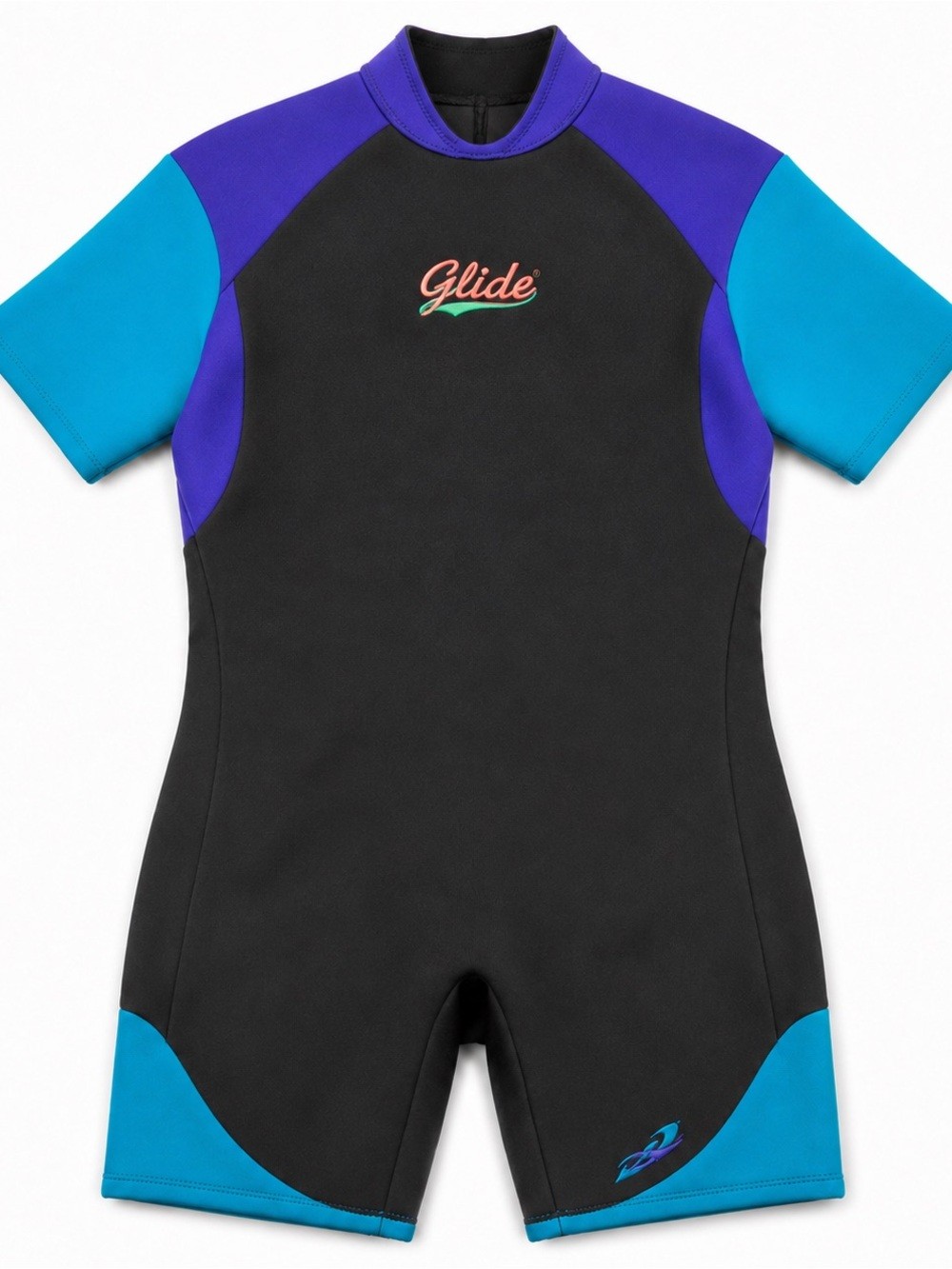 VINTAGE Glide 90s Colorblock Shorty Wetsuit Neoprene size L surf suit$18.00
 View on eBay
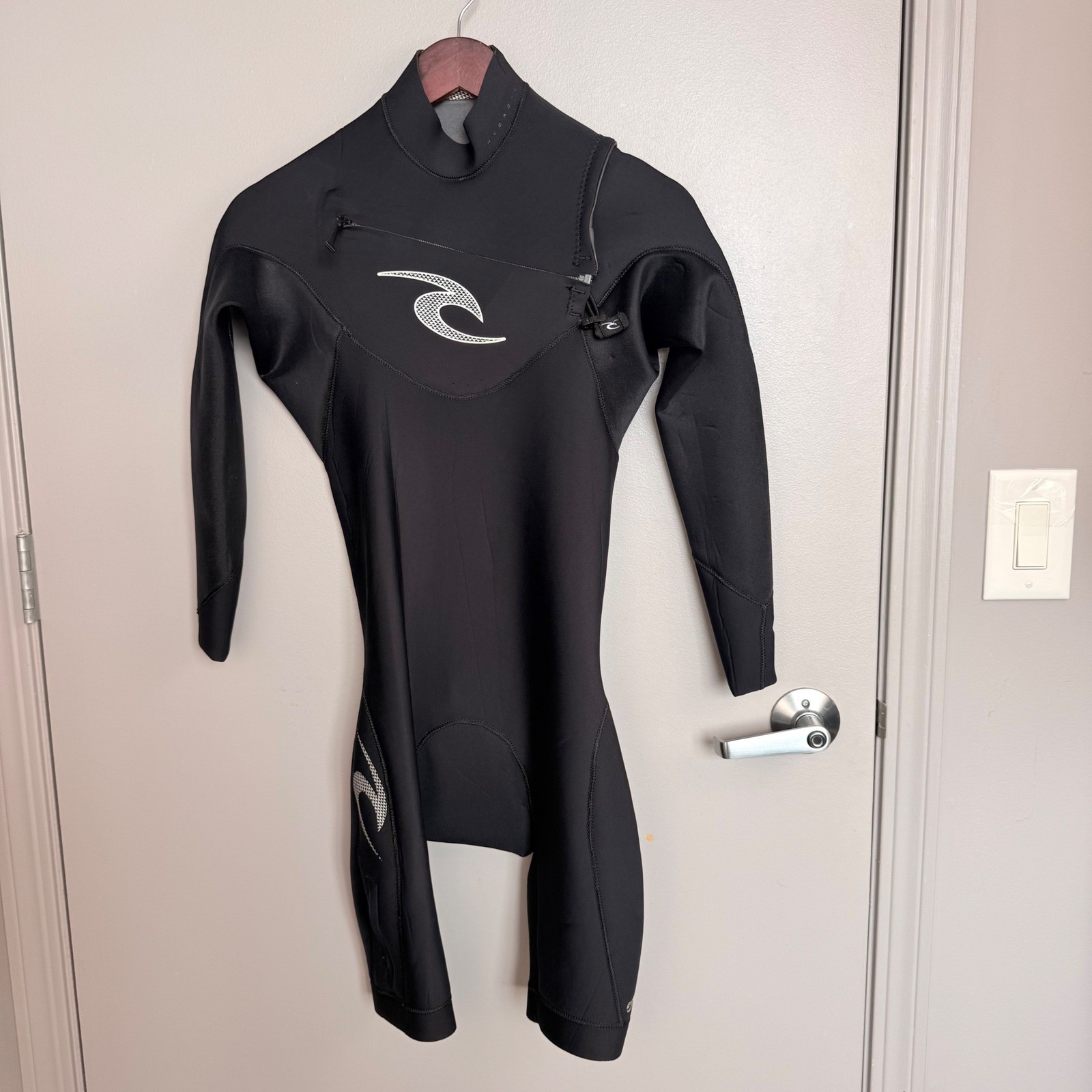 Rip Curl E-Bomb Pro+ E3 Wetsuit Mens Small Black Shorty Chest Zip Surf Suit$49.99View on eBay
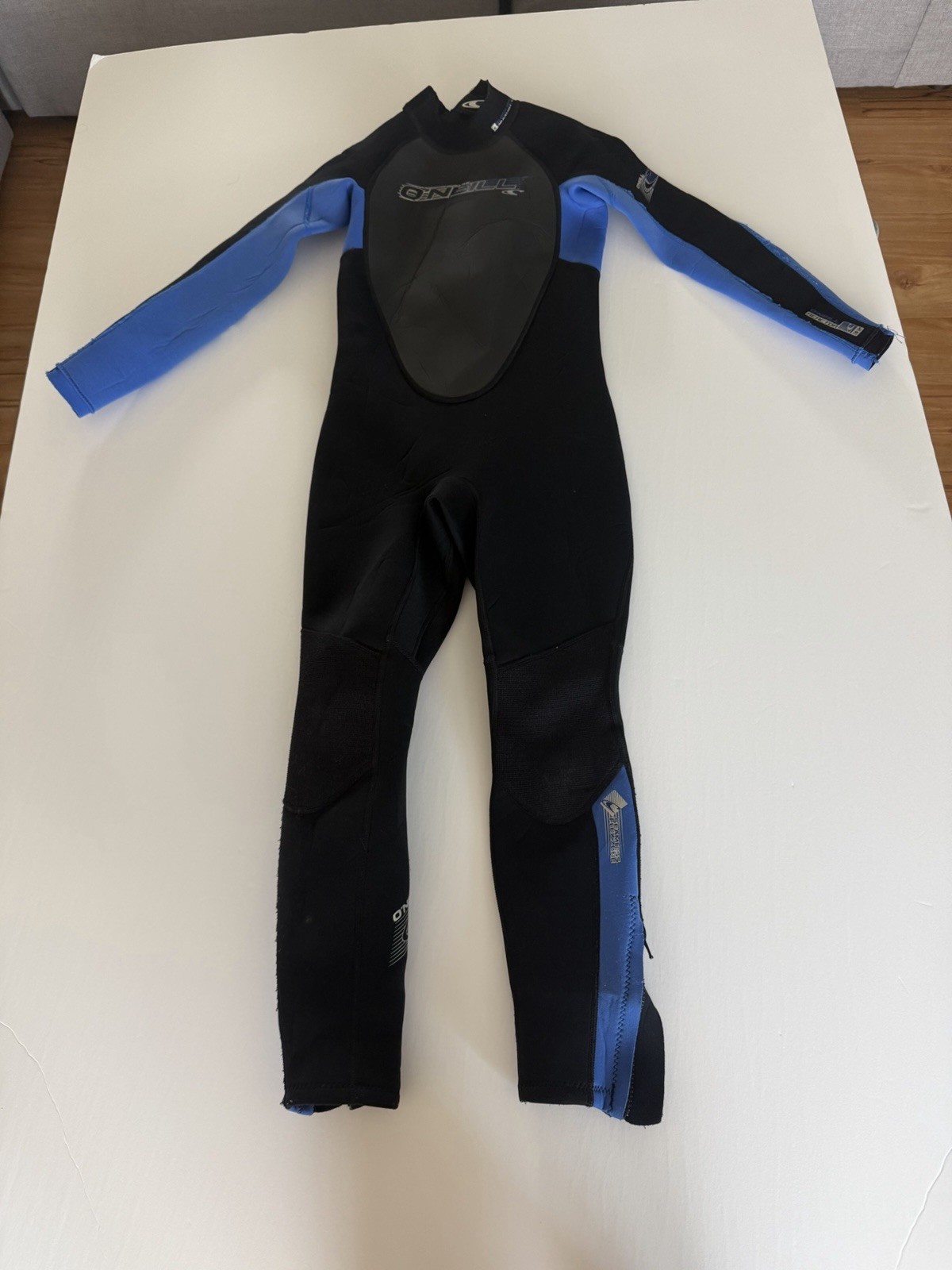 O’Neill Full Wetsuit Men Size 12 Black Blue Back Zip 3/2mm Surf Dive Suit$23.77View on eBay
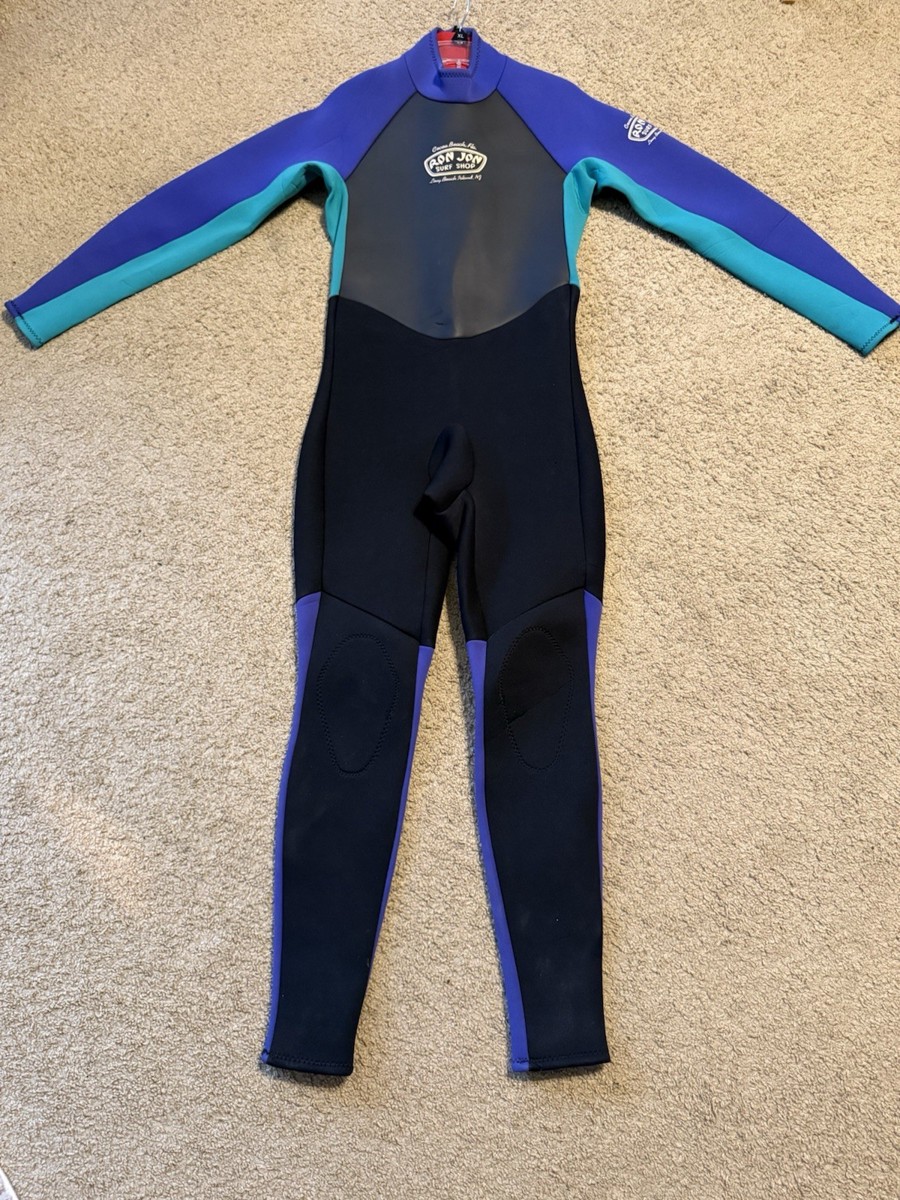 Mens Ron Jon Surf Shop Neoprene Summer Wetsuit Sz L Full Length Suit Little Use$31.49View on eBay
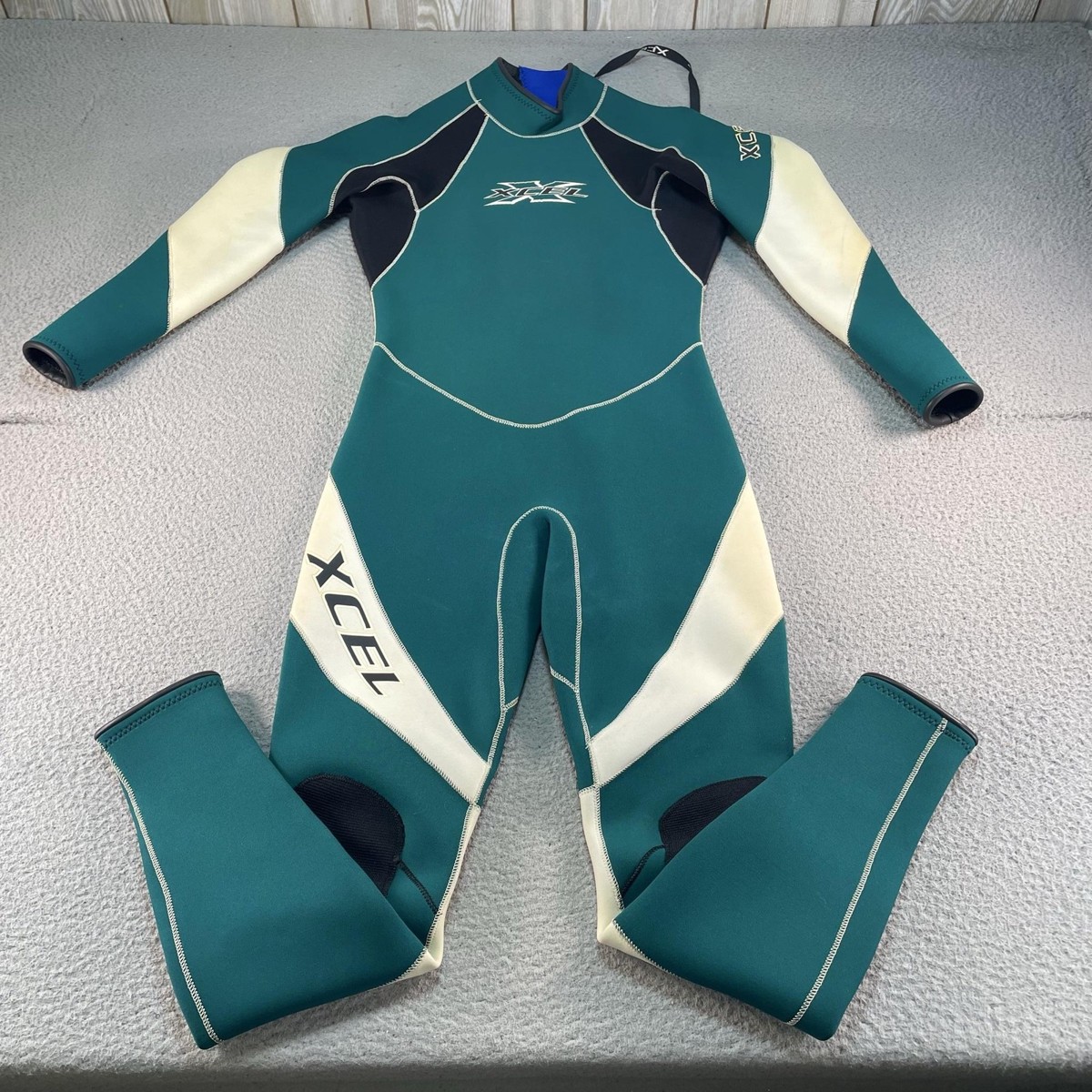 Xcel Wetsuit Mens Medium Green Full Suit Neoprene Surf Dive Scuba Swim Gear USA$59.99View on eBay
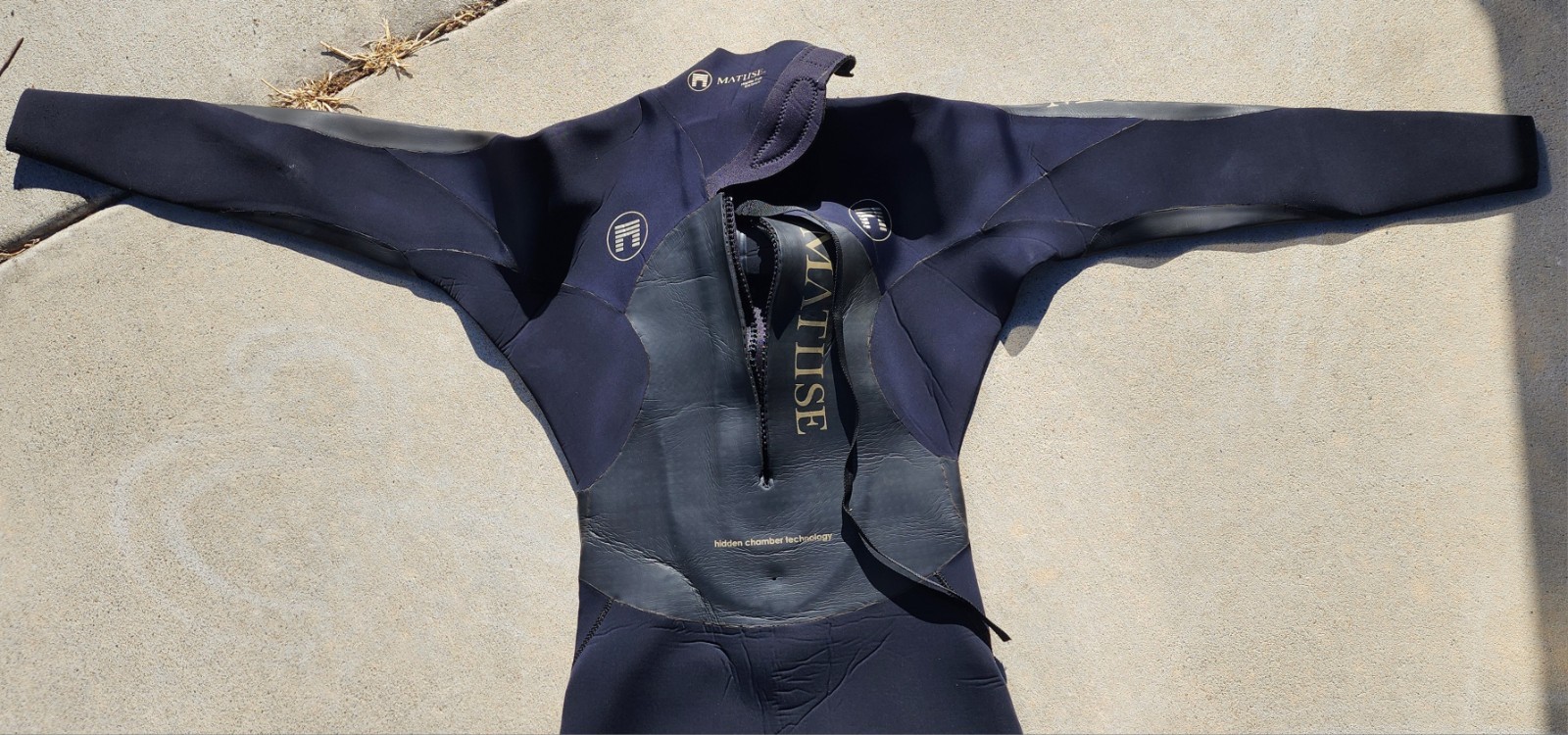 Matuse Hoplite Wetsuit Mens M Medium Full suit Front Zip Geoprene 3/2 4/3 Surf$100.00View on eBay
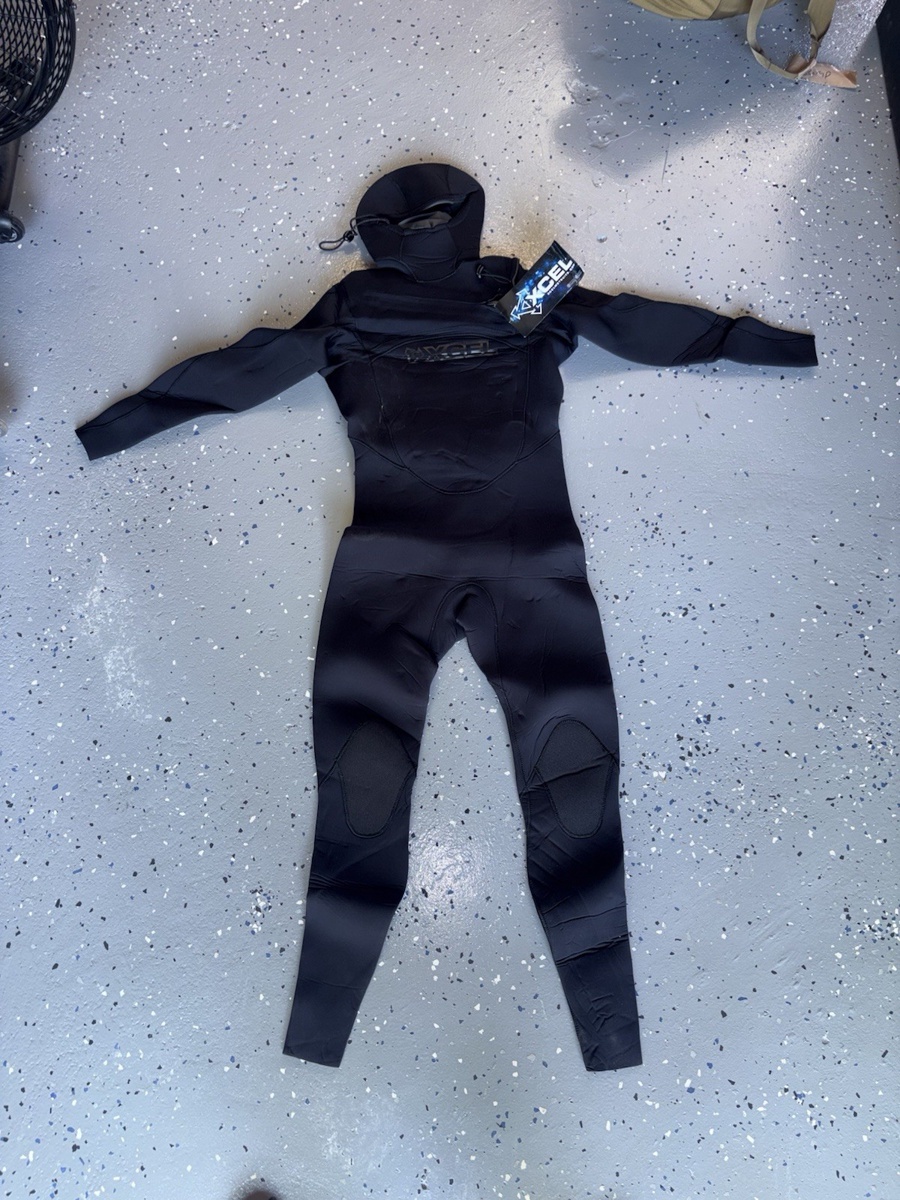 XCEL Hooded 5/4 Full Wetsuit Mens Medium Black Surf Dive Cold Water Suit$185.00View on eBay
Highlights
- Thickness tiers: 2/1mm or 3/2mm for 65-72°F water; 4/3mm for 58-64°F; 5/4mm with hood for 50-57°F; 6/5mm or 7mm for below 50°F.
- Seam construction: flatlock stitched (entry-level, water flushes) vs glued-and-blind-stitched (G-BS, warmer) vs fully taped interior seams (best cold-water sealing).
- Zip architecture: back zip is easiest to enter; chest zip reduces flushing and improves paddle flexibility; zipless suits maximize stretch but demand careful sizing.
- Neoprene grade: limestone or petroleum-based (standard) vs limestone-based with air-cell infusions (lighter, warmer) vs jersey-lined for durability; smooth-skin panels cut wind chill.
Best use cases
- Best for warm-water (70°F+) short sessions: pick a 2/1mm shorty or long-sleeve rash-guard-style suit with flatlock seams; skip 4/3mm or hooded models.
- Best for year-round temperate surf (58-66°F): a 3/2mm chest-zip full suit with glued-and-blind-stitched seams is the daily driver; skip back-zip budget suits if sessions exceed two hours.
- Best for cold-water (48-58°F) surfing: a 5/4mm hooded chest-zip with taped seams; skip 3/2mm and unhooded suits entirely.
- Wrong fit: buying a 7mm suit for tropical water causes overheating and chafing; buying a 2mm shorty for 55°F water risks hypothermia.
Buying tips
- Measure chest, waist, and height against the manufacturer size chart; size 12 women's is not universal—O'Neill size 12 differs from Rip Curl size 12 by 2-3cm in chest.
- For men, Medium typically fits 38-40in chest and 5'8"-5'10"; if between sizes, size up for back zip and stay true for chest zip.
- Choose glued-and-blind-stitched or taped seams for water below 64°F; flatlock seams only for 68°F+.
- Liquid-taped exterior seams add durability but reduce stretch; limit to cold-water suits where warmth outweighs paddling freedom.
Specs
| Thickness | 2/1mm to 7mm (3/2, 4/3, 5/4 common) |
|---|---|
| Seam Construction | Flatlock / G-BS / Taped |
| Zip Type | Back zip / Chest zip / Zipless |
| Suit Style | Full suit / Shorty / Spring suit |
Related searches
What to check before buying
- Water temperature: confirm average water temp for your break; use 3/2mm for 64-72°F, 4/3mm for 58-64°F, 5/4mm hooded for 50-57°F.
- Fit check: suit should feel snug but not restrict breathing; try paddling motion—excess bagging at lower back means water flushing.
- Entry system: back zip for easy on/off, chest zip for performance; check if you need a separate hood or integrated hood.
- Companion gear: boots, gloves, and hood add 2-4°F warmth; for 5/4mm suits confirm compatible hood or integrated hood.
FAQ
Data sources: eBay / Amazon listings and product attribute feeds Data updated Nov 16, 2026.
Some links on this page are affiliate links. If you buy after clicking one, we may earn a commission at no extra cost to you. This does not change which products appear here or their order. Affiliate disclosure.