Photos from current listings. Actual item, color, and included accessories may vary.
Wetsuit Jacket Buying Guide
A wetsuit jacket is a sleeved neoprene top—typically 1.5–2mm thick—worn alone in warm water or layered under a suit for core warmth. The primary trade-off is thickness versus flexibility: thinner neoprene (1.5–2mm) maximizes paddle freedom, while thicker panels add warmth at the cost of stiffness. Buy a jacket with flatlock or glued-and-blindstitched seams and a secure chest or back zip; avoid unsealed overlock seams and ill-defined thickness claims, which signal a short-lived compromise.


At a glance
- Category
- Surf Wetsuits & Rash Guards
- Data updated
- Nov 18, 2026
Current offers
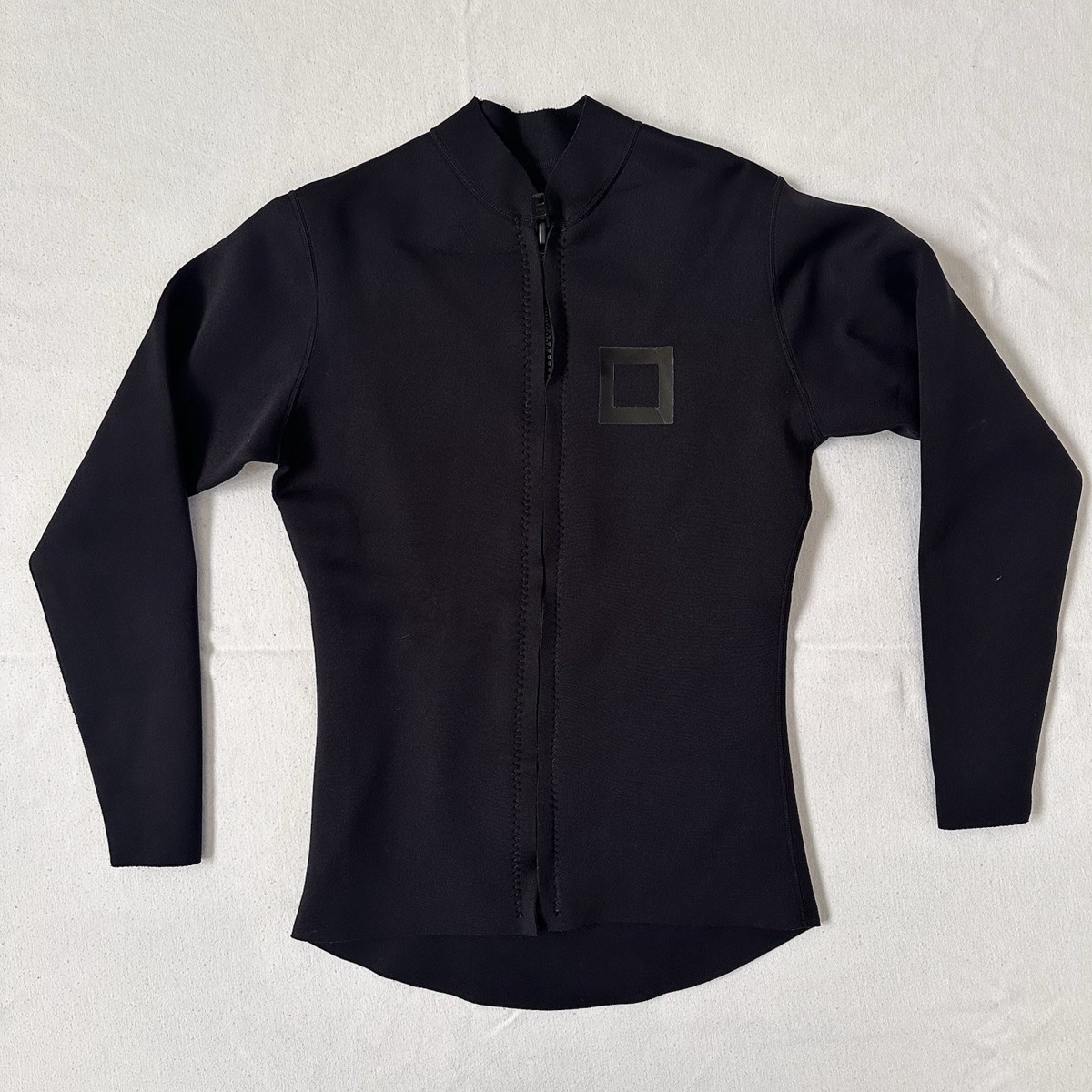 Surf Squared Men Wetsuit Jacket 2mm Front Zip Black Neoprene Medium$30.00
 View on eBay
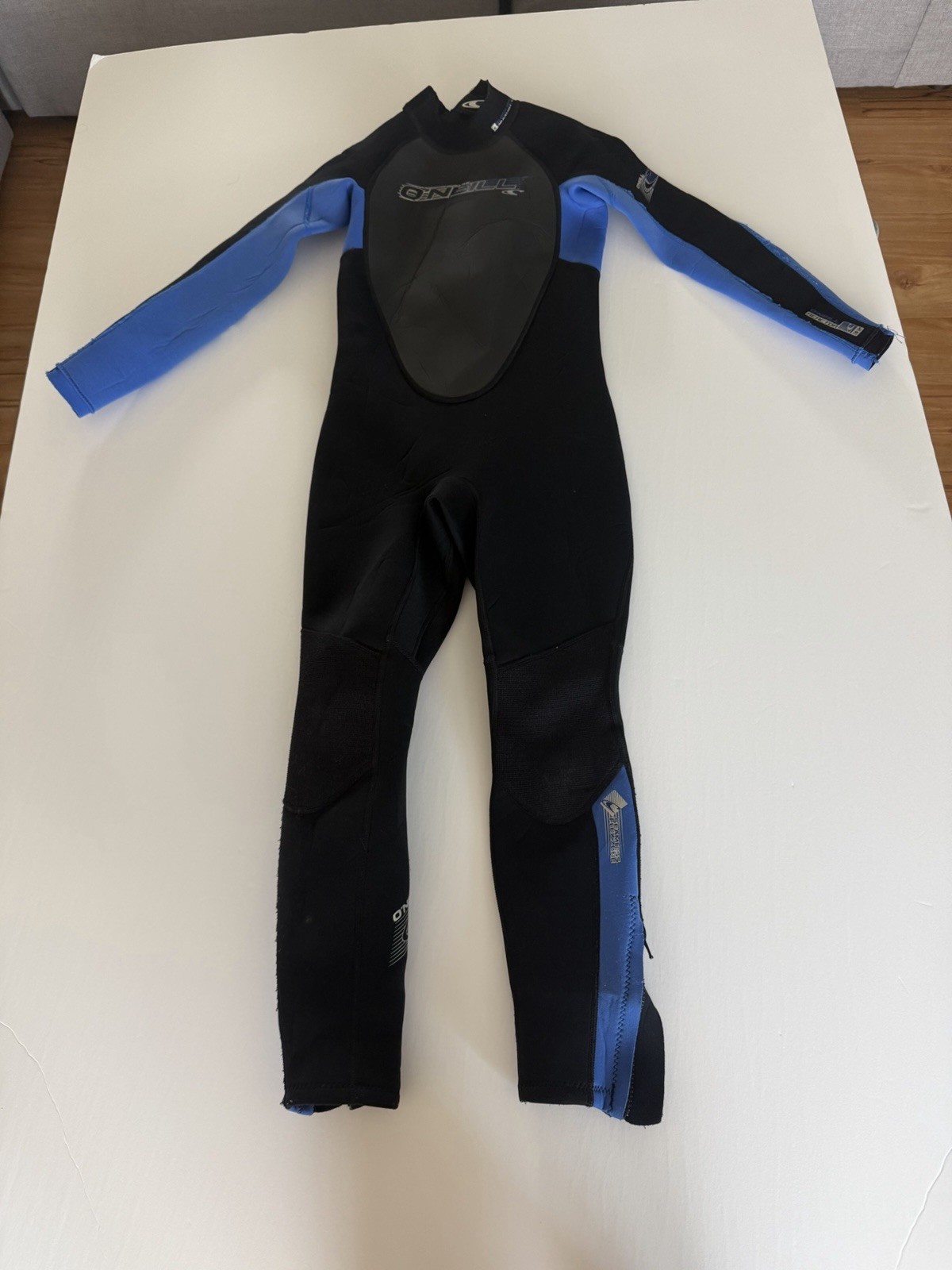 O’Neill Full Wetsuit Men Size 12 Black Blue Back Zip 3/2mm Surf Dive Suit$23.77View on eBay
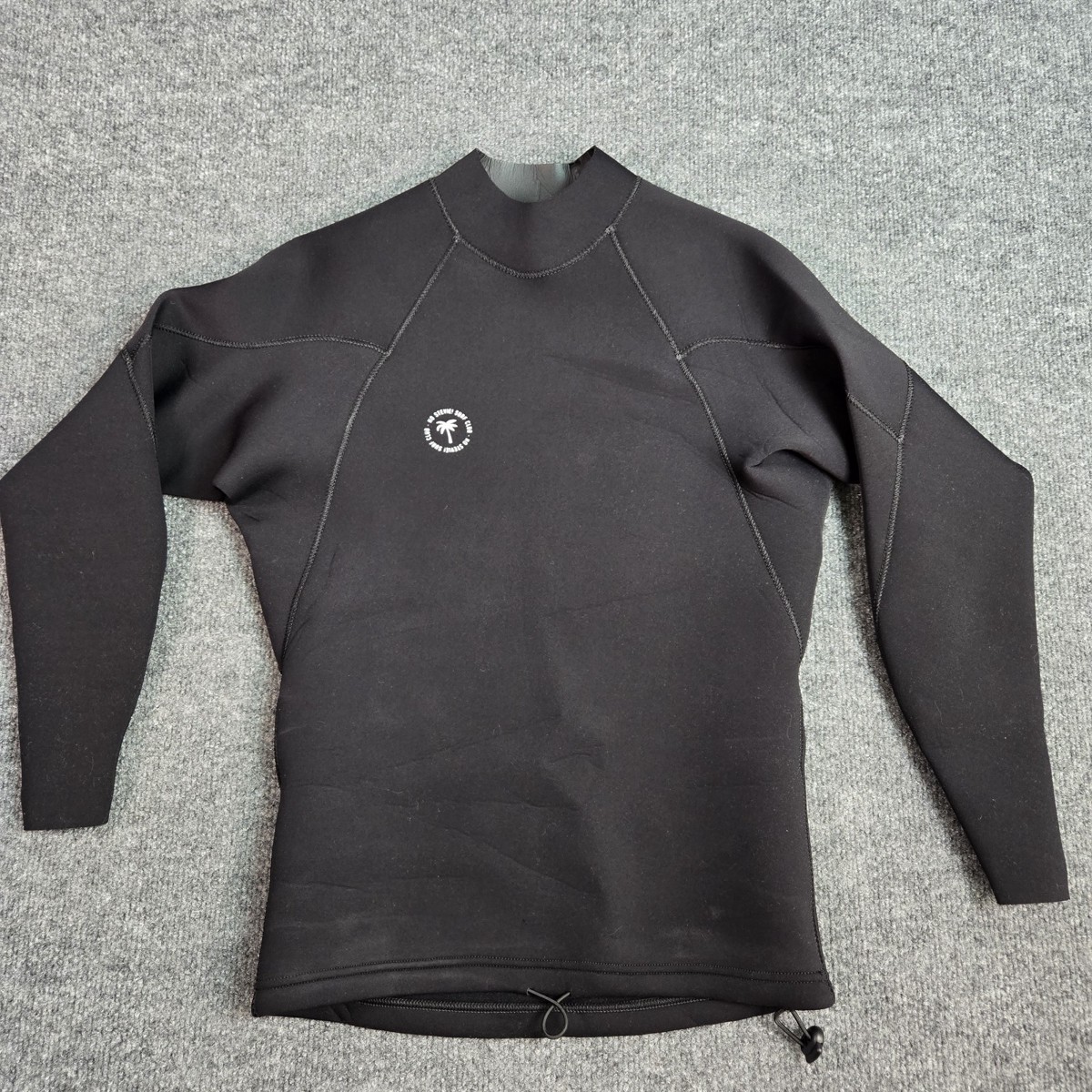 Ho Stevie 2mm Wetsuit Top Men's Black Long Sleeve Neoprene Surf Dive Zipperless$29.99View on eBay
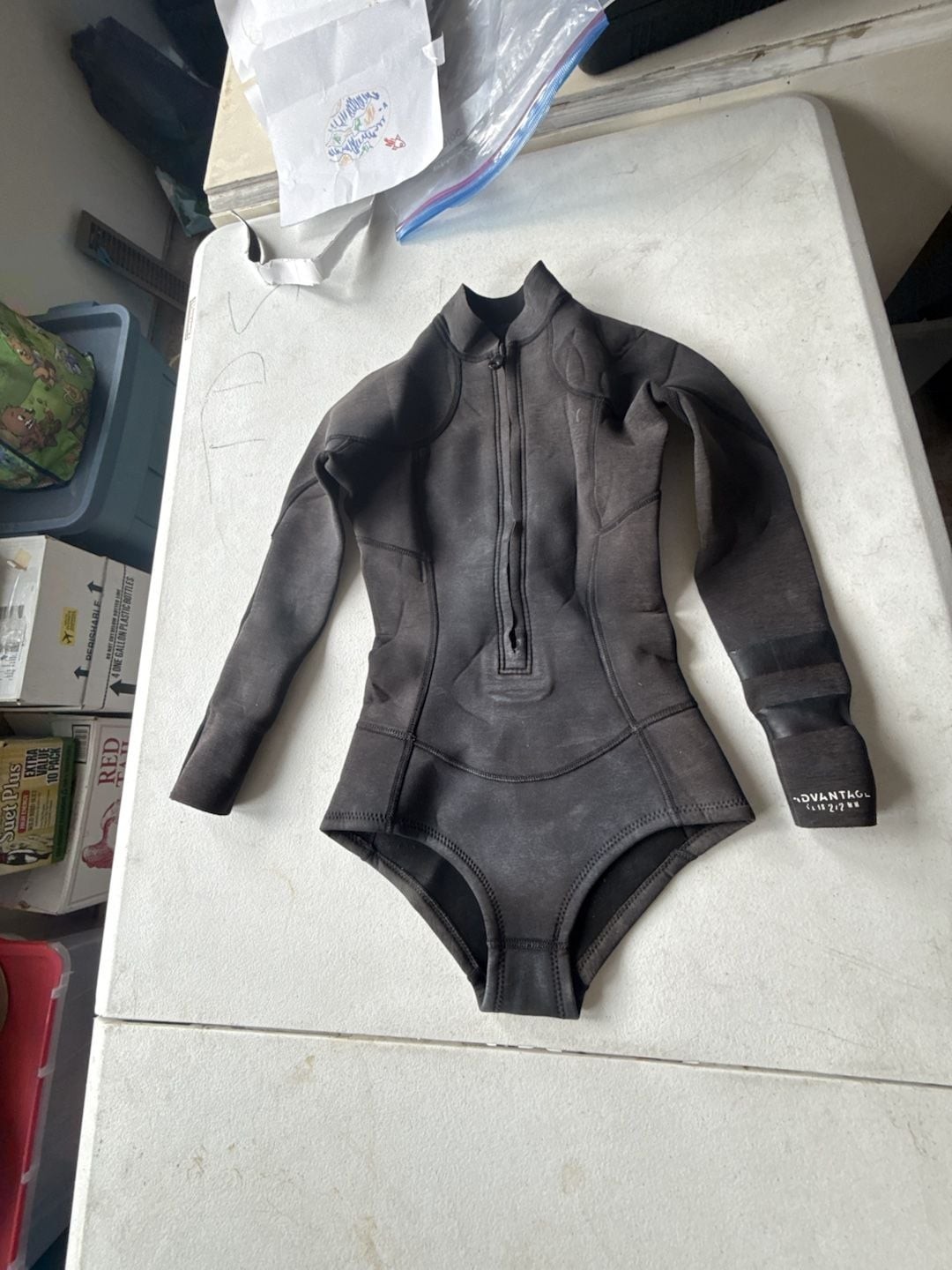 Hurley Advantage 2/2mm Long Sleeve Surf Springsuit Wetsuit$50.00View on eBay
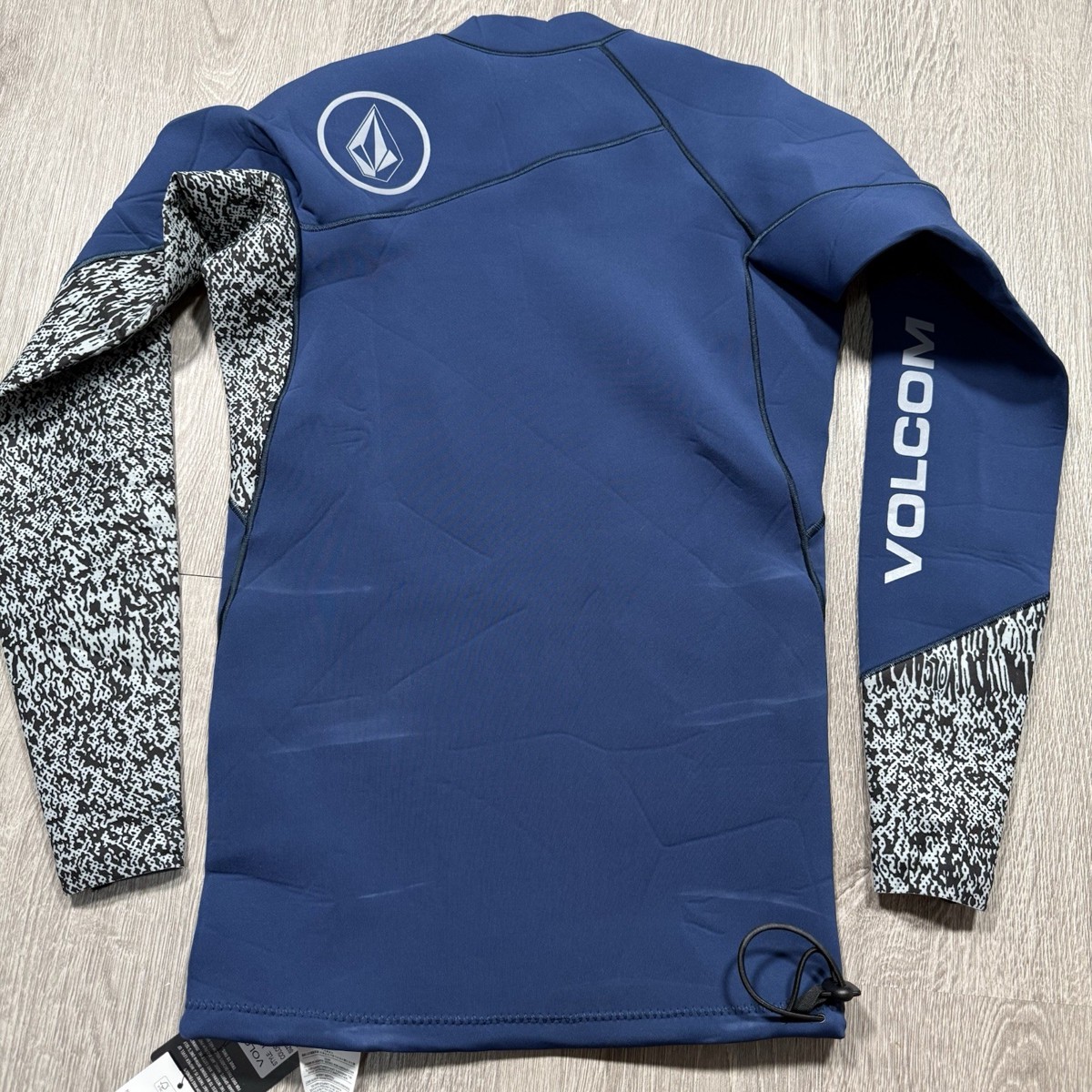 Volcom Stone Revo 1.5mm Wetsuit Top Jacket Mens Medium Pullover Neoprene Surf$67.46View on eBay
Highlights
- Neoprene thickness of 1.5mm or 2mm defines the jacket class—2mm suits 18–22°C water, 1.5mm suits 22°C and above; thicker jackets restrict paddling.
- Seam construction decides durability: flatlock stitching is flexible but leaky; glued-and-blindstitched (GBS) seams are warmer and stronger for cooler sessions.
- Zip architecture splits into front chest zip (easier entry, flush-prone) and zipperless pullover (max stretch, harder on/off); back-zip jackets are rare in this tier.
- Long-sleeve jackets extend sun and abrasion coverage; short-sleeve or sleeveless tops trade warmth for maximum shoulder mobility in tropical surf.
Best use cases
- Best fit: 2mm long-sleeve front-zip jacket for 18–22°C water and windy morning sessions—pair with boardshorts or layer under a 3/2 full suit for spring/fall.
- Best fit: 1.5mm zipperless pullover for 22°C+ tropical water where paddle freedom and sun protection matter more than warmth.
- Wrong fit: buying a 2mm jacket as standalone cold-water (below 17°C) protection—it lacks the thermal mass and sealed seams of a full 4/3 suit.
- Wrong fit: choosing a back-zip full wetsuit when you only need a jacket layer—full suits restrict shoulders more and cost thermal flexibility in warm water.
Buying tips
- Match thickness to water temperature: 1.5mm for 22°C+, 2mm for 18–22°C; below 18°C use a full suit, not a jacket.
- Prioritize GBS (glued-and-blindstitched) seams over flatlock for any session below 21°C—GBS reduces flush and extends jacket life.
- Size by chest and waist circumference, not label: a size 12 women's or Medium men's jacket should match your chest measurement within 2–3 cm for a snug, non-binding fit.
- Choose a front chest zip for easy entry and a neck seal that sits flush; pick zipperless only if you have a flexible shoulder rotation and want maximum stretch.
Specs
| Thickness | 1.5mm / 2mm neoprene |
|---|---|
| Seam Construction | Flatlock vs GBS (glued-blindstitched) |
| Zip Style | Front chest zip / zipperless pullover |
| Sleeve Length | Long sleeve / short sleeve |
Related searches
What to check before buying
- Measure chest and waist with a tape—compare to the brand's size chart, as wetsuit sizing runs 1–2 sizes smaller than streetwear.
- Confirm water temperature at your break: below 18°C demands a full suit; 18–22°C suits a 2mm jacket; 22°C+ suits 1.5mm or a rash guard.
- Check that the jacket's neck, wrist, and waist seals sit flush without gaping—flush is warmth; gaps cause flushing and cold.
- Verify you have boardshorts or a swimsuit that won't bunch under the jacket hem, and sunscreen for exposed neck and face.
FAQ
Data sources: eBay / Amazon listings and product attribute feeds Data updated Nov 18, 2026.
Some links on this page are affiliate links. If you buy after clicking one, we may earn a commission at no extra cost to you. This does not change which products appear here or their order. Affiliate disclosure.