BBQ Thermometers & Controllers
Wireless Meat Thermometer
Compare current listings and seller terms before buying.
Trail Gear Advisor
Compare outdoor gear by use case, features, trade-offs, price, returns, and seller terms before you buy.
Compare current listings and seller terms before buying.
Compare current listings and seller terms before buying.
Compare current listings and seller terms before buying.
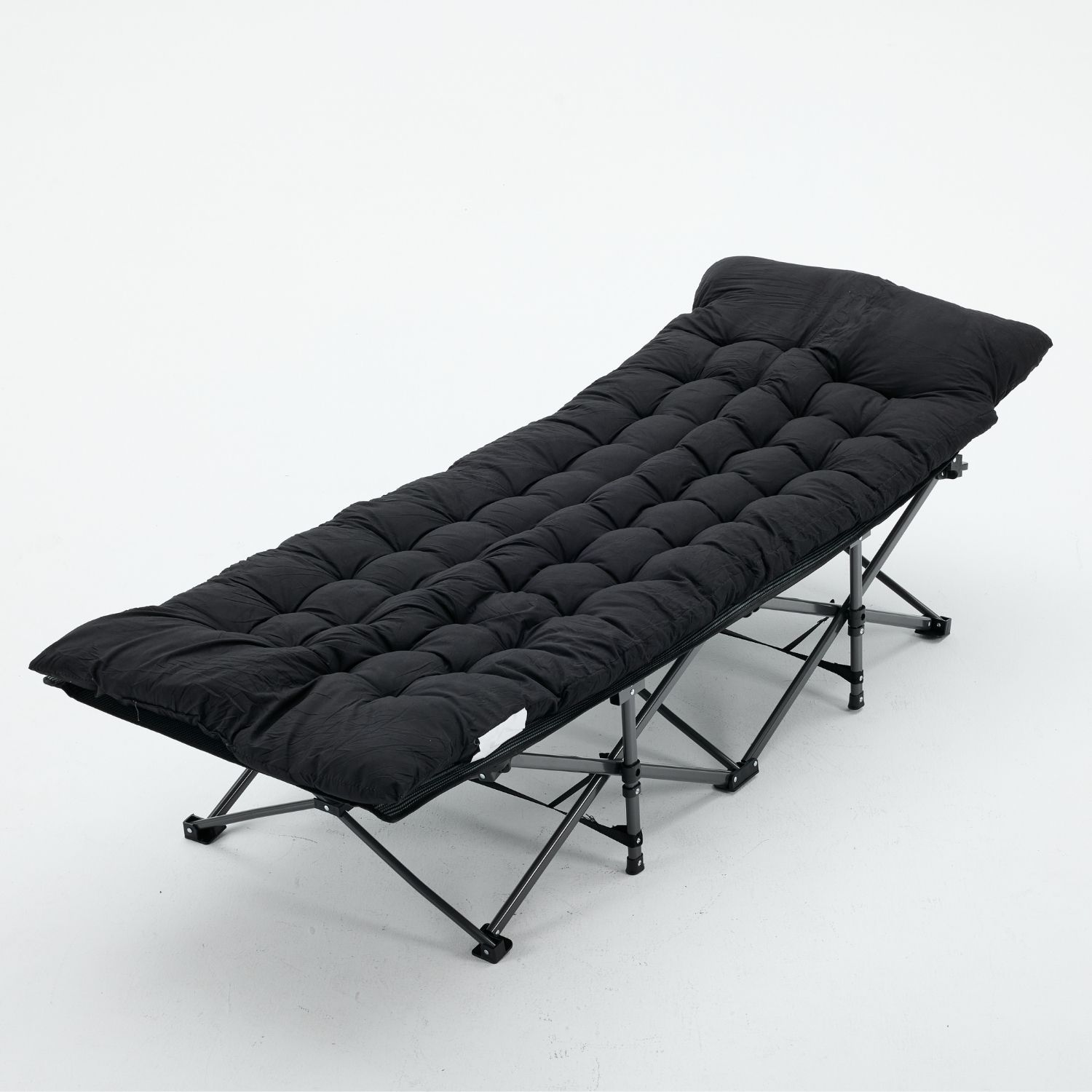
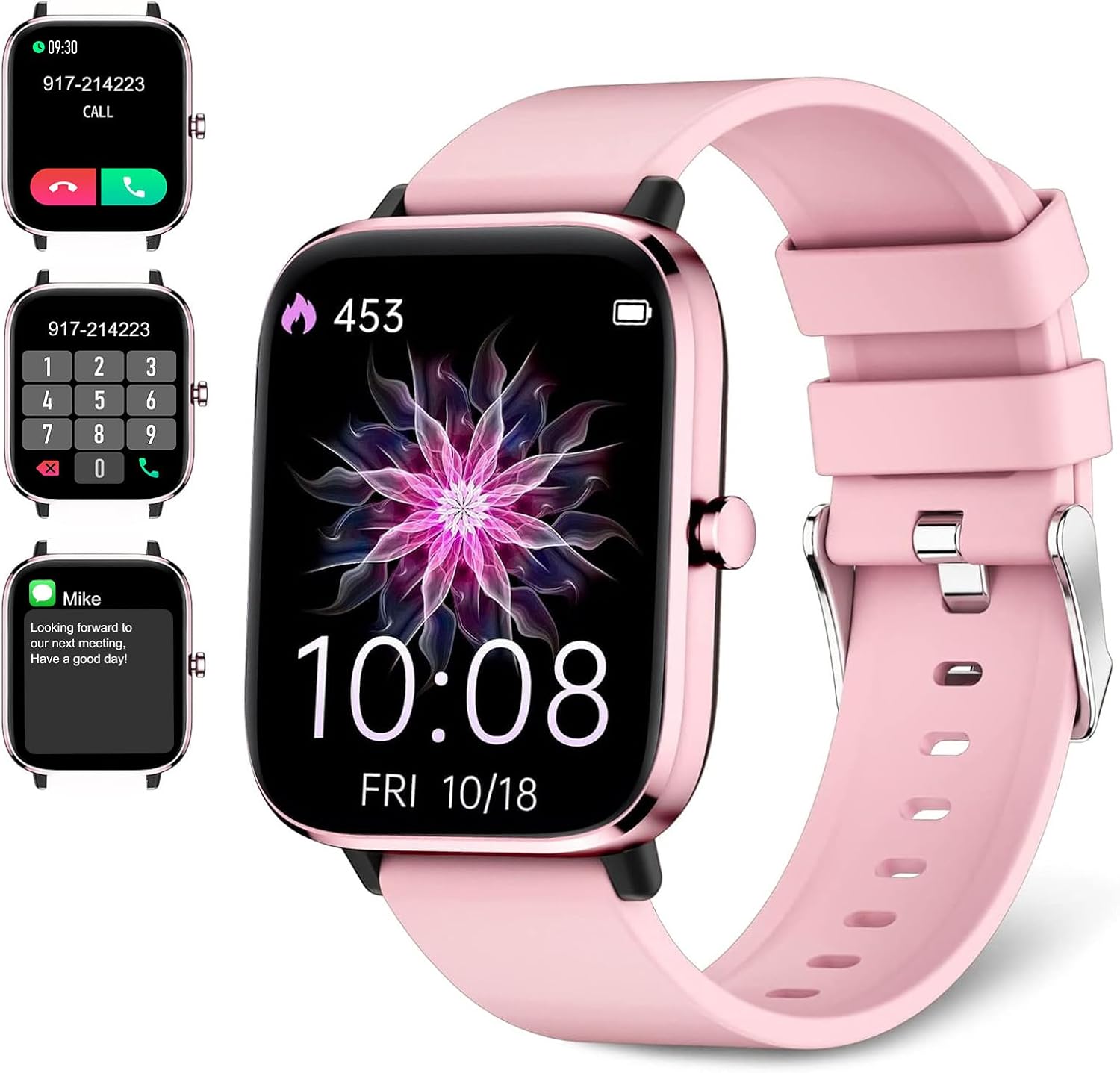
A smartwatch is a wrist-worn computer whose value splits into two camps: notification/health-tracking lifestyle models and GPS/performance sports watches. The core trade-off is sensor accuracy and build sealing versus screen/battery specs. Decide by ecosystem OS (watchOS vs Wear OS vs Garmin/RTOS) and required water rating, not by feature-list length.
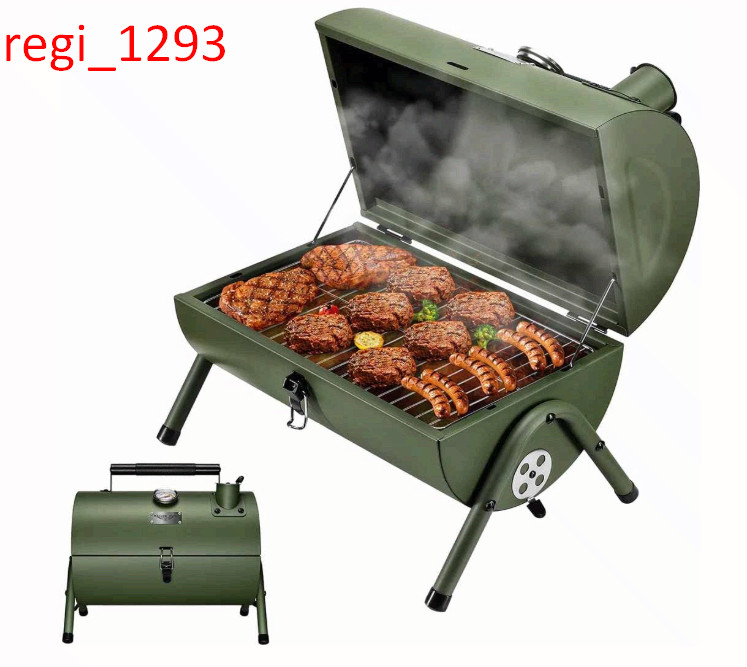
Small charcoal grills are portable, tabletop or compact freestanding cookers typically sized 13–18 inches, where the core trade-off is enameled steel affordability versus ceramic or thick-gauge steel heat retention and longevity. The decision rule: pick enameled steel for occasional tailgating and car camping, but step up to ceramic or 2 mm+ steel if you grill weekly and need decade-grade durability.
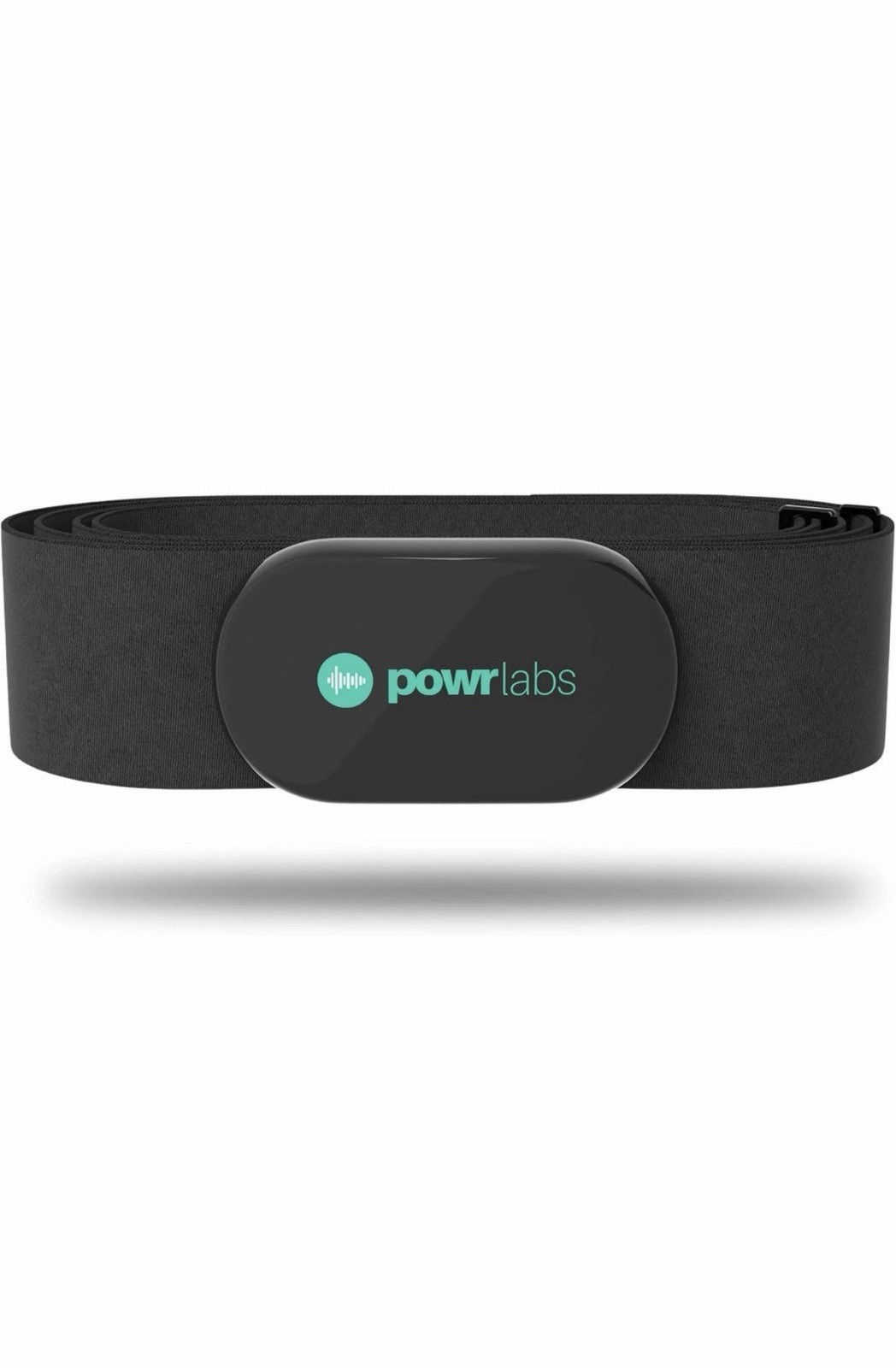
A heart rate monitor is a wearable sensor that streams real-time beats-per-minute to a watch, phone, or gym console; the core trade-off is optical (wrist/armband) convenience versus electrical (chest strap) accuracy and battery life. Durable setups use dual ANT+ and Bluetooth LE radios, replaceable coin cells, and ECG-grade chest electrodes, while compromises rely on single-protocol optical sensors with sealed batteries.
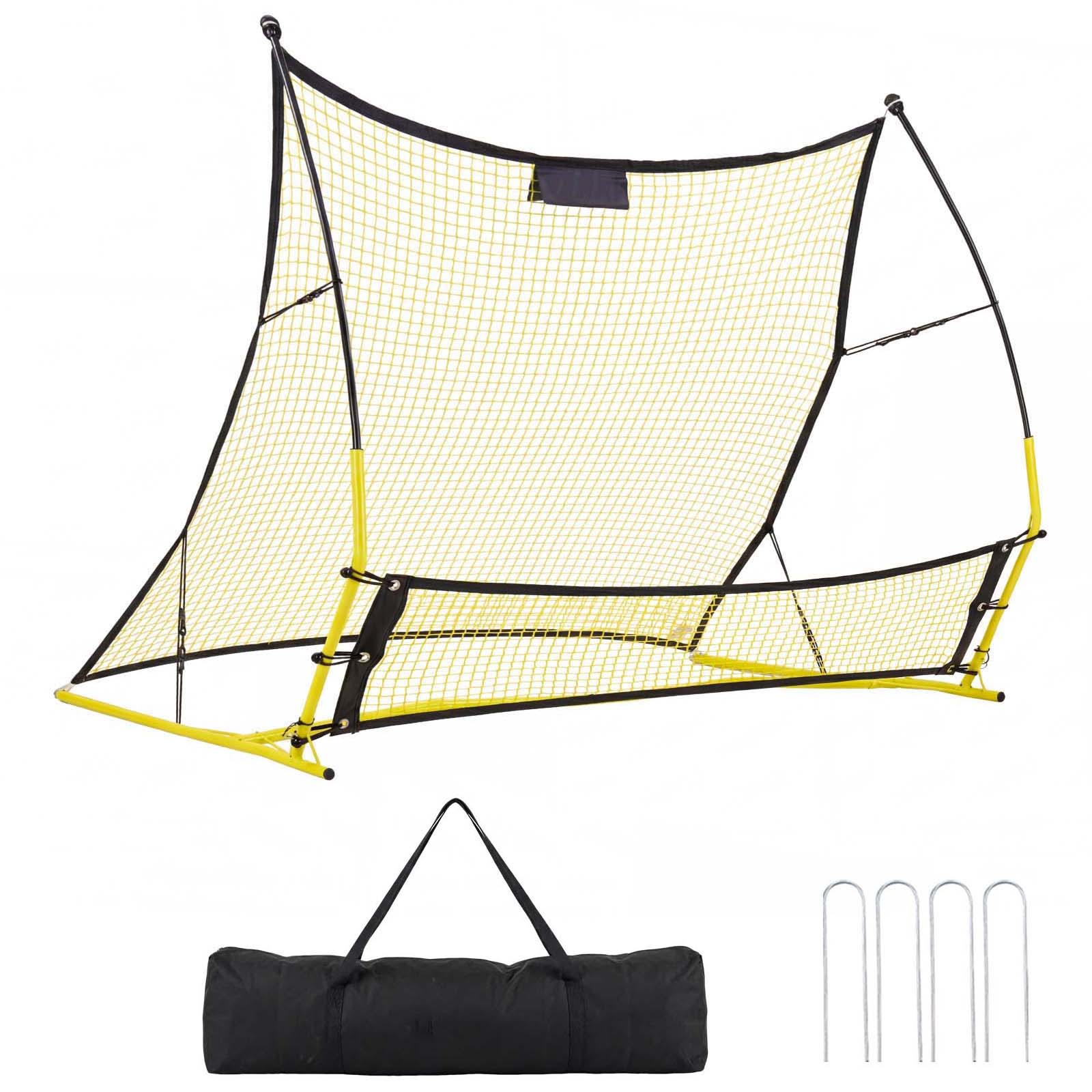
Soccer equipment spans training aids (rebounders, goals, agility kits) and match gear, where the core trade-off is frame durability and rebound consistency versus portability and cost. Cheap plastic or thin-gauge frames wobble and crack under repeated ball impact, while iron or fiberglass poles with UV-stabilized PE nets hold shape through seasons of use. The decision rule: buy rebounders with at least 1-inch iron or fiberglass poles and replaceable PE nets; skip HDPE boards under 1/2-inch thickness for high-power shooting.
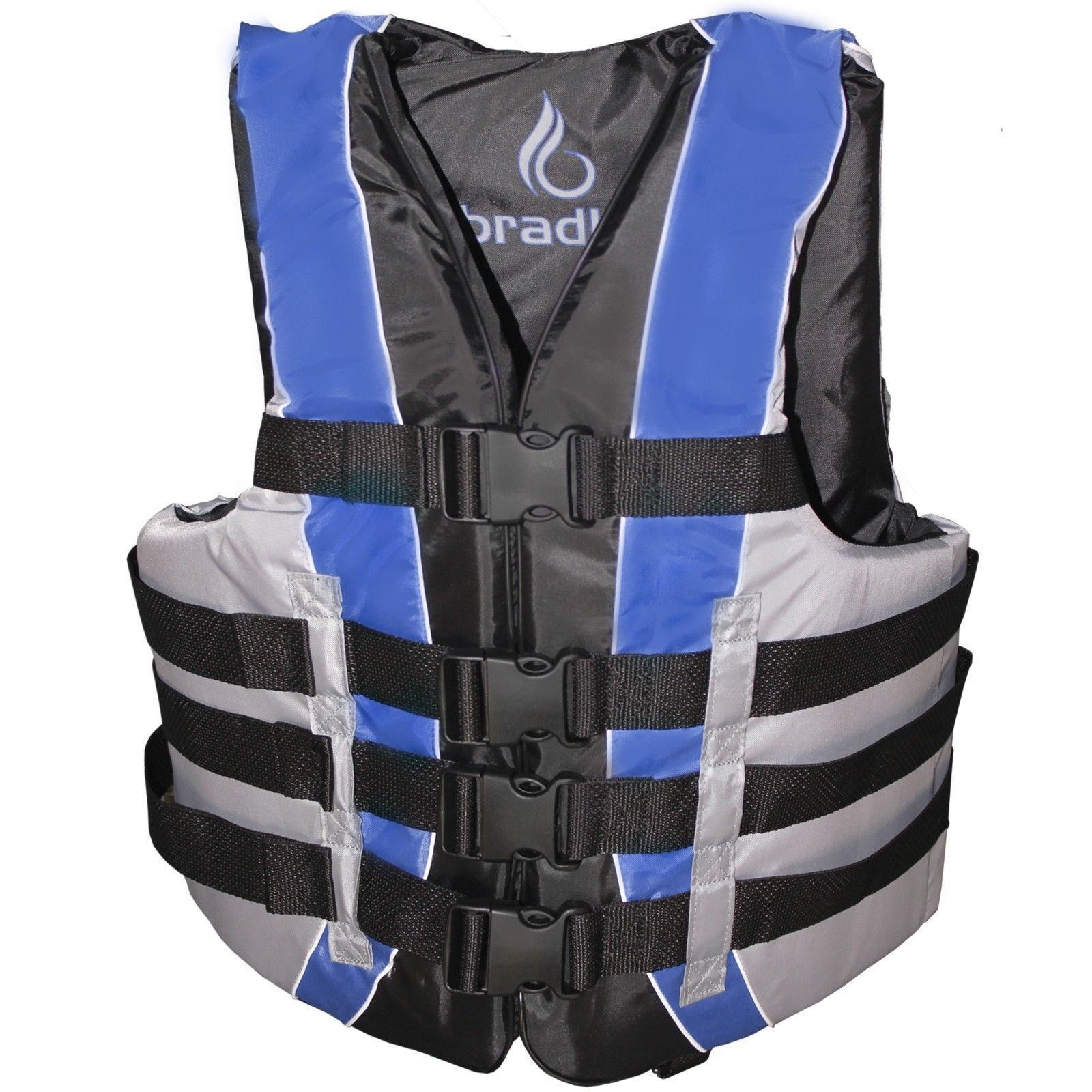
A life vest (PFD) is a flotation device that keeps your airway clear in the water; the core decision is inherent foam buoyancy vs. inflatable wearability, balanced against USCG approval type and intended use. Inherent foam vests deliver reliable, no-maintenance flotation while inflatables offer low-profile comfort but require a charged CO2 cylinder and regular inspection. Buy a USCG-approved Type III foam vest for active paddling, or a Type V inflatable only if you will maintain the cylinder and rearm kit.
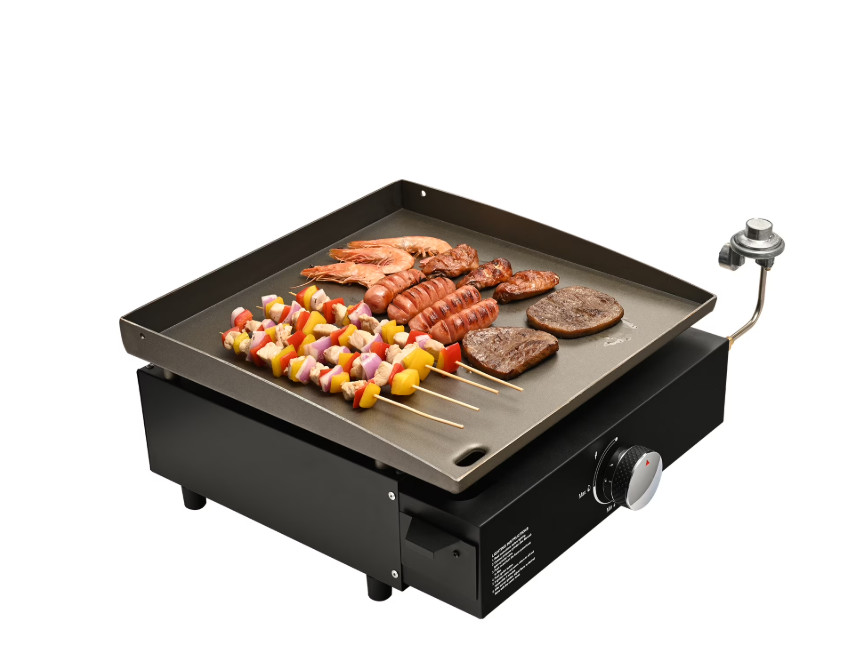
A propane flat grill (flat top griddle) uses a wide, thick steel cooking plate over one or more gas burners to deliver high-heat searing and even short-order cooking. The core trade-off is plate mass and burner count versus portability: thicker rolled steel holds heat and recovers faster, while thin stamped plates and low burner counts struggle under load. Choose by plate thickness and total BTU per square inch, not by cart size or brand labels.
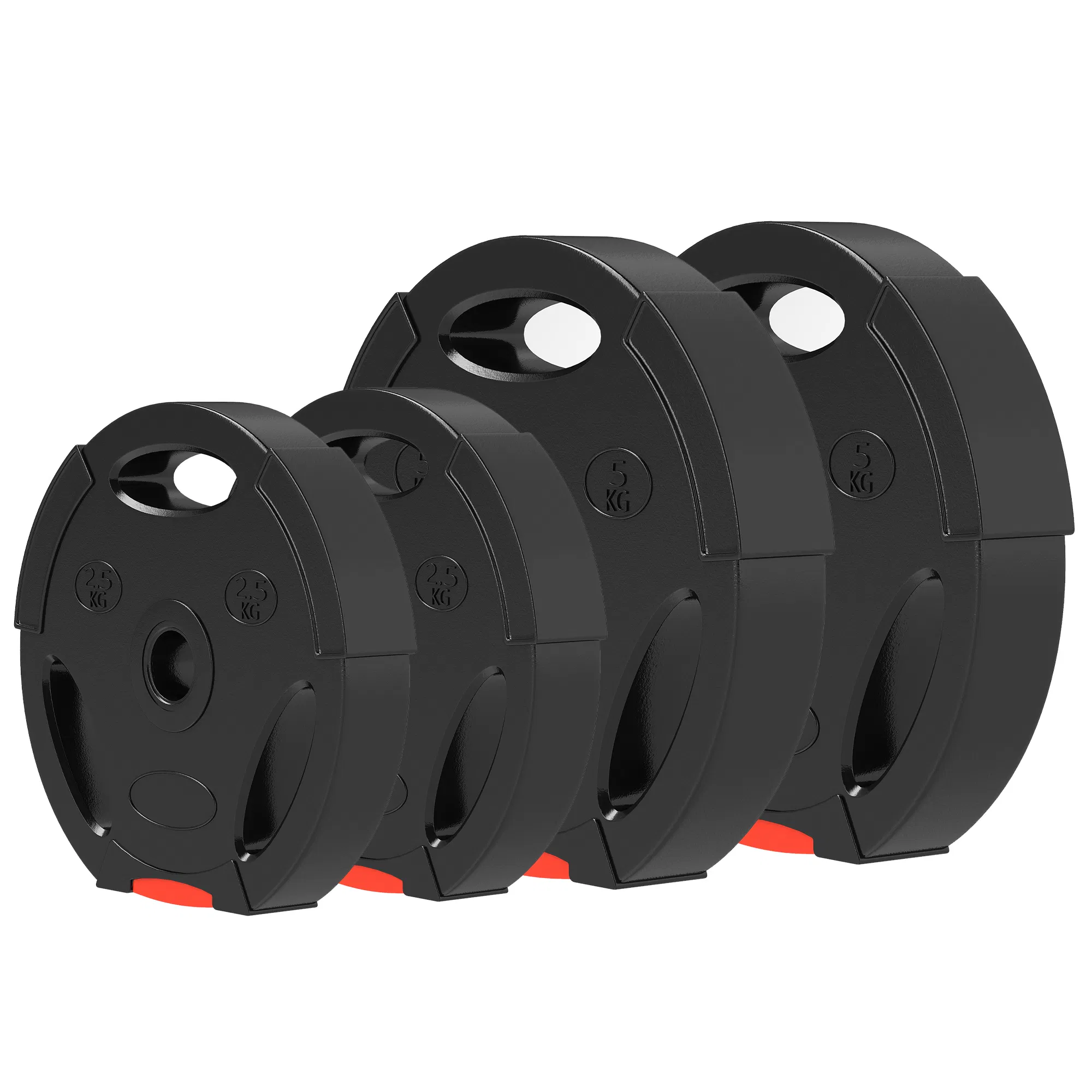
Weight plates are the load modules that turn bars, dumbbells, and machines into progressive resistance tools. The decisive trade-off is sleeve diameter and plate construction: 1-inch standard plates suit budget adjustable dumbbells, while 2-inch Olympic plates handle heavy compound lifts with proper load distribution. Buy Olympic for barbell training, standard for compact adjustable sets, and rubber-coated bumpers whenever the bar will be dropped.
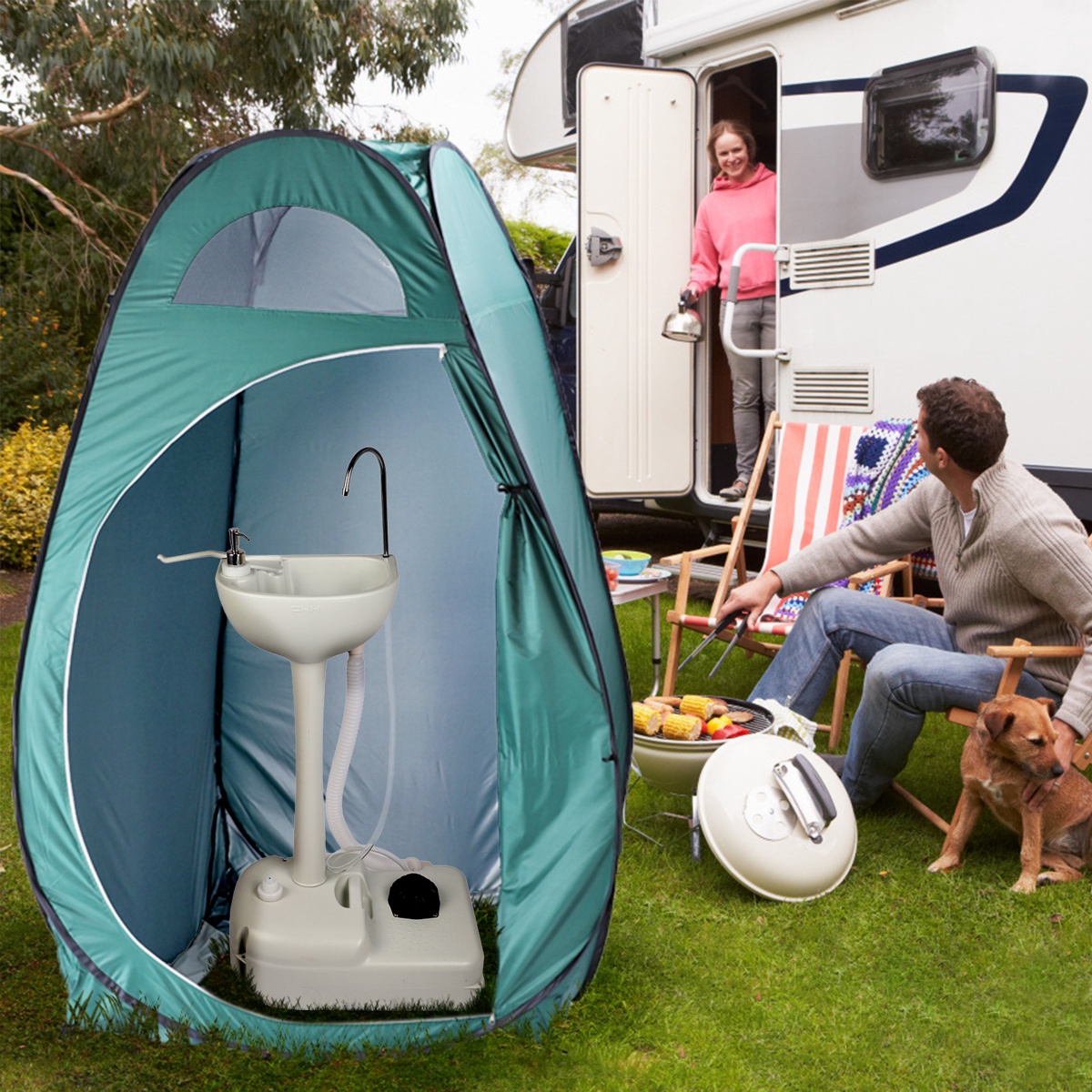
A tent with room (multi-room tent) divides interior space with an internal divider wall, creating separate sleeping and living/gear zones. The core trade-off is between cabin-style vertical walls (roomy but heavy, poor in wind) and dome/tunnel geometry (stronger, less liveable), plus fabric grade: 190T polyester is a light-duty privacy-shelter spec while 150D+ Oxford with blackout/silver coating and taped seams is the durable camping standard. Decision rule: buy multi-room only when the divider is a sewn-in or zippered fabric wall and the fly is a full-coverage rainfly with taped seams; skip tents where '2 room' means a curtain panel or an open gear loft.
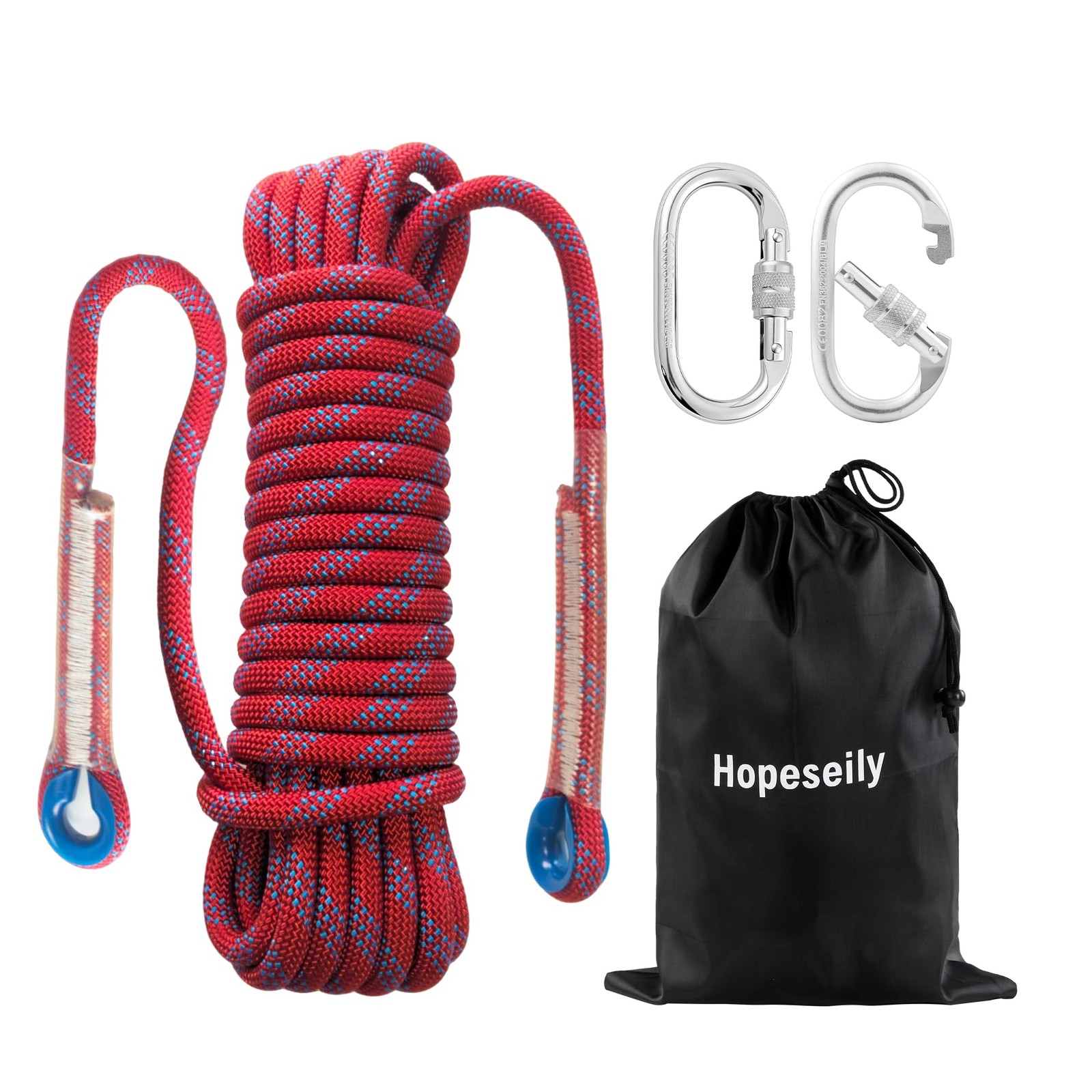
Arborist rope is a purpose-built lifeline and rigging line for tree climbing, rigging, and aerial work, where the core trade-off is static strength and abrasion resistance versus handling and knotability. The decisive split is between double-braid polyester climbing lines (low stretch, splicable, 11–13 mm) and hollow-braid or twisted rigging lines for load hauling. Buy certified double-braid for life-safety climbing; treat generic braided cord as rigging-only unless it carries a known tensile rating and consistent diameter.
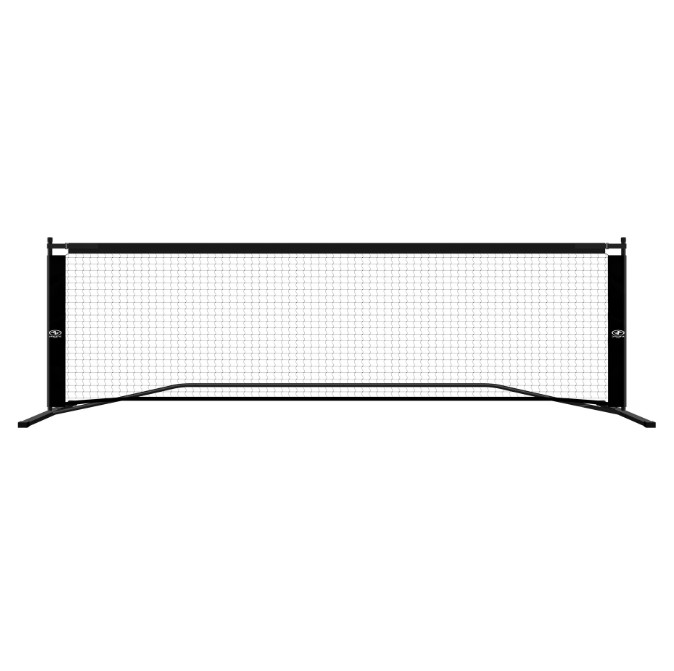
A pickleball court for home use is defined by the net system you deploy—full-court 22-foot regulation width versus half-court 10–11-foot practice width—and the frame/wind stability that keeps play legal outdoors. The core trade-off is portability (lightweight interlocking steel, carry bag) versus permanence (welded/sand-weighted frames, in-ground sleeves, windscreens). The decision rule: buy a full-court 22-ft net with a weighted or sleeved base for real matches, and a half-court 10–11-ft net only for solo/small-space drills.
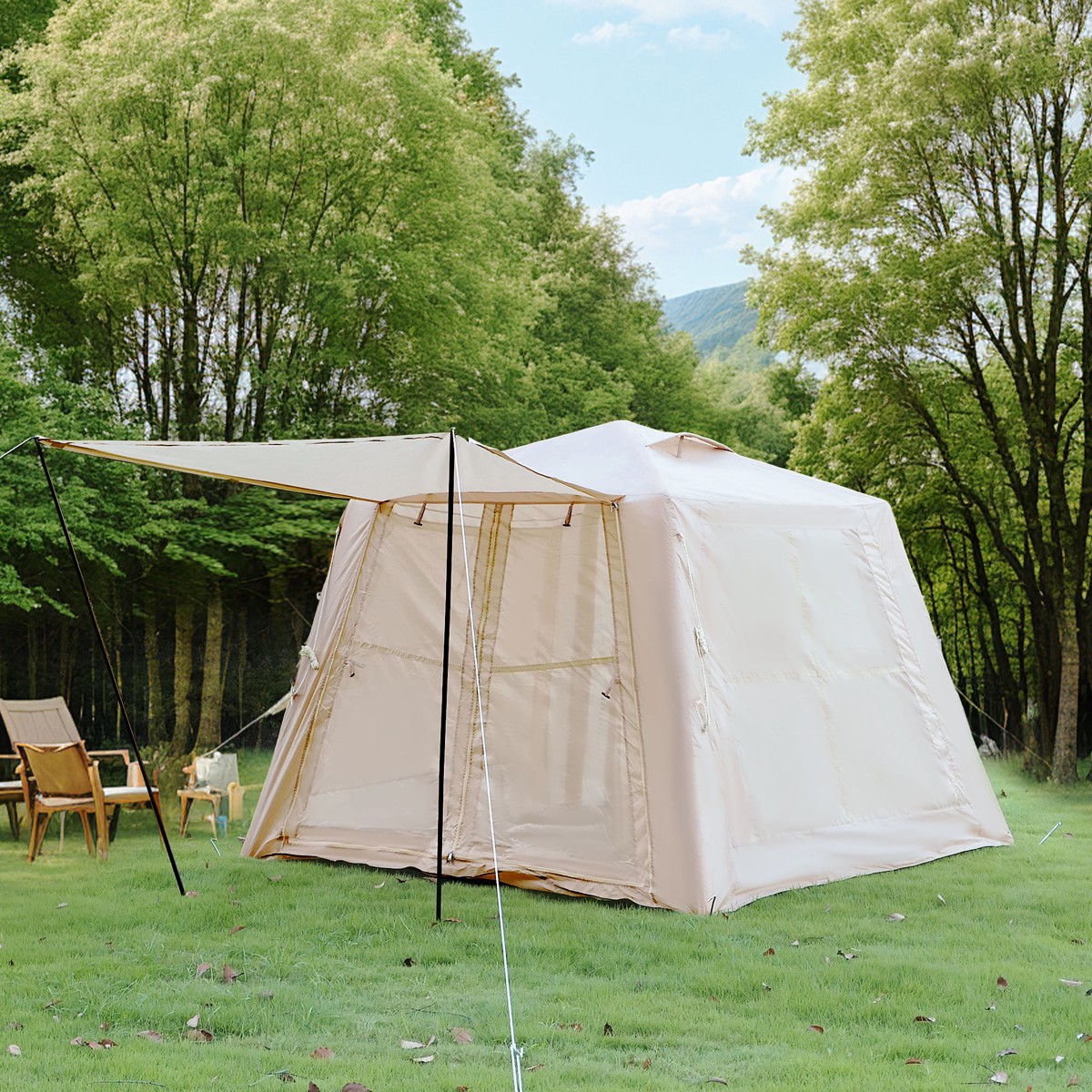
Air tents replace fiberglass or aluminum poles with inflatable TPU or PVC air beams pumped to roughly 7-12 PSI, trading a small weight and pack-size penalty for far faster pitching and better wind flex. The core trade-off is air-beam tube diameter and fabric denier versus packed weight, pump quality, and valve durability. Buy an air tent only if you pitch repeatedly and value 5-10 minute setup; choose a poled tent if you need bomber snow-load strength or the lightest possible pack.
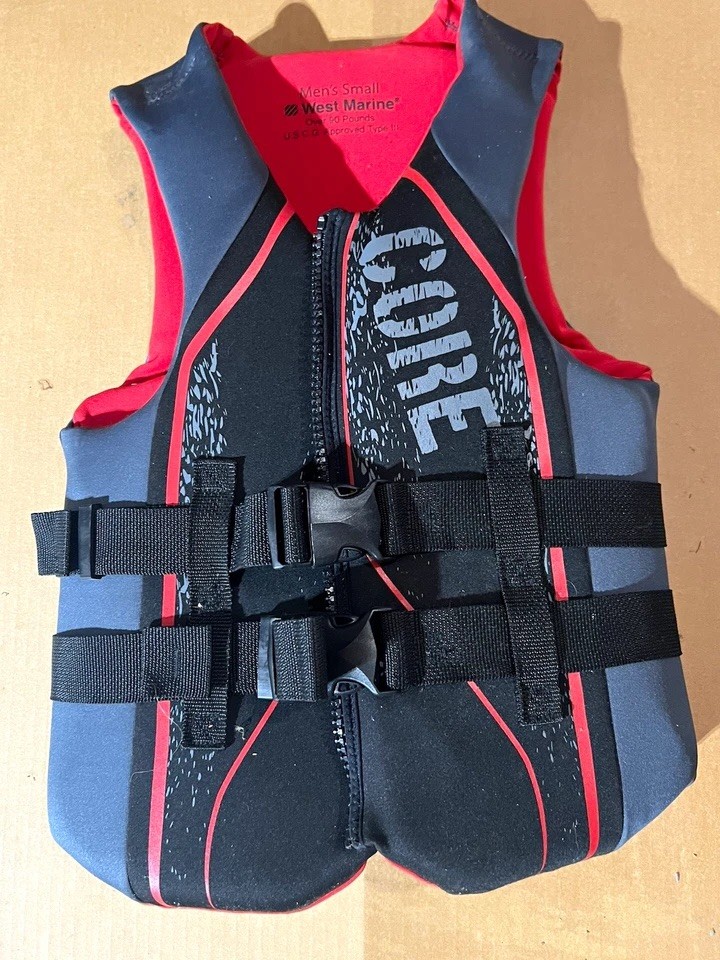
A life jacket (PFD) is a flotation device that keeps your airway clear in the water, and the core trade-off is foam bulk versus inflatable slimness—foam always floats passively, while inflatables stay compact but depend on a CO2 cylinder and trigger. For kayaking, buy a USCG Type III foam vest with a snug, ride-up-resistant fit; inflatables are for open-water boaters who will not swim aggressively and can service the cylinder.
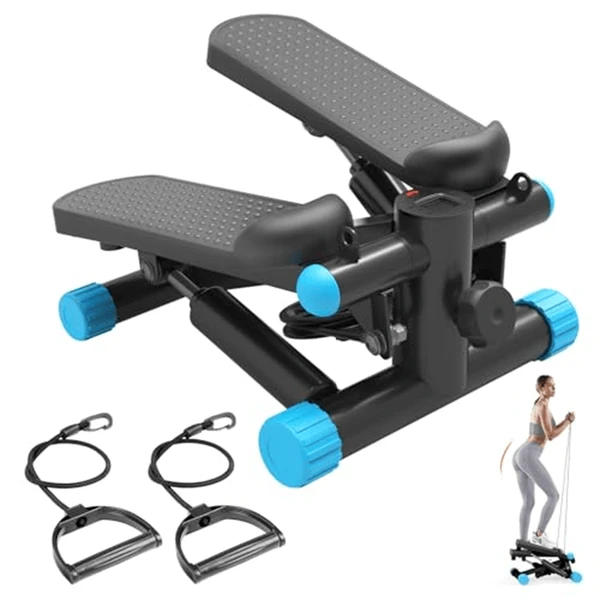
Stepper machines are compact cardio tools that simulate stair climbing or lateral stepping using either hydraulic cylinders or a belt-and-pulley resistance system. The core trade-off is between ultra-compact mini steppers (low step height, hydraulic resistance, limited range) and full-size vertical climbers or stair steppers (longer stroke, heavier frames, better stability at speed). Choose a hydraulic mini stepper for low-impact apartment use under a desk; choose a belt-driven or frame-stabilized vertical climber for sustained calorie burn and full-body engagement.
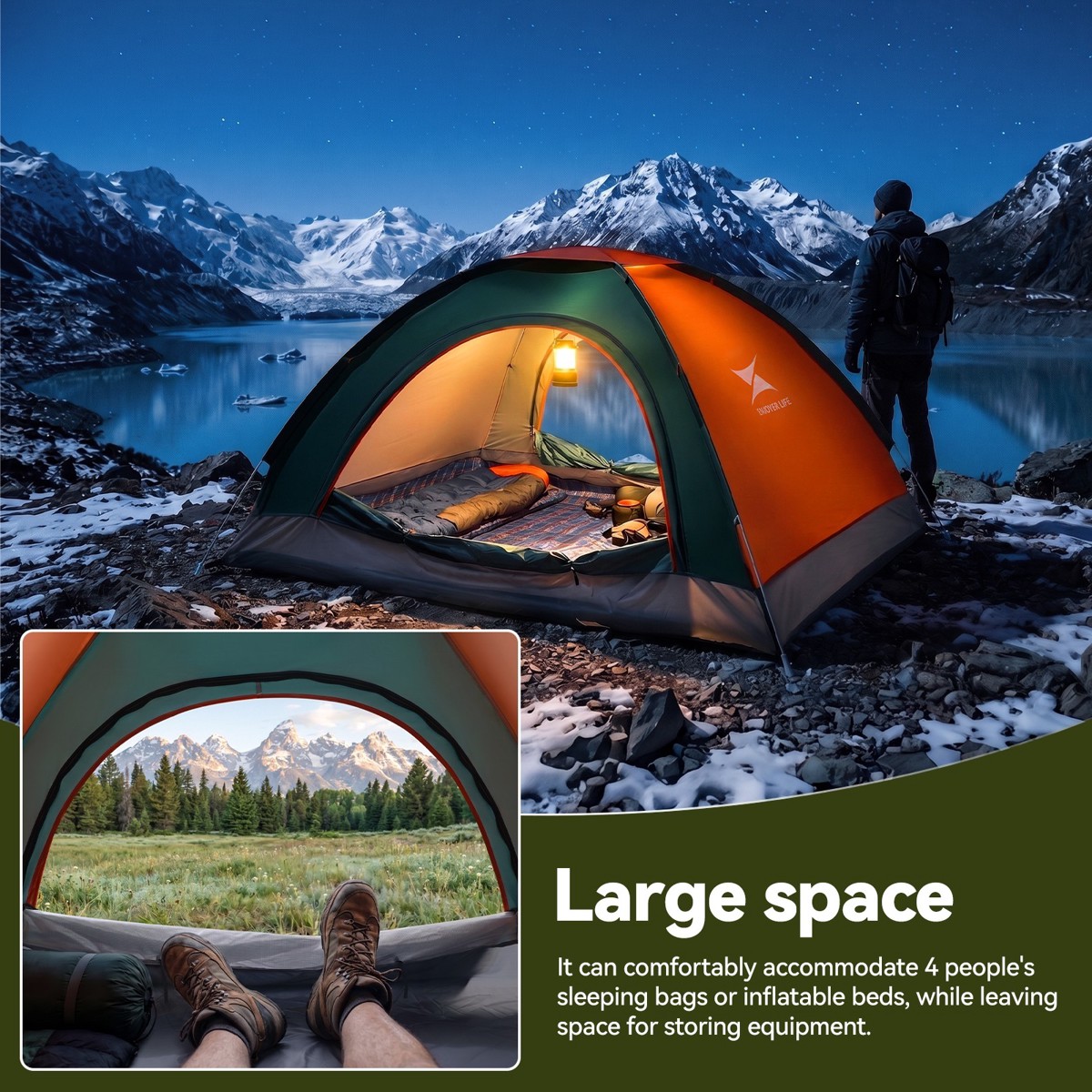
A waterproof pop-up tent is a pre-assembled instant shelter that springs into shape in seconds, using either a wire hoop or hub-and-pole frame under a coated fabric canopy. The core trade-off is hydrostatic head and pole strength versus packability: budget models use 800-1,500 mm PU-coated polyester and thin wire hoops, while durable options hit 2,000 mm+ with taped seams and fiberglass or steel hubs. The decision rule is simple: buy by hydrostatic head (2,000 mm minimum for rain) and frame material (fiberglass or steel over wire), not by the '3-second' setup claim.
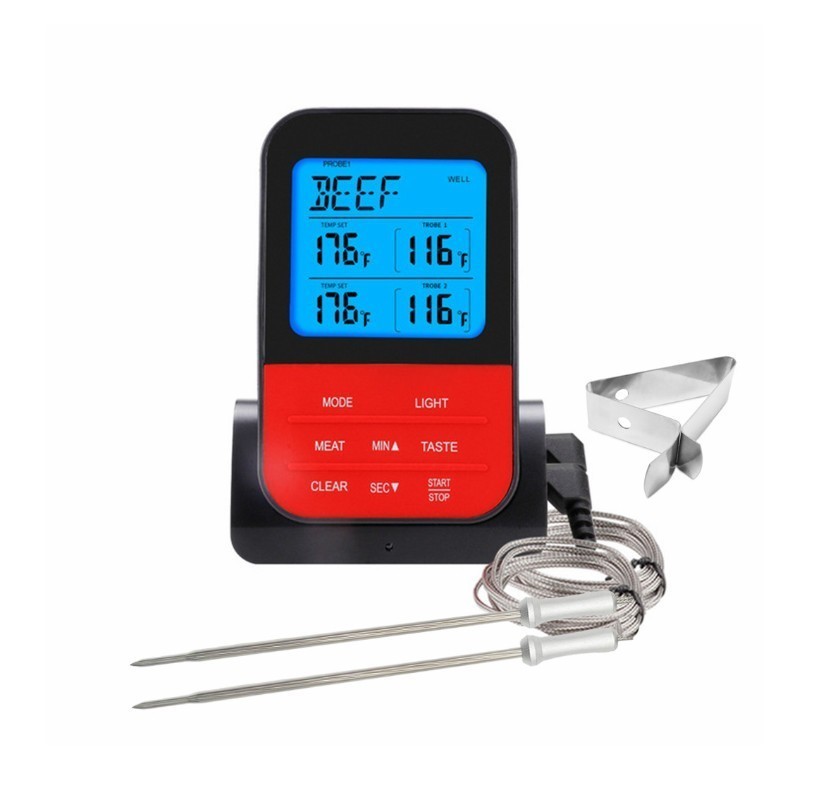
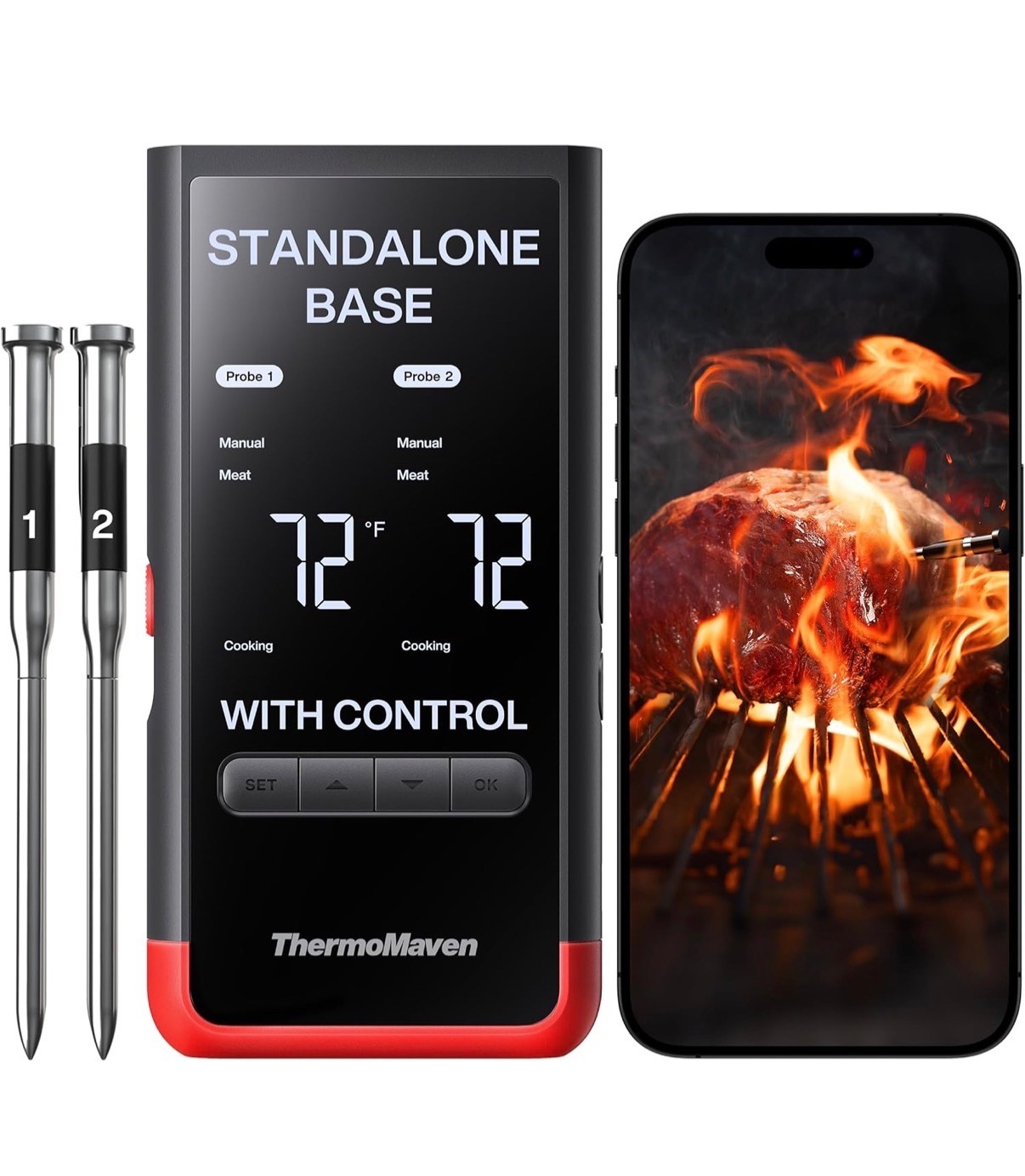
Wireless BBQ thermometers split into two architectures: a base unit with a short-range RF link to a remote display, or a fully untethered probe that transmits via Bluetooth/WiFi to your phone. The core trade-off is probe accuracy and ambient-range durability versus wireless range and app reliability; buy a unit rated to at least 572°F/300°C probe tip, IP67 or better sealing, and a documented RF range, and skip anything that lists only 'high temperature' with no numeric ceiling.
Finding more guides for you…