Photos from current listings. Actual item, color, and included accessories may vary.
Smartwatch Buying Guide
A smartwatch is a wrist-worn computer whose value splits into two camps: notification/health-tracking lifestyle models and GPS/performance sports watches. The core trade-off is sensor accuracy and build sealing versus screen/battery specs. Decide by ecosystem OS (watchOS vs Wear OS vs Garmin/RTOS) and required water rating, not by feature-list length.
Water Rating:5 ATM swim / IP68 splash-onlyDisplay Type:AMOLED vs TFT vs MIP transflectiveGPS Bands:Single-band vs dual-band L1+L5Case Material:Plastic/polycarbonate vs steel/titanium
Typical price range$19.99 – $428.00

At a glance
- Category
- Smartwatches & Fitness Wearables
- Data updated
- Nov 16, 2026
Current offers
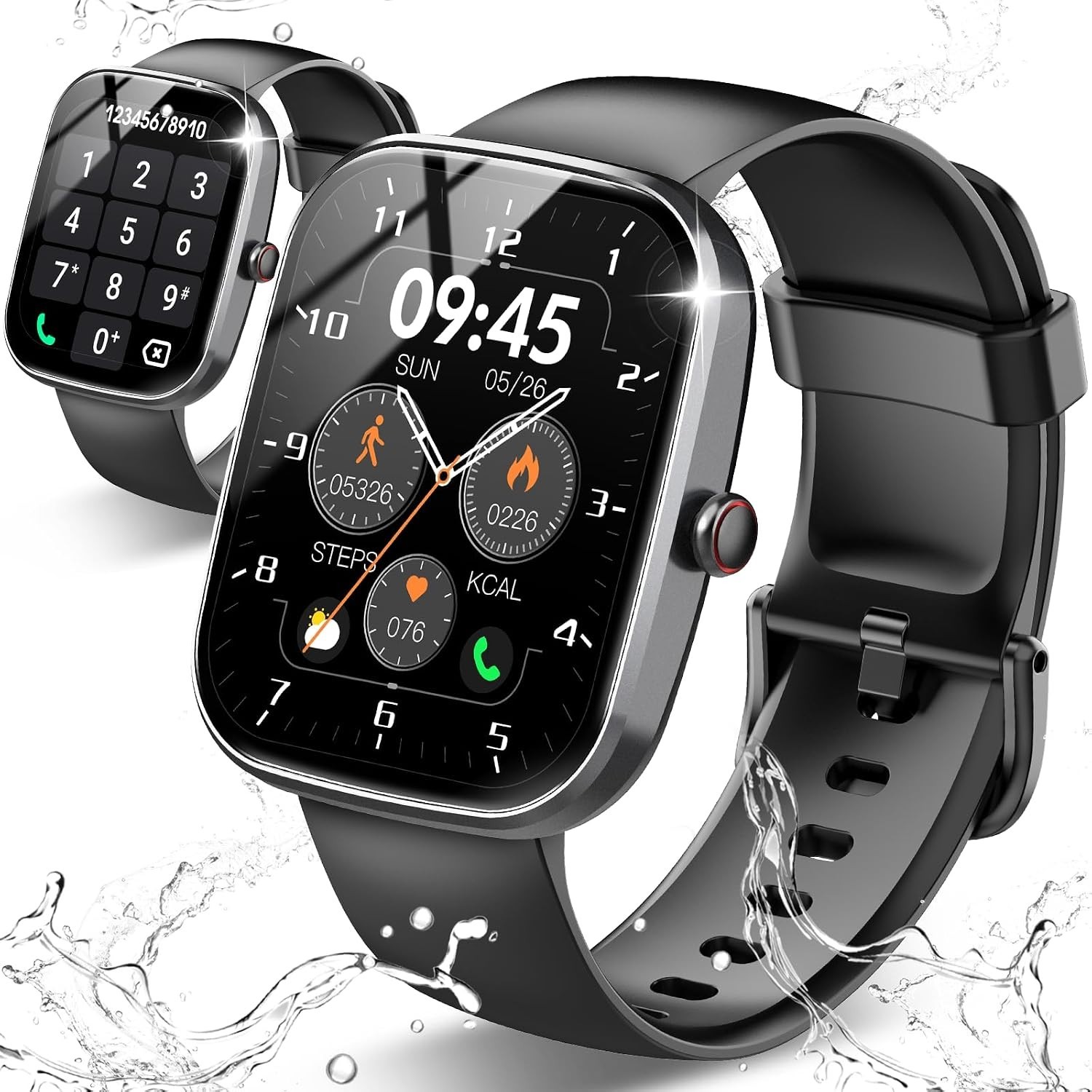 2026 Smart Watch For Men/Women, Waterproof Smartwatch Bluetooth iPhone Samsung$27.99
 View on eBay
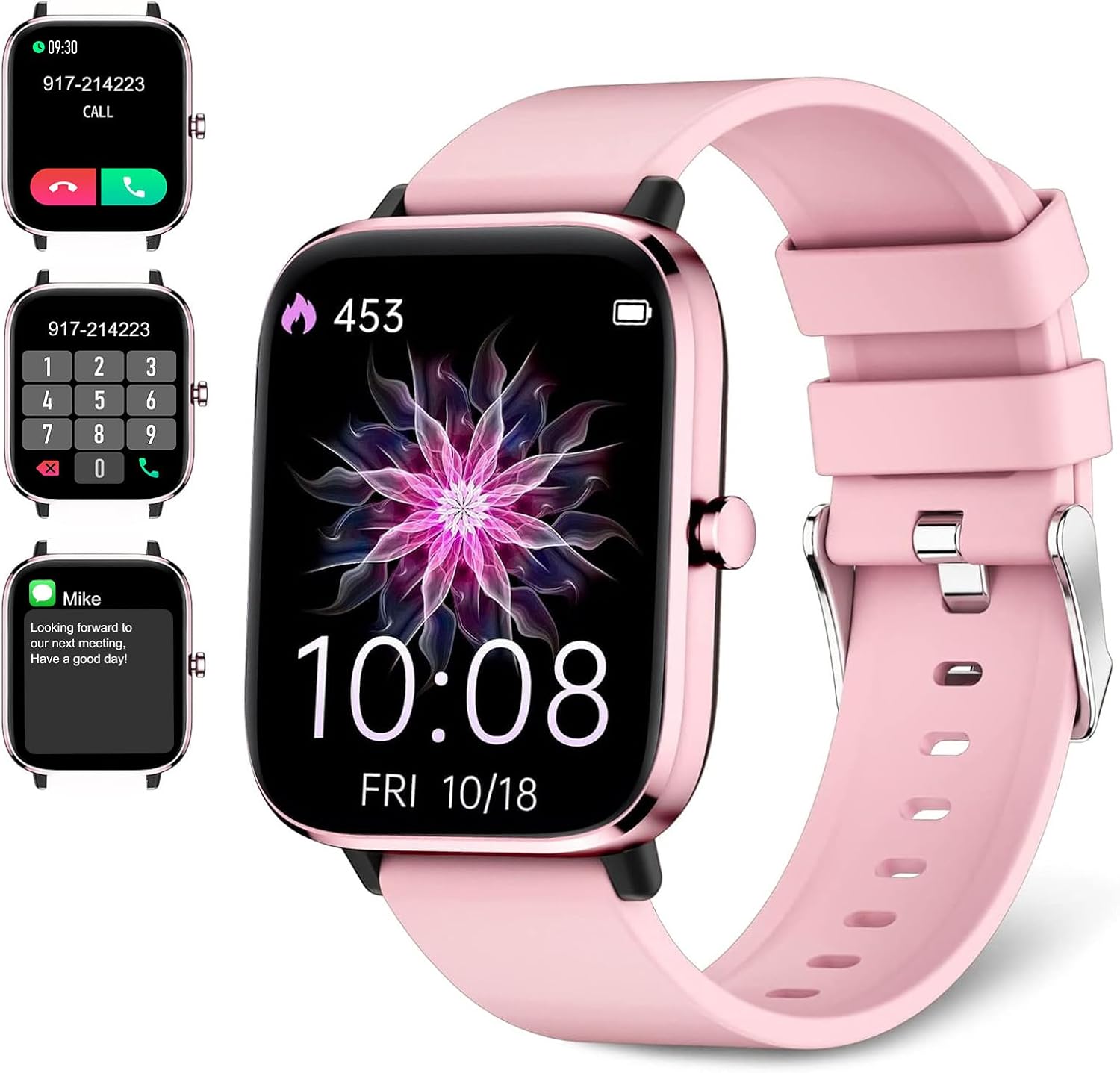 New Smartwatches Now On Sale, Featuring Message Alerts, Call Answering, Health Monitoring, Activity Tracking, Notification Reminders, And Fitness Functions.Not Waterproof$19.99
 View on Mallflare
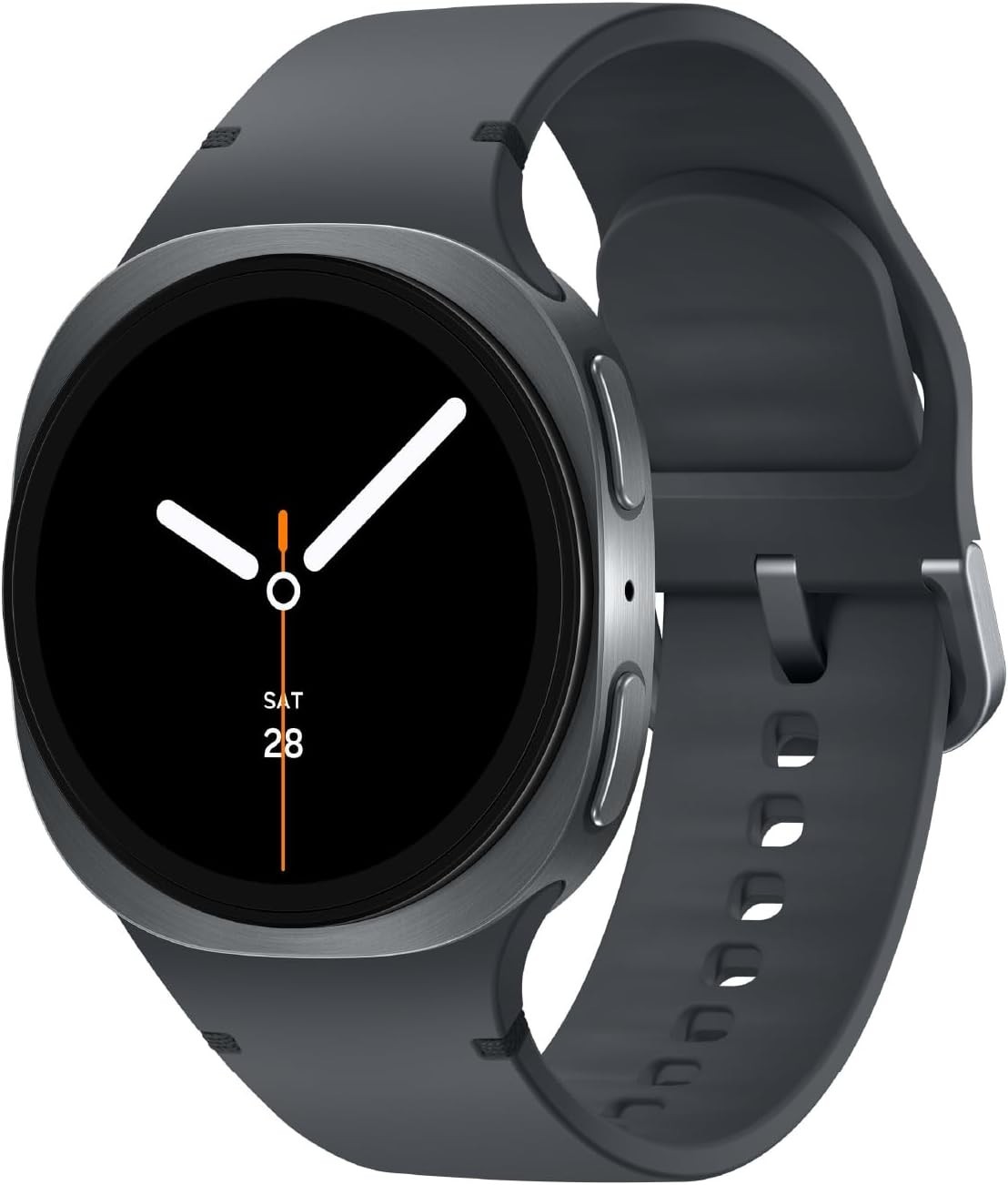 Samsung Galaxy Watch 8 LTE 40mm Unlocked Smartwatch L325U - Excellent$180.49View on eBay
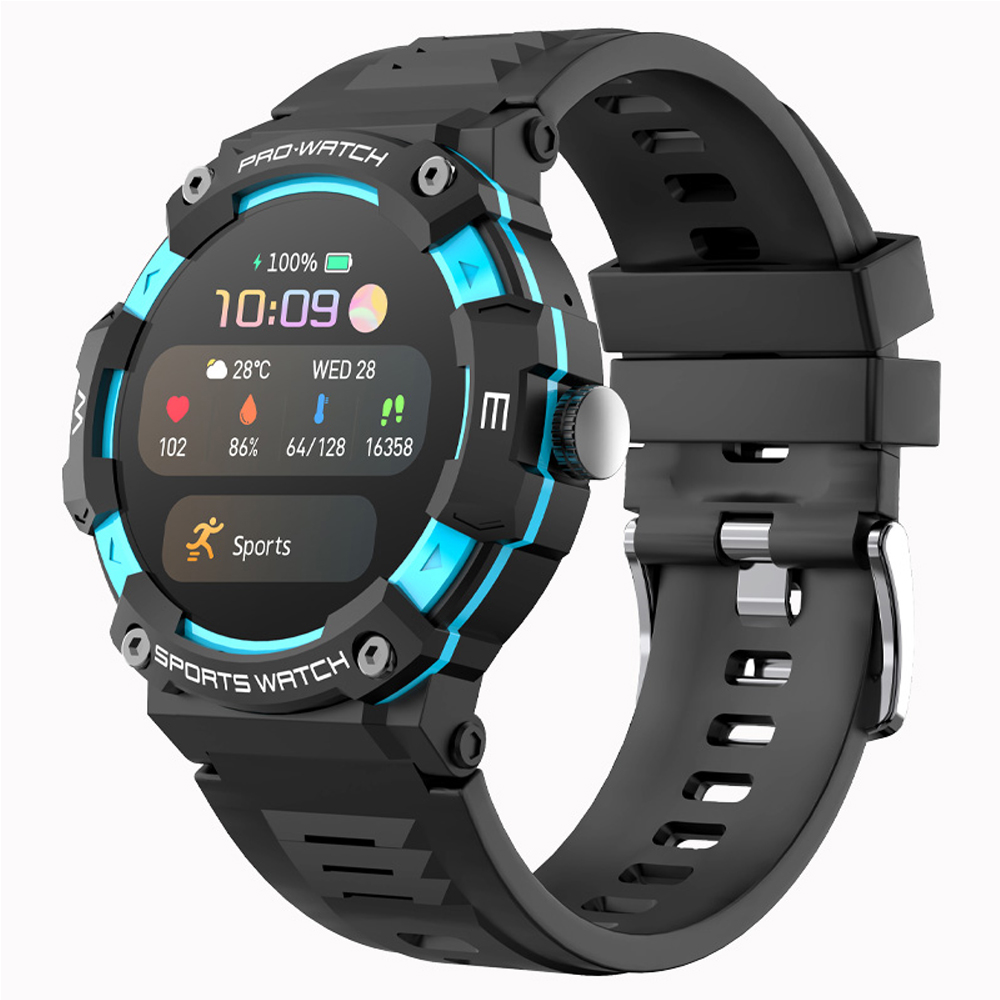 Smartwatch With GPS 1.39 Inch TFT Screen IOS Android Bluetooth 5.3,Sports LED$30.99View on Mallflare
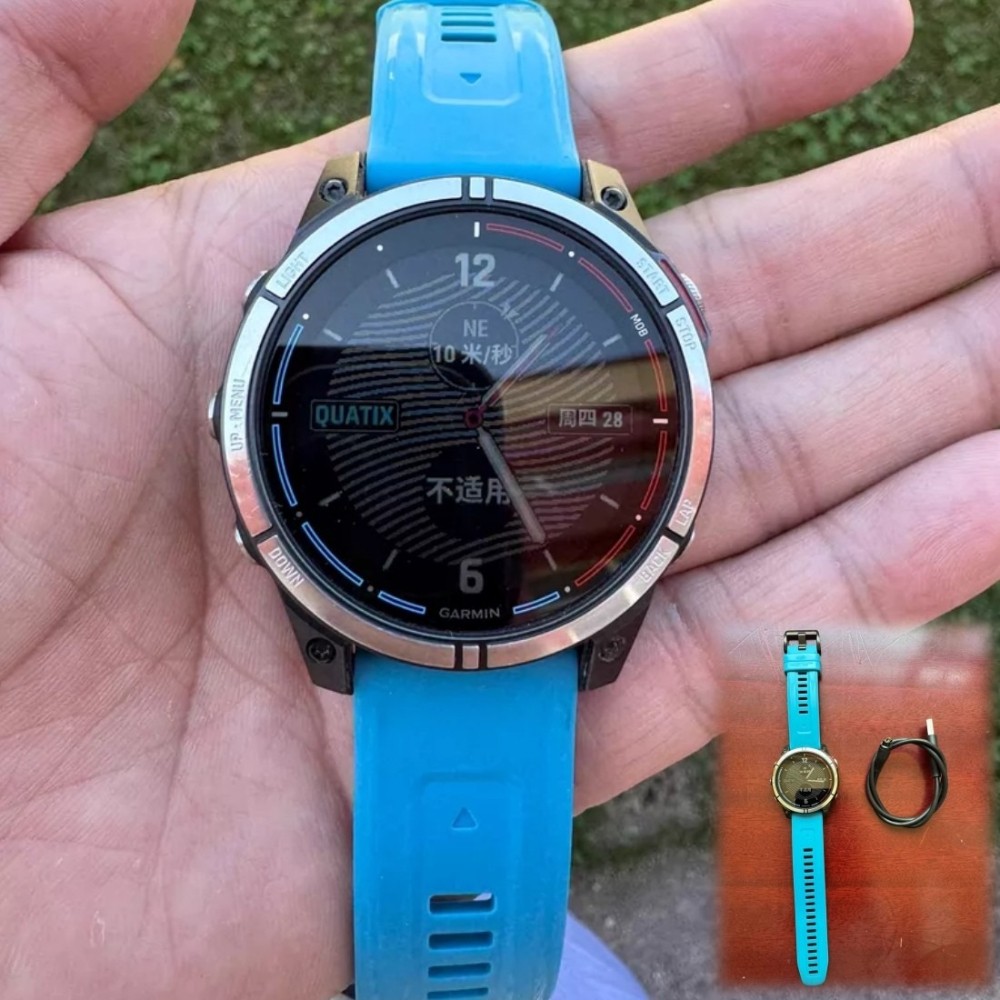 Garmin quatix 7 Standard Edition Marine GPS Smartwatch Touchscreen New$428.00Last checked Nov 16, 2026View on eBay
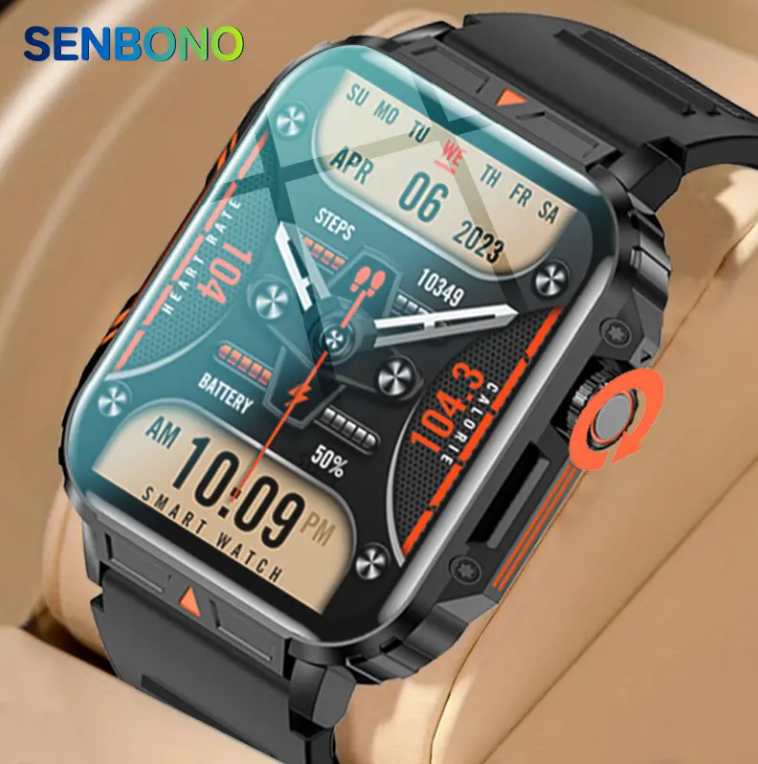 L81 Outdoor Sports Square Smartwatch Answer Call Big Battery Fitness Tracker Waterproof Men For IOS Android$41.99View on Mallflare
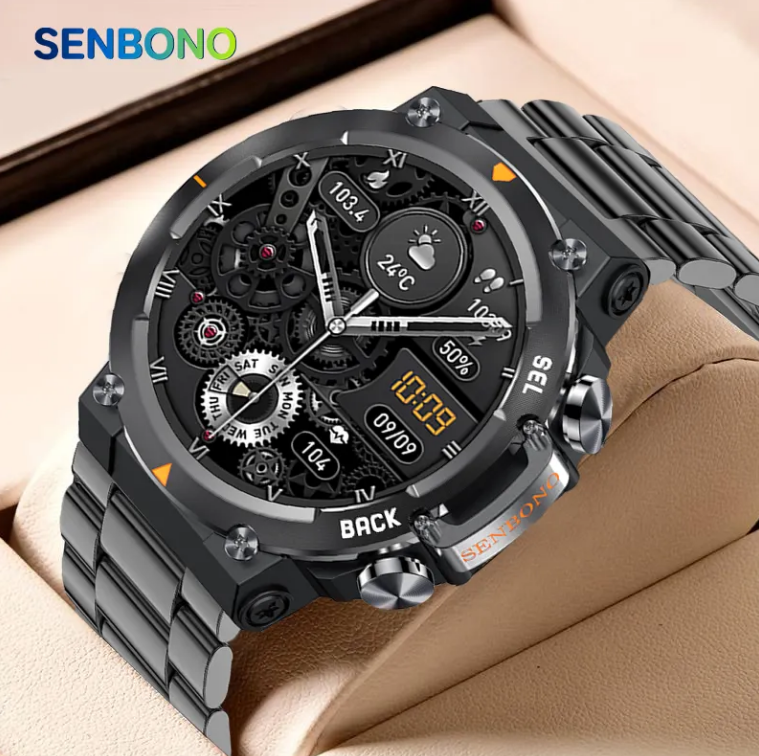 MAX18 Men Smartwatch AMOLED1.43inch Big Screen BT Calls Gesture Control AI Voice Sports Smart Watch Men$58.99View on Mallflare
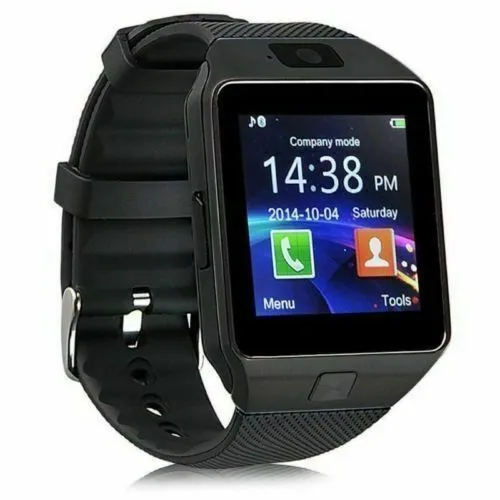 Bluetooth Smart Watch w/Camera Waterproof Phone Mate For Android Samsung iPhone$26.99View on Mallflare
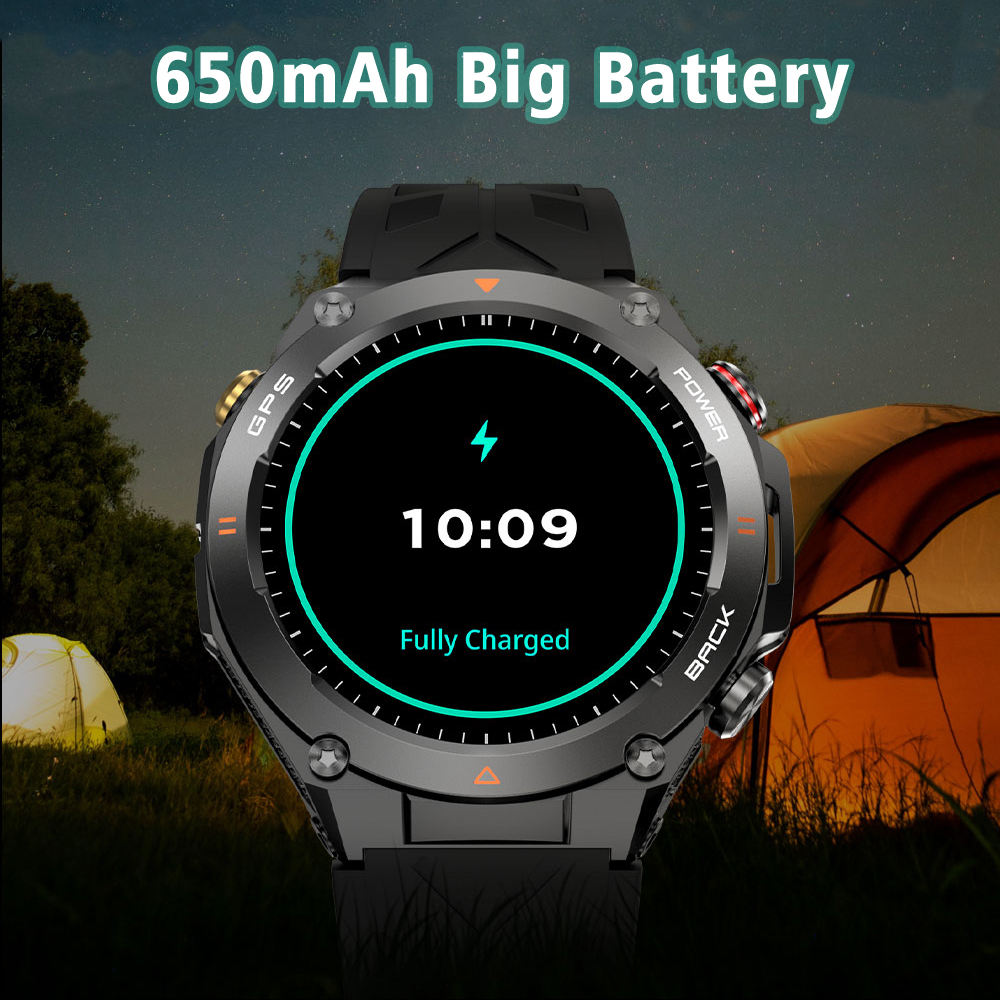 SENBONO GPS Smart Watch Men 1.45'' HD Screen Built-In GPS Altimeter Barometer Compass AI Voice Compatible With Android & IPhone$58.99View on Mallflare
Highlights
- Sealing grades separate durable units from compromises: 5 ATM (50 m) handles swimming; IP68 alone is splash-only and not pressure-rated for laps.
- Display type drives battery math: AMOLED burns more power than TFT/MIP, so AMOLED lifestyle watches typically need 1-2 day charging while transflective MIP sports watches run 1-3 weeks.
- GPS architecture tiers: dual-band multi-GNSS (L1+L5) locks faster in cities/trees; single-band GPS is acceptable for casual outdoor walks but drifts on dense routes.
- Case materials: plastic/polycarbonate keeps weight under ~40 g for sleep wear; stainless steel or titanium adds scratch resistance but pushes weight past 50 g.
Best use cases
- Pick a 5 ATM Wear OS or watchOS model if you want notifications, contactless pay, and swim tracking on a phone-paired ecosystem; skip IP68-only budget units for pool use.
- Pick a Garmin/Coros-class multi-GNSS sports watch if you run or hike with route accuracy priority; skip AMOLED lifestyle watches that need nightly charging before long events.
- Pick a lightweight plastic sub-40 g tracker for 24/7 sleep and step logging; skip steel-case 50 g+ watches if overnight comfort and wrist strain matter.
- Pick an iPhone-compatible watchOS device for deep iPhone integration; Android buyers should choose Wear OS or Garmin rather than unsupported watchOS hardware.
Buying tips
- Match case size to wrist circumference: 40-42 mm suits wrists under ~170 mm; 44-46 mm reads oversized below ~180 mm and snags on cuffs.
- Confirm strap lug width (commonly 20 mm or 22 mm) before buying spare bands; proprietary quick-release lugs lock you into brand-only straps.
- For swimming, require 5 ATM plus a dedicated pool/swim workout profile; IP68 ratings are tested for fresh-water immersion only, not chlorinated laps.
- Check Bluetooth version and GNSS band support: BT 5.2+ improves pairing stability, and dual-band GPS is the meaningful accuracy upgrade over single-band.
Specs
| Water Rating | 5 ATM swim / IP68 splash-only |
|---|---|
| Display Type | AMOLED vs TFT vs MIP transflective |
| GPS Bands | Single-band vs dual-band L1+L5 |
| Case Material | Plastic/polycarbonate vs steel/titanium |
Related searches
affordable smart watchescheap smart watchessmart watches for menbest smart watchessmart watches for iphonebest smartwatch for androidbest smart watch for androidbest affordable smartwatchbest budget smartwatchbest cheap smartwatchbest smartwatch for womenbest smartwatches for menbest smart watch for iphonebest smartwatch for iphonesmall smart watchsmart watch for android samsungsmart watch for android phonesmart watch for seniorstop smart watchesbest smart watch for fitnessWhat to check before buying
- Measure wrist circumference and flat width; confirm the case diameter and lug-to-lug length fit without overhang.
- Verify phone OS compatibility: watchOS requires iPhone; Wear OS pairs with Android and limited iOS; Garmin works with both.
- Check charging standard and rated battery life in always-on mode, not just the headline days figure.
- Confirm water rating matches activity (5 ATM for swim, IP68 splash only) and that the strap material tolerates chlorine or salt water.
FAQ
Data sources: eBay / Amazon listings and product attribute feeds Data updated Nov 16, 2026.
Some links on this page are affiliate links. If you buy after clicking one, we may earn a commission at no extra cost to you. This does not change which products appear here or their order. Affiliate disclosure.