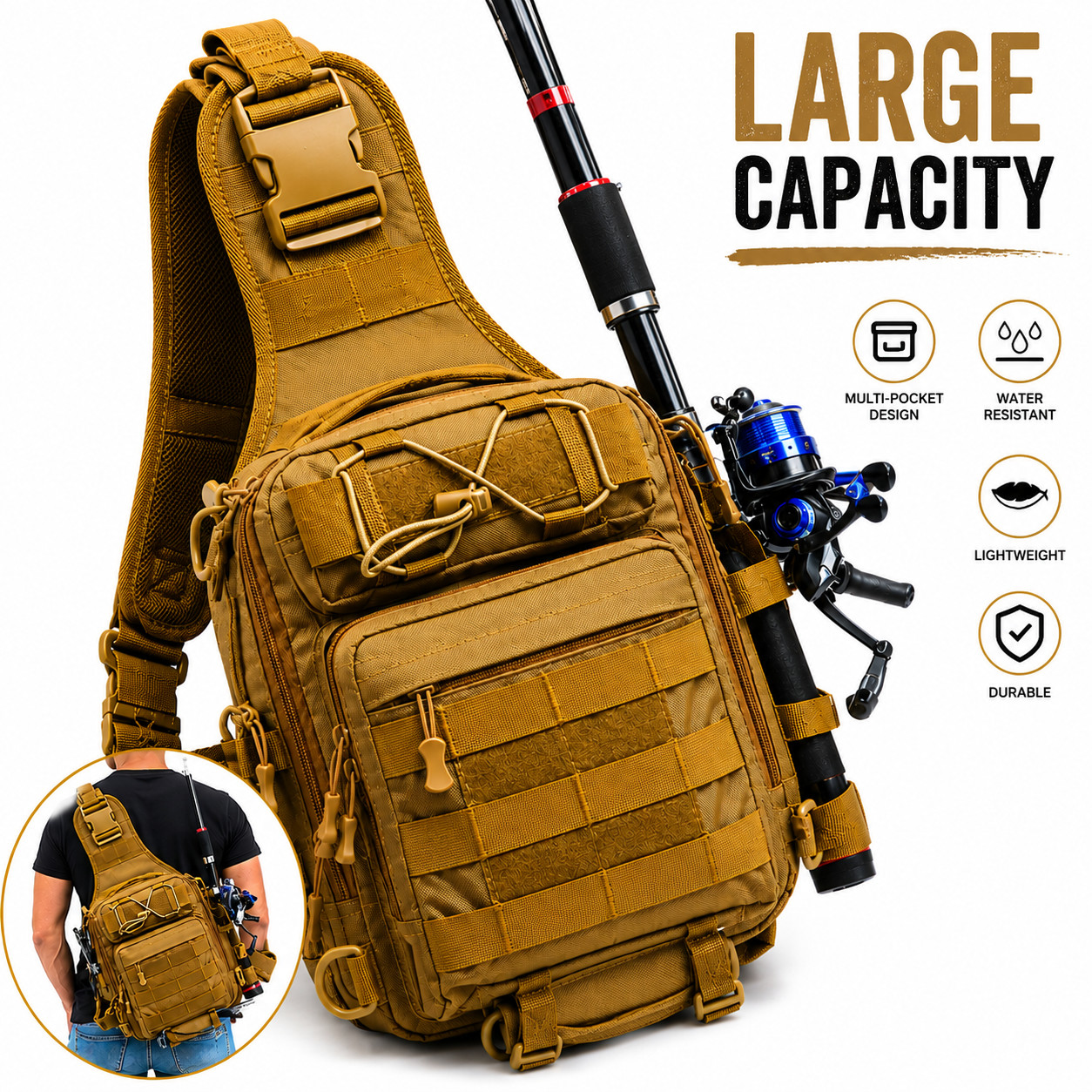
Tackle Storage & Tools
Fishing Bag With Rod Holder
Compare current listings and seller terms before buying.
Trail Gear Advisor
Compare outdoor gear by use case, features, trade-offs, price, returns, and seller terms before you buy.
Compare current listings and seller terms before buying.

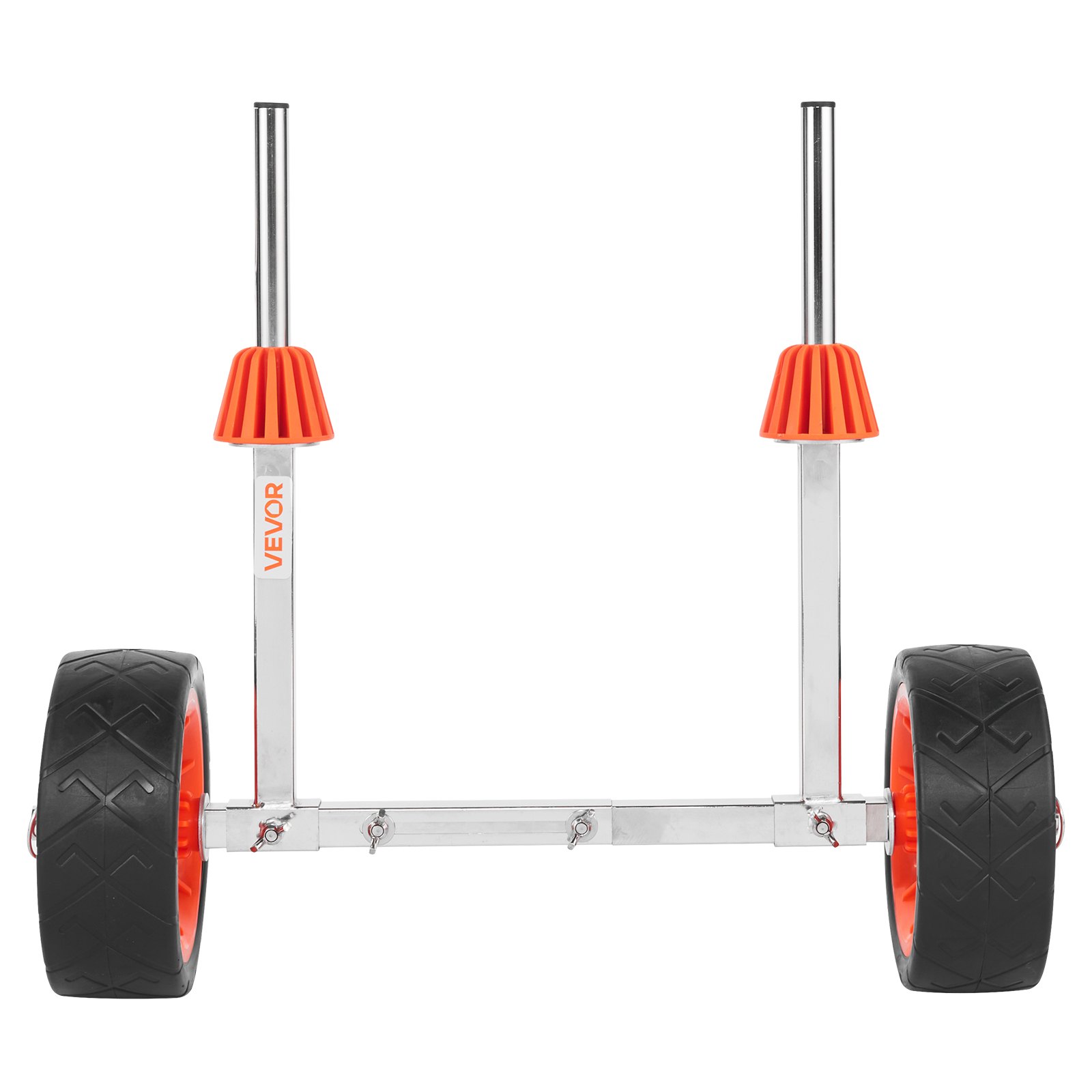
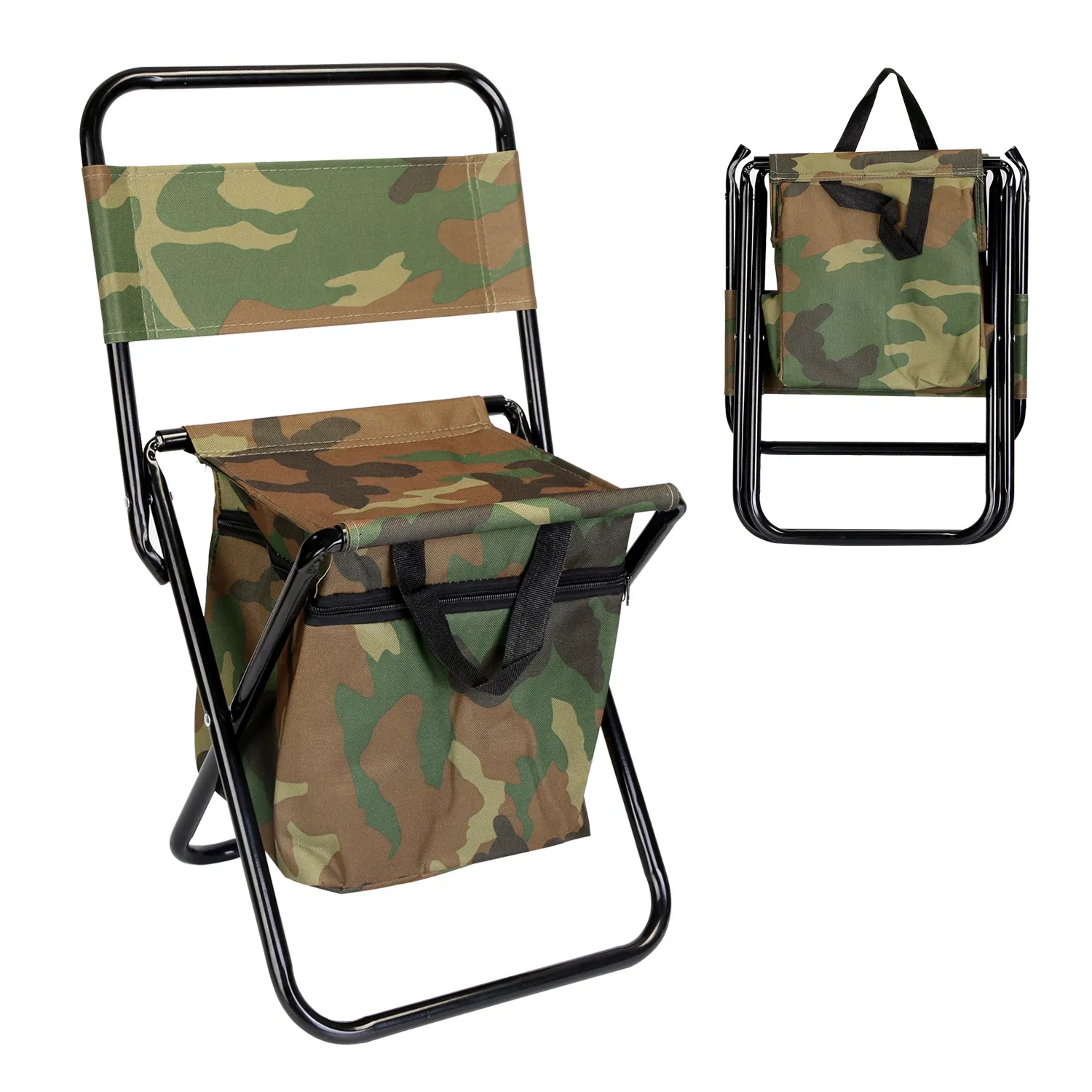
Compare current listings and seller terms before buying.
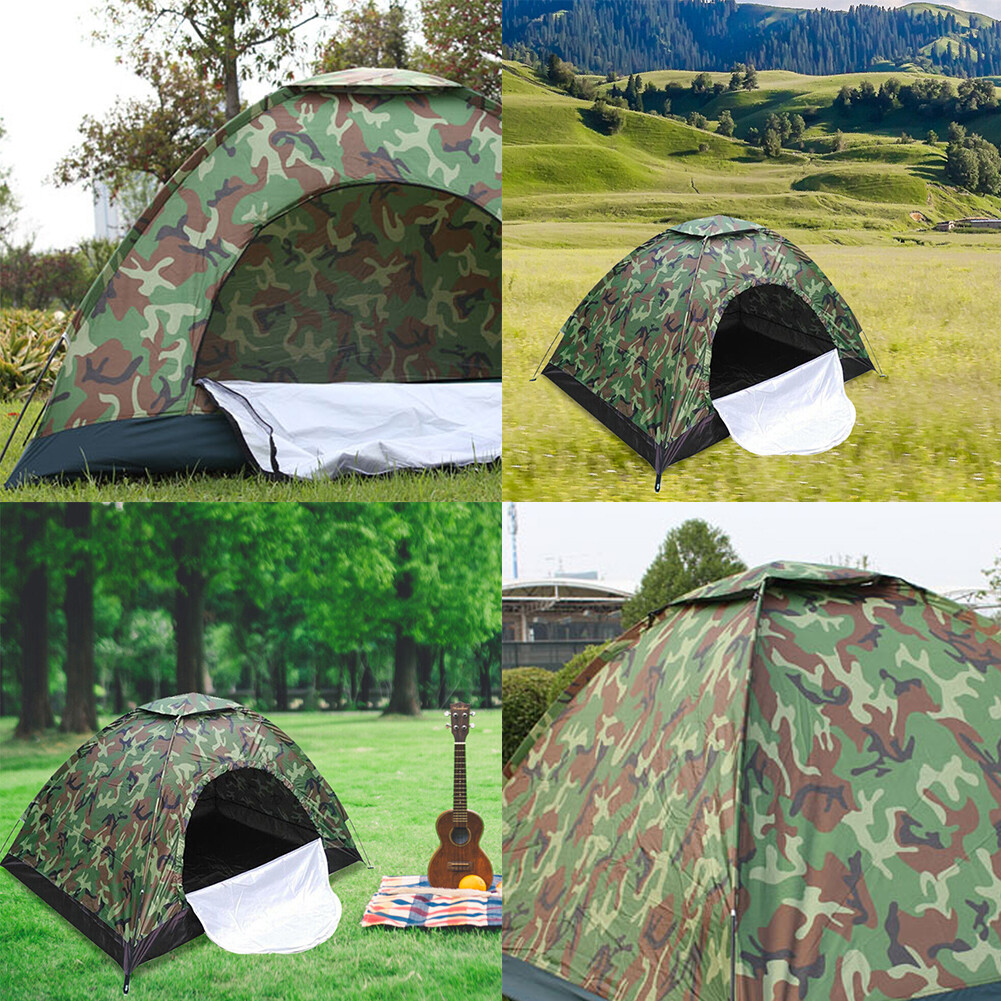
Compare current listings and seller terms before buying.
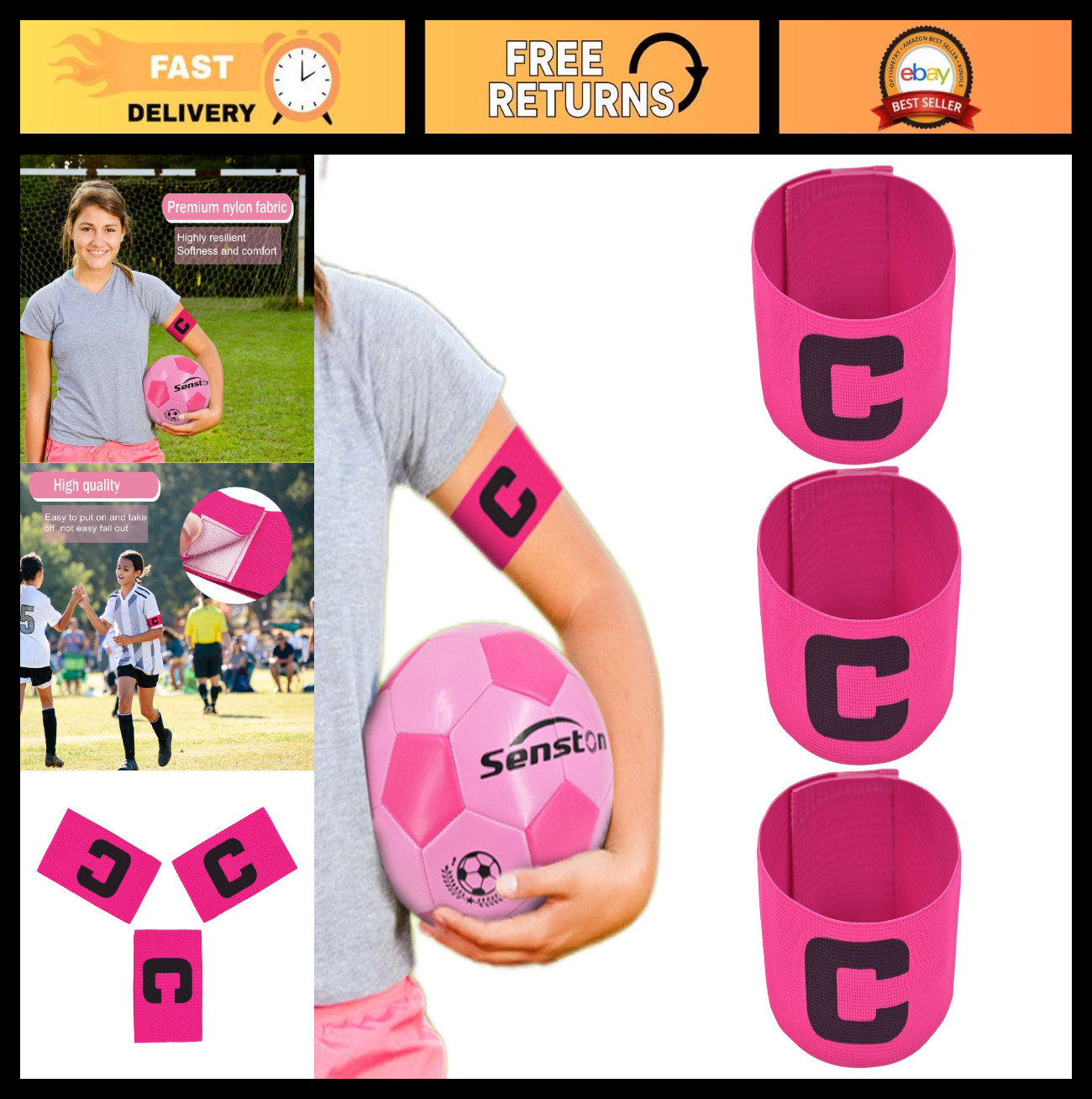
Team sport gear spans performance equipment, training aids, and fan apparel, with durability hinging on material grade and construction rather than brand labels. The core trade-off is between specialized, standards-compliant gear (match balls, protective pads) and multi-use accessories (armbands, tees) where fit and material thickness determine longevity. Choose regulation-grade materials for competitive play and heavier-gauge fabrics or reinforced stitching for training and fan use.
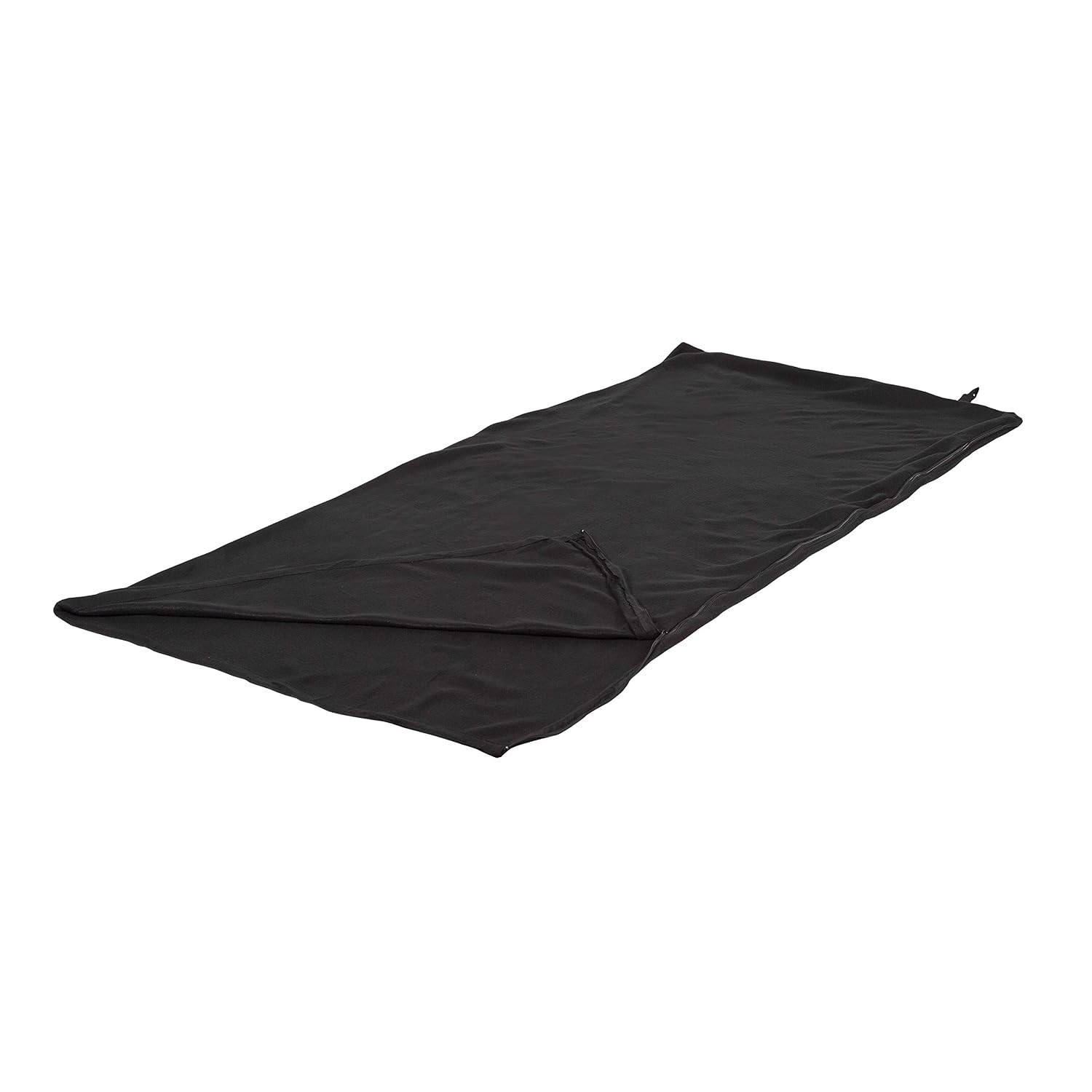
A sleeping bag is an insulated portable bed whose warmth-to-weight ratio and shell construction determine whether it performs in wet cold or only mild dry nights. The core trade-off is between down (lighter, more compressible, warmth-per-gram leader) and synthetic fill (retains loft when damp, cheaper, heavier per warmth rating). Buyers should prioritize an EN/ISO-tested comfort rating matched to expected night temperatures, a shell with at least a DWR finish, and a fill weight proportional to pack volume—anything advertising only an extreme rating or unspecified fill is a compromise.

Fishing hooks are the critical link between your line and the fish, and their performance hinges on wire gauge, point geometry, and corrosion resistance—not on the size of the tackle kit they come in. The core trade-off is between thin, light wire for finesse and hook-up ratios versus heavy, forged wire for power and durability. The decision rule: buy hooks sold by size and wire class (e.g., 2X strong, fine wire) from dedicated hook makers, and treat bulk accessory kits as starter assortments only, since their hooks are typically lower-grade and lack size consistency.
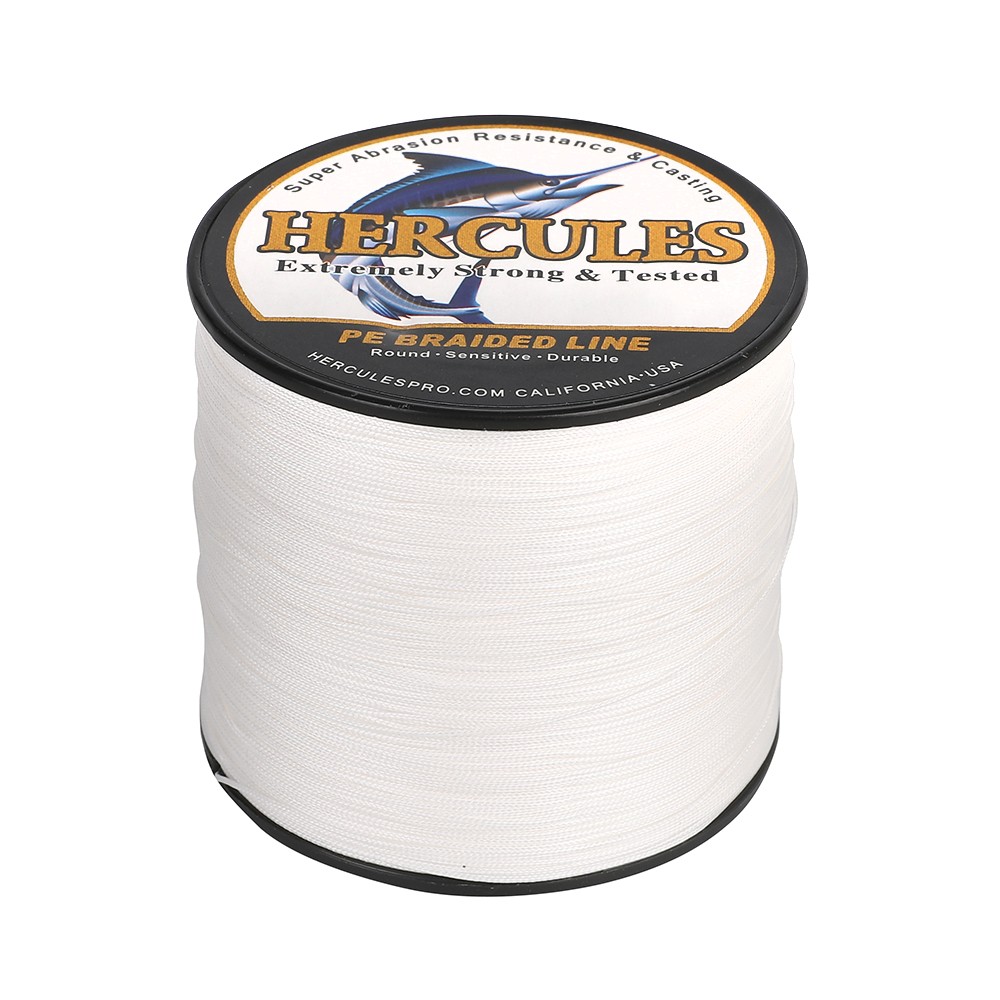
Fishing line is the critical link between rod and fish, and the primary trade-off is between stretch/abrasion resistance (monofilament), low visibility/high knot strength (fluorocarbon), and low-stretch/high sensitivity (braid). Durable options match line type and test weight to reel type, target species, and water clarity; compromises come from using the wrong line class or ignoring diameter-to-strength ratios.
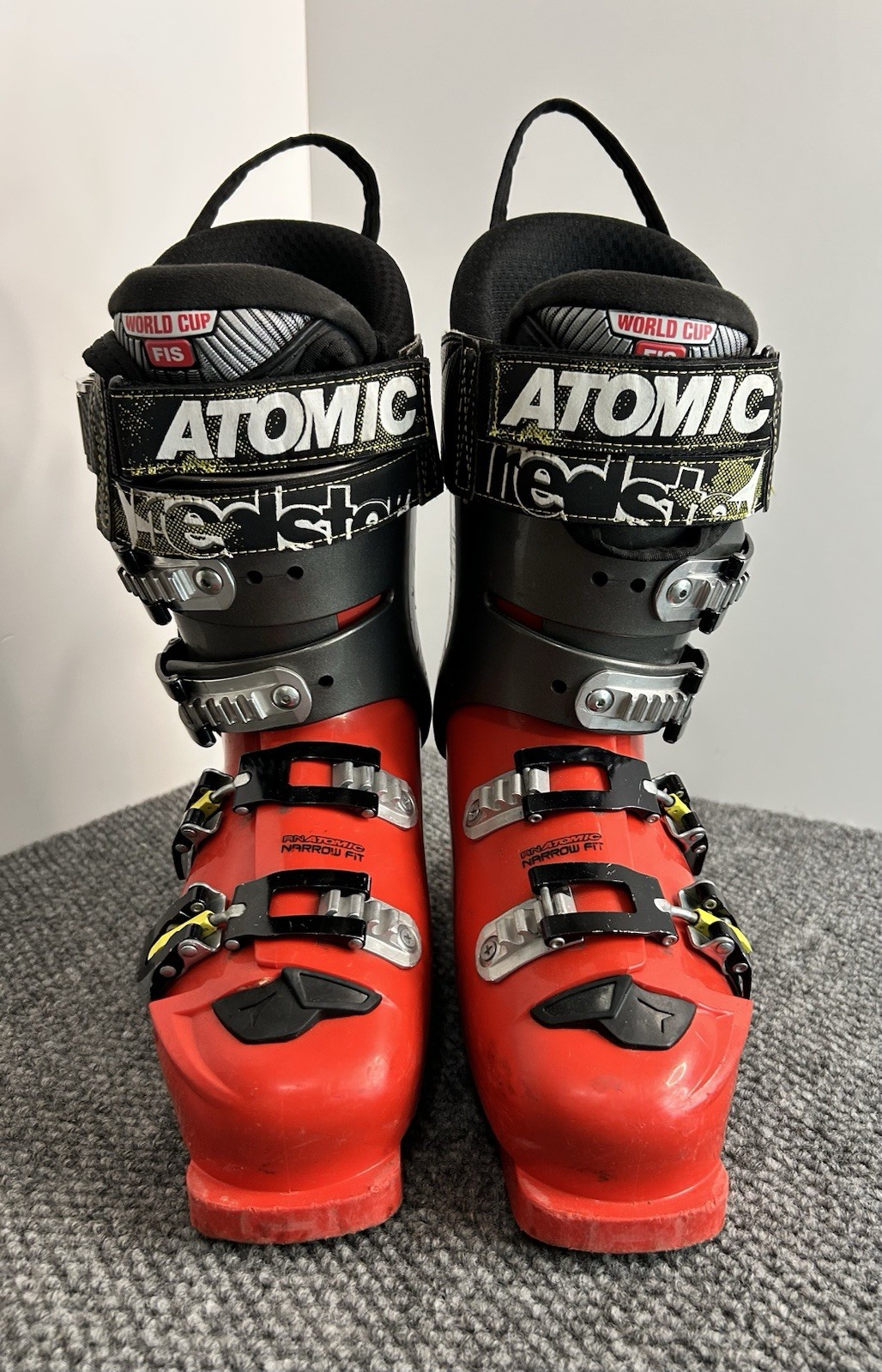
Ski boots are the primary interface between your foot and the ski, transferring edging and pressure through a rigid shell and adjustable buckles. The core trade-off is flex index versus fit volume: stiffer boots (110–130+) demand strong technique and precise shell work, while softer or high-volume boots forgive but limit control. The decision rule is simple—match last width and flex to your measured foot and ability, and never buy a boot that requires more than minor shell modification to fit.
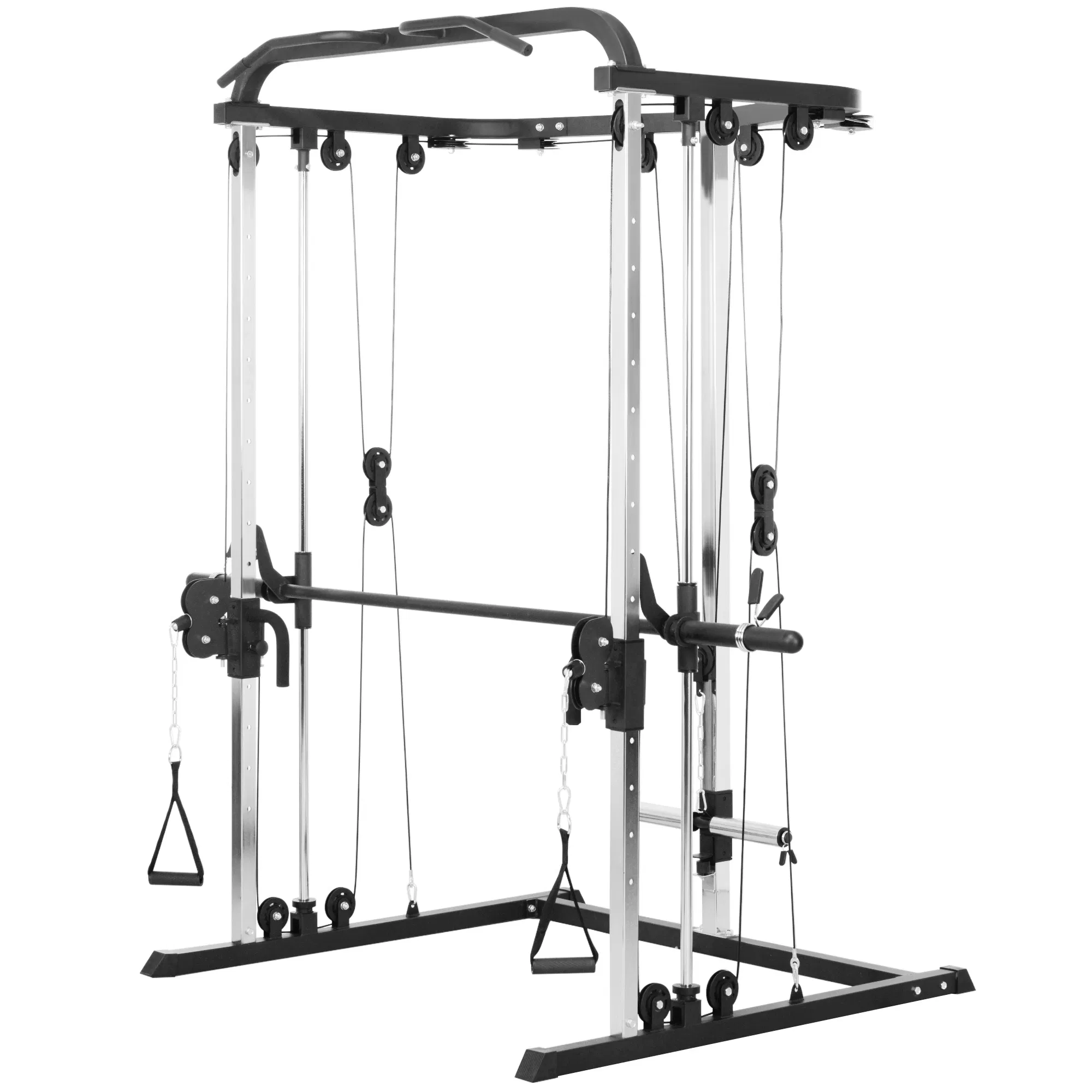
A power rack is a steel cage with adjustable J-hooks and safety catches that lets you squat and bench heavy loads alone. The core trade-off is steel gauge and upright size versus footprint and cost: 11-gauge 3x3-inch uprights with 1-inch hardware are commercial-grade, while 14-16-gauge 2x2-inch racks are entry-level. Choose a rack rated at least 2x your working weight with safety arms that adjust to your exact bench and squat heights; skip any cage without rated safety catches.
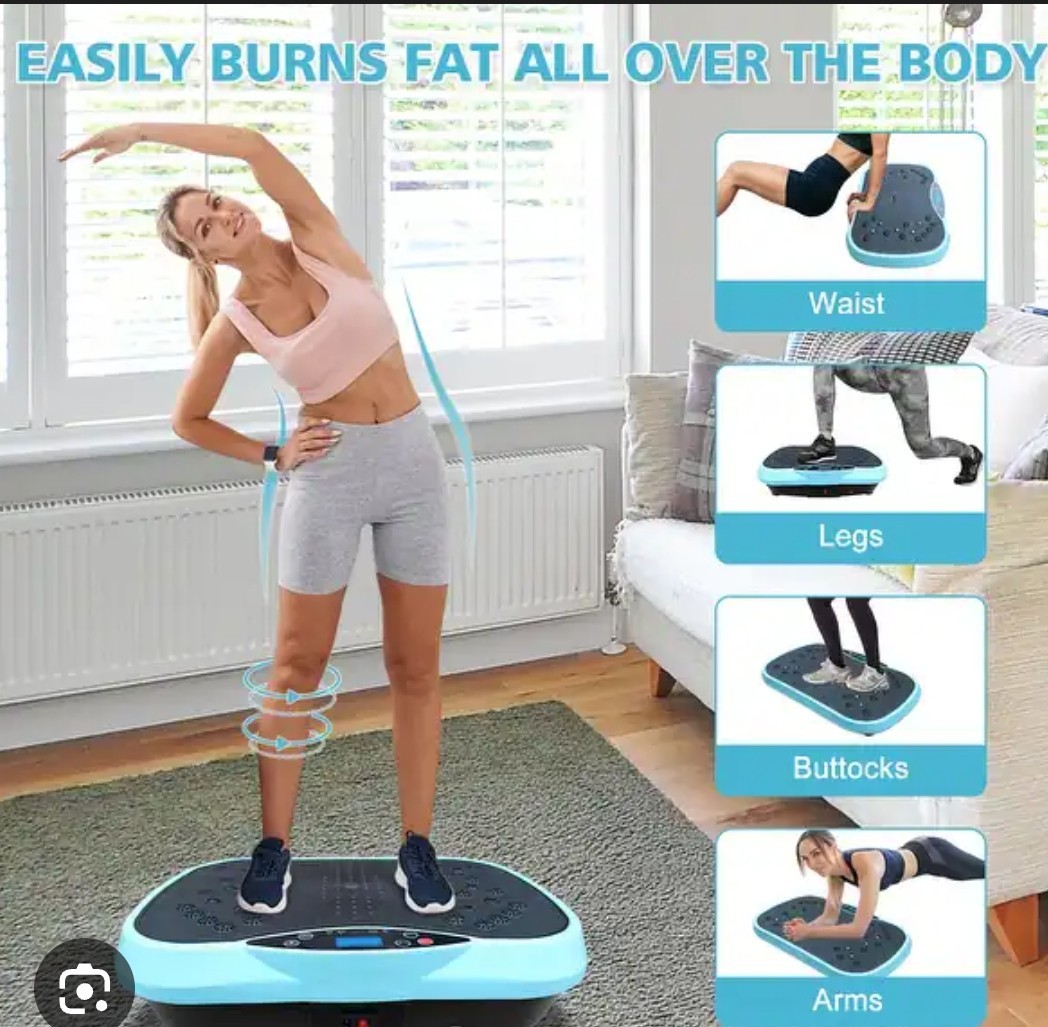
Exercise machines for home cardio span vibration plates, walking treadmills, and stair/vertical steppers, each with a different impact profile and space claim. The core trade-off is motor and frame quality versus footprint: a weak motor or thin steel frame flexes and wears out, while overbuilt units dominate a room. Choose by your primary motion and floor space, and reject any unit whose load rating or motor tier is not explicitly stated.
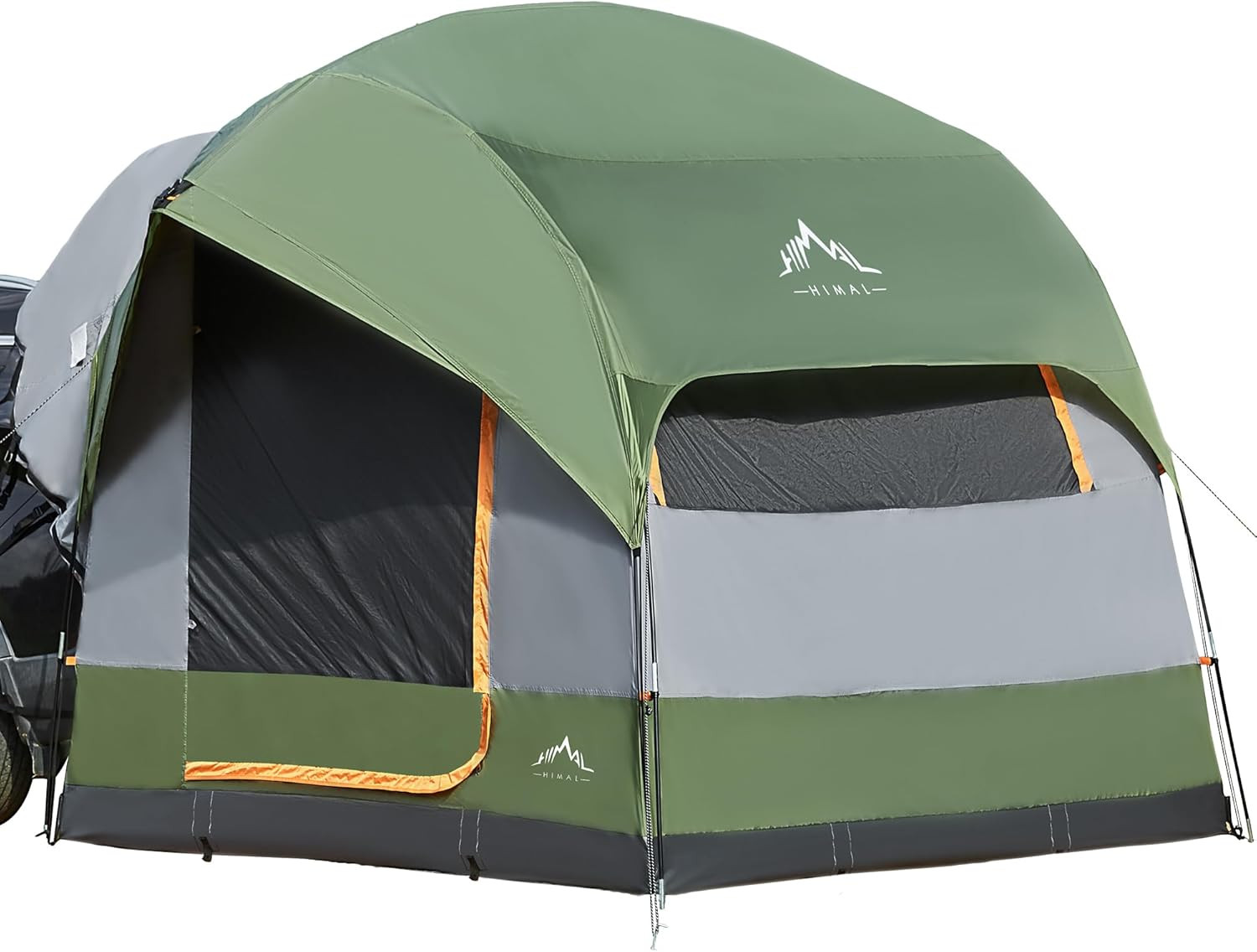
An SUV tent is a vehicle-mounted shelter that either attaches to the rear hatch to extend the cargo area or mounts on the roof for elevated sleeping. The core trade-off is between tailgate-attached cabin tents (more floor space, shared vehicle access) and rooftop tents (faster setup, better ground separation). Buy the tailgate type for family basecamps and the rooftop type for overlanding; avoid any model without specified waterproof ratings or vehicle-fit dimensions.
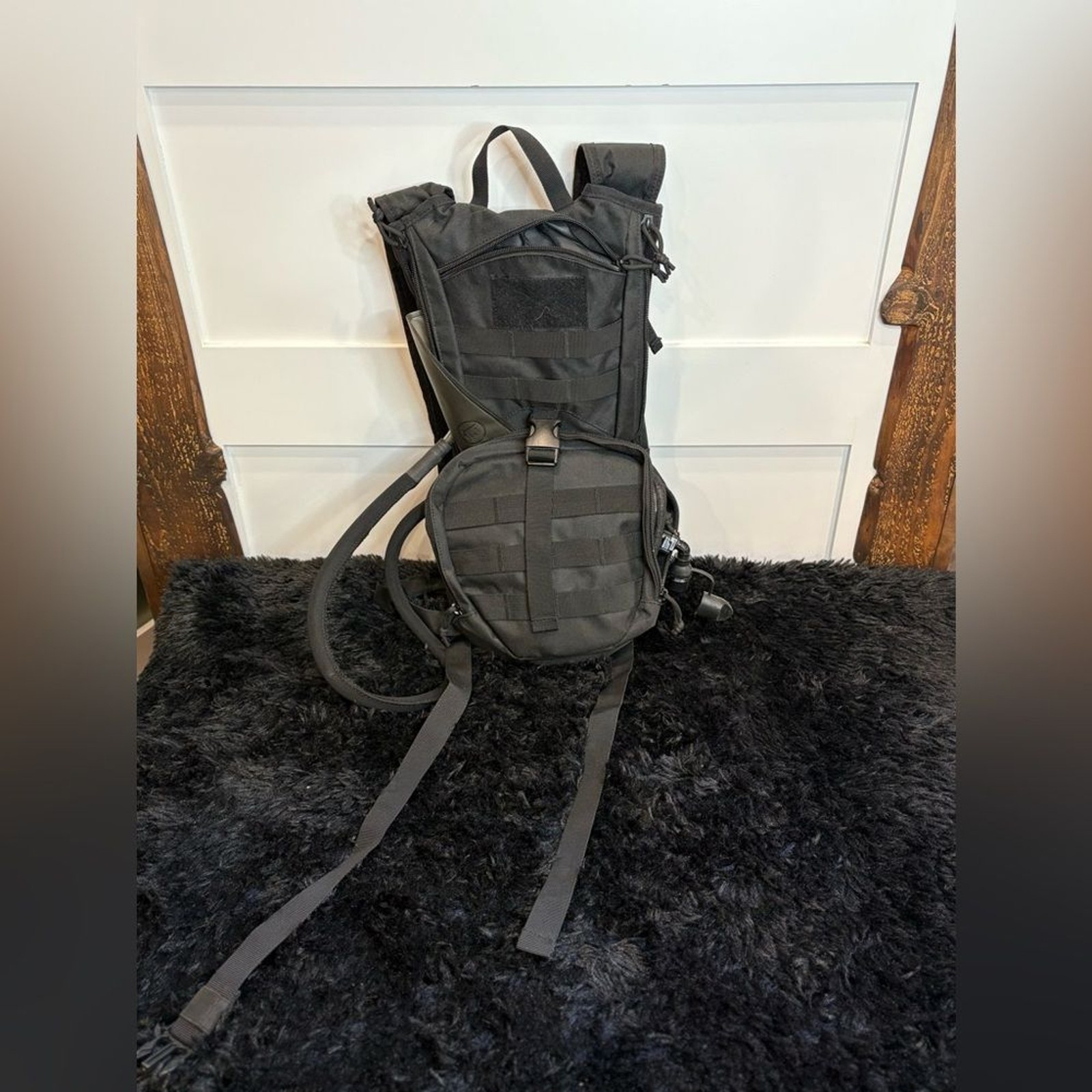
A water backpack (hydration pack) integrates a fluid reservoir and drink tube into a close-fitting daypack, trading off reservoir capacity and pack volume against weight and back ventilation. The decisive rule: choose a pack with a dedicated insulated reservoir sleeve, a BPA-free bladder rated for at least 2L, and a bite valve with a shutoff, and skip any 'water backpack' that is merely a daypack with a loose bottle pocket.
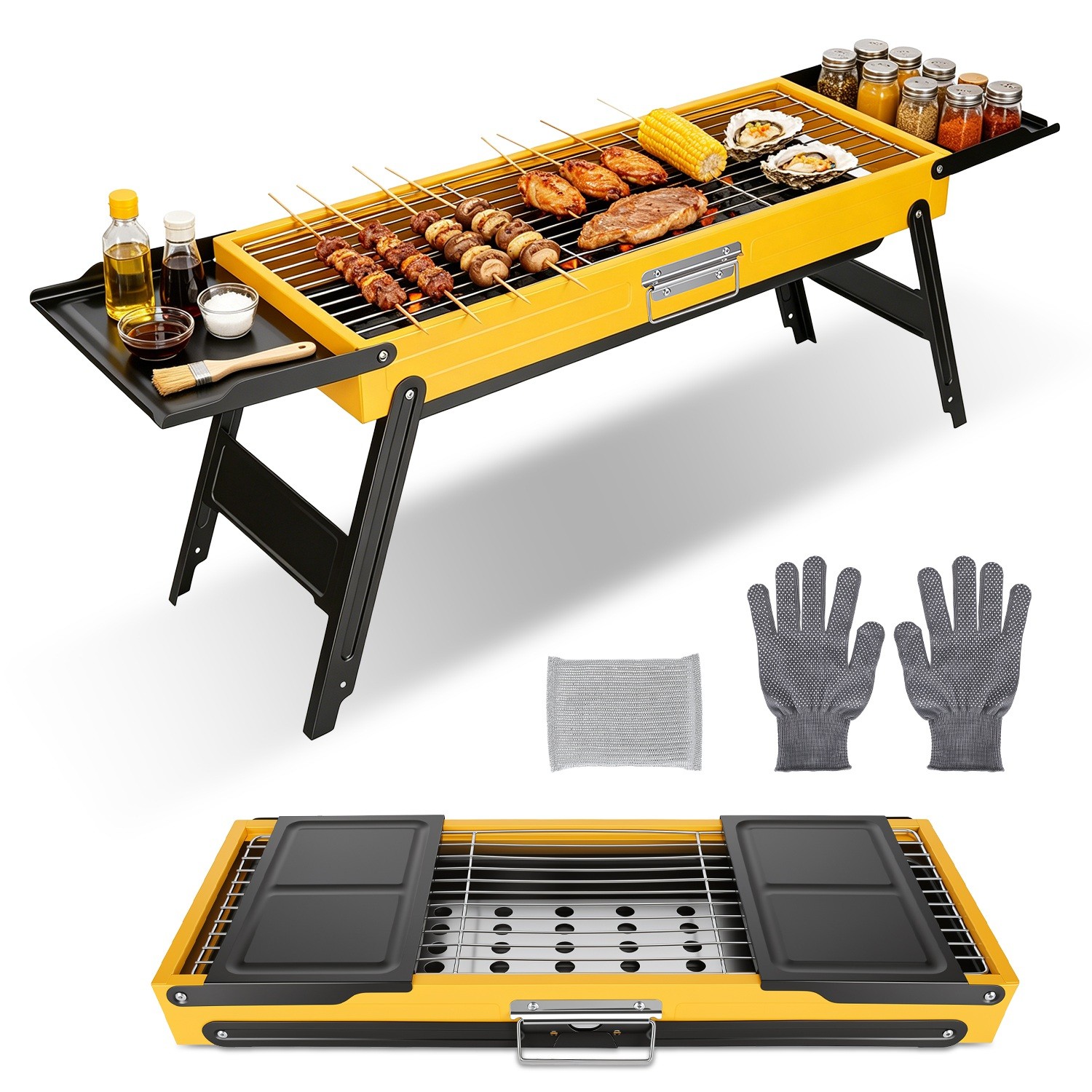
Stainless steel BBQ grill grates are the primary cooking surface where food contacts heat, and the core trade-off is between rust resistance, heat retention, and thermal shock tolerance. Durable options use 304-grade stainless with rod diameters of 7-9 mm, while compromises use thin 430-grade wire or porcelain-coated steel that chips and rusts. The decision rule: buy 304 stainless grates with a rod diameter of at least 7 mm for a lifetime of use, and skip any grate under 5 mm or unmarked 'stainless' that is likely 430 or lower.
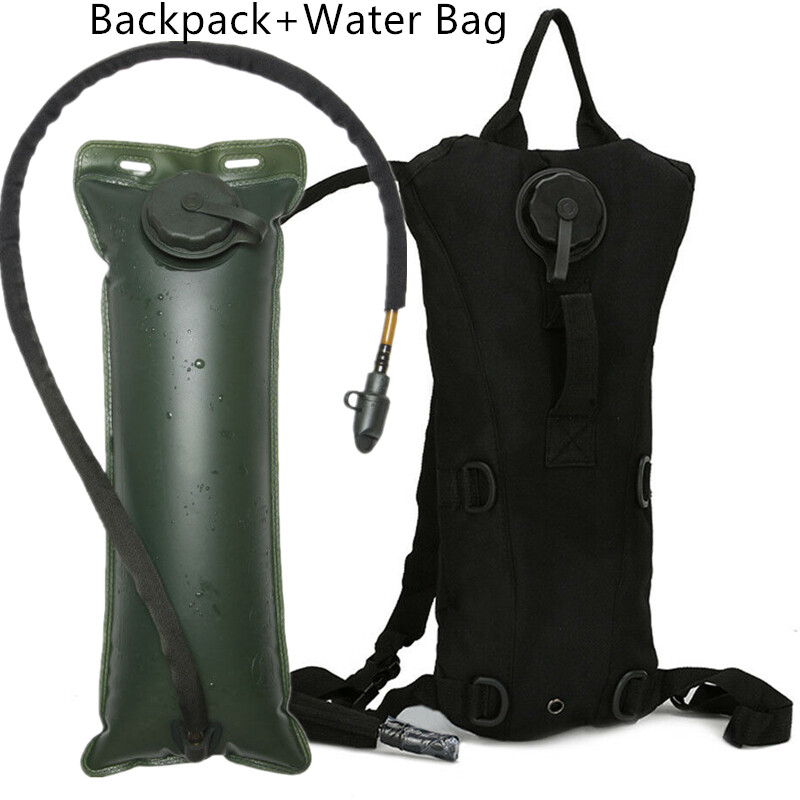
A running hydration backpack is a body-hugging vest or pack that carries water, nutrition, and layers without bounce. The core trade-off is vest-style fit and low-slung weight distribution versus bladder capacity and back-panel ventilation. Choose a calibrated vest with a 1.5–2L bladder for racing, and a larger 5–8L pack only for self-supported ultra distances.
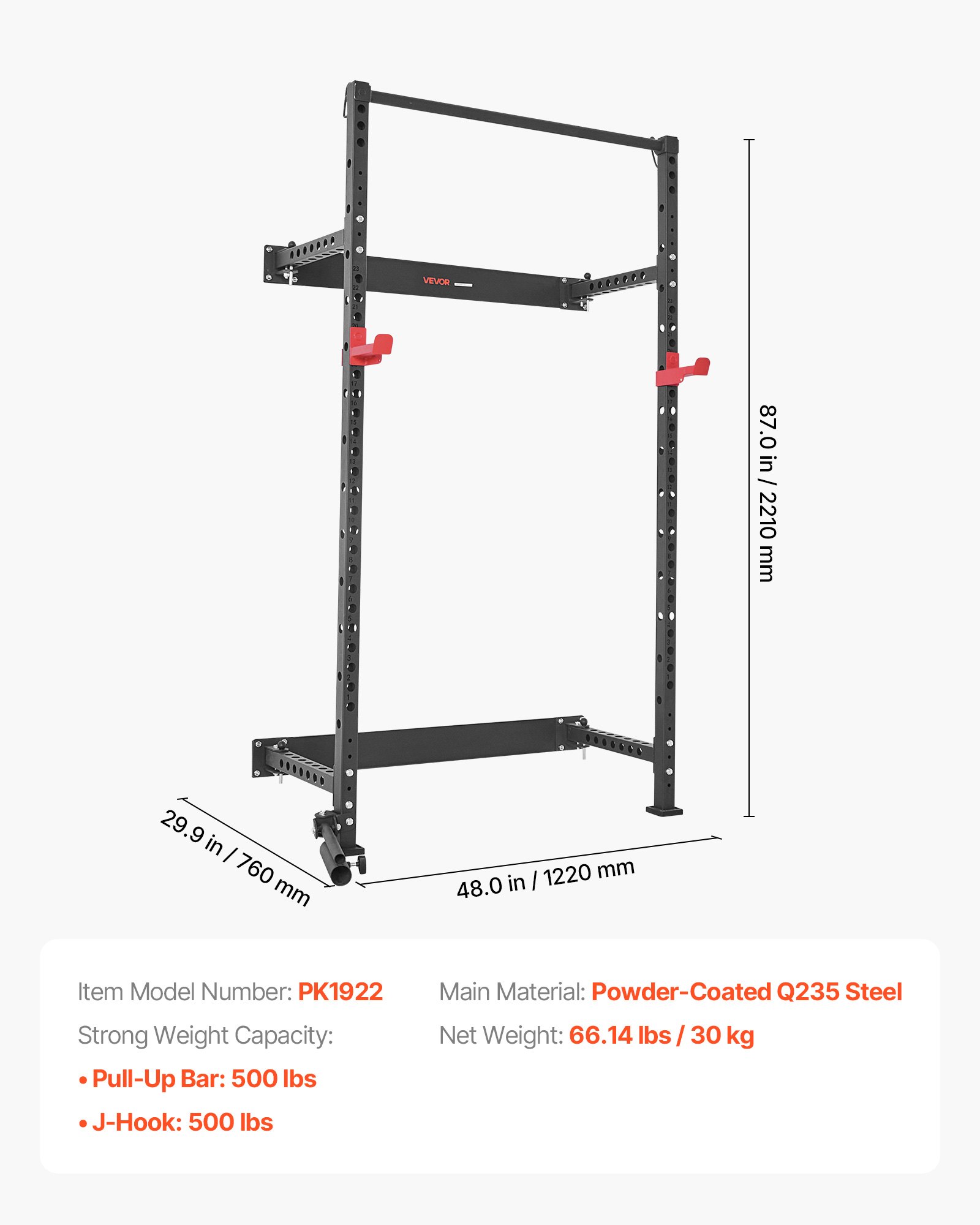
A power cage (or power rack) is a four-post steel frame with adjustable J-hooks and safety catches that lets you squat, bench, and press heavy loads alone. The core trade-off is steel gauge and tube thickness versus footprint and assembly complexity: 11–12 gauge uprights with 2x2 in or 3x3 in tubing hold 1000 lb+ safely, while thin 14–16 gauge frames with 800 lb or lower ratings flex under load. The decision rule: buy a cage rated at least twice your working weight with safety bars that adjust to your exact rack height, or skip it and use stands you can dump the bar onto.
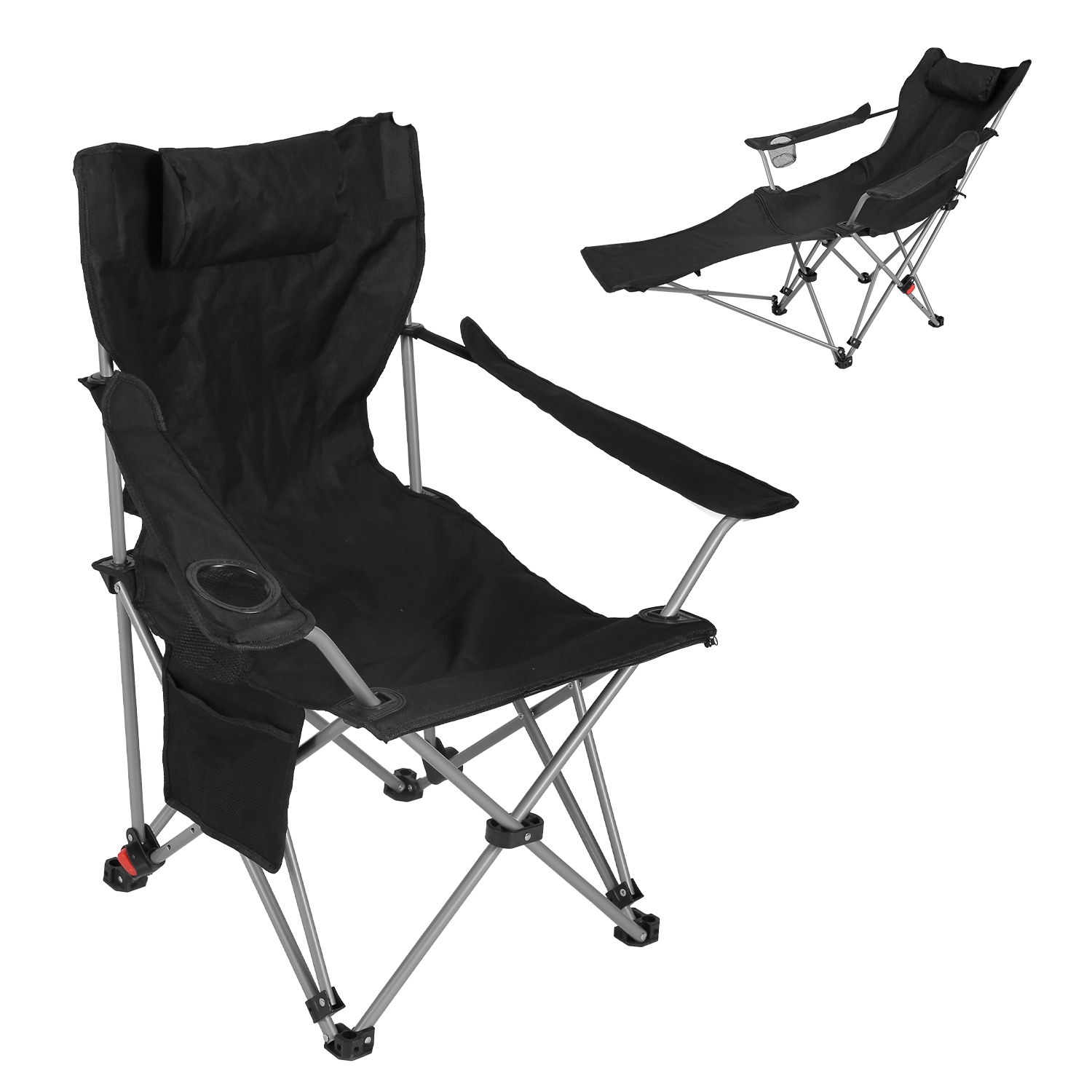
Heavy duty beach chairs are built to support higher weights (350–660 lbs) and survive sand, sun, and repeated folding. The primary trade-off is frame material (steel for max load, aluminum for portability, carbon fiber for premium weight savings) and fabric grade (600D+ Oxford vs thin polyester). A clear decision rule: pick a chair rated at least 50 lbs above your body weight and with a steel or reinforced aluminum frame for 400+ lb capacity; skip any chair with a single-layer thin fabric or plastic joints.
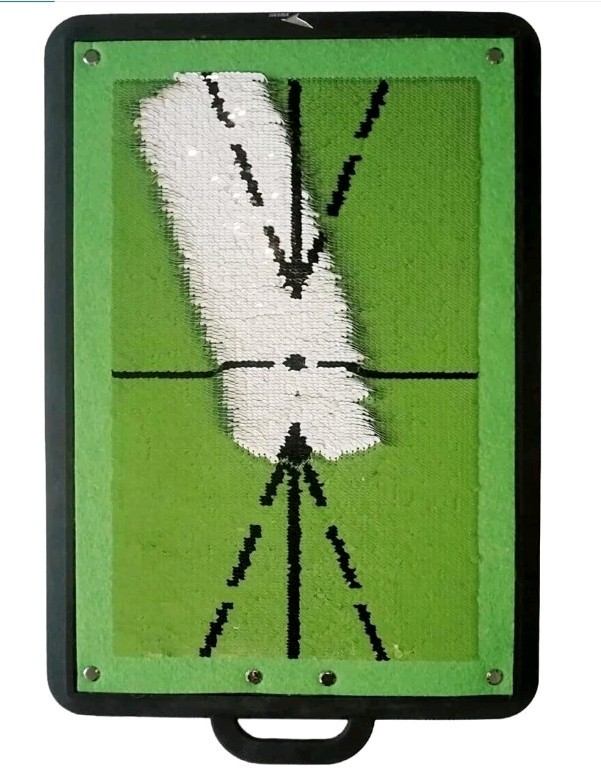
Golf training aids split into swing trainers (feedback devices that build mechanics) and practice mats (putting/chipping surfaces that build touch). The core trade-off is feedback fidelity versus footprint: swing trainers must provide adjustable resistance or alignment cues without ingraining compensations, while mats need dense turf and true roll to avoid learning slow or bouncing putts. Buy a mat at least 10x5 ft with weighted backing for full-swing work, and a swing trainer with progressive resistance or hinged guidance for mechanics; skip thin unbacked turf and gimmick balls with no measurable feedback.
Finding more guides for you…