Tennis & Racquet Sports
Pickleball Paddle Tennis Elbow
Compare current listings and seller terms before buying.
Trail Gear Advisor
Compare outdoor gear by use case, features, trade-offs, price, returns, and seller terms before you buy.
Compare current listings and seller terms before buying.
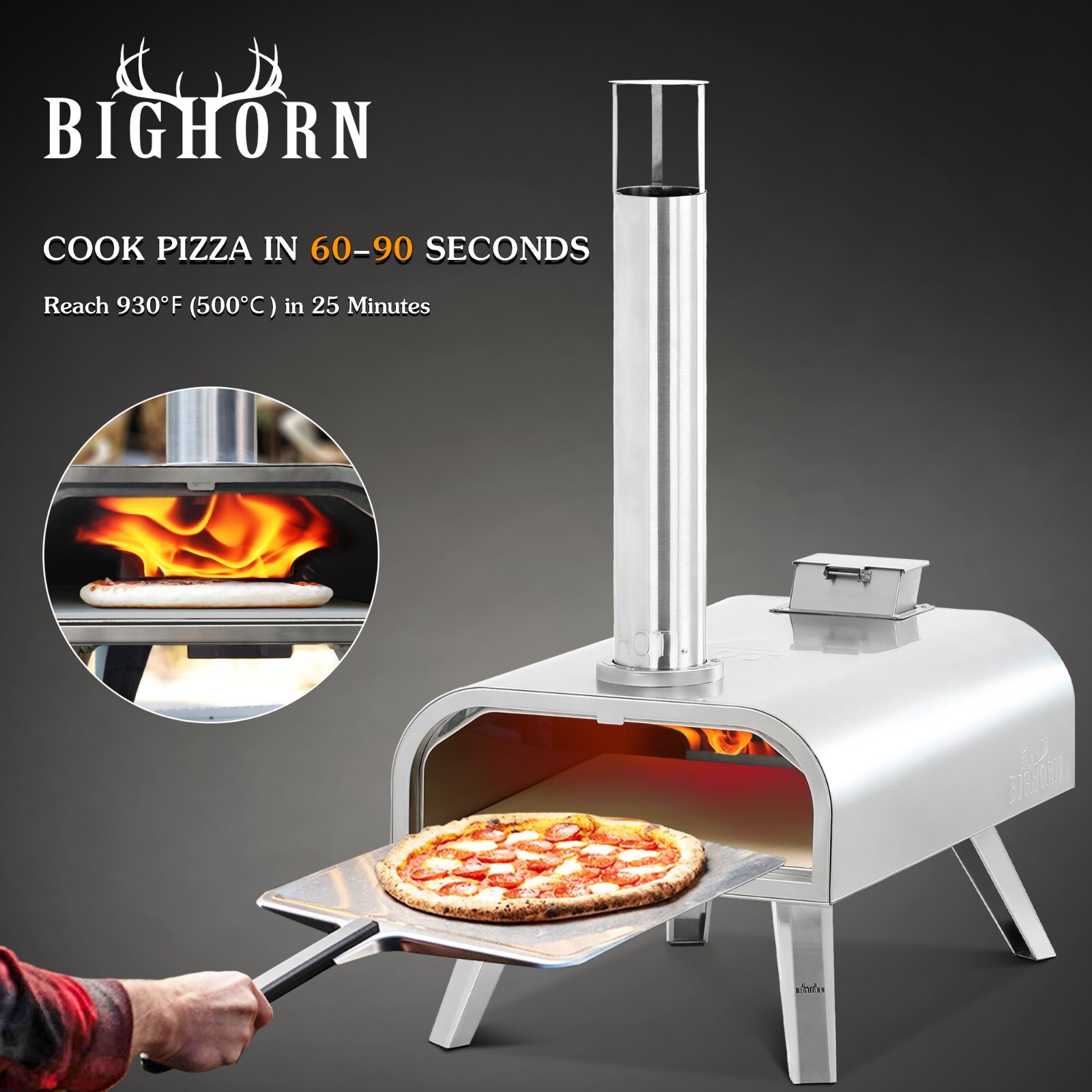
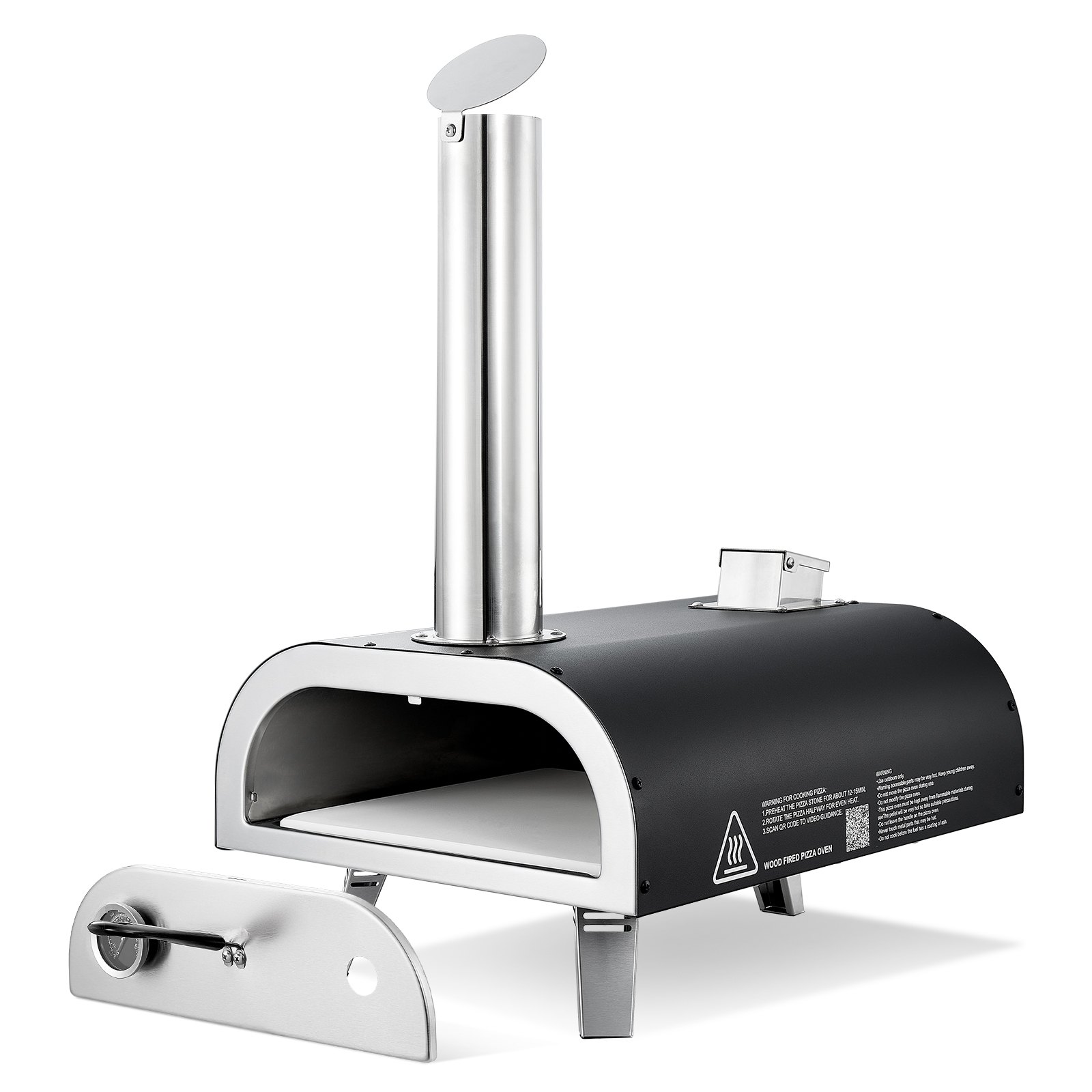
Pellet pizza ovens are portable outdoor ovens that burn wood pellets in a hopper-fed or gravity-feed firebox to reach 800-1000°F for Neapolitan-style char in 60-90 seconds. The core trade-off is pellet-feed architecture and shell gauge: gravity-feed steel units hold heat and run hands-free, while thin stamped-shell budget units demand constant refilling and warp. Buy a stainless or 20-gauge-or-thicker iron-spray shell with a gravity hopper and cordierite stone if you want repeatable high-heat bakes; skip 12-inch stamped-shell units with manual top-load pellet tubes if you plan frequent family-sized bakes.
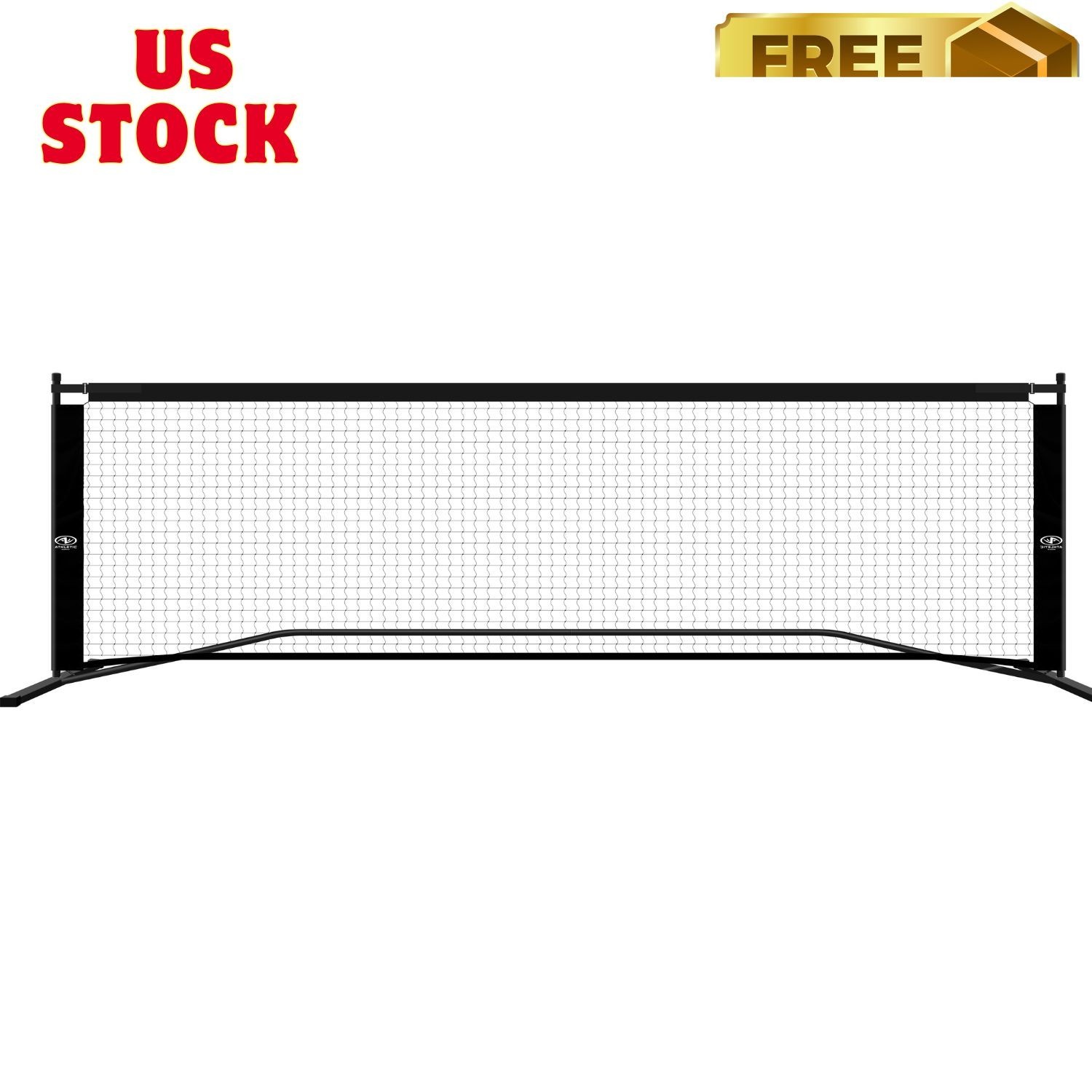
A portable pickleball set bundles a transportable net, paddles, balls, and a carry bag for driveway, park, or gym play. The primary trade-off is frame rigidity and net-tension stability versus pack weight and setup speed. Buy a regulation 22-ft net with a welded or interlocking steel frame if you want true court play; pick a half-court 11-ft set only for tight spaces and casual rallies.
A pickleball net setup is the frame-and-net system that defines the playing court: regulation width is 22 ft, height 36 in at the posts and 34 in at center, with a half-court option at 11 ft for driveways and small yards. The core trade-off is frame rigidity and net tension versus portability and setup speed—interlocking steel or aluminum frames with taut netting hold official height and survive wind, while lightweight pop-up systems prioritize carry weight. The decision rule: choose a regulation-width, post-tensioned steel/aluminum frame for real play, and accept a half-court or pop-up only as a practice or space-constrained compromise.

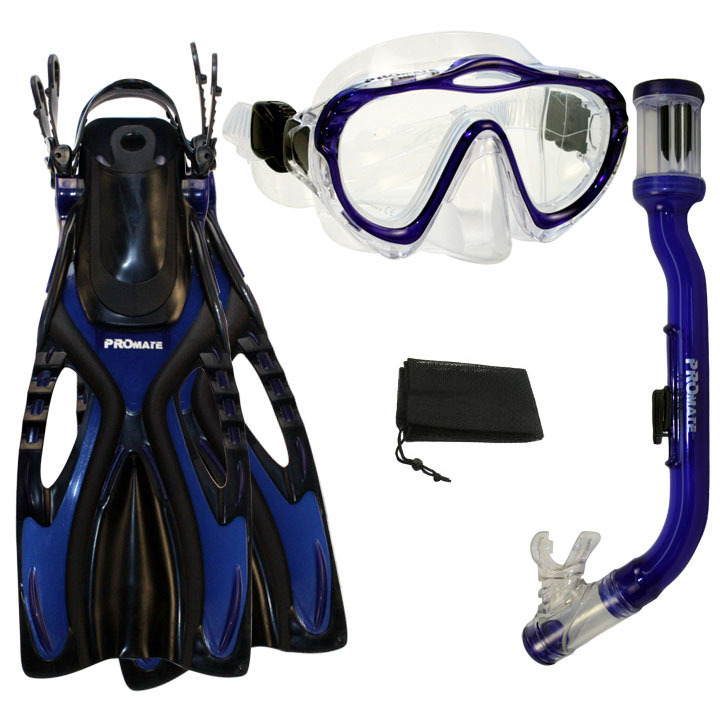
A diving mask is the primary optical and sealing interface between your eyes, nose, and the underwater environment, and the core trade-off is lens volume versus field of view and corrective compatibility. Low-volume masks seal easier and clear faster, while high-volume or dual-lens designs offer broader vision and prescription options. The durable decision rule: buy a tempered-glass, silicone-skirt mask with a rigid frame and a proper skirt fit—avoid polycarbonate lenses and PVC skirts, which fog, leak, and degrade.
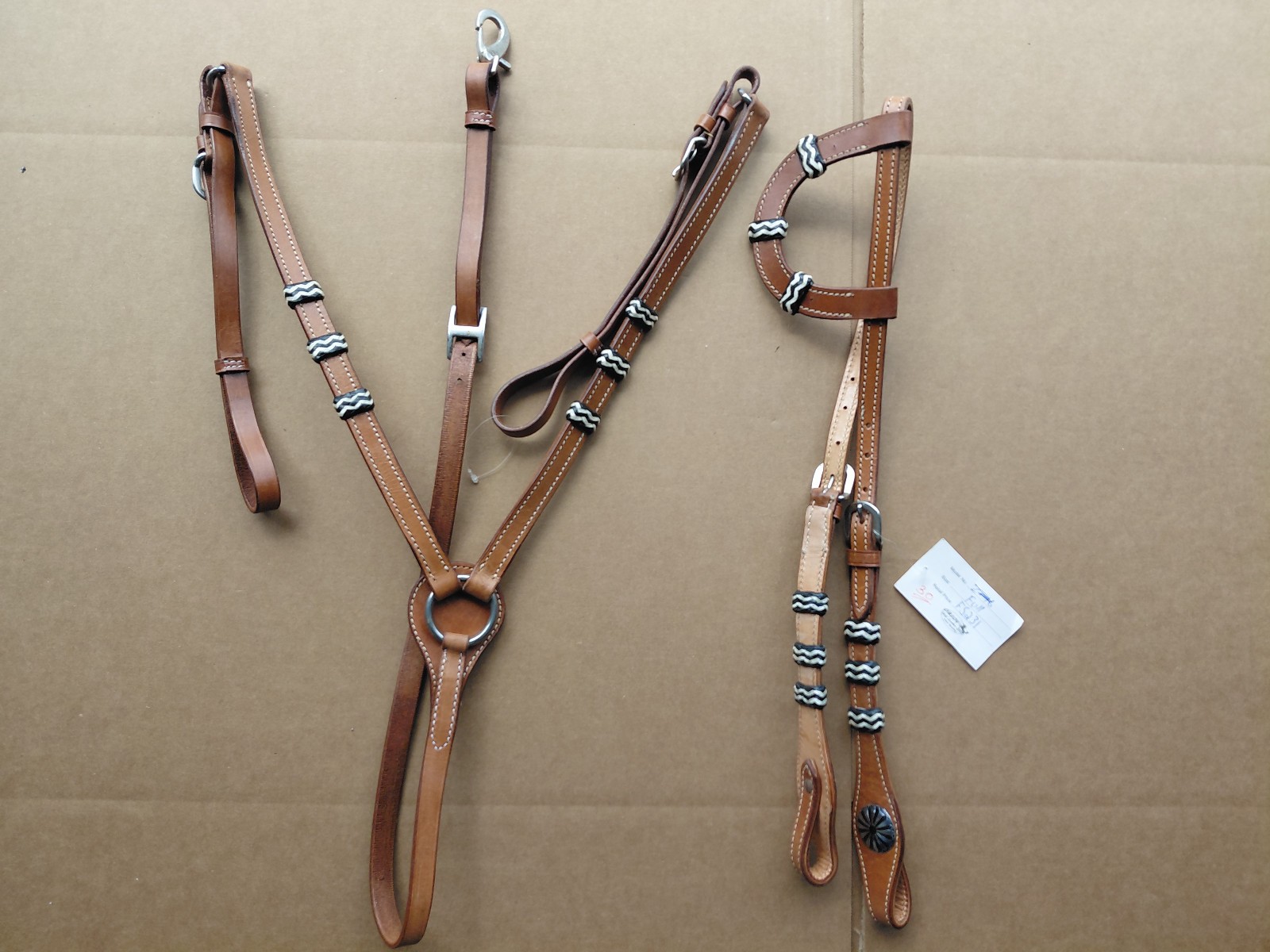
A headstall and breast collar set is the core Western tack pairing: the headstall controls the head and bit, while the breast collar stabilizes the saddle and distributes pull across the chest. The main trade-off is leather quality and hardware strength versus decorative embellishment — durable sets use thick, vegetable-tanned leather with solid brass or stainless hardware, while budget sets thin the leather and rely on plated hardware that corrodes. The decision rule: buy for fit and leather grade first, then choose tooling, inlay, or conchos second; any set that skips size options or hardware material detail is a compromise.
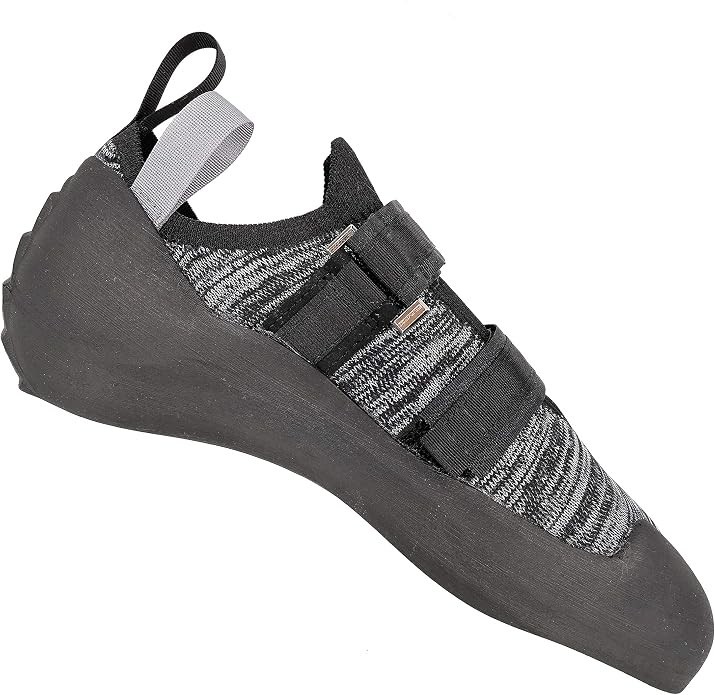
Climbing shoes are specialized footwear with sticky rubber and a snug fit that balances edging precision, smearing friction, and comfort. The primary trade-off is between aggressive downturn and softness for steep terrain versus a flatter, stiffer last for all-day wear and support. Durable options use unlined leather or synthetic uppers with high-friction rubber and a tensioned rand, while compromises show thin soles, weak heel tension, and sloppy sizing.
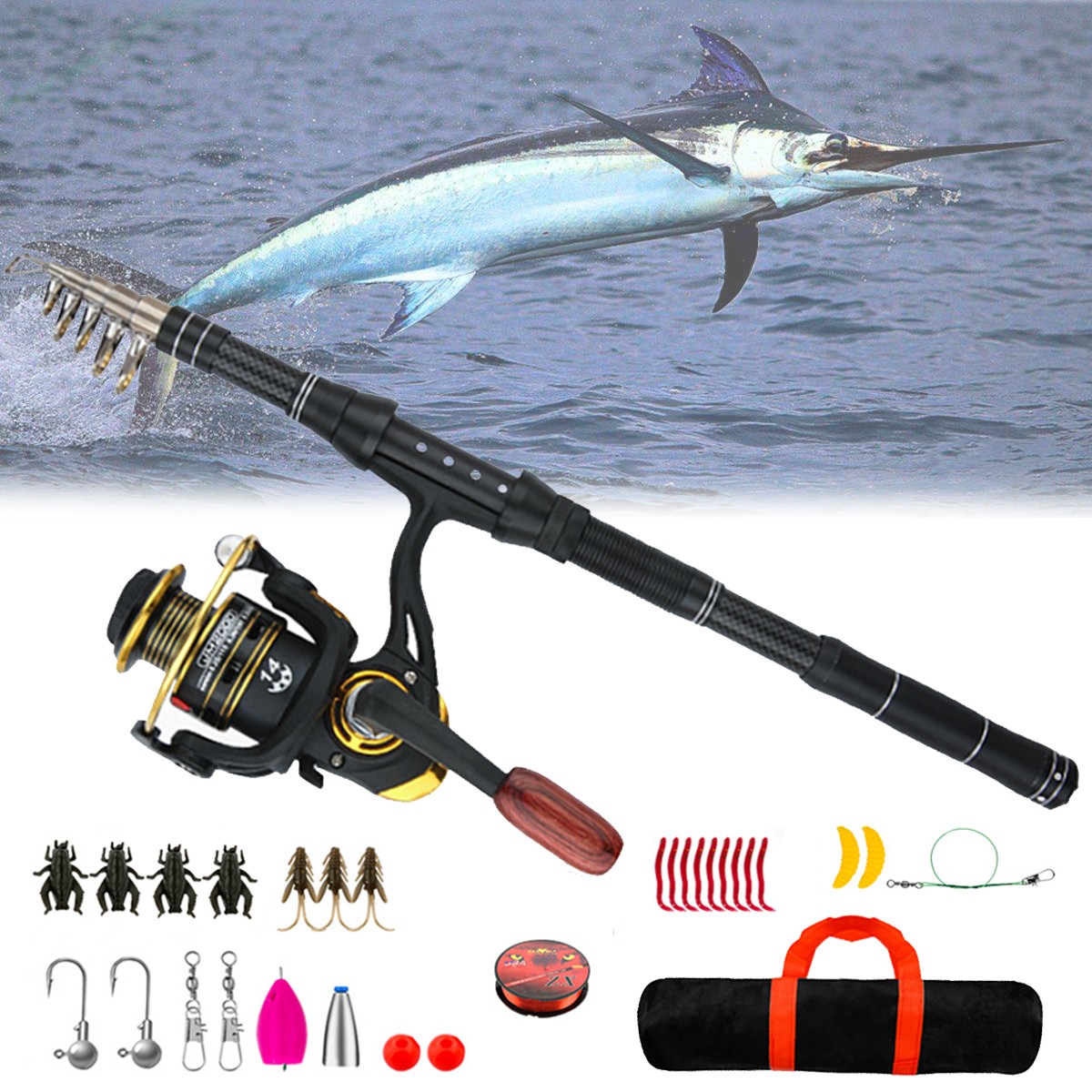
A fishing rod reel combo pairs a matched rod and reel, and the main trade-off is between packable telescopic convenience and the casting distance and backbone of a two-piece rod. Buy a two-piece spinning combo for serious freshwater or light saltwater fishing; choose telescopic only for travel where portability outweighs sensitivity. Reel size must match rod length and target species—mismatched combos are the most common compromise.
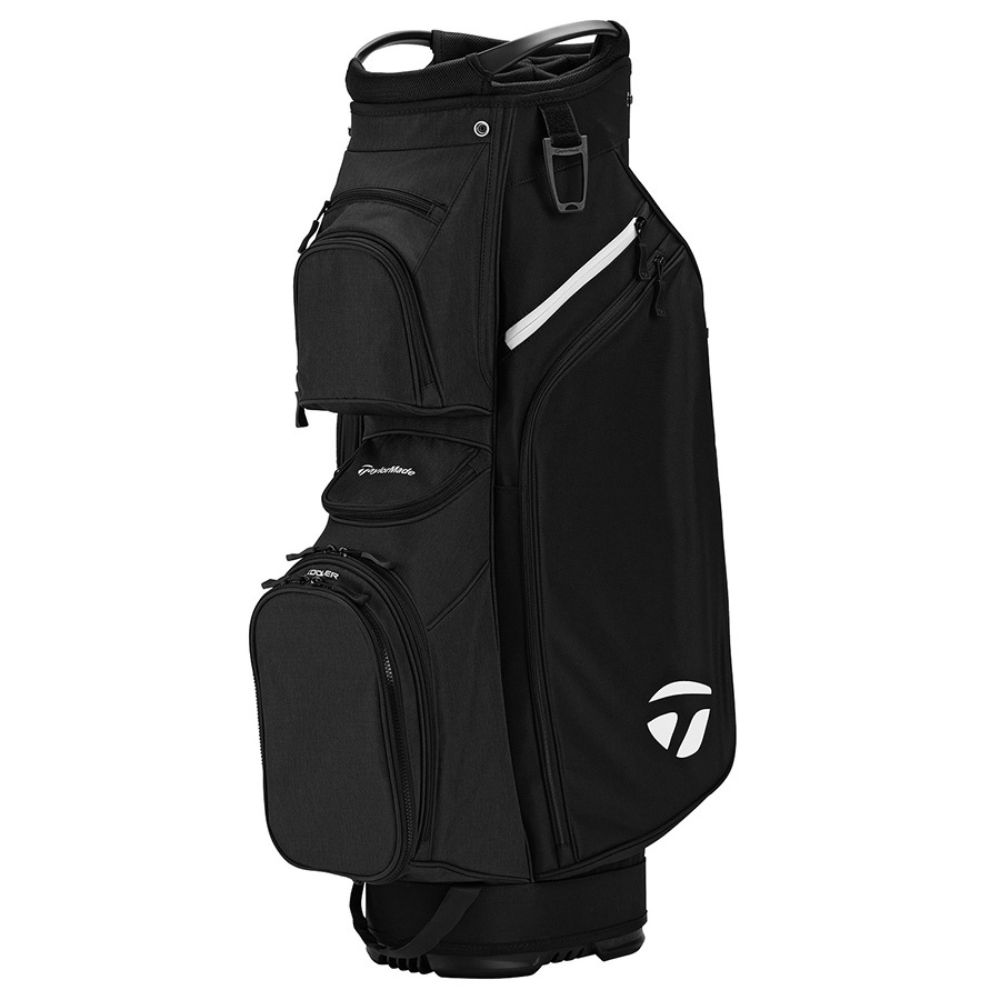
TaylorMade golf bags span cart, stand, and staff architectures built around lightweight nylon/polyester shells, molded bases, and model-specific pocket layouts. The core trade-off is weight vs. organization and ride stability: stand bags favor sub-6 lb carry comfort, while cart bags add rigid bases, cooler pockets, and 14-way dividers at 7-9 lb. Buy by bag type and divider count first; material grade and base construction separate a season-long bag from one that frays at the cuff.

Gym flooring covers interlocking foam tiles, rubber rolls, and modular rubber tiles that protect floors and joints under home or commercial fitness equipment. The core trade-off is thickness and material density: EVA foam is cheap and cushioning but compresses under heavy loads, while vulcanized rubber resists tearing and indentation for racks and dumbbells. Buy foam only for bodyweight and light dumbbell work; choose rubber for any loaded barbell, rack, or treadmill.
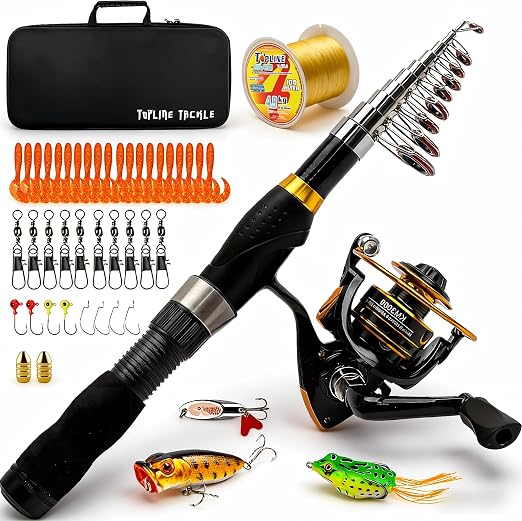
A fishing rod and reel combo pairs a matched rod blank with a reel, where the primary trade-off is blank material and guide quality versus price and portability. Carbon fiber blanks with stainless or ceramic guides and a smooth drag system define durable combos, while fiberglass or E-glass blanks and stamped guides signal entry-level compromises. Choose a combo where rod power, action, and reel size are purpose-matched to your target species and water, not a one-size-fits-all telescopic set.
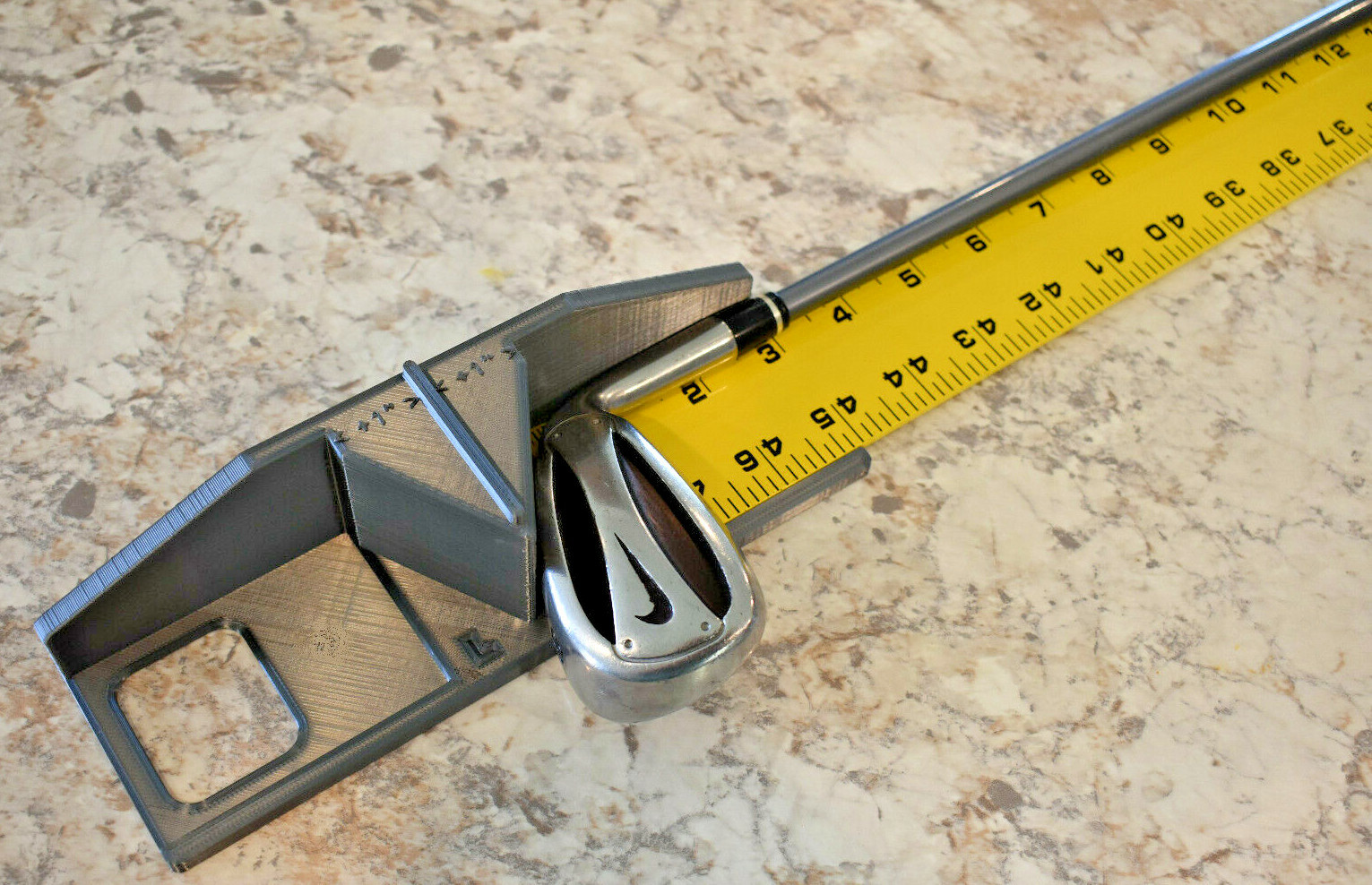
A golf club set is a matched bundle of woods, irons, wedges, and a putter (plus bag) engineered to cover full-swing and short-game yardage gaps with consistent shaft flex, lie, and swing weight. The central trade-off is package-set convenience versus component-set fitting: boxed sets use lightweight, non-adjustable heads and generic shafts, while boxed component sets let you match flex and length to swing speed at a higher cost. The decision rule: buy a pre-boxed set only if your height and swing speed fall inside the stock spec (regular flex, standard length, 10.5° driver), and step up to individually fitted clubs the moment you fall outside those ranges or plan to play more than twice a month.
TaylorMade golf bags span cart, stand, and staff architectures, and the critical trade-off is lightweight nylon construction versus structural rigidity and pocket organization. The decision rule is simple: match the bag's top frame and leg mechanism to your primary transport method (push cart, carry, or riding cart) rather than buying a single hybrid compromise.

A wood pellet grill is an electrically driven, thermostat-controlled smoker that feeds hardwood pellets from a hopper into a fire pot, giving set-and-forget temperature control from low-and-slow smoke to high-heat searing. The primary trade-off is hopper capacity and auger/controller quality versus cooking area: small 256-sq-in units heat fast but need frequent pellet refills, while 450-575-sq-in cabinets hold temperature longer and fit full packer briskets or two racks of ribs. The decision rule: buy a grill with a PID-style digital controller, a hopper of at least 15 lb for cooks over 6 hours, and at least 450 sq in of primary cooking space—skip any unit with a manual rheostat controller or a hopper under 10 lb unless you only grill short 1-2 hour sessions.
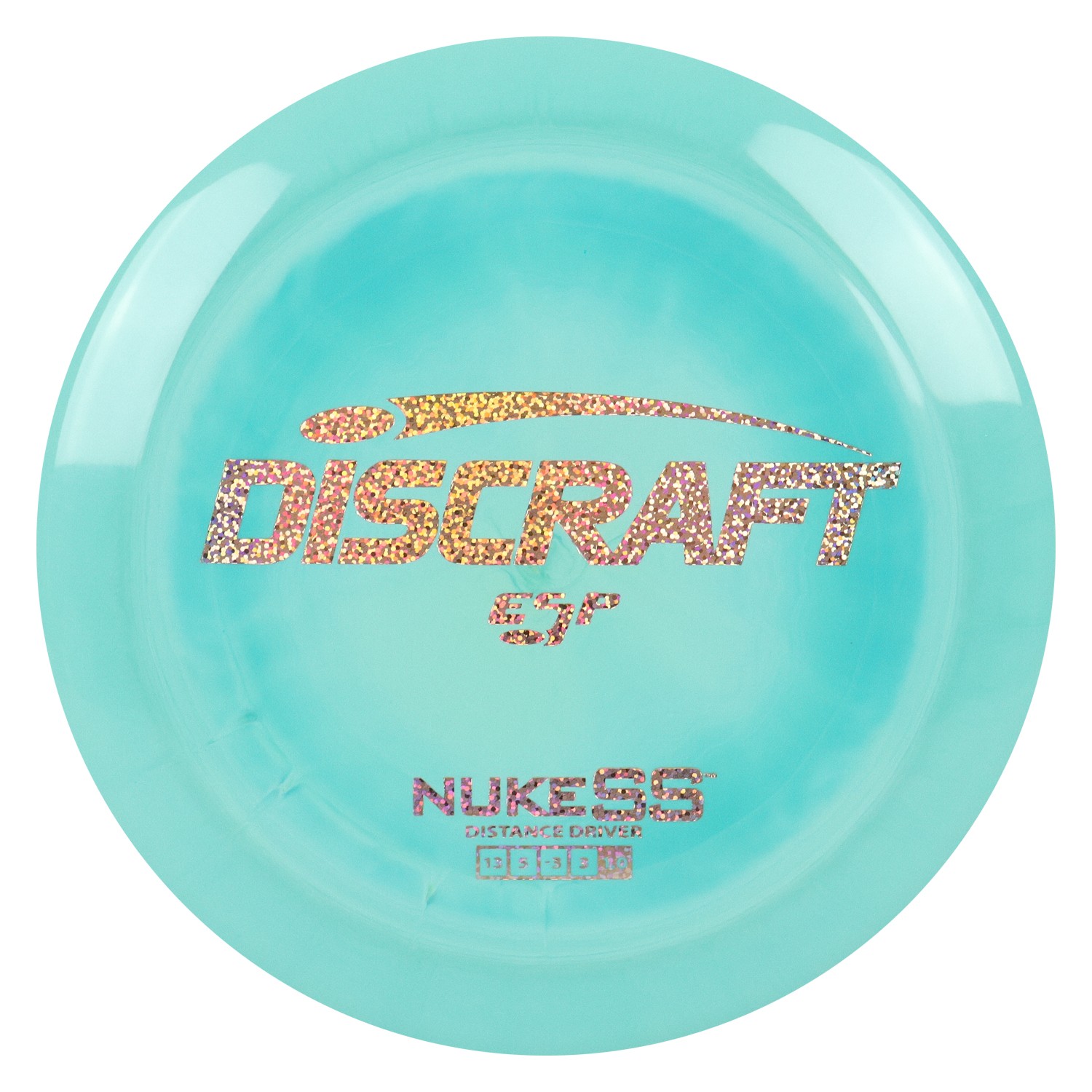
Disc golf drivers are the high-speed, wide-rim discs built to maximize distance and control off the tee, and the core trade-off is rim width and stability versus your arm speed and release consistency. Faster drivers (speed 12-14) demand higher arm speed to fly as designed, while slower fairway drivers (speed 6-9) deliver straighter, more repeatable lines for most players. The decision rule: match driver speed to your measured max distance and throw a stable-to-understable disc for your arm, not the widest rim you can find.
A rod-and-reel combo pairs a matched rod blank and reel so the balance, line weight, and gear ratio work together out of the box. The core trade-off is rod blank material and reel drag quality versus portability: telescopic and spincast sets win on packability and ease, while two-piece carbon spinning combos win on casting distance, hook-set power, and saltwater longevity. Buy the combo whose rod length, power, and reel size match your target species and water type, not the one with the most included accessories.
Finding more guides for you…