Trail Gear Advisor

Trail Gear Advisor

Outdoor Gear Reviews & Buying Guides

Compare outdoor gear by use case, features, trade-offs, price, returns, and seller terms before you buy.

Buying guides

Tents & Shelters

Tent With Stove Jack

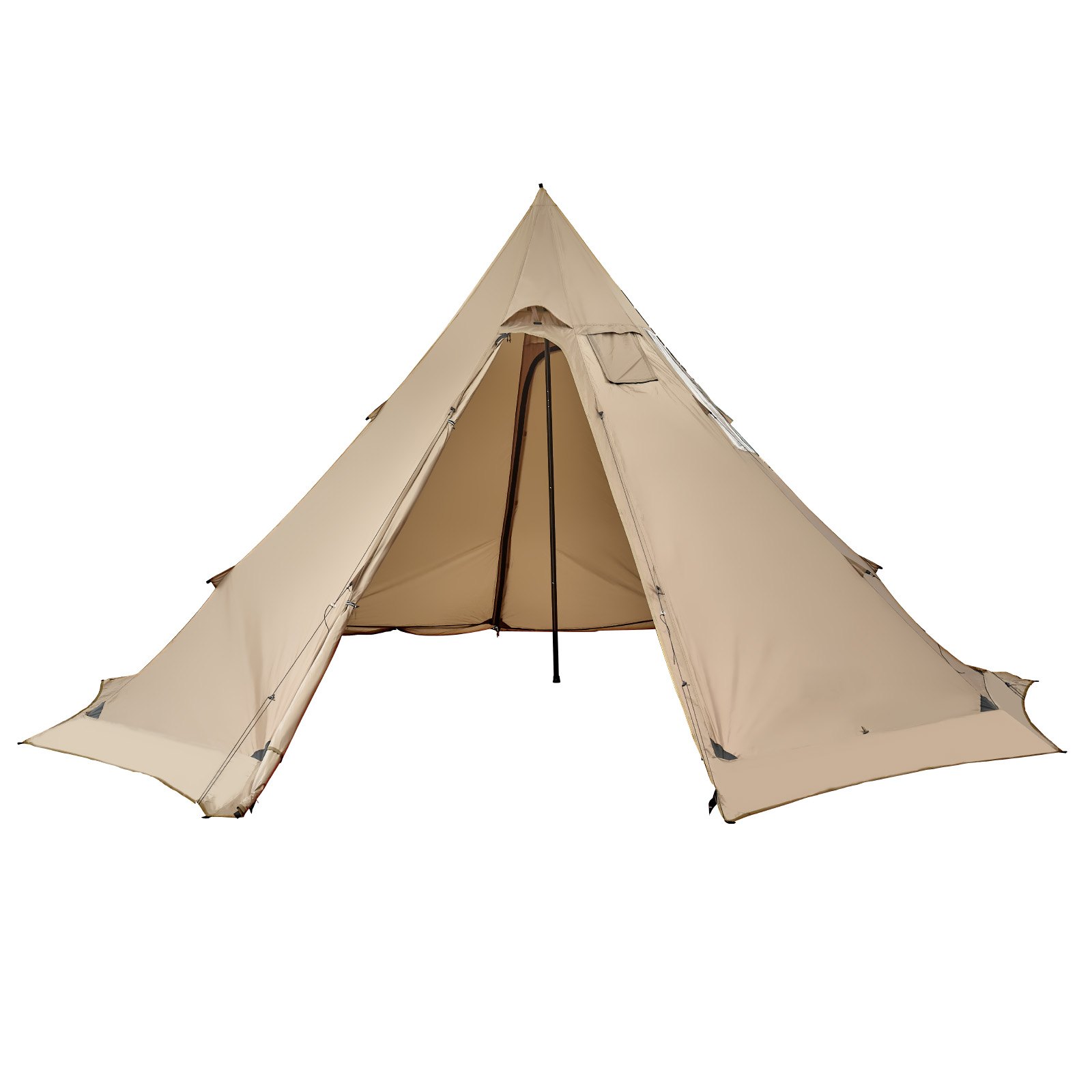
A tent with a stove jack is a four-season shelter engineered to run a wood-burning stove safely inside, defined by a heat-rated flashing port in the roof or wall. The core trade-off is fabric and jack quality: breathable cotton canvas with a silicone- or fiberglass-lined jack vents moisture and survives high flue temperatures, while thin Oxford/polyester shells and bare fabric cutouts scorch, condense, and leak. The decision rule: buy only a tent whose stove jack is rated for continuous flue heat and whose shell is either cotton canvas or a heat-resistant synthetic — skip any shelter where the jack is an unrated fabric hole.
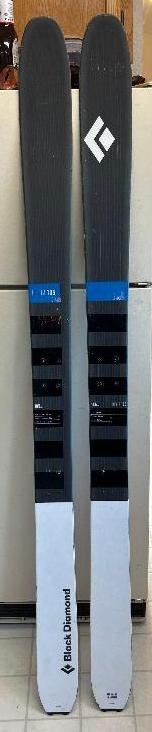
Skis & Snowboards

Ski

Ski selection hinges on matching waist width, camber/rocker profile, and construction to your terrain and ability, not on graphics or marketing tiers. The core trade-off is float and stability versus quick edge-to-edge response and weight. A clear decision rule: buy a ski whose waist width and turn radius match your dominant snow conditions and speed, and always confirm binding compatibility and boot sole standard before committing.

Camping Lanterns & Lights

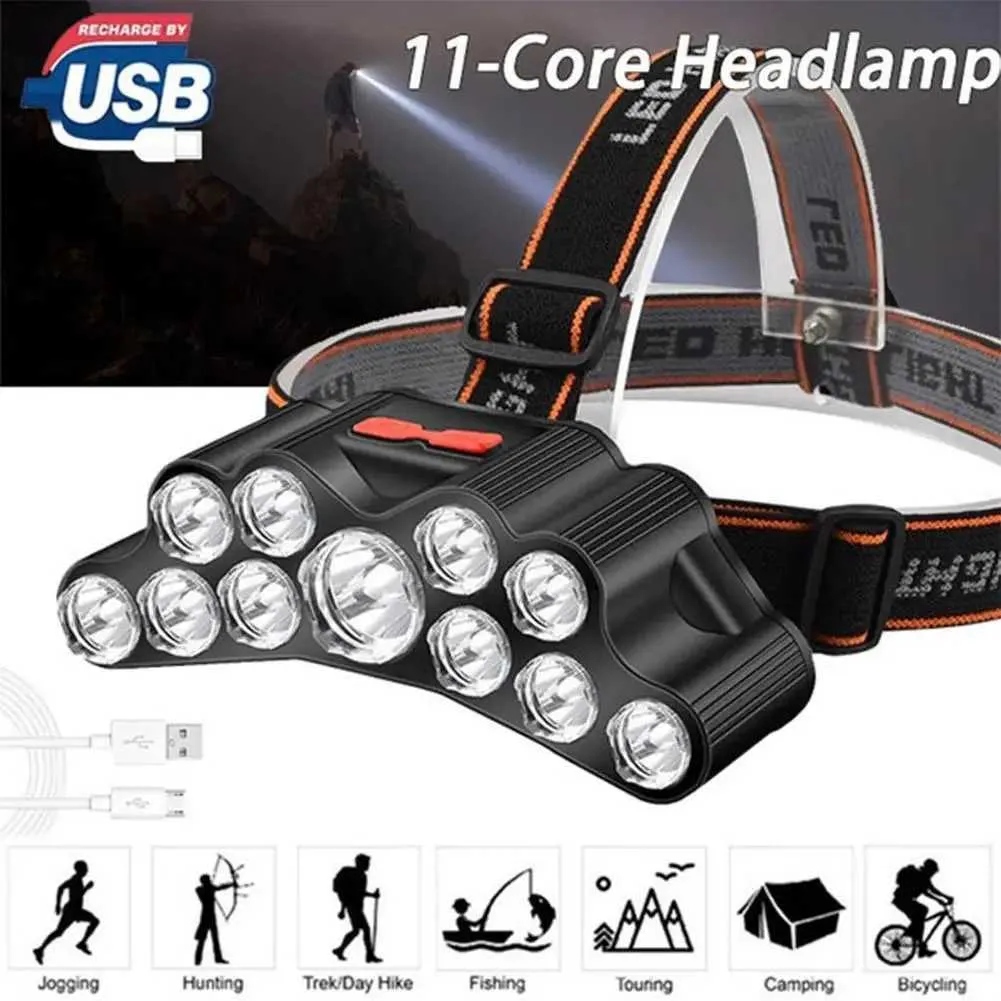
Headlamp

A headlamp is a hands-free lighting tool defined by its battery architecture (USB-C rechargeable vs. disposable AAA), emitter type (focused LED vs. floody COB), and mounting system (elastic strap vs. hard-hat clips). The core trade-off is weight and output versus runtime and durability: ultralight rechargeables shine for running and backpacking, while heavier regulated lights with metal bodies suit work and hard-hat use. The clear rule: buy a regulated, USB-C rechargeable model with a replaceable or long-life cell for daily use, and only accept disposable-cell or unregulated lights as emergency backups.

Human-Powered Water Sports

Paddle Board

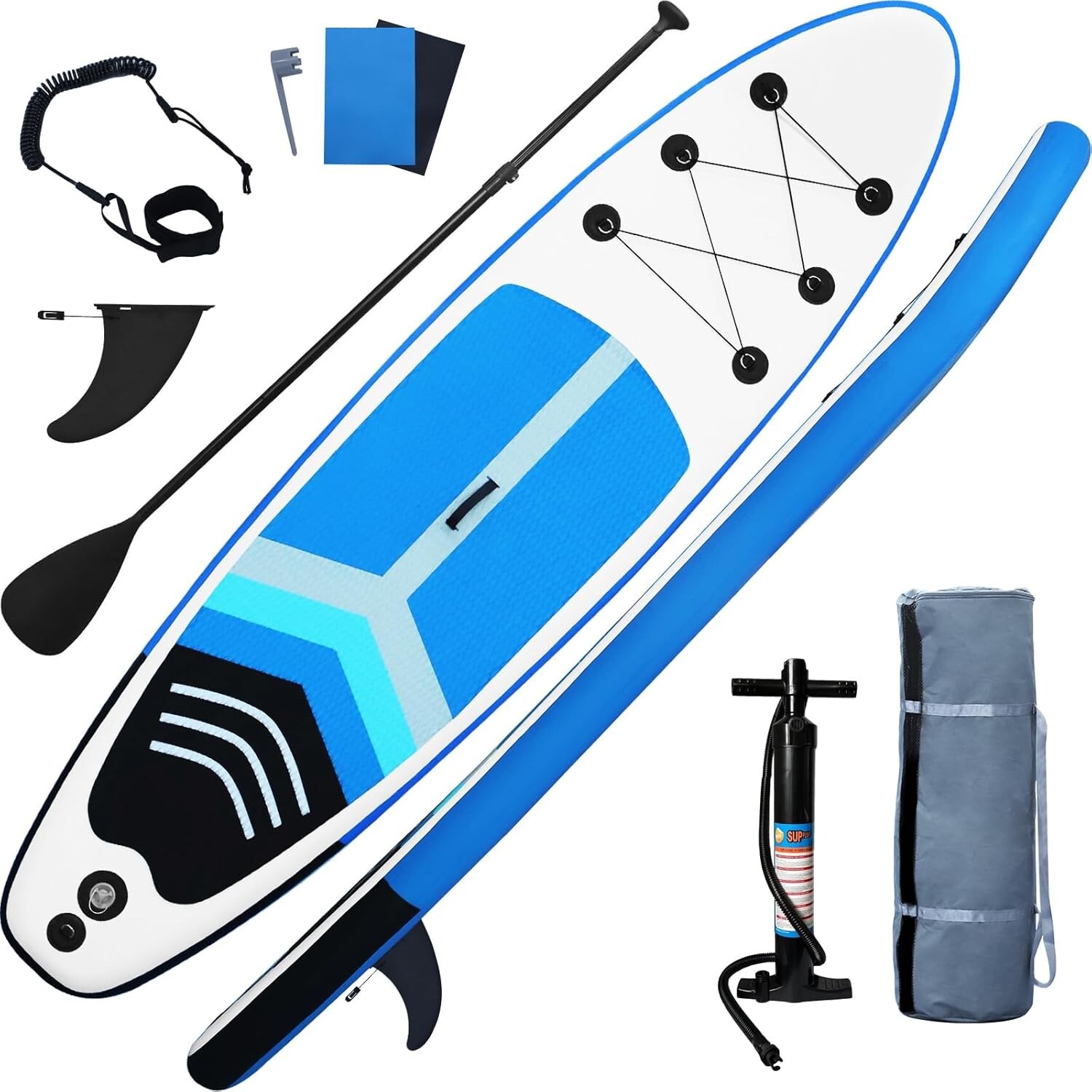
Paddle boards split into rigid (fiberglass, carbon, or molded plastic) and inflatable (drop-stitch PVC) architectures, and that material choice dictates stiffness, glide, portability, and lifespan more than any badge. Buy rigid for performance and inflatable for transport, and reject any board whose construction spec omits drop-stitch PSI or skin layup.

BBQ Grills & Smokers

Wood Smoker

Wood smokers split into two architectures: electric pellet units with automatic auger-fed temperature control, and offset/stick-burner charcoal-wood rigs that demand manual fire management. The core trade-off is convenience versus smoke character—pellet grills win on repeatability, offsets win on bark and authentic combustion flavor. Buy a pellet smoker if you want set-and-forget cooks under 8 hours; buy an offset only if you will tend a fire every 30-45 minutes.

Hiking Backpacks & Hydration Packs

Day Backpack Travel

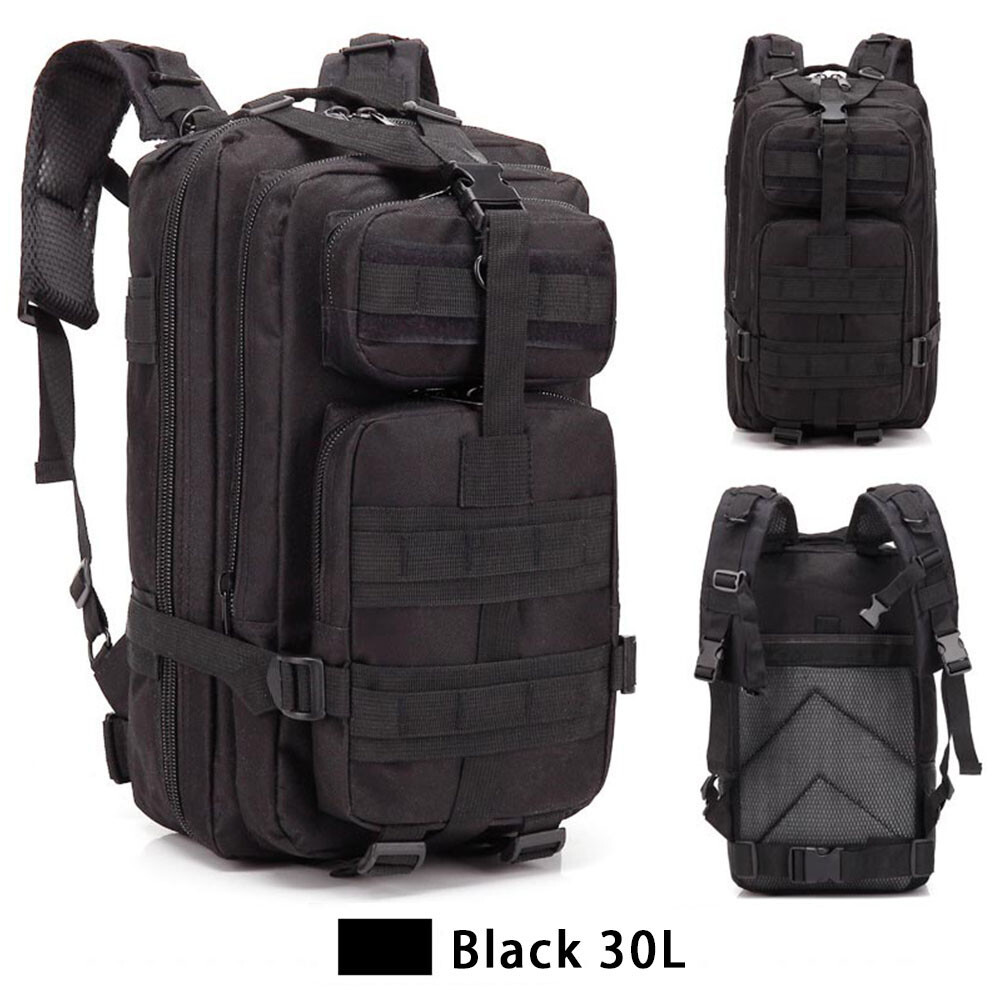
Day backpacks for travel are carry-on-legal packs (typically 30-45L) that balance load support, access, and durability for 1-3 day trips. The core trade-off is structured load transfer (framesheet + hip belt) versus lightweight packability — and whether the harness fits your torso length. The decision rule: for trips with flights, choose a panel-loader under 45L with lockable zippers and a stowable harness; for hiking-heavy travel, choose a ventilated suspension pack that fits your measured torso.

Human-Powered Water Sports

Inflatable Paddle Board With Seat

An inflatable paddle board with seat is a drop-stitch PVC SUP paired with a removable kayak-style seat, converting a stand-up platform into a sit-on-top hybrid. The core trade-off is drop-stitch PSI and skin construction versus seat attachment design—cheap boards use glued D-rings and thin PVC that flex under seated load. The decision rule: buy only boards rated 12–15 PSI with machine-welded seams and a reinforced seat-strap system; skip single-layer 10 PSI boards with glued-on seat patches.

Fishing Hooks, Lures & Baits

Frog Lure

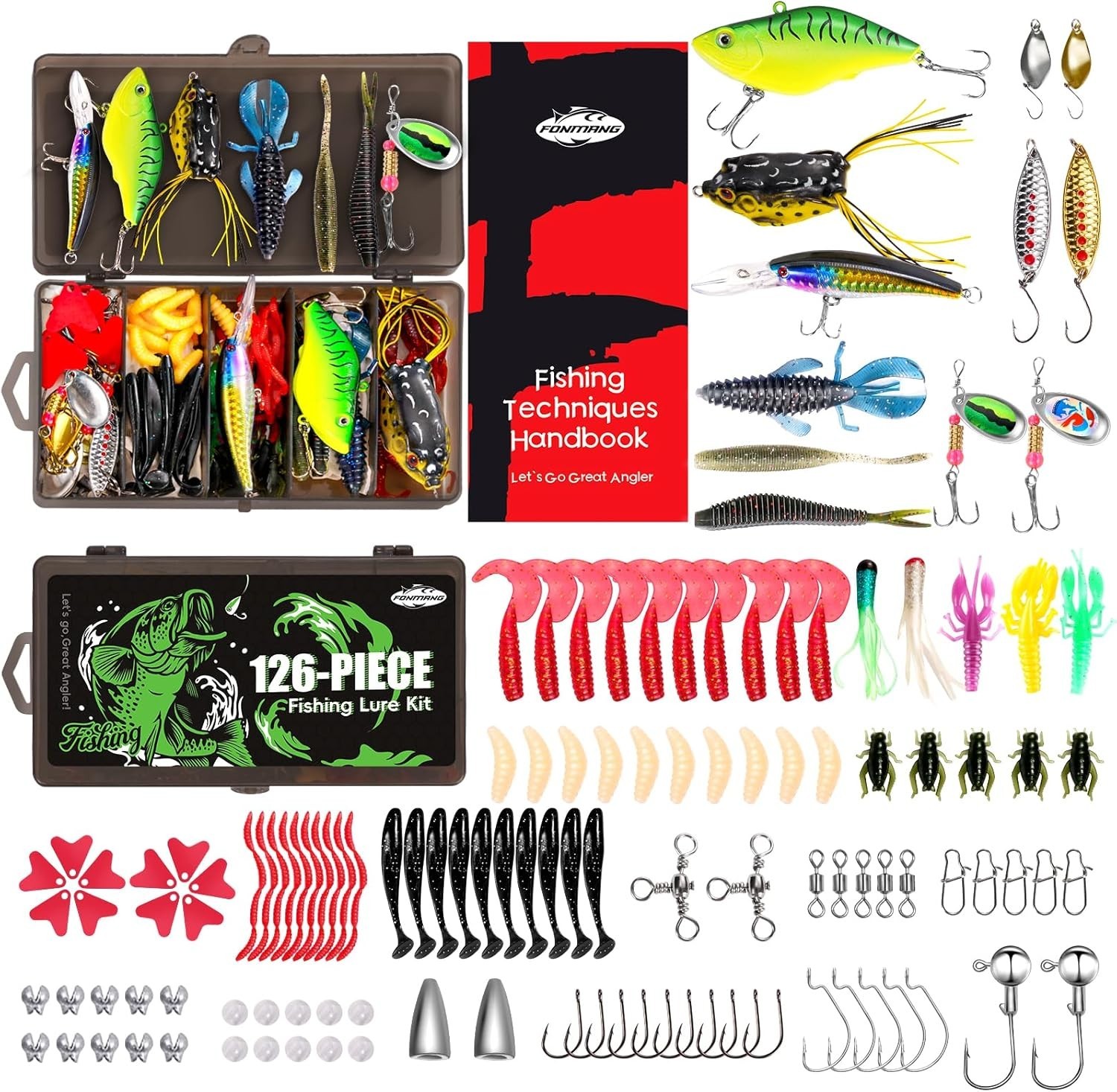
Frog lures are hollow-bodied or soft-plastic topwater baits designed to skip over slop, pads, and matted vegetation without snagging. The core trade-off is body-wall thickness and hook-gap clearance: thin walls collapse easily for solid hooksets but tear after a few fish, while thick walls last longer but require more force to compress. Buy a hollow-body frog with a wide hook gap and a collapsible body if you fish heavy cover; skip rigid or ultra-thin frogs if you need both durability and clean hookups.

Cardio Machines

Portable Treadmill

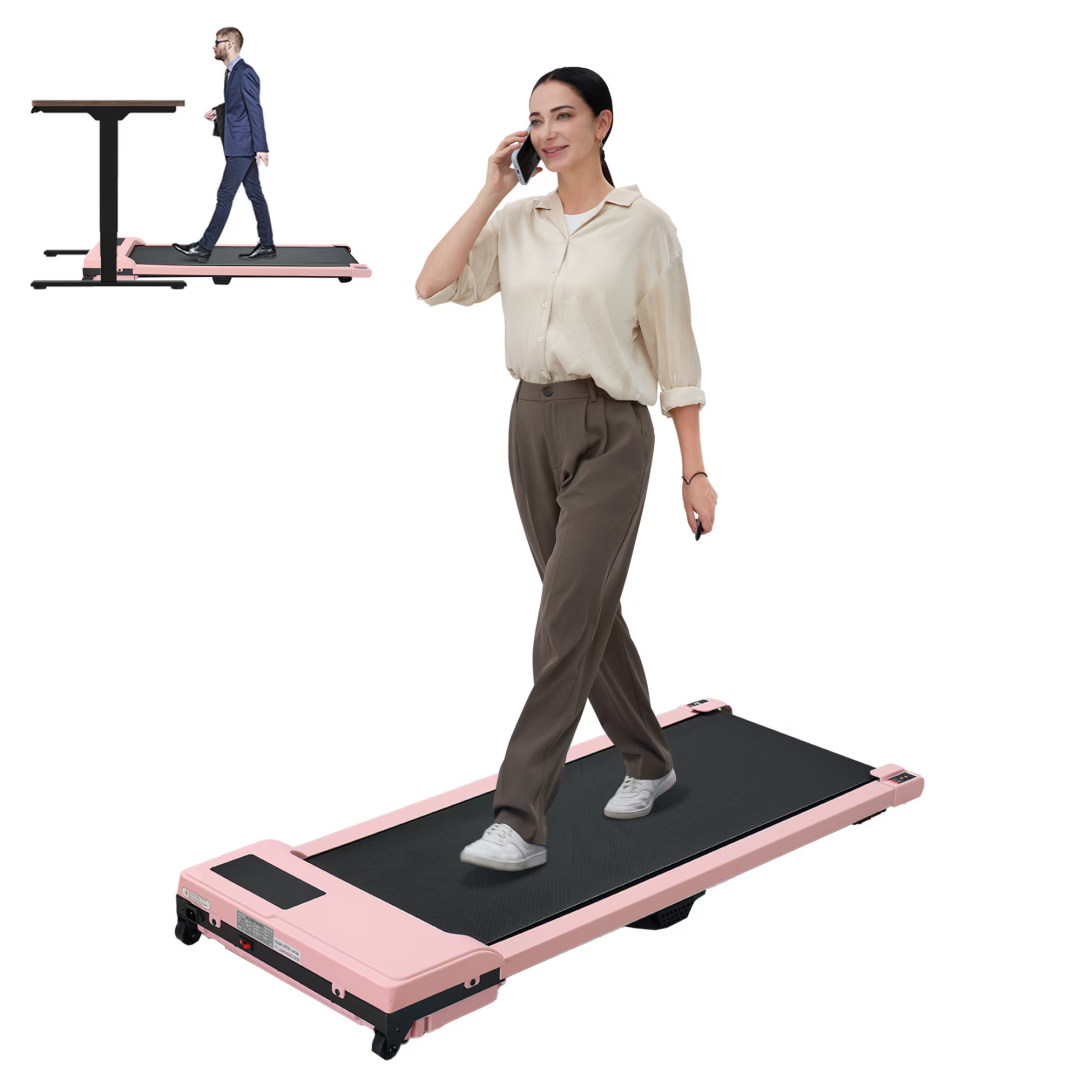
Portable treadmills are compact walking pads and foldable running decks designed to slide under a desk or bed, and the primary trade-off is motor/deck stiffness versus weight and folded footprint. A durable pick uses a brushless DC motor rated for continuous walking, a deck at least 40 inches long, and a stated user weight capacity with headroom over the heaviest user; anything under 1.5 HP continuous or without a hard deck flex limit is a light-duty compromise.

Home Pizza Ovens

Portable Gas Pizza Oven

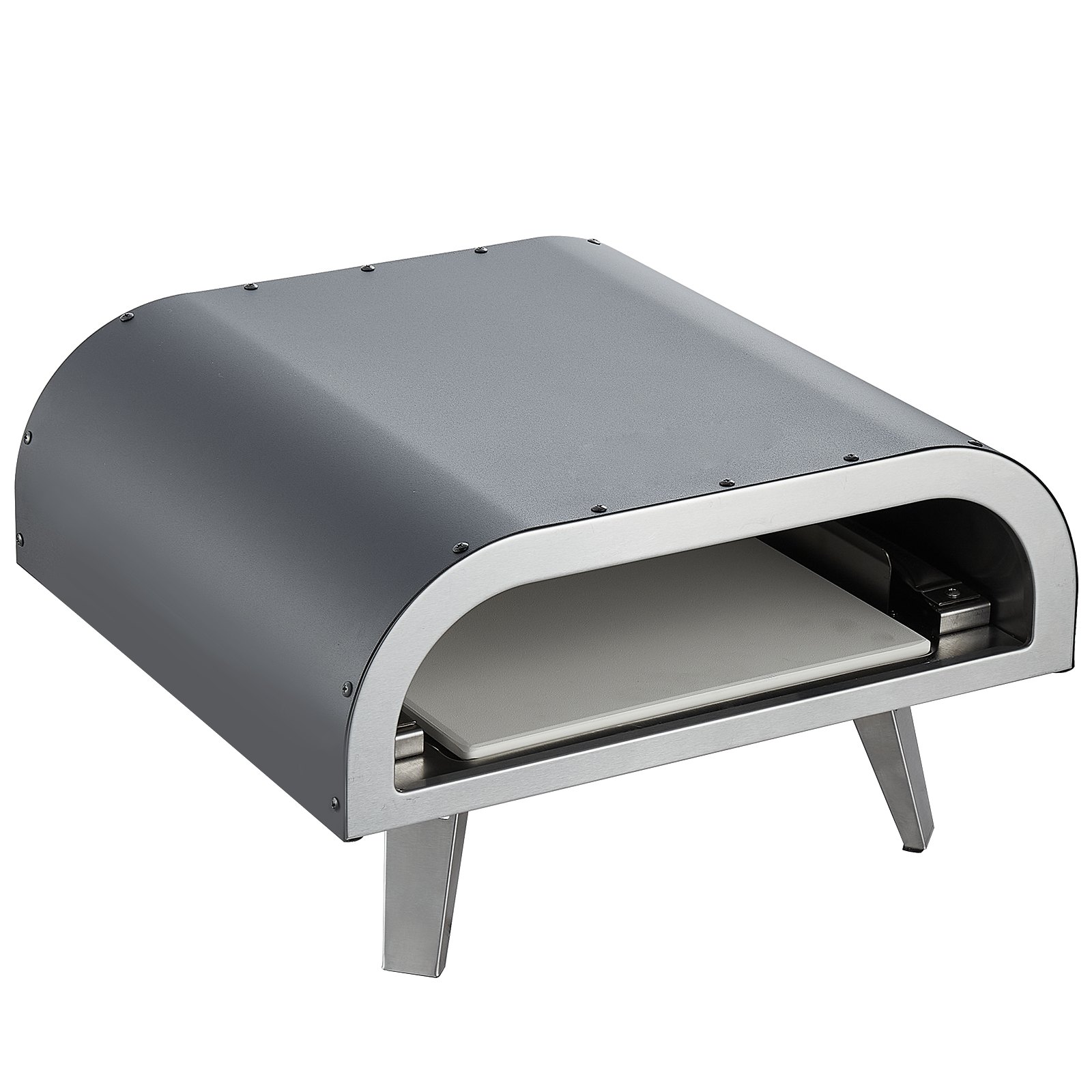
Portable gas pizza ovens are compact, propane- or natural-gas-fired countertop units designed to reach 700–900°F for fast Neapolitan-style pies. The core trade-off is between thin steel shells with basic stones (fast heat-up, poor retention) and thicker cordierite or ceramic decks with insulated bodies (slower start, stable floor heat). The decision rule: choose a unit with a ≥15mm cordierite or ceramic stone, a built-in thermometer, and a burner rated for high-output (≥10,000 BTU) — thin stamped-steel shells with 8–10mm stones are camping compromises, not backyard performers.

Tents & Shelters

Portable Beach Tent

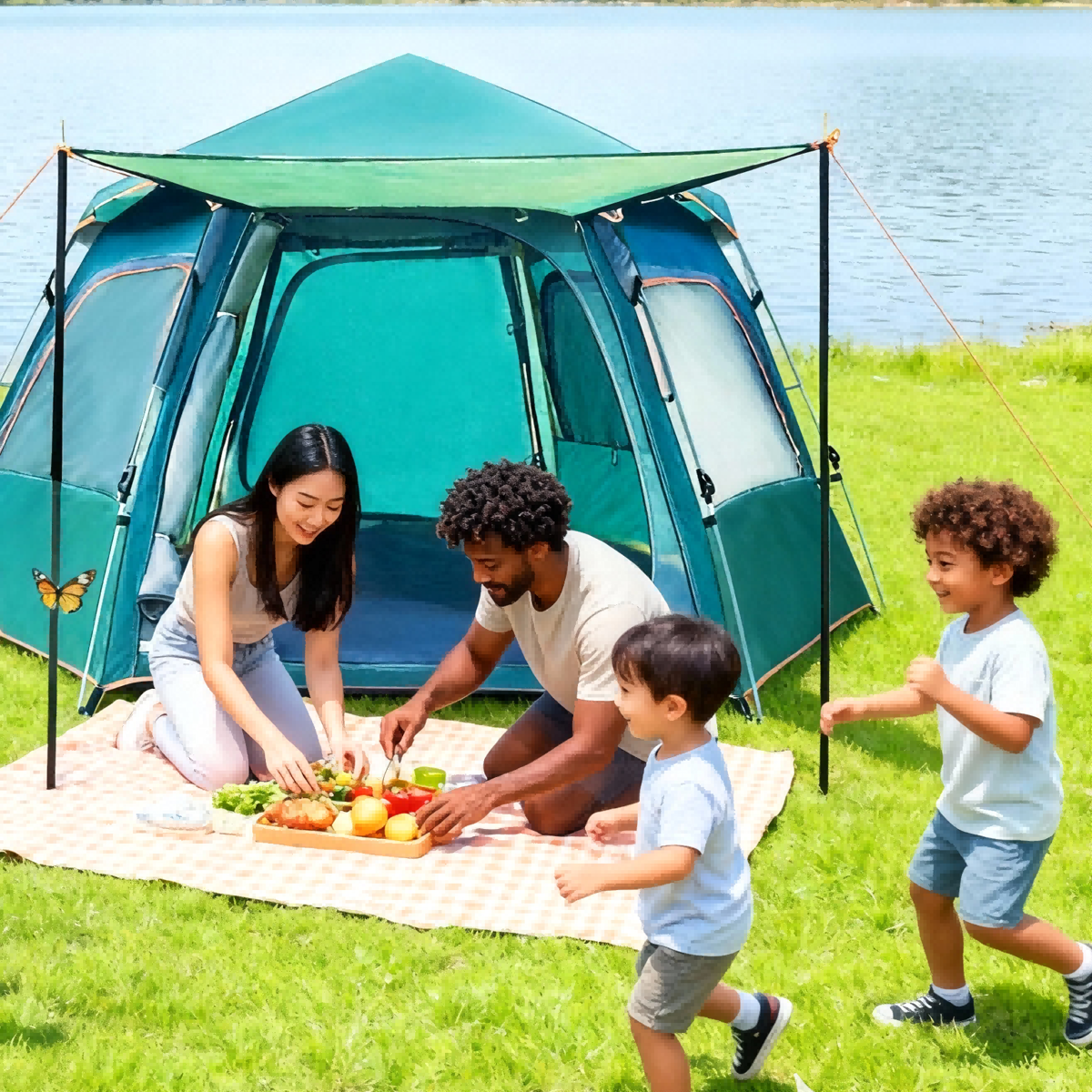
Portable beach tents are lightweight sun and wind shelters that pitch instantly or with a few poles, balancing UV protection and airflow against packed weight and stability in sand. The core trade-off is coated polyester fabric (190T–210T with silver or blackout coating) versus breathable mesh panels, plus pop-up fiberglass frames versus pole-and-sleeve designs. Choose UPF 50+ fabric with sand pockets and stake loops if you need real wind resistance; skip uncoated thin fabric and frameless half-tents if you face coastal gusts.

Surf Fins, Leashes & Wax

Fcs Surfboard Fin

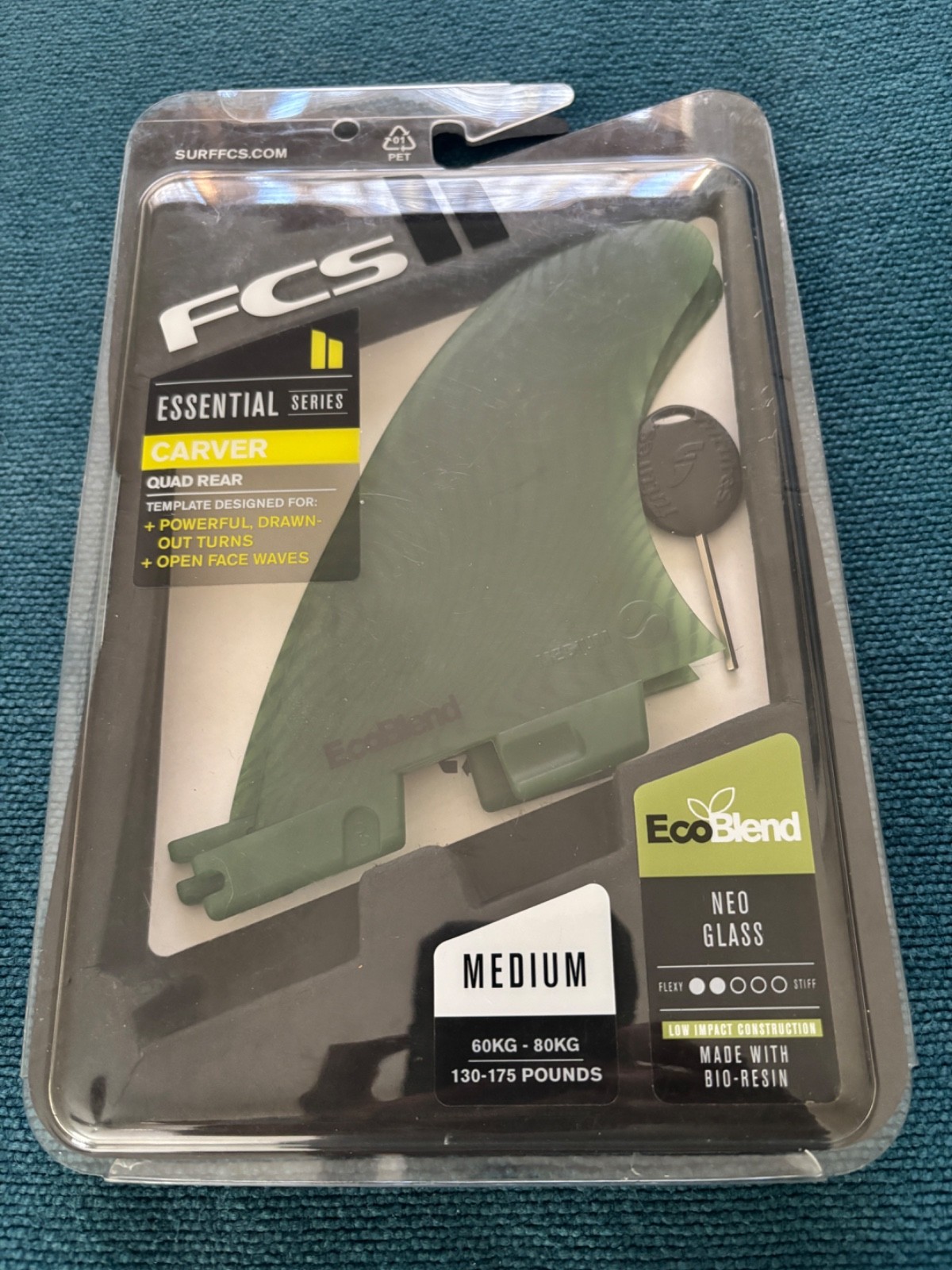
FCS surfboard fins are removable fin systems built around two incompatible architectures: the original dual-tab FCS (two grub screws per fin) and the tool-free FCS II (single keyless Click Tab). The core trade-off is compatibility and material stiffness versus flex feel: glass-filled polymer and Performance Glass deliver drive and response, while NeoGlass and EcoBlend soften the ride at the cost of top-end speed. The decision rule is simple: match the fin box architecture to your board first, then pick template size by rider weight and material by wave type—never buy FCS II fins for a dual-tab board or vice versa.

Cardio Machines

Portable Walking Treadmill

A portable walking treadmill is a compact, armless or folding belt deck built for under-desk walking and light jogging, prioritizing footprint and quiet operation over running performance. The core trade-off is motor continuous duty rating and deck size versus portability: a 2.0–2.5 HP brushless DC motor with a 40–48 inch belt supports daily walking, while smaller 1.5–2.0 HP decks limit users to slow pace and shorter strides. Buy durable options with brushless motors, 220+ lb capacity, and 15+ inch belts; skip low-clearance single-fold decks rated under 200 lb for daily use.

Disc Golf Drivers

Disc Golf Driver

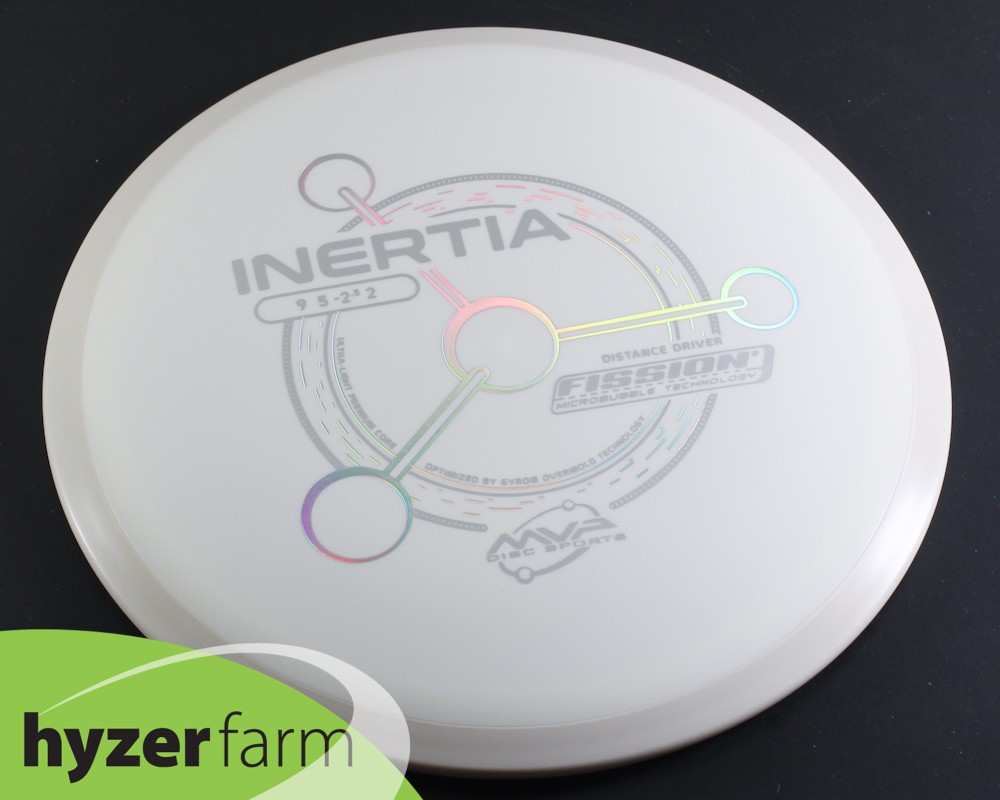
Disc golf drivers are the high-speed, low-profile discs built for maximum distance off the tee, and the buying decision hinges on matching rim width and plastic grade to your arm speed and course conditions. The core trade-off is control versus raw distance: wide-rim distance drivers in premium plastic reward strong arms but punish beginners, while fairway and control drivers in durable blends deliver repeatable lines. The clear rule is this—choose plastic grade first (premium for durability, baseline for grip), then rim width matched to your measured max distance, never the other way around.

BCD & Dive Regulators

Scuba Bcd

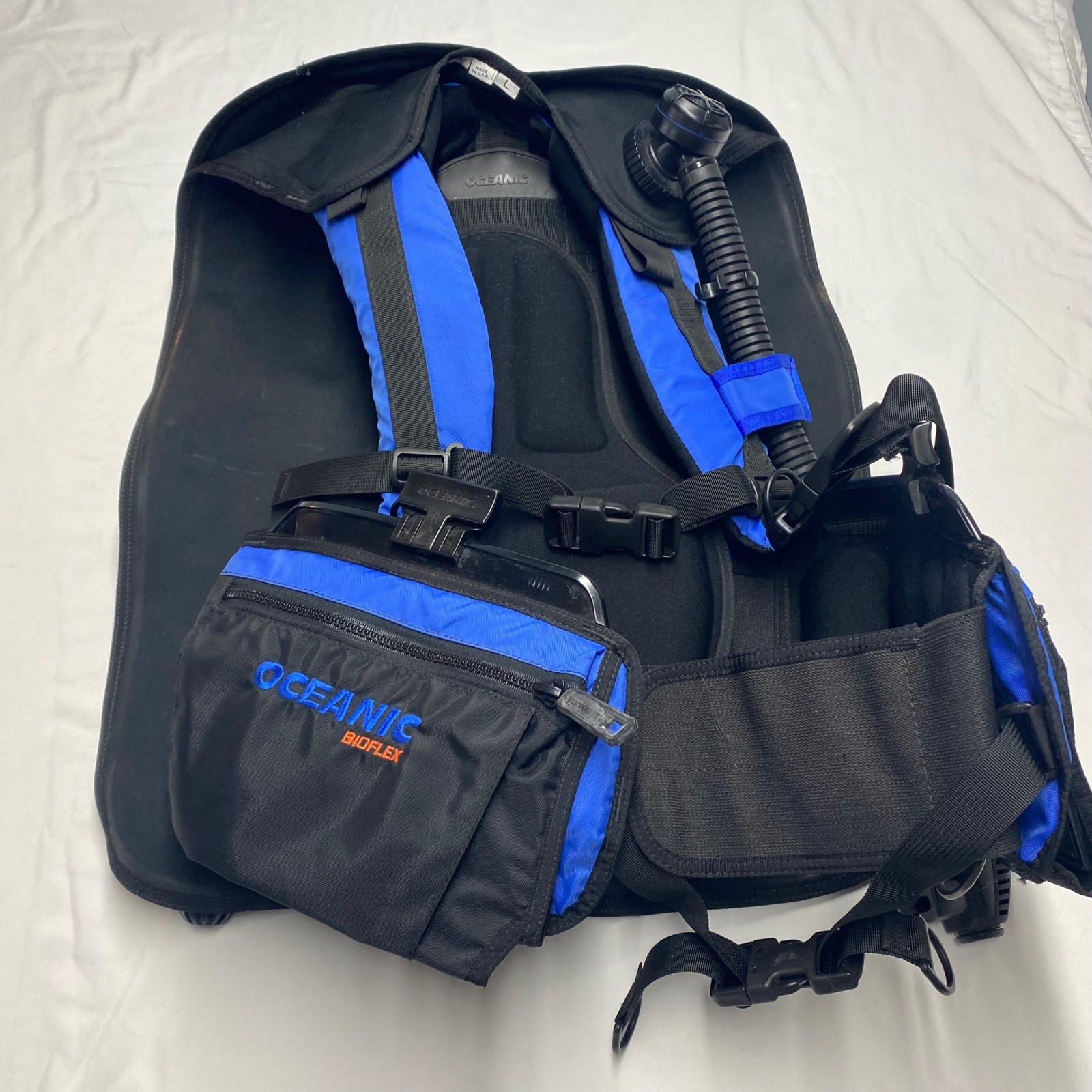
A scuba BCD (buoyancy compensator device) is the harness-and-bladder system that controls your buoyancy at depth and floats you at the surface; the core trade-off is jacket-style wraparound lift and comfort versus back-inflation/wing designs that free the chest and trim better underwater. The durable choice is a name-brand bladder with a serviceable power inflator, dump valves, and a harness rated to your exposure suit; the compromise is a generic 30 lb donut wing or no-name oral inflator with no parts support.

Tents & Shelters

Bell Tent

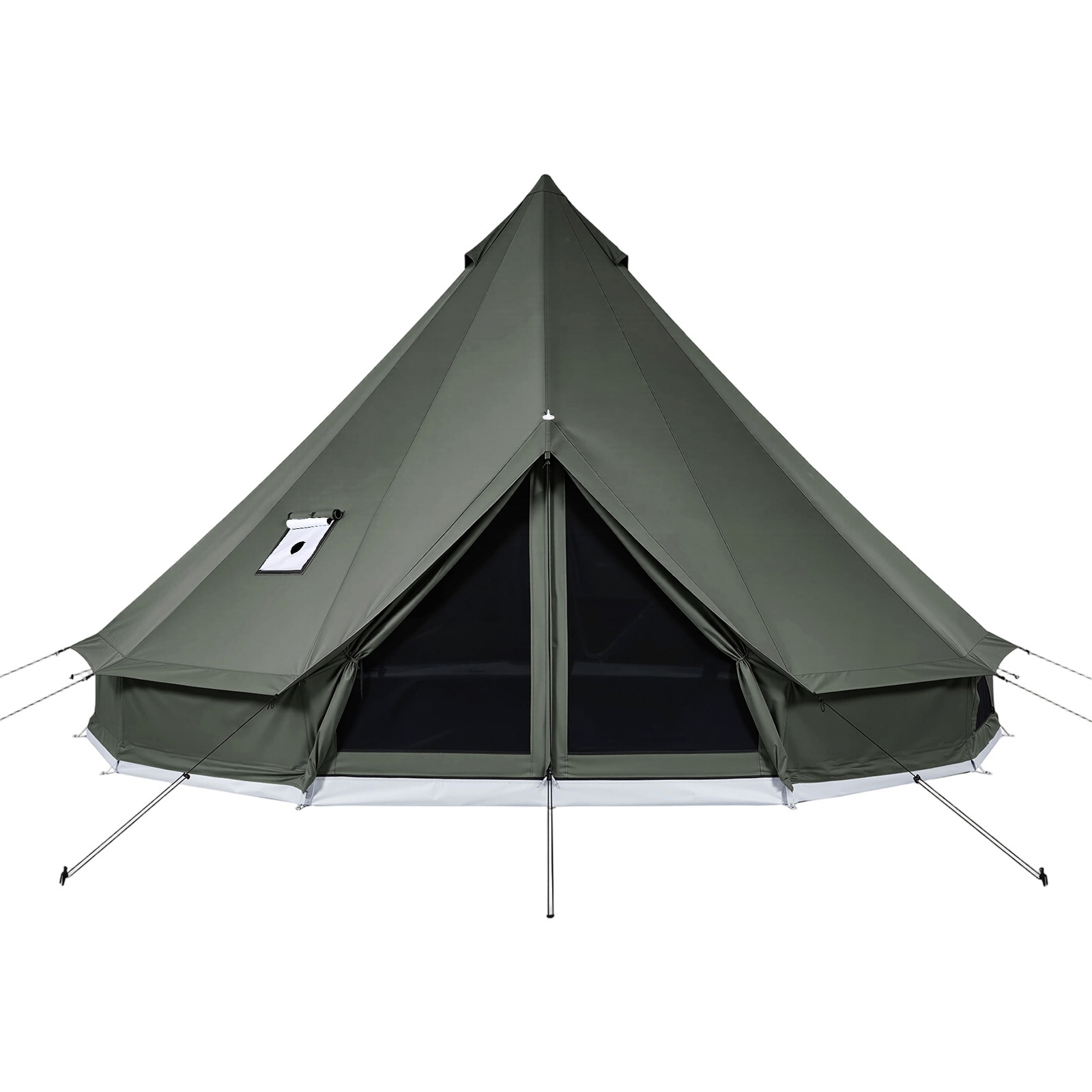
A bell tent is a single-pole, conical canvas or synthetic shelter chosen for standing headroom, wood-stove compatibility, and glamping comfort rather than ultralight backpacking. The core trade-off is breathable cotton canvas (mold-resistant only when bone-dry, heavier, superior condensation control) versus coated Oxford polyester (lighter, cheaper, but condensation-prone and less durable under UV). Buy canvas with a stove jack and zipped-in groundsheet for cold-weather basecamps; buy Oxford only for warm, dry, occasional use.

BCD & Dive Regulators

Buoyancy Compensator

A buoyancy compensator (BC) is the scuba life-support vest that controls your buoyancy at depth and on the surface. The core trade-off is jacket-style padding and lift versus backplate/wing modularity and travel weight, with lift capacity, harness fit, and inflation hardware determining real-world safety and comfort. Choose a BC whose lift matches your exposure suit and tank; skip anything with mismatched lift or unserviceable inflator parts.

You may also like

Finding more guides for you…