Photos from current listings. Actual item, color, and included accessories may vary.
Barbell Buying Guide
A barbell is the steel shaft you load plates onto, and the segment splits into two hard categories: 2-inch Olympic bars built for heavy compound lifts and 1-inch standard bars for light home use. The decisive trade-off is shaft/plate compatibility and tensile strength versus cost; buy Olympic (50 mm sleeves, 28-32 mm shaft) for squats and deadlifts, and only choose 1-inch or convertible dumbbell-bar sets if your loads stay light.

At a glance
- Category
- Barbells, Plates & Dumbbells
- Data updated
- Nov 16, 2026
Current offers
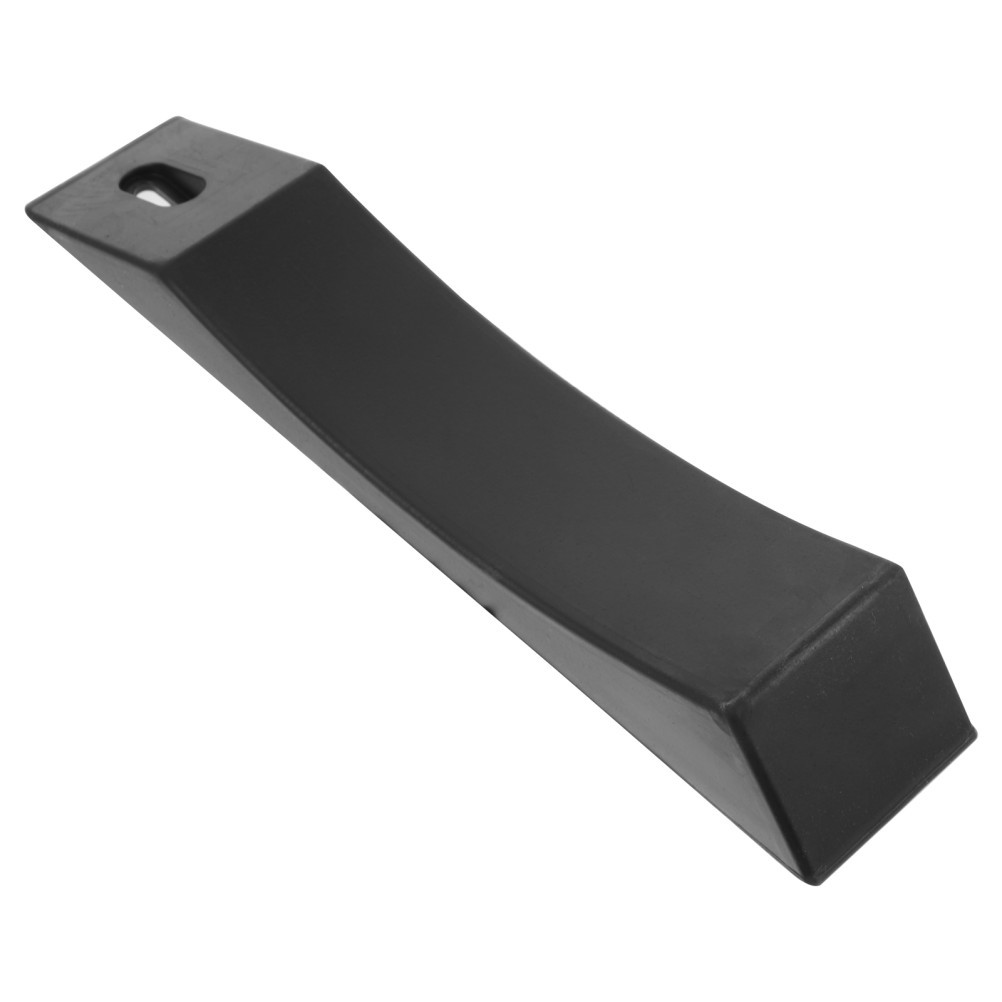 1Pc Silicone Barbell Fixation Pad with Quick Recovery and Strong Load Capacity$23.64
 View on eBay
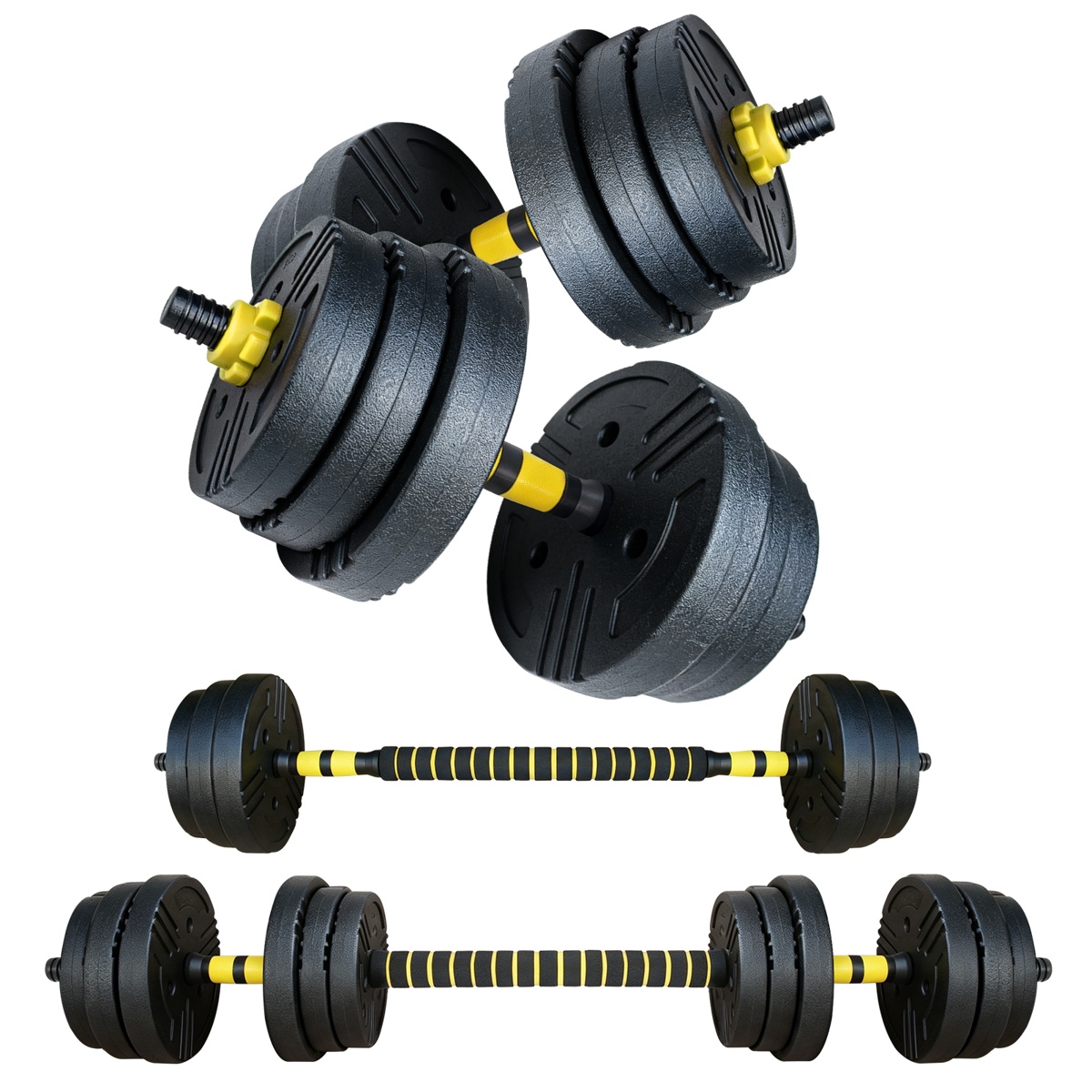 Adjustable Dumbbells, 45 lbs Free Weight Set with Connector, Multifunctional Set Used as Barbell, Dumbbell, Push-ups and Plate, Fitness Exercises for Home Gym$48.99
 View on Mallflare
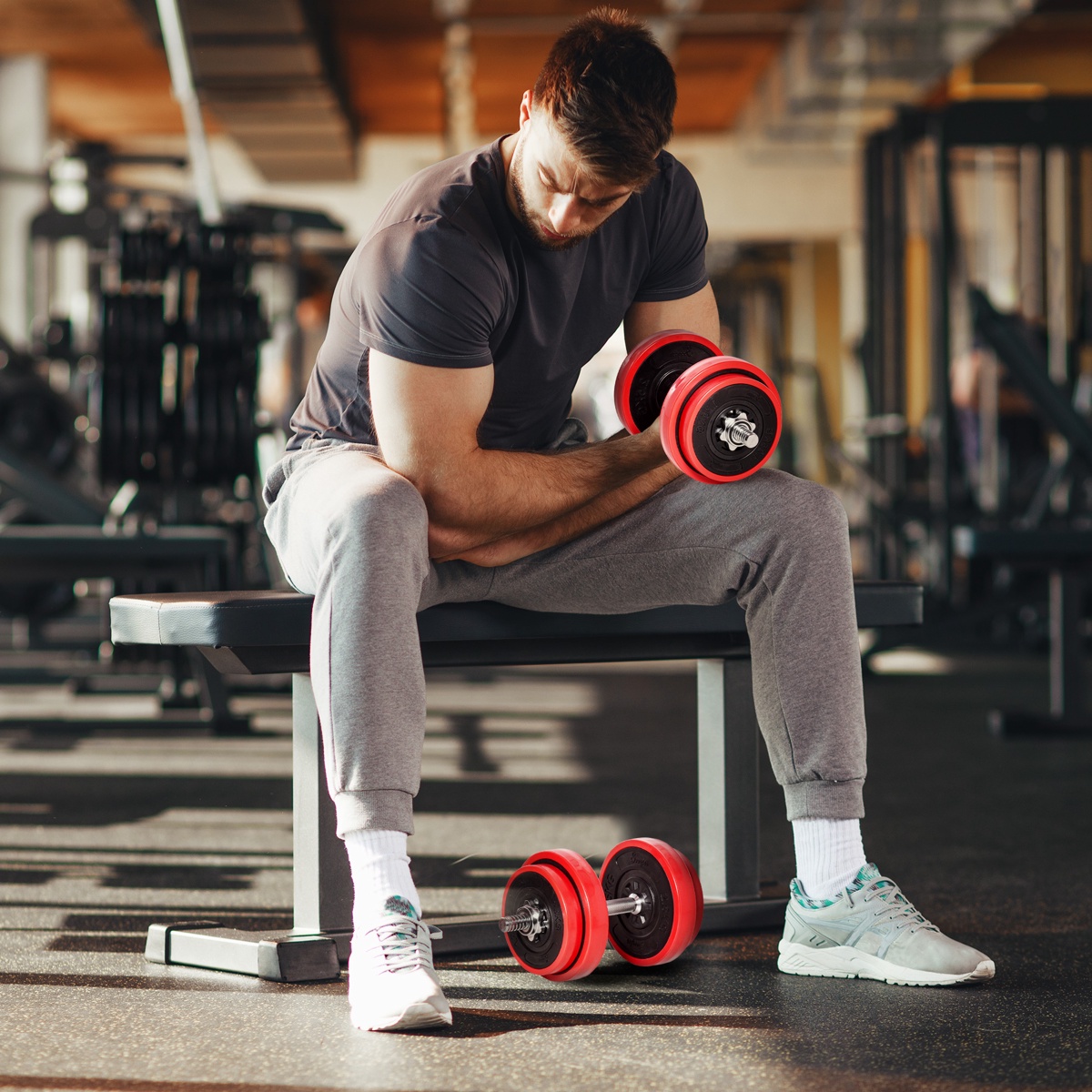 Adjustable Dumbbell Set, 44lbs Convertible to Barbell Weight Set for Home Gym Women and Men Lifting Training$57.99View on Mallflare
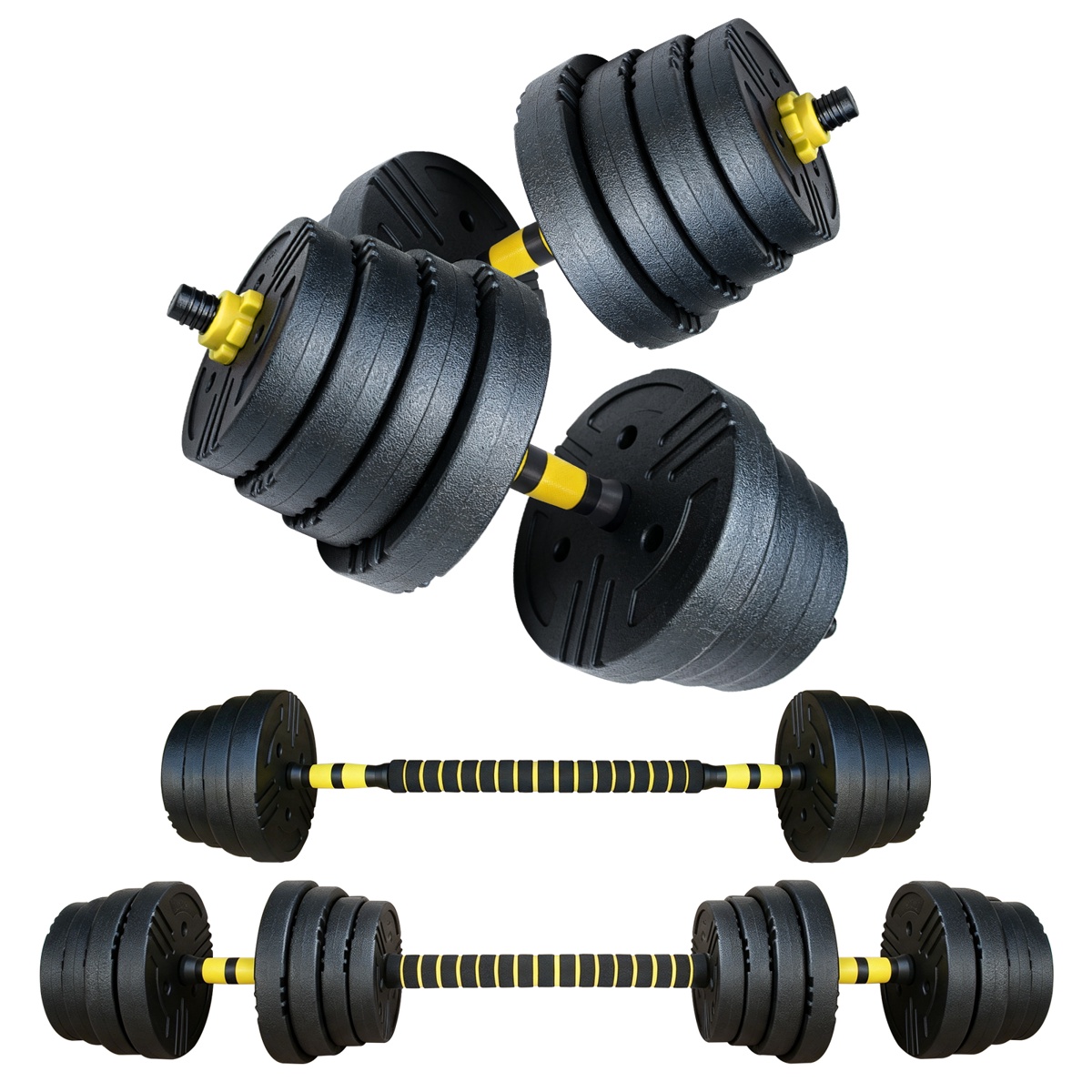 Adjustable Dumbbells, 66 lbs Free Weight Set with Connector, Multifunctional Set Used as Barbell, Dumbbell, Push-ups and Plate, Fitness Exercises for Home Gym$68.99View on Mallflare
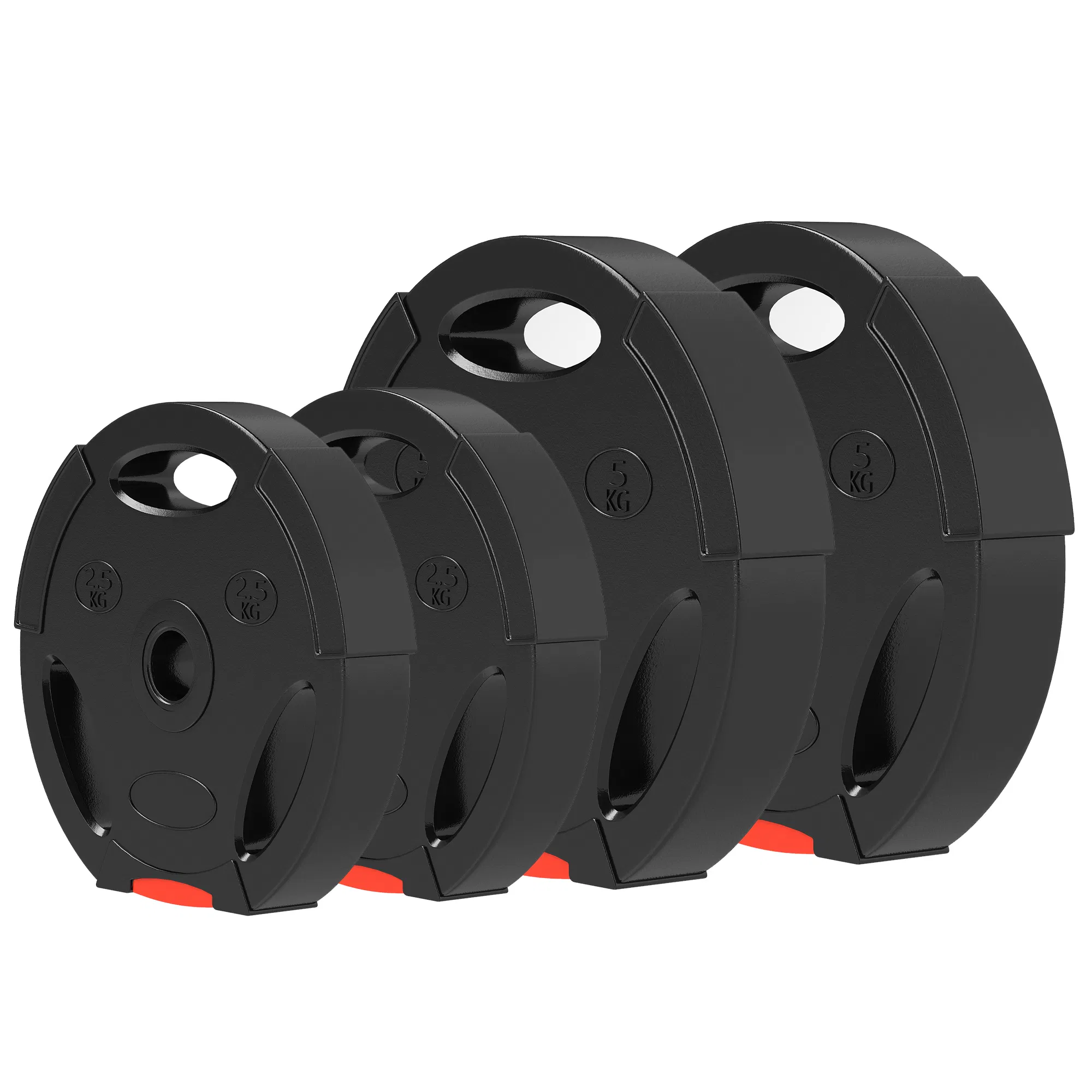 1-Inch Weight Plates, Barbell Weights Set for Weightlifting and Strength Training, 2 x 11lbs + 2 x 5.5lbs$76.99View on Mallflare
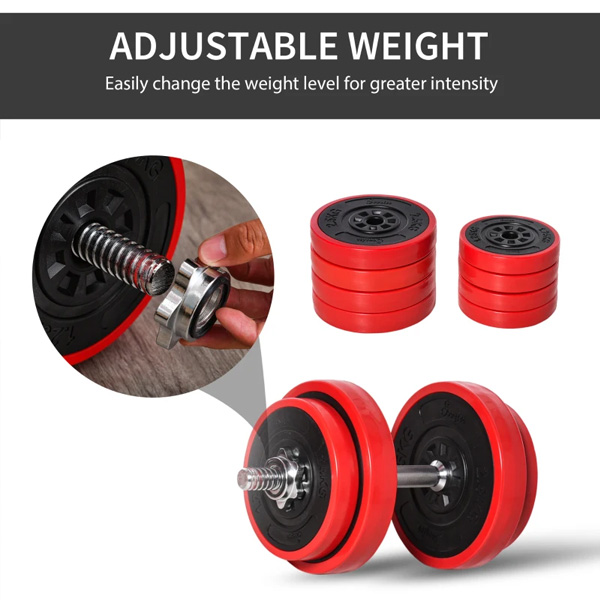 Adjustable Dumbbell Set, 44lbs Convertible To Barbell Weight Set Made With Metal Sand And Plastic For Home Gym Women And Men Lifting Training$89.99View on Mallflare
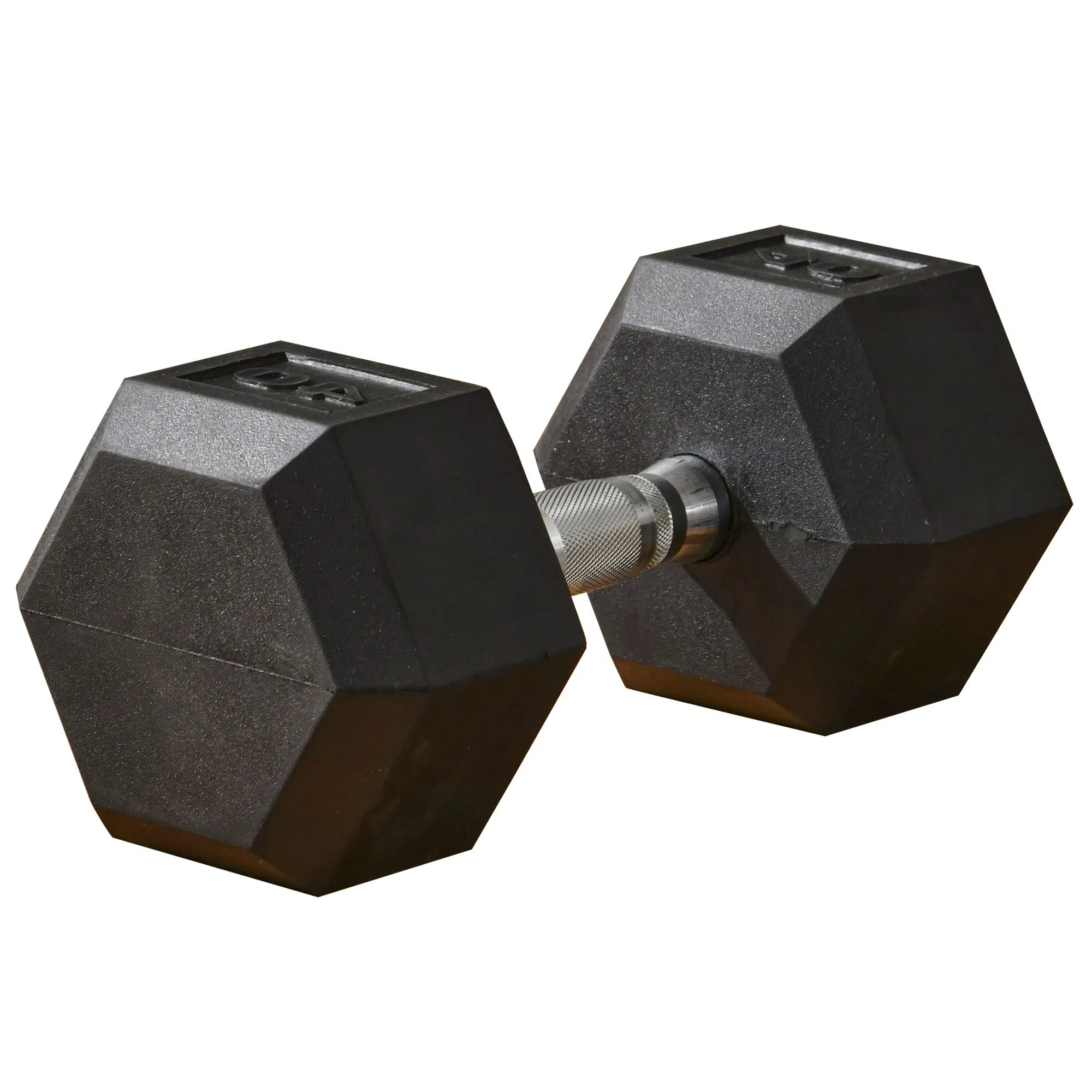 40lbs Rubber Hex Dumbbells Weight Dumbbell Hand Barbell for Body Fitness Training for Home Office Gym, Black$98.99View on Mallflare
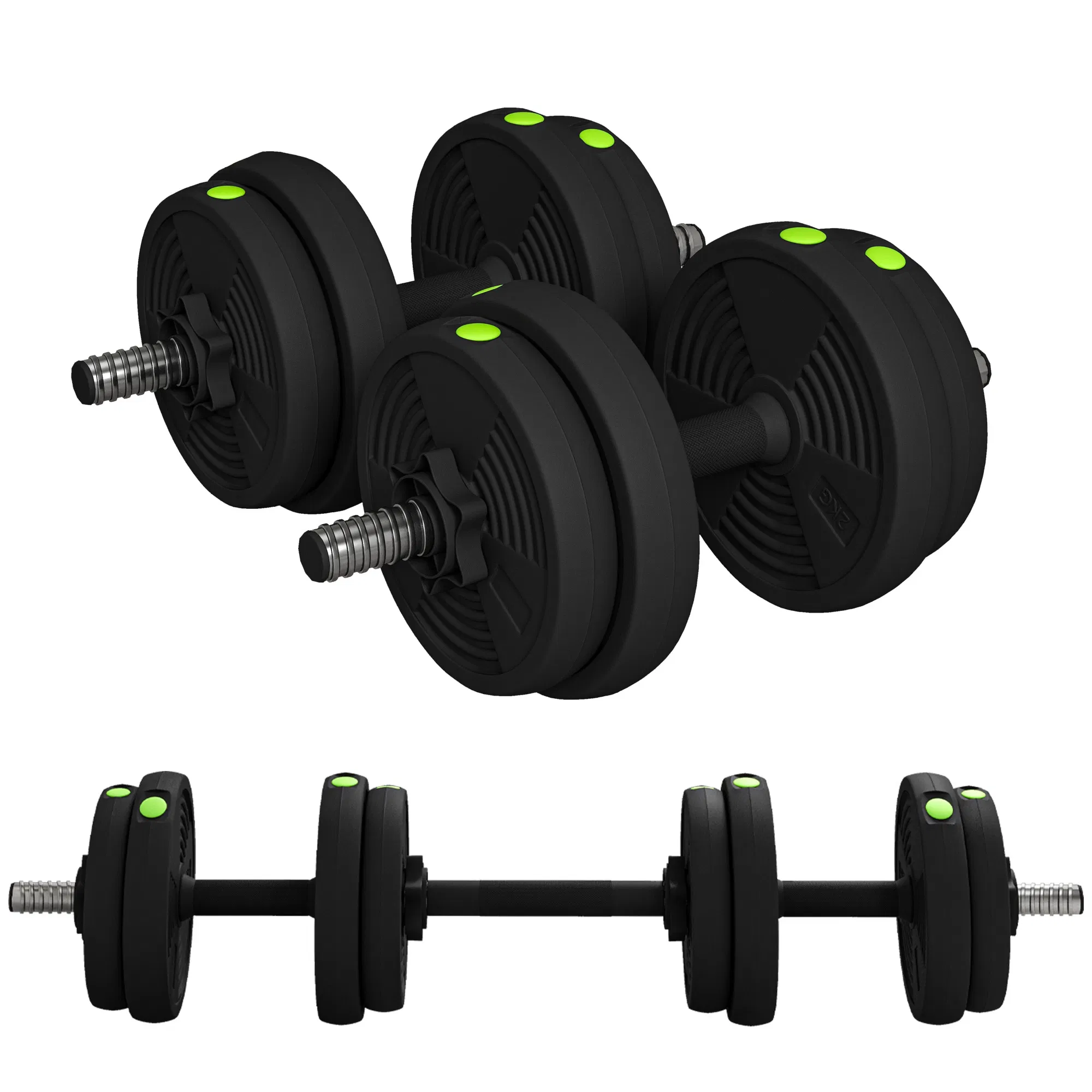 33LBS 2-in-1 Adjustable Barbell & Dumbbells Set, Weights Set with Non-slip Handles for Men and Women Home Gym Training$98.99View on Mallflare
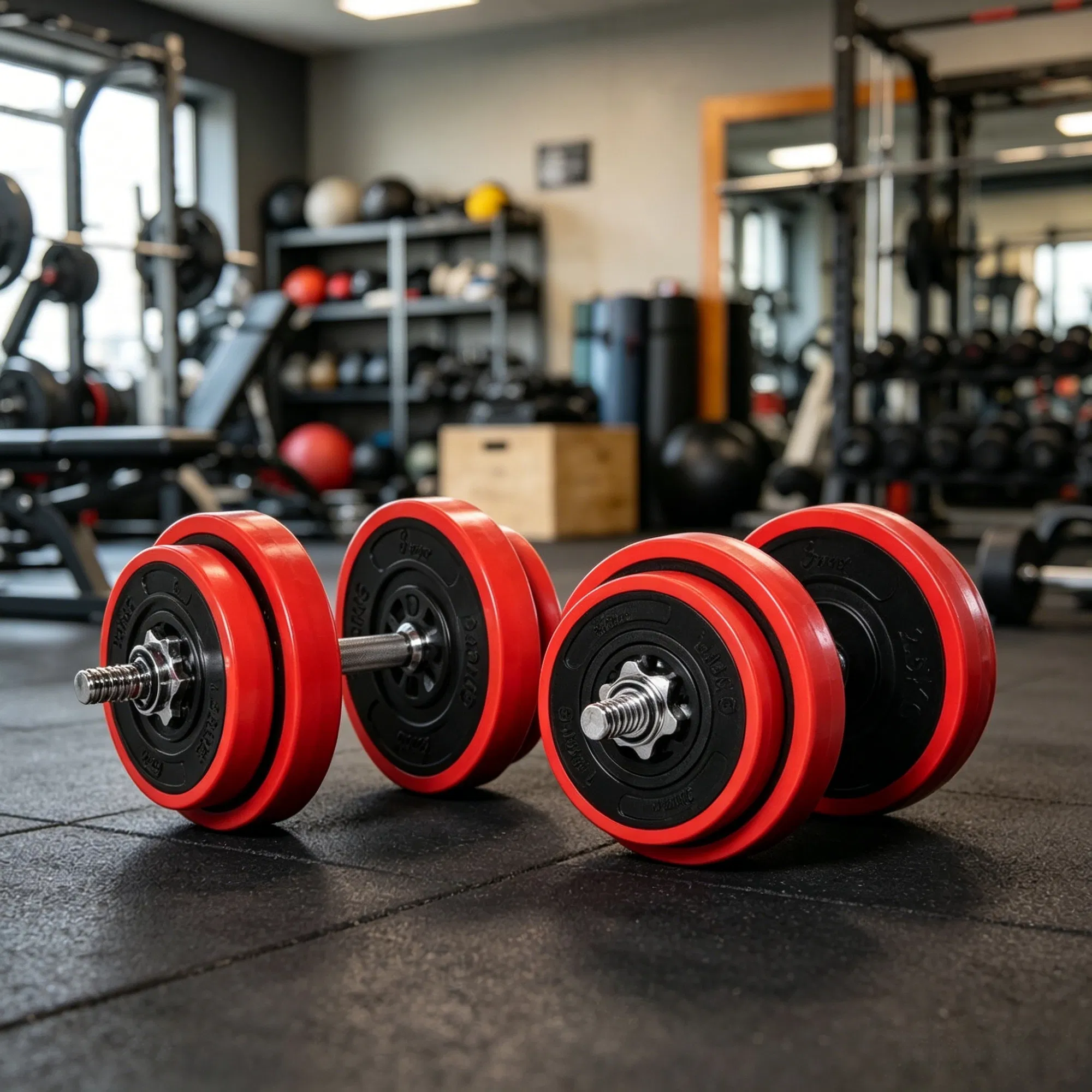 44lbs Adjustable Convertible Dumbbell Barbell Set: All-in-One Home Gym Weight Training Equipment for Adults$104.99View on Mallflare
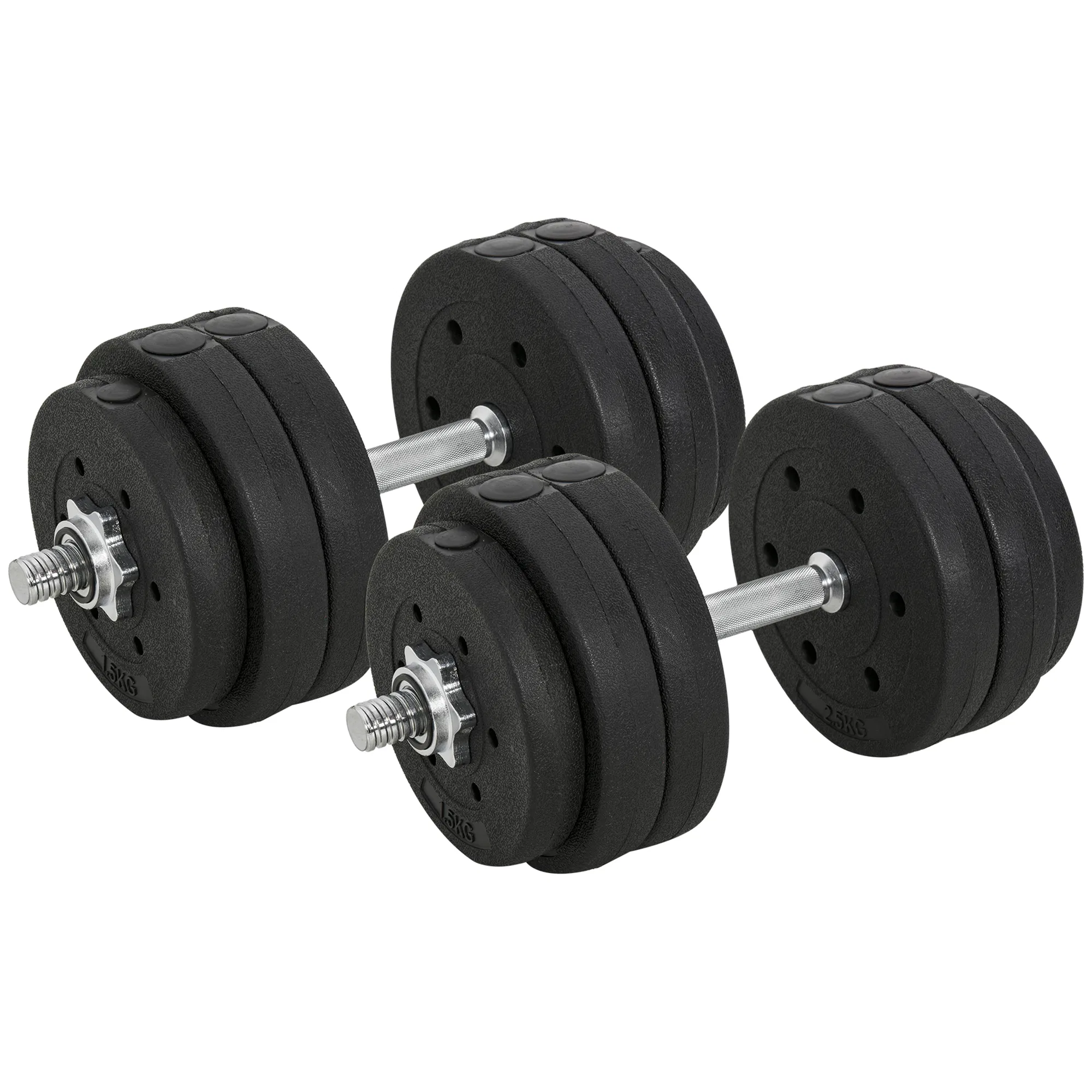 66 lbs Adjustable Dumbbells Weight Set Dumbbell Hand Barbell for Body Fitness Lifting Training for Home Office Gym, Black$123.99View on Mallflare
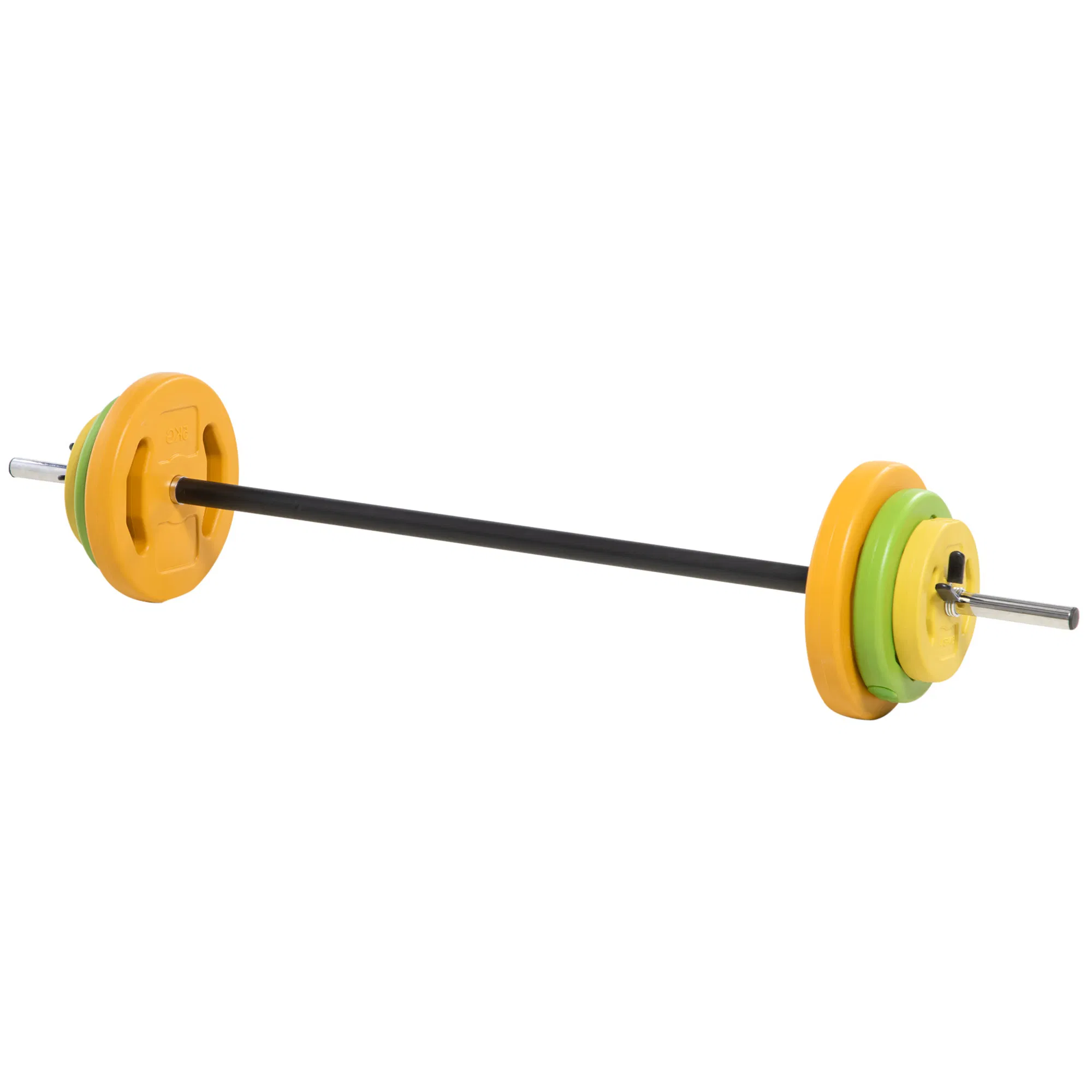 44lbs Adjustable Barbell Weight Set with Non-slip Handle for Home Gym$123.99View on Mallflare
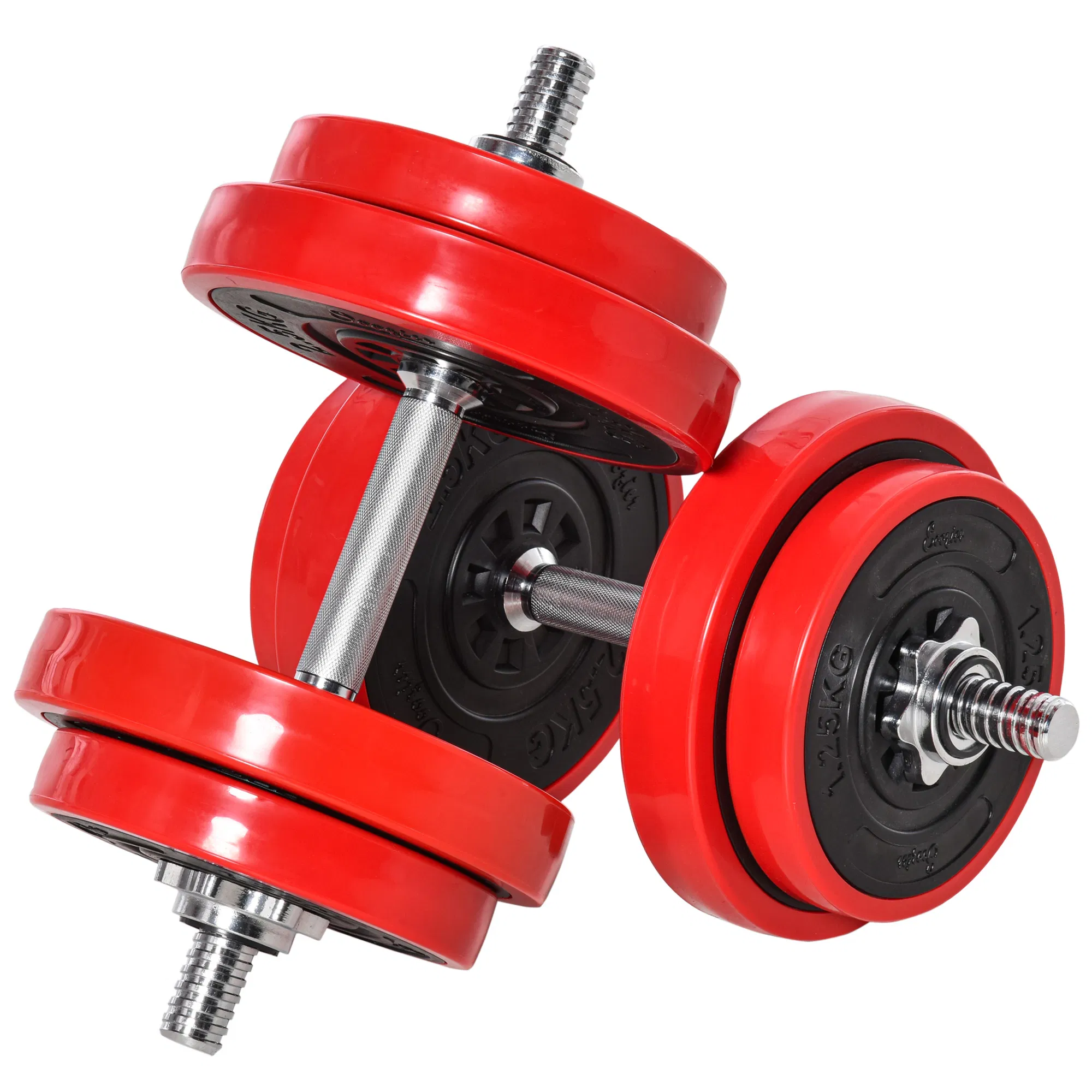 44lbs 2-In-1 Dumbbell & Barbell Adjustable Set Strength Muscle Exercise Fitness Plate Bar Clamp Rod Home Gym Sports Area$123.99View on Mallflare
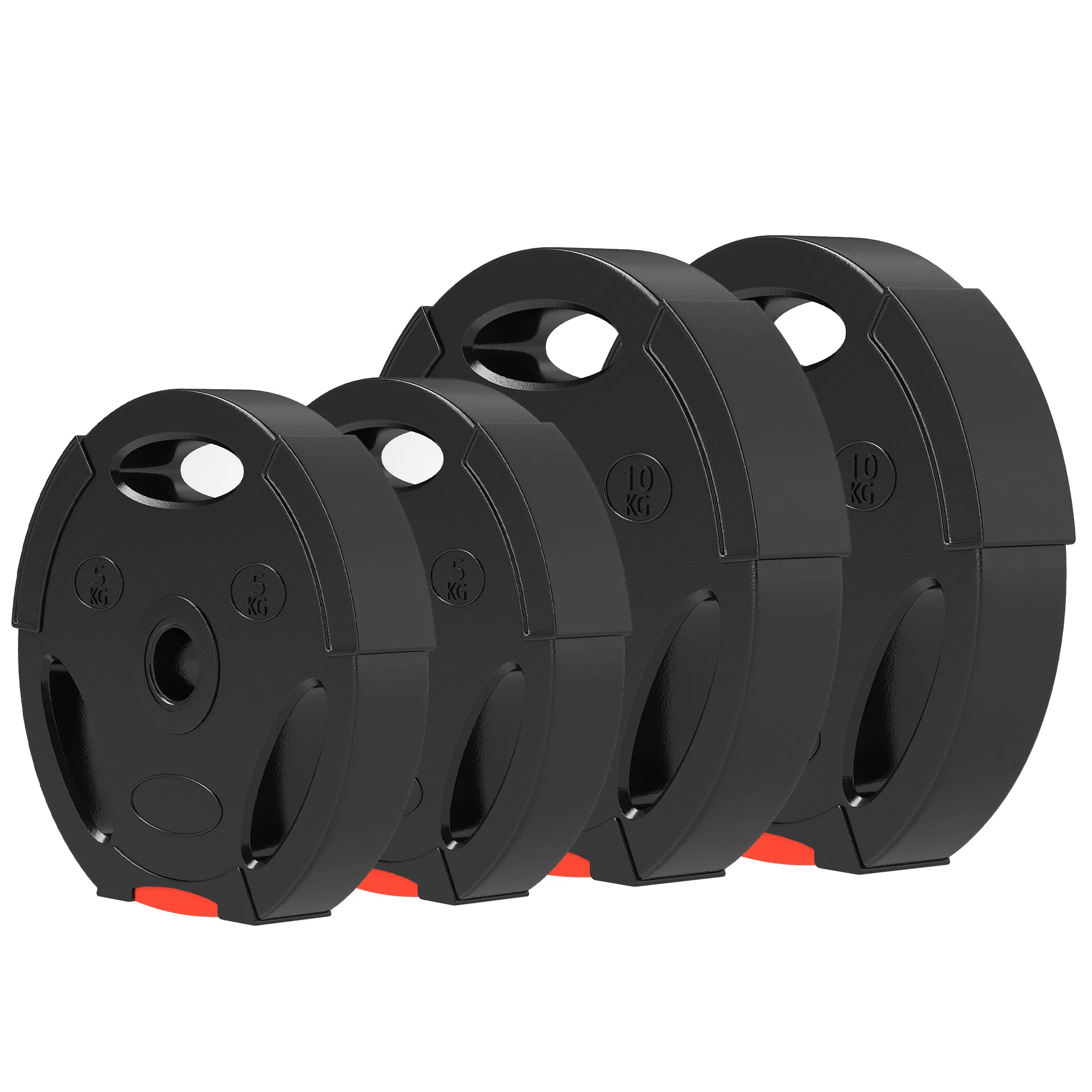 1-Inch Weight Plates, Barbell Weights Set for Weightlifting and Strength Training, 2 x 22lbs + 2 x 11lbs$123.99View on Mallflare
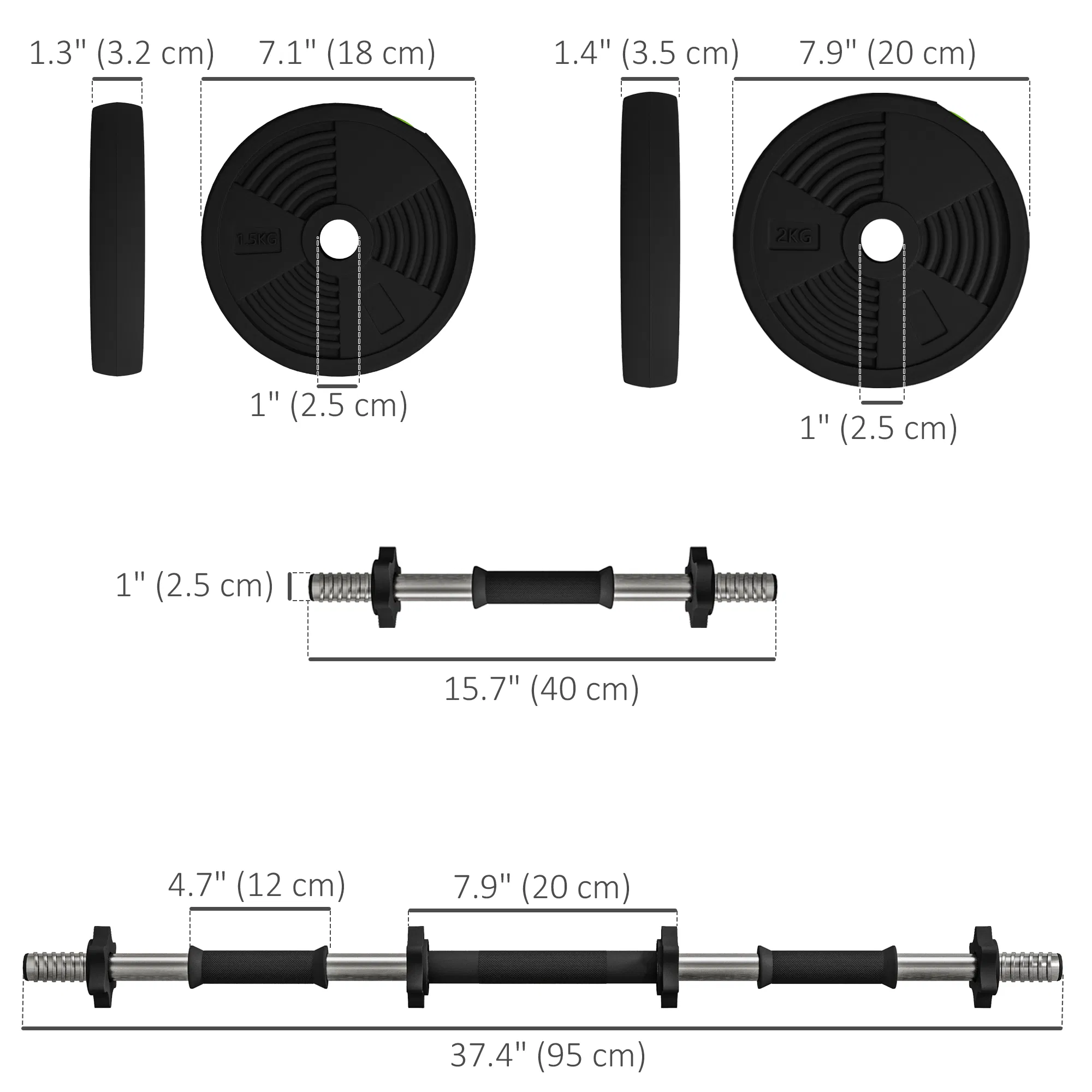 2-in-1 Adjustable Barbell And Dumbbell Set 33LBS with Non-Slip Handles for Home Gym Training Men And Women$125.99View on Mallflare
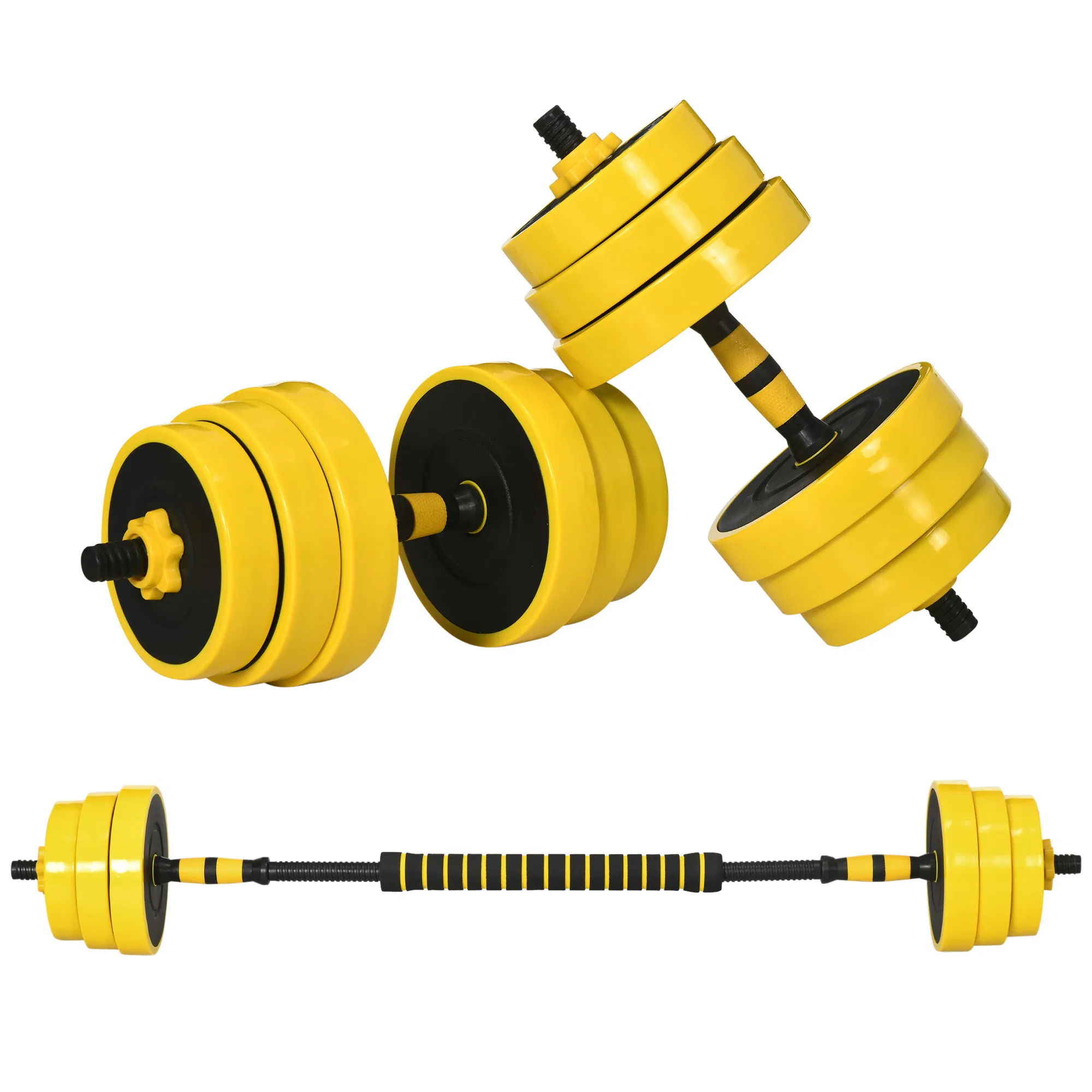 Dumbbell & Barbell Adjustable Set 55lbs Plate Bar Clamp Rod for Strength Training, Full Body Workout, Muscle Building Home Gym Sports Area Exercise Ergonomic$129.99View on Mallflare
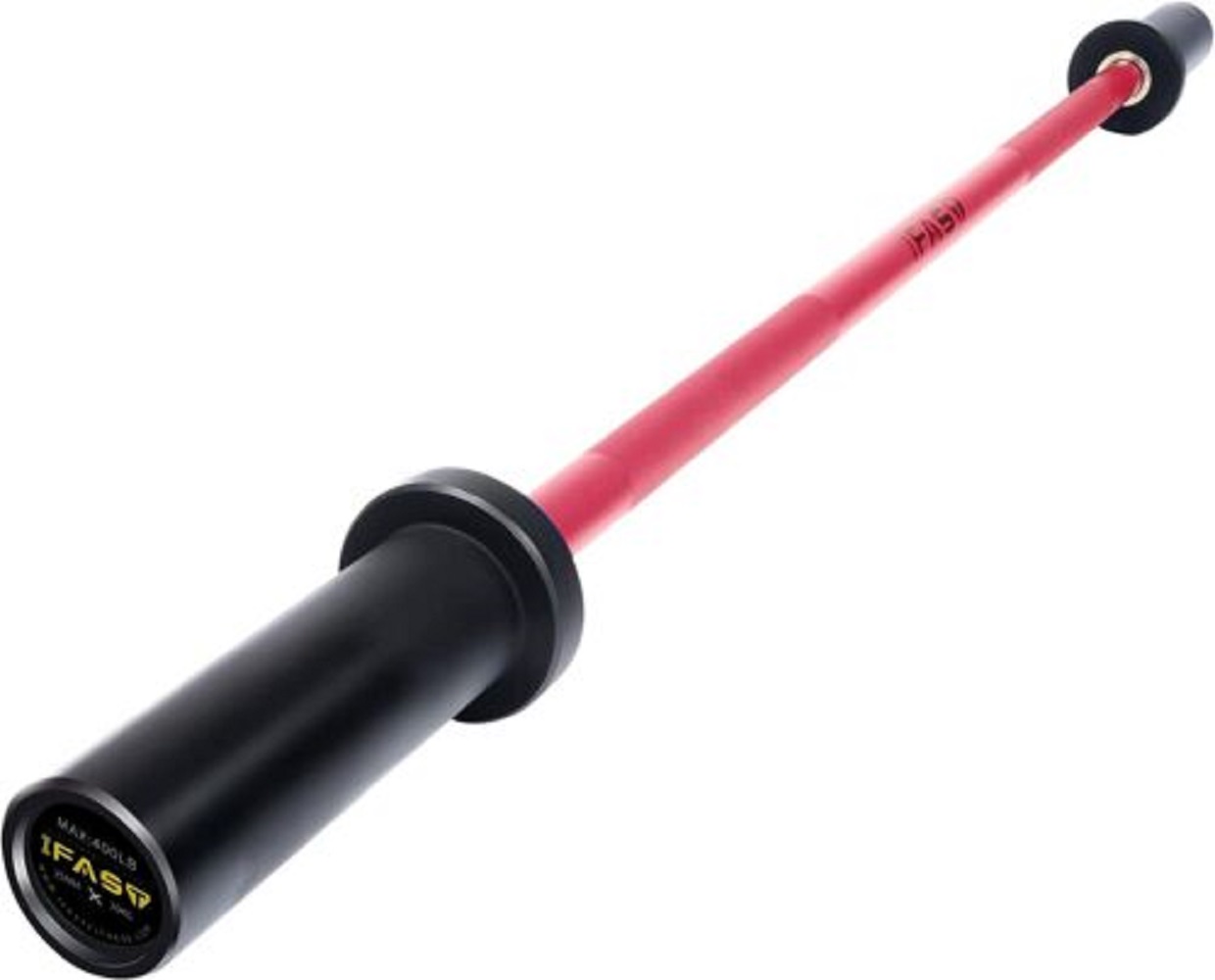 Color Barbell Bar Plates 4Ft Solid Iron Fitness Weightlifting$135.99View on Mallflare
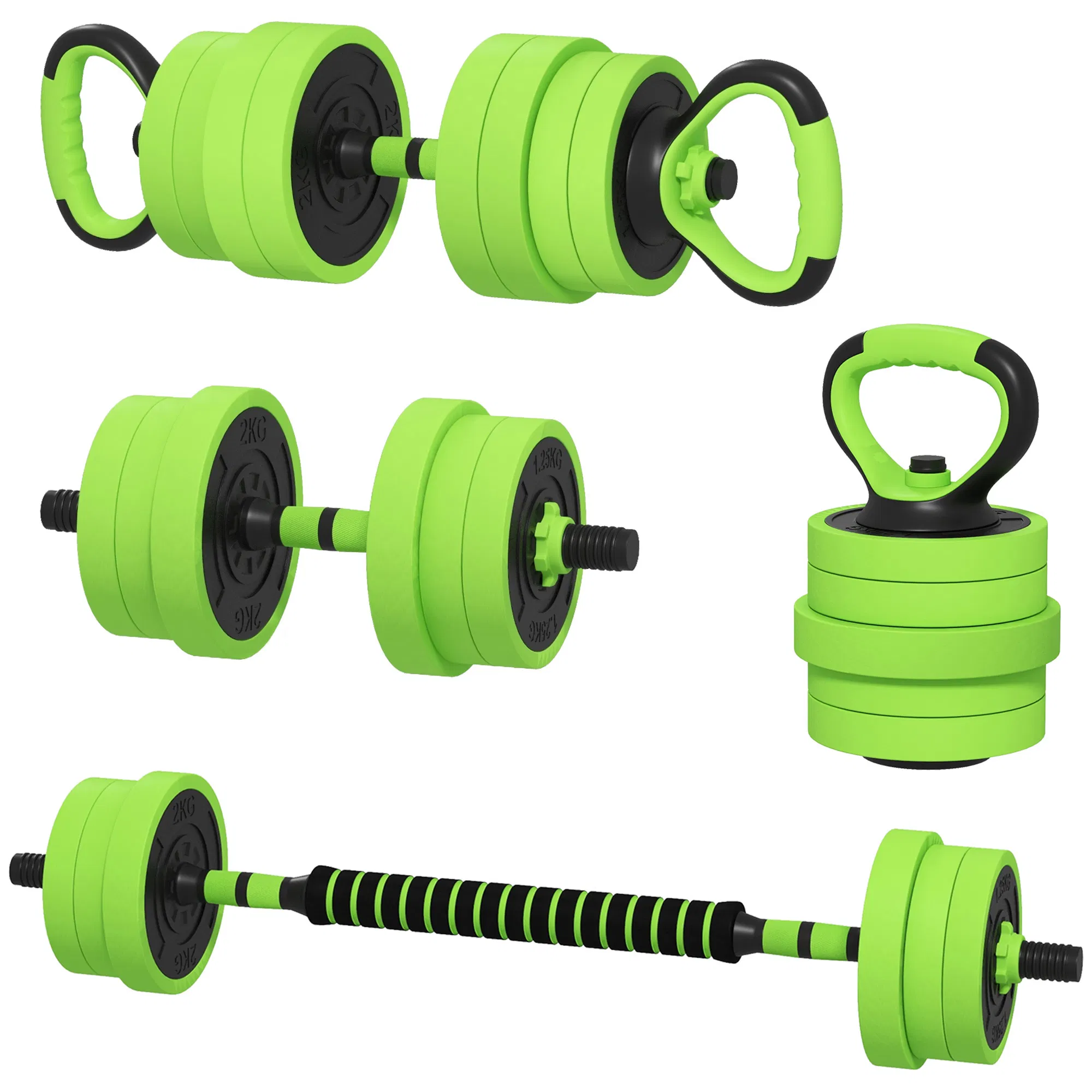 44lbs 4-in-1 Adjustable Weight Dumbbell Set, Barbell, Kettlebell, Push Up Stand, Green$136.99View on Mallflare
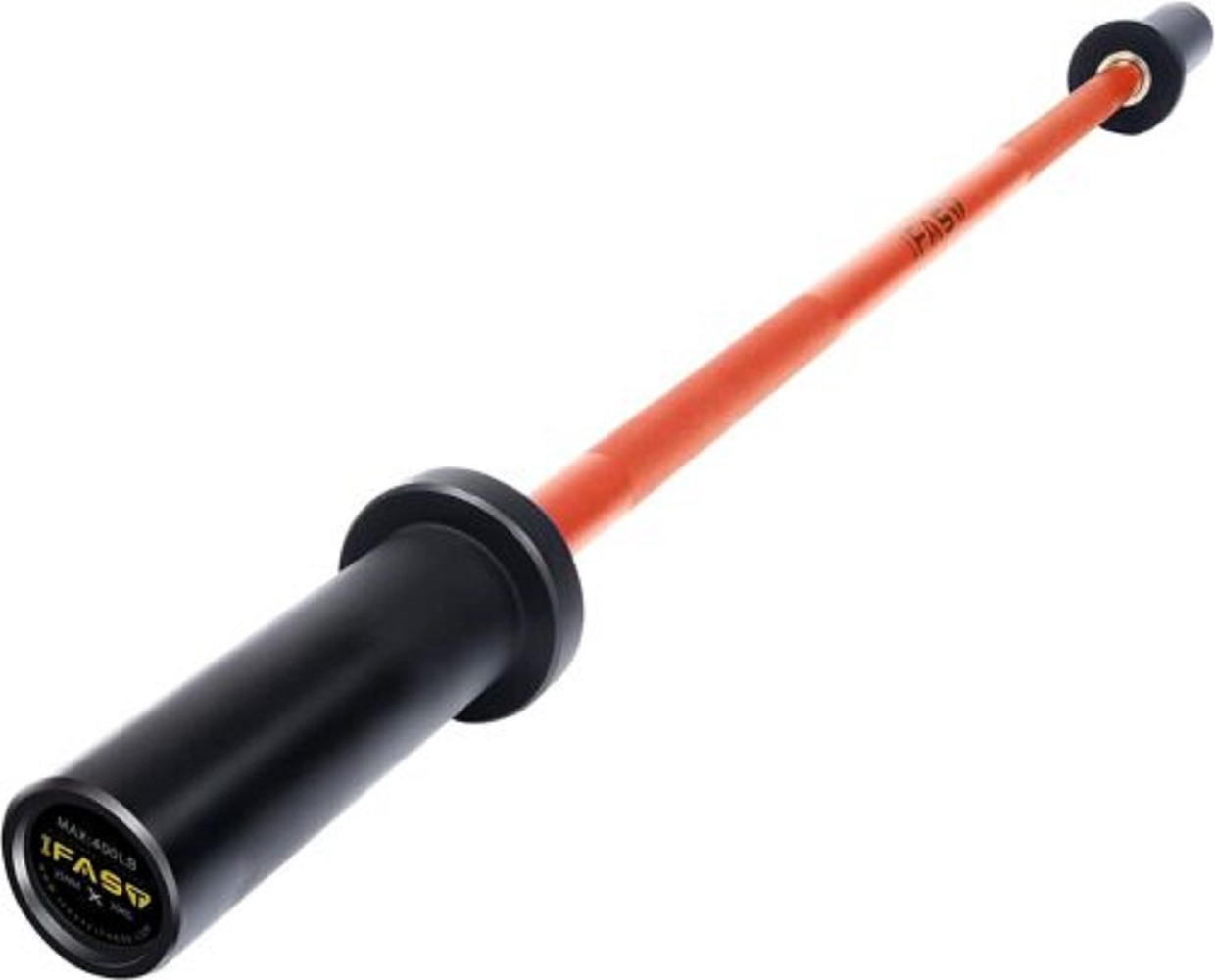 Barbell Bar Plates 4Ft Solid Iron Fitness Weightlifting$137.99View on Mallflare
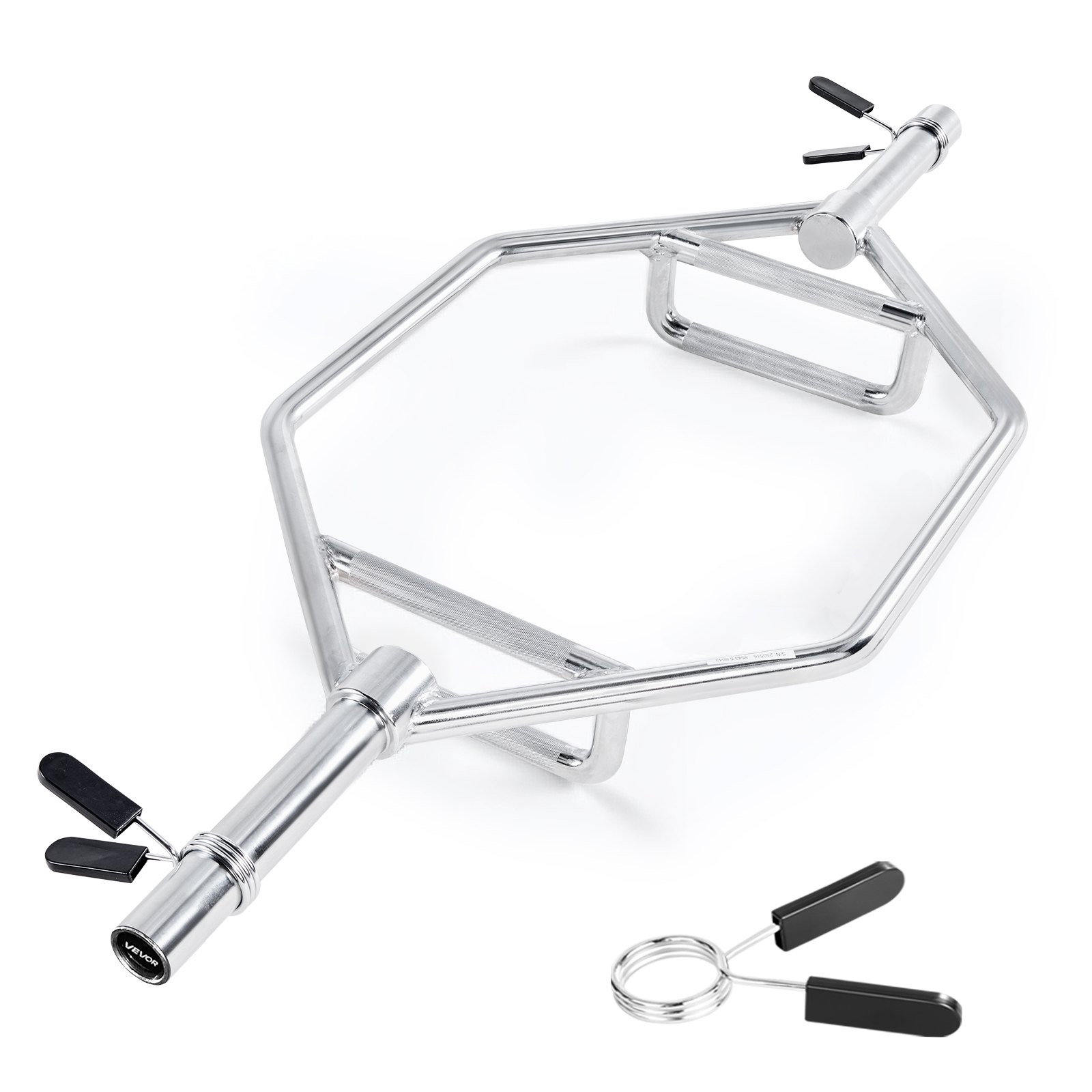 Trap Bar Hex Bar, 2-Inch Hex Barbell, 800 LBS Capacity Shrug Bars With Knurled Grips, Weightlifting And Strength Training Equipment, Home Gym For Squats, Deadlifts, Shoulder Presses, Silver$153.99View on Mallflare
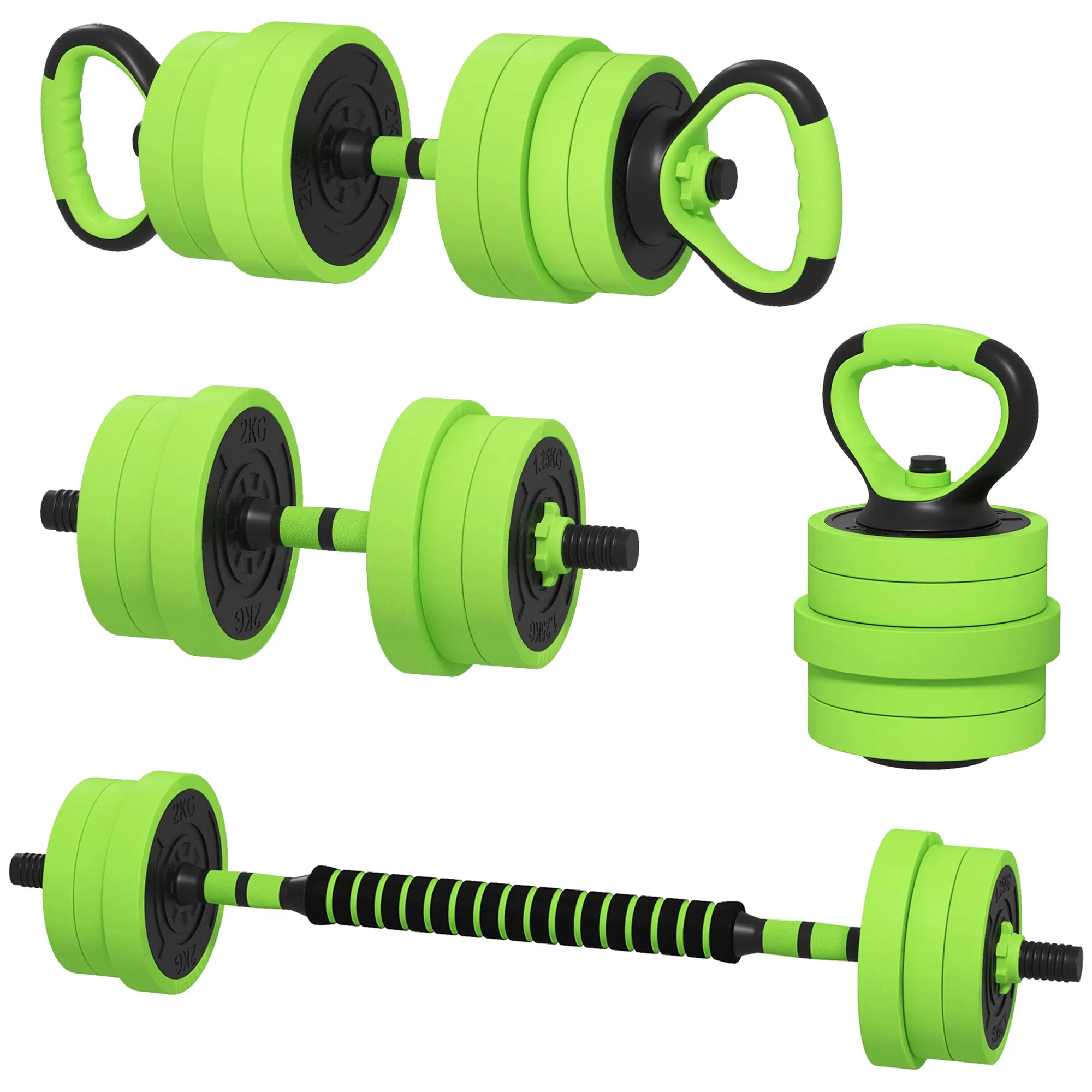 88lbs 4-in-1 Adjustable Weight Dumbbell Set, Barbell, Kettlebell, Push Up Stand, Green$190.99View on Mallflare
Highlights
- Olympic bars use 50 mm (2-inch) sleeves and 28-32 mm shafts; standard bars use 25 mm (1-inch) sleeves and are rated for far lower loads.
- Tensile strength separates tiers: budget bars run ~130-150k PSI, mid-tier 190-220k PSI, and competition bars 240k+ PSI with tighter bend tolerances.
- Sleeve construction matters: cast/one-piece sleeves vs welded sleeves vs bearings (needle/ball) vs bushings change spin, whip, and long-term wobble.
- Knurl depth and center knurl determine grip and skin comfort; aggressive knurl grips heavy pulls but tears skin, while passive knurl suits high-rep home work.
Best use cases
- Pick a 2-inch Olympic barbell (20 kg men's / 15 kg women's) for squats, deadlifts, and bench pressing with bumper or iron plates; skip 1-inch bars for these lifts.
- Choose a 1-inch standard barbell only for light curls, rows, and rehab work with small plates; it will not safely handle heavy compound loading.
- Buy a convertible dumbbell-to-barbell connector set (33-66 lb total) only for space-limited light dumbbell/plate work; skip it if you plan to squat or deadlift more than ~100 lb.
- For garage gyms with rubber flooring and power racks, pick a 7 ft Olympic bar with center knurl and dual knurl marks; skip 5-6 ft short bars unless your rack is compact.
Buying tips
- Match sleeve diameter to plates: 50 mm sleeves need 2-inch Olympic plates; 25 mm sleeves need 1-inch plates — mismatches require adapter sleeves and reduce safety.
- For heavy lifting, require a bar rated at least 190k PSI tensile strength and a minimum 700-1000 lb capacity; budget 130-150k PSI bars flex and bend under repeated heavy loads.
- Bar length must fit your rack: a 7 ft (2.2 m) Olympic bar needs at least 8 ft of rack/ceiling clearance; 5-6 ft bars suit compact spaces but limit plate loading room.
- Convertible sets are rated by total weight (33/44/55/66 lb); pick the higher tier if you need more than ~30 lb per dumbbell, and confirm the connector rod is steel, not plastic.
Specs
| Sleeve Diameter | 50 mm Olympic vs 25 mm standard |
|---|---|
| Tensile Strength | 130-150k budget / 190-220k mid / 240k+ comp |
| Bar Length | 7 ft Olympic / 5-6 ft short / 4 ft technique |
| Sleeve Spin | Bearings vs bushings vs fixed |
Related searches
What to check before buying
- Measure your rack's inner width and ceiling height: 7 ft bars need ~8 ft clearance and rack J-cups spaced for 50 mm sleeves.
- Confirm plate inventory: count your 2-inch vs 1-inch plates before choosing bar sleeve diameter; adapters add wobble and cost.
- Check floor protection: rubber mats or a platform are required for dropping Olympic bars; bare floors and thin foam will crack.
- Verify collar/clamp type: Olympic bars need 50 mm collars; convertible sets need the included clamps — buy spares in the same diameter.
FAQ
Data sources: eBay / Amazon listings and product attribute feeds Data updated Nov 16, 2026.
Some links on this page are affiliate links. If you buy after clicking one, we may earn a commission at no extra cost to you. This does not change which products appear here or their order. Affiliate disclosure.