Photos from current listings. Actual item, color, and included accessories may vary.
Dumbbell Set Buying Guide
A dumbbell set is a modular resistance system where the core trade-off is fixed-weight simplicity versus adjustable versatility, and build material (cast iron/rubber vs. plastic/sand fill) determines longevity and safety. Choose fixed hex or rubber sets for durability and fast switching; choose adjustable sets only when space is tight and you accept slower plate changes and lower max loads per side.


At a glance
- Category
- Barbells, Plates & Dumbbells
- Data updated
- Nov 16, 2026
Current offers
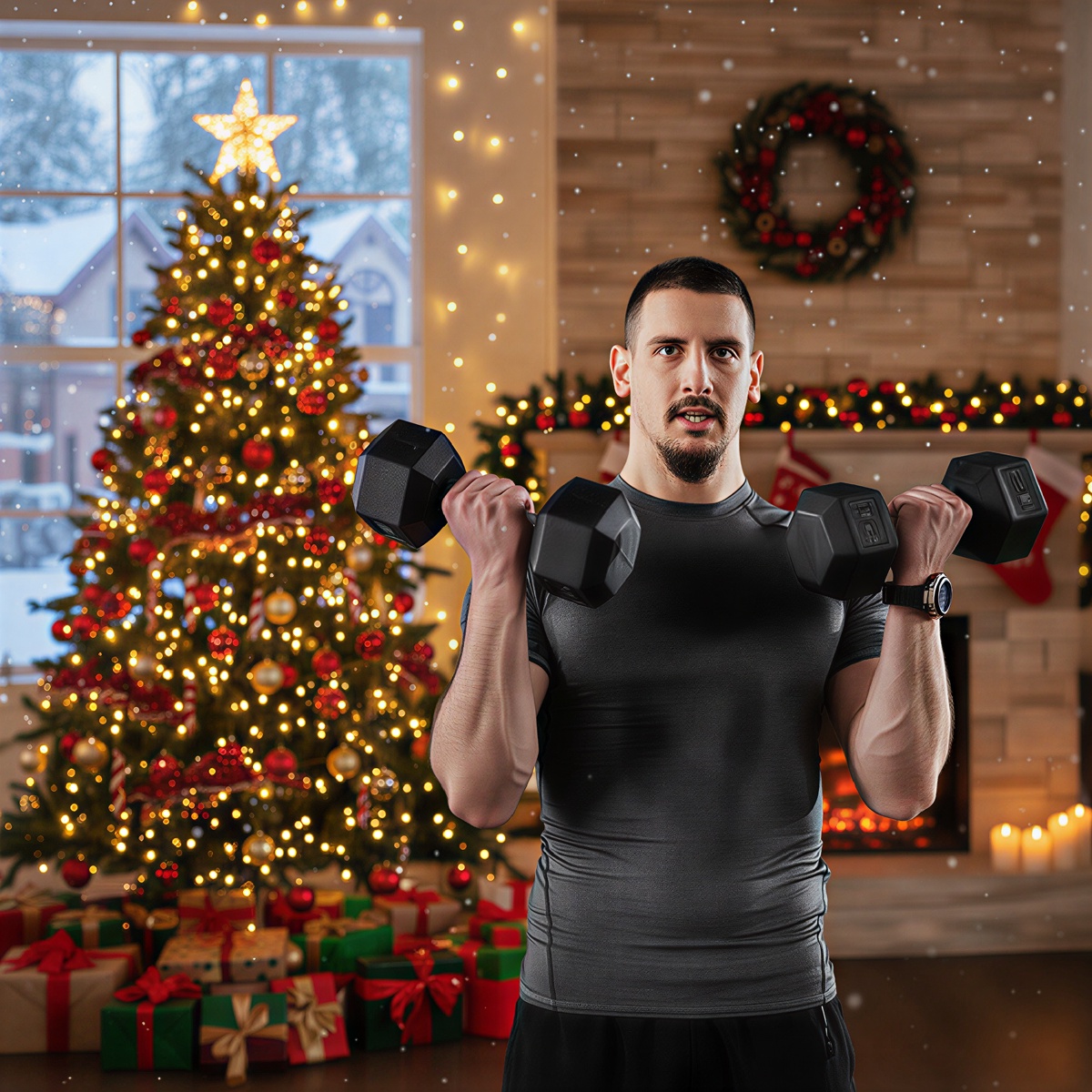 Hex Rubber Dumbbell Set for No Rolling$41.99
 View on Mallflare
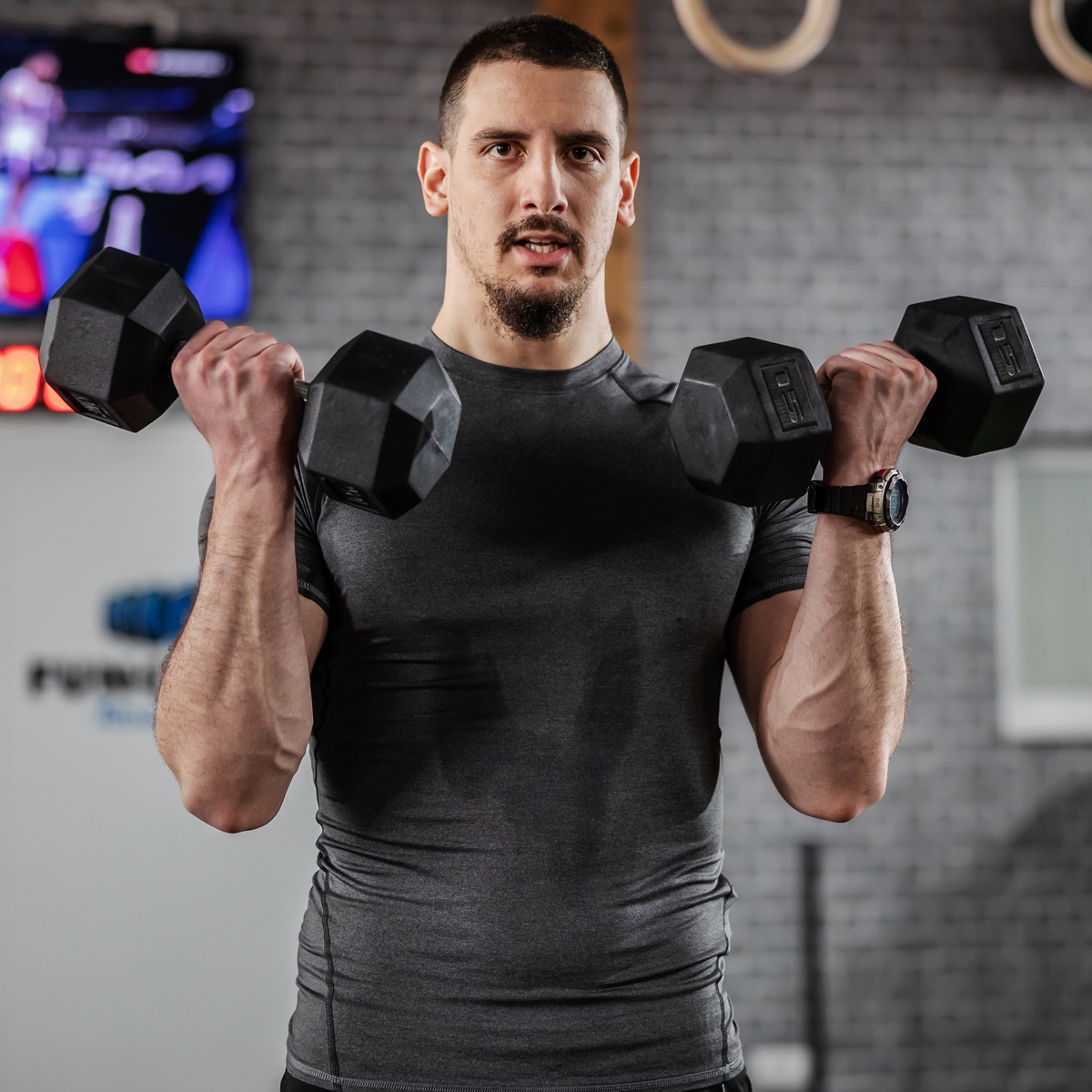 2 x 15lbs Hex Dumbbell Set of 2, Rubber Weights Exercise Fitness with Non-Slip Handles, Anti-roll, for Women or Men Home Gym Workout, Black$48.99View on Mallflare
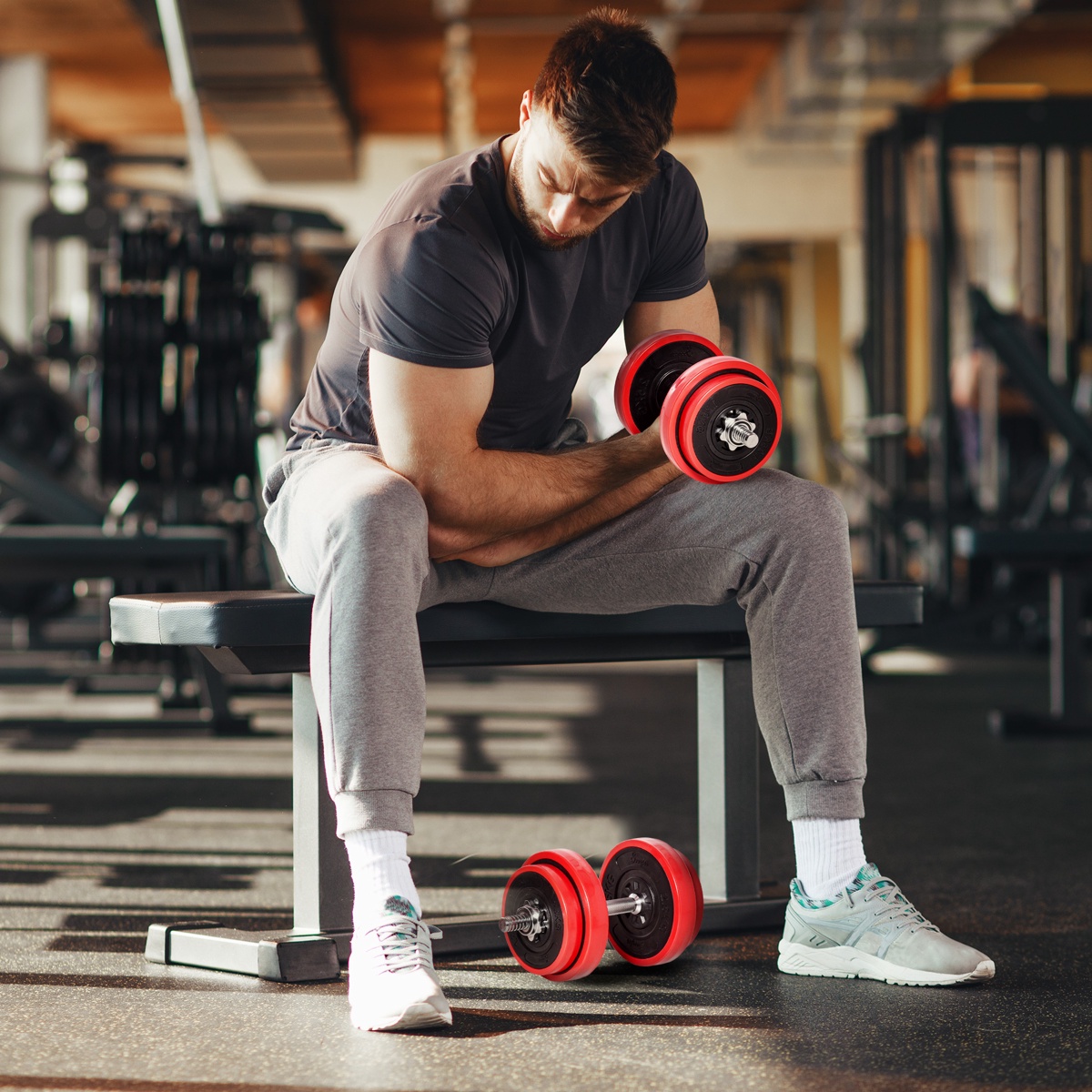 Adjustable Dumbbell Set, 44lbs Convertible to Barbell Weight Set for Home Gym Women and Men Lifting Training$57.99View on Mallflare
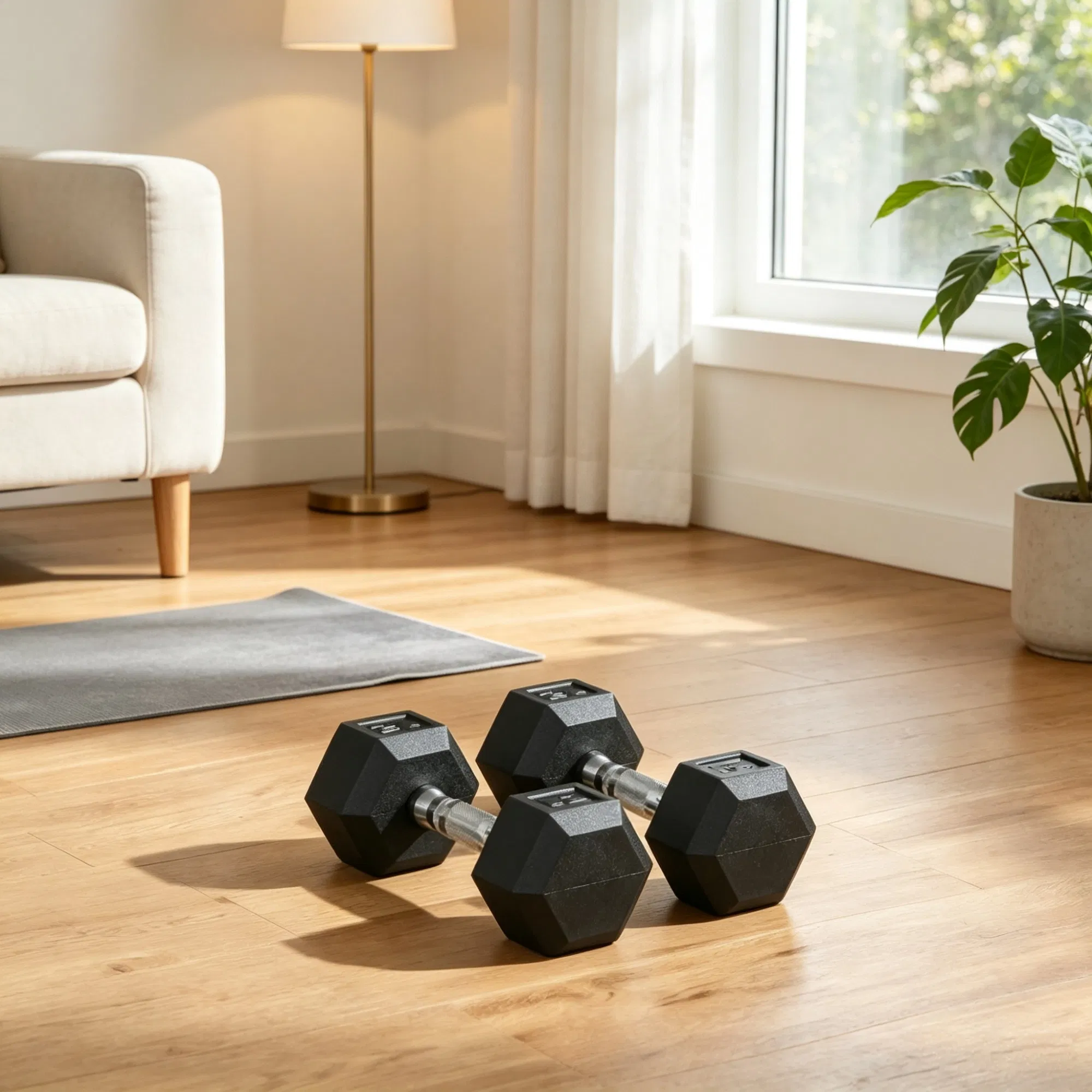 Hex Rubber Dumbbell Set No-Roll Hexagonal End Construction for Strength Training$65.99View on Mallflare
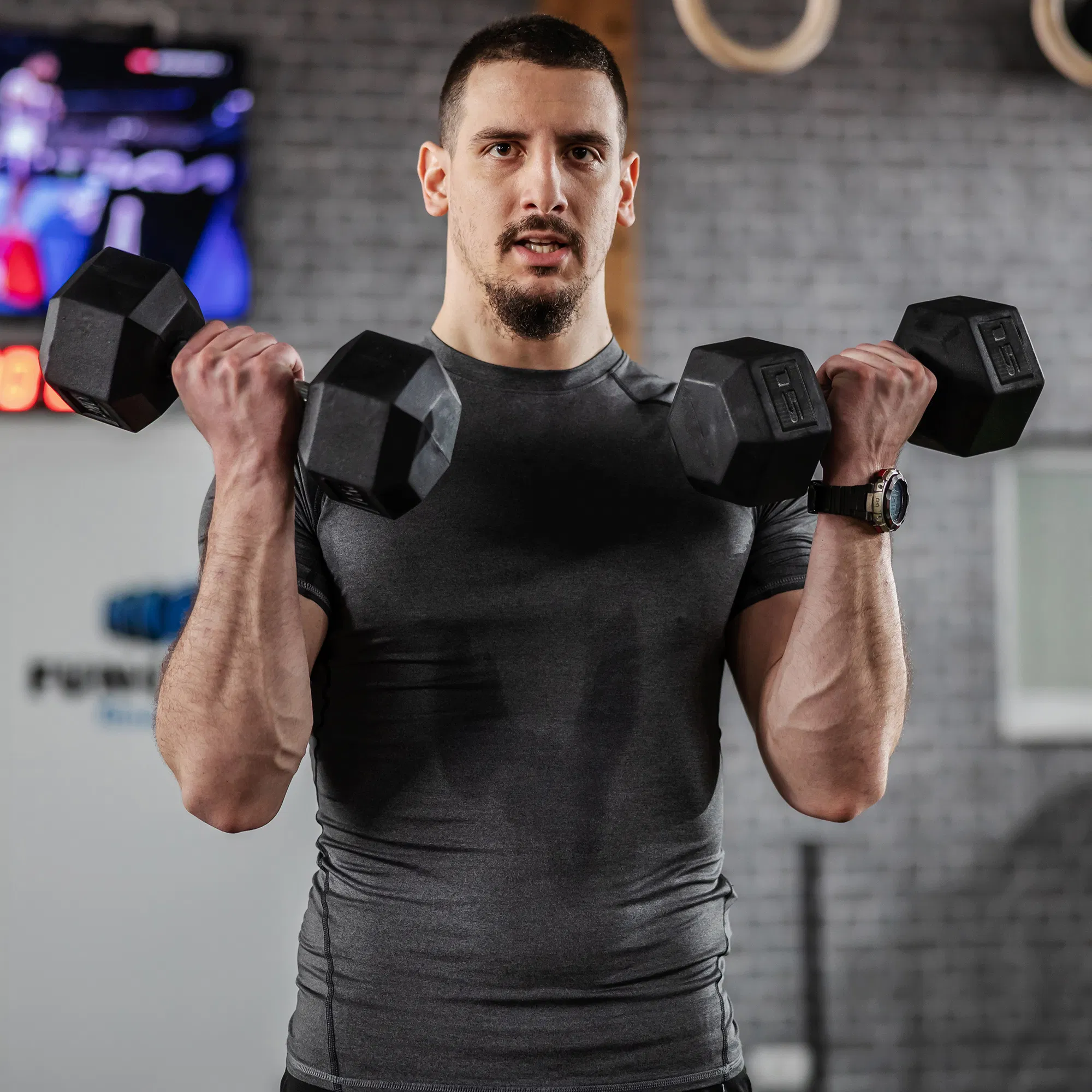 Rubber Hex Dumbbell Set 15lbs Pair for Home Gym Strength Training Black$78.99View on Mallflare
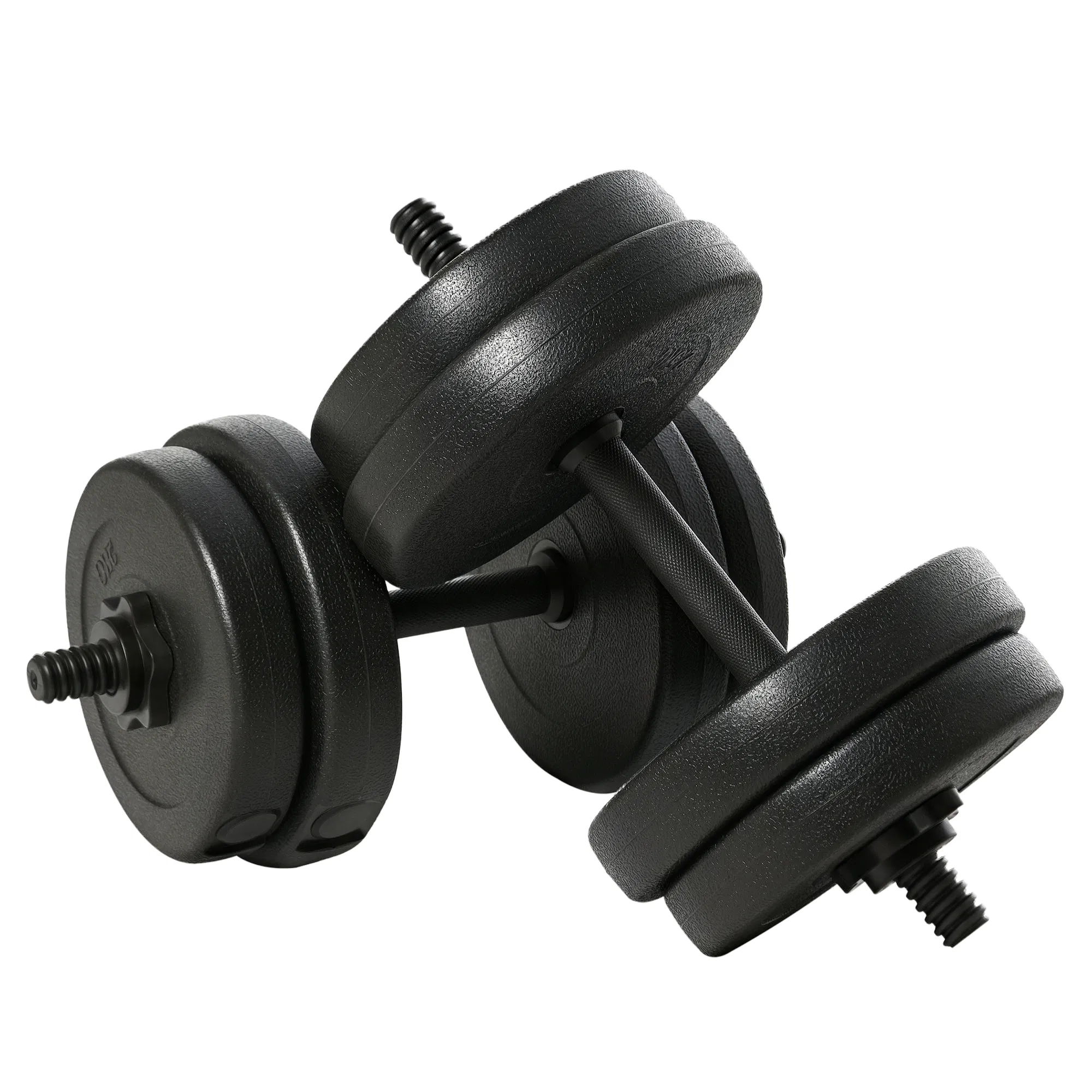 Adjustable 2 x 22lbs Weight Dumbbell Set for Fitness Training Exercise Home Gym Equipment, Black (Pair)$85.99View on Mallflare
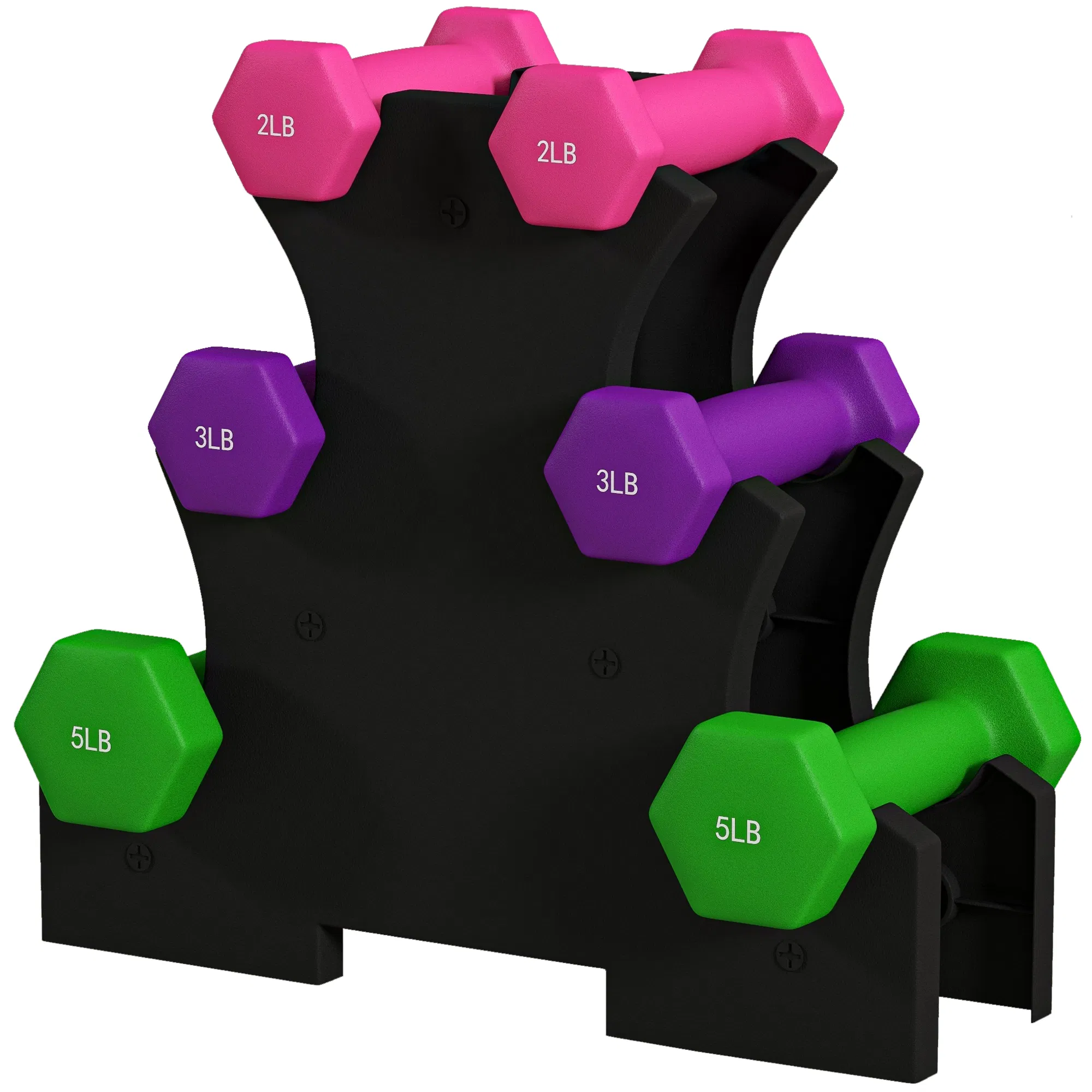 2 x 2 lbs., 2 x 3 lbs., 2 x 5 lbs. Dumbbells Set with Dumbbell Rack, Hand Weights for Home Gym Training$85.99View on Mallflare
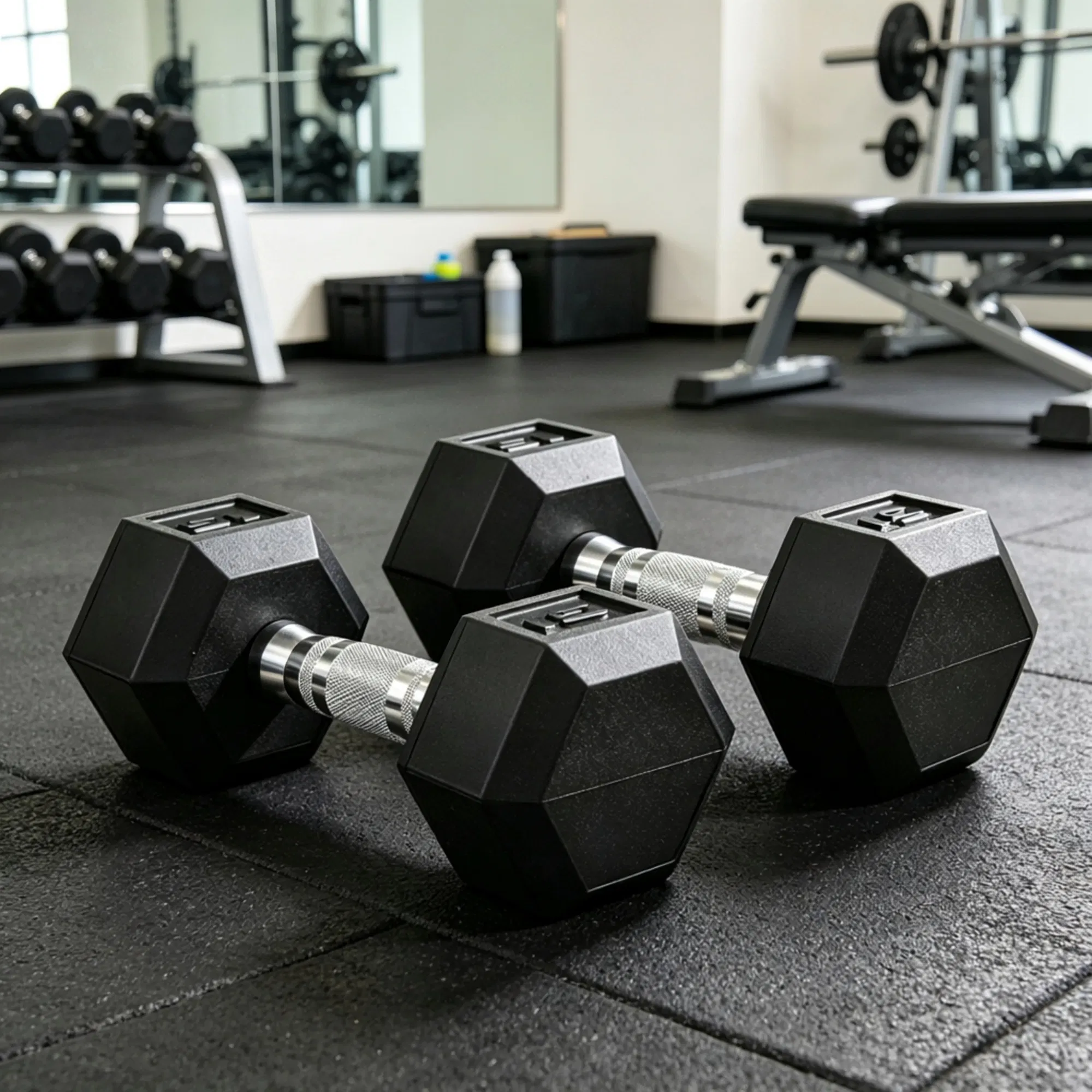 2 X 15lbs Hex Dumbbell Set for Home Gym Workout Rubber Weights with Non-Slip Handles Anti-Roll Fitness Exercise Dumbbells for Women And Men Black$87.99View on Mallflare
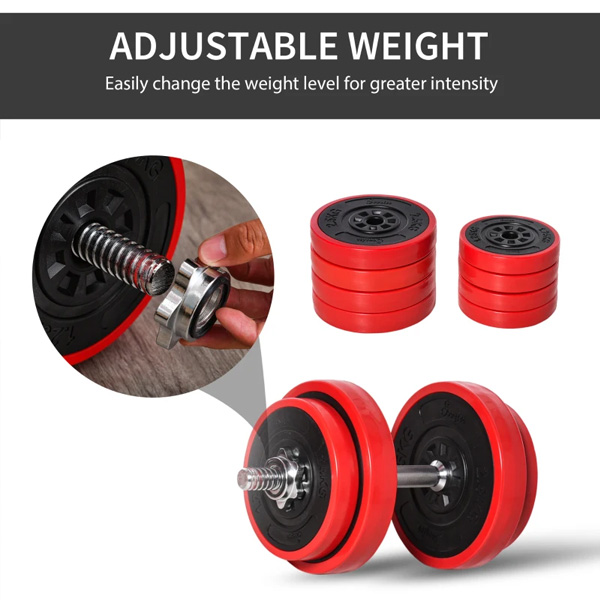 Adjustable Dumbbell Set, 44lbs Convertible To Barbell Weight Set Made With Metal Sand And Plastic For Home Gym Women And Men Lifting Training$89.99View on Mallflare
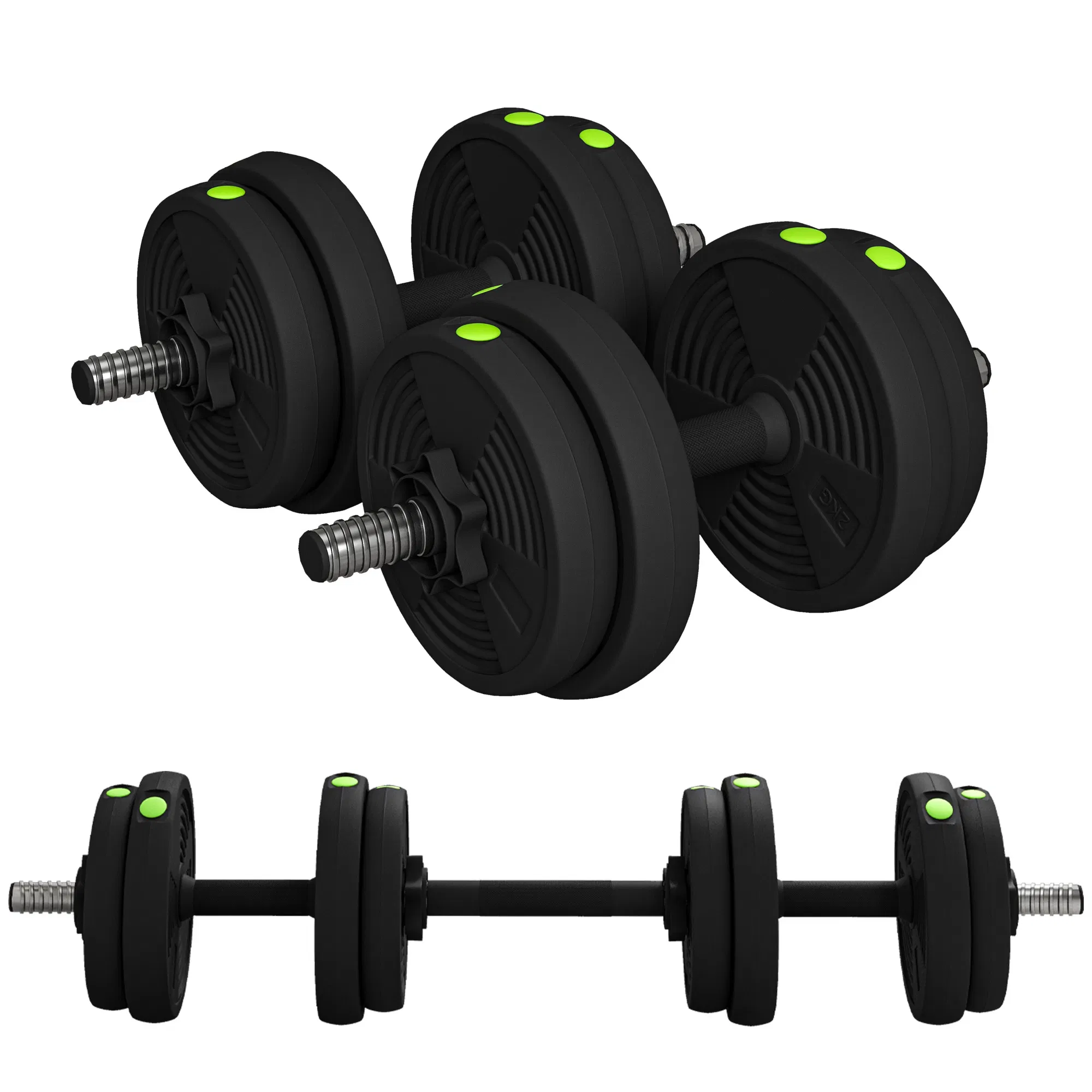 33LBS 2-in-1 Adjustable Barbell & Dumbbells Set, Weights Set with Non-slip Handles for Men and Women Home Gym Training$98.99View on Mallflare
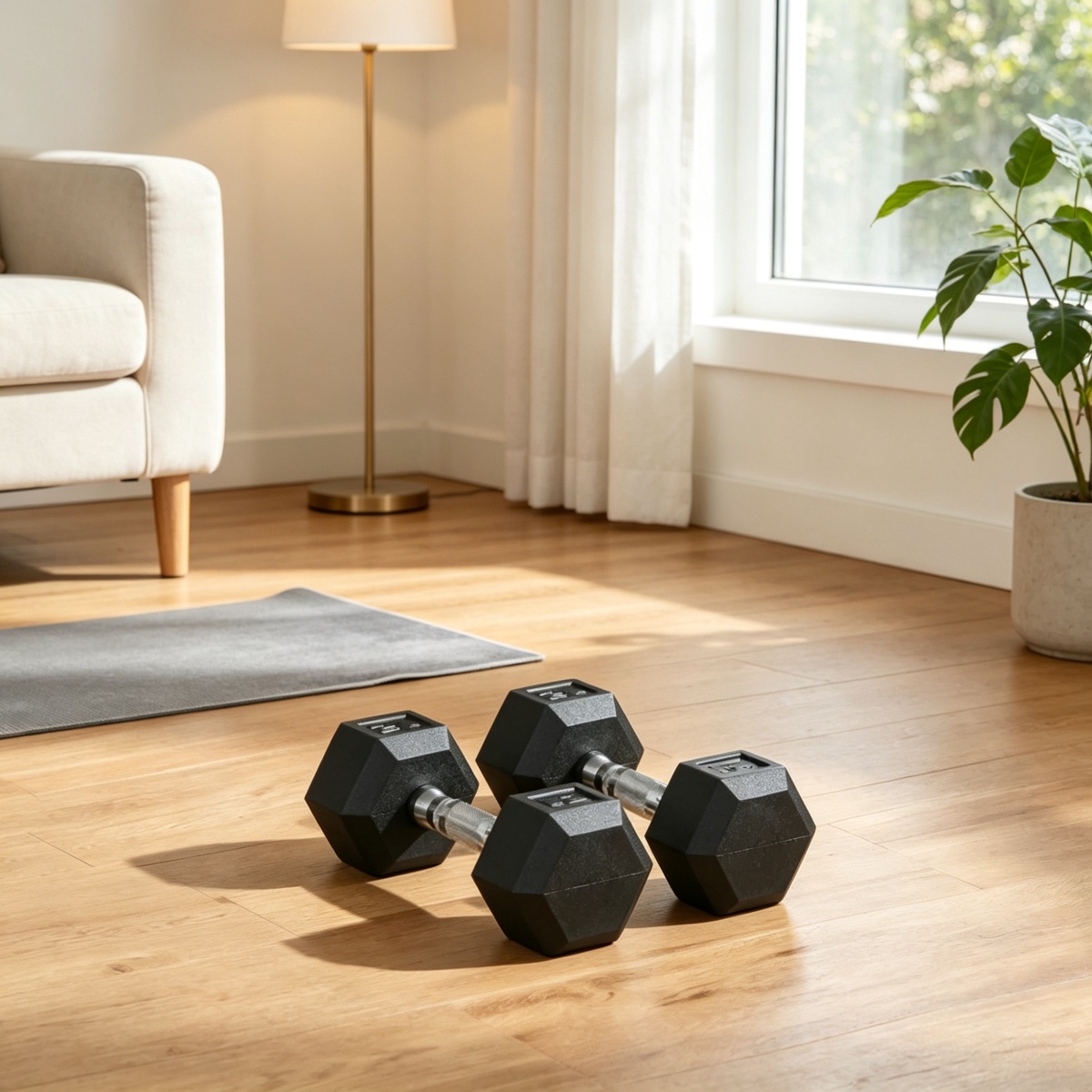 Hex Rubber Dumbbell Set – No-Roll Hexagonal End Construction for Strength Training$103.99View on Mallflare
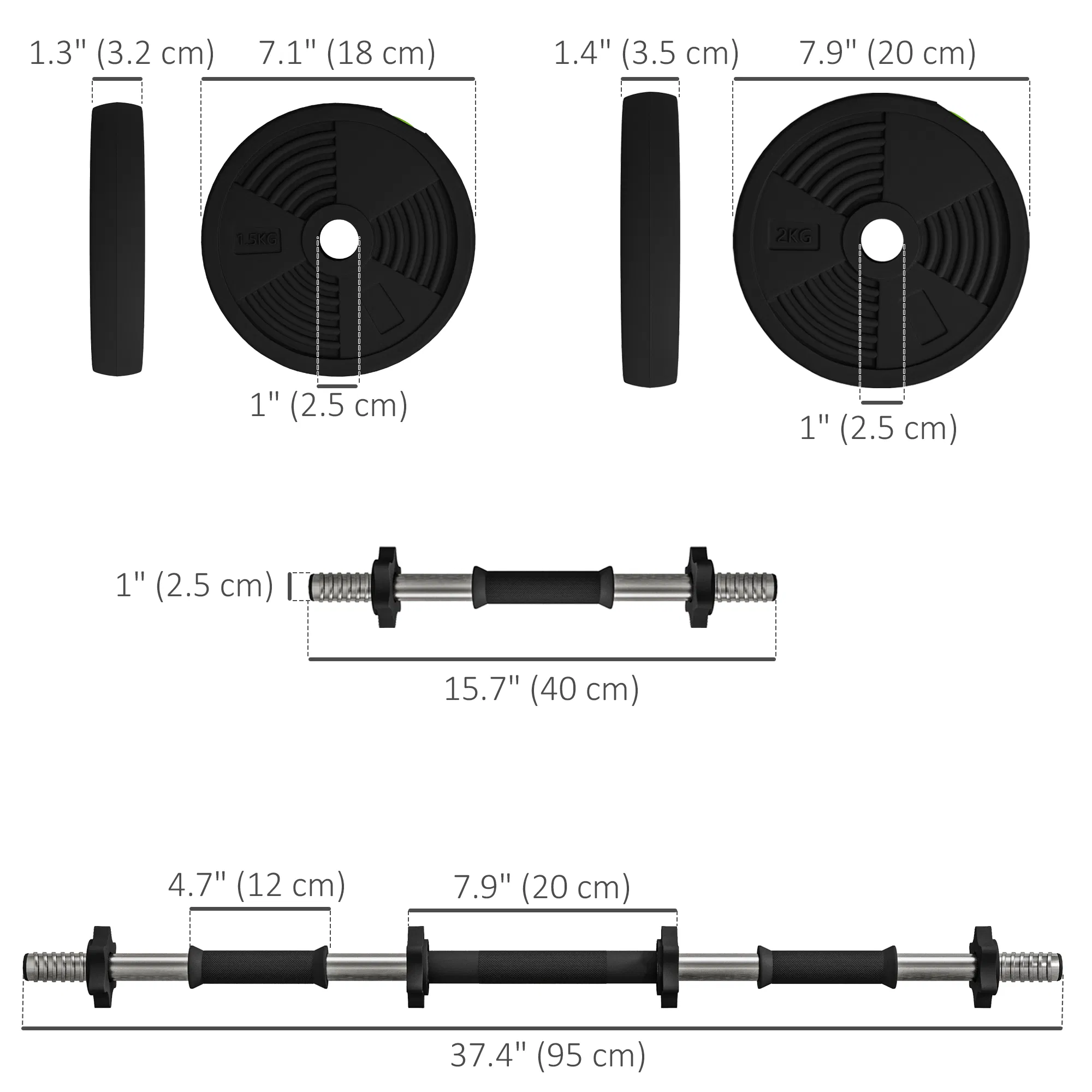 2-in-1 Adjustable Barbell And Dumbbell Set 33LBS with Non-Slip Handles for Home Gym Training Men And Women$125.99View on Mallflare
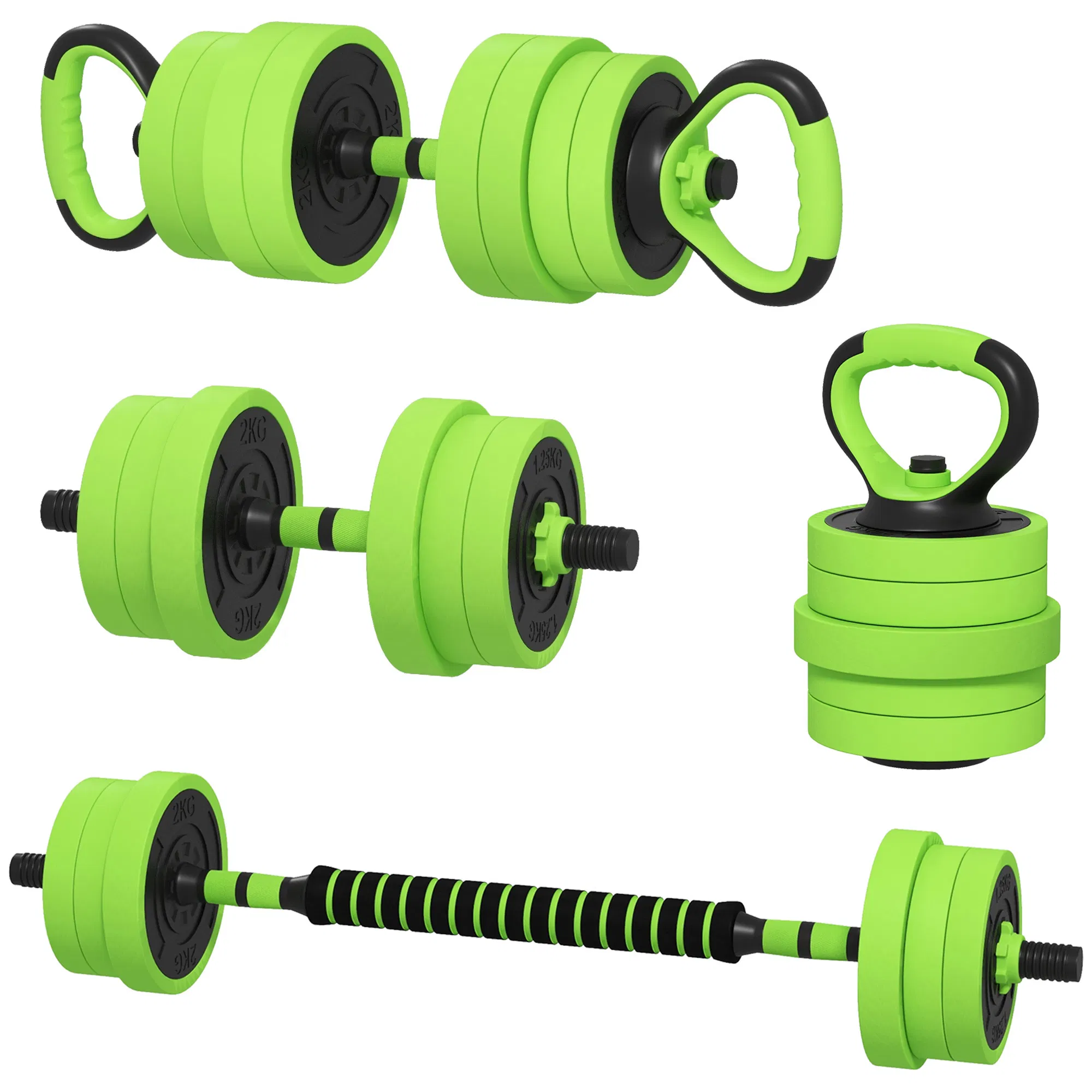 44lbs 4-in-1 Adjustable Weight Dumbbell Set, Barbell, Kettlebell, Push Up Stand, Green$136.99View on Mallflare
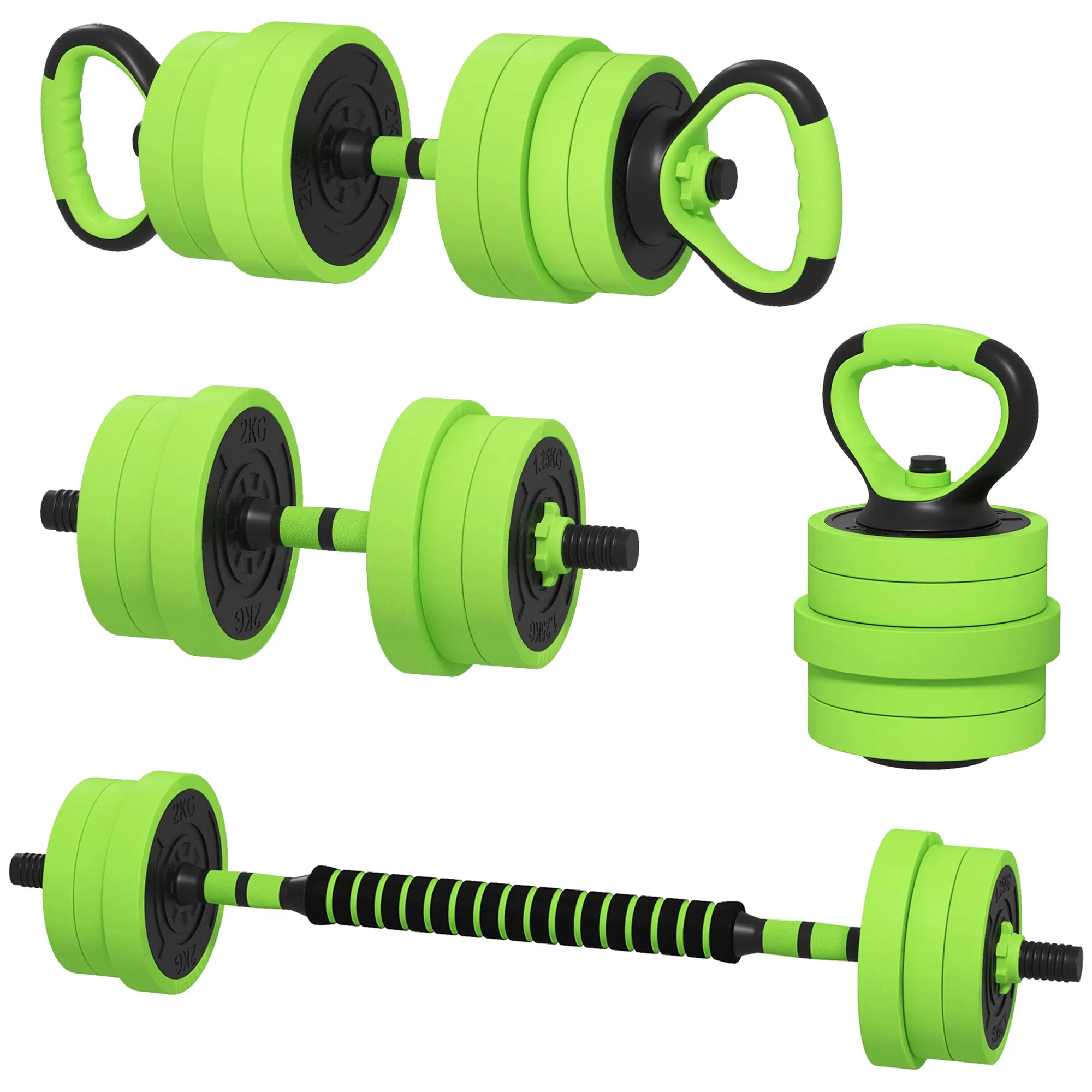 88lbs 4-in-1 Adjustable Weight Dumbbell Set, Barbell, Kettlebell, Push Up Stand, Green$190.99View on Mallflare
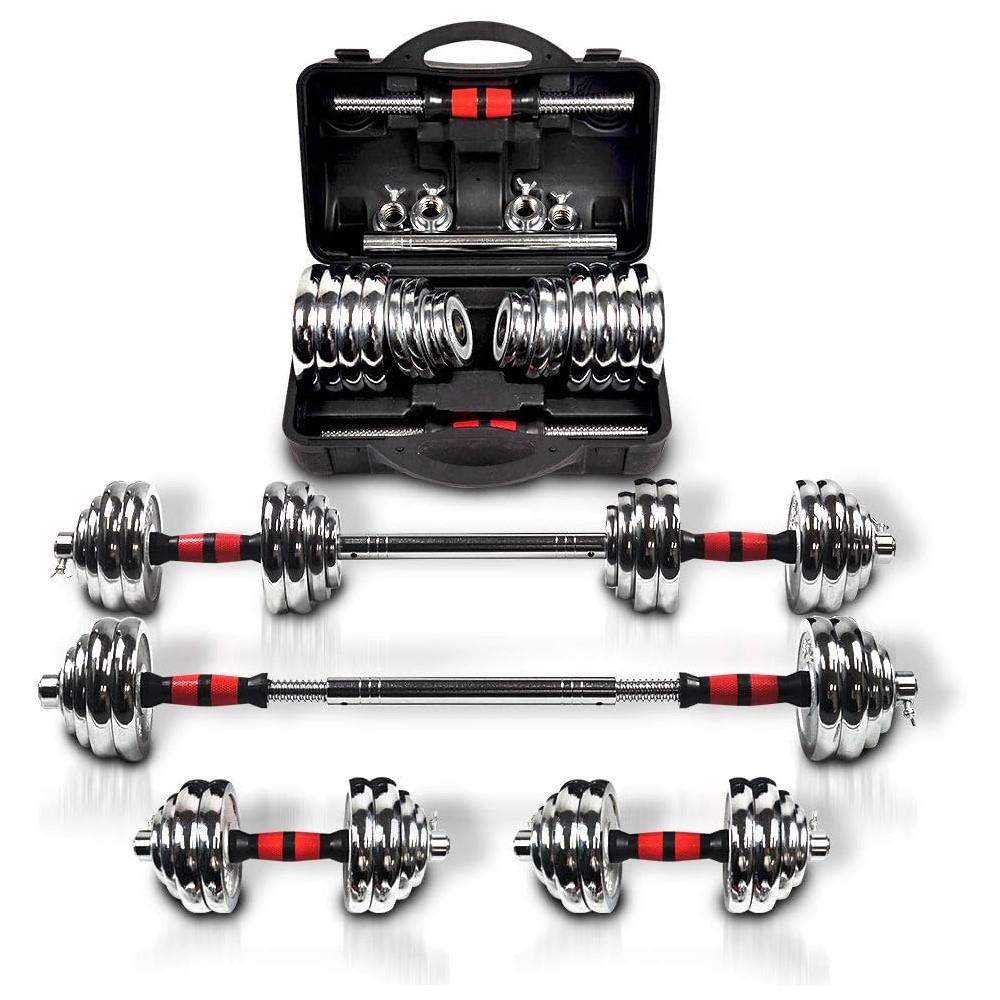 Adjustable Dumbbell Set With 3 in 1 Barbell Metal Connecting Rod, Chromed Weights, Hardcover Gift Box, Weight Sets up to 44lbs, Home Gym Exercise Training Equipment$212.99View on Mallflare
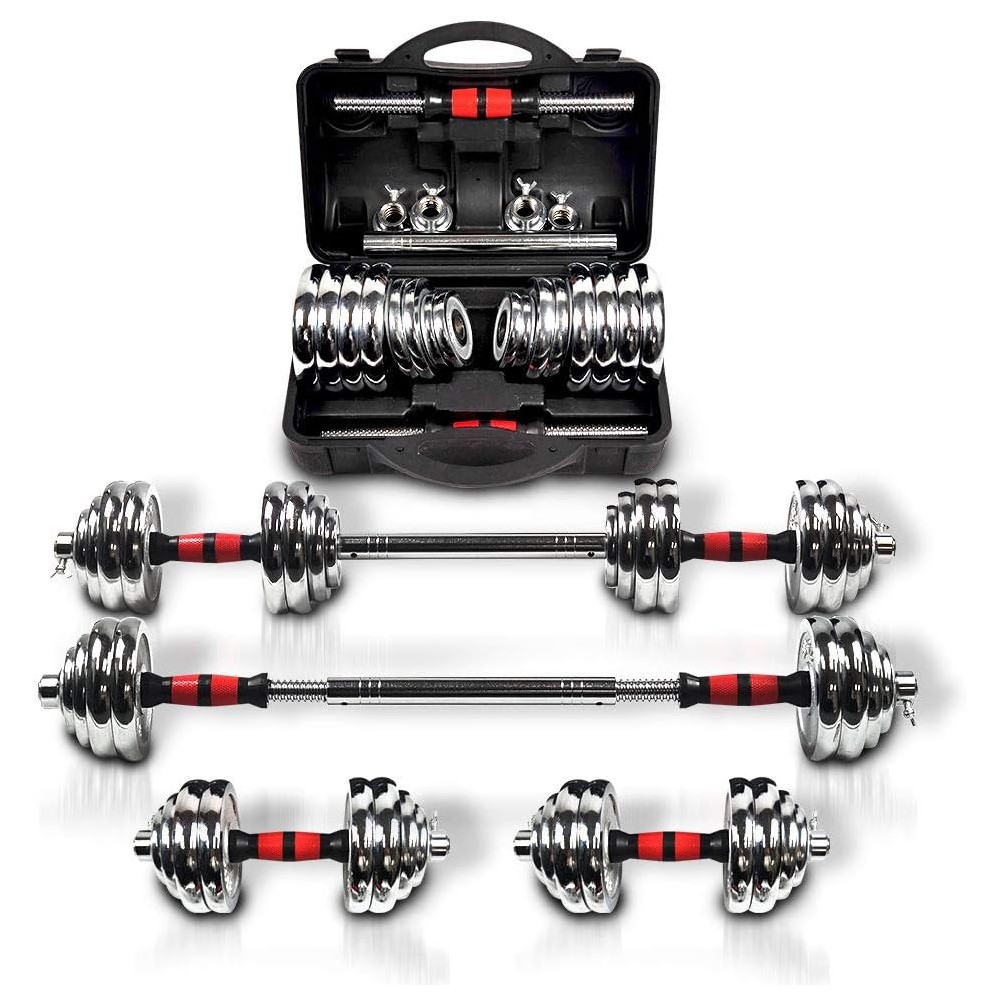 Adjustable Dumbbell Set With 3 in 1 Barbell Metal Connecting Rod, Chromed Weights, Hardcover Gift Box, Weight Sets up to 66lbs, Home Gym Exercise Training Equipment$258.99View on Mallflare
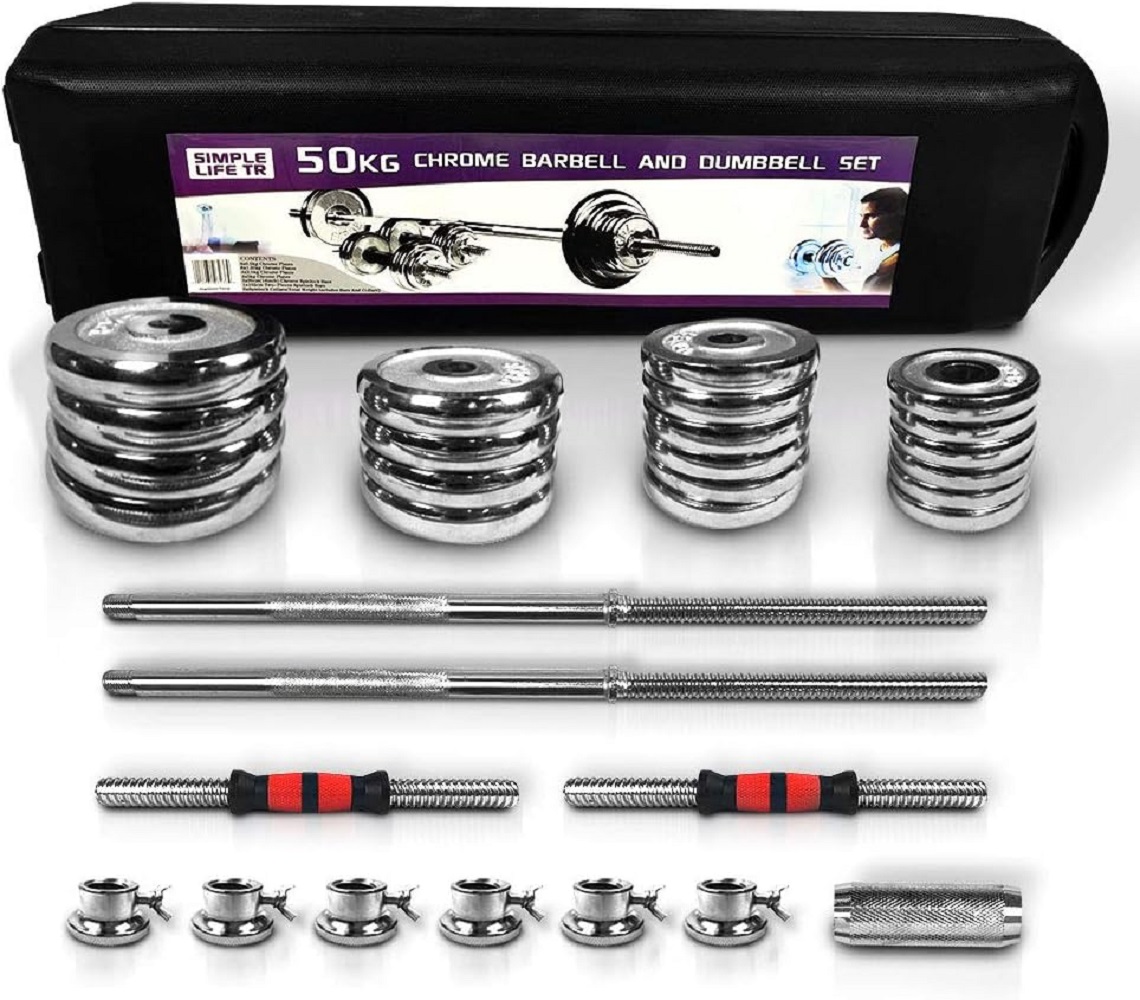 Adjustable Dumbbell Set Home Gym Cast Iron Barbell Sets with Carry Box 110lbs Office Bedroom Workout Dumbbells for Men and Women$355.99View on Mallflare
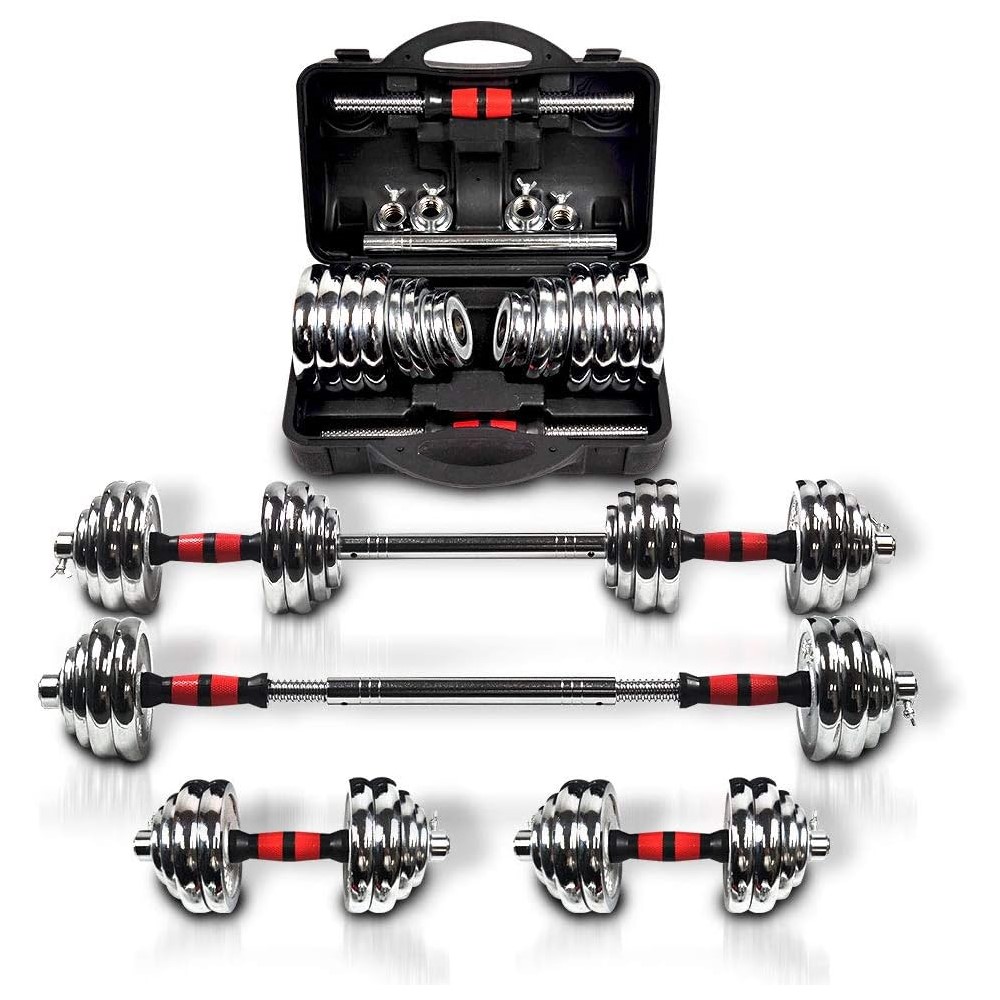 Adjustable Dumbbell Set With 3 in 1 Barbell Metal Connecting Rod, Chromed Weights, Hardcover Gift Box, Weight Sets up to 110lbs, Home Gym Exercise Training Equipment$404.99View on Mallflare
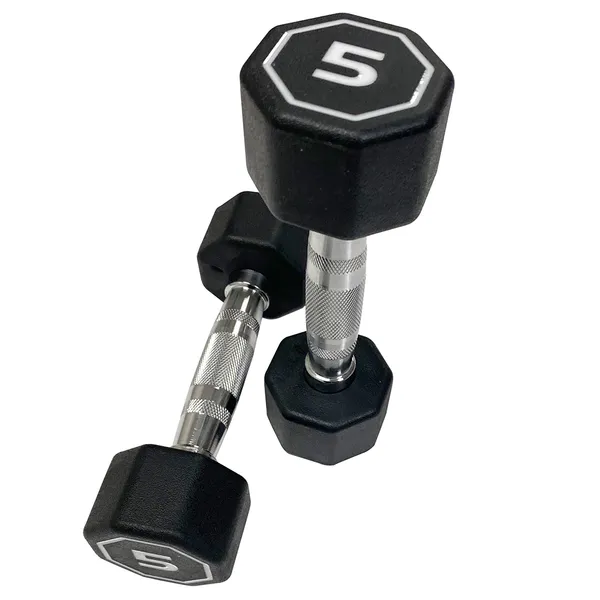 Premium Octagonal Dumbbell, Large Numbers, Hard Chrome Plated Handle Dumbbells To Assist With Push-Ups, 5 Lbs Set Of 2 Support For Face Sheet, Daily Submission Deadline 16-00$30.99View on Mallflare
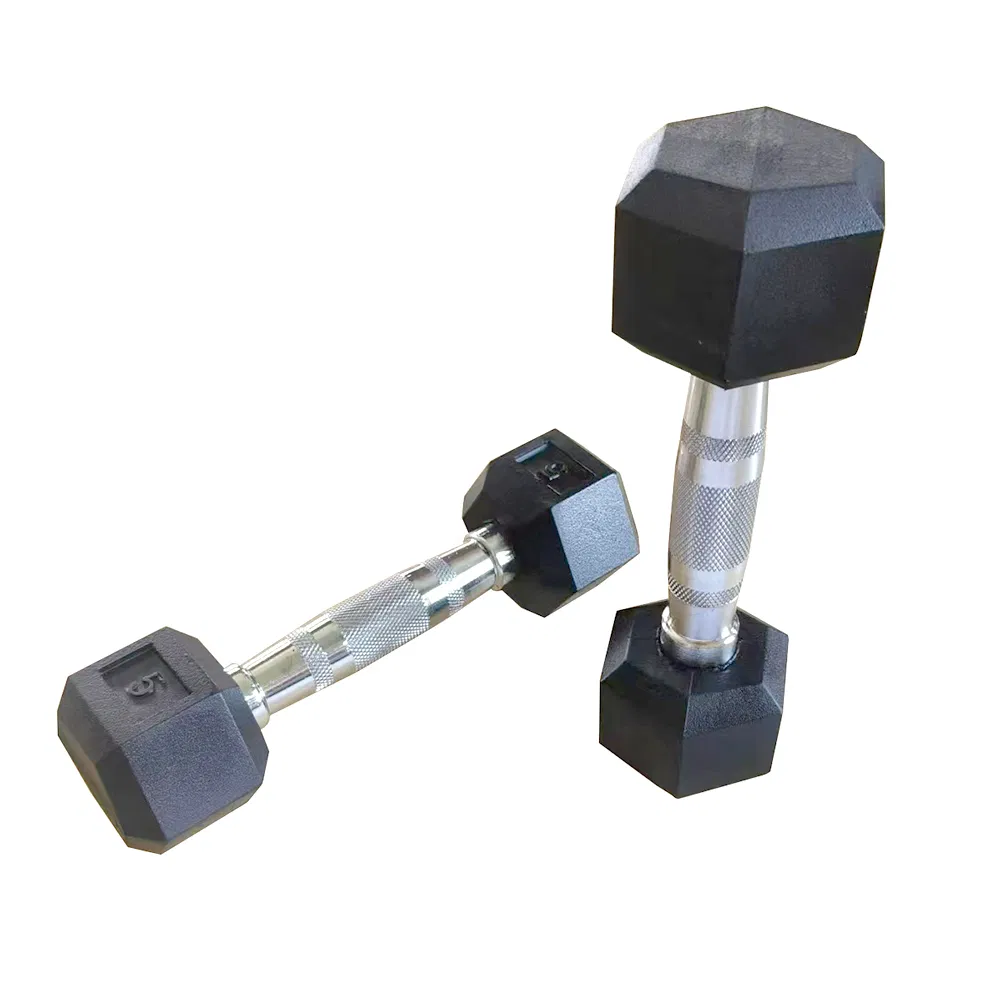 5LB 1-Pair(2pieces)HDRS Rubber Coated Solid Cast Iron Dumbbell with Contoured Chrome Handle, Hexagon Head$31.99View on Mallflare
Highlights
- Cast iron or steel plates with rubber/urethane coating resist chipping and protect floors; plastic-encased sand fills dent, crack, and lose weight accuracy over time.
- Hexagonal heads prevent rolling and allow renegade rows or floor presses; round heads roll and are only safe on racks or flat storage.
- Adjustable sets use spin-lock collars or slide-pin mechanisms; spin-lock is cheaper but slower, while pin-select systems cap at lower max weights per dumbbell.
- Standard plate holes are 1-inch (25 mm) for most home adjustable sets; Olympic 2-inch (50 mm) plates require corresponding bars and sleeves.
Best use cases
- Best fit: small apartments or shared rooms with limited floor space — pick a 2-in-1 adjustable set (dumbbell-to-barbell connector) up to 44–66 lbs per side and store plates vertically.
- Best fit: garage or basement gyms with dedicated floor space — pick fixed hex rubber dumbbells in 5-lb increments with a two-tier rack for fast supersets and drop sets.
- Wrong fit: high-volume heavy pressing or heavy rows — skip plastic/sand adjustable sets rated under 50 lbs per dumbbell; choose cast iron adjustable or fixed pro-style dumbbells instead.
Buying tips
- Match total set weight to your working loads: a 44-lb pair yields ~22 lbs per dumbbell; buy at least 10–20% above your heaviest planned single-arm exercise.
- Prefer cast iron or steel plates over plastic/sand fill; plastic shells crack at seams and sand shifts, causing unbalanced swing and inaccurate weight.
- For adjustable sets, confirm the collar type and thread pitch — metal spin-lock collars with fine threads hold better than plastic quick-release clamps.
- If buying a convertible set, verify the connector rod length matches your shoulder width and that the assembled barbell clears your bench's uprights.
Specs
| Weight Material | Cast iron / steel vs plastic-sand |
|---|---|
| Head Shape | Hex (no-roll) / round / adjustable |
| Plate Hole | 1-inch standard vs 2-inch Olympic |
| Adjustment Type | Spin-lock / pin-select / connector rod |
Related searches
What to check before buying
- Measure your storage footprint: a 44-lb adjustable pair needs roughly 2 sq ft of floor plus plate stack space; fixed sets need a rack footprint of 2–3 ft wide.
- Check ceiling height and bench clearance: overhead pressing with a 6-ft assembled barbell needs at least 7.5 ft of clearance from floor to ceiling.
- Confirm floor type: rubber hex or urethane-coated plates are required over hardwood or tile; bare cast iron will chip and dent flooring.
- Verify plate hole diameter and bar sleeve diameter match (1-inch standard vs 2-inch Olympic) before combining separate bars and plates.
FAQ
Data sources: eBay / Amazon listings and product attribute feeds Data updated Nov 16, 2026.
Some links on this page are affiliate links. If you buy after clicking one, we may earn a commission at no extra cost to you. This does not change which products appear here or their order. Affiliate disclosure.