Photos from current listings. Actual item, color, and included accessories may vary.
Weight Set Buying Guide
A weight set is a bundled system of plates, bars, and/or dumbbells that lets you load progressive resistance at home; the core trade-off is between cement-filled plastic plates (cheap but bulky and fragile) and cast-iron or steel plates (denser, tougher, and true-to-weight). The decision rule: buy metal if you train regularly or load a bar, and accept plastic only for light, low-impact toning work.


At a glance
- Category
- Barbells, Plates & Dumbbells
- Data updated
- Nov 16, 2026
Current offers
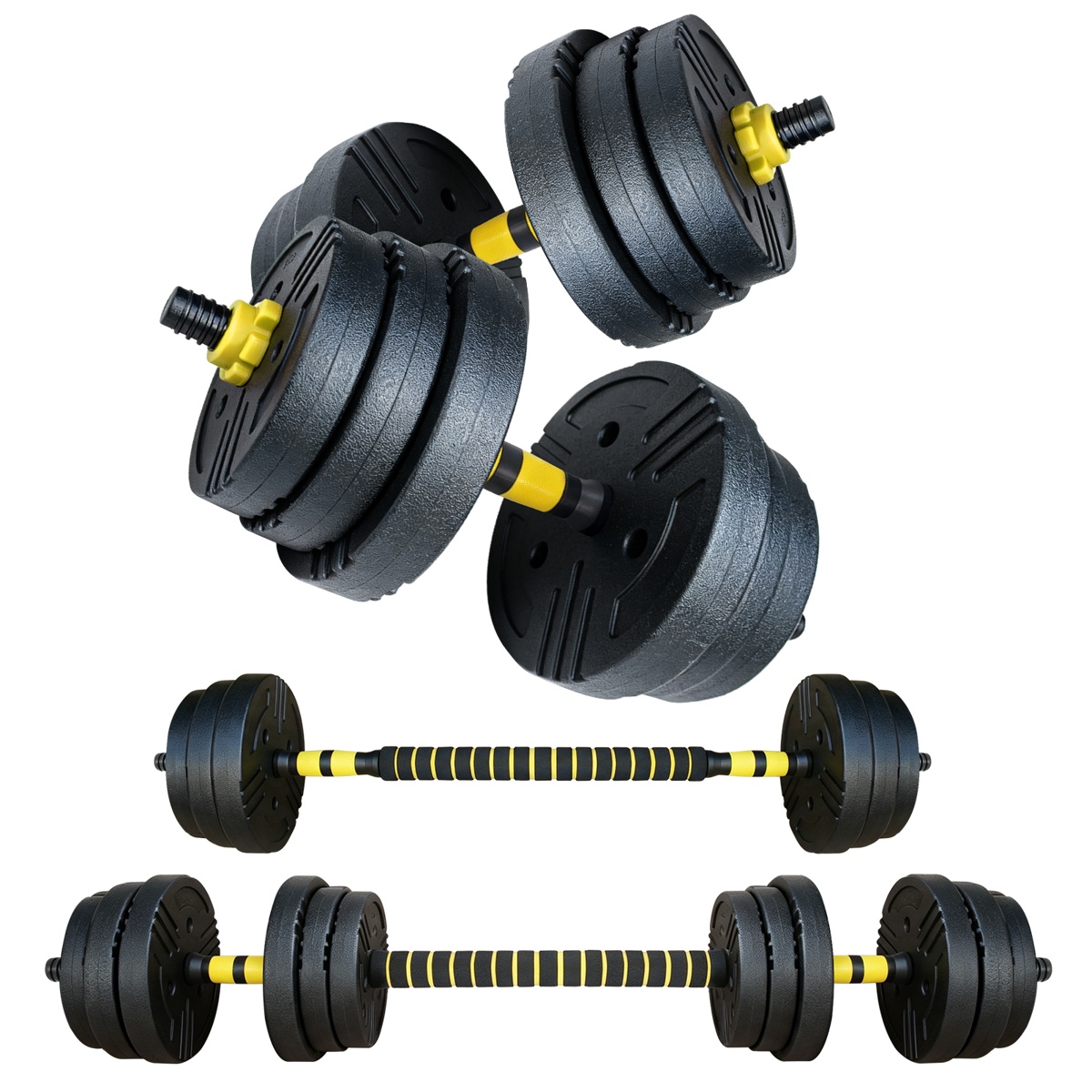 Adjustable Dumbbells, 45 lbs Free Weight Set with Connector, Multifunctional Set Used as Barbell, Dumbbell, Push-ups and Plate, Fitness Exercises for Home Gym$48.99
 View on Mallflare
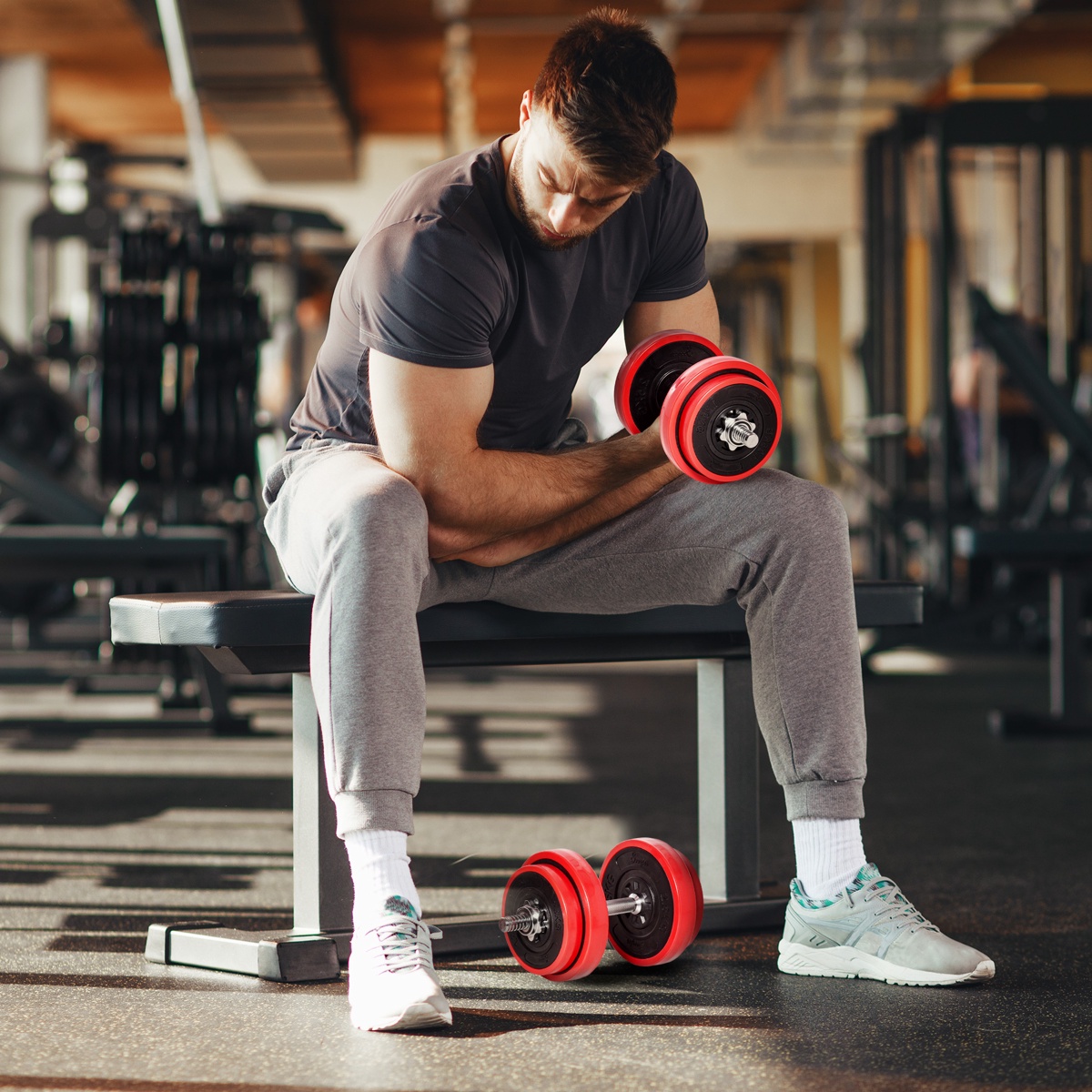 Adjustable Dumbbell Set, 44lbs Convertible to Barbell Weight Set for Home Gym Women and Men Lifting Training$57.99View on Mallflare
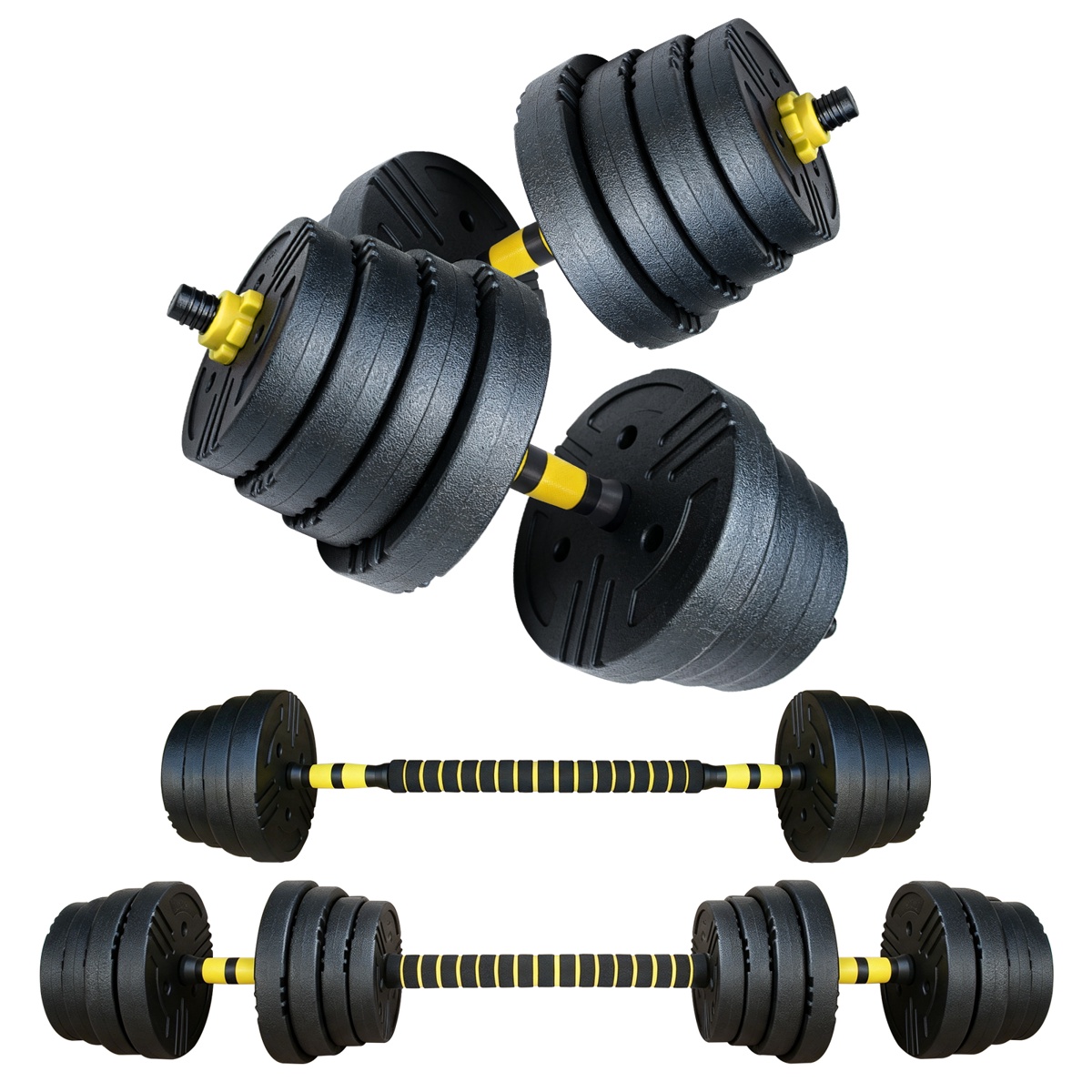 Adjustable Dumbbells, 66 lbs Free Weight Set with Connector, Multifunctional Set Used as Barbell, Dumbbell, Push-ups and Plate, Fitness Exercises for Home Gym$68.99View on Mallflare
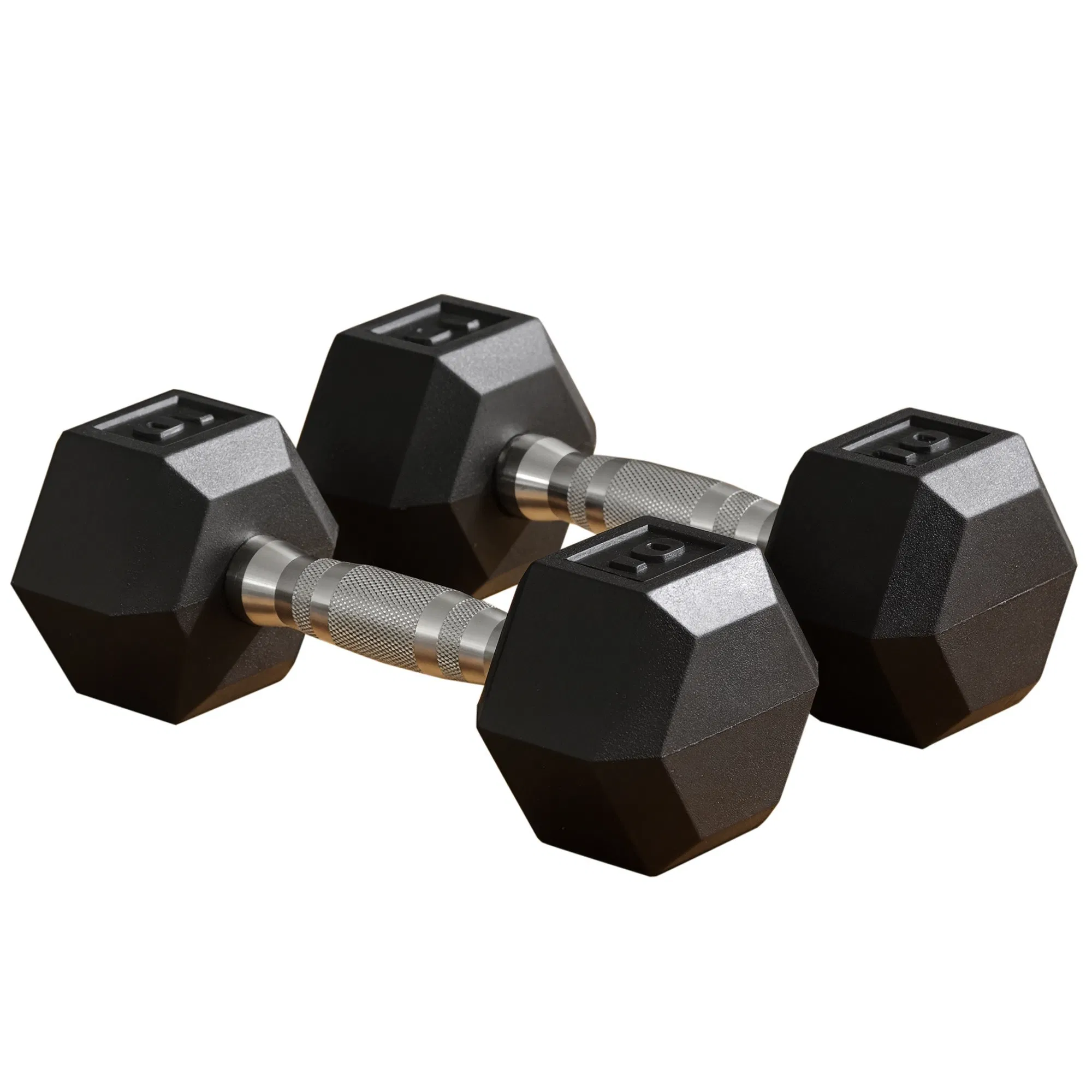 Rubber Dumbbells Weight Set, Total 20lbs(10lbs Each) Dumbbell Hand for Body Fitness Training for Home Office Gym, Black$72.99View on Mallflare
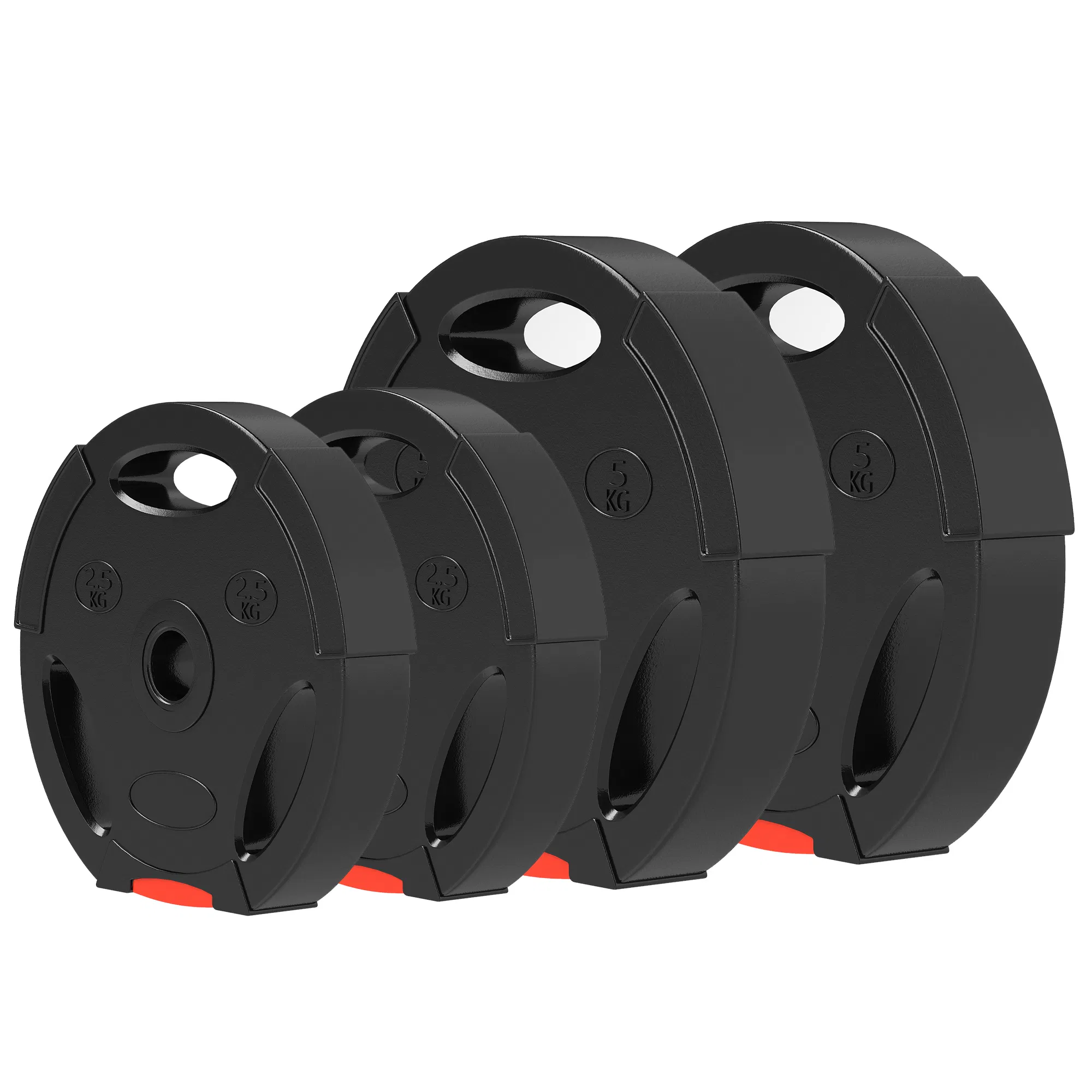 1-Inch Weight Plates, Barbell Weights Set for Weightlifting and Strength Training, 2 x 11lbs + 2 x 5.5lbs$76.99View on Mallflare
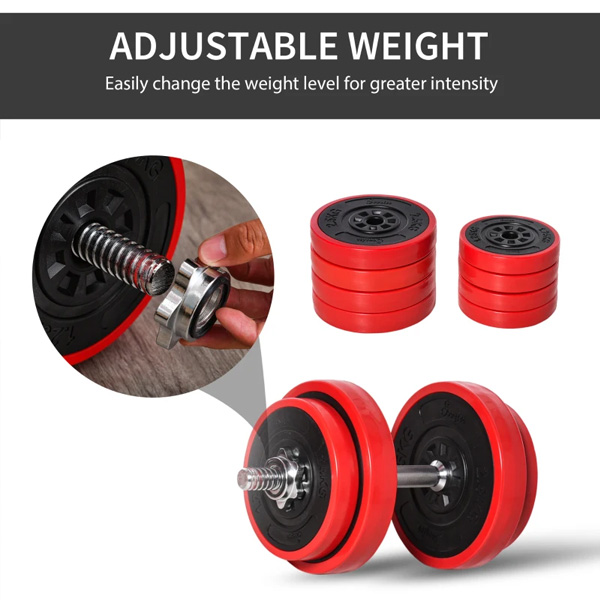 Adjustable Dumbbell Set, 44lbs Convertible To Barbell Weight Set Made With Metal Sand And Plastic For Home Gym Women And Men Lifting Training$89.99View on Mallflare
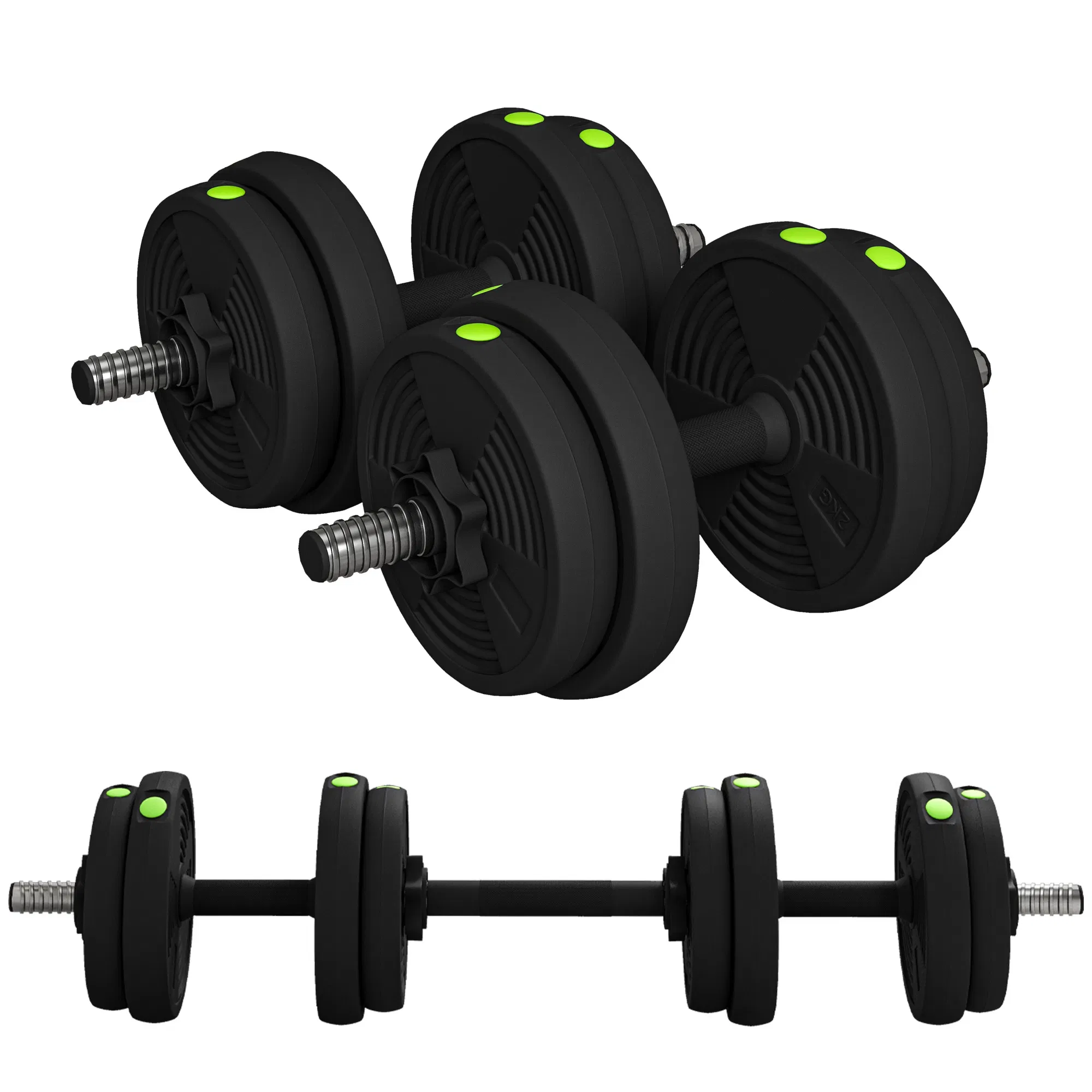 33LBS 2-in-1 Adjustable Barbell & Dumbbells Set, Weights Set with Non-slip Handles for Men and Women Home Gym Training$98.99View on Mallflare
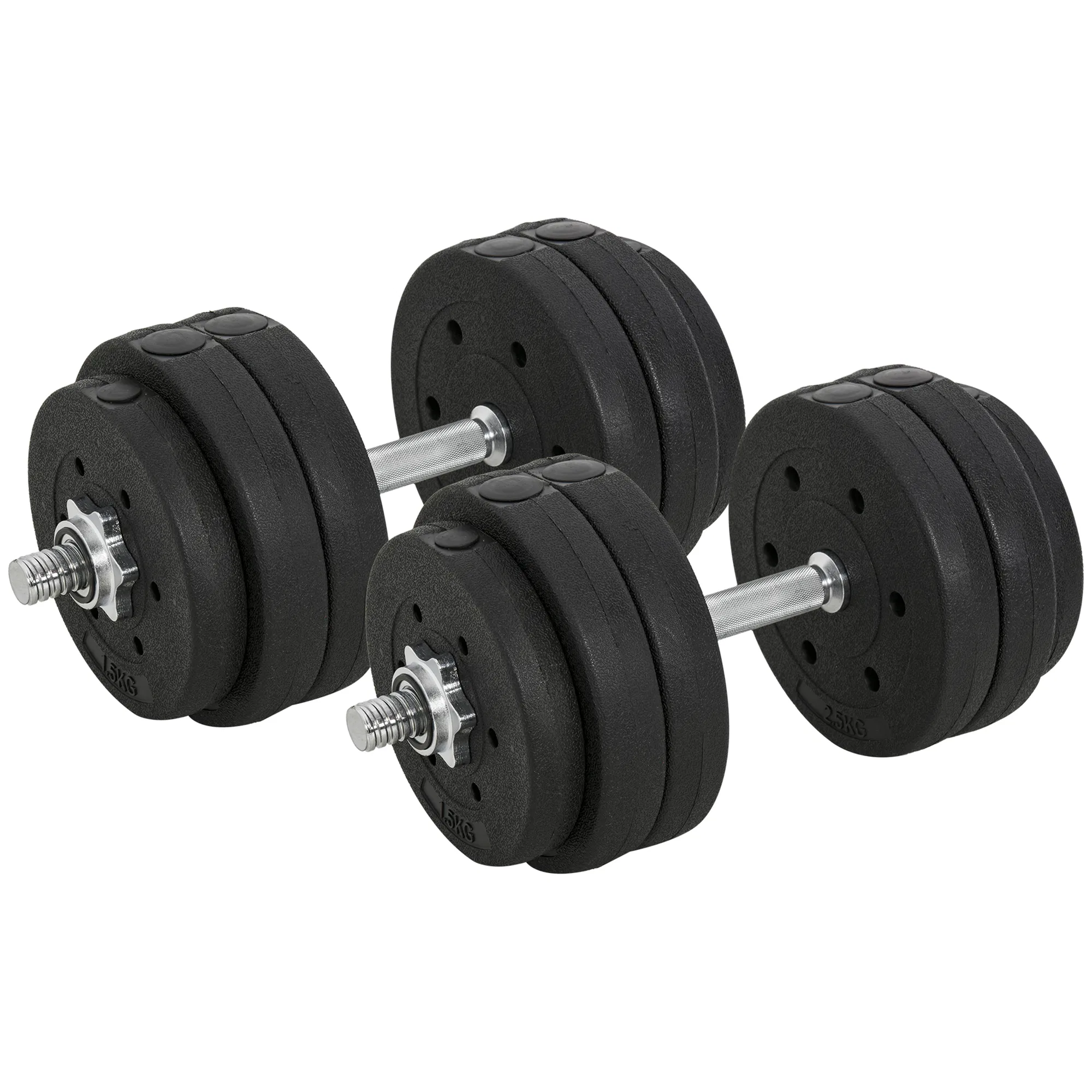 66 lbs Adjustable Dumbbells Weight Set Dumbbell Hand Barbell for Body Fitness Lifting Training for Home Office Gym, Black$123.99View on Mallflare
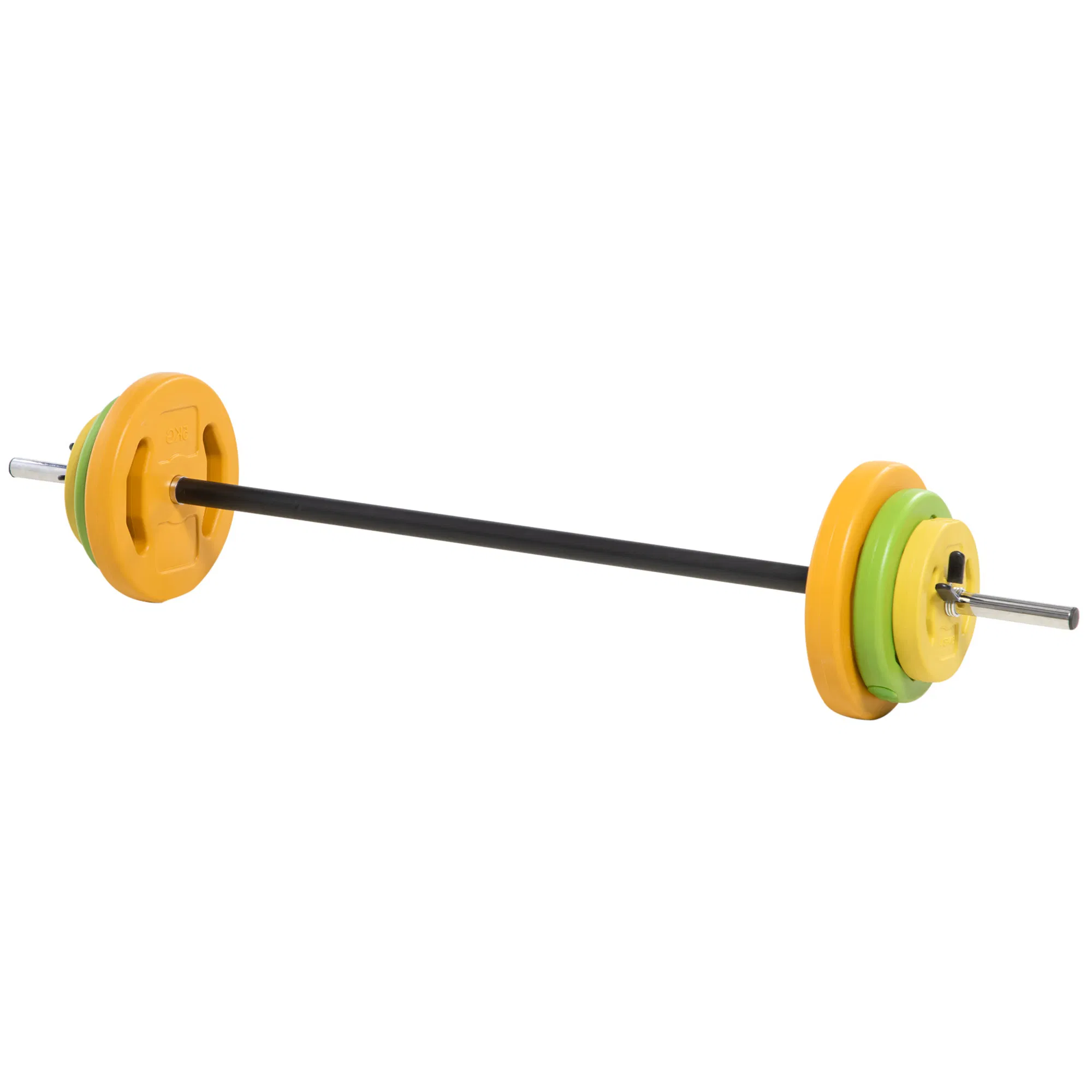 44lbs Adjustable Barbell Weight Set with Non-slip Handle for Home Gym$123.99View on Mallflare
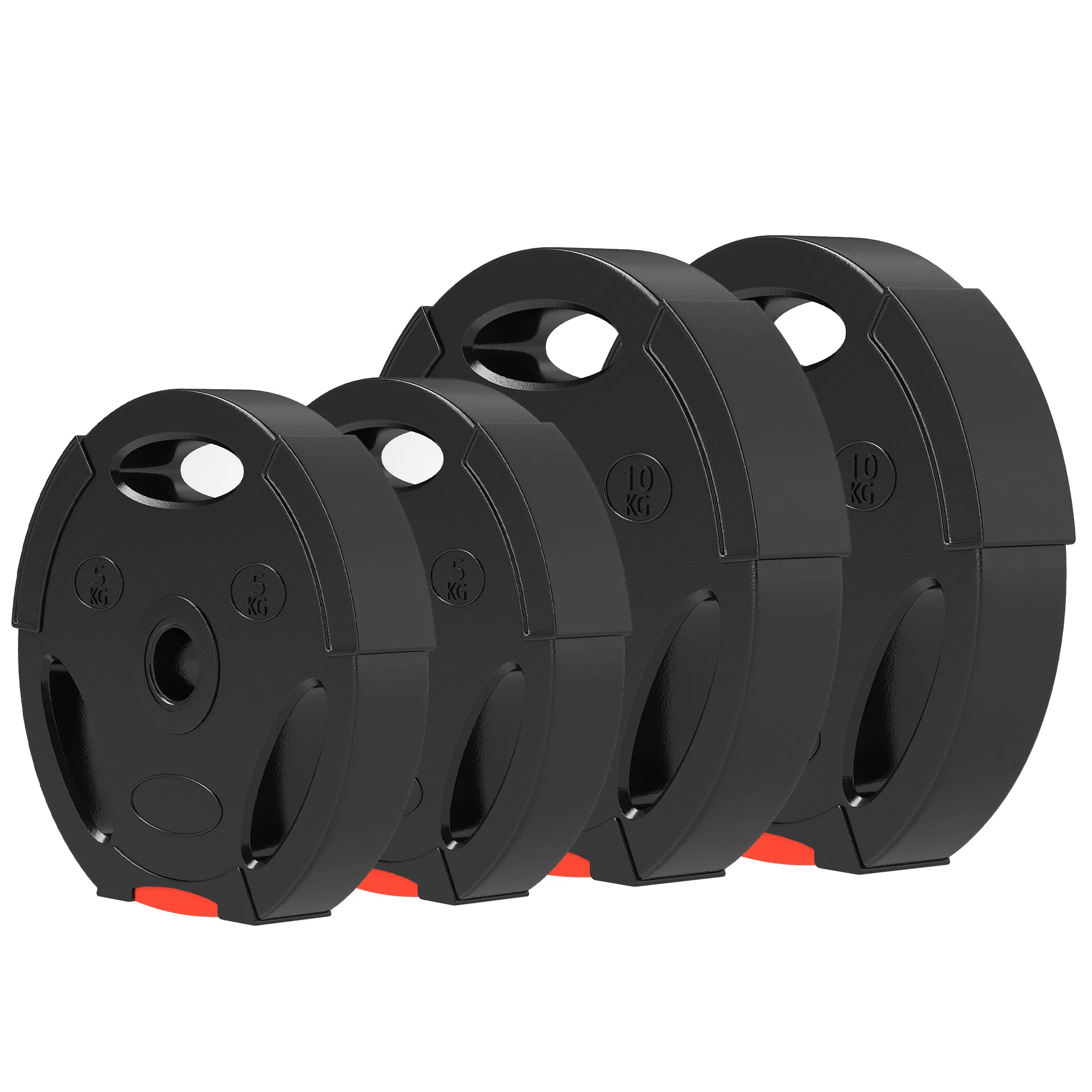 1-Inch Weight Plates, Barbell Weights Set for Weightlifting and Strength Training, 2 x 22lbs + 2 x 11lbs$123.99View on Mallflare
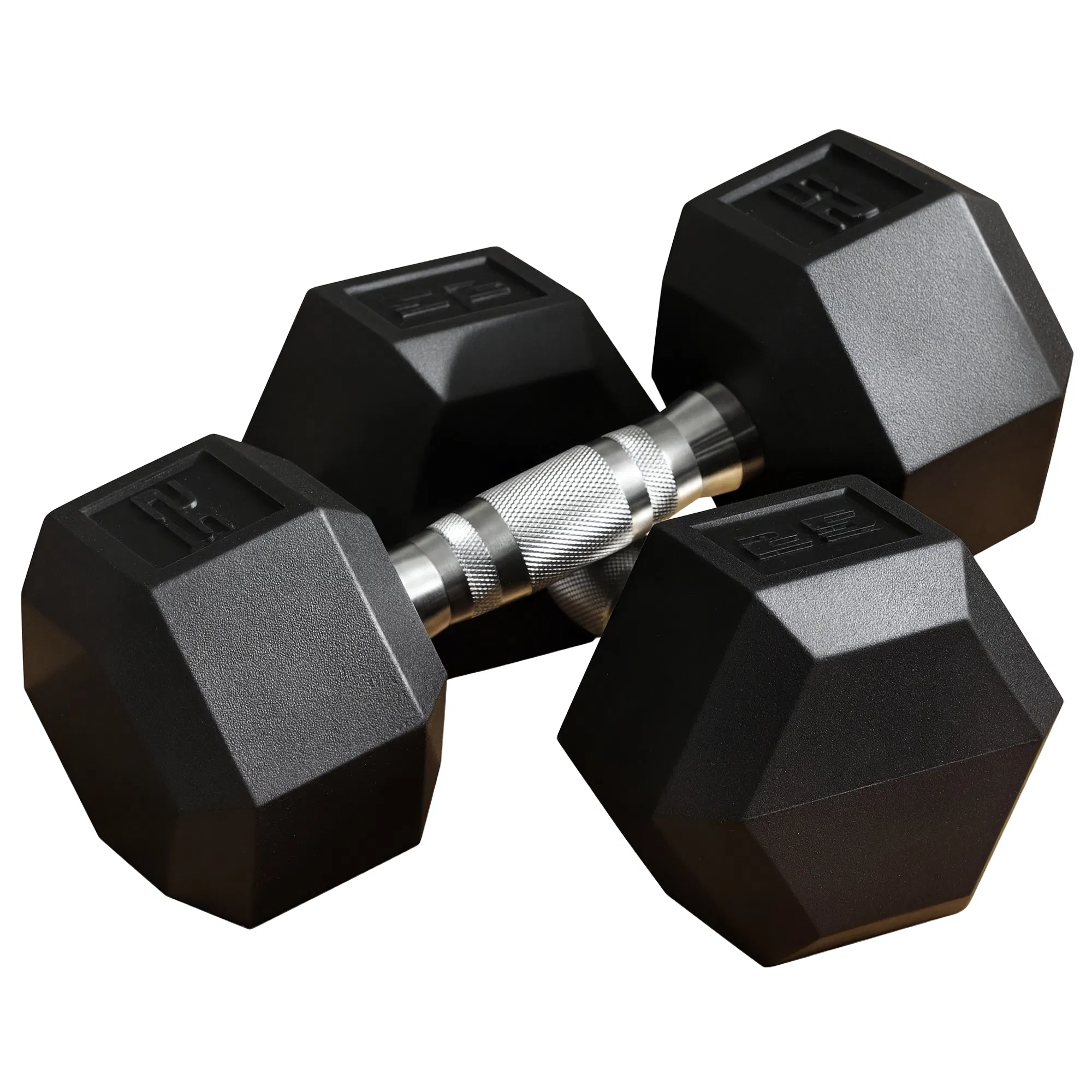 Rubber Dumbbells Weight Set, Total 50lbs(25lbs Each) Dumbbell Hand for Body Fitness Training for Home Office Gym, Black$129.99View on Mallflare
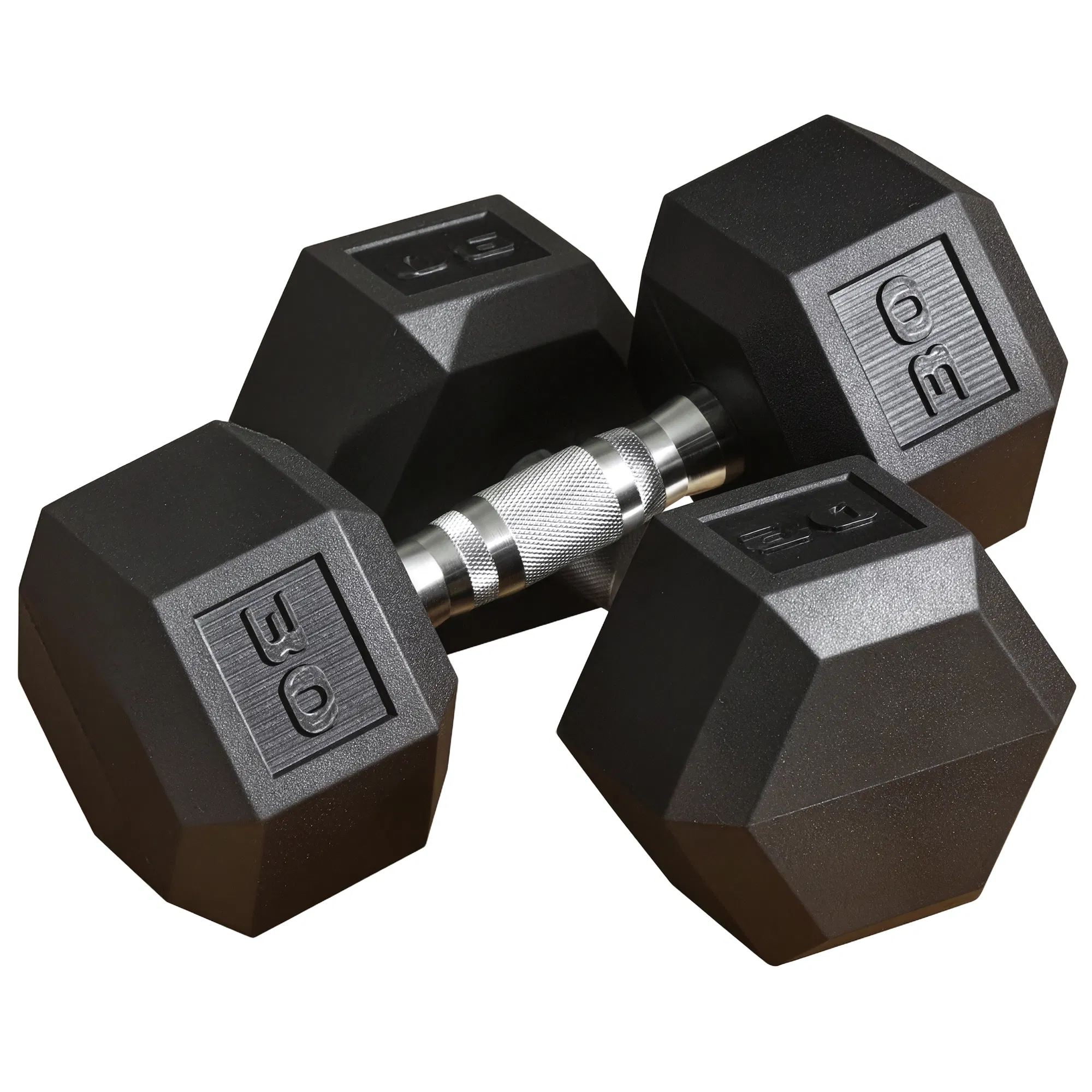 Rubber Dumbbells Weight Set, Total 60lbs 30lbs Each Dumbbell Hand for Body Fitness Training for Home Office Gym, Black$147.99View on Mallflare
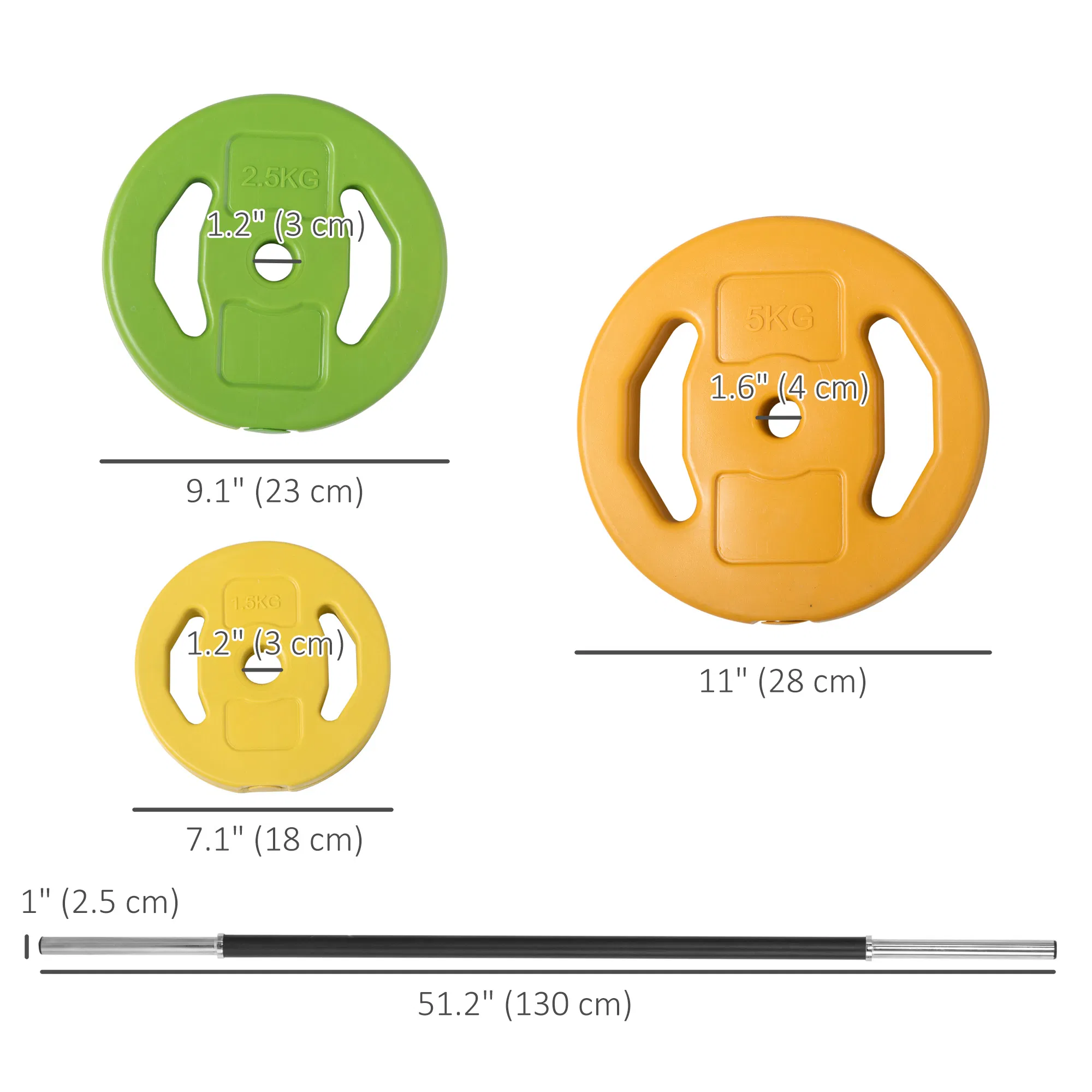 Adjustable Barbell Weight Set 44 Lbs with Non-Slip Handle for Home Gym Fitness Exercise Equipment$204.99View on Mallflare
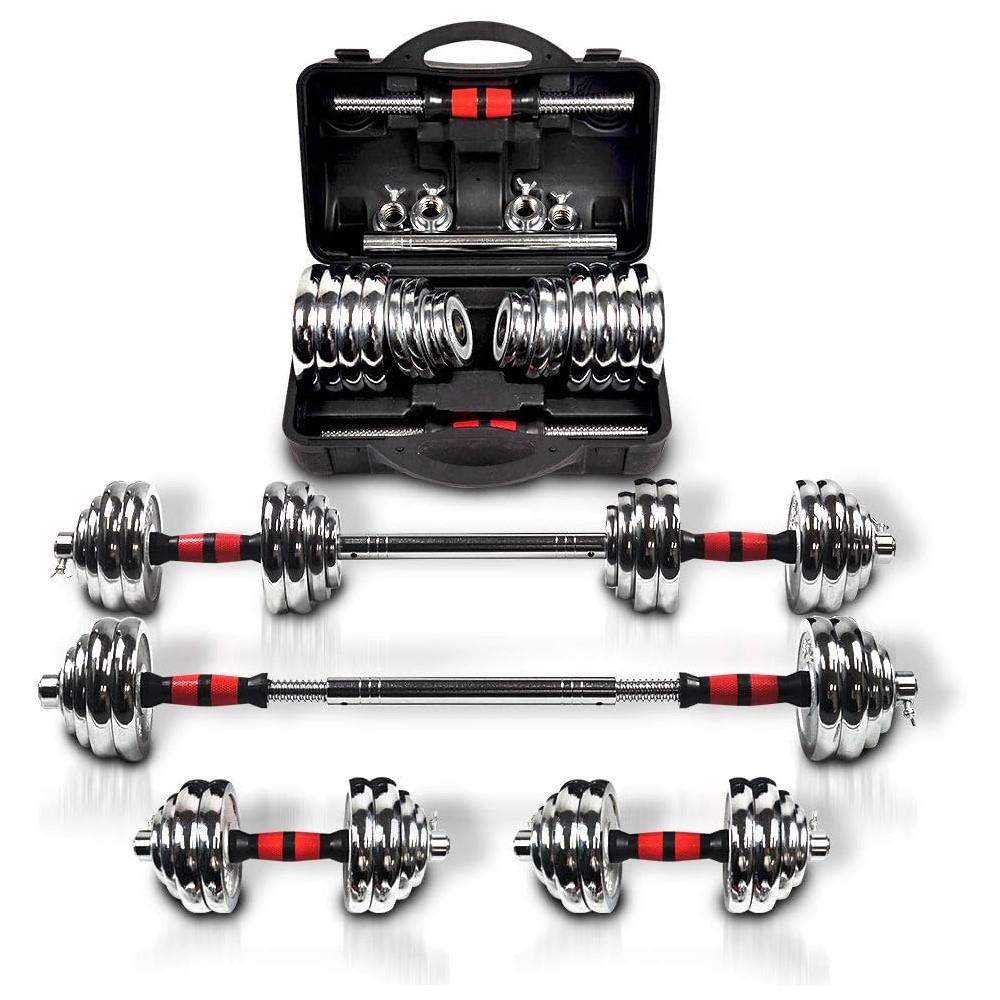 Adjustable Dumbbell Set With 3 in 1 Barbell Metal Connecting Rod, Chromed Weights, Hardcover Gift Box, Weight Sets up to 44lbs, Home Gym Exercise Training Equipment$212.99View on Mallflare
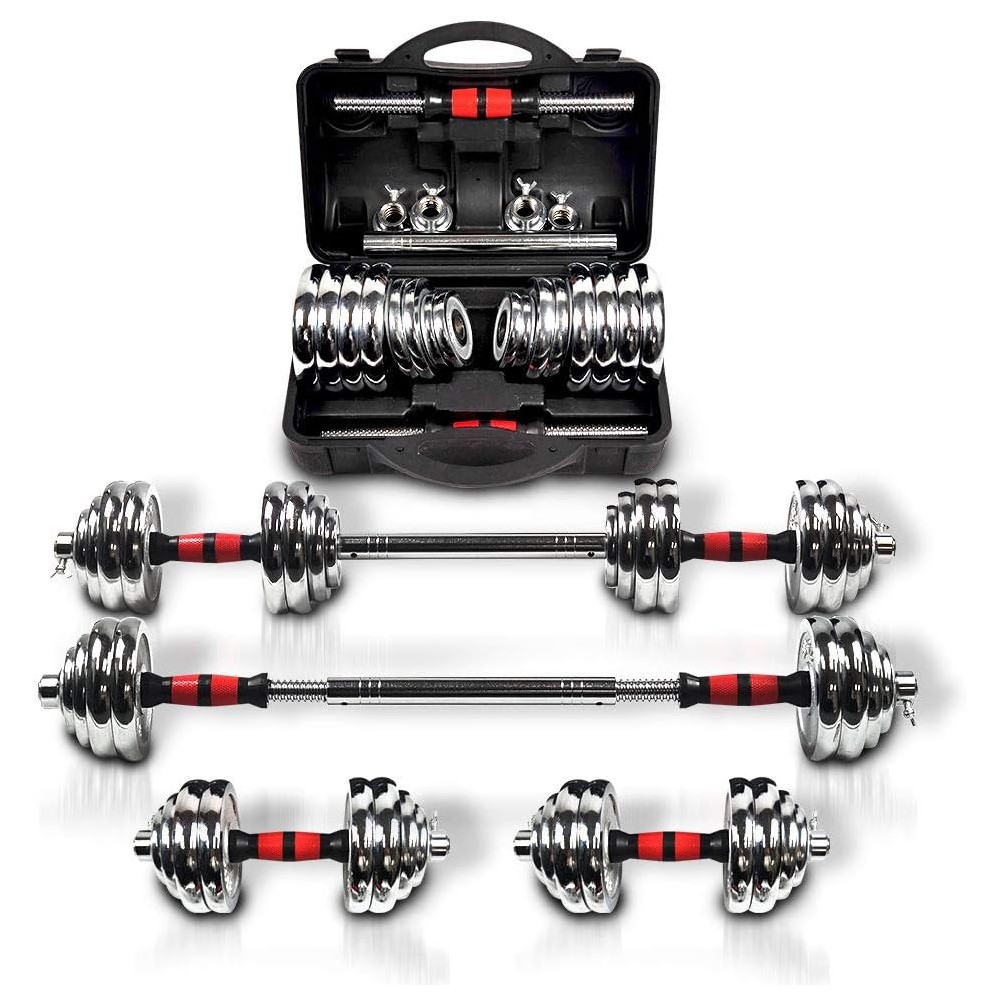 Adjustable Dumbbell Set With 3 in 1 Barbell Metal Connecting Rod, Chromed Weights, Hardcover Gift Box, Weight Sets up to 66lbs, Home Gym Exercise Training Equipment$258.99View on Mallflare
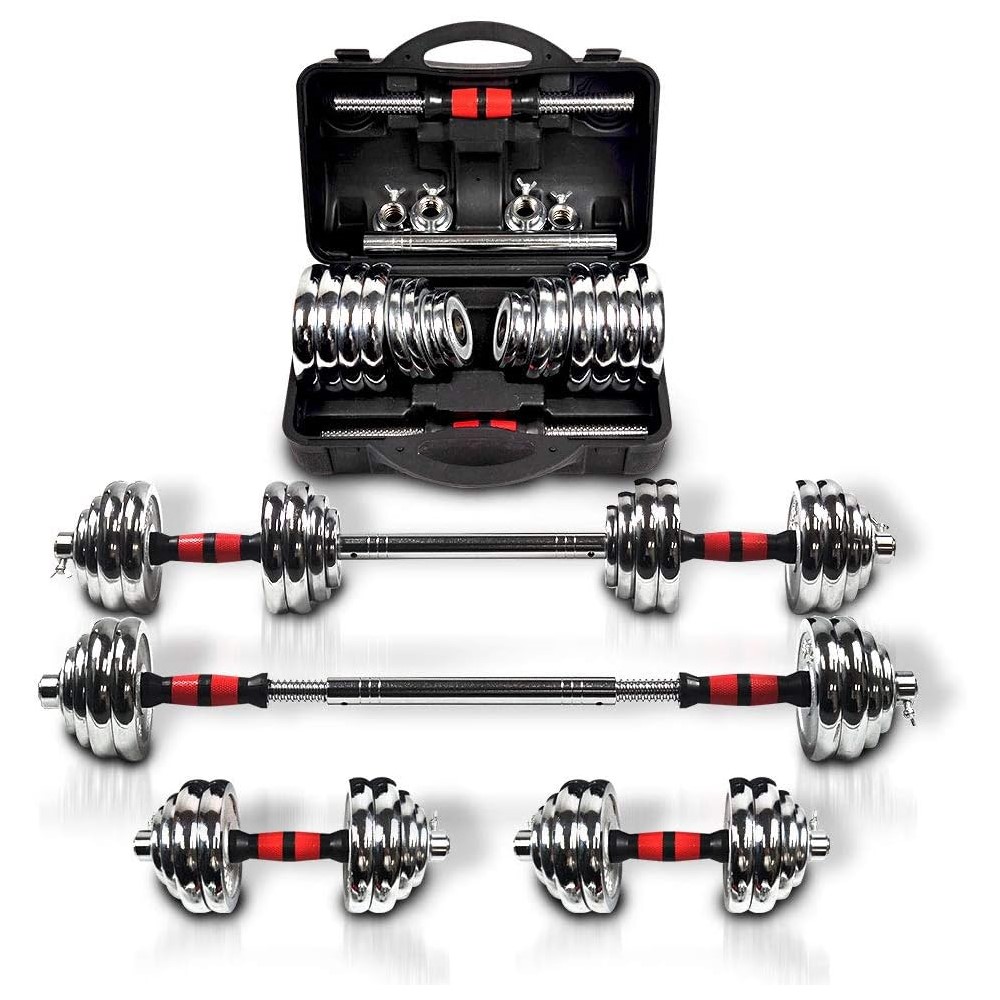 Adjustable Dumbbell Set With 3 in 1 Barbell Metal Connecting Rod, Chromed Weights, Hardcover Gift Box, Weight Sets up to 110lbs, Home Gym Exercise Training Equipment$404.99View on Mallflare
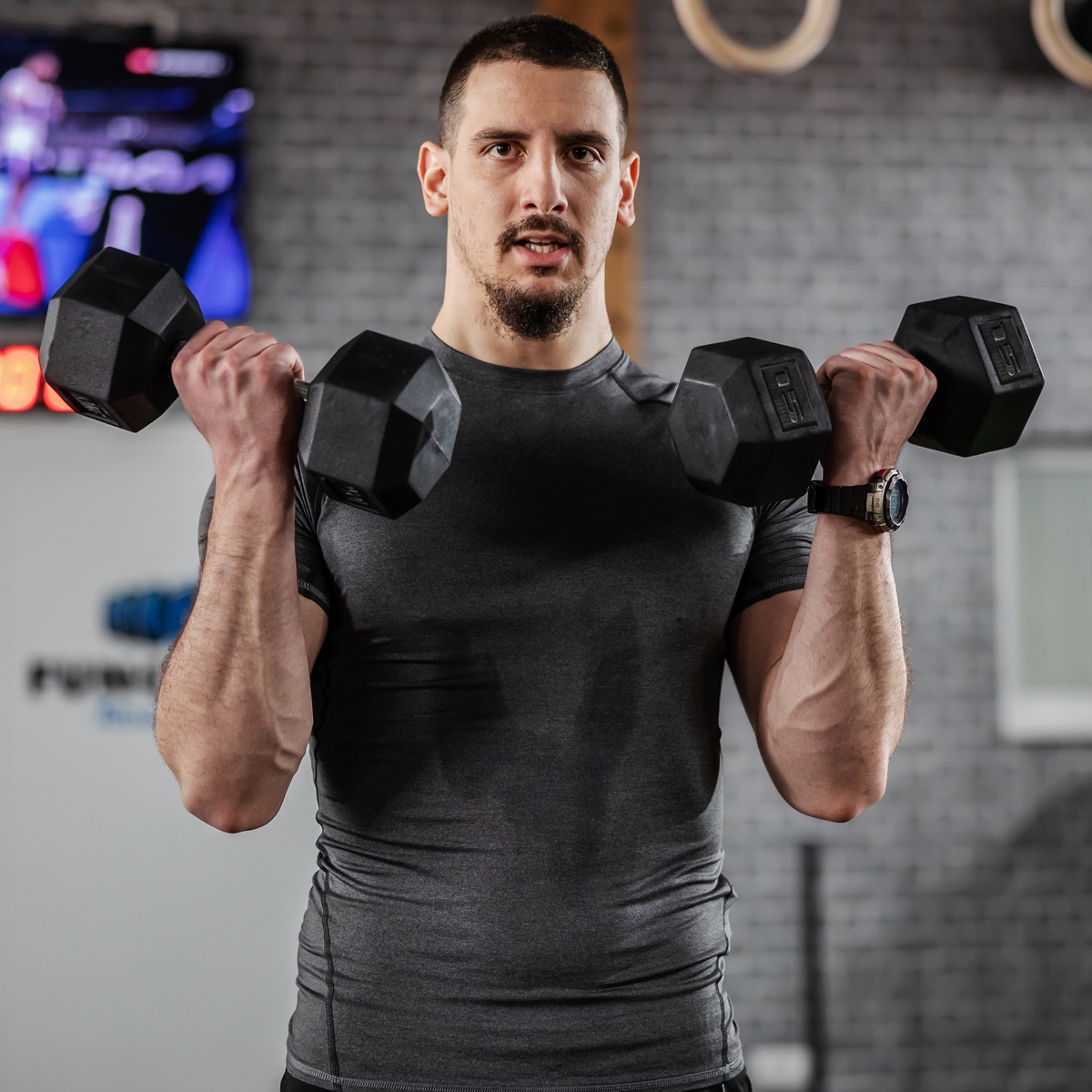 2 x 15lbs Hex Dumbbell Set of 2, Rubber Weights Exercise Fitness with Non-Slip Handles, Anti-roll, for Women or Men Home Gym Workout, Black$48.99View on Mallflare
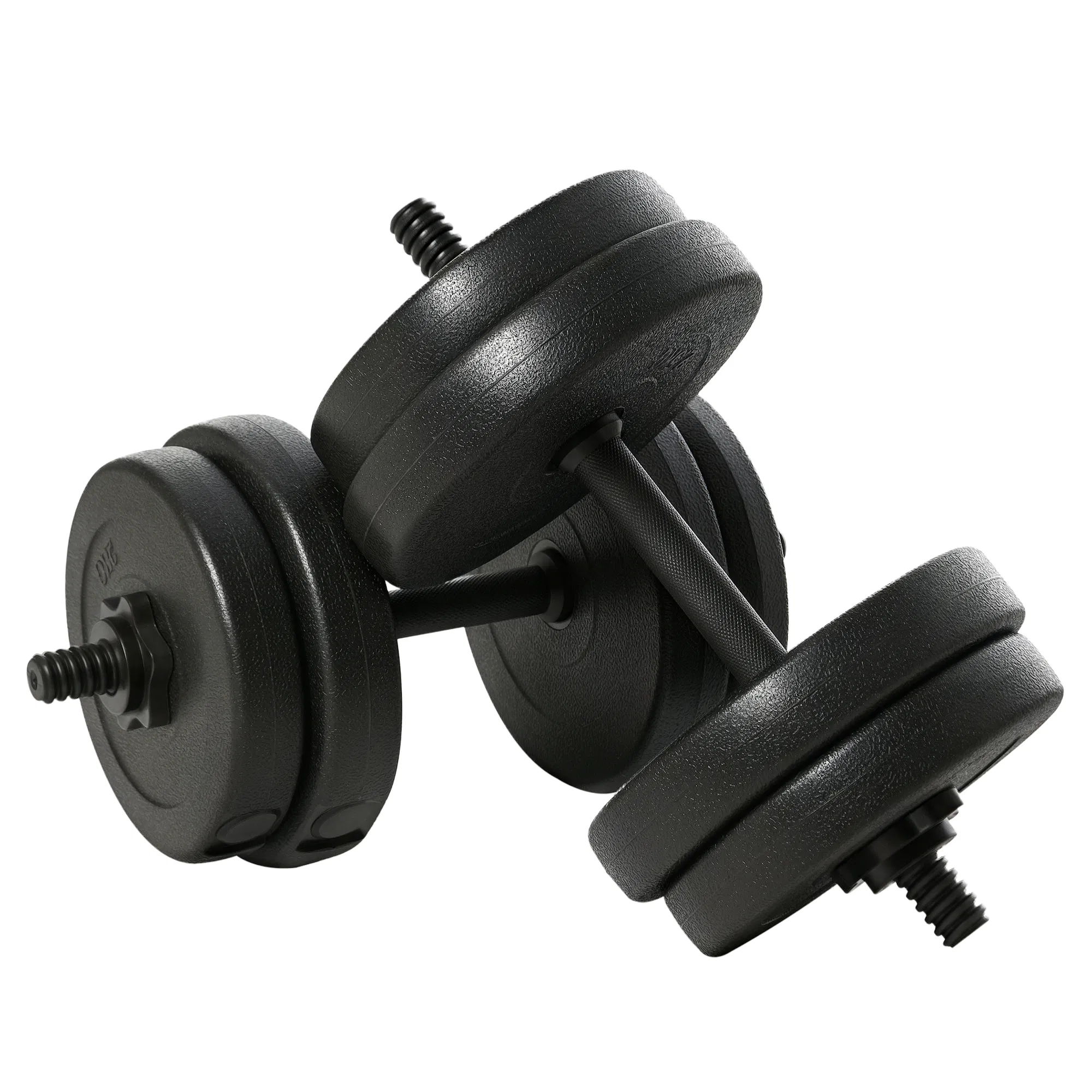 Adjustable 2 x 22lbs Weight Dumbbell Set for Fitness Training Exercise Home Gym Equipment, Black (Pair)$85.99View on Mallflare
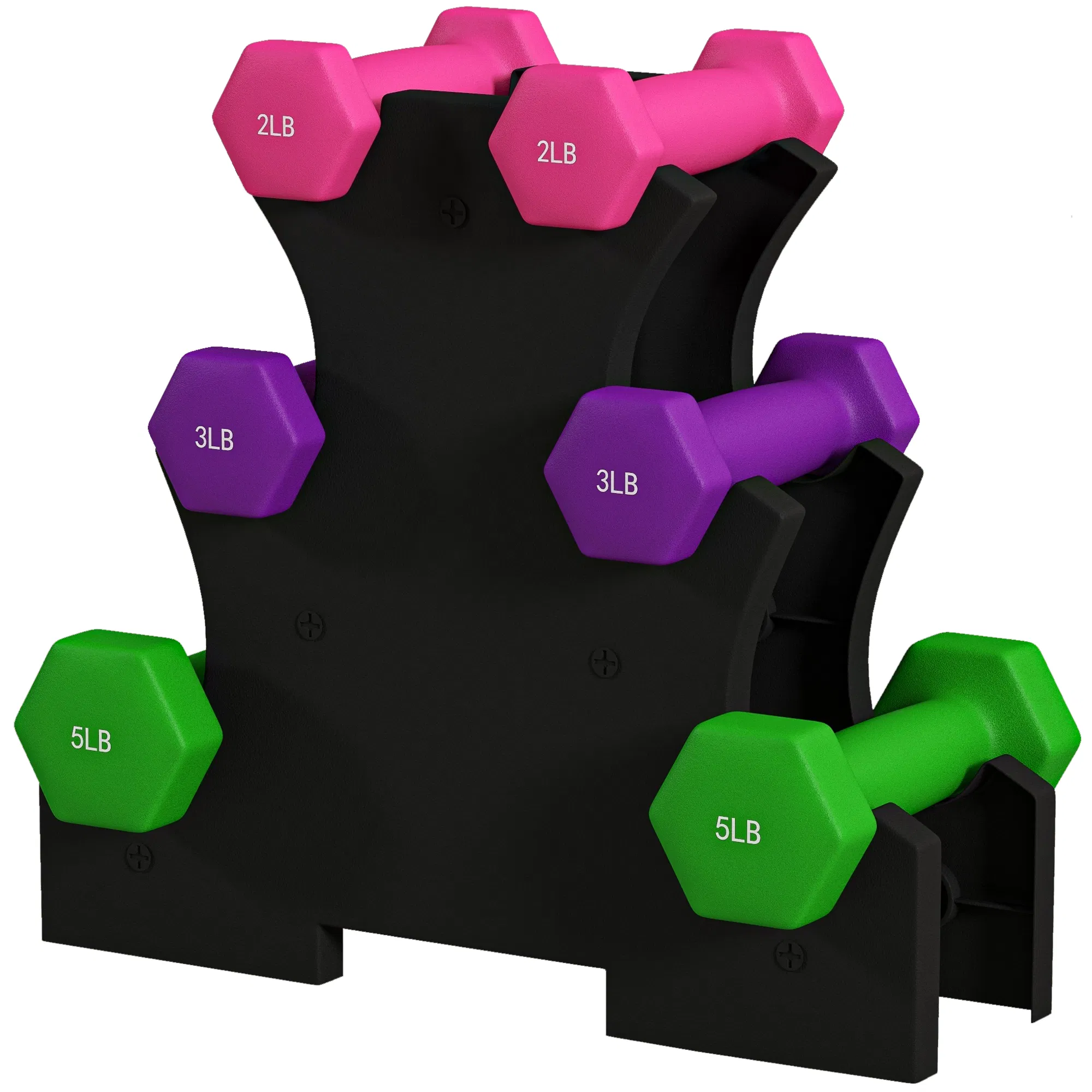 2 x 2 lbs., 2 x 3 lbs., 2 x 5 lbs. Dumbbells Set with Dumbbell Rack, Hand Weights for Home Gym Training$85.99View on Mallflare
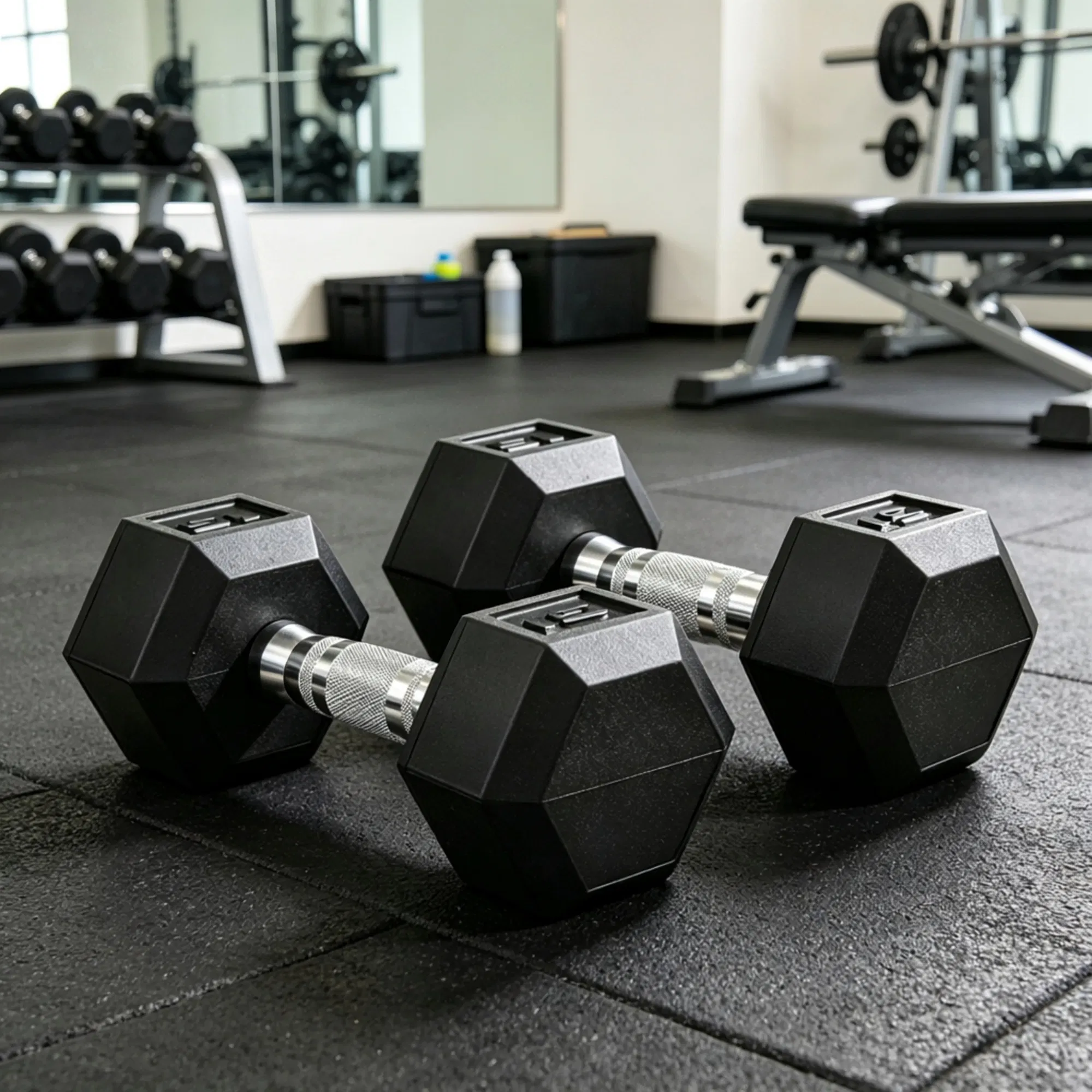 2 X 15lbs Hex Dumbbell Set for Home Gym Workout Rubber Weights with Non-Slip Handles Anti-Roll Fitness Exercise Dumbbells for Women And Men Black$87.99View on Mallflare
Highlights
- Plate material drives durability: cast iron or steel plates hold tolerance and survive drops; cement-filled plastic plates crack at seams and shed weight over time.
- Bar sleeve diameter sets compatibility: 1-inch standard bars take only 1-inch plates; 2-inch Olympic bars need 2-inch plates—never mix the two.
- Adjustable dumbbell-to-barbell connector kits typically cap at 44, 66, or 110 lb total, so max load is fixed by the kit, not the plates alone.
- Rubber-coated or hex-cast dumbbells protect floors and resist chipping; chrome or bare-steel plates need a rack or mat to avoid damage.
Best use cases
- Best fit: small-space home gym—pick a 44-66 lb adjustable dumbbell/barbell connector kit; skip it if you already deadlift over 110 lb.
- Best fit: beginner strength training—choose a 1-inch plate set with a standard bar for curls, presses, and rows; skip Olympic 2-inch gear until lifts exceed roughly 100 lb.
- Best fit: floor-protection needs (apartments, garages)—buy rubber-coated or hex dumbbells; skip bare cast iron and plastic plates that crack on impact.
- Wrong fit: high-volume barbell lifting—plastic cement plates and 1-inch bars flex and cap load; go cast iron with a 2-inch Olympic bar and rack instead.
Buying tips
- Weigh the math: plate stacks labeled 44 lb often include the bar and collars, so actual plate load is lower—read the total-vs-plate breakdown.
- Match sleeve size exactly: 1-inch bars accept only 1-inch plates; 2-inch Olympic bars require 2-inch plates with 2-inch center holes.
- Choose cast iron or steel over cement-filled plastic when loading a bar; plastic plates are for light dumbbell toning only.
- For adjustable sets, check the connector rod rating—kits sold as 44/66/110 lb max cannot safely exceed that assembled total.
Specs
| Plate Material | Cast iron vs cement-filled plastic |
|---|---|
| Bar Sleeve | 1-inch standard / 2-inch Olympic |
| Set Max Load | 44 / 66 / 110 lb adjustable totals |
| Coating | Rubber / chrome / bare cast iron |
Related searches
What to check before buying
- Measure your floor space and ceiling height: a 6-7 ft bar needs clearance and a rack or stand; adjustable dumbbells fit a 2x4 ft footprint.
- Confirm floor type: concrete tolerates cast iron; wood or laminate needs rubber-coated plates or a mat.
- Verify plate hole diameter against your bar sleeve (1-inch vs 2-inch) before buying any add-on plates.
- Check the set's included collars and bar type—some kits ship without a bar or with spring collars that loosen under load.
FAQ
Data sources: eBay / Amazon listings and product attribute feeds Data updated Nov 16, 2026.
Some links on this page are affiliate links. If you buy after clicking one, we may earn a commission at no extra cost to you. This does not change which products appear here or their order. Affiliate disclosure.