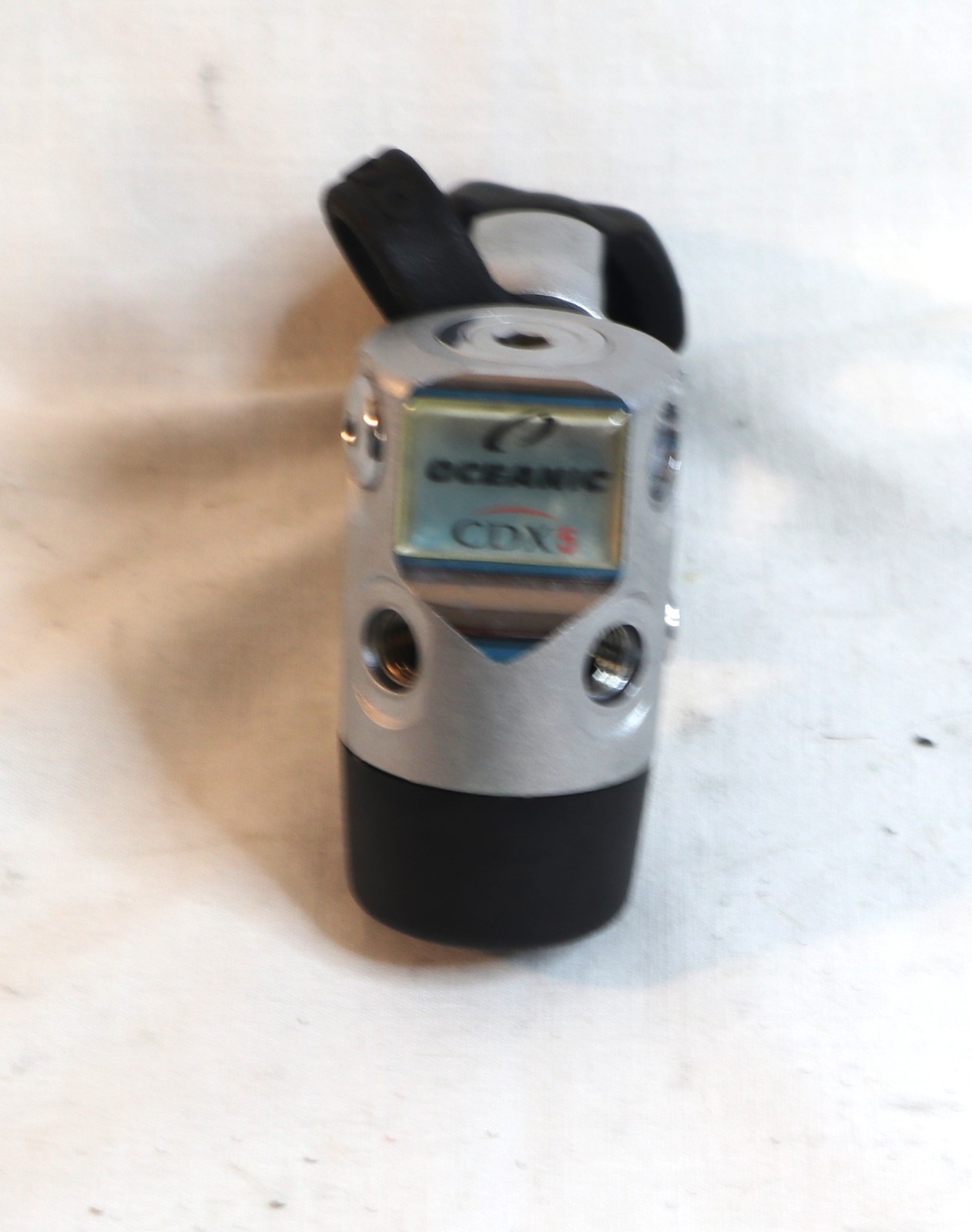

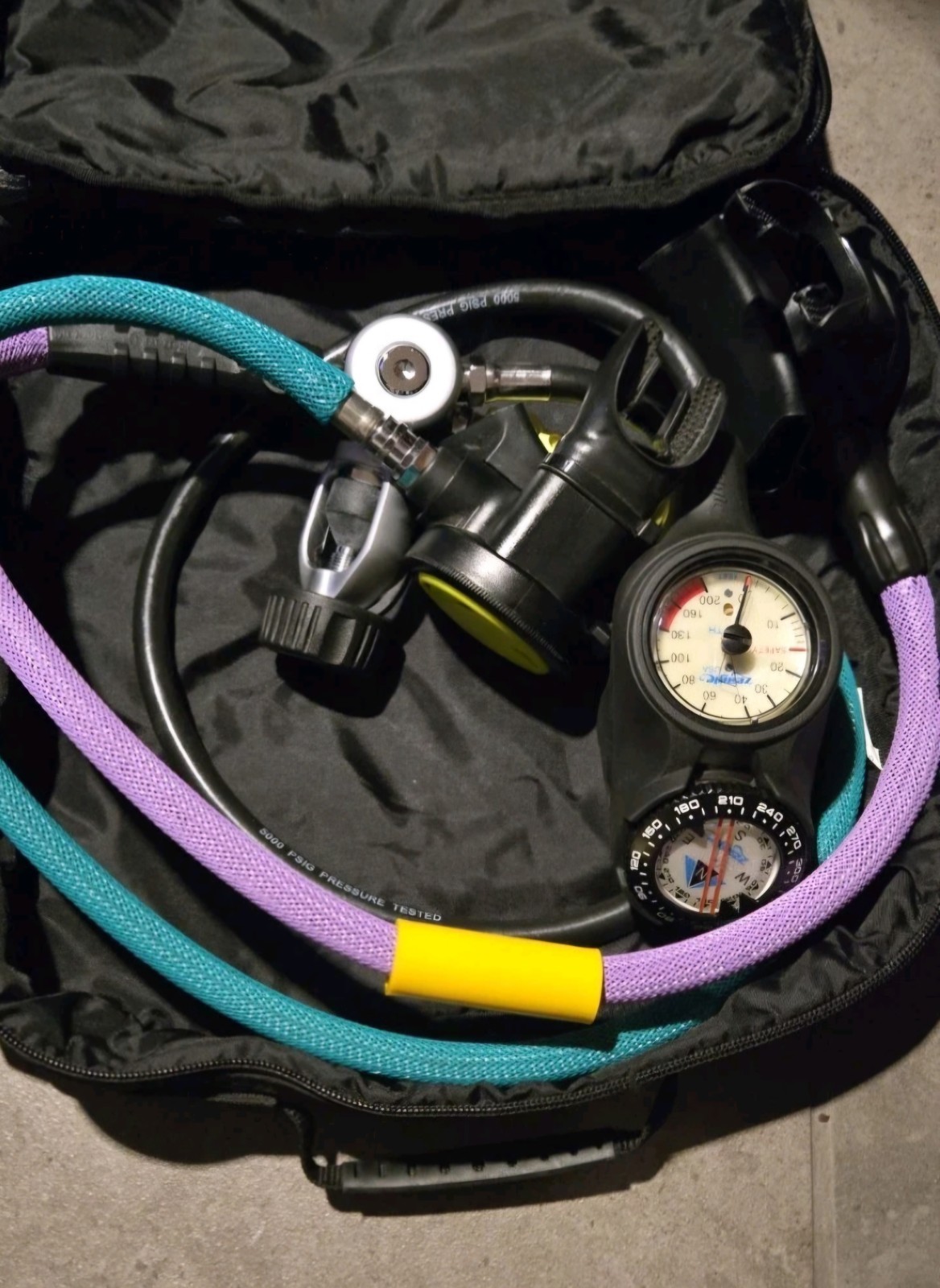
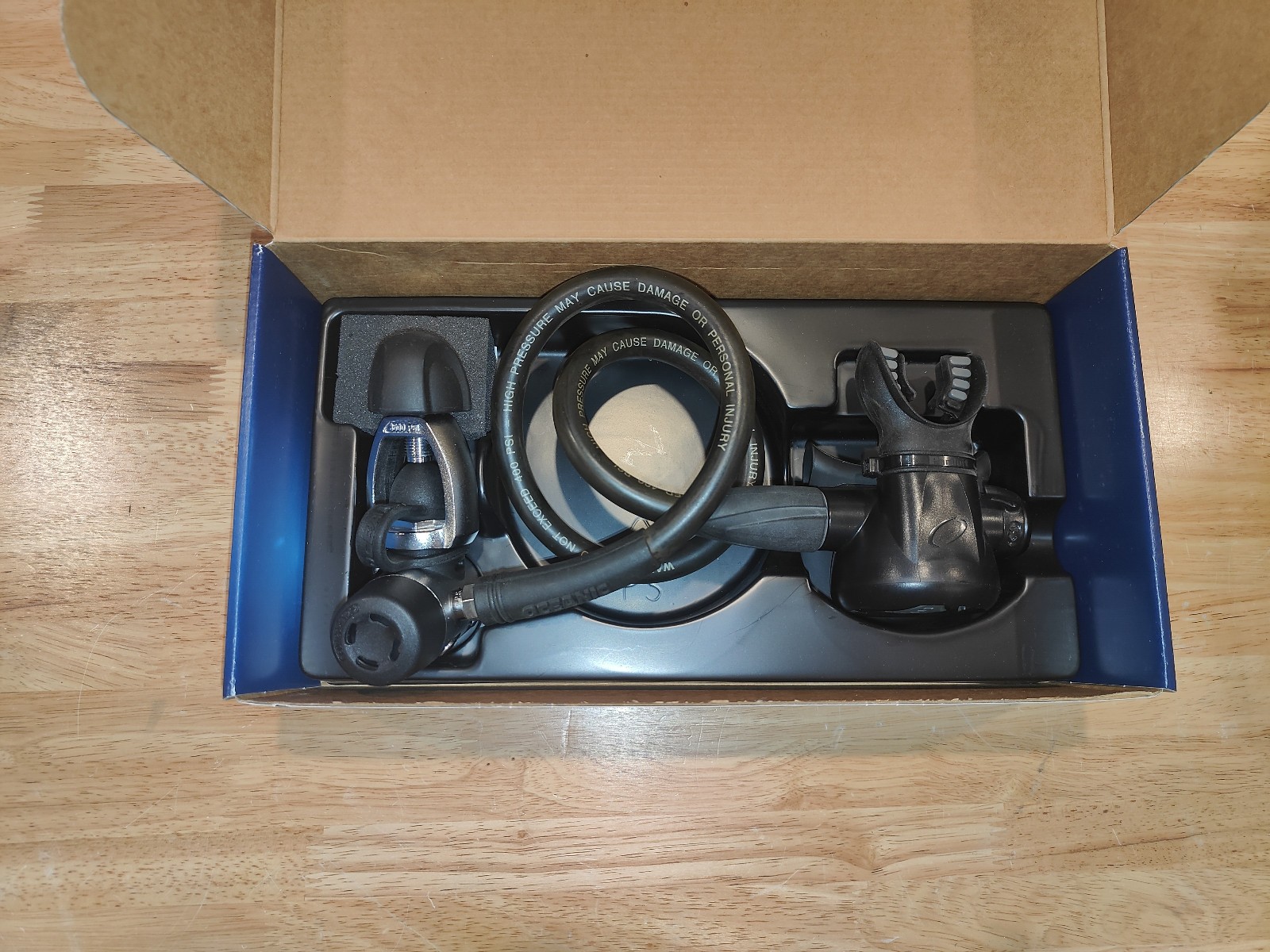
Photos from current listings. Actual item, color, and included accessories may vary.
1st Stage Regulator Buying Guide
A first stage regulator converts high-pressure cylinder air into a stable intermediate pressure for your second stage, octo, BCD inflator, and gauges. The core trade-off is piston vs diaphragm design and sealed vs unsealed construction, which dictate cold-water reliability, service depth, and contamination resistance. Buy diaphragm-sealed for cold or dirty water, piston-flow for warm-water simplicity, and always match yoke vs DIN to your tank valve.


At a glance
- Category
- BCD & Dive Regulators
- Data updated
- Nov 18, 2026
Current offers
Highlights
- Piston first stages deliver higher flow and fewer parts but are unsealed and prone to cold-water free-flow; diaphragm stages use an environmental seal for ice and silt resistance.
- DIN (300 bar) threads into the valve and handles high-pressure tanks with a smaller O-ring; yoke (232 bar) clamps over the valve and is standard for tropical rental tanks.
- Balanced designs maintain intermediate pressure as tank pressure drops; unbalanced piston stages lose performance below roughly 70 bar.
- Environmental sealing kits divert water away from the diaphragm and spring, adding cold-water and contamination protection at the cost of one more serviceable assembly.
Best use cases
- Cold-water or ice diving: choose a sealed balanced diaphragm first stage with an environmental kit; skip unsealed piston stages that risk free-flow.
- Tropical travel with rental yoke tanks: a balanced piston yoke stage is simple, light, and adequate; skip bulky sealed diaphragms unless you also dive silty water.
- Technical or high-pressure diving: pick a DIN balanced diaphragm with 300 bar rating and two HP ports; skip single-HP yoke stages that limit gauge and transmitter options.
- Silt, cave, or contaminated water: use a fully sealed diaphragm stage; skip piston designs that expose the ambient chamber to grit.
Buying tips
- Match valve: yoke for 232 bar rental tanks, DIN for 300 bar; convertibles use a removable yoke adapter but add a failure point.
- Count ports: one HP plus four LP is the practical minimum for primary, octo, BCD inflator, and drysuit; two HP ports allow a backup gauge.
- Choose balanced over unbalanced: balanced stages hold intermediate pressure steady as tank pressure falls, preserving breathing ease at low tank levels.
- For water below 10°C, require an environmental seal and cold-water-rated second stage; unsealed pistons can free-flow in near-freezing water.
Specs
| Stage Type | Balanced piston vs sealed diaphragm |
|---|---|
| Valve Connection | Yoke 232 bar / DIN 300 bar |
| Port Count | 1-2 HP + 4-5 LP |
| Cold Water Rating | Sealed + cold-water rated <10°C |
Related searches
What to check before buying
- Confirm your tank valve type (yoke or DIN) and tank pressure rating before selecting the first stage.
- Measure your BCD inflator hose and drysuit hose lengths; standard LP hoses are 70-80 cm but routing may need shorter or longer.
- Check that your second stage, octo, and SPG have compatible hose fittings and that the first stage has enough LP and HP ports.
- Verify service access: local technicians should support the brand's parts kits, and annual service intervals apply to both piston and diaphragm designs.
FAQ
Data sources: eBay / Amazon listings and product attribute feeds Data updated Nov 18, 2026.
Some links on this page are affiliate links. If you buy after clicking one, we may earn a commission at no extra cost to you. This does not change which products appear here or their order. Affiliate disclosure.