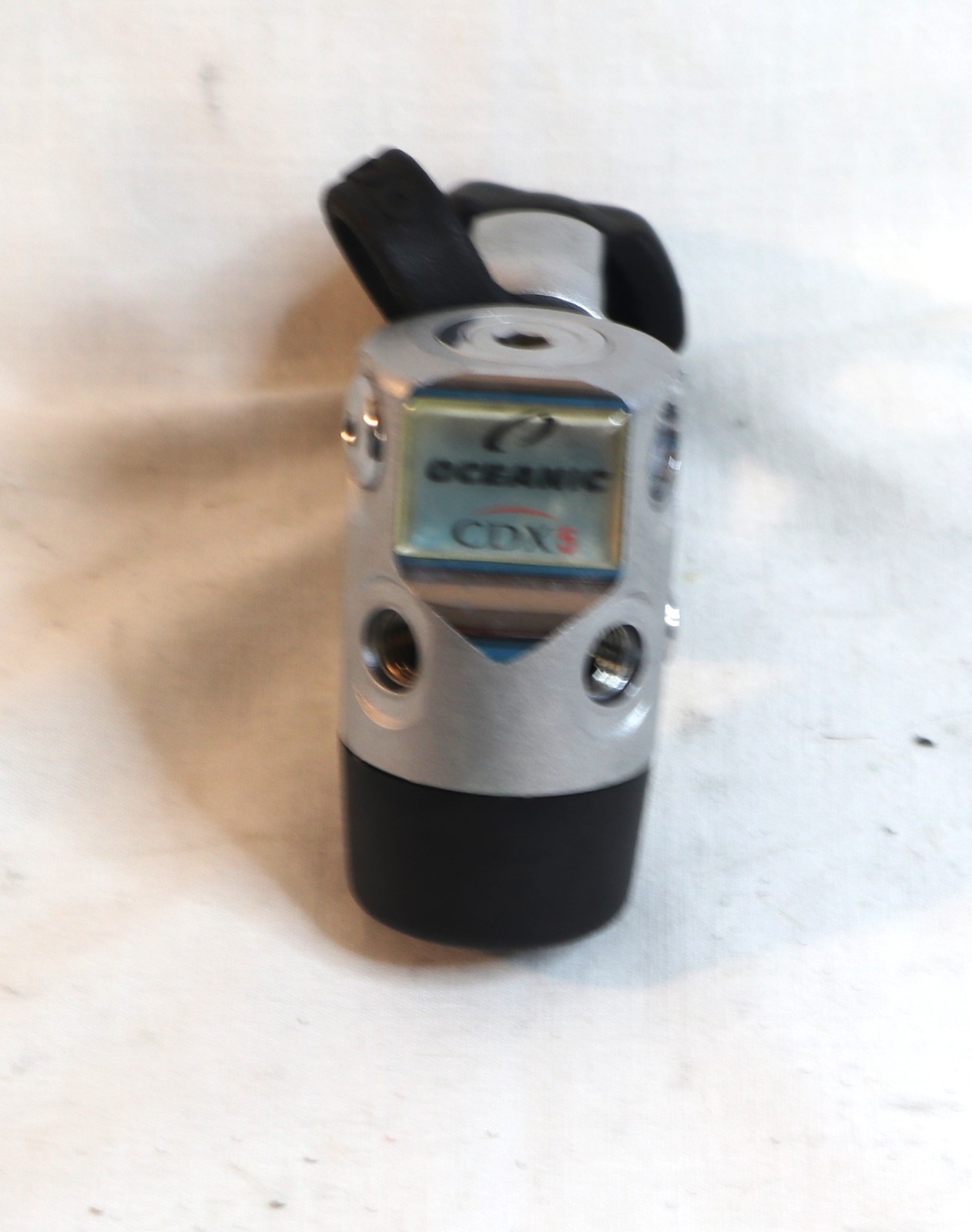

Photos from current listings. Actual item, color, and included accessories may vary.
First Stage Regulator Buying Guide
A first stage regulator reduces high-pressure cylinder air to an intermediate pressure that feeds your second stage, BCD, and octopus. The defining trade-off is balanced-piston versus balanced-diaphragm architecture: pistons flow more air for demanding work while diaphragms seal against salt, sand, and cold water. Choose based on your diving environment and service access, not cosmetics.


At a glance
- Category
- BCD & Dive Regulators
- Data updated
- Nov 18, 2026
Current offers
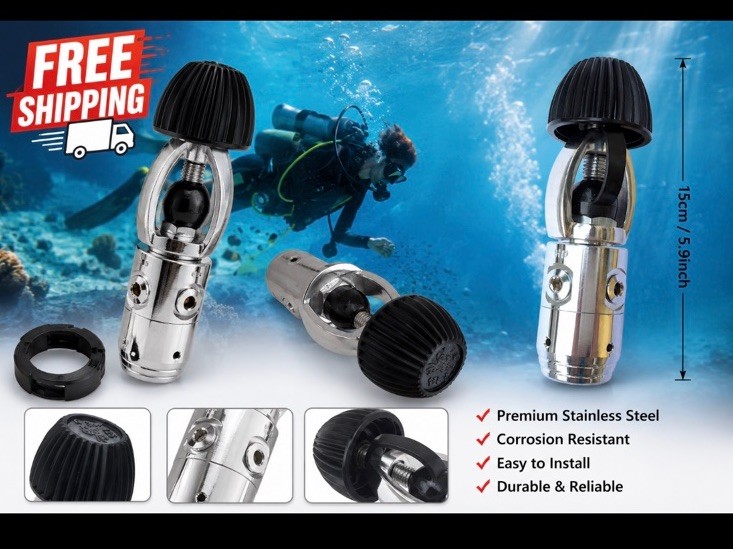
Highlights
- Piston first stages are flow-biased and mechanically simple; diaphragm first stages are environmentally sealed and resist freezing and sediment ingress.
- Yoke (A-clamp) fittings suit standard 200-232 bar aluminium and steel cylinders; DIN 300 bar fittings thread directly into the valve for higher-pressure and technical setups.
- Port count drives hose routing: two high-pressure ports feed a submersible pressure gauge or air-integrated computer; four to five low-pressure ports feed primary, octopus, BCD, drysuit, and gauge.
- Chrome-plated marine brass is the default body material; titanium and PVD-coated bodies resist corrosion but add cost without changing breathing performance.
Best use cases
- Best fit: warm-water recreational divers using standard aluminium cylinders — pick a balanced-piston yoke first stage with two HP and four LP ports for easy hose routing.
- Best fit: cold-water, silty, or shore divers — pick an environmentally sealed balanced-diaphragm first stage to prevent ice formation and sediment fouling.
- Wrong fit: technical divers running 300 bar steels or doubles — skip yoke and recreational single-port bodies; select DIN 300 bar with five LP ports.
- Wrong fit: travel divers counting grams — skip heavy metal-bodied first stages and choose a compact balanced-diaphragm body with a DIN-to-yoke convertible fitting.
Buying tips
- Match your cylinder valve: yoke fits 200-232 bar valves; DIN 300 bar threads directly and is the standard for steel cylinders and technical diving.
- Count LP ports against your kit: primary, octopus, BCD, drysuit, and gauge need five LP ports; four is the recreational minimum.
- For water below about 10°C or sandy shore entries, choose a sealed diaphragm first stage; unsealed pistons invite freezing and grit.
- Buy within one service ecosystem: first and second stages from the same brand share service kits, intermediate-pressure tolerances, and technician support.
Specs
| First Stage Type | Balanced piston vs balanced diaphragm |
|---|---|
| Valve Connection | Yoke 232 bar vs DIN 300 bar |
| Port Count | 2 HP + 4-5 LP ports |
| Body Material | Chrome-plated brass / titanium |
Related searches
What to check before buying
- Confirm your cylinder valve type and pressure rating (yoke 232 bar vs DIN 300 bar) before ordering the first stage.
- Verify your BCD, octopus, and gauge hose fittings are standard 3/8-inch UNF low-pressure and 7/16-inch UNF high-pressure threads.
- Match first-stage intermediate pressure to your second stage's specified IP range, typically 9-10 bar, so the pair tunes correctly.
- For cold or silty water, confirm the first stage is environmentally sealed and rated for the water temperature you dive.
FAQ
Data sources: eBay / Amazon listings and product attribute feeds Data updated Nov 18, 2026.
Some links on this page are affiliate links. If you buy after clicking one, we may earn a commission at no extra cost to you. This does not change which products appear here or their order. Affiliate disclosure.