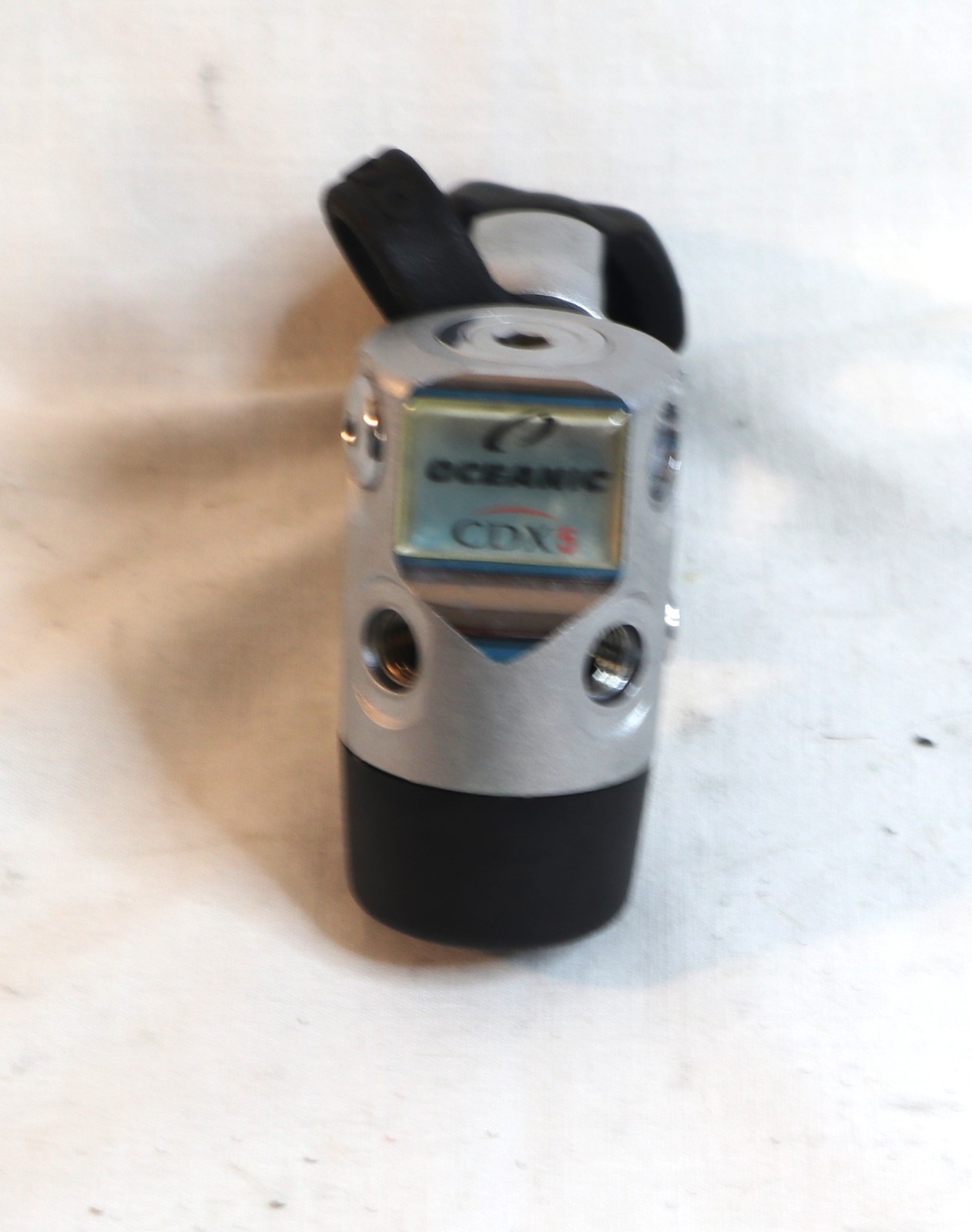

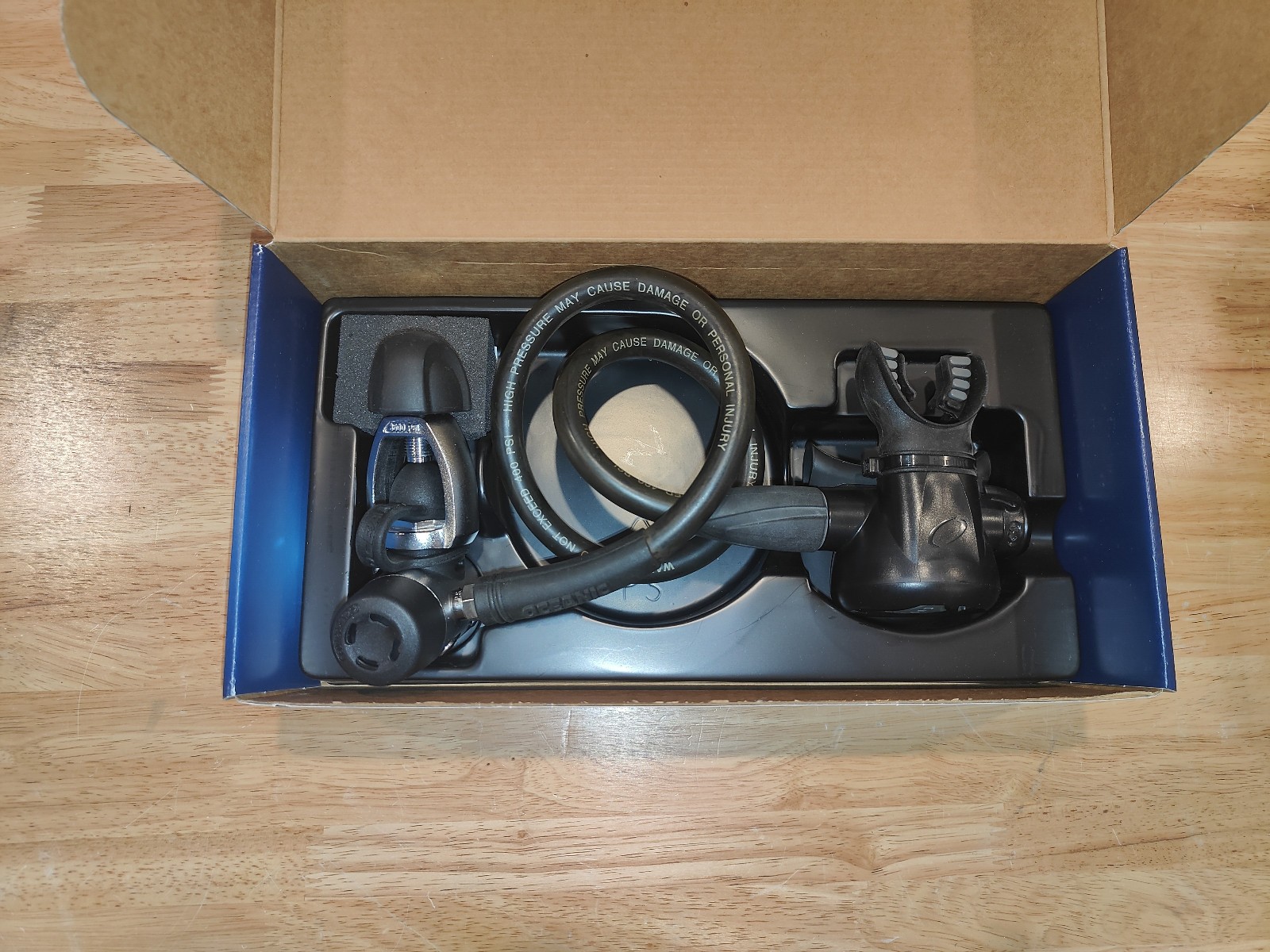
Photos from current listings. Actual item, color, and included accessories may vary.
1st Stage Scuba Regulator Buying Guide
A first-stage scuba regulator reduces high-pressure cylinder air to an intermediate pressure that feeds your second stage, and the core trade-off is between a balanced piston (simpler, high flow, but more prone to cold-water icing) and a balanced diaphragm (sealed, cold-water reliable, easier to keep clean). The decisive rule: buy a sealed balanced diaphragm for water below 10°C or silty/saltwater use, and a balanced piston only for warm, clean-water diving where service simplicity matters.


At a glance
- Category
- BCD & Dive Regulators
- Data updated
- Nov 18, 2026
Current offers
Highlights
- Balanced piston vs balanced diaphragm is the primary architecture split: pistons deliver high flow with fewer parts, diaphragms seal the ambient chamber against water and debris.
- Yoke (INT, 232 bar working) vs DIN (300 bar working) is a hard compatibility choice: DIN 300 bar is standard for technical and cold-water diving; yoke suits most travel rental tanks.
- Cold-water rating depends on environmental sealing and anti-icing design, not brand tier; a sealed diaphragm first stage is the reliable choice below 10°C.
- Port configuration determines hose routing: a swivel turret with 4–5 low-pressure ports plus 2 high-pressure ports eases stage/deco rigging and octopus routing.
Best use cases
- Tropical recreational travel: pick a compact balanced piston or diaphragm yoke first stage with 4 LP + 2 HP ports; skip 300 bar DIN unless your destination tanks require it.
- Cold-water or silty freshwater diving: pick a sealed balanced diaphragm rated for cold water; skip unsealed pistons, which risk free-flow icing near 10°C.
- Technical/multi-stage diving: pick a DIN 300 bar balanced diaphragm with swivel turret and 5 LP ports; skip yoke regulators that cap you at 232 bar working pressure.
Buying tips
- Match the tank valve exactly: yoke fits standard INT valves (232 bar working); DIN 300 bar screw-in is for technical tanks — confirm your valve thread before buying.
- Prioritize environmental sealing for cold or dirty water; an unsealed piston first stage is fine only for warm, clear water above 10°C.
- Count LP ports: 4 LP minimum for recreational octopus setups, 5 LP with a swivel turret for stage/deco bottles and canister lights.
- Service history decides used value: an unserviced used first stage needs a full service kit and labor, so budget for that before comparing against new.
Specs
| First Stage Type | Balanced piston vs balanced diaphragm |
|---|---|
| Connection Standard | Yoke INT 232 bar / DIN 300 bar |
| Cold Water Rating | Sealed diaphragm rated below 10°C |
| Port Count | 4-5 LP + 2 HP, turret option |
Related searches
What to check before buying
- Identify your cylinder valve type: standard INT/yoke or 300 bar DIN, and whether a DIN-to-yoke adapter is needed for travel.
- Confirm water temperature at your primary dive sites; below 10°C requires a sealed, cold-water-rated diaphragm first stage.
- Measure your existing hose lengths and second-stage routing before choosing port count and turret vs fixed-port body.
- Check that the first stage is compatible with your SPG and octopus threading (standard 3/8-inch LP and 7/16-inch HP).
FAQ
Data sources: eBay / Amazon listings and product attribute feeds Data updated Nov 18, 2026.
Some links on this page are affiliate links. If you buy after clicking one, we may earn a commission at no extra cost to you. This does not change which products appear here or their order. Affiliate disclosure.