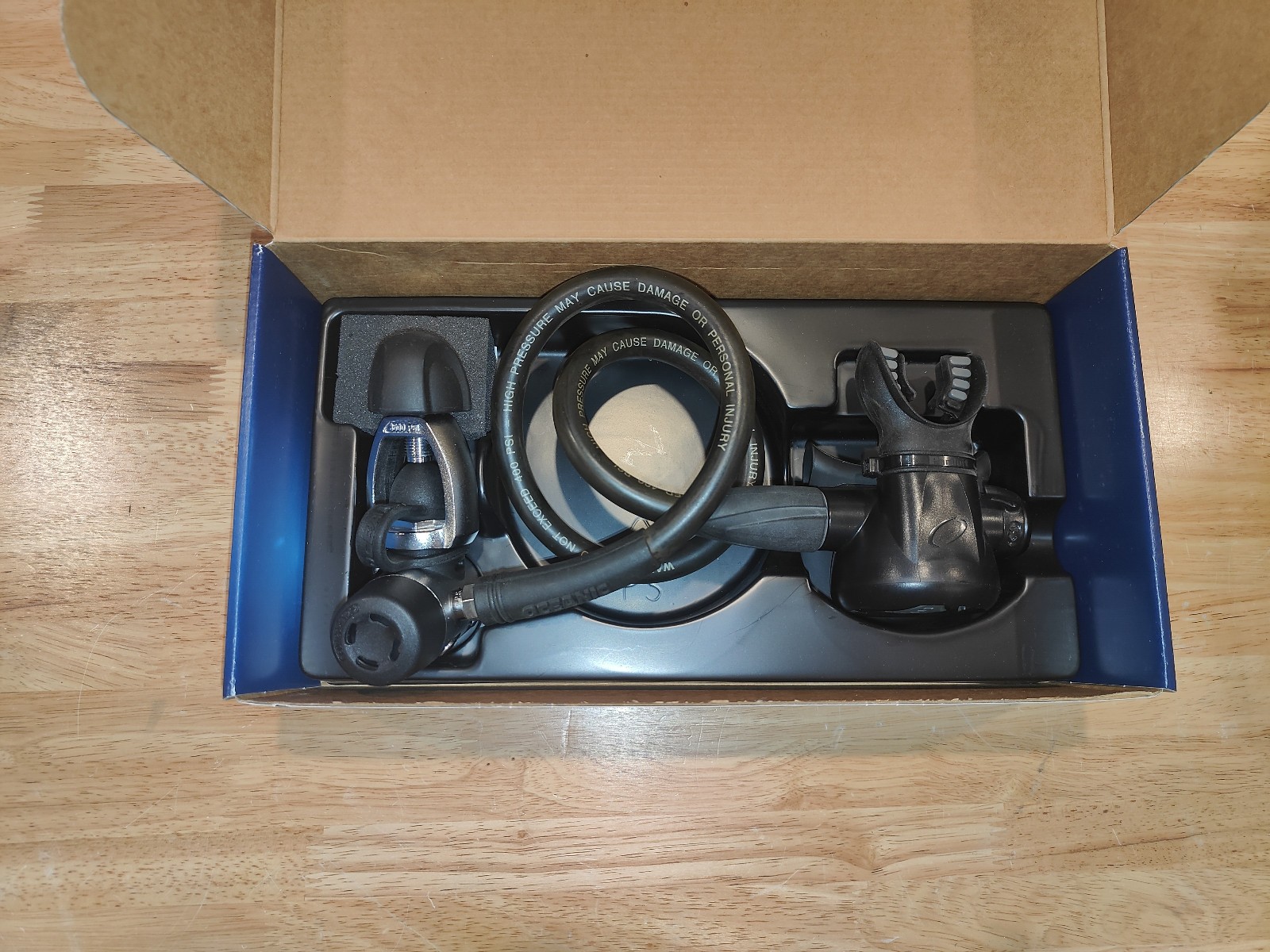

Photos from current listings. Actual item, color, and included accessories may vary.
Scuba Regulator Set Buying Guide
A scuba regulator set is a life-support system comprising a first stage, primary second stage, backup second stage (octo), and often a console; the core trade-off is balanced vs. unbalanced valve architecture and sealed vs. unsealed first stages, which determine breathing ease at depth and cold-water reliability. Durable sets use balanced diaphragms, sealed environmental kits, and standard yoke or DIN connections; compromises show up as unbalanced pistons, unsealed first stages, and non-serviceable second stages.


At a glance
- Category
- BCD & Dive Regulators
- Data updated
- Nov 18, 2026
Current offers
Highlights
- First-stage architecture: balanced diaphragm vs. balanced piston vs. unbalanced piston—diaphragm and piston balance determine breathing effort stability as tank pressure drops from full to reserve.
- Environmental sealing: a sealed first stage (dry chamber) prevents water and silt ingress for cold-water and murky diving; unsealed designs are strictly warm, clear-water only.
- Second-stage adjustment: adjustable breathing resistance and a venturi/orifice switch separate dive-ready second stages from entry-level fixed-orifice designs.
- Connection standard: yoke (INT) fits most rental tanks; DIN (300 bar) is required for high-pressure steel tanks and technical setups—confirm your tank valve before buying.
Best use cases
- Best fit: warm-water recreational divers buying a first set—choose a balanced diaphragm first stage with an unsealed or lightly sealed body, primary second stage with venturi switch, and a simple octo.
- Best fit: cold-water or murky-water divers—pick a fully sealed first stage (environmental kit) rated for water below 10°C/50°F and a second stage with metal valve components to resist freezing.
- Wrong fit to skip: technical or deep divers—a single first stage with one HP port and no DIN option will not support doubles, stage bottles, or a backup SPG; step up to a balanced DIN first stage with two HP ports.
Buying tips
- Match the first-stage connection to your primary tank: yoke for standard aluminum 80 rentals, DIN for high-pressure steel; a convertible first stage covers both but adds a failure point if not factory-sealed.
- Count ports before buying: recreational singles need at least 2 HP and 4 LP ports; a set with only 1 HP port cannot run a backup SPG alongside a console.
- Choose balanced diaphragm over balanced piston for cold or silty water—diaphragm designs keep water out of the valve mechanism and are less prone to freeze-up.
- Buy a set with an adjustable second stage and venturi switch if you will dive below 30 m; fixed-orifice second stages breathe noticeably harder at depth.
Specs
| First Stage Type | Balanced diaphragm / piston vs unbalanced |
|---|---|
| Environmental Seal | Sealed (cold-water) vs unsealed |
| Connection Standard | Yoke (INT) vs DIN 300 bar |
| Second Stage Adjust | Adjustable + venturi vs fixed orifice |
Related searches
What to check before buying
- Confirm your tank valve type (yoke/INT vs DIN) and tank pressure rating before ordering—mis-matched connections require an adapter or a different first stage.
- Measure your BCD LP inflator fitting: most sets include a standard quick-disconnect inflator hose, but older BCDs may need a specific fitting.
- Check your diving environment: water temperature below 10°C/50°F or heavy silt demands a sealed first stage and cold-water-rated second stage.
- Verify service support: the brand must have an authorized service center or parts availability in your region—unserviceable regulators become unsafe after the first annual service.
FAQ
Data sources: eBay / Amazon listings and product attribute feeds Data updated Nov 18, 2026.
Some links on this page are affiliate links. If you buy after clicking one, we may earn a commission at no extra cost to you. This does not change which products appear here or their order. Affiliate disclosure.