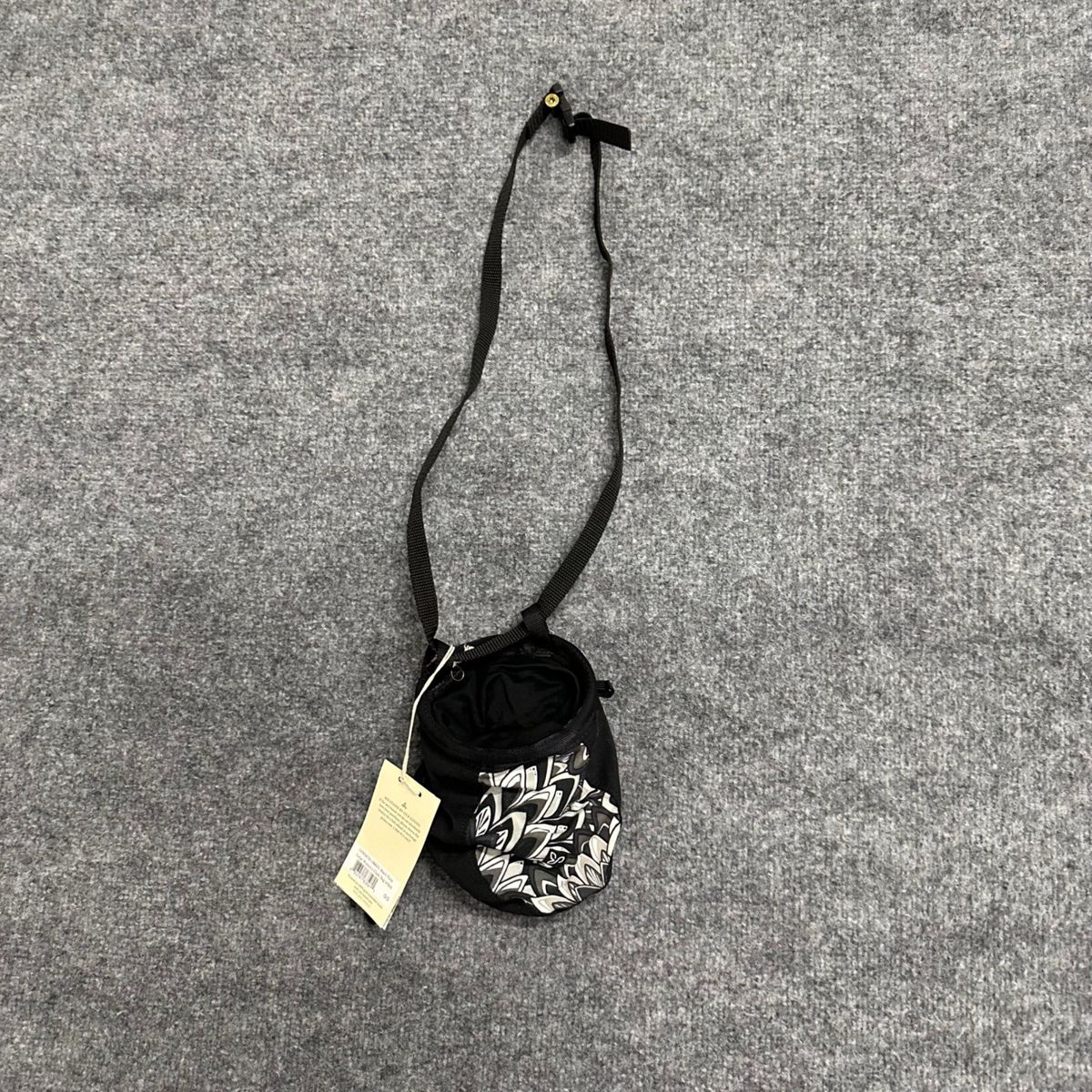

Photos from current listings. Actual item, color, and included accessories may vary.
Chalk Bucket Buying Guide
A chalk bucket is a wide-mouth, self-standing container that holds loose chalk and often a chalk ball, designed for bouldering, gym sessions, and long routes where frequent re-chalking matters. The core trade-off is fabric durability and closure security versus weight and packability—flimsy nylon buckets leak dust and fail at the rim, while burly canvas or ripstop with a stiffened mouth and reliable drawcord or roll-top lasts seasons. Buy a bucket with a structured rim, a fleece-lined hand pocket, and a secure closure if you boulder or train indoors; choose a simple chalk bag only for pure roped climbing where you hang it and forget it.


At a glance
- Category
- Climbing Chalk & Training
- Data updated
- Nov 16, 2026
Current offers
Highlights
- Bucket vs bag geometry: buckets are wide-mouth and free-standing (typically 6–8 in diameter, 7–9 in tall) for easy hand entry; chalk bags are narrow, drawstring-topped, and belt-hung.
- Rim structure decides usability: stiffened rims (PE board, foam roll, or wire) keep the mouth open for one-handed entry; unstiffened fabric collapses and forces two hands.
- Fabric grade and closure: 600D–1000D polyester/canvas or ripstop nylon resists abrasion; roll-top or dual drawcord closures contain dust better than simple elastic tops.
- Liner and dust control: fleece or microfleece liners hold chalk and reduce plumes; unlined buckets shed chalk faster and coat gear and gym floors.
Best use cases
- Best for indoor bouldering and training: pick a free-standing bucket with a stiff rim, fleece liner, and roll-top or drawcord closure—skip narrow belt bags that tip and spill on mats.
- Best for outdoor bouldering with a pad: choose a bucket with a brush loop, zippered pocket for tape and files, and a secure closure that survives being tossed in a crash pad valley.
- Wrong fit for multi-pitch roped climbing: a bucket is too bulky to hang; use a standard chalk bag with a belt loop and cinch top instead.
- Skip oversized novelty buckets and flimsy single-layer nylon: they collapse, leak chalk, and abrade through at the rim within a season of gym use.
Buying tips
- Match mouth diameter to hand size: 6–8 in openings suit most adults; smaller openings force chalk onto knuckles and slow re-chalking between attempts.
- Prioritize closure hardware: a roll-top with buckle or dual drawcord keeps chalk dust contained in a gym bag; elastic-only tops leak fine dust into your pack.
- Look for a fleece or microfleece liner plus a stiffened rim—these two features do more for real-world usability than extra pockets or prints.
- Check attachment points: a brush loop and at least one zippered pocket (tape, file, phone) separate training-ready buckets from simple sacks.
Specs
| Container Type | Free-standing bucket vs belt-hung bag |
|---|---|
| Mouth Diameter | 6–8 in (adult hand entry) |
| Rim Structure | Stiffened (PE/foam/wire) vs floppy |
| Fabric Grade | 600D–1000D poly/canvas vs thin nylon |
Related searches
What to check before buying
- Measure your gym bag or pack compartment: buckets run roughly 7–9 in tall and 6–8 in wide; confirm it fits upright without crushing the rim.
- Confirm the bucket stands unaided on a flat mat or gym floor—test the base stiffness, since a floppy base tips and spills loose chalk.
- Check closure type against your transport: roll-top or dual drawcord for packed bags; simple drawstring only if the bucket stays out in the open.
- Verify liner and rim materials are listed (fleece liner, stiffened rim); unlisted construction usually means single-layer nylon with no structure.
FAQ
Data sources: eBay / Amazon listings and product attribute feeds Data updated Nov 16, 2026.
Some links on this page are affiliate links. If you buy after clicking one, we may earn a commission at no extra cost to you. This does not change which products appear here or their order. Affiliate disclosure.