Photos from current listings. Actual item, color, and included accessories may vary.
Weight Bench With Weight Buying Guide
A weight bench with weight is a home-gym strength station that bundles a bench frame with some form of resistance—either integrated plate storage, a barbell/plate set, or a rack-and-bench combo—so buyers can press, row, and squat without sourcing parts separately. The core trade-off is frame steel gauge and weld quality versus adjustability and bundled accessories: heavy-duty flat or FID benches hold 600–1,200 lb and last decades, while light folding benches with thin tubing and plastic pivot bushings flex and wobble under load. The decision rule: buy a bench rated at least 2x your bodyweight plus your working load, with a welded steel frame and a stable base—skip any bench whose load rating is under 500 lb or whose padding compresses to the frame under a heavy set.

At a glance
- Category
- Power Racks, Benches & Platforms
- Data updated
- Nov 17, 2026
Current offers
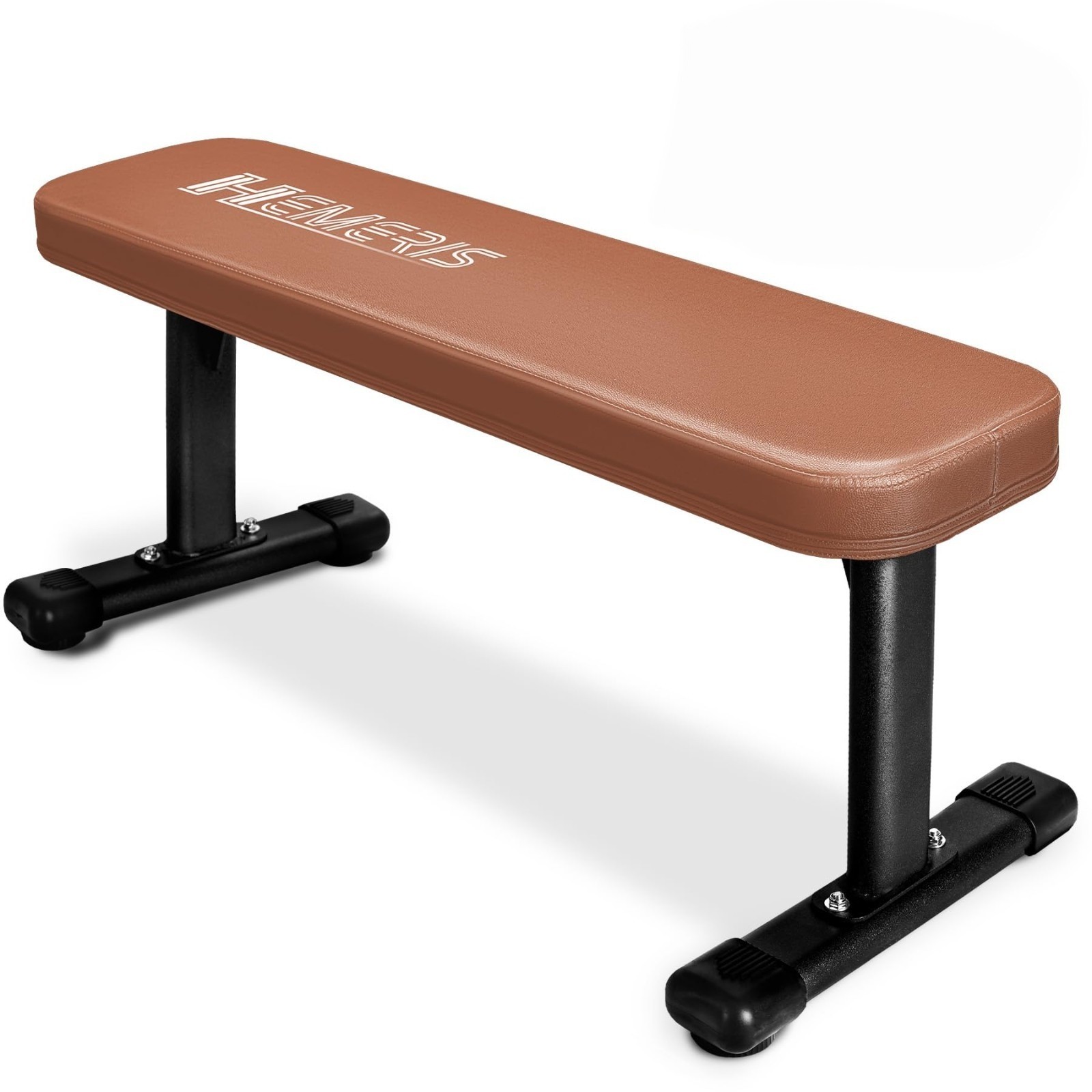 Basic Flat Weight Bench for Home Gym Strength Weight Training Equipment Brown$43.99
 View on eBay
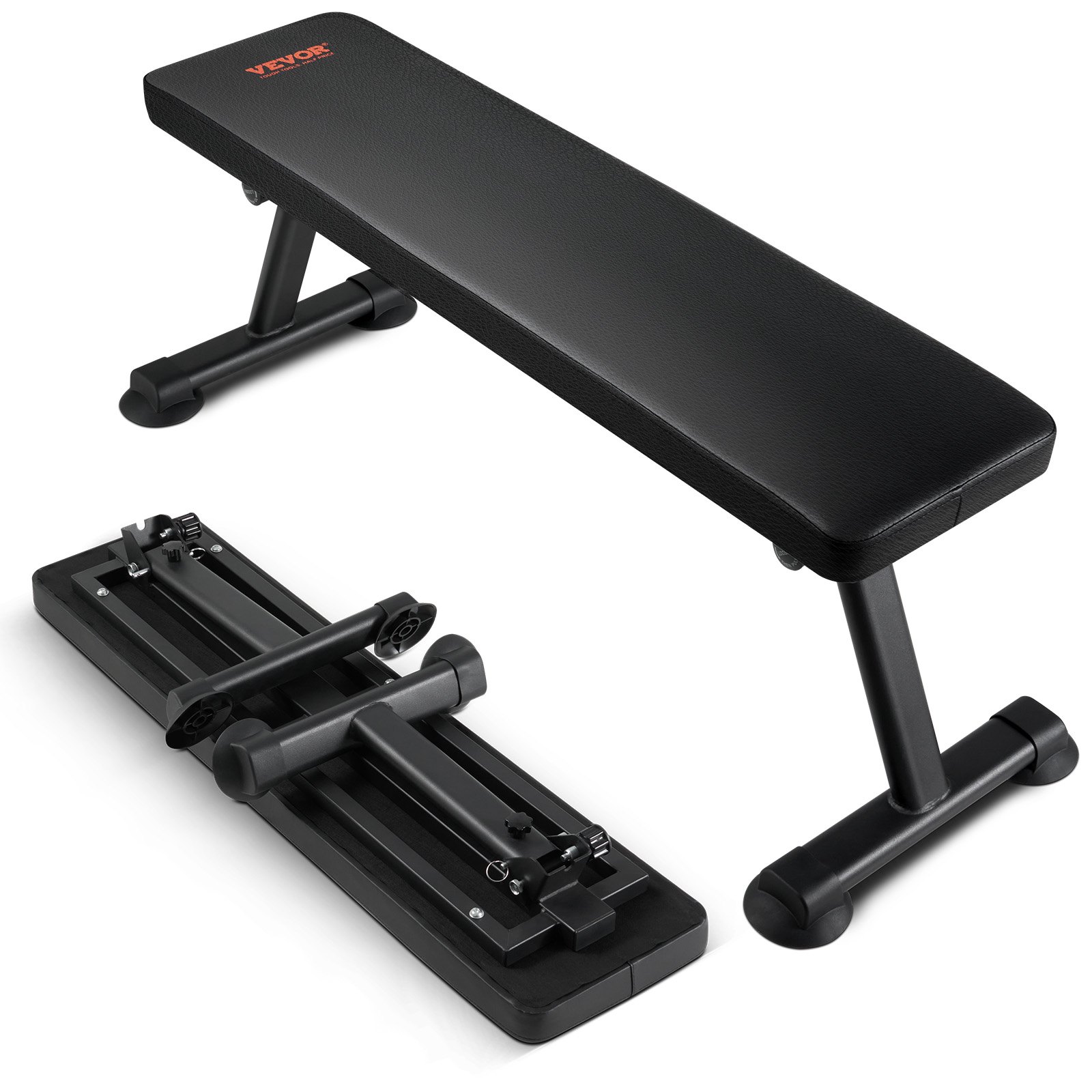 Flat Weight Bench, Foldable Strength Training Utility Workout For Full Body 1000 LBS Press For Home Gym Exercise, For Multi-Purpose And Ab Exercises$79.99
 View on Mallflare
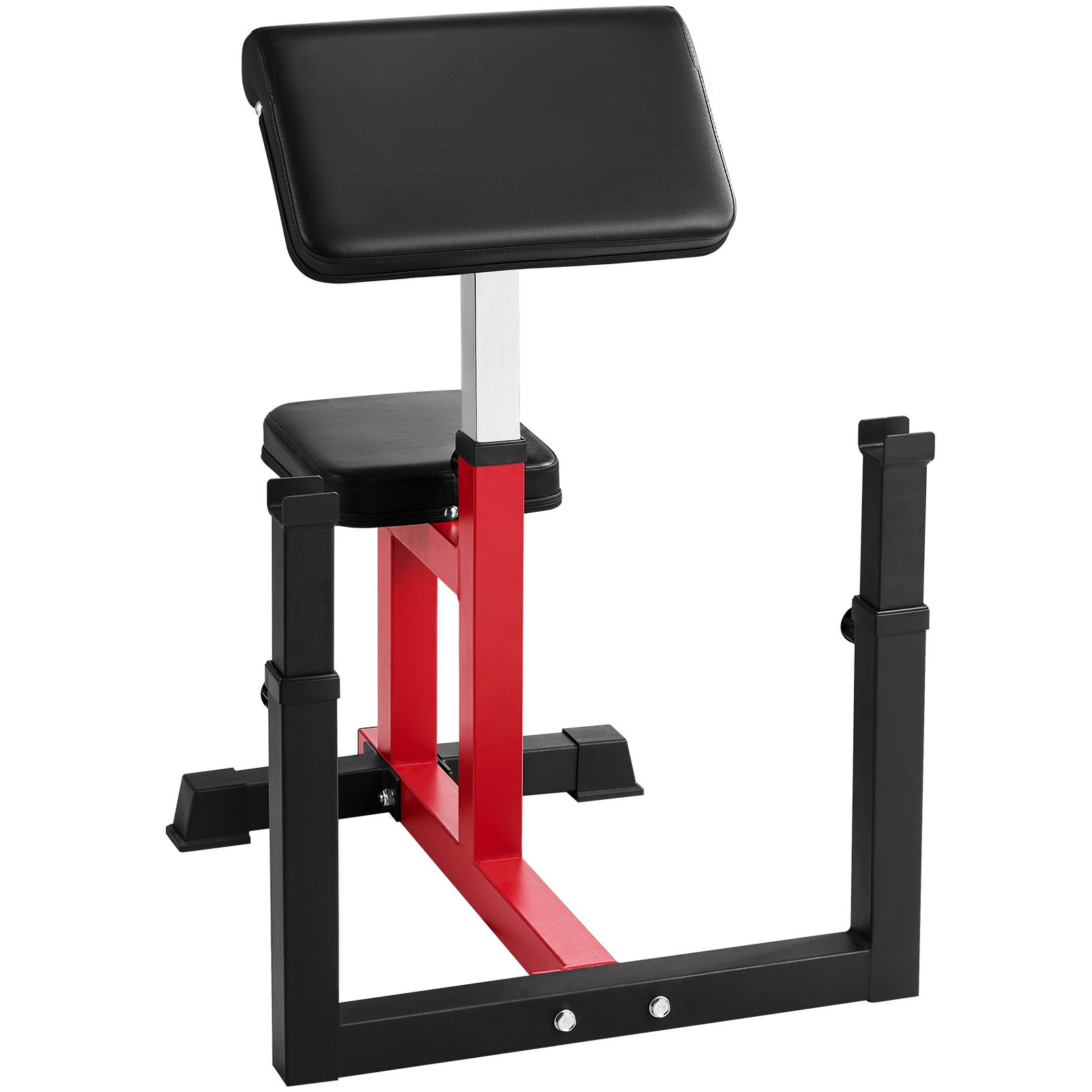 Weight Bench With Leg Extension, Strength Training Benches, Max Load 440 LBS Home Gym Fitness Equipment, Seated Arm Isolated Barbell Dumbbell Bicep Station, Workout For Gym$92.99View on Mallflare
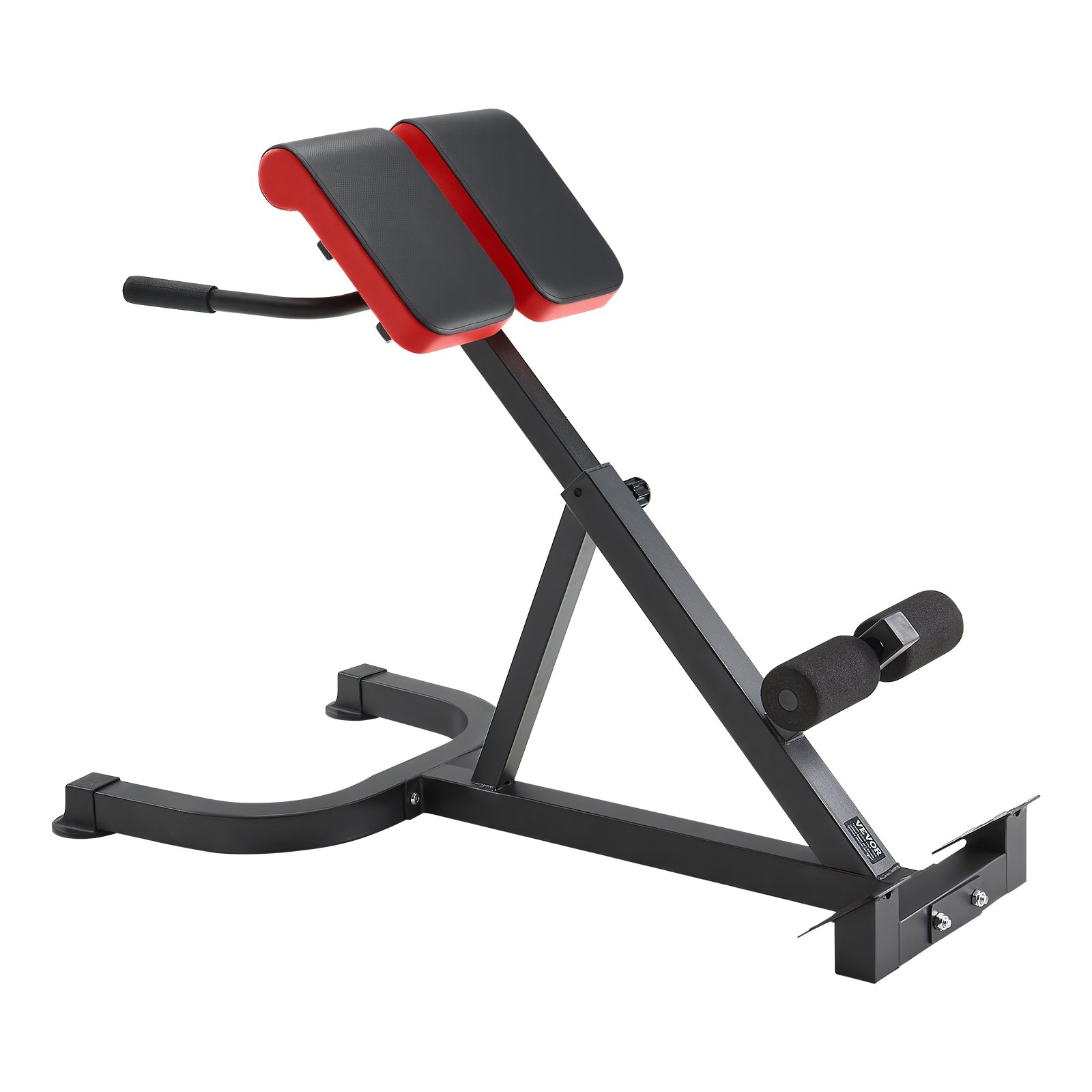 Roman Chair Hyperextension Bench, 300 Lbs Adjustable Extension Machine, Multi-Function Exercise Equipment For Glute, Hamstring, Lower Back, And Ab Workout, Fitness Weight For Home Gym$99.99View on Mallflare
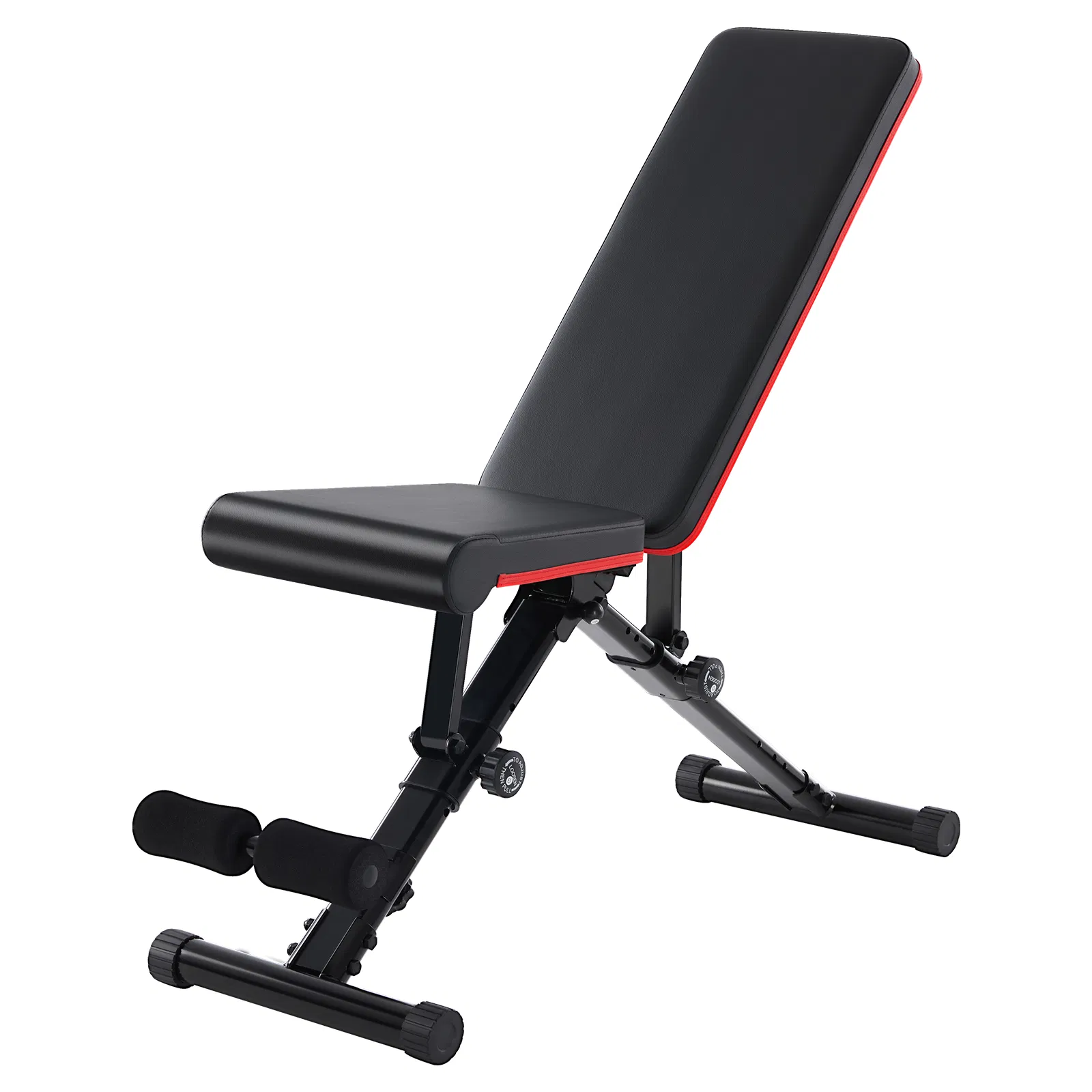 Weight Bench Adjustable Workout for Home Gym, Foldable Press for Full Body Exercise and Strength Training for Gym, for$99.99View on Mallflare
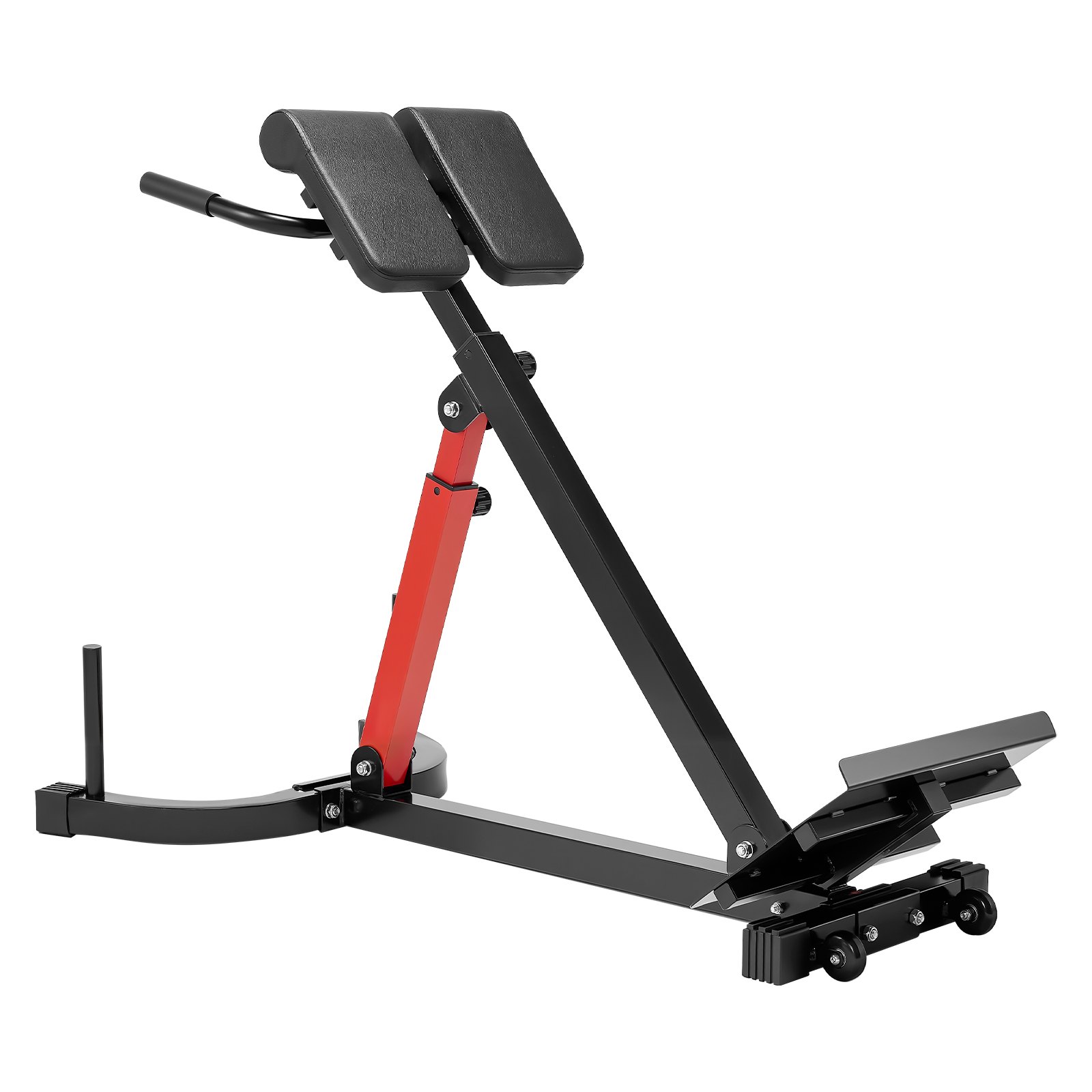 Roman Chair Hyperextension Bench, 350 Lbs Adjustable Extension Machine, Multi-Function Exercise Equipment For Glute, Hamstring, Lower Back, And Ab Workout, Fitness Weight For Home Gym$110.99View on Mallflare
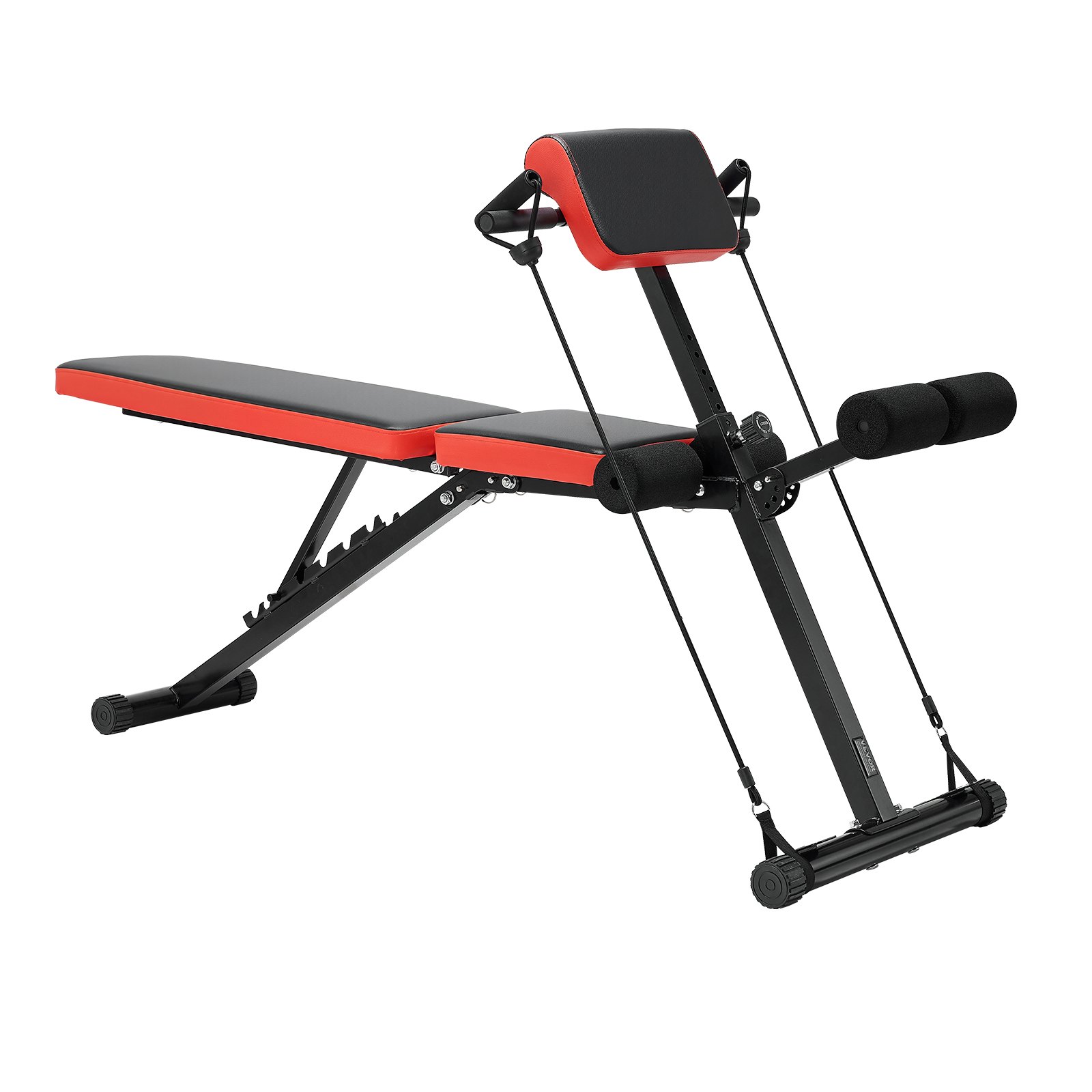 Multi-Functional Weight Bench For Full Body Workout, Roman Chair Hyperextension 770 Lbs Adjustable & Foldable Equipment For Back Arm Core Ab Sit Up Exercise Machine For Home Gym$110.99View on Mallflare
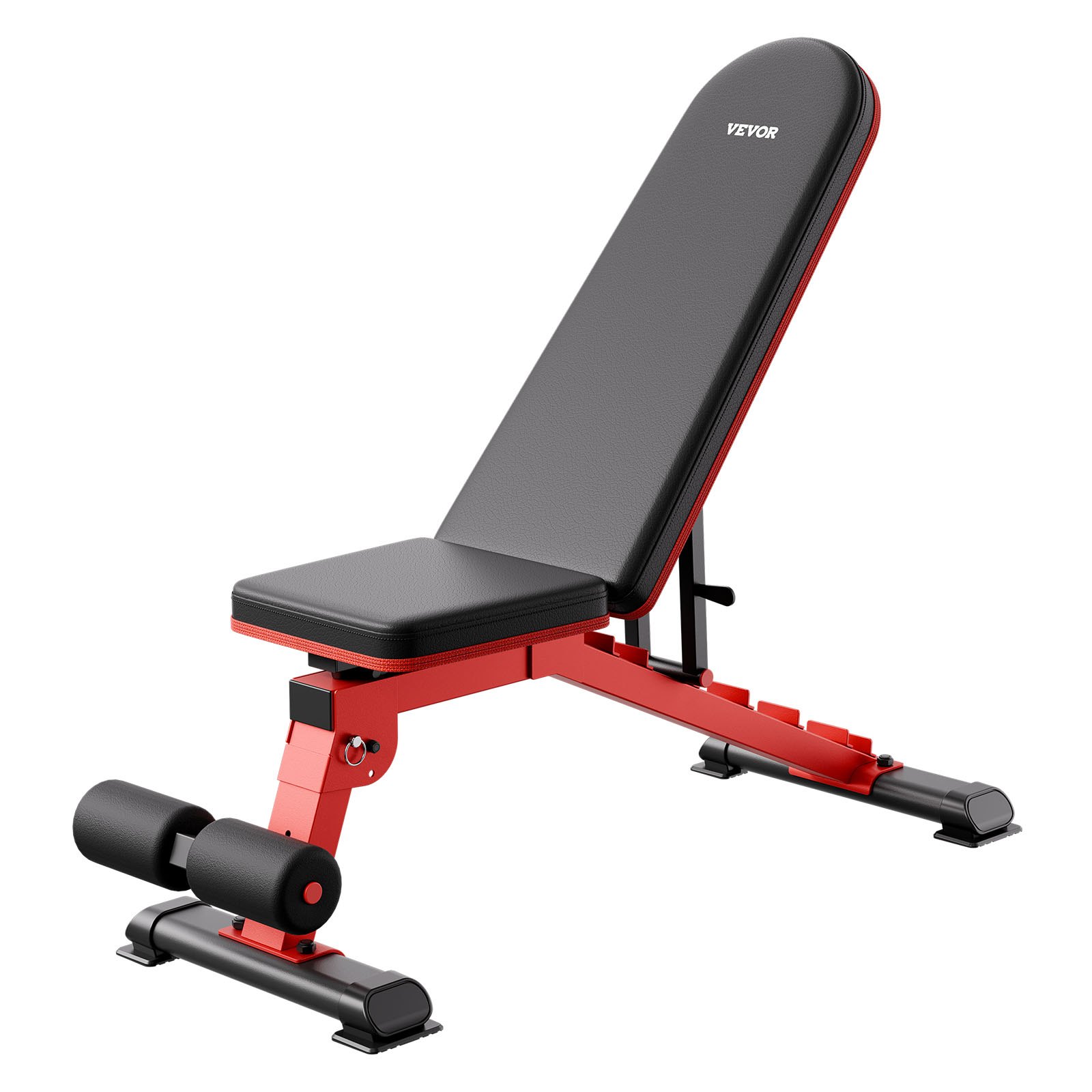 Weight Bench, 1200lbs Heavy Duty Stable Press For Full Body Workout, Adjustable Exercise Sit Up For Home Gym Strength Training, Flat With Quick Folding & Fast Adjustment$115.99View on Mallflare
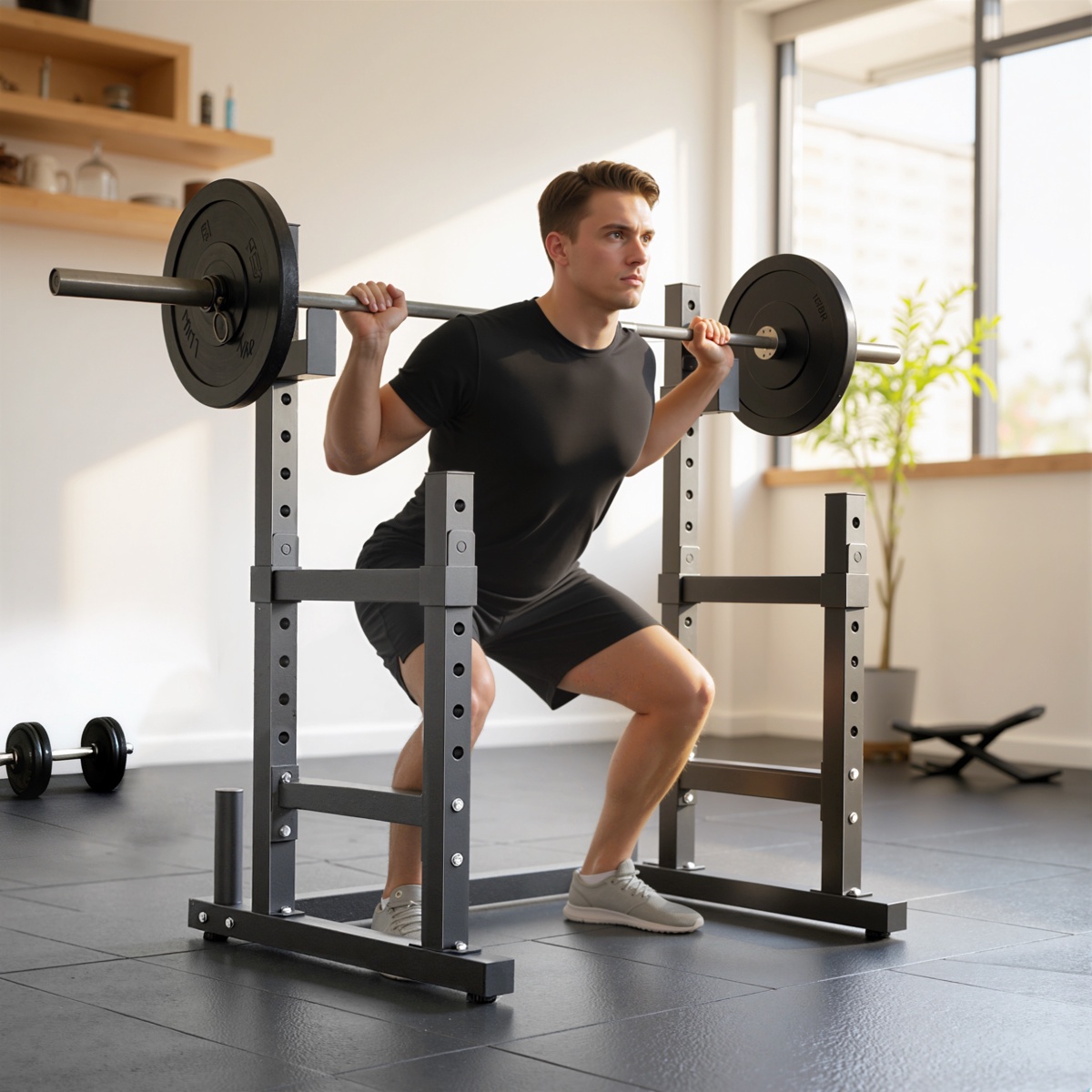 Adjustable Squat Rack, 660lbs Multi-Functional Bench Press for Weight Lifting Home Gym Strength Training, Black$126.99View on Mallflare
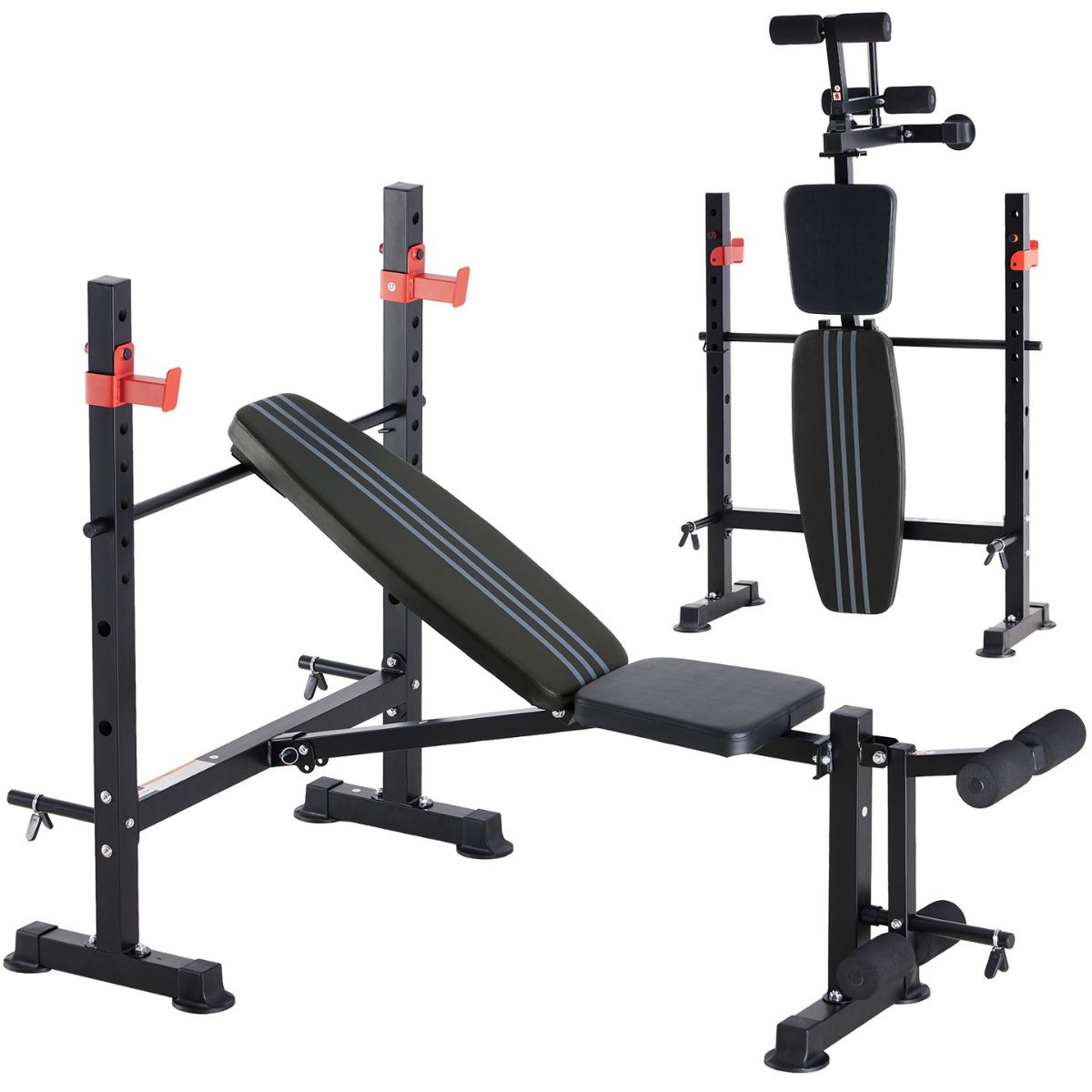 Adjustable Weight Bench With Rack, 650 LBS Capacity, Heavy Duty Foldable Press, Leg Extension Curl, Easy Assembly, For Home, Garage, Gym$132.99View on Mallflare
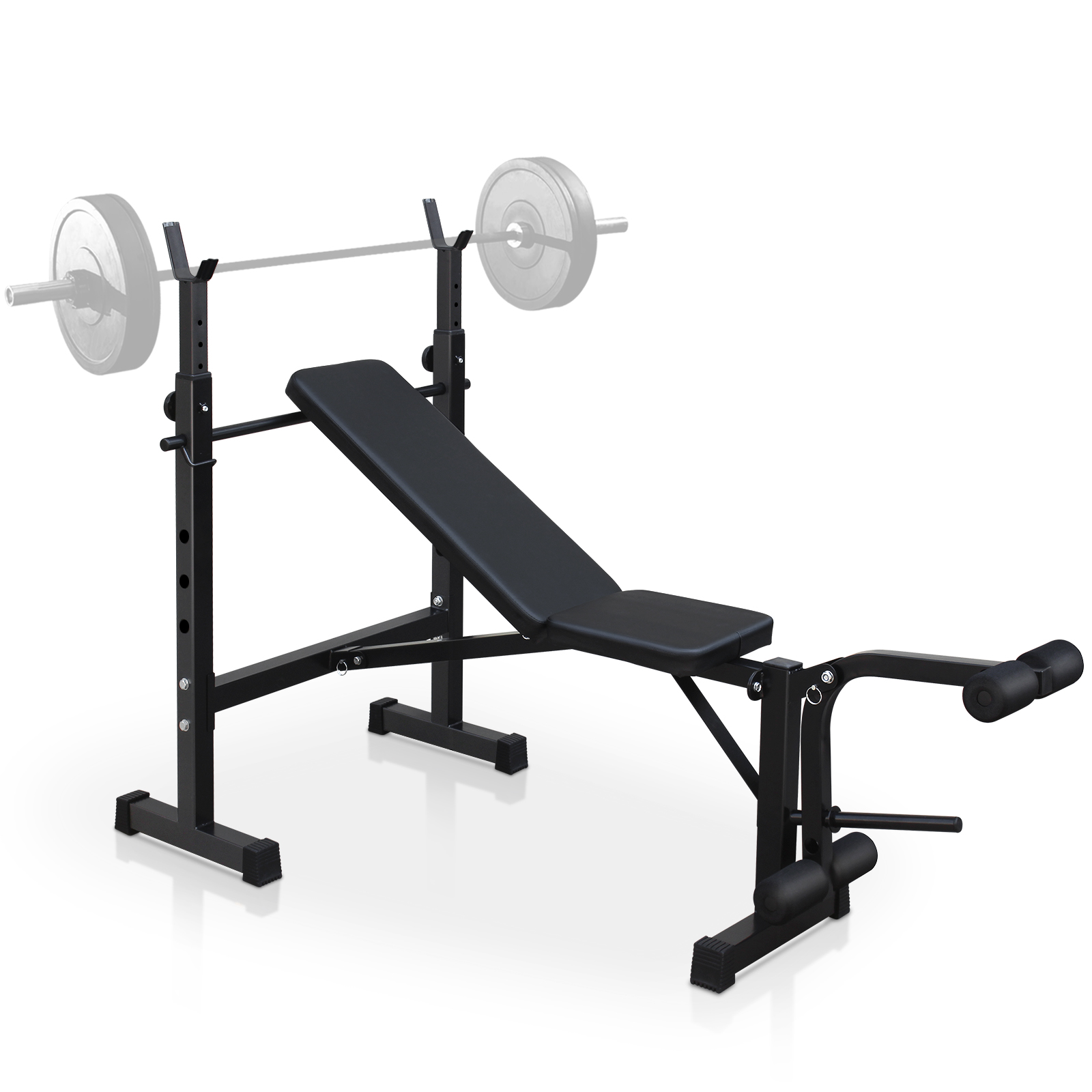 Olympic Weight Bench, Press Set With Squat Rack And For Home Gym Full-Body Workout$132.99View on Mallflare
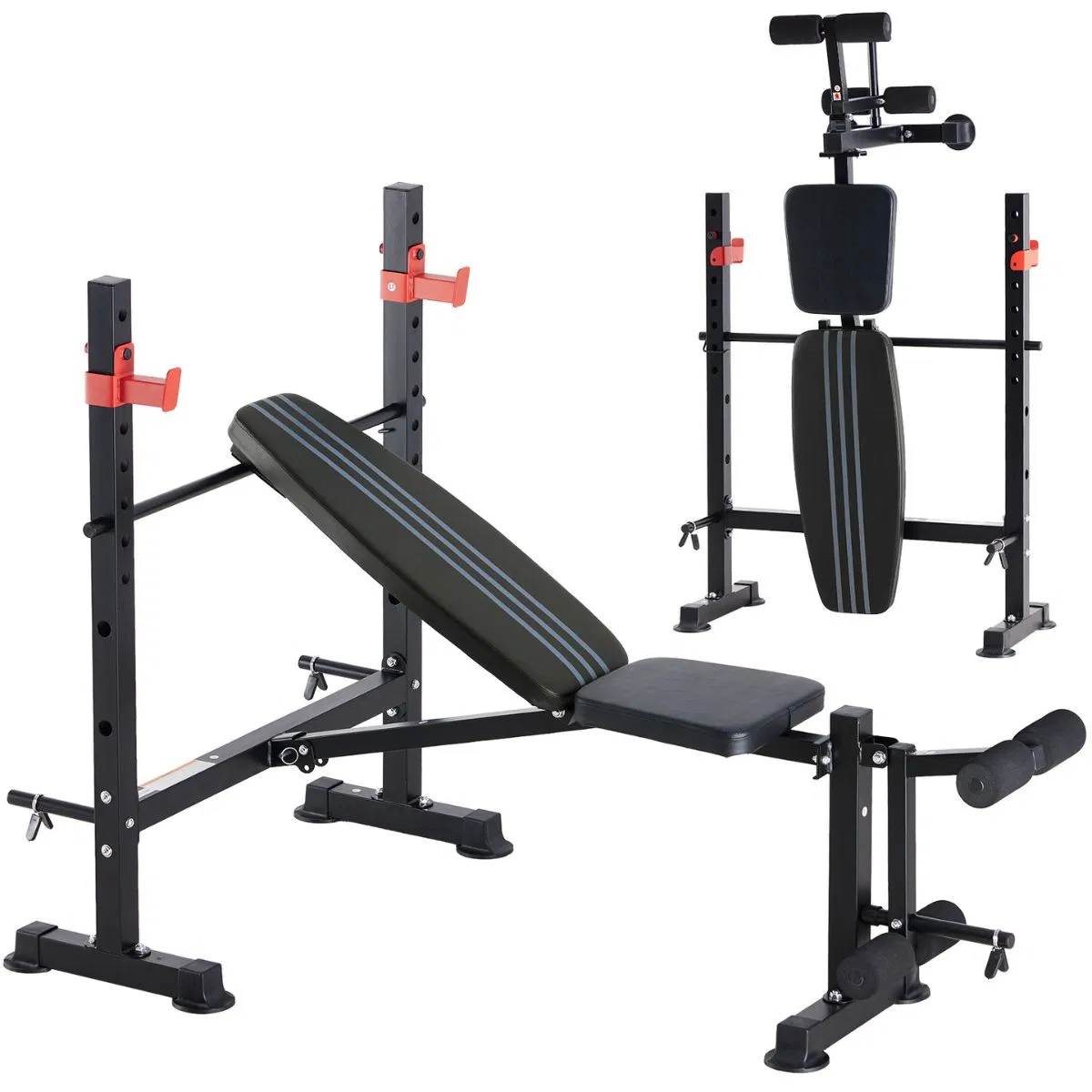 650LBS Adjustable Weight Bench with Rack & Leg Developer, Foldable Press Set for Home Gym, Heavy Duty Strength Training Station for Full Body Workout$138.99View on Mallflare
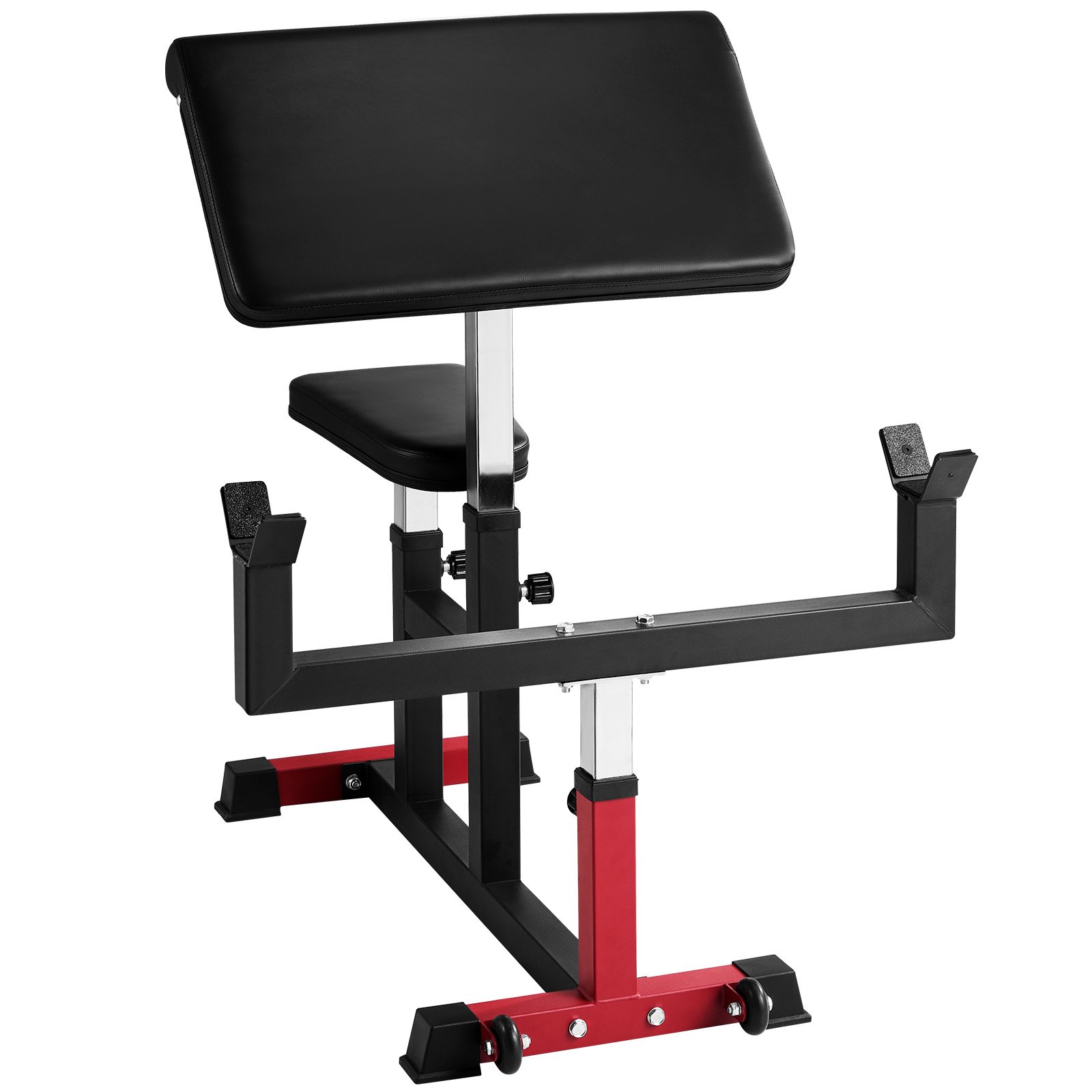 Preacher Curl Bench, Strength Training Biceps Machine, Max Load 440 LBS Home Gym Equipment, Seated Arm Isolated Barbell Dumbbell Bicep Station, Adjustable Weight Benches For Gym$151.99View on Mallflare
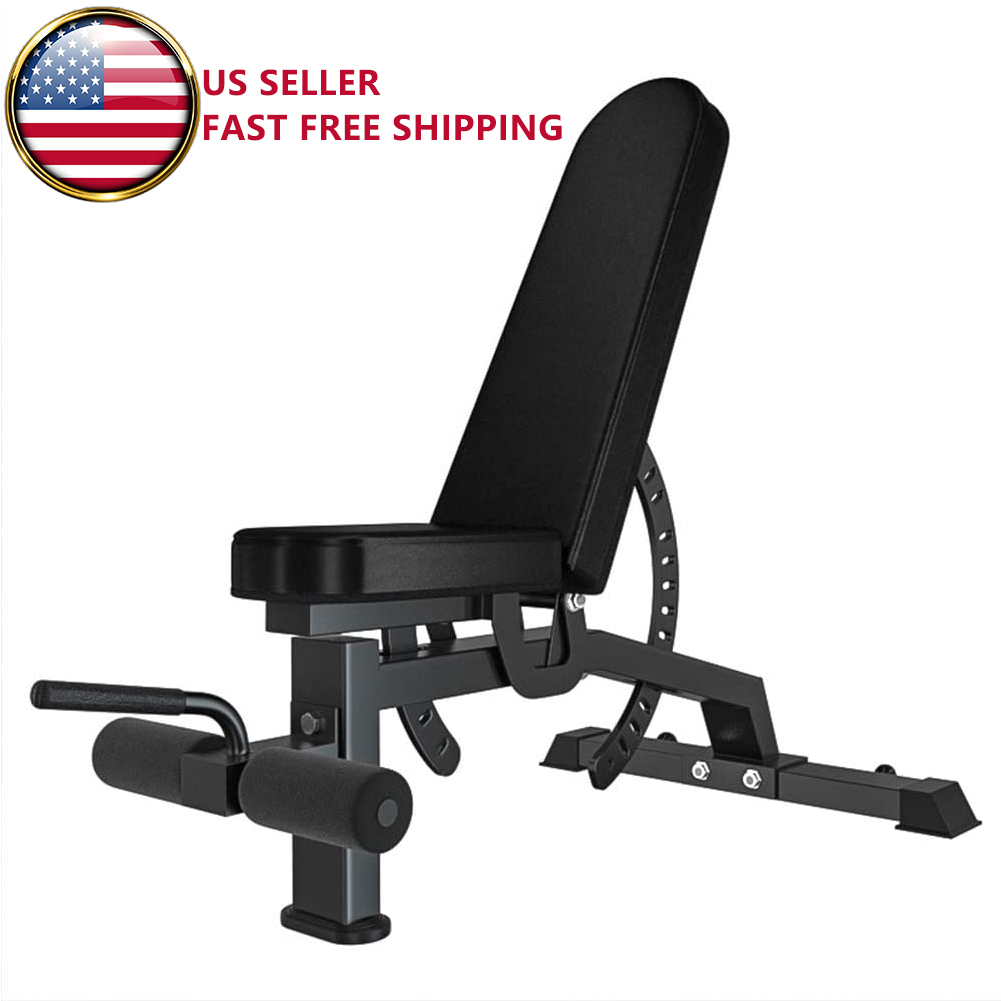 Adjustable Strength Training Bench Press Home Full Body Workout Foldable Weight Benches Gym Multi-functional Fitness Dumbbell Chair$158.99View on Mallflare
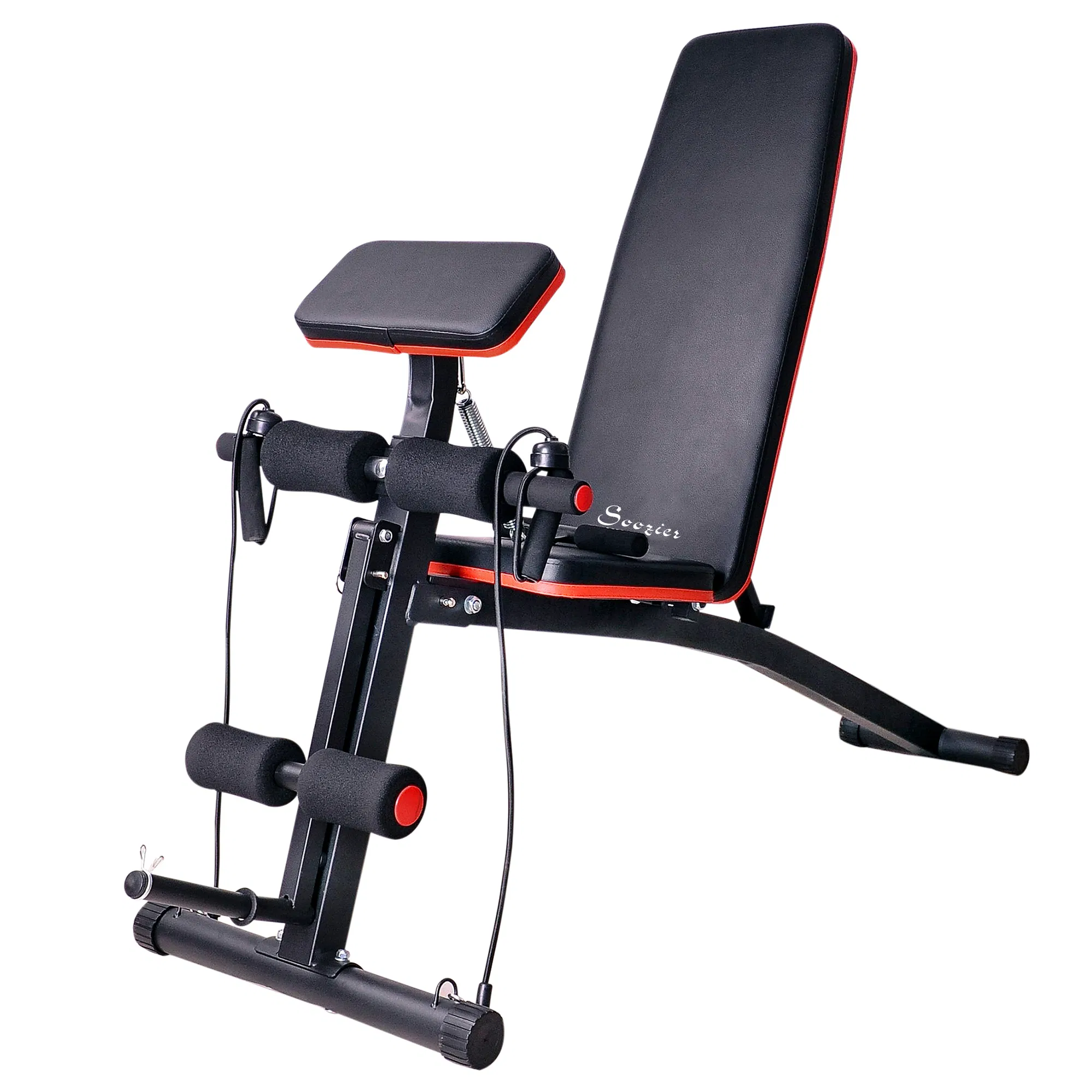 Foldable Press Bench Adjustable Dumbbell, Weight Training Exercises Gym Chair, Black & Red$159.99View on Mallflare
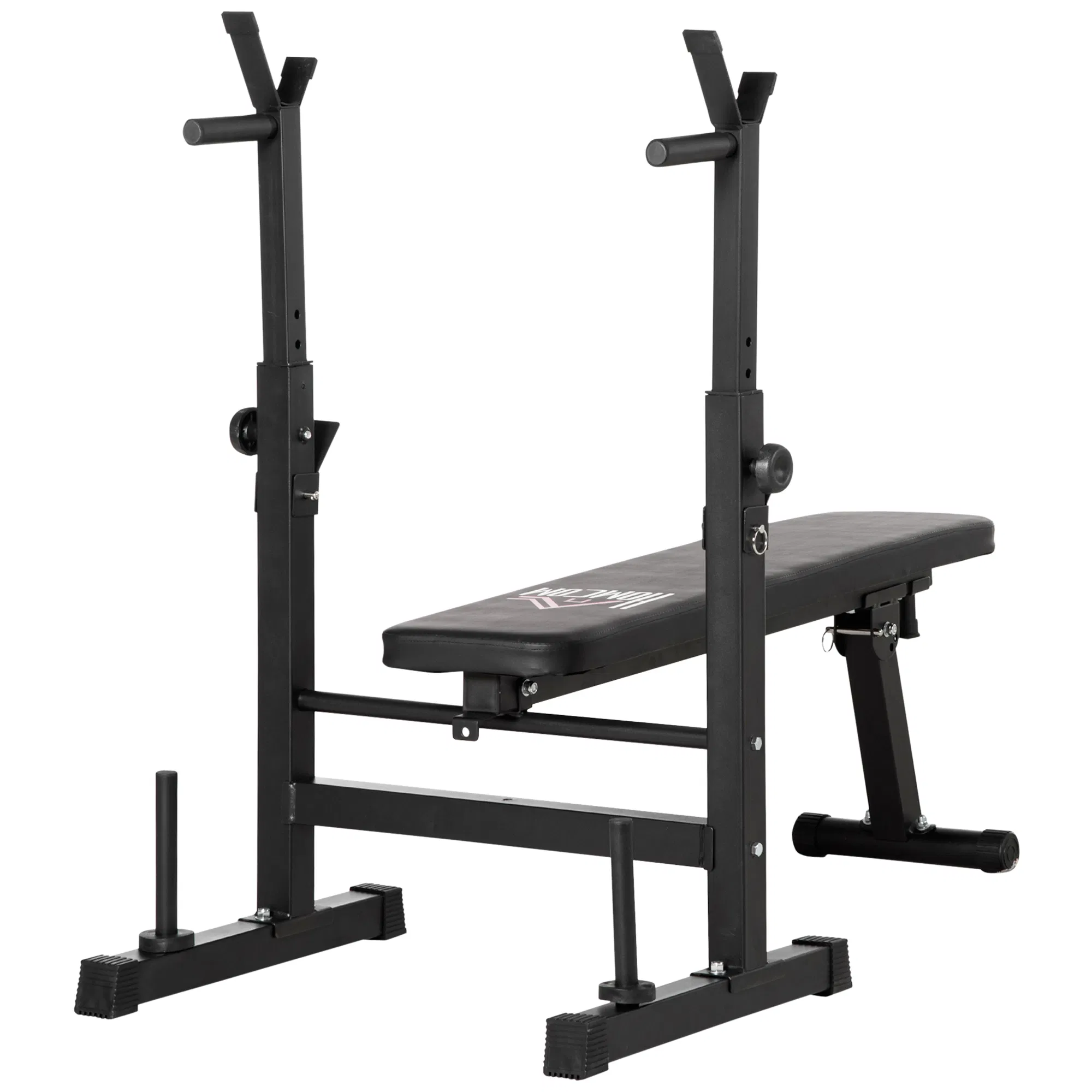 Adjustable Weight Bench, Foldable Press with Barbell Rack and Dip Station for Home Gym, Strength Training Multiuse Workout Black$171.99View on Mallflare
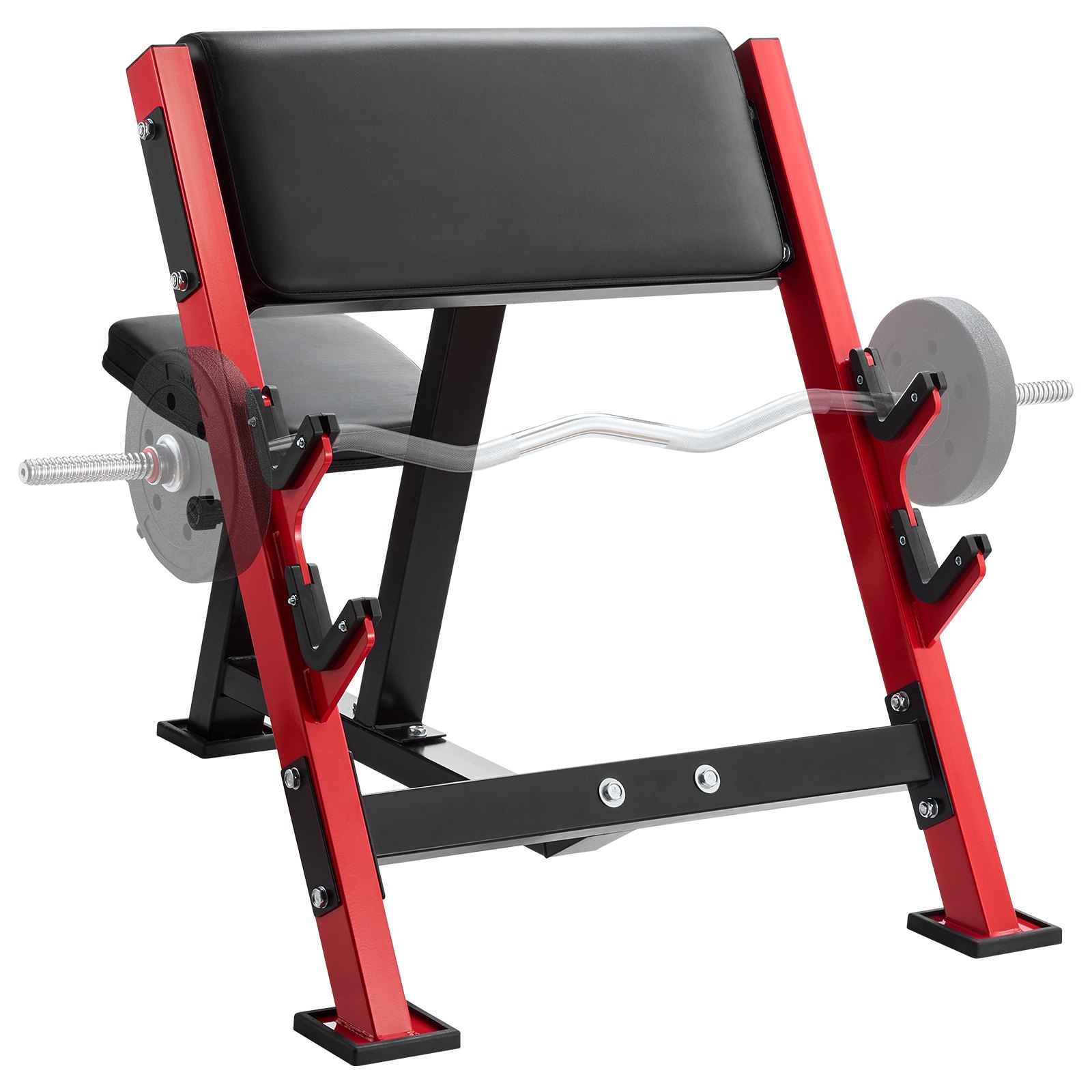 Preacher Curl Bench, Strength Training Benches, Max Load 660 LBS Home Gym Fitness Equipment, Seated Arm Isolated Barbell Dumbbell Bicep Station, Adjustable Weight With Bar Holders$174.99View on Mallflare
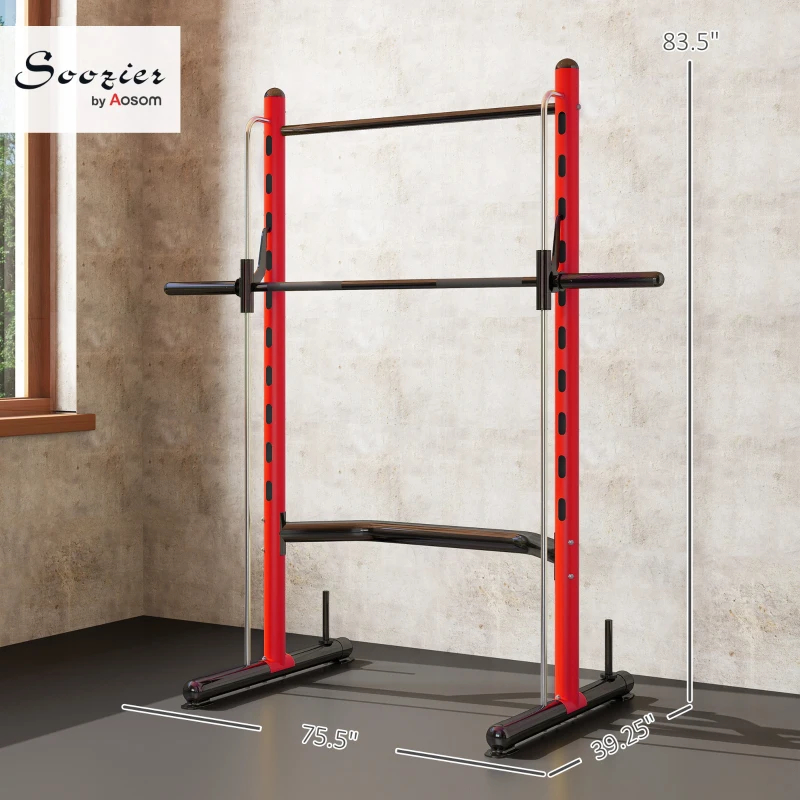 Soozier Squat Rack With Pull Up Bar And Barbell Bar Adjustable Bench Press Multi-Function Weight Lifting Half Red$180.99View on Mallflare
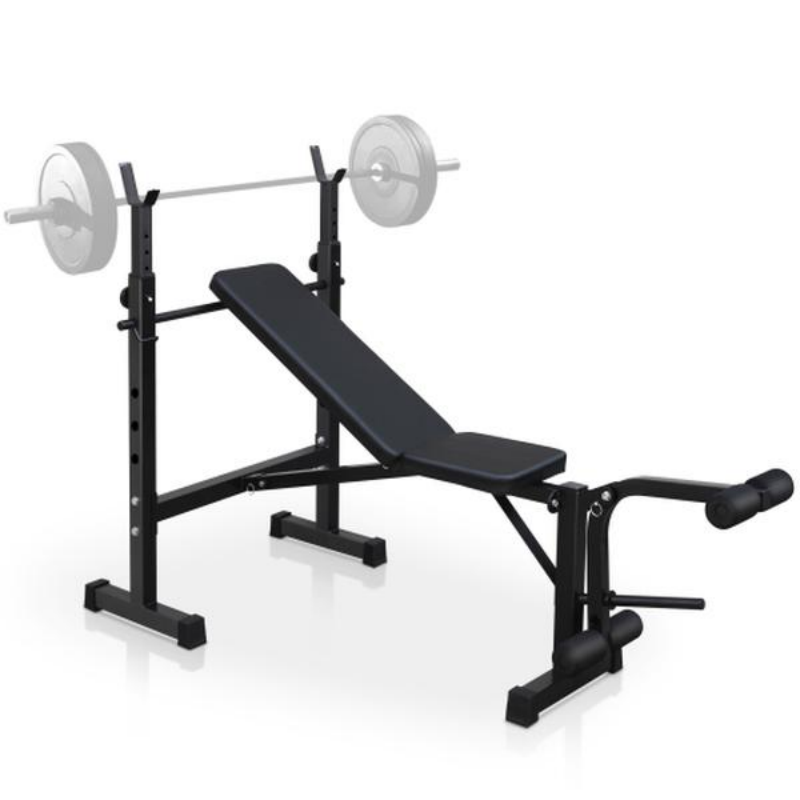 Olympic Weight Bench Full Body Workout For Your Home Gym With Squat Rack And Press$182.99View on Mallflare
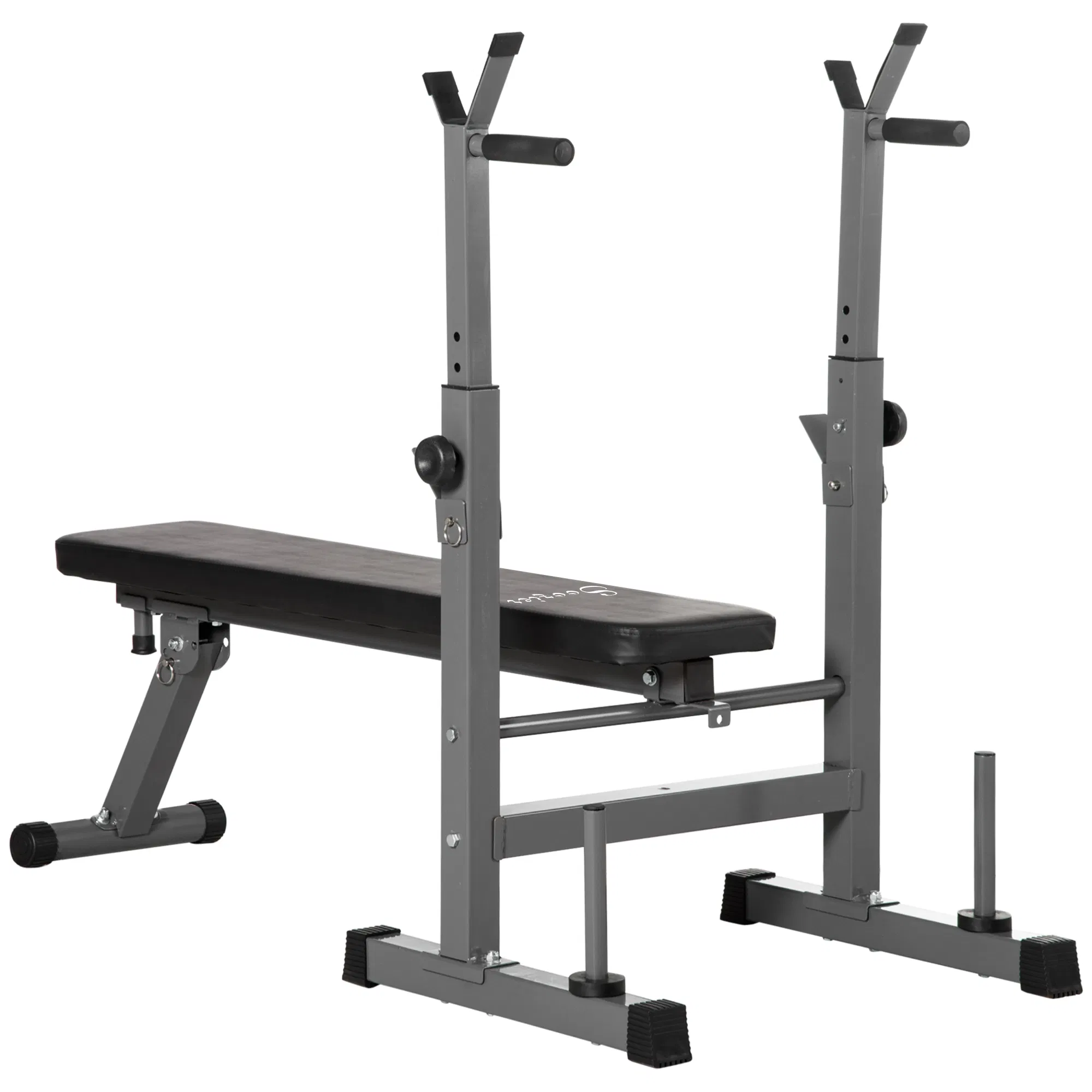 Adjustable Weight Bench, Foldable Press with Barbell Rack and Dip Station for Home Gym, Strength Training Multiuse Workout Black and Grey$184.99View on Mallflare
Highlights
- Load ratings span 300–1,200 lb across the segment; anything under 500 lb is light-duty and suited only to dumbbell work under 50 lb per hand.
- Frame construction separates tiers: 11–14 gauge welded steel with wide floor footprint resists lateral sway, while bolted thin-wall tubing and plastic bushings develop play.
- Bench types differ functionally: flat benches optimize pressing stability, FID (flat/incline/decline) benches add range but introduce hinge and back-pad flex, and Roman-chair/hyperextension benches target posterior chain only.
- Combo units integrate squat racks or leg-extension/bicep stations, but rack uprights under 2x2 in and bench frames sharing the same light tubing compromise both functions.
Best use cases
- Pick a flat or FID bench rated 600 lb+ with a welded steel frame if you press barbells or heavy dumbbells solo—skip folding benches with 300–440 lb ratings for anything above moderate dumbbell work.
- Choose a bench-plus-squat-rack combo only when the rack uprights are at least 2x2 in steel and the bench is independently rated; skip all-in-one units where the bench and rack share thin tubing, as both wobble under load.
- Select a Roman chair or hyperextension bench as a dedicated accessory for glute, hamstring, and lower-back work—do not buy one as your only bench, since it cannot support pressing or seated rows.
- Buy a folding bench only for apartments or shared rooms where storage matters, and accept a lower load ceiling (typically 500–600 lb) and some hinge play—skip folding if you train heavy or want zero flex.
Buying tips
- Match load rating to your bodyweight plus working weight: a 200 lb lifter pressing 225 lb needs a bench rated 600 lb minimum, ideally 800 lb+ for a safety margin.
- Check steel gauge and frame shape: 11–14 gauge rectangular tubing with welded joints outperforms bolted round tubing; look for a wide base (at least 20 in across) for lateral stability.
- Verify pad density and thickness: high-density foam at 2.5–3 in thick resists bottoming out; thin pads under 2 in compress to the frame on heavy presses.
- For combo racks, confirm upright steel is 2x2 in or 3x3 in with 1 in or 5/8 in hole diameter and a bench that adjusts independently—shared light tubing is the failure point.
Specs
| Bench Type | Flat / FID adjustable / Roman chair |
|---|---|
| Load Rating | 300–1,200 lb capacity |
| Frame Material | 11–14 ga welded steel vs thin tubing |
| Pad Thickness | 2.5–3 in high-density foam |
Related searches
What to check before buying
- Measure your room and ceiling: a barbell press needs about 7 ft of ceiling clearance, and a rack-plus-bench footprint runs roughly 4x4 ft to 5x5 ft.
- Confirm floor type: rubber horse-stall mats or a platform protect concrete and improve stability; carpet and uneven floors amplify bench wobble.
- Check barbell and plate compatibility: Olympic bars need 2 in sleeves and benches with proper j-hook width; standard 1 in bars require different rack hooks.
- Verify your bench height matches your leg length (typically 17–18 in seat height) so feet plant flat and hips stay above knee level for pressing.
FAQ
Data sources: eBay / Amazon listings and product attribute feeds Data updated Nov 17, 2026.
Some links on this page are affiliate links. If you buy after clicking one, we may earn a commission at no extra cost to you. This does not change which products appear here or their order. Affiliate disclosure.