Photos from current listings. Actual item, color, and included accessories may vary.
Weight Training Bench Buying Guide
A weight training bench is a load-bearing platform for pressing, rowing, and accessory work, and its durability hinges on frame steel gauge, pad density, and adjustment-mechanism design rather than cosmetic upholstery. The core trade-off is between a fixed flat bench that maximizes stability per dollar and an adjustable incline/decline bench that adds versatility but introduces hinge and weld stress points. The decision rule: buy a bench rated at least 1.5x your bodyweight plus planned load, with welded (not bolted) main joints and a pad at least 2.5 inches thick; skip any bench whose only rating is a vague 'heavy-duty' claim without a stated pound capacity.

At a glance
- Category
- Power Racks, Benches & Platforms
- Data updated
- Nov 17, 2026
Current offers
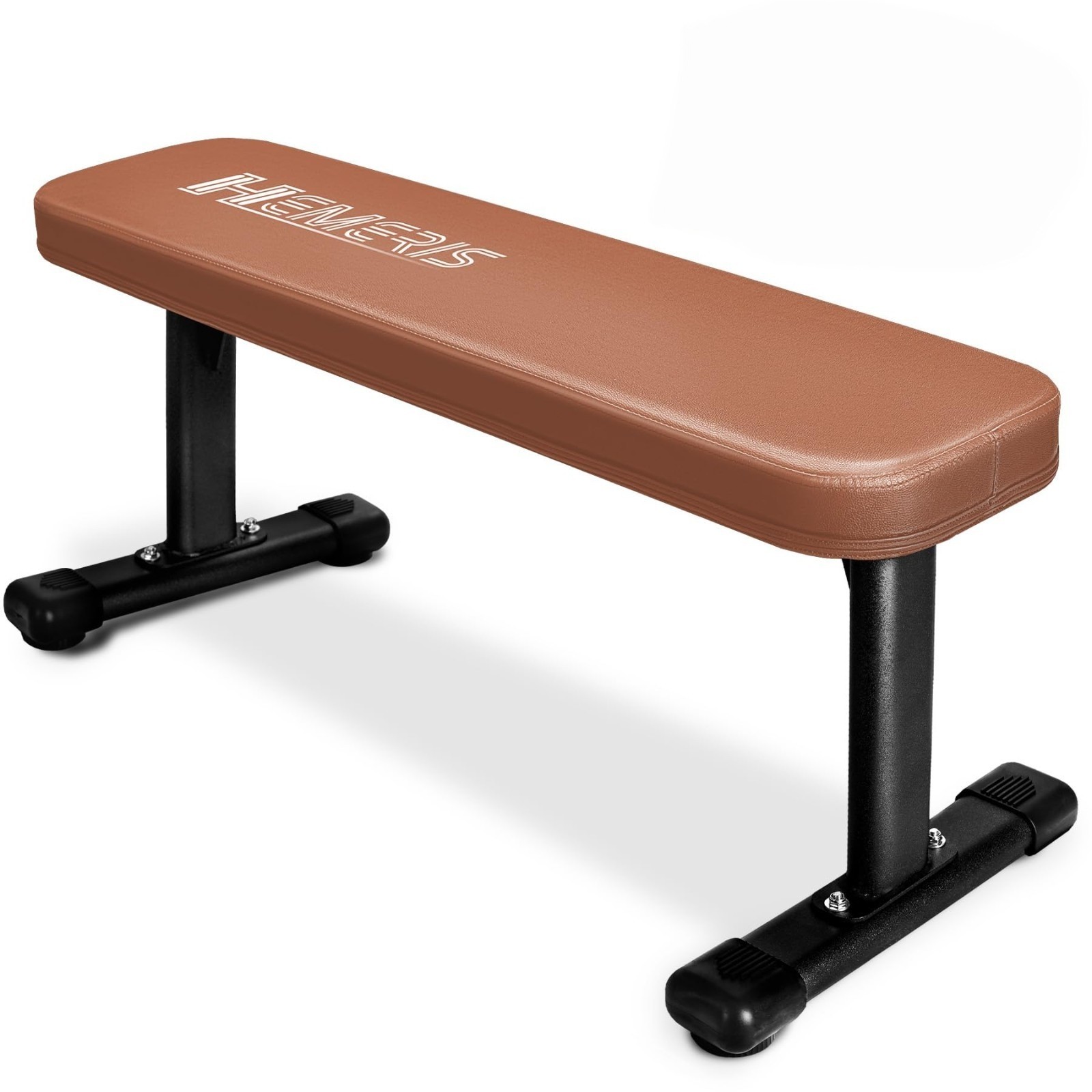 Basic Flat Weight Bench for Home Gym Strength Weight Training Equipment Brown$43.99
 View on eBay
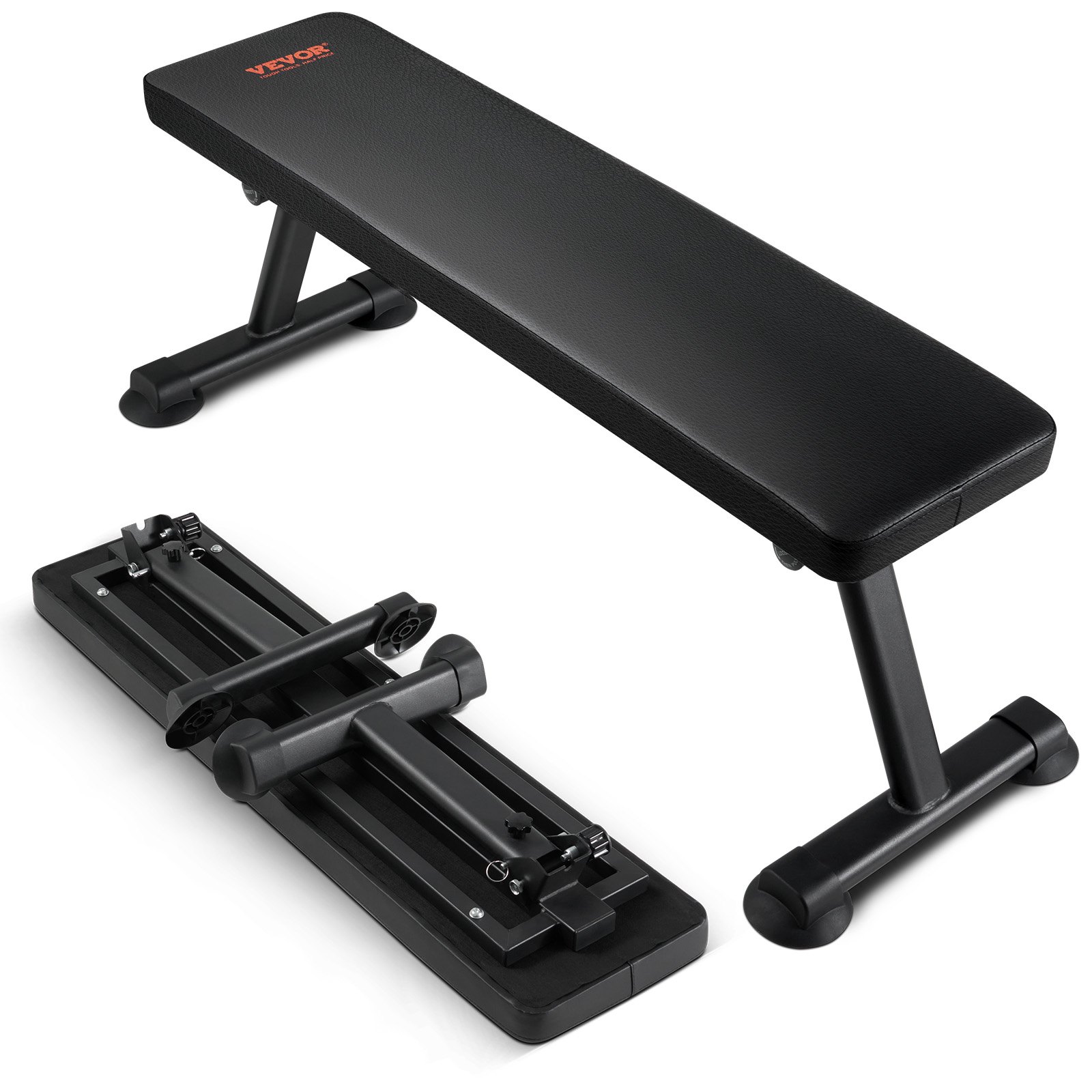 Flat Weight Bench, Foldable Strength Training Utility Workout For Full Body 1000 LBS Press For Home Gym Exercise, For Multi-Purpose And Ab Exercises$79.99
 View on Mallflare
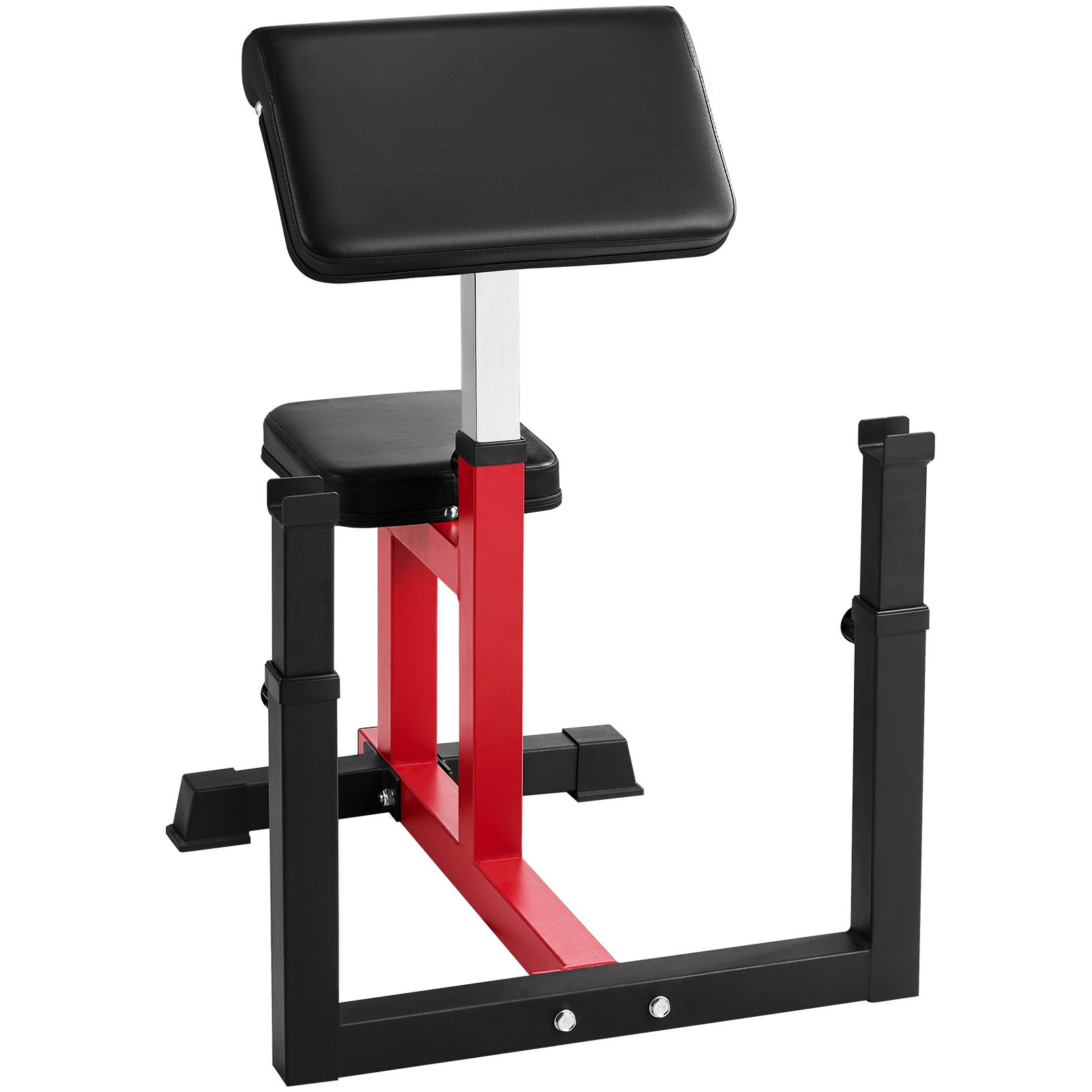 Weight Bench With Leg Extension, Strength Training Benches, Max Load 440 LBS Home Gym Fitness Equipment, Seated Arm Isolated Barbell Dumbbell Bicep Station, Workout For Gym$92.99View on Mallflare
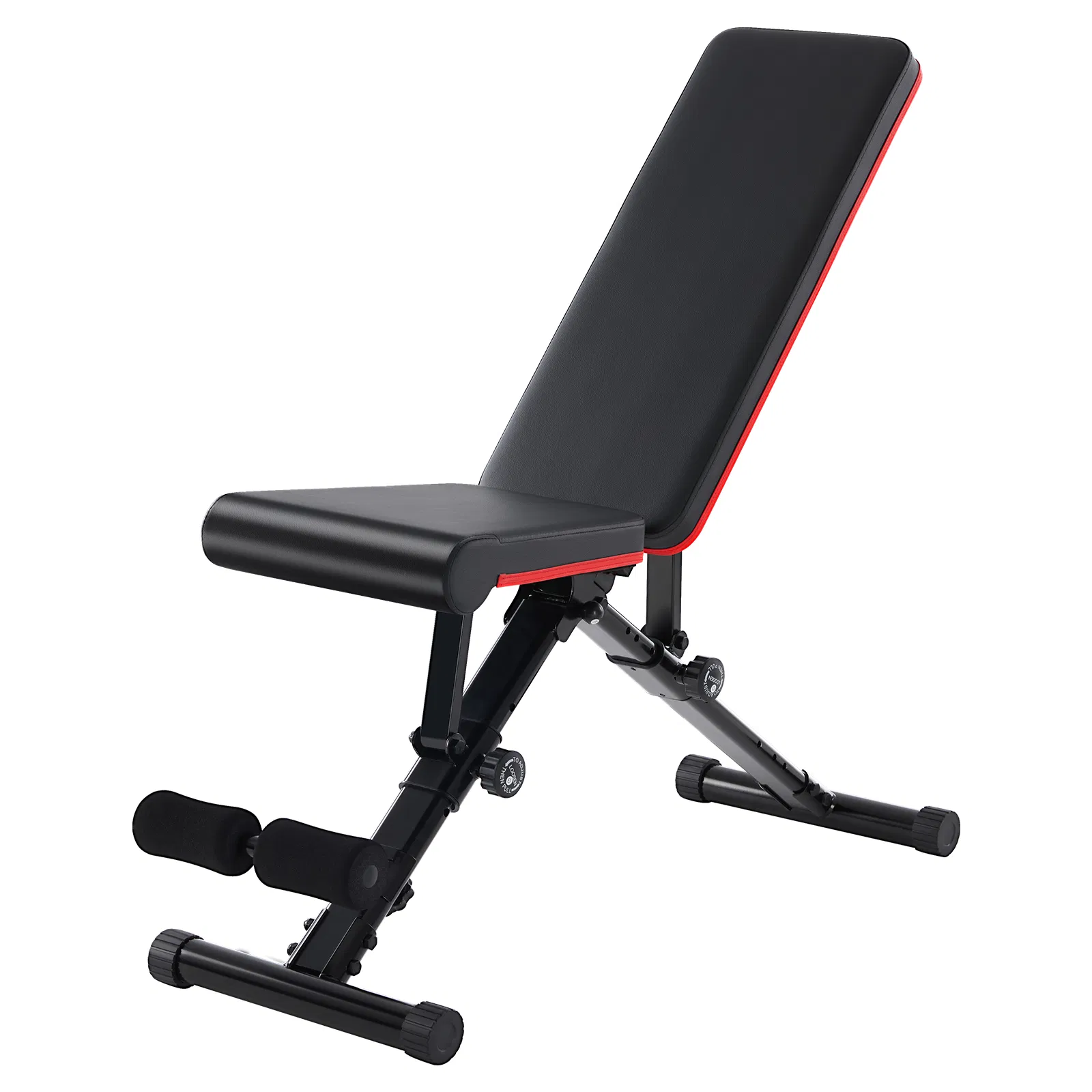 Weight Bench Adjustable Workout for Home Gym, Foldable Press for Full Body Exercise and Strength Training for Gym, for$99.99View on Mallflare
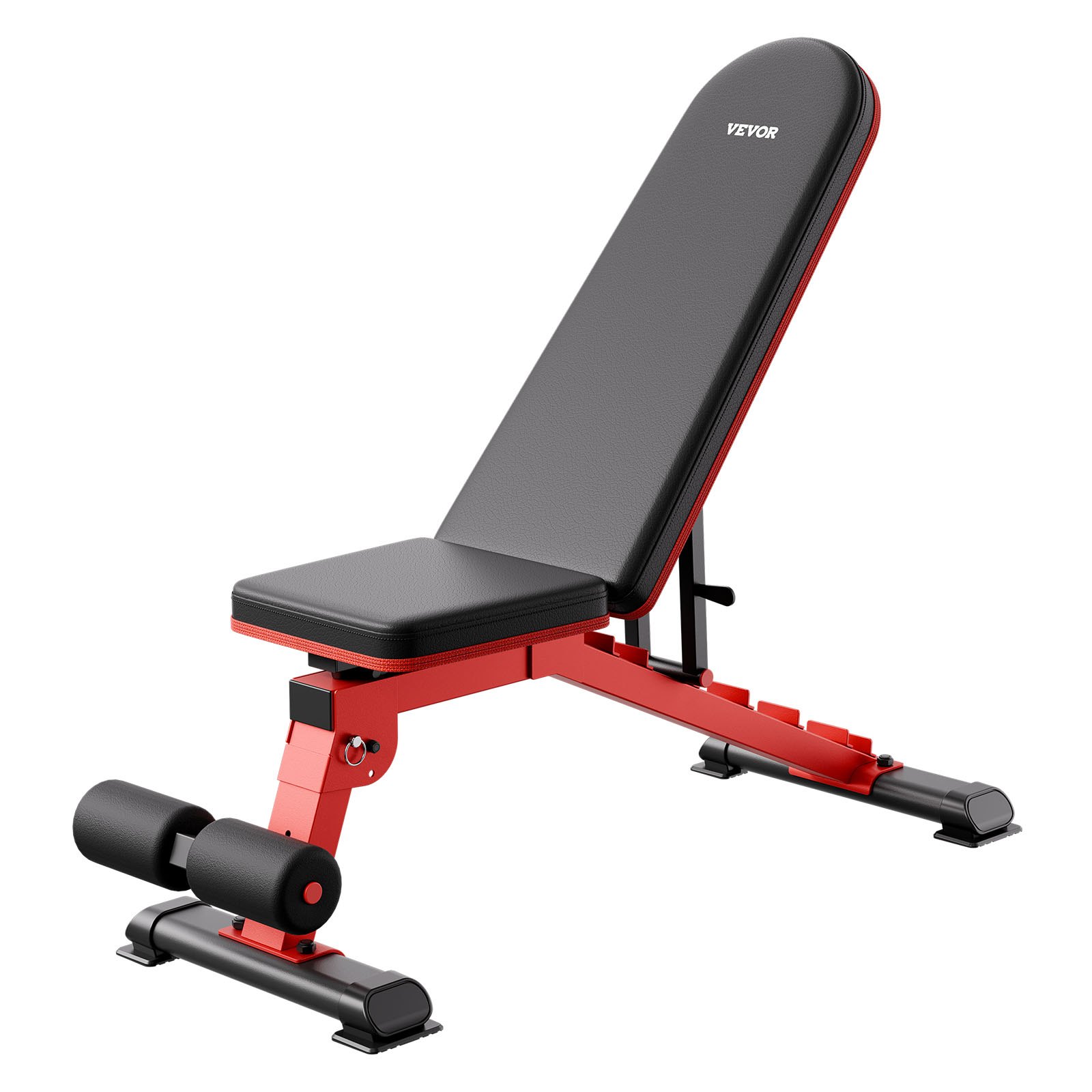 Weight Bench, 1200lbs Heavy Duty Stable Press For Full Body Workout, Adjustable Exercise Sit Up For Home Gym Strength Training, Flat With Quick Folding & Fast Adjustment$115.99View on Mallflare
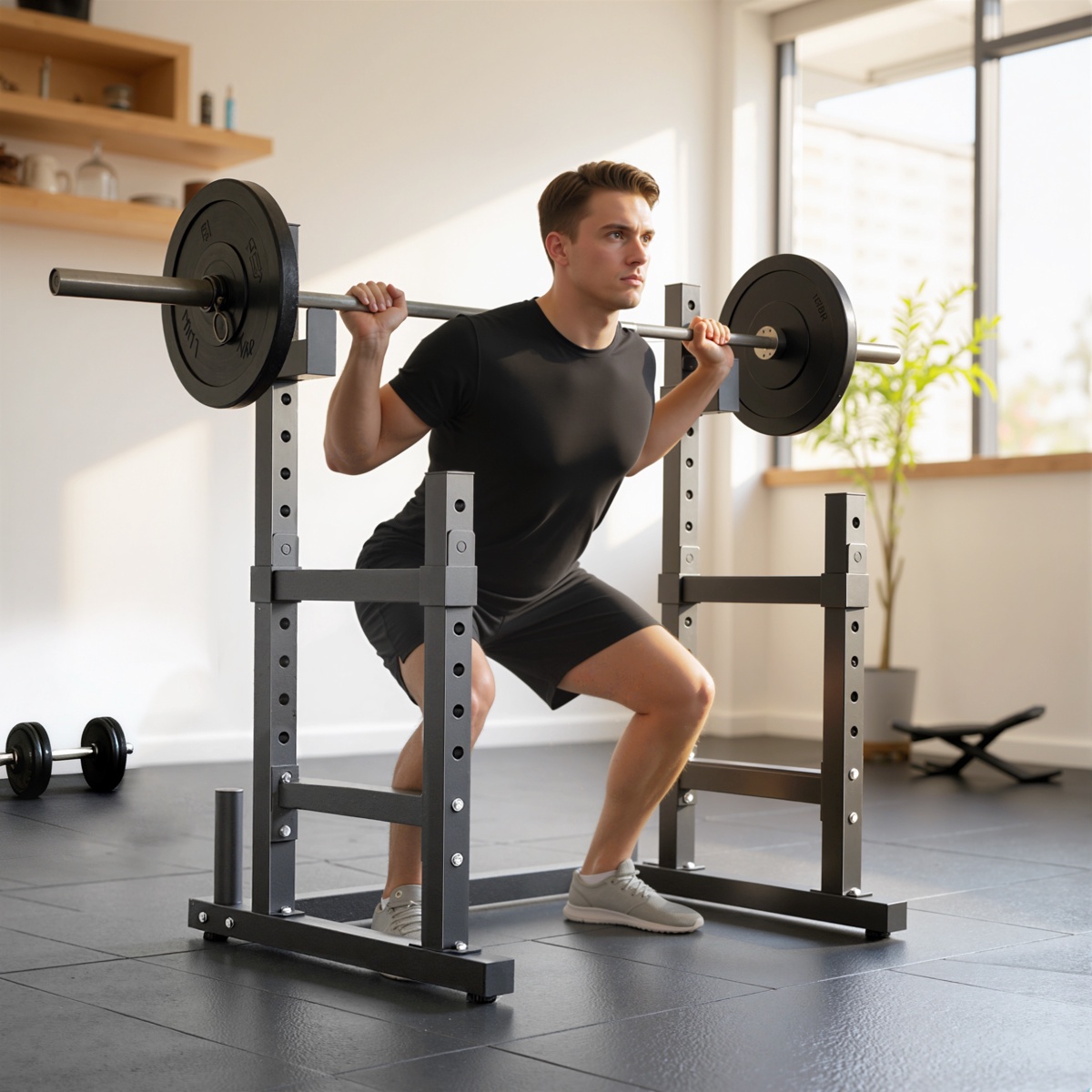 Adjustable Squat Rack, 660lbs Multi-Functional Bench Press for Weight Lifting Home Gym Strength Training, Black$126.99View on Mallflare
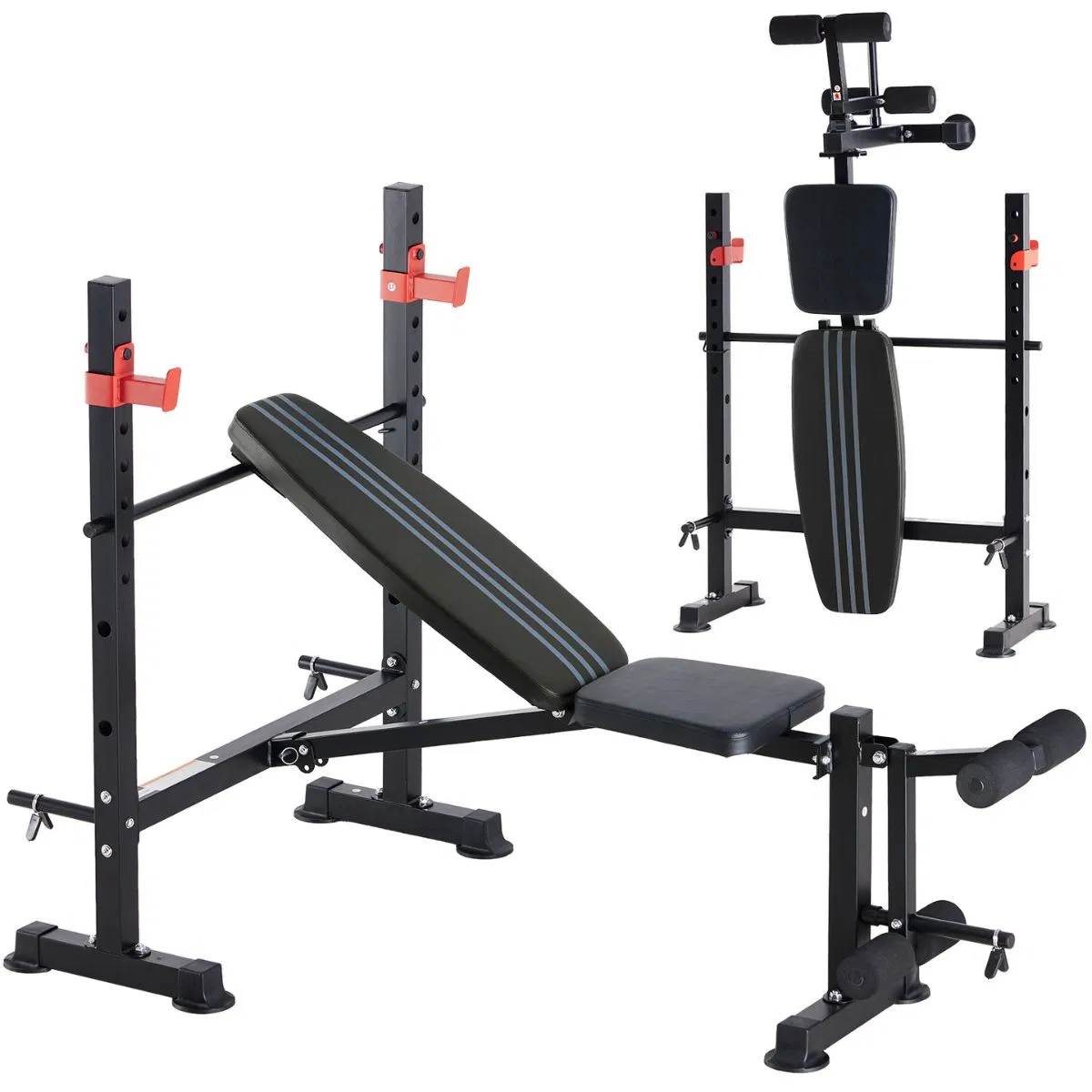 650LBS Adjustable Weight Bench with Rack & Leg Developer, Foldable Press Set for Home Gym, Heavy Duty Strength Training Station for Full Body Workout$138.99View on Mallflare
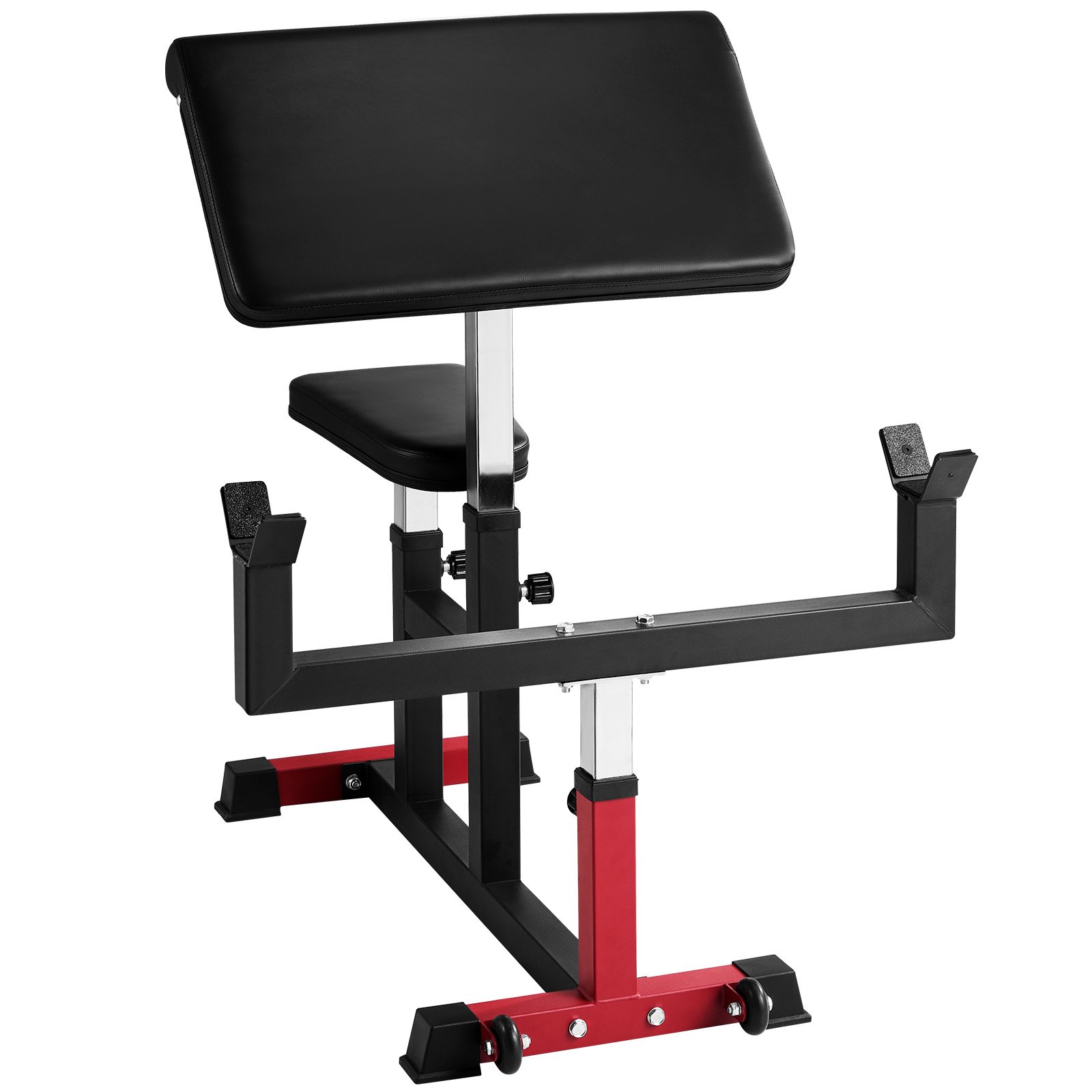 Preacher Curl Bench, Strength Training Biceps Machine, Max Load 440 LBS Home Gym Equipment, Seated Arm Isolated Barbell Dumbbell Bicep Station, Adjustable Weight Benches For Gym$151.99View on Mallflare
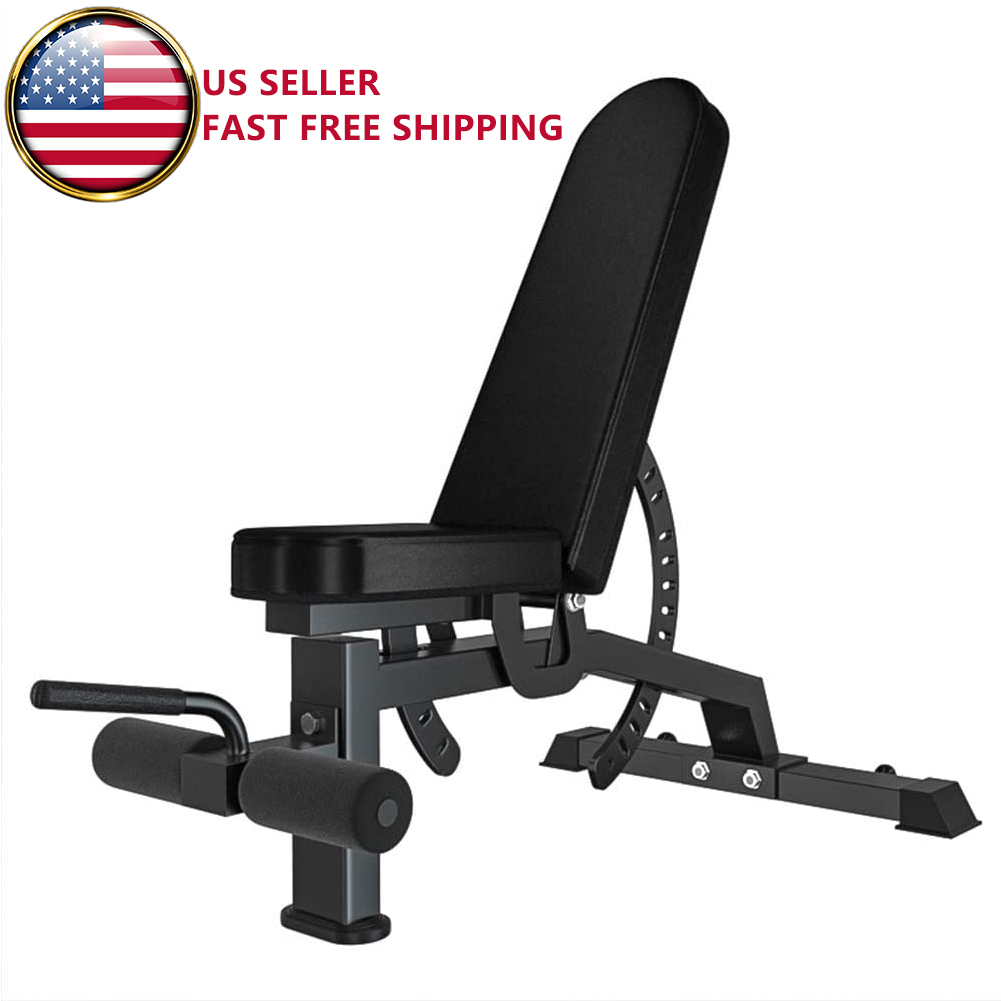 Adjustable Strength Training Bench Press Home Full Body Workout Foldable Weight Benches Gym Multi-functional Fitness Dumbbell Chair$158.99View on Mallflare
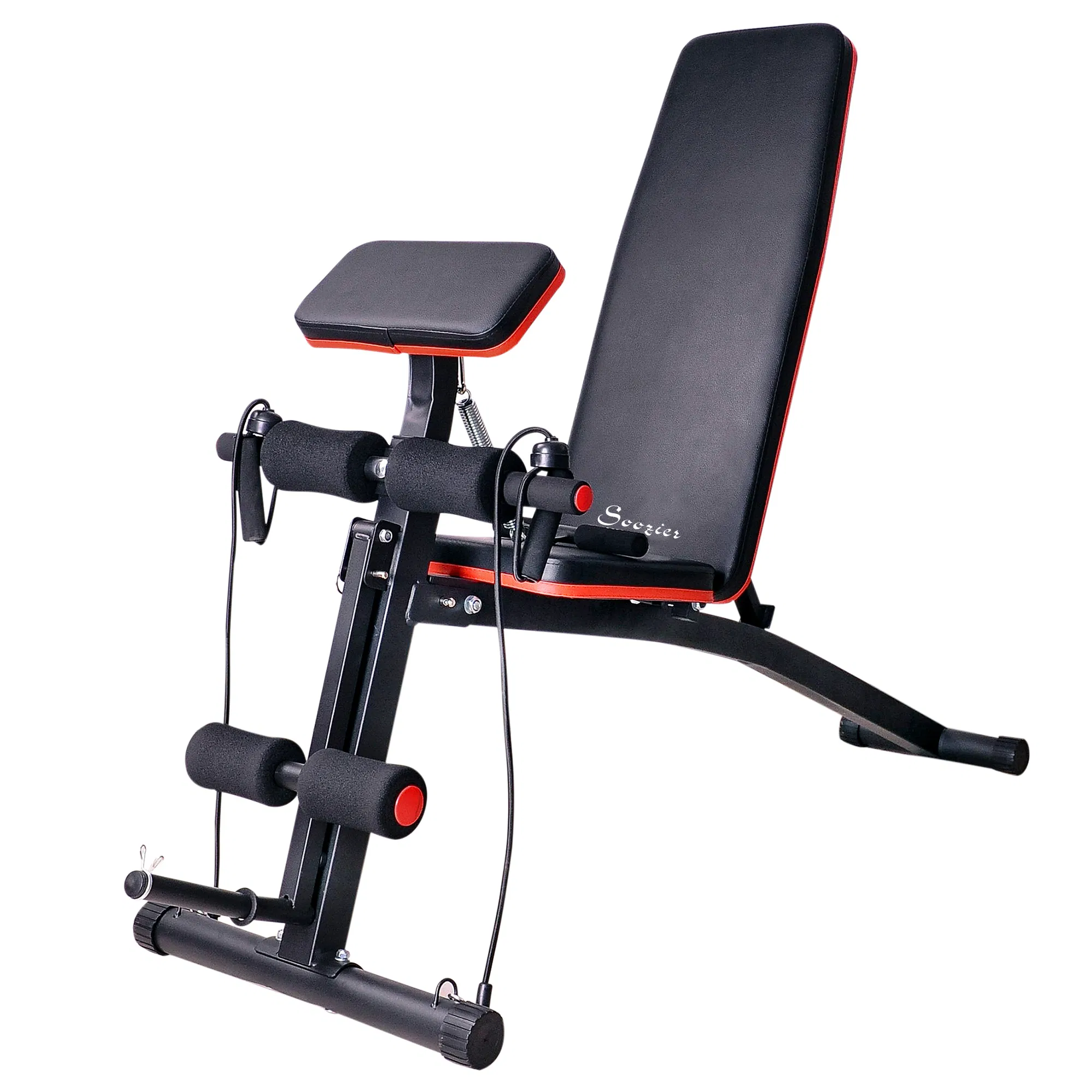 Foldable Press Bench Adjustable Dumbbell, Weight Training Exercises Gym Chair, Black & Red$159.99View on Mallflare
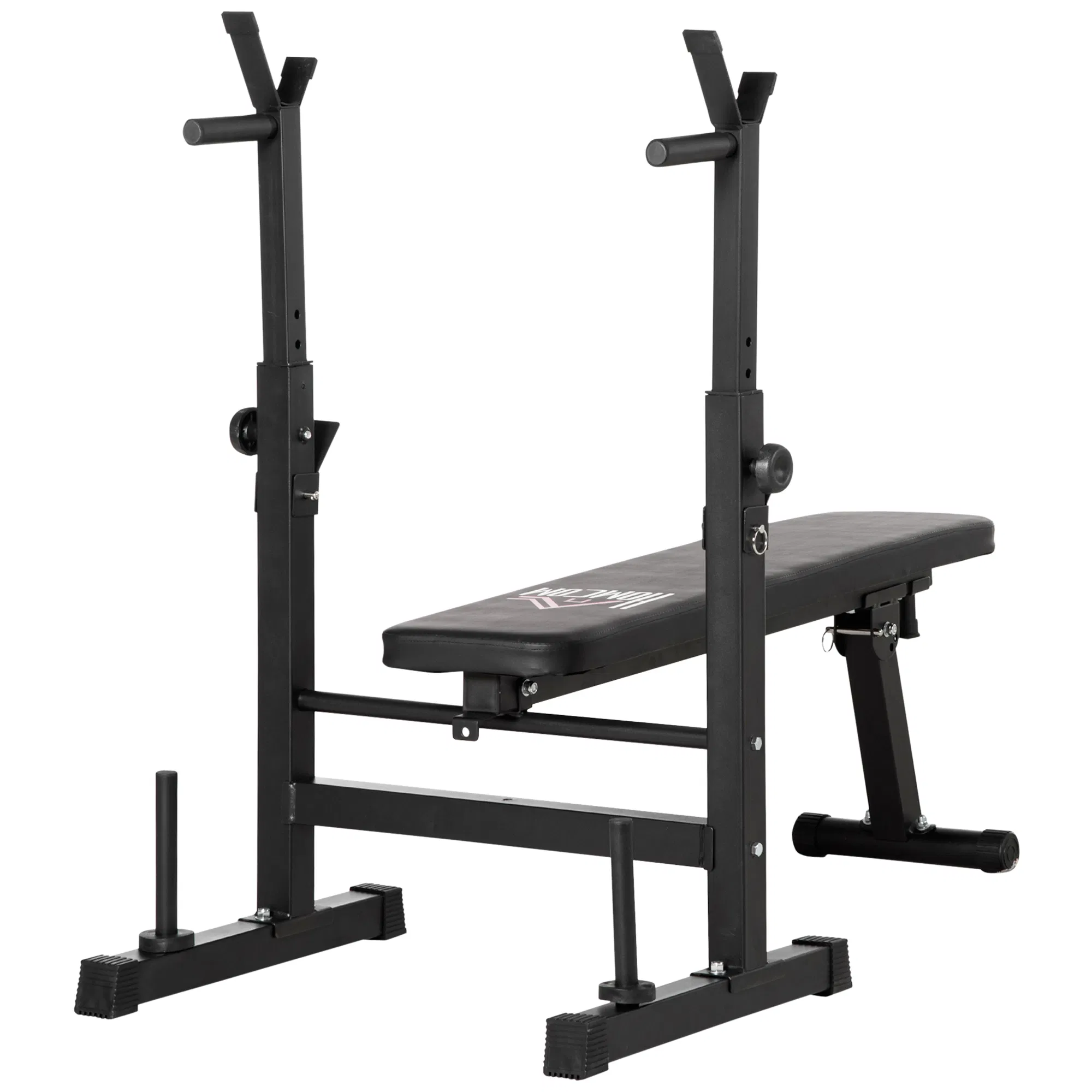 Adjustable Weight Bench, Foldable Press with Barbell Rack and Dip Station for Home Gym, Strength Training Multiuse Workout Black$171.99View on Mallflare
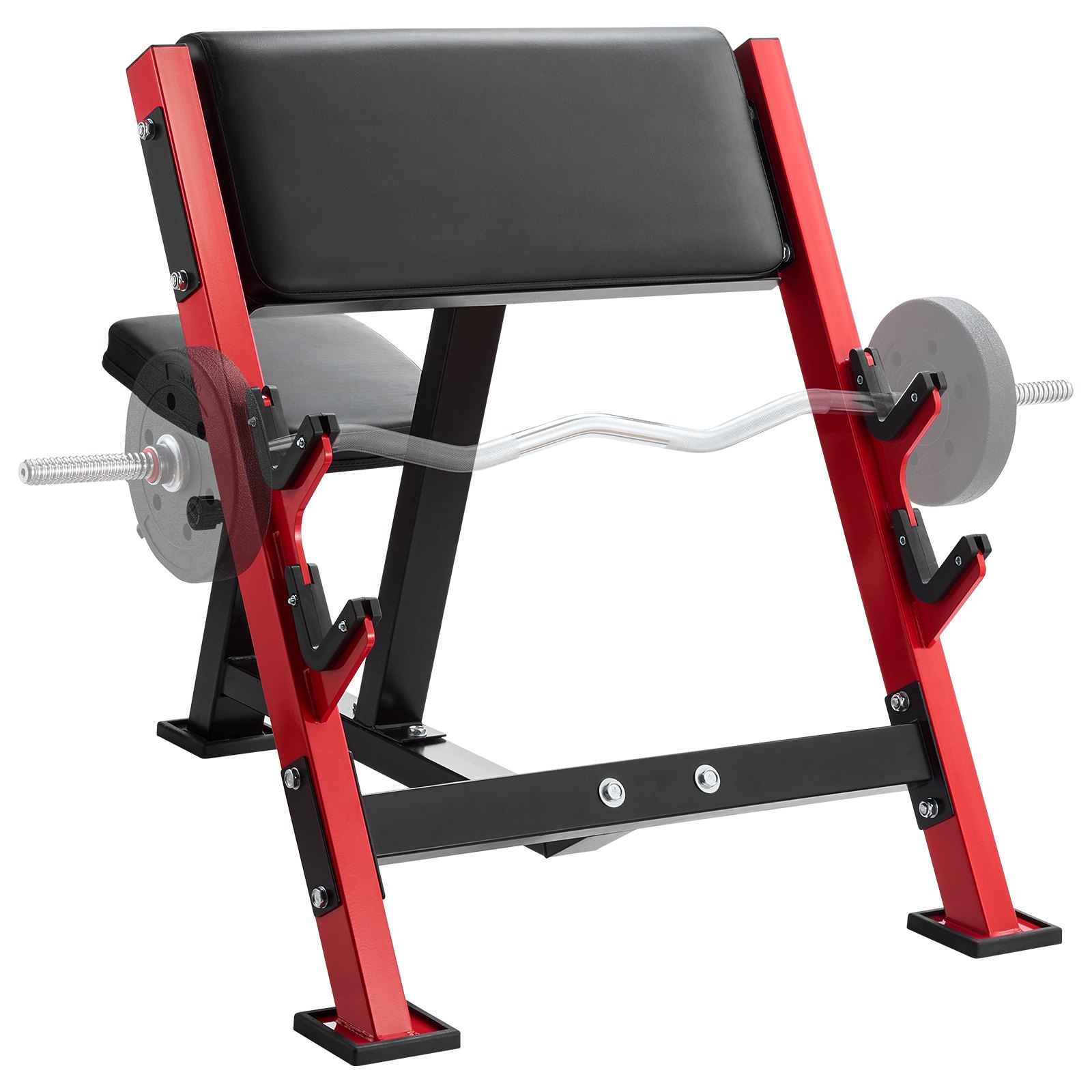 Preacher Curl Bench, Strength Training Benches, Max Load 660 LBS Home Gym Fitness Equipment, Seated Arm Isolated Barbell Dumbbell Bicep Station, Adjustable Weight With Bar Holders$174.99View on Mallflare
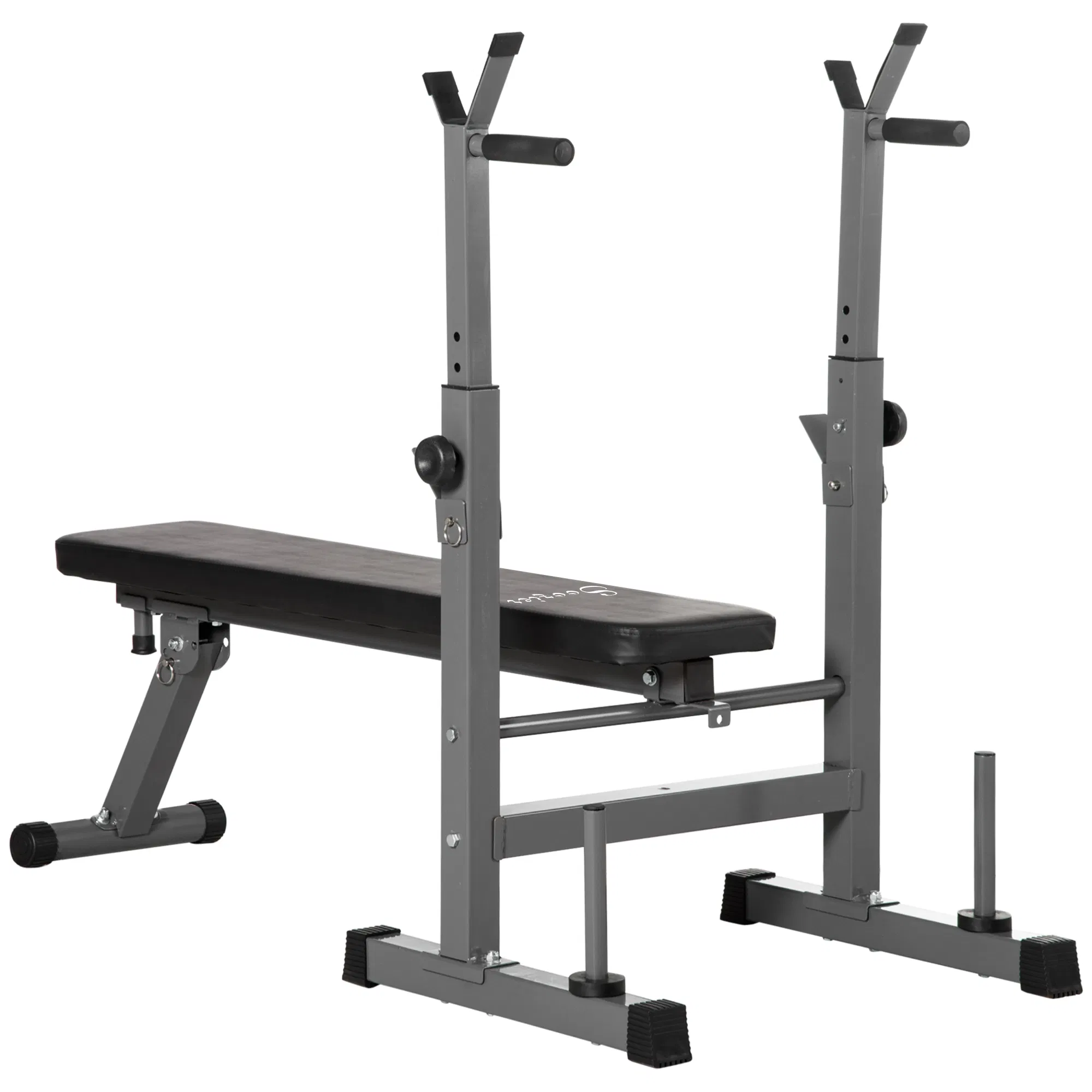 Adjustable Weight Bench, Foldable Press with Barbell Rack and Dip Station for Home Gym, Strength Training Multiuse Workout Black and Grey$184.99View on Mallflare
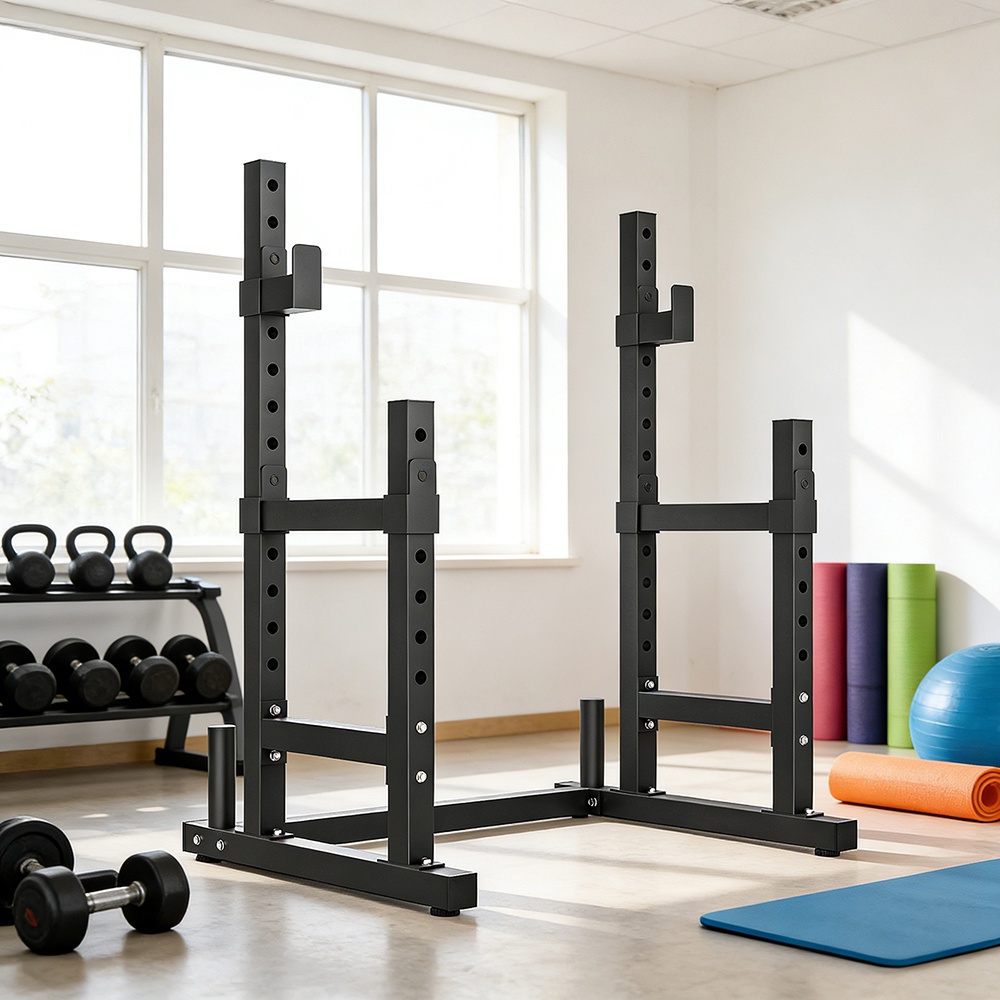 Adjustable Squat Rack, 660lbs Multi-Functional Bench Press Wide H-shaped Base For Weight Lifting Home Gym Strength Training$185.99View on Mallflare
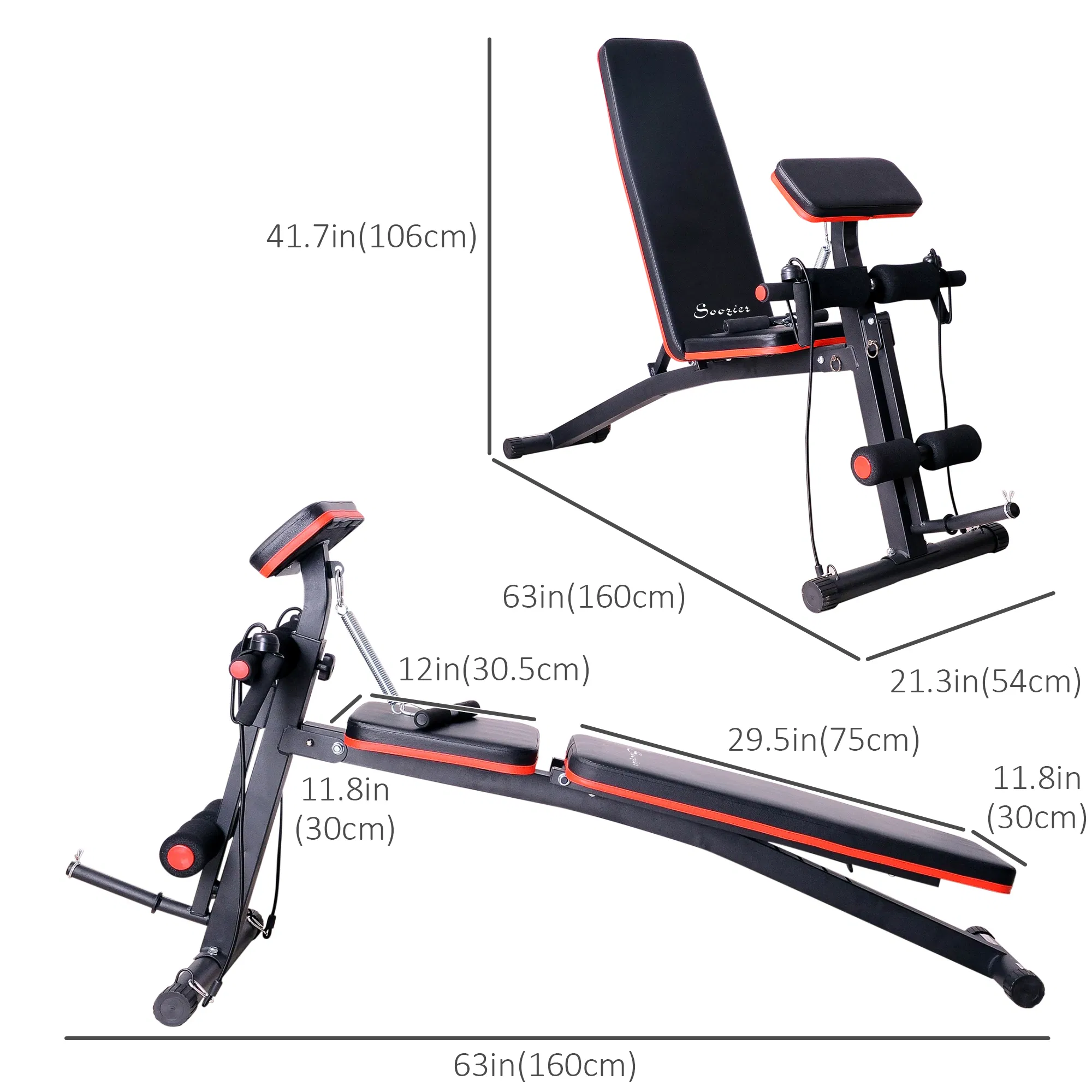 Adjustable Foldable Press Bench for Weight Training Dumbbell Exercises Gym Chair$204.99View on Mallflare
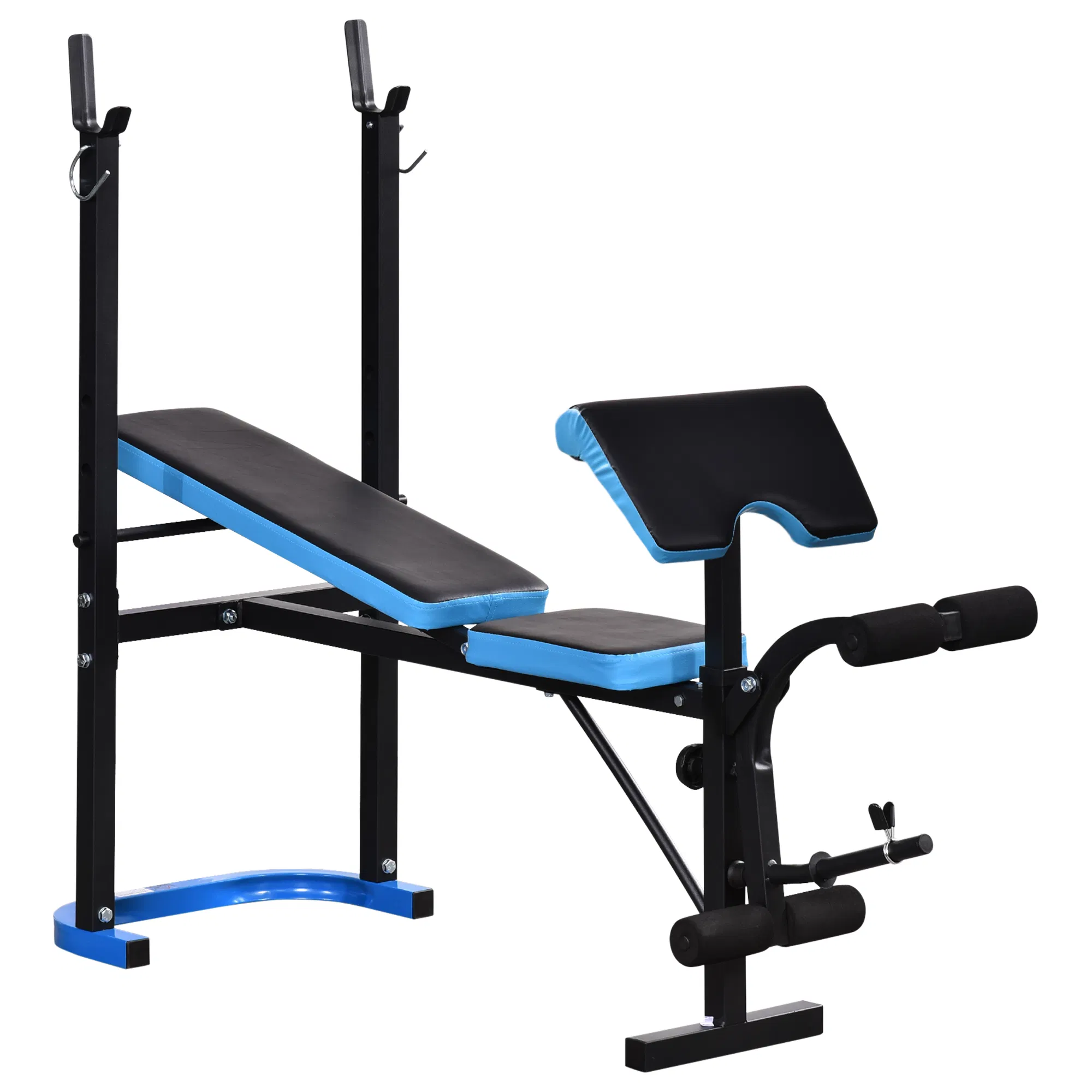 Adjustable Weight Bench with Barbell Rack and Leg Developer for Lifting and Strength Training Multifunctional Workout Station for Home Gym Fitness, Black$221.99View on Mallflare
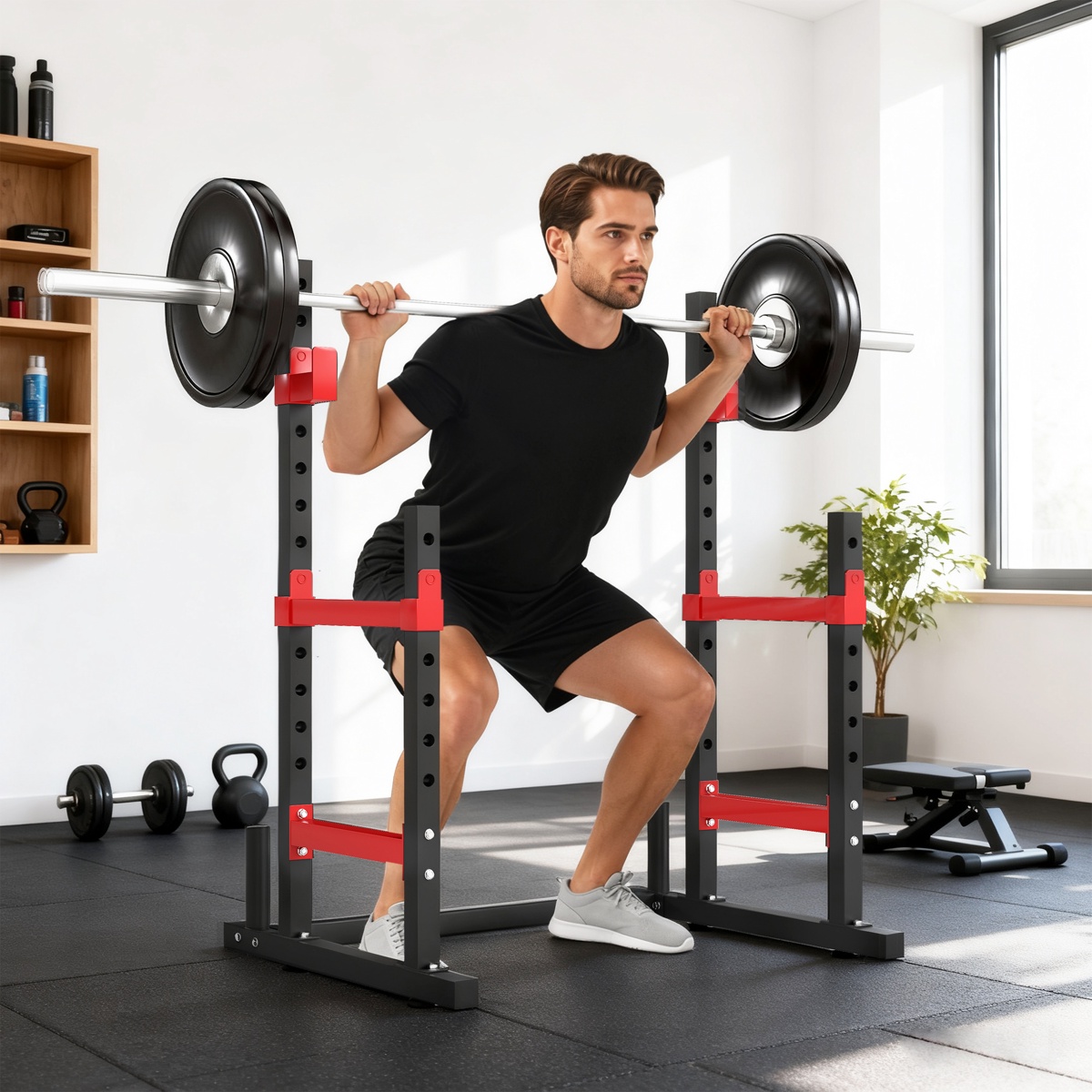 Adjustable Squat Rack, 660lbs Multi-Functional Bench Press For Weight Lifting Home Gym Strength Training, Red$235.99View on Mallflare
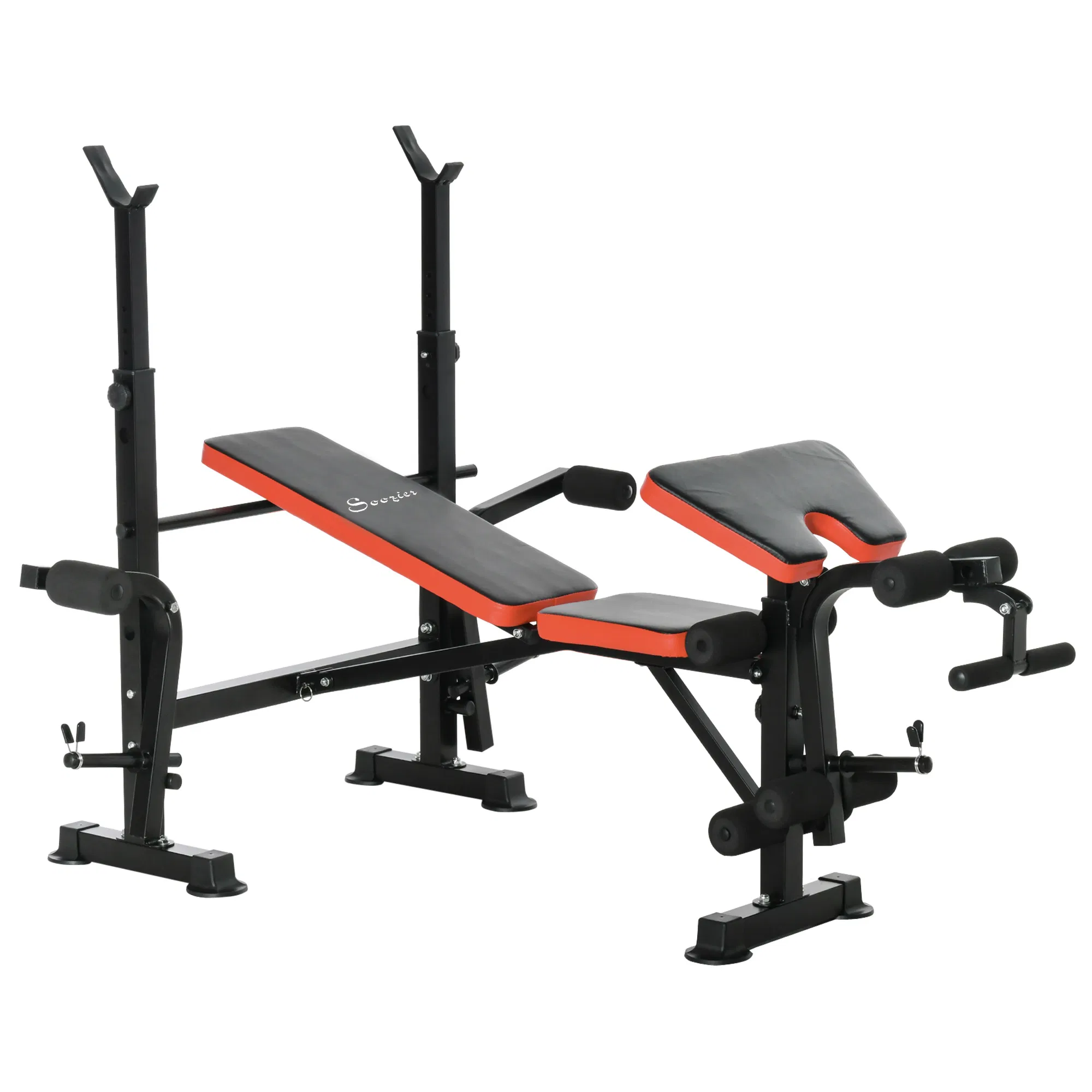 Adjustable Weight Bench for Lifting and Strength Training$292.99View on Mallflare
Highlights
- Frame construction separates tiers: 11-12 gauge (2.5-3 mm) welded steel uprights support 1,000+ lb ratings, while 14-16 gauge bolted tubing typically caps at 400-600 lb.
- Pad density matters more than cover material: high-density foam at 2.5-3 inches thick resists compression under bench press loads; sub-2-inch pads bottom out and destabilize the shoulder.
- Adjustable benches use either a ladder-style pin/knob or a pop-pin spine; ladder-and-hook systems hold incline angles under load far better than friction knobs that slip at 30-45 degrees.
- Flat benches with a single welded main spine and wide floor footprint (at least 24 inches across the base) resist lateral tip better than folding benches with narrow hinge plates.
Best use cases
- Best fit: a lifter pressing under 300 lb in a small room should pick a fixed flat bench with a 600+ lb rating and 2.5-inch pad — it is cheaper, stiffer, and has no hinge to fail.
- Best fit: a lifter running incline dumbbell press and decline work needs an adjustable bench with a ladder-style back pad and at least 7 back angles; skip benches with only 3-4 fixed positions.
- Wrong fit: anyone over 220 lb or benching over 250 lb should skip folding benches with bolted hinge plates rated 400-440 lb — the hinge and narrow base are the first failure points.
- Best fit: a lifter buying a bench-plus-rack bundle should match the bench's stated capacity to the rack's; a 650 lb bench inside a 660 lb squat rack is a balanced pair, but a 440 lb bench in a 1,000 lb rack is the weak link.
Buying tips
- Size the rating to bodyweight plus load: a 200 lb lifter pressing 225 lb needs at least a 650 lb rated bench (1.5x total) to leave margin for dynamic and racking forces.
- Check pad thickness and width: 2.5-3 inch thick, 10-12 inch wide pads support the shoulder blades; pads under 2 inches or over 12 inches wide force poor pressing position.
- Prefer welded main-frame joints over bolted ones at the spine and uprights; bolted joints loosen under repeated load and are the most common failure on budget benches.
- For adjustable benches, confirm the back pad locks with a steel pin through a ladder or spine, not a friction knob — and that the seat pad adjusts independently to close the gap at incline.
Specs
| Frame Steel Gauge | 11-12 ga welded vs 14-16 ga bolted |
|---|---|
| Load Rating Tier | 440-650 lb home vs 1,000+ lb heavy-duty |
| Pad Thickness | 2.5-3 in high-density foam |
| Adjustment Type | Fixed flat / pin-ladder adjustable |
Related searches
What to check before buying
- Measure your room and rack: a flat bench needs roughly 4 ft x 2 ft of floor; an adjustable bench with leg developer needs 5 ft x 3 ft and clearance behind for decline.
- Verify your barbell and rack height compatibility: bench pad height of 17-18 inches is standard for most power racks; a bench much taller or shorter changes your press setup and safeties.
- Confirm floor type and leveling: benches on carpet need wider feet or a plywood base; welded flat benches with 24+ inch base width are stable on garage concrete without bolting.
- Match bench capacity to your rack and barbell: a 1,000+ lb rated bench pairs with a full power rack and Olympic bar; a 440-650 lb bench belongs with a squat stand and standard bar.
FAQ
Data sources: eBay / Amazon listings and product attribute feeds Data updated Nov 17, 2026.
Some links on this page are affiliate links. If you buy after clicking one, we may earn a commission at no extra cost to you. This does not change which products appear here or their order. Affiliate disclosure.