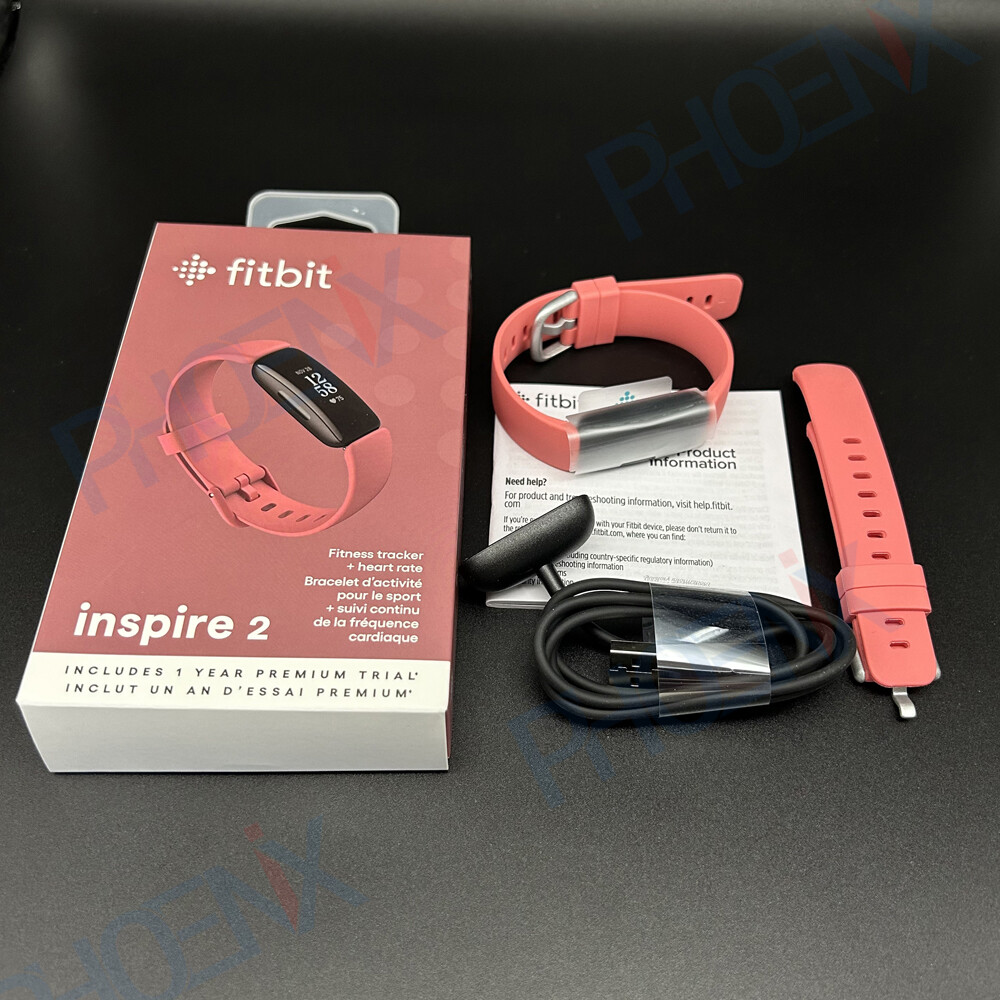

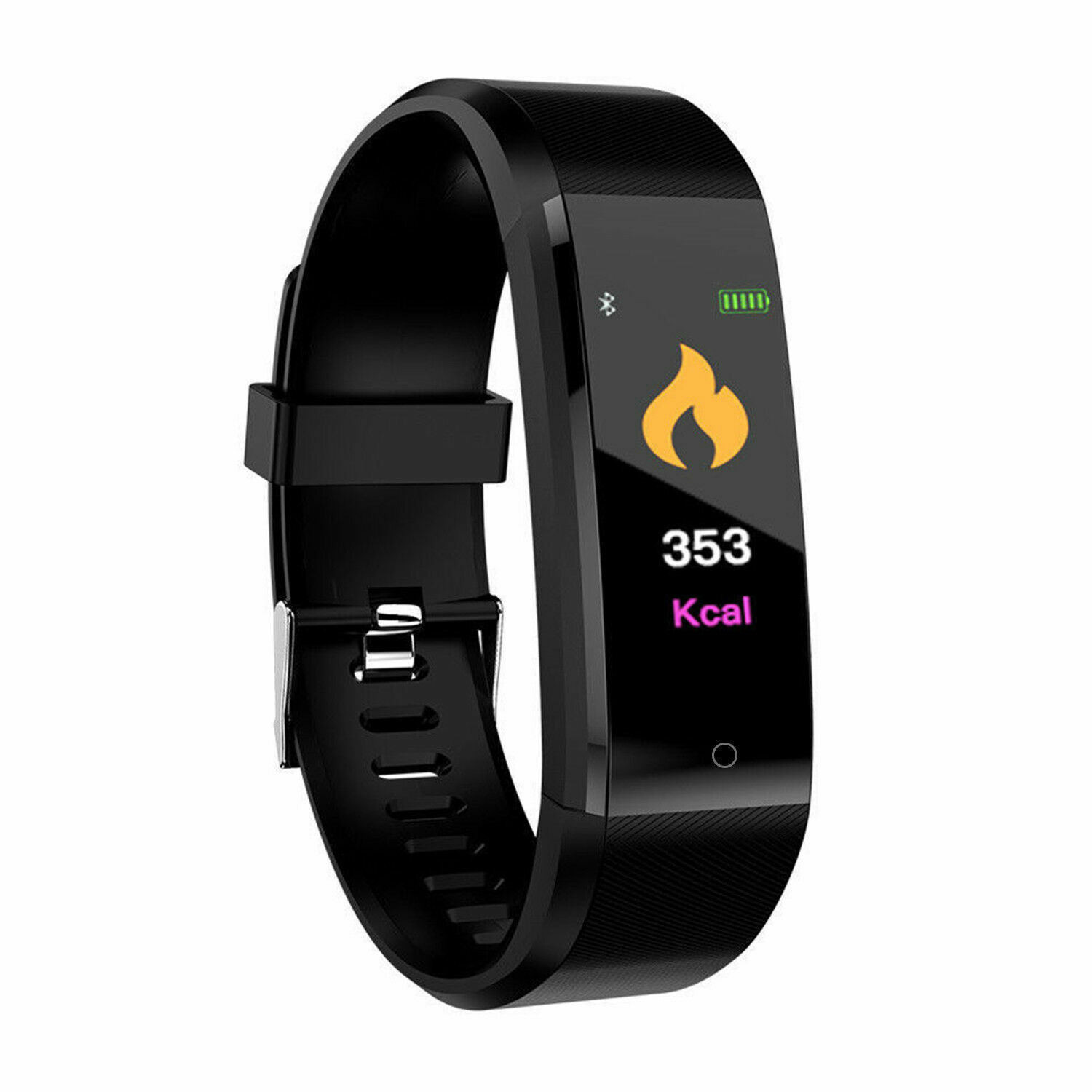
Photos from current listings. Actual item, color, and included accessories may vary.
Activity Tracker Buying Guide
An activity tracker is a wrist-worn wearable focused on continuous step, heart-rate, sleep, and workout logging, where the core trade-off is optical sensor accuracy and battery life versus smartwatch-grade displays and app ecosystems. Durable options use multi-LED optical heart-rate arrays with validated algorithms and 5+ day battery life, while compromises rely on single-LED sensors, capacitive touch that fails with sweat, and 2-day batteries.


At a glance
- Category
- Smartwatches & Fitness Wearables
- Data updated
- Nov 16, 2026
Current offers
Highlights
- Optical heart-rate accuracy depends on sensor array: multi-LED (green + red/infrared) with photodiodes tracks HR and SpO2 through motion, while single green LED drifts during intervals and cold starts.
- Battery tiers split by display and GPS: OLED always-on smart bands run 2-5 days; transflective or monochrome trackers with no GPS reach 7-14 days; GPS logging cuts runtime by 50-70%.
- Water-resistance ratings are specific: 3 ATM/30 m handles rain and sweat, 5 ATM/50 m allows swimming, and 10 ATM is needed for snorkeling or high-impact water sports.
- Connectivity generation matters: Bluetooth 5.0+ LE gives stable sync and longer range; older Bluetooth 4.0 units drop sync and drain phone battery, and ANT+ is required for gym-equipment pairing.
Best use cases
- Best fit: all-day step, sleep, and resting-HR tracking with phone notifications — pick a 5 ATM, 5+ day band with Bluetooth 5.0 and no GPS; skip color AMOLED models that need daily charging.
- Best fit: running and interval training — choose a model with multi-band GPS and a red/infrared optical sensor for accurate HR under motion; skip basic bands with phone-tethered GPS that lose signal on trails.
- Best fit: swimming and shower wear — require 5 ATM or 10 ATM with a strap that resists chlorine; skip 3 ATM trackers and leather or fabric straps that degrade in water.
- Wrong fit: serious strength training or powerlifting — wrist optical HR lags during gripping and flexing; a chest strap (ANT+/BLE) paired to the tracker is the accurate configuration.
Buying tips
- Size the band to wrist circumference, not case size: small bands fit 130-180 mm wrists and large fit 150-210 mm; a case over 44 mm overhangs narrow wrists and degrades optical contact.
- Battery math: a 5-day rating with 1 hour of GPS daily drops to roughly 2-3 days; if you run daily, prioritize 7-14 day base ratings or a model with fast-charge (5 min = 1 day).
- Demand Bluetooth 5.0 or later and confirm the app supports both iOS and Android with export to Apple Health or Google Fit; older 4.0 units sync slowly and lose connection.
- Match sensor to goal: SpO2 and skin-temperature sensors are useful for sleep and recovery trends, but step and HR accuracy come from accelerometer quality and firmware, not sensor count.
Specs
| HR Sensor | Multi-LED optical vs single green LED |
|---|---|
| Battery Life | 5-14 days; GPS cuts 50-70% |
| Water Resistance | 3 ATM / 5 ATM / 10 ATM |
| GPS | Built-in vs phone-tethered |
Related searches
What to check before buying
- Measure wrist circumference and confirm the strap fits your range; check that the case back is flat for stable optical contact during flexion.
- Confirm water-resistance rating against your activity: 3 ATM for sweat/rain, 5 ATM for swimming, 10 ATM for snorkeling; avoid leather straps for water use.
- Verify phone compatibility: iOS/Android app availability, Bluetooth 5.0+ on the tracker, and whether GPS is built-in or phone-tethered.
- Check charging standard (magnetic pogo vs USB-C) and rated battery life at your GPS usage level; confirm the charger is included.
FAQ
Data sources: eBay / Amazon listings and product attribute feeds Data updated Nov 16, 2026.
Some links on this page are affiliate links. If you buy after clicking one, we may earn a commission at no extra cost to you. This does not change which products appear here or their order. Affiliate disclosure.