Photos from current listings. Actual item, color, and included accessories may vary.
Fitness Watch Buying Guide
A fitness watch is a wrist-worn wearable combining heart-rate optical sensing, activity tracking, and phone notifications, with the core trade-off between battery life and sensor depth versus display quality and smart features. Durable options use proven optical modules, 5ATM+ water resistance, and multi-day batteries, while compromises rely on generic sensors and vague water-resistance claims. The decision rule: pick a brand with published heart-rate accuracy data and a clear water-resistance rating; skip any listing that hides sensor specs or battery life.

At a glance
- Category
- Smartwatches & Fitness Wearables
- Data updated
- Nov 16, 2026
Current offers
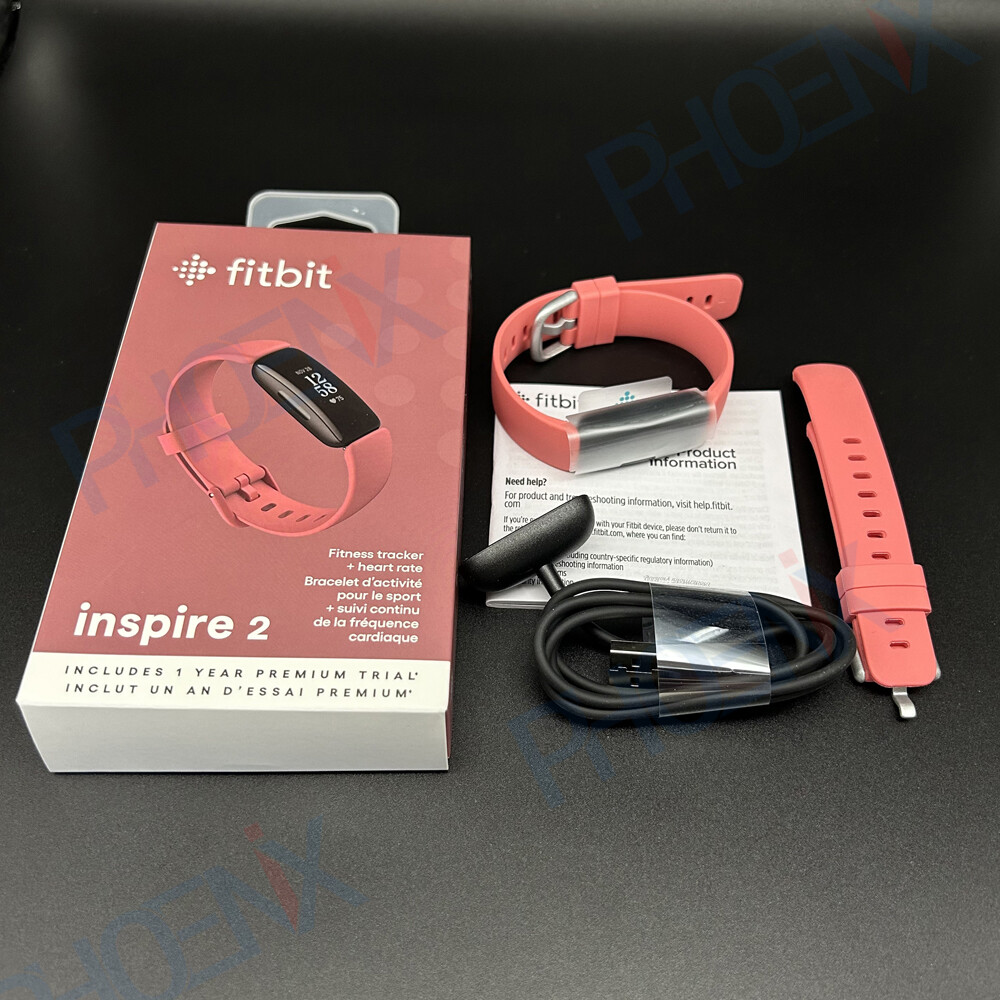 NEW Fitbit Inspire 2 Health & Fitness Activity Tracker FB418 Heart Rate Monitor$44.99
 View on eBay
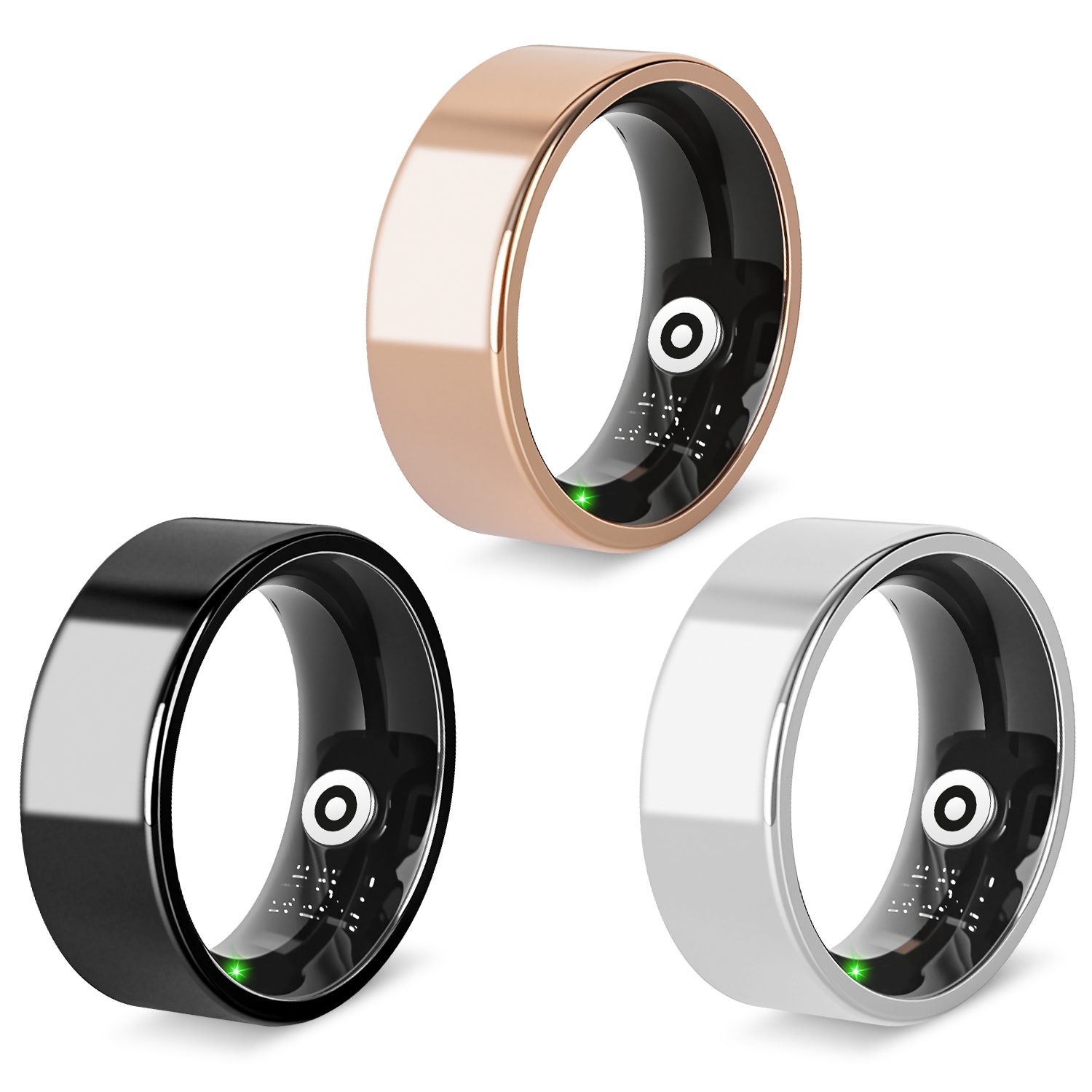 Smart Ring Health Tracker Fitness Sleep Stress HRV With Charging Case Magnetic Cable For Women & Men Compatible IOS & Android 7-Day Battery Life Size7 Size8 Size9 Size10$38.99
 View on Mallflare
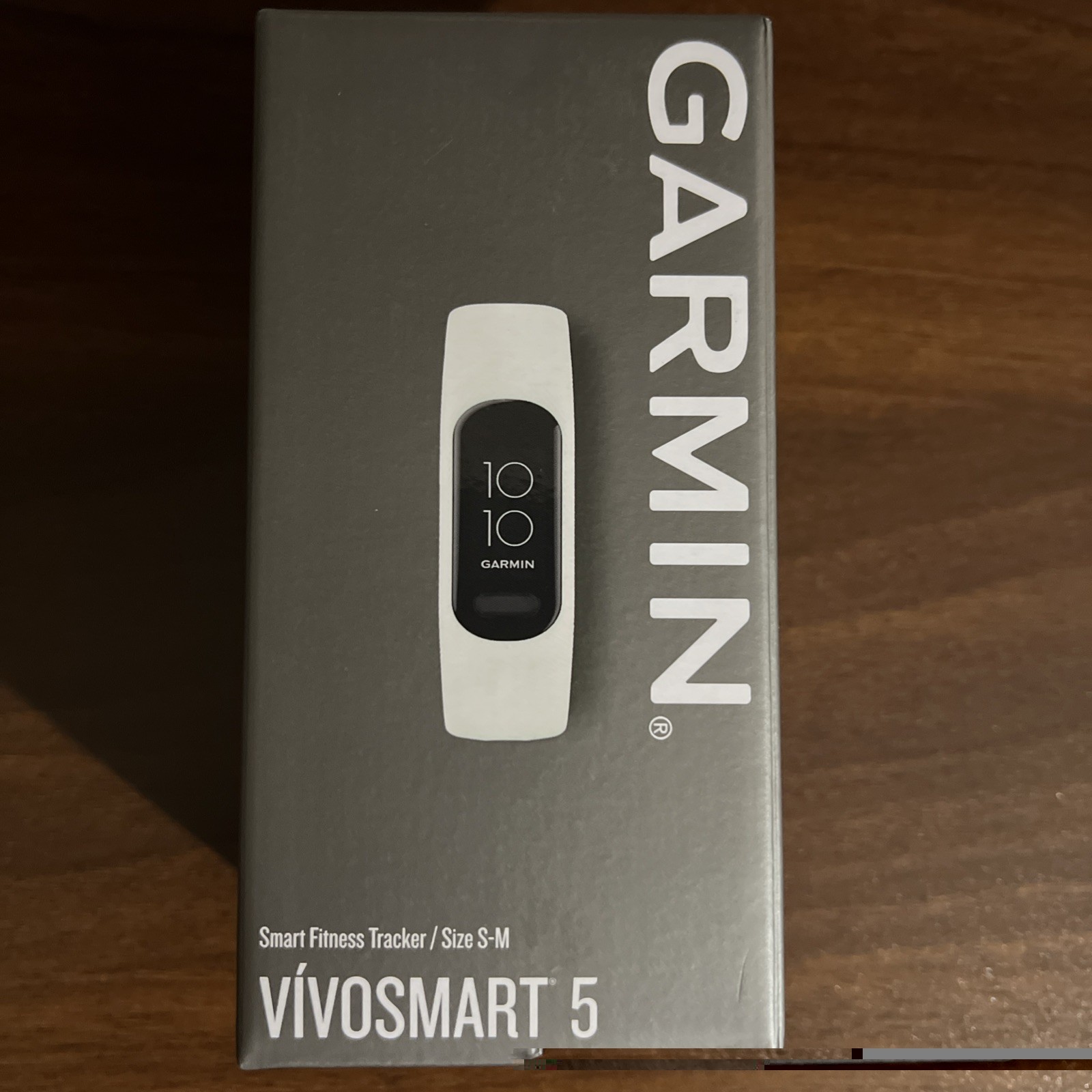 Garmin Vivosmart 5 Fitness Tracker BRAND NEW FACTORY SEALED - white - Size S/M$95.00View on eBay
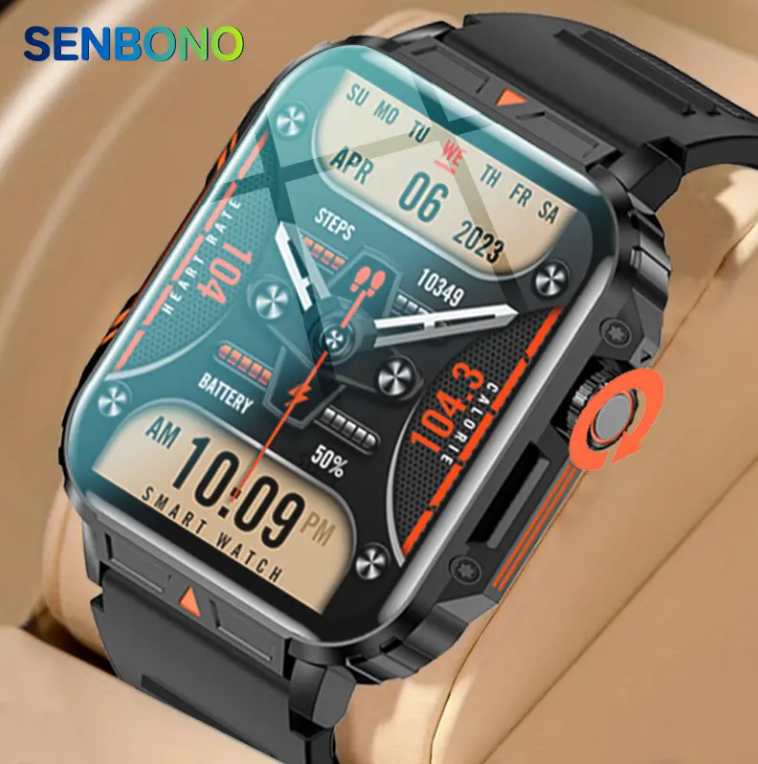 L81 Outdoor Sports Square Smartwatch Answer Call Big Battery Fitness Tracker Waterproof Men For IOS Android$41.99View on Mallflare
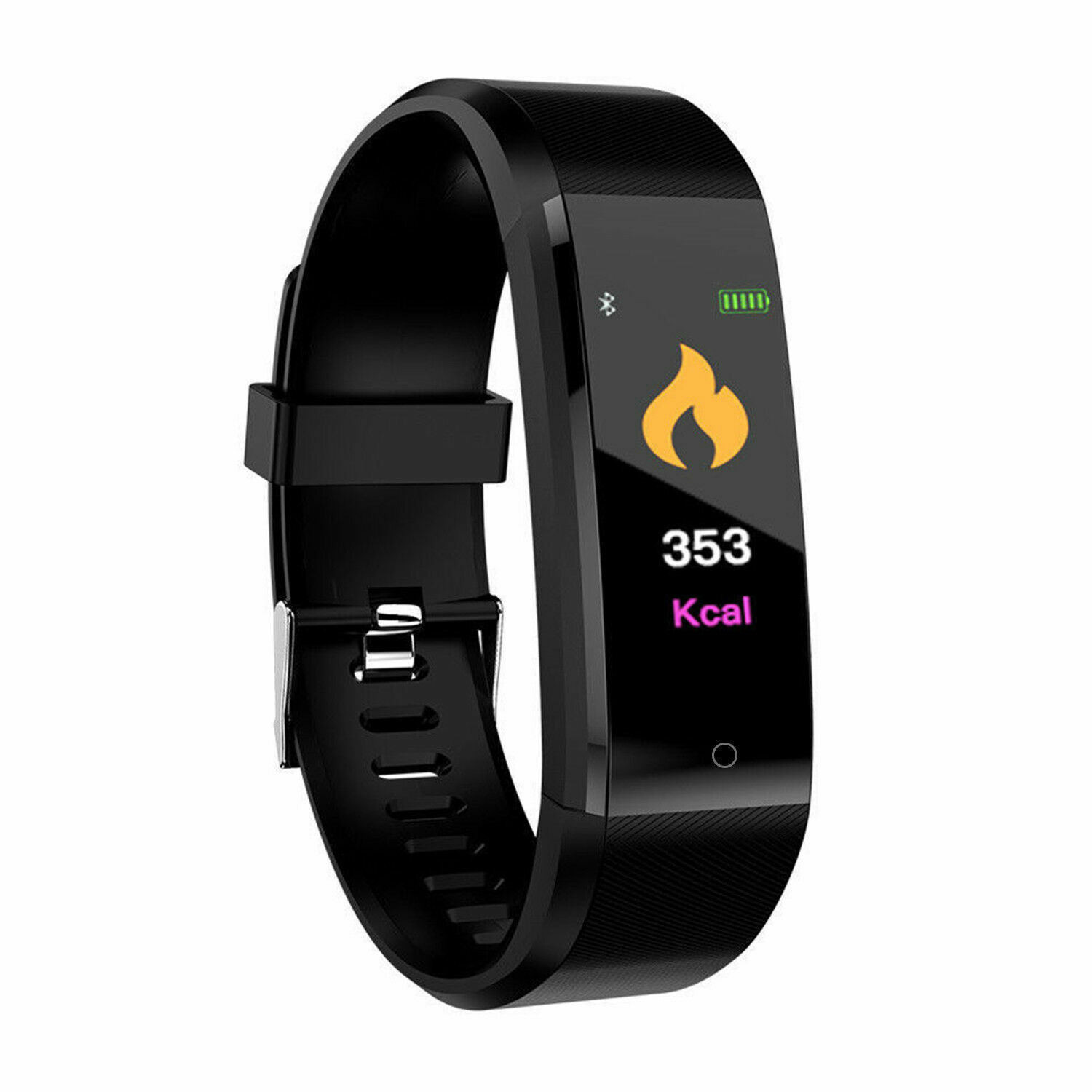 USA Sports Fitness Tracker Watch Heart Rate Blood Pleasure Activity Monitor Lot$314.49View on eBay
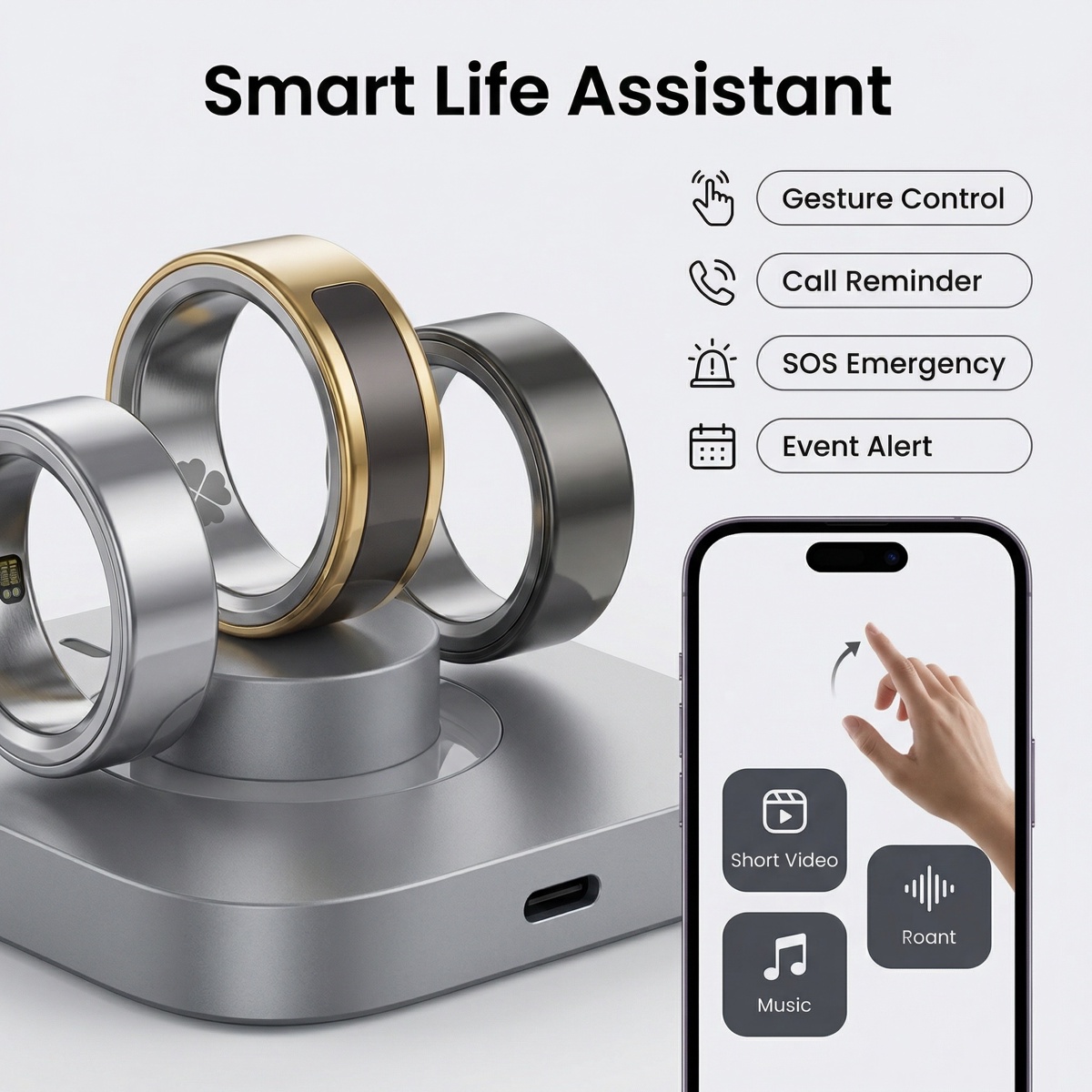 Smart Ring Health Tracker Fitness Heart Rate Blood Oxygen Sleep Monitor For Men Women$412.99View on Mallflare
Highlights
- Optical heart-rate accuracy depends on sensor generation: multi-LED PPG arrays with green/red light and accelerometer fusion beat single-LED units, especially during running and HIIT.
- Water resistance is rated in ATM or IP: 5ATM (50m) supports swimming, IP68 only splashes; avoid vague 'waterproof' claims with no ATM rating.
- Battery life splits into two tiers: true multi-day (7-14 days) with always-on display off, or 1-2 day smartwatch modes with GPS and continuous heart-rate.
- Metal (stainless/aluminum) cases resist scratches and corrosion but add weight; plastic (polycarbonate) cases are lighter and cheaper but show wear sooner.
Best use cases
- Best for runners and gym-goers: a GPS-enabled watch with multi-LED heart-rate and 5ATM rating; skip chest-strap-only trackers unless you need lab-grade HR.
- Best for women: smaller case sizes (38-42mm) and narrow bands (18-20mm) with metal or soft-touch plastic; skip oversized 46mm+ cases that fit loosely and skew HR readings.
- Best for Android users: models with explicit Android compatibility and Bluetooth 5.0+; skip iOS-first watches that limit notification replies on Android.
- Wrong fit: seniors needing fall detection and simple charging should avoid feature-dense smartwatches; pick a large-display tracker with week-long battery and one-button charging.
Buying tips
- Match case size to wrist circumference: 38-42mm cases suit 130-180mm wrists; 44-46mm cases need 160mm+ wrists or the optical sensor lifts and reads poorly.
- Check band width and material: 20mm or 22mm quick-release bands in silicone for sweat, nylon for breathability, metal for durability; proprietary bands limit replacement options.
- For swimming, require 5ATM or higher and a pool-swim mode; IP68 alone is not rated for submersion.
- Choose Bluetooth 5.0+ and confirm ANT+ support if you pair chest straps, bike sensors, or gym equipment; older Bluetooth 4.0 drops connections.
Specs
| Heart Rate Sensor | Optical PPG (multi-LED) vs chest ECG |
|---|---|
| Water Resistance | 5ATM swim-rated vs IP68 splash-only |
| Battery Life | 7-14 days tracker vs 1-2 days smartwatch |
| Case Material | Metal (steel/aluminum) vs plastic |
Related searches
What to check before buying
- Measure wrist circumference and flat width so the case sits flush; a loose fit breaks optical heart-rate readings.
- Confirm phone OS and version: most trackers need iOS 12+/Android 8+; older phones may lose notification and sync features.
- Check charging standard: magnetic pogo pins are common; confirm cable type and typical charge time (60-90 minutes).
- Verify water-resistance rating (5ATM+) and whether the band material is chlorine/saltwater resistant if you swim.
FAQ
Data sources: eBay / Amazon listings and product attribute feeds Data updated Nov 16, 2026.
Some links on this page are affiliate links. If you buy after clicking one, we may earn a commission at no extra cost to you. This does not change which products appear here or their order. Affiliate disclosure.