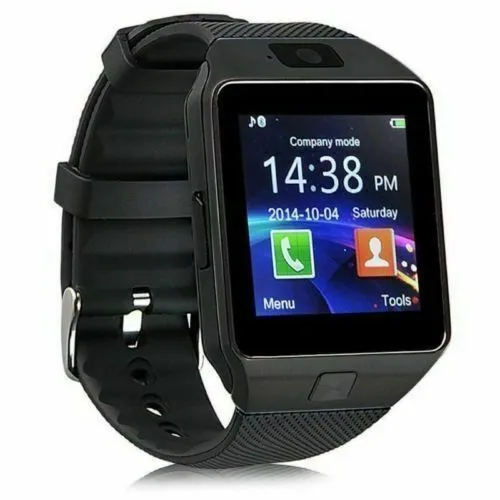

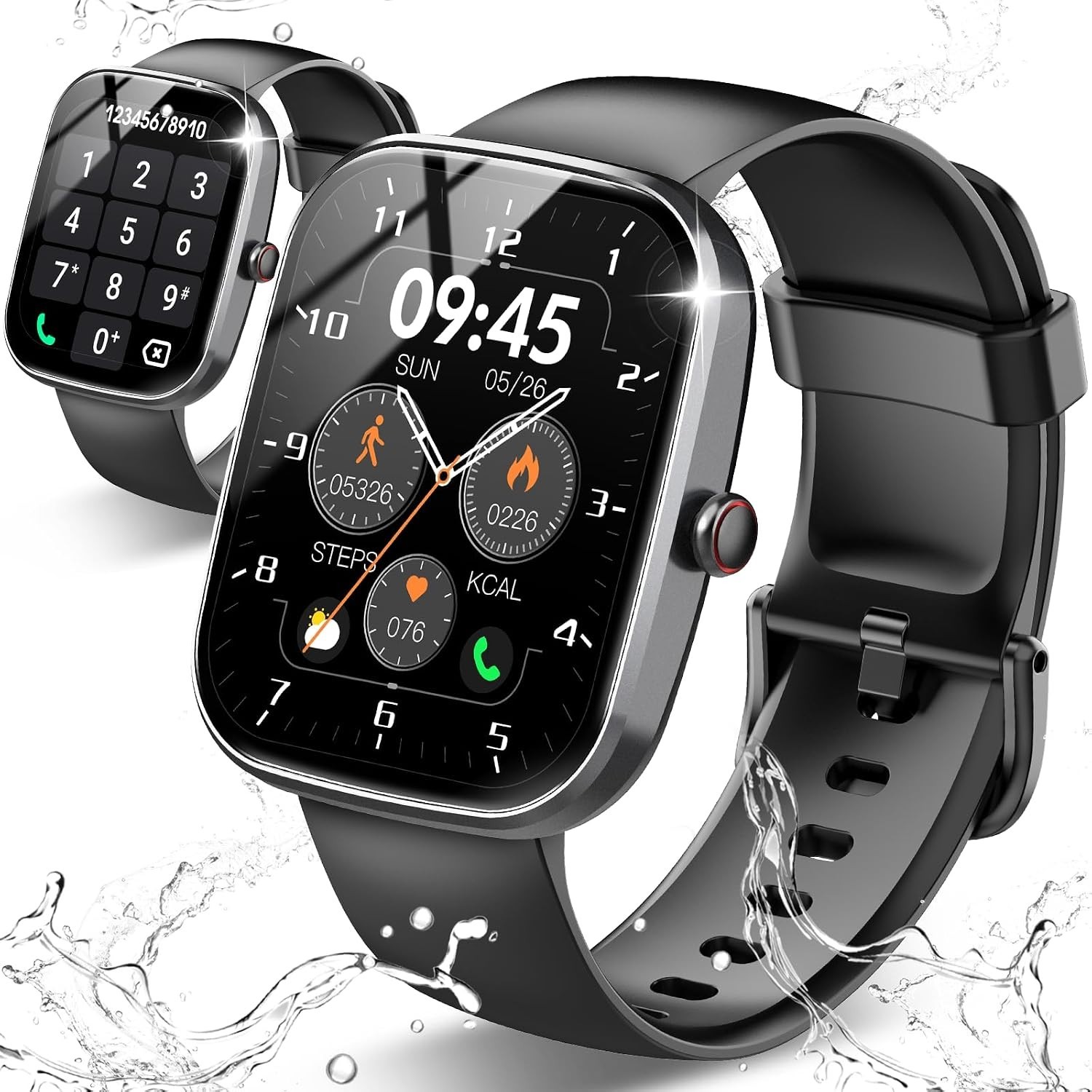
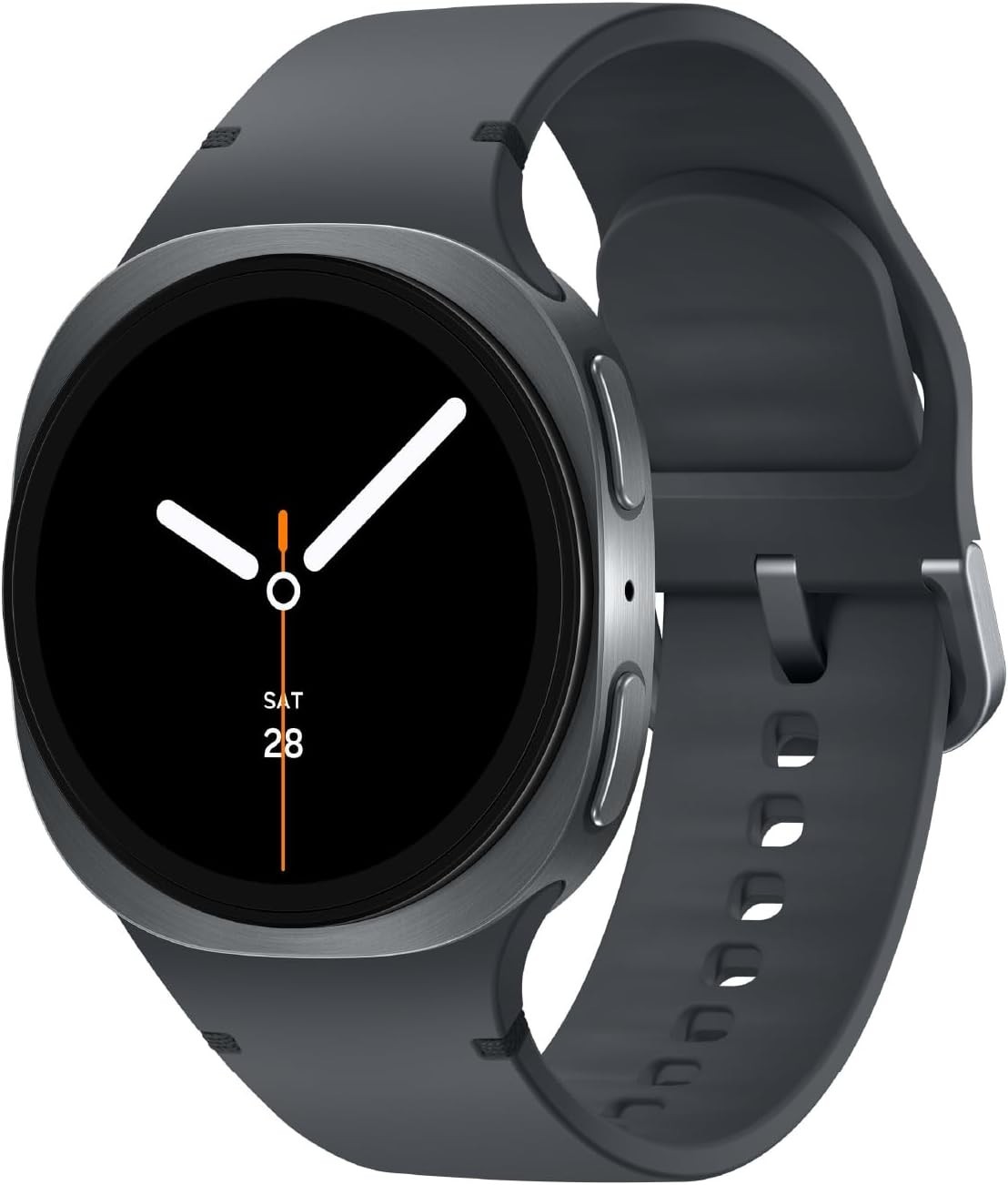
Photos from current listings. Actual item, color, and included accessories may vary.
Samsung Smartwatch Buying Guide
Samsung smartwatches are Wear OS-based wearables that split into two distinct architectures: the flagship Galaxy Watch line (rotating bezel or touch bezel, full app ecosystem, advanced health sensors) and the Galaxy Watch FE / older generations that cut sensor count and build materials to hit a lower tier. The primary trade-off is sensor accuracy and display durability versus battery life and price tier — the Classic/Pro models carry sapphire crystal and stainless steel or titanium, while aluminum FE and base models use Gorilla Glass and smaller batteries. The decision rule: buy a current-generation Galaxy Watch with Wear OS 5+ and BioActive sensor if you need ECG/body composition accuracy; step down to FE or prior-gen only if you accept fewer sensors and slower updates.


At a glance
- Category
- Smartwatches & Fitness Wearables
- Data updated
- Nov 16, 2026
Current offers
Highlights
- Galaxy Watch 7/8 and Ultra run Wear OS 5 with Exynos W1000 (3nm) — roughly 2.7x faster CPU and 3x more power-efficient than the W930 in Watch 6.
- Sensor tiers: BioActive (ECG + BIA body composition + optical HR) appears on flagship models; FE and Watch 4/5 keep ECG but drop the newer BIA and temperature sensors.
- Build grades: sapphire crystal + stainless steel or titanium on Classic/Pro/Ultra; aluminum + Gorilla Glass on base and FE models — impacts scratch resistance, not water rating.
- Battery tiers: 40mm models ~300mAh (1–1.5 days), 44–47mm ~425–590mAh (2–3 days); LTE adds ~10–20% drain versus Bluetooth-only.
Best use cases
- Running and gym training with accurate HR/ECG/BIA: pick Galaxy Watch 7/8 or Ultra with BioActive sensor — skip FE and Watch 4/5 if body composition and temperature tracking matter.
- Women with smaller wrists (under 16cm): choose the 40mm or 41mm case — 44/47mm models overhang and misread optical HR due to poor skin contact.
- Budget fitness basics (steps, sleep, notifications): Galaxy Watch FE or Watch 6 delivers the core experience — skip Ultra unless you need titanium, dual-band GPS, and multi-day battery.
- iPhone users: skip Samsung Galaxy Watch entirely — it requires Android 11+ with Google services; use an Apple Watch or a cross-platform Garmin instead.
Buying tips
- Match case size to wrist circumference: 40–41mm for wrists under 16cm, 44–47mm for 17cm+; a loose fit breaks optical HR accuracy.
- Choose the LTE SKU (e.g., L325U suffix) only if you will pay for a carrier eSIM plan; Bluetooth-only models save battery and cost less.
- Confirm the model supports your phone: Galaxy Watch 4 and newer need Android 11+ with Google Play services — no iOS pairing.
- For durability, step up to sapphire crystal (Classic/Pro/Ultra) over Gorilla Glass; the glass tier is the main long-term wear differentiator.
Specs
| OS Platform | Wear OS 5 + One UI Watch |
|---|---|
| Processor Tier | Exynos W1000 (3nm) vs W930 |
| Case Materials | Sapphire+Ti/Steel vs Glass+Aluminum |
| Battery by Size | 300mAh (40mm) / 425–590mAh (44mm+) |
Related searches
What to check before buying
- Measure wrist circumference and flat wrist width: case diameter should not exceed wrist width or optical HR readings degrade.
- Check phone OS: Android 11+ with Google services required for Galaxy Watch 4/5/6/7/8 and FE — iPhones are incompatible.
- Verify charging standard: Samsung uses wireless Qi-based puck chargers; confirm you have the correct puck and USB-C adapter.
- Confirm water exposure needs: 5ATM + IP68 covers swimming; do not press buttons underwater on any model.
FAQ
Data sources: eBay / Amazon listings and product attribute feeds Data updated Nov 16, 2026.
Some links on this page are affiliate links. If you buy after clicking one, we may earn a commission at no extra cost to you. This does not change which products appear here or their order. Affiliate disclosure.