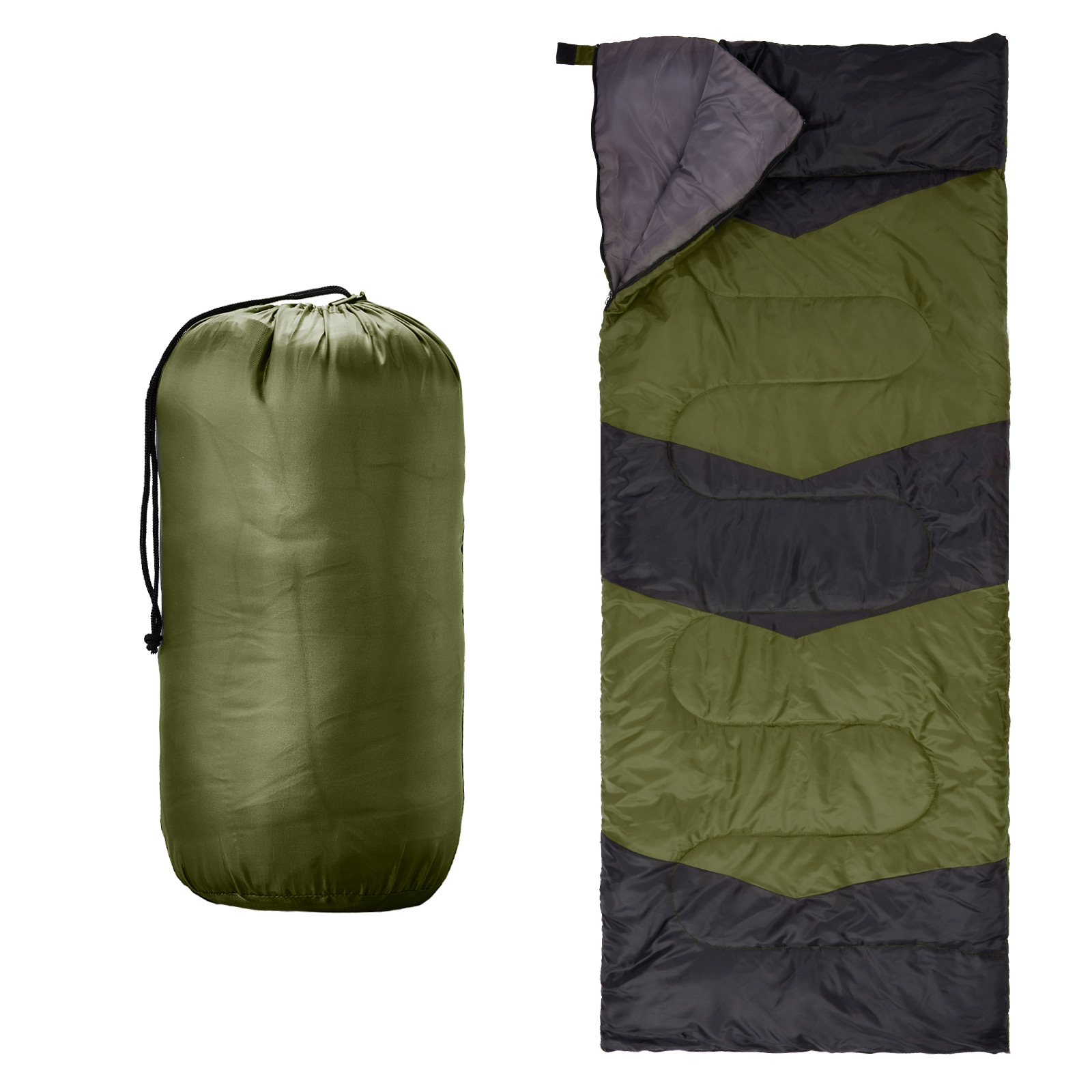

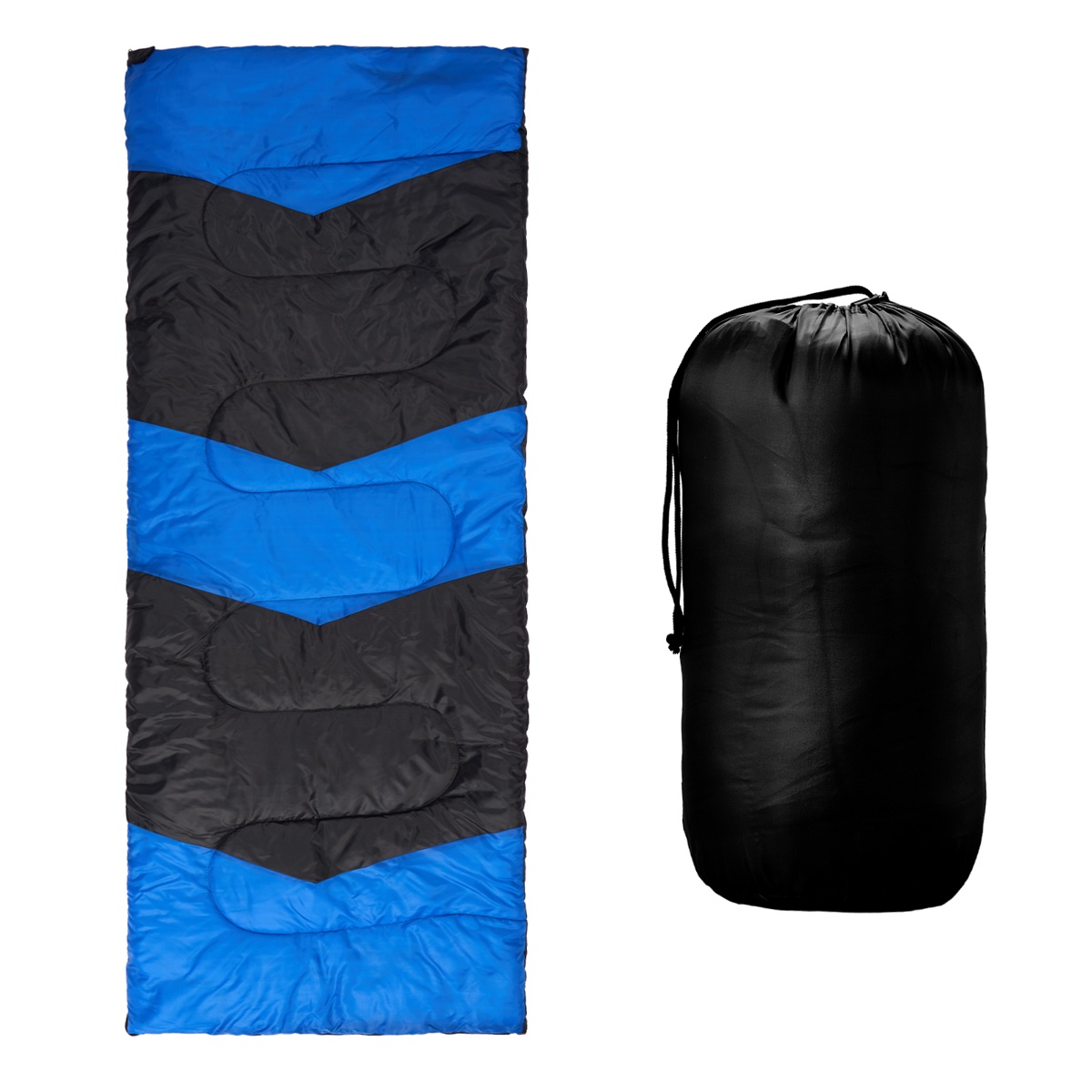
Photos from current listings. Actual item, color, and included accessories may vary.
Backpacking Sleeping Bag Buying Guide
Backpacking sleeping bags are lightweight, compressible insulation systems engineered to keep you warm while minimizing pack weight and volume. The primary trade-off is insulation type and temperature rating: down offers the best warmth-to-weight ratio but fails when wet, while synthetic retains loft and is more forgiving in damp climates. Choose a bag rated at least 10°F below the lowest temperature you expect to encounter, and treat the EN/ISO comfort rating—not the “limit” rating—as your real-world benchmark for durable, safe performance.


At a glance
- Category
- Sleeping Bags, Pads & Cots
- Data updated
- Nov 16, 2026
Current offers
Highlights
- Down bags (fill power 650–900+) pack smaller and lighter per degree of warmth; synthetic bags (Clo value 0.6–1.0) resist moisture and cost less but weigh 20–40% more at the same temperature rating.
- EN/ISO 13537 ratings give three numbers: comfort (warmest for women), limit (warmest for men), and extreme (survival only)—buy to the comfort rating for reliable sleep.
- Shell fabric denier matters: 10D–20D ultralight nylon saves weight but needs careful handling; 30D+ ripstop nylon adds durability for rough ground and frequent stuffing.
- Mummy-cut bags with a hood and draft collar trap heat efficiently; rectangular envelope bags like the sample Mallflare offer room but lose warmth at the head and shoulders.
Best use cases
- Best fit: three-season backpacking in cool, dry conditions (30–45°F nights)—pick a 20°F down mummy bag at 800+ fill power for the best weight-to-warmth ratio.
- Wrong fit: humid, wet climates or paddle-in camps—skip down and choose a synthetic-fill bag rated to 30°F, which keeps loft even when damp.
- Best fit: ultralight summer trips (50°F+ nights)—a 40°F down quilt or half-bag saves weight; skip heavy synthetic bags that add bulk without need.
- Wrong fit: car camping or basecamp comfort—skip ultralight 10D shells and low-fill mummy cuts; choose a wider, roomier synthetic bag with a durable 30D+ shell.
Buying tips
- Match temperature rating to your coldest expected night minus 10°F: a 20°F comfort-rated bag handles 30°F nights comfortably; a 30°F bag is marginal below 40°F.
- For down bags, 800+ fill power gives the best warmth-to-weight; 650 fill is heavier but more budget-friendly and still packs reasonably small.
- Check shoulder and hip girth: mummy bags run 58–64 inches at the shoulder; if you sleep on your side or are broad-shouldered, size up to a wide or semi-rectangular cut.
- Look for a full-length draft tube behind the zipper, a hood cinch, and a snag-free zipper—these details separate a warm bag from a cold one more than fill power alone.
Specs
| Insulation Type | Down (650–900 fill) vs synthetic |
|---|---|
| Temp Rating | EN/ISO comfort 20–40°F |
| Packed Volume | 6–14 L (down vs synthetic) |
| Shell Denier | 10D–30D ripstop nylon |
Related searches
What to check before buying
- Measure your pad: the bag’s hip circumference must exceed your pad width plus 4 inches so insulation doesn’t compress under you and lose loft.
- Confirm packed size and weight against your pack volume—a 20°F down bag should compress to 6–8 liters; synthetic equivalents run 10–14 liters.
- Check shell and lining denier: 10D–20D for ultralight dry trips, 30D+ for wet or rough use; verify a DWR finish on the shell.
- Verify the temperature standard: bags labeled EN/ISO 13537 list comfort and limit ratings; unrated bags require a conservative 10°F safety margin.
FAQ
Data sources: eBay / Amazon listings and product attribute feeds Data updated Nov 16, 2026.
Some links on this page are affiliate links. If you buy after clicking one, we may earn a commission at no extra cost to you. This does not change which products appear here or their order. Affiliate disclosure.