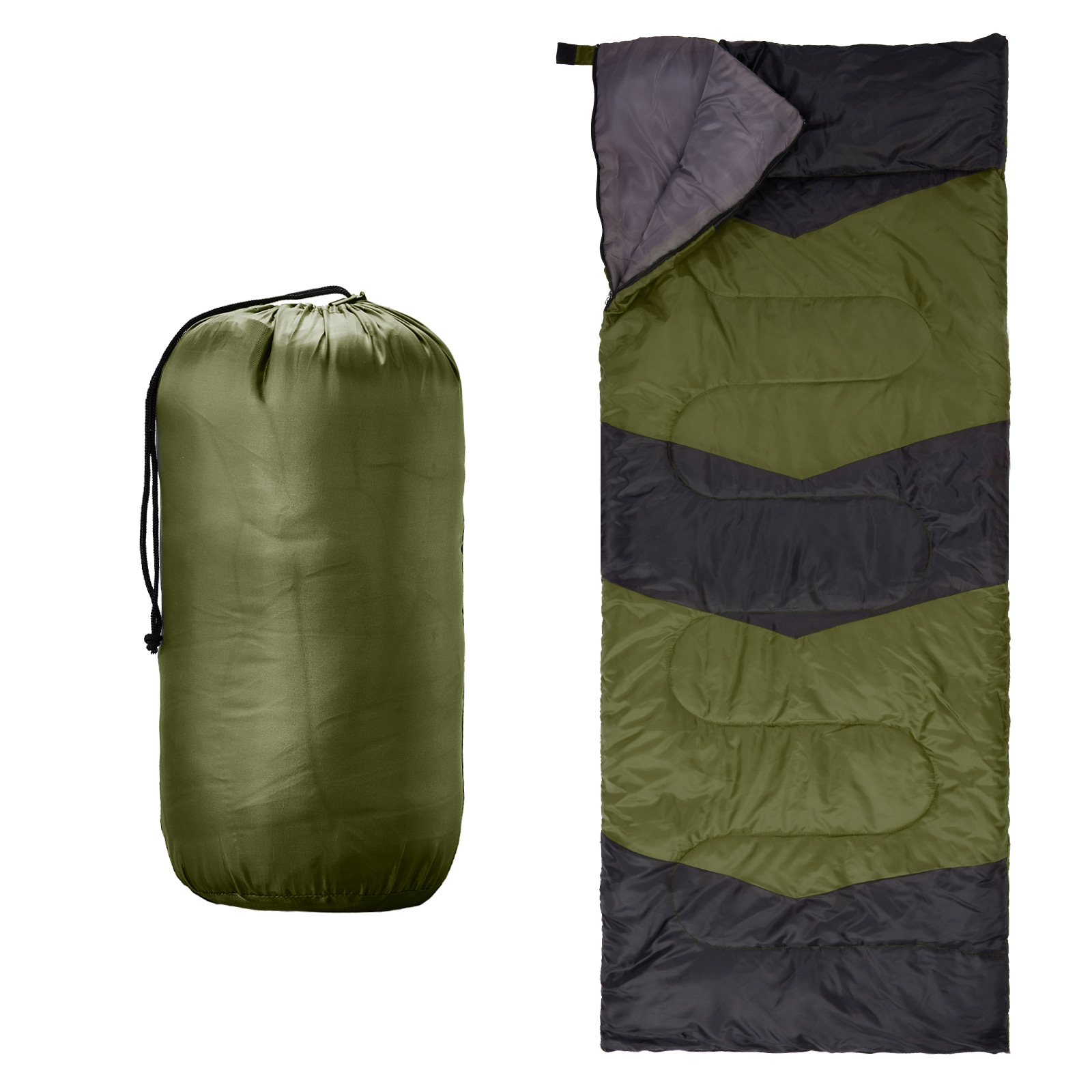

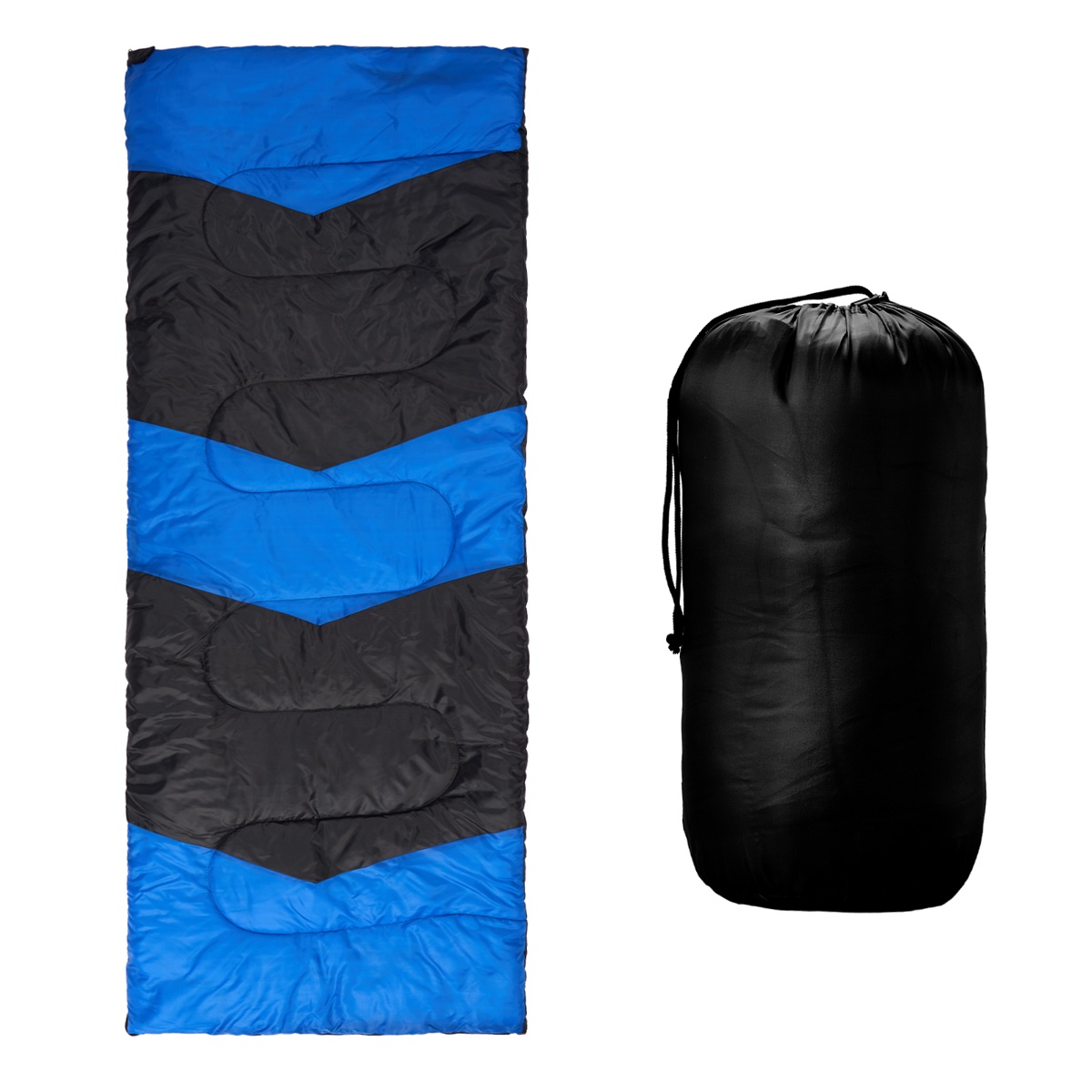
Photos from current listings. Actual item, color, and included accessories may vary.
Compact Sleeping Bag Buying Guide
Compact sleeping bags prioritize packed volume and weight, typically trading warmth longevity and durability for portability. The core trade-off is between down insulation (higher warmth-to-weight, packability, but moisture-sensitive and costly) and synthetic insulation (moisture-resistant, durable, but bulkier and heavier per warmth rating). Choose down for dry, weight-critical trips; choose synthetic for damp climates, budget, and long-term resilience.


At a glance
- Category
- Sleeping Bags, Pads & Cots
- Data updated
- Nov 16, 2026
Current offers
Highlights
- Down fill power (550–800+) determines warmth-to-weight and compressibility; higher fill power packs smaller for the same temperature rating.
- Synthetic insulations (e.g., Climashield Apex, Primaloft) retain loft when damp and resist compression fatigue better than untreated down.
- Envelope-style rectangular bags are roomier but heavier and less thermally efficient than mummy or tapered shapes.
- Temperature ratings follow EN/ISO 13537 (Europe) or ISO 23537; comfort and lower-limit ratings differ—look for the comfort rating for real-world use.
Best use cases
- Backpacking in dry, weight-critical conditions: select a down-filled mummy bag rated to 20°F comfort or lower with 700+ fill power.
- Damp, humid, or three-season camping: choose a synthetic-fill bag (e.g., Climashield) rated to 30–40°F comfort for moisture resilience.
- Car camping or family use: skip compact ultralight bags; opt for roomier rectangular synthetic bags with durable 40D+ shells and higher weight tolerance.
- Emergency or scout use: prioritize EN-rated synthetic bags with robust zippers and generous sizing over minimal packed volume.
Buying tips
- Match bag length to user height + 6 inches (e.g., 5'10" user → 6'4" bag) to avoid compressed insulation at head and foot.
- For down bags, verify fill power (700+ for compactness) and responsibly sourced down (RDS or TrackMyDown).
- Synthetic bags should be rated by EN/ISO comfort temperature; subtract 10°F from lower-limit ratings for a realistic comfort estimate.
- Check packed size specs: down bags compress to 3–5 liters, synthetic to 7–10+ liters for comparable warmth.
Specs
| Insulation Type | Down (550-800+ fill) vs Synthetic |
|---|---|
| Temperature Rating | EN/ISO comfort: 20°F to 50°F |
| Packed Volume | 3-10 L (down vs synthetic) |
| Shape | Mummy / Tapered / Rectangular |
Related searches
What to check before buying
- Measure your torso and hip width—bags under 30 inches shoulder width may feel restrictive for side sleepers.
- Confirm your sleeping pad's R-value and dimensions; compact bags often have thin shells and require insulation from below.
- Assess climate humidity: down loses loft when wet; synthetic retains warmth in sustained damp conditions.
- Check pack volume: ensure the bag's packed size fits your backpack's sleeping bag compartment (typically 5–10 liters).
FAQ
Data sources: eBay / Amazon listings and product attribute feeds Data updated Nov 16, 2026.
Some links on this page are affiliate links. If you buy after clicking one, we may earn a commission at no extra cost to you. This does not change which products appear here or their order. Affiliate disclosure.