Photos from current listings. Actual item, color, and included accessories may vary.
Sleeping Pad Buying Guide
Sleeping pads are the primary comfort and insulation layer between you and the ground, and the core trade-off is weight/packability versus durability and warmth. Air pads win on packed size but demand careful puncture care; closed-cell foam and self-inflating pads trade bulk for bombproof reliability and instant setup. The decision rule: match R-value to ground temperature and choose construction type by transport mode—rolled foam for car camping, air or self-inflating for backpacking.

At a glance
- Category
- Sleeping Bags, Pads & Cots
- Data updated
- Nov 16, 2026
Current offers
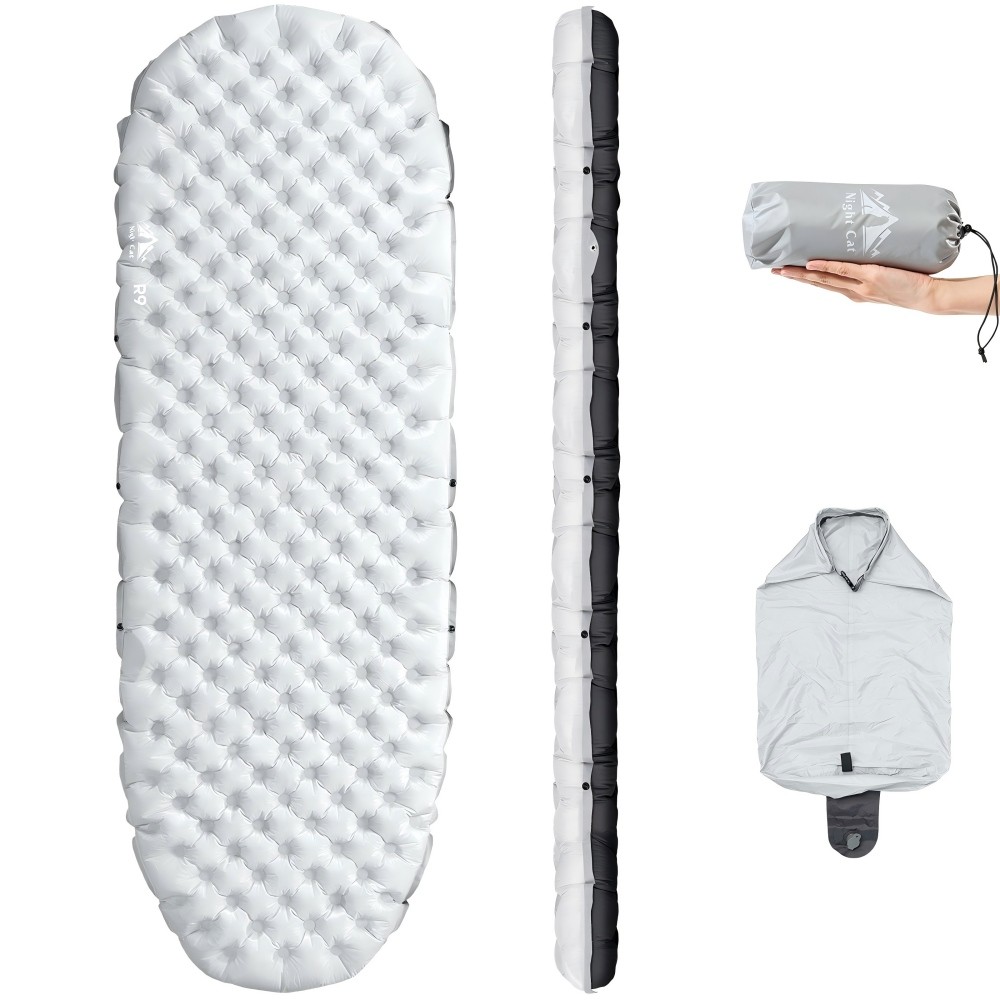 Night Cat Camping Sleeping Pad R-Value 9 Lightweight Inflatable Outdoor Gear$74.98
 View on eBay
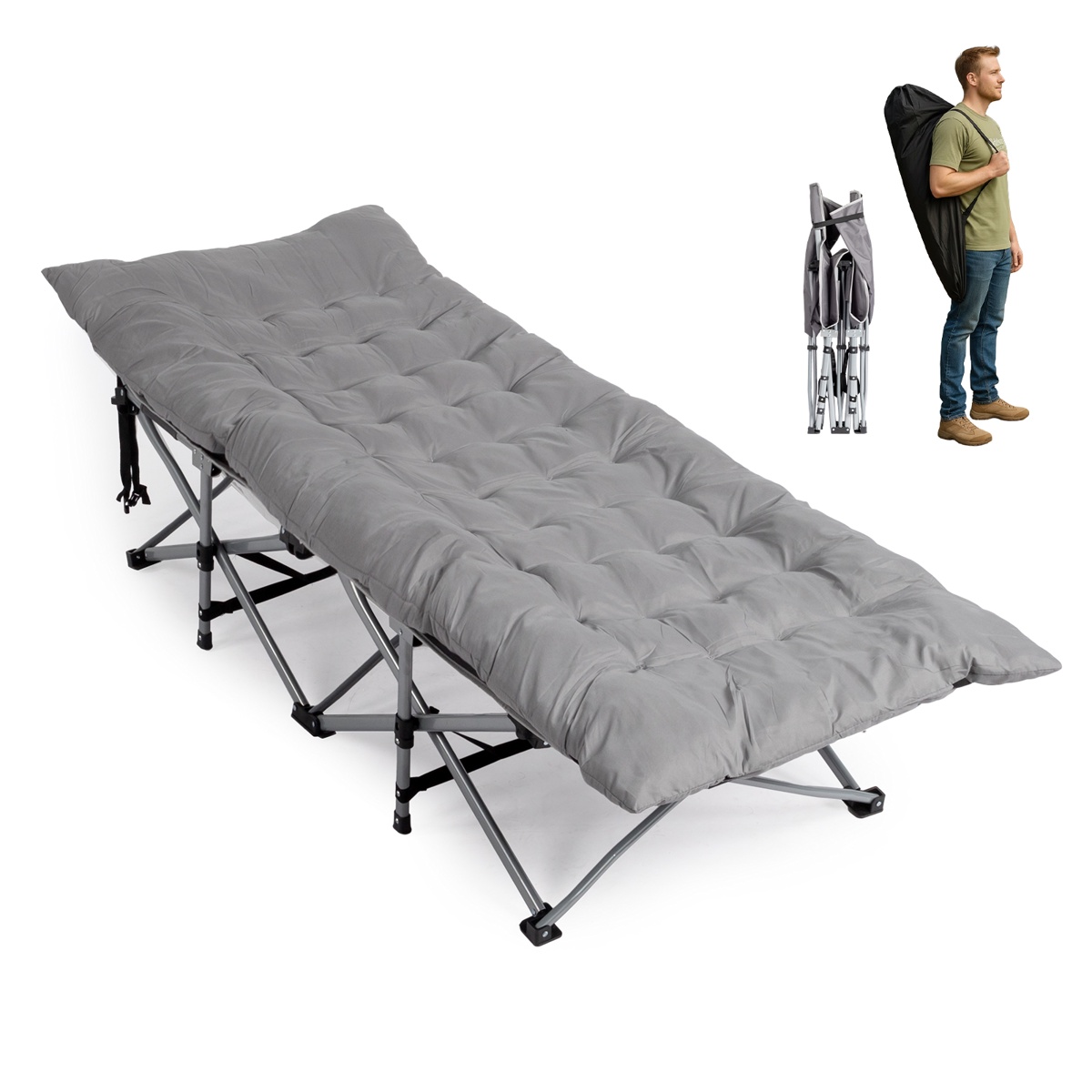 Folding Camping Cot Bed with Soft Pad, Portable Outdoor Cot, Adults Sleeping Bed for Home Office Nap Beach Travel, Gray$84.99
 View on Mallflare
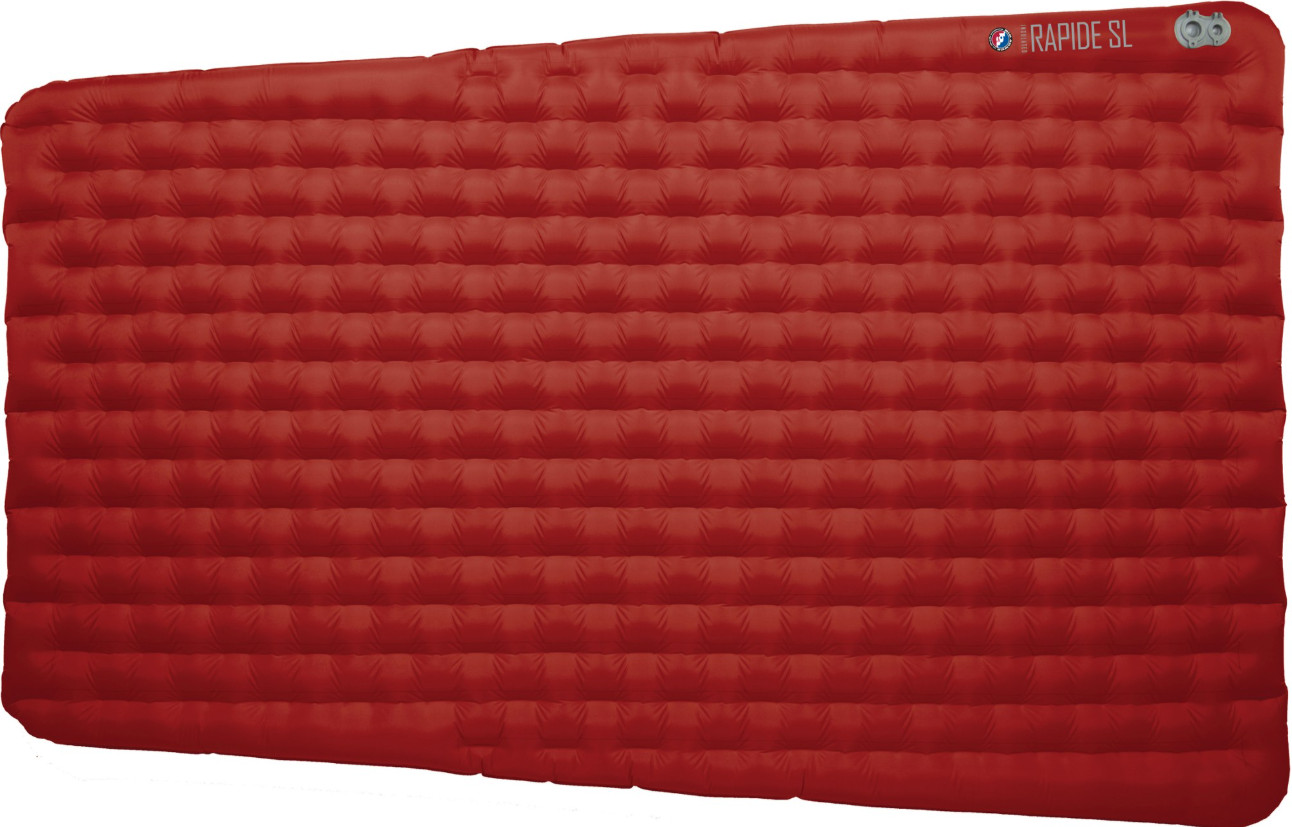 Big Agnes Rapide SL Insulated Tent Sleeping Pad for Backpacking Comfort$232.96View on eBay
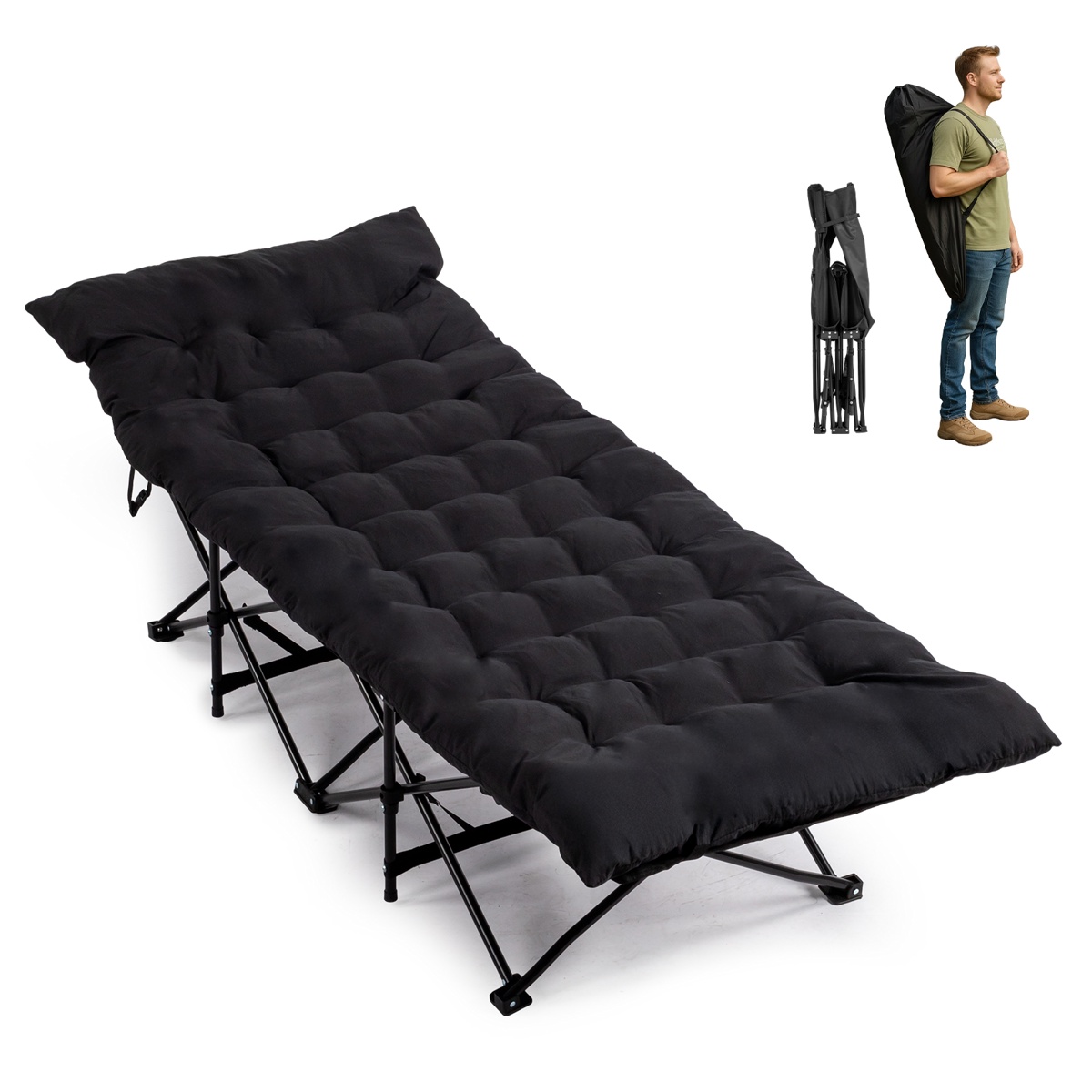 【Same Code:17997929】Folding Camping Cot Bed with Soft Pad, Portable Outdoor Cot, Adults Sleeping Bed for Home Office Nap Beach Travel, Black$84.99View on Mallflare
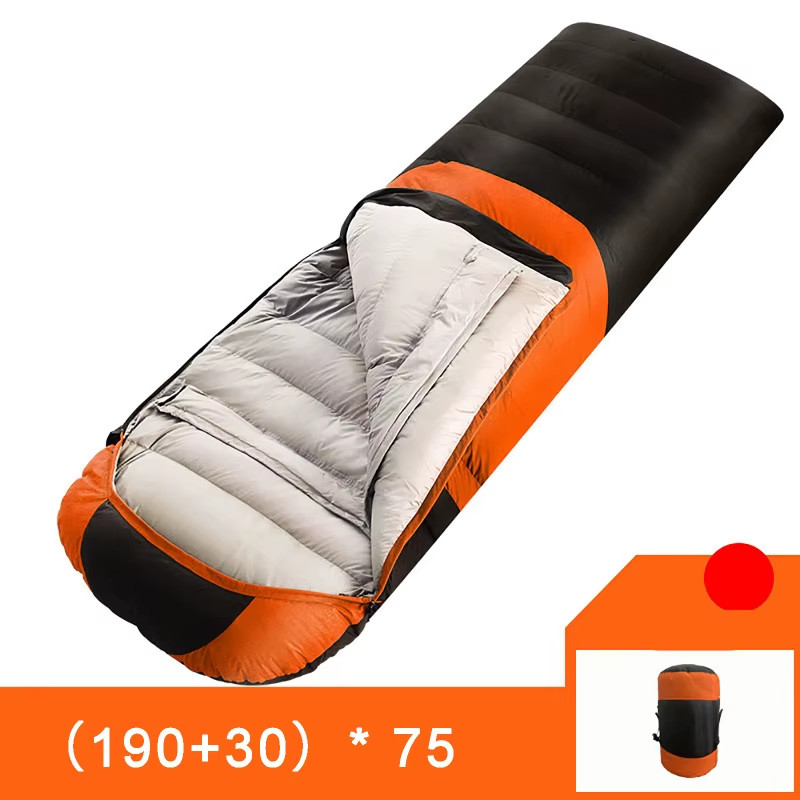 USB Heated Winter Camping Sleeping Bags down Cotton Pads 3 Gear Ultralight$98.18View on eBay
Highlights
- R-value is the standardized thermal resistance metric: R-1 to R-2 suits mild summer, R-3 to R-4 handles three-season frost, and R-5+ is required for snow and sub-freezing ground.
- Air pads use TPU or nylon chambers at 2 to 4 inches thick and pack to bottle size, but rely on 15 to 30 denier face fabrics that puncture on sharp ground.
- Self-inflating pads combine open-cell foam with an air valve, delivering R-3 to R-5 with no pump and moderate packed volume.
- Closed-cell foam pads (Evazote or IXPE) are puncture-proof, unlimited R-value stacking layers, and weigh more per warmth but never leak.
Best use cases
- Backpacking and thru-hiking: pick an insulated air pad at 15 to 25 oz with R-3 to R-4 and a 20D or higher face fabric; skip closed-cell foam unless as a supplemental layer.
- Car camping and basecamp: choose a self-inflating pad at 2.5 to 4 inches thick or a cot with pad; skip ultralight air pads that sacrifice durability for grams.
- Winter and snow camping: require R-5 or higher, either a dedicated winter air pad or stacked foam plus air; skip any R-2 summer pad regardless of thickness.
- Sharp or rocky ground and emergency kits: use closed-cell foam or a foam-topped air hybrid; skip pure 15D air pads that puncture on gravel and thorns.
Buying tips
- Size to your body plus margin: regular pads run 20 to 25 inches wide and 72 inches long; wide versions at 25 to 30 inches prevent arm drop-off for side sleepers.
- Match R-value to lowest expected ground temp, not air temp; frozen ground needs R-5+, and stacking two R-3 pads yields roughly R-6 combined.
- Check valve and pump type: large twin-valve or pump-integrated pads inflate in under 2 minutes; micro-valve pads need a pump sack or 15+ breaths.
- For cot use, pick a pad 2 inches or thicker with a flat, non-tapered rectangular shape; tapered mummy pads slide and leave cold gaps on cot rails.
Specs
| Pad Type | Air / Self-inflating / Closed-cell foam |
|---|---|
| R-Value Range | R-1 summer to R-5+ winter |
| Pad Dimensions | 20-30 in wide x 72-78 in long |
| Face Fabric | 15D-30D nylon / 75D polyester |
Related searches
What to check before buying
- Measure your tent floor and sleeping system footprint: a 25-inch wide pad plus a second pad needs a 50-inch wide tent floor minimum.
- Confirm ground conditions at your site: gravel, roots, and rock demand 30D+ fabric or a foam layer underneath.
- Check your sleep system compatibility: pad width must match your quilt or bag width to avoid cold drafts at the edges.
- Verify packed volume against your pack: air pads pack to 1 to 2 liters, self-inflating to 3 to 6 liters, foam cannot compress.
FAQ
Data sources: eBay / Amazon listings and product attribute feeds Data updated Nov 16, 2026.
Some links on this page are affiliate links. If you buy after clicking one, we may earn a commission at no extra cost to you. This does not change which products appear here or their order. Affiliate disclosure.