Photos from current listings. Actual item, color, and included accessories may vary.
Sleeping Bag Buying Guide
A sleeping bag is an insulated portable bed whose warmth-to-weight ratio and shell construction determine whether it performs in wet cold or only mild dry nights. The core trade-off is between down (lighter, more compressible, warmth-per-gram leader) and synthetic fill (retains loft when damp, cheaper, heavier per warmth rating). Buyers should prioritize an EN/ISO-tested comfort rating matched to expected night temperatures, a shell with at least a DWR finish, and a fill weight proportional to pack volume—anything advertising only an extreme rating or unspecified fill is a compromise.

At a glance
- Category
- Sleeping Bags, Pads & Cots
- Data updated
- Nov 16, 2026
Current offers
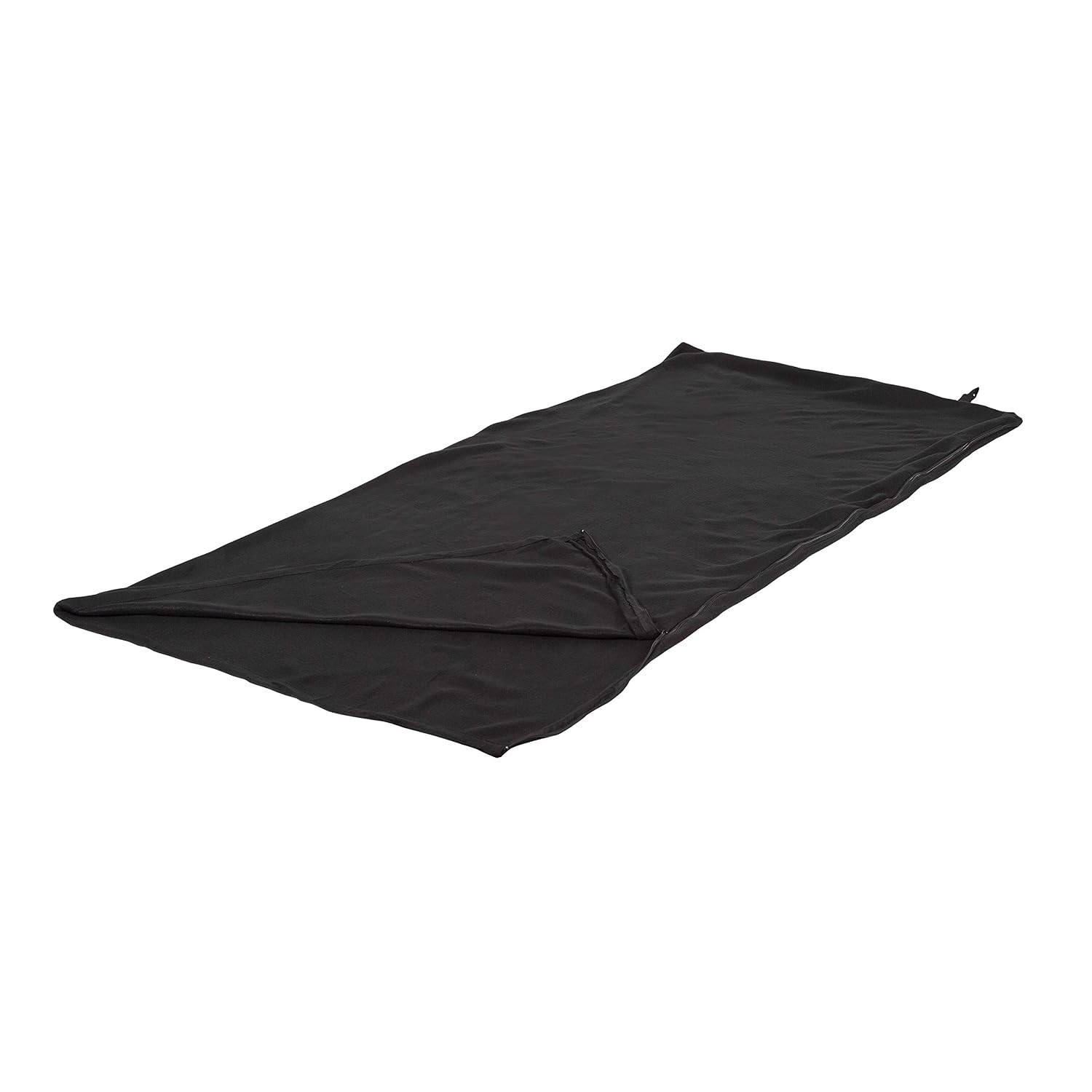 Black Fleece Insulated Stansport Sleeping Bag 32- X 75-Inch Camping Outdoor Gear$23.42
 View on eBay
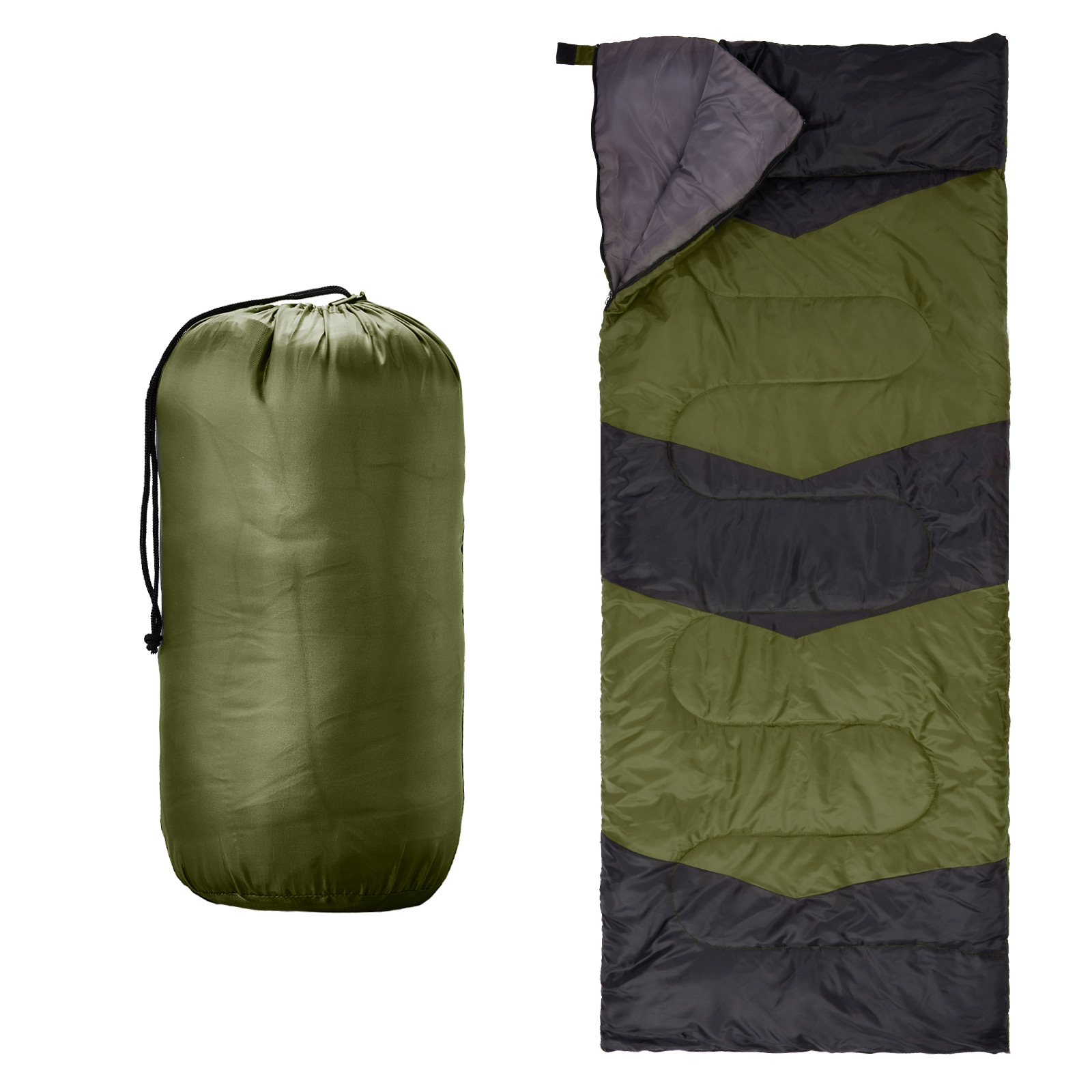 Lightweight Sleeping Bag For Backpacking, Hiking, Waterproof Compact Envelope Bag For Cold & Warm Weather, Green$28.99
 View on Mallflare
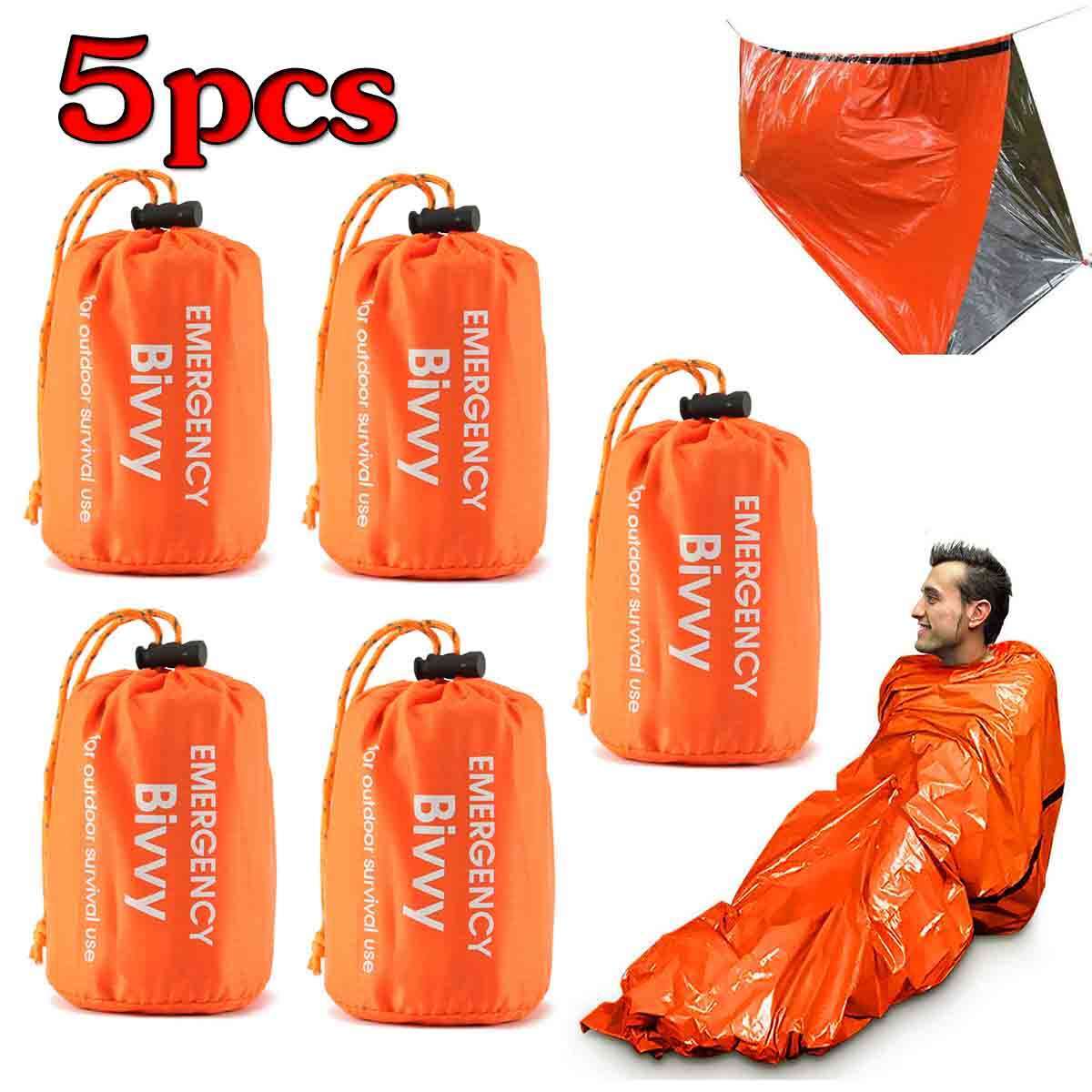 5pcs Emergency Sleeping Bag Thermal Waterproof Outdoor Survival Camping Hiking$27.80View on eBay
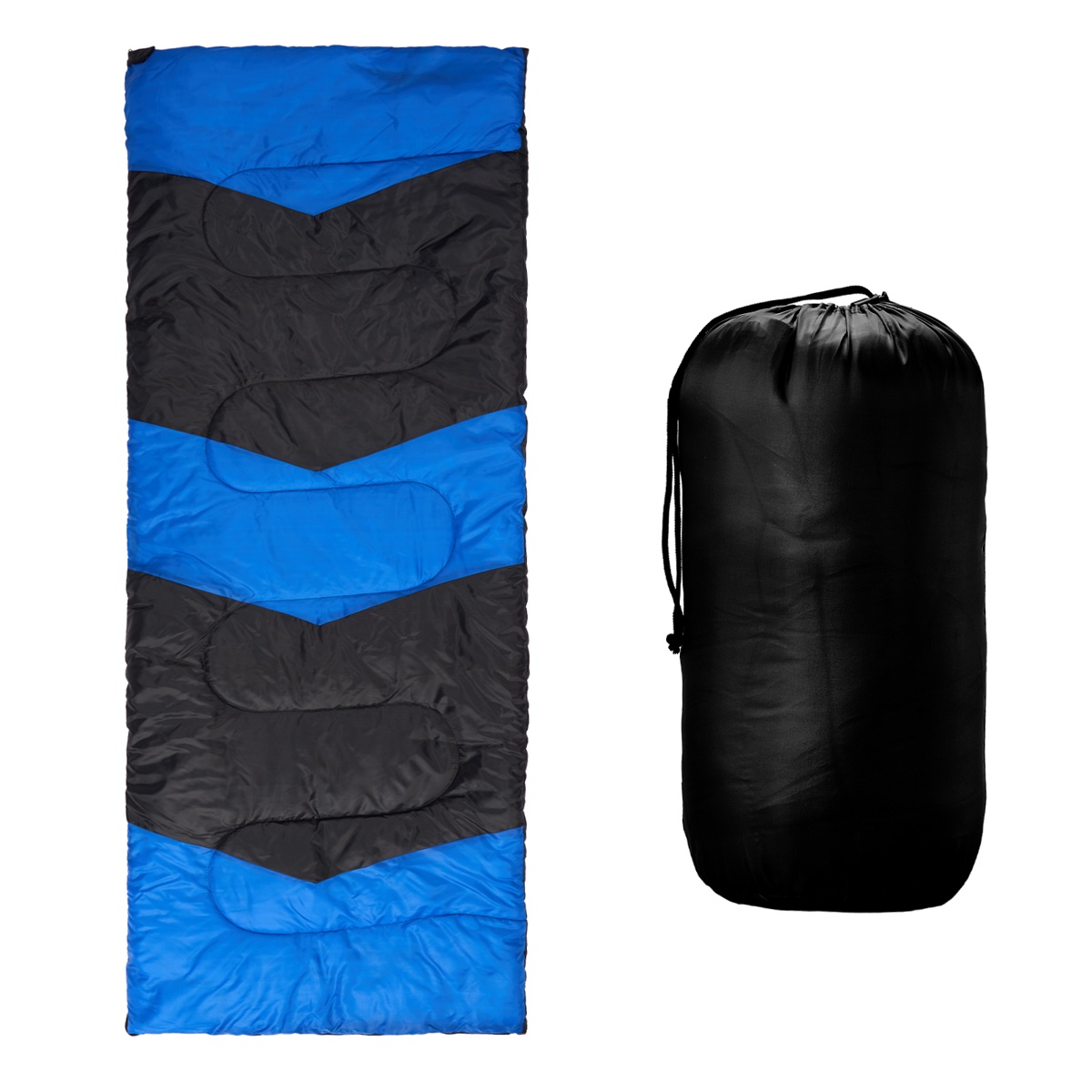 Lightweight Sleeping Bag For Backpacking, Hiking, Waterproof Compact Envelope Bag For Cold & Warm Weather, Blue$29.99View on Mallflare
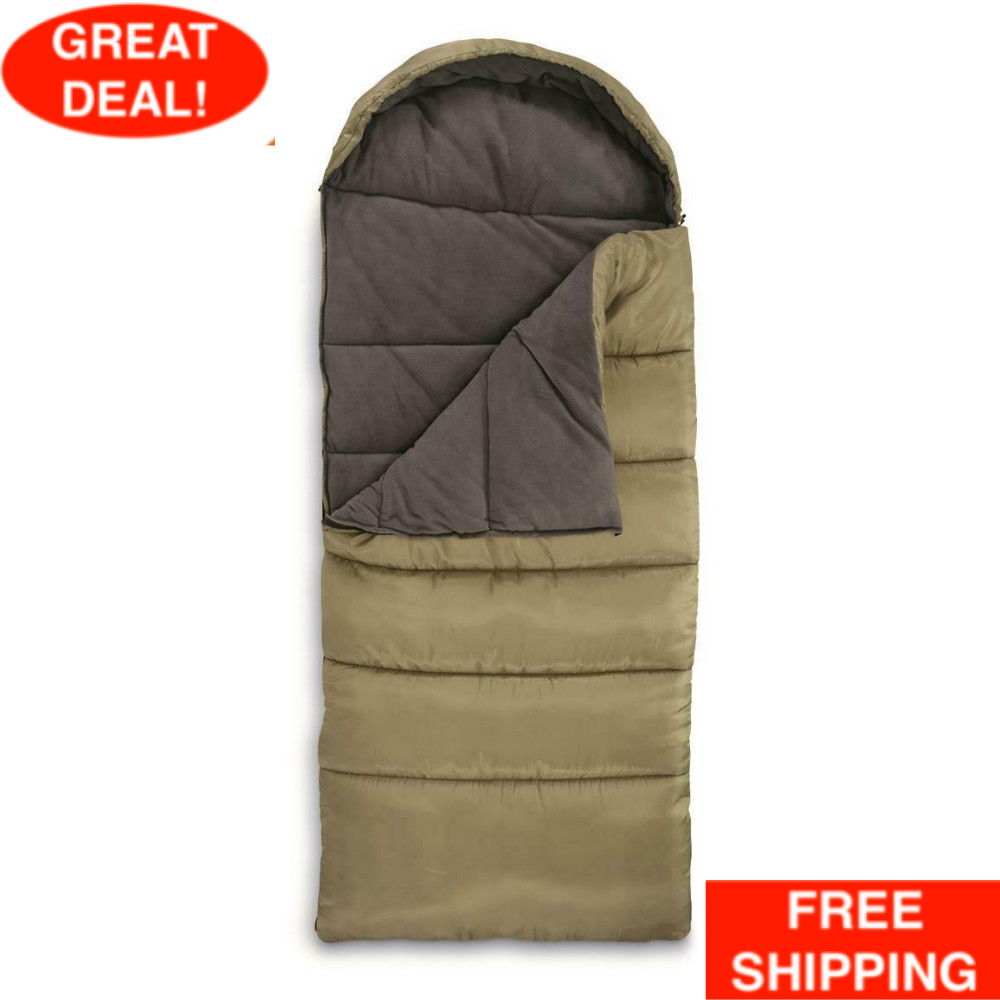 Outdoor Guide Gear Fleece Lined Sleeping Bag -15°F for Camping And Hiking$63.99View on eBay
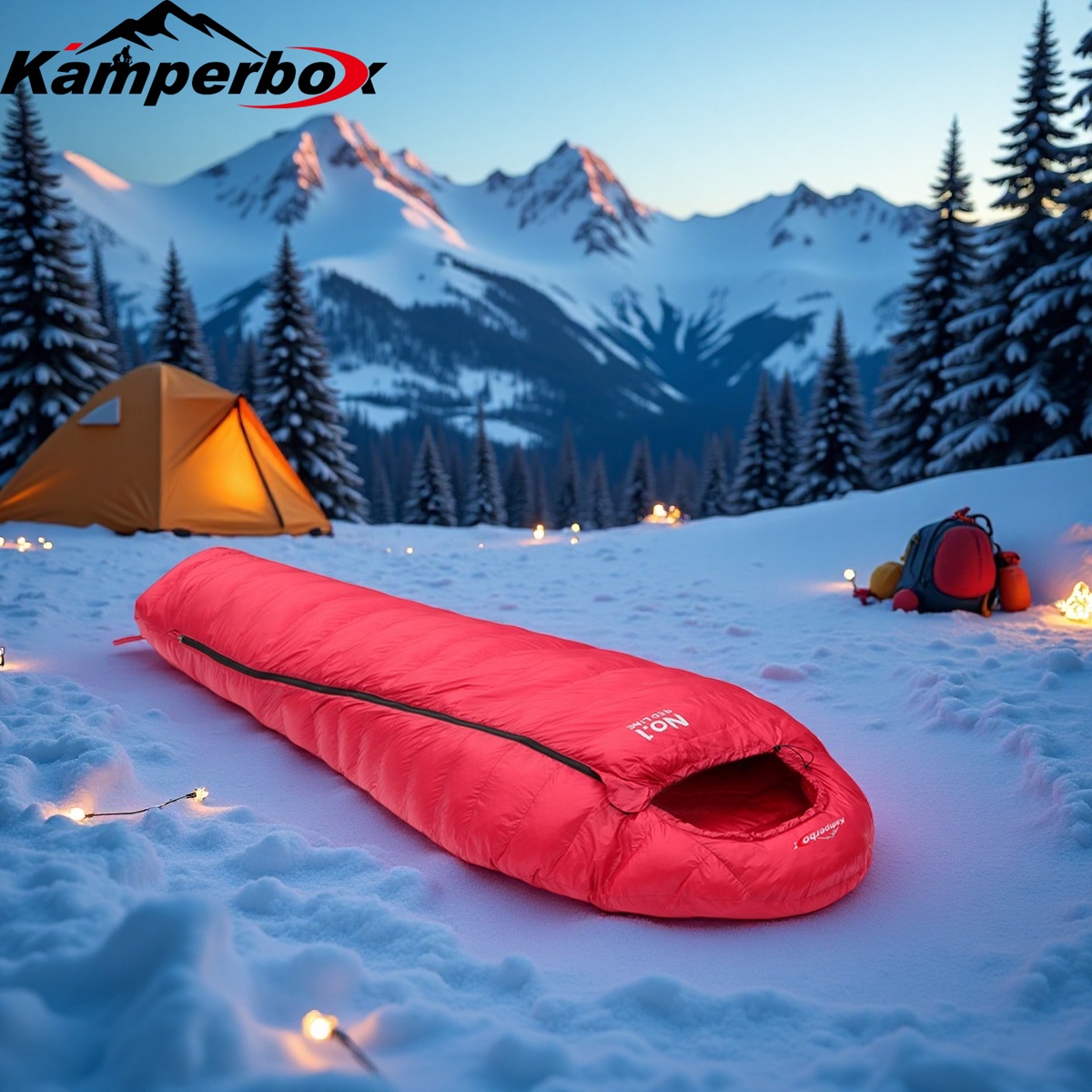 Kamperbox Sleeping Bag Camping Winter Bag Ultralight Bag$102.99View on Mallflare
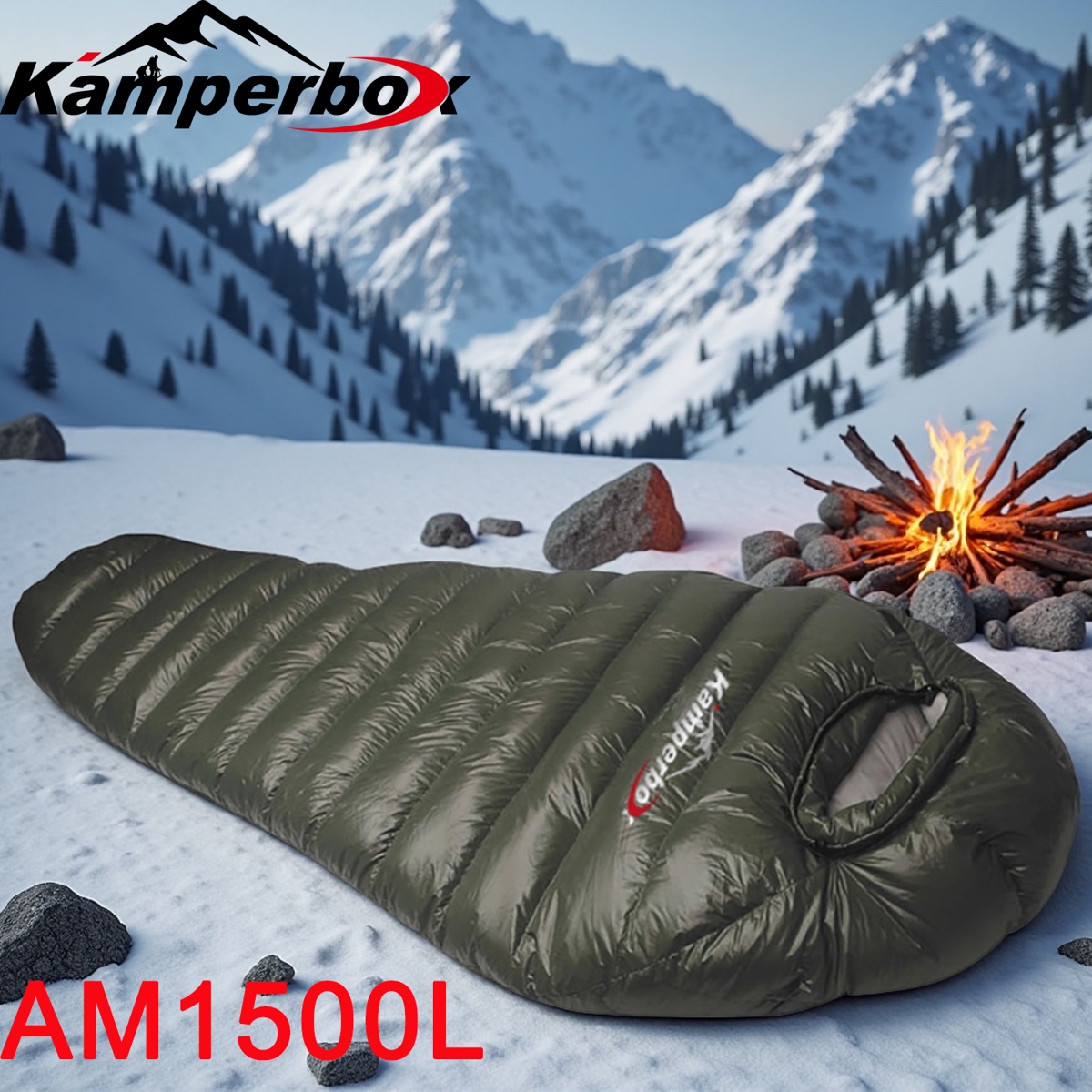 Sleeping Bag Winter Warm Waterproof Camping and Hiking.$71.47View on eBay
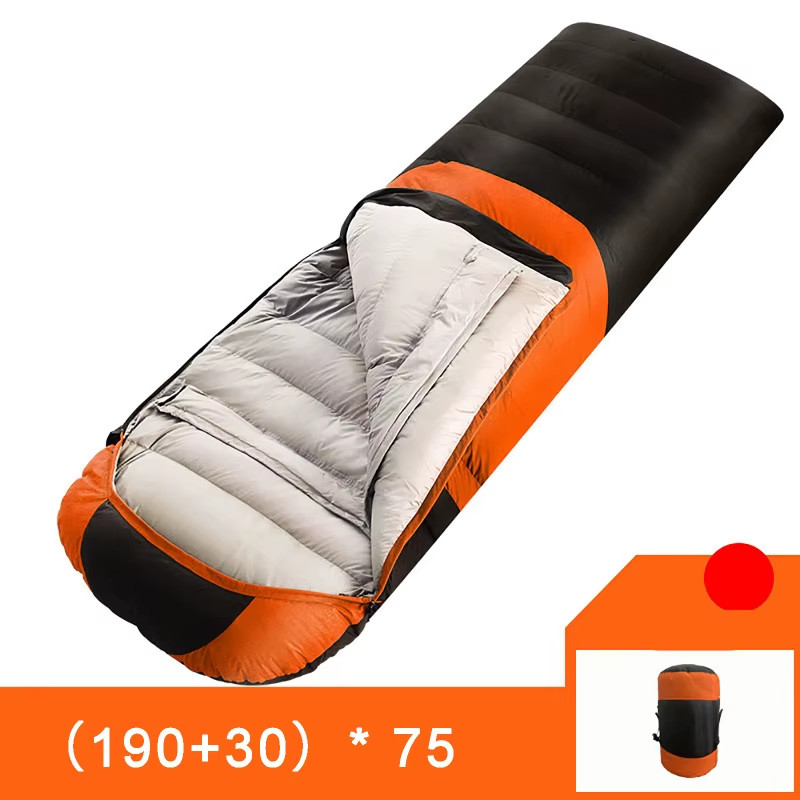 USB Heated Winter Camping Sleeping Bags down Cotton Pads 3 Gear Ultralight$98.18View on eBay
Highlights
- EN 13537 / ISO 23537 ratings give three numbers: comfort (women), lower limit (men), and extreme (survival only); buy to the comfort or lower-limit number, never the extreme.
- Down bags are rated by fill power (550–800+); higher fill power packs smaller and lighter for the same warmth, but loses insulation when wet unless treated with a hydrophobic coating.
- Synthetic fills (Clo, Hollofil, PrimaLoft-type) retain 60–80% of loft when damp and cost less, but weigh roughly 30–50% more than down for equivalent warmth.
- Shell fabric denier matters: 20D–30D ripstop nylon balances weight and tear resistance; 15D ultralight is packable but fragile, while 40D+ polyester is durable for car camping.
Best use cases
- Backpacking and thru-hiking: pick a mummy-cut down bag with 700+ fill power and a comfort rating at least 10°F below expected lows; skip rectangular synthetic bags that add pack weight.
- Car camping and family use: choose a rectangular or envelope synthetic bag with a comfort rating near expected lows and a durable 40D shell; skip ultralight 15D shells that tear on tent floors.
- Wet, humid, or cold-weather trips: select a synthetic-fill bag or a hydrophobic-down bag with a water-resistant shell; skip untreated down in sustained damp conditions.
- Emergency or survival kits: use a thermal emergency bivvy (aluminized polyethylene) as a backup only; skip it as a primary bag because it has no breathability and limited reusability.
Buying tips
- Match the bag's comfort rating to the coldest night you expect, then add a 10°F buffer for cold sleepers, women, and fatigue; a 20°F comfort bag suits most three-season camping.
- For down, target 650–800 fill power for backpacking; 550 fill is fine for car camping where pack size matters less.
- Check shell and lining fabric: 20D–30D ripstop nylon with DWR is the sweet spot; PU-coated polyester is waterproof but heavier and less breathable.
- Verify zipper type: a full-length two-way YKK-style zipper with a draft tube and insulated baffle prevents cold spots; half-zip bags save weight but limit ventilation.
Specs
| Fill Type | Down 550–800 fill / Synthetic |
|---|---|
| Temp Rating Standard | EN 13537 / ISO 23537 comfort |
| Shape | Mummy / Rectangular / Envelope |
| Shell Fabric | 20D–40D ripstop nylon, DWR |
Related searches
What to check before buying
- Measure your sleeping pad's R-value and dimensions; the bag should have a pad sleeve or enough girth to wrap the pad without compressing insulation underneath.
- Match the bag's temperature rating to your expected lowest night temperature minus a 10°F safety margin for cold sleepers.
- Confirm packed size and weight against your pack volume and carry tolerance; down bags compress to 5–10 L, synthetic to 10–20 L.
- Check the shell's water resistance (DWR or coated) and whether the bag includes a waterproof stuff sack or compression sack.
FAQ
Data sources: eBay / Amazon listings and product attribute feeds Data updated Nov 16, 2026.
Some links on this page are affiliate links. If you buy after clicking one, we may earn a commission at no extra cost to you. This does not change which products appear here or their order. Affiliate disclosure.