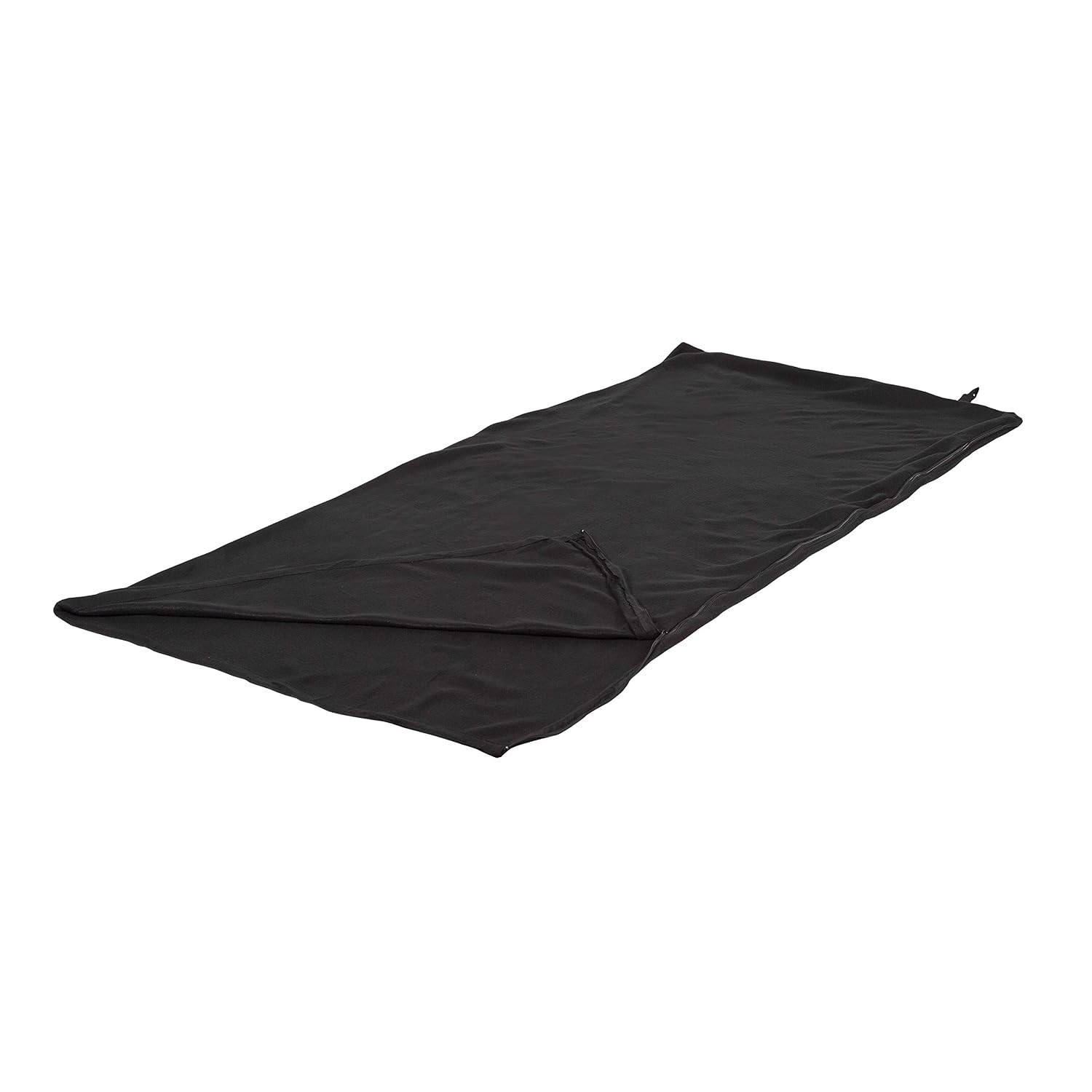

Photos from current listings. Actual item, color, and included accessories may vary.
Outdoor Sleeping Bag Buying Guide
An outdoor sleeping bag is an insulated sleep system rated by temperature, fill type, and shell construction. The core trade-off is warmth-to-weight and packability versus cost: down delivers the best warmth per ounce, while synthetic fill tolerates damp conditions at a lower price. Buy a bag rated about 10°F below your expected low with a matched pad R-value; skip any bag that lists only a "comfort" number with no limit or fill weight.


At a glance
- Category
- Sleeping Bags, Pads & Cots
- Data updated
- Nov 16, 2026
Current offers
Highlights
- EN/ISO 23537 temperature ratings give three numbers: comfort, limit, and extreme; limit is the realistic male rating and comfort the realistic female rating.
- Down fill power (550, 650, 800, 850+) sets warmth per ounce; higher fill power packs smaller and weighs less for the same warmth.
- Synthetic fills (Climashield, PrimaLoft, hollow fiber) retain loft when damp but are heavier and bulkier than down at equal warmth.
- Shell and lining denier matters: 20D-30D ripstop nylon balances weight and durability, while 40D+ polyester resists abrasion for car and base camping.
Best use cases
- Backpacking with strict pack weight: choose a down bag at 800+ fill power with a 20D shell and a limit rating near your expected low; skip fleece-lined or oversized bags.
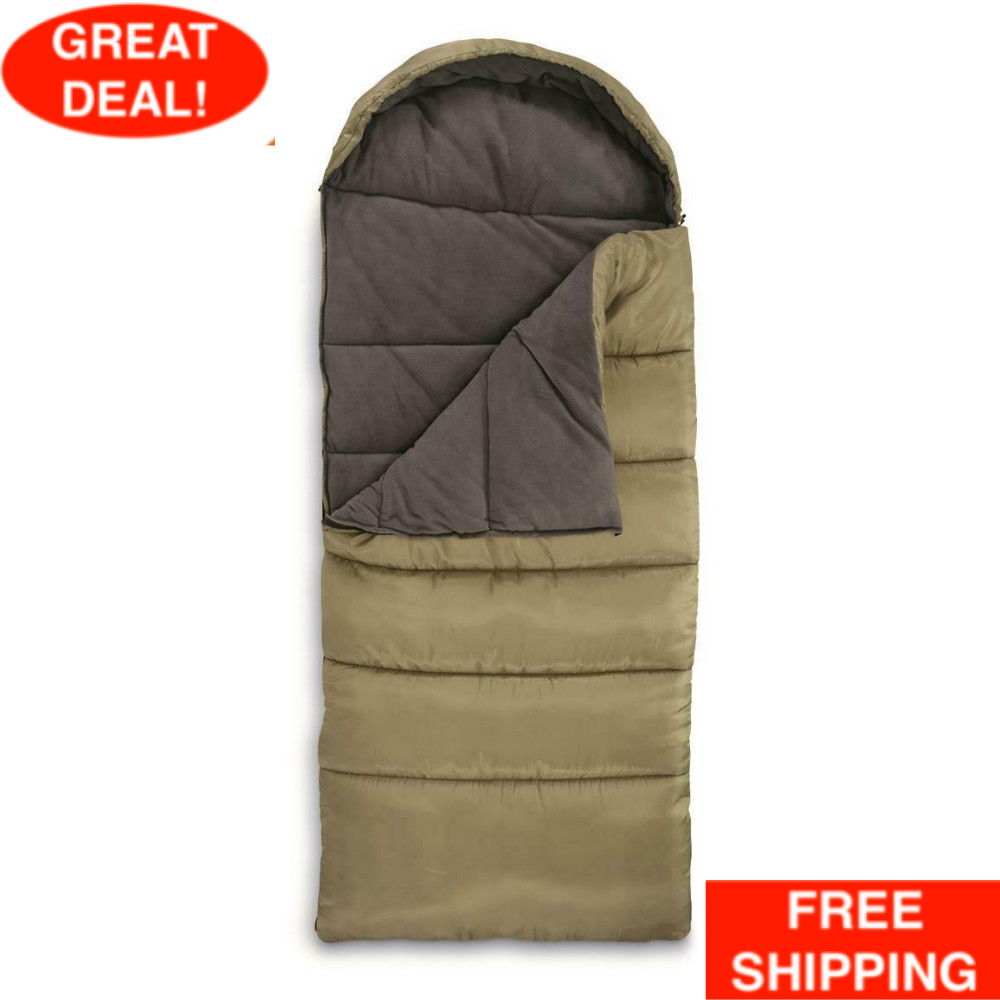
- Car camping and base camps where weight is irrelevant: pick a synthetic or fleece-lined rectangular bag with a 30D+ shell; skip ultralight mummy bags that trade durability for grams.
- Damp, humid, or rainy climates: choose synthetic fill over down, since down loses loft when wet unless it carries a hydrophobic treatment.
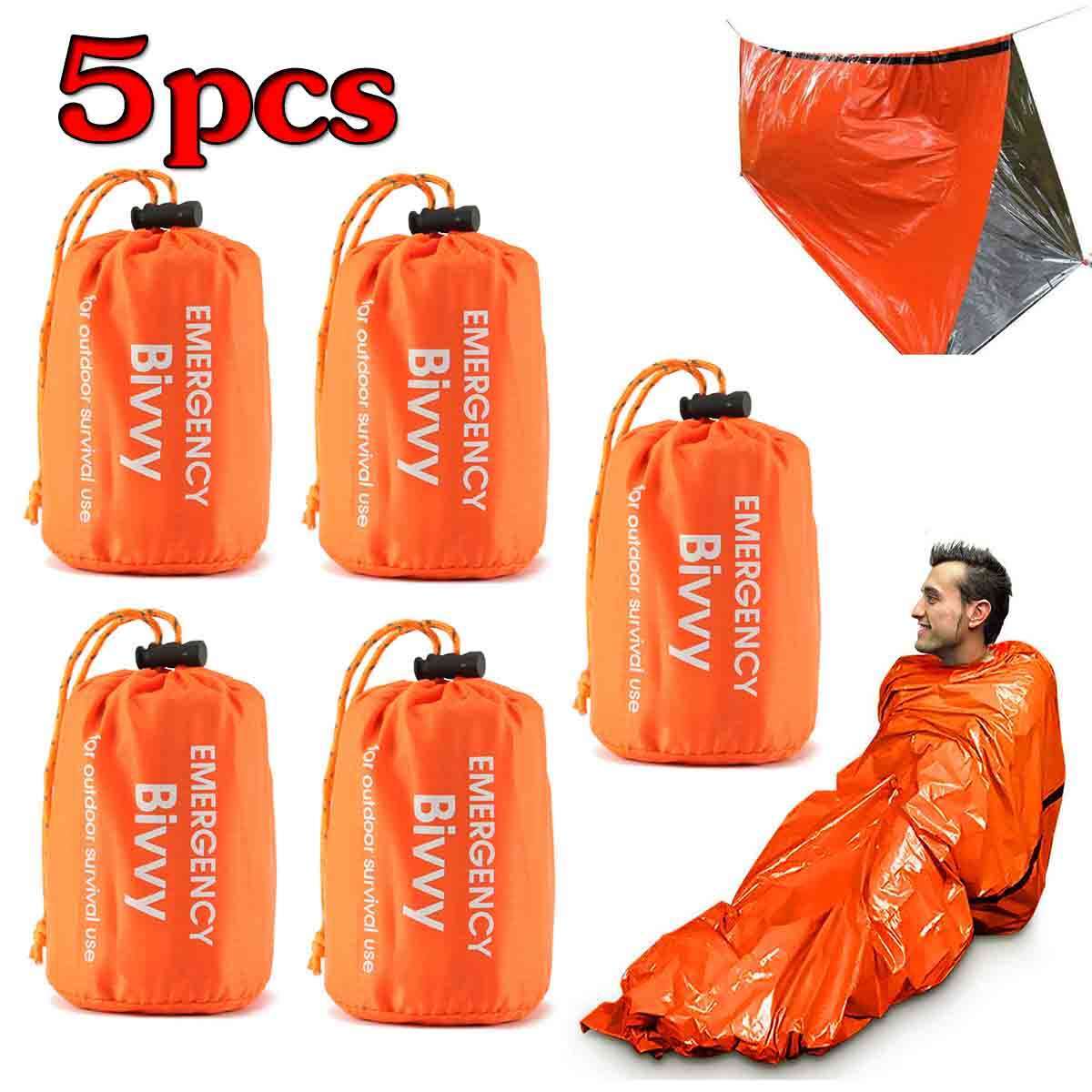
- Emergency or survival kits: use a compact bivy-style thermal bag as a backup layer only; skip it as a primary bag because thin reflective film provides limited insulation.
Buying tips
- Match bag limit rating to your expected nighttime low minus 10°F for safety margin; a 20°F limit bag is a three-season bag, not a winter bag.
- Pair the bag with a sleeping pad of R-value 3+ for three-season use and R-value 5+ for snow; the pad, not the bag, insulates you from the ground.
- Size the bag to your height plus 2-4 inches of toe room; a bag too long wastes warmth, and a bag too short compresses insulation at the feet.
- Check the zipper and draft tube: a full-length two-way zipper with an insulated draft tube and a hood cinch are the main heat-loss defenses.
Specs
| Fill Type | Down vs synthetic (PrimaLoft/Climashield) |
|---|---|
| Temp Rating | EN/ISO 23537: comfort / limit / extreme |
| Fill Power | 550-850+ (down); synthetic in g/m² |
| Shell Denier | 20D-30D nylon vs 40D+ polyester |
Related searches
What to check before buying
- Measure your pad width and bag shoulder girth; a mummy bag should allow layering without compressing insulation.
- Confirm the packed size against your pack's volume, typically 5-15 liters for down bags and 10-20 liters for synthetic.
- Check the temperature rating standard (EN/ISO 23537) and whether the listed number is comfort, limit, or extreme.
- Verify the shell fabric denier and whether the bag includes a stuff sack and storage sack; storage sacks preserve loft between trips.
FAQ
Data sources: eBay / Amazon listings and product attribute feeds Data updated Nov 16, 2026.
Some links on this page are affiliate links. If you buy after clicking one, we may earn a commission at no extra cost to you. This does not change which products appear here or their order. Affiliate disclosure.