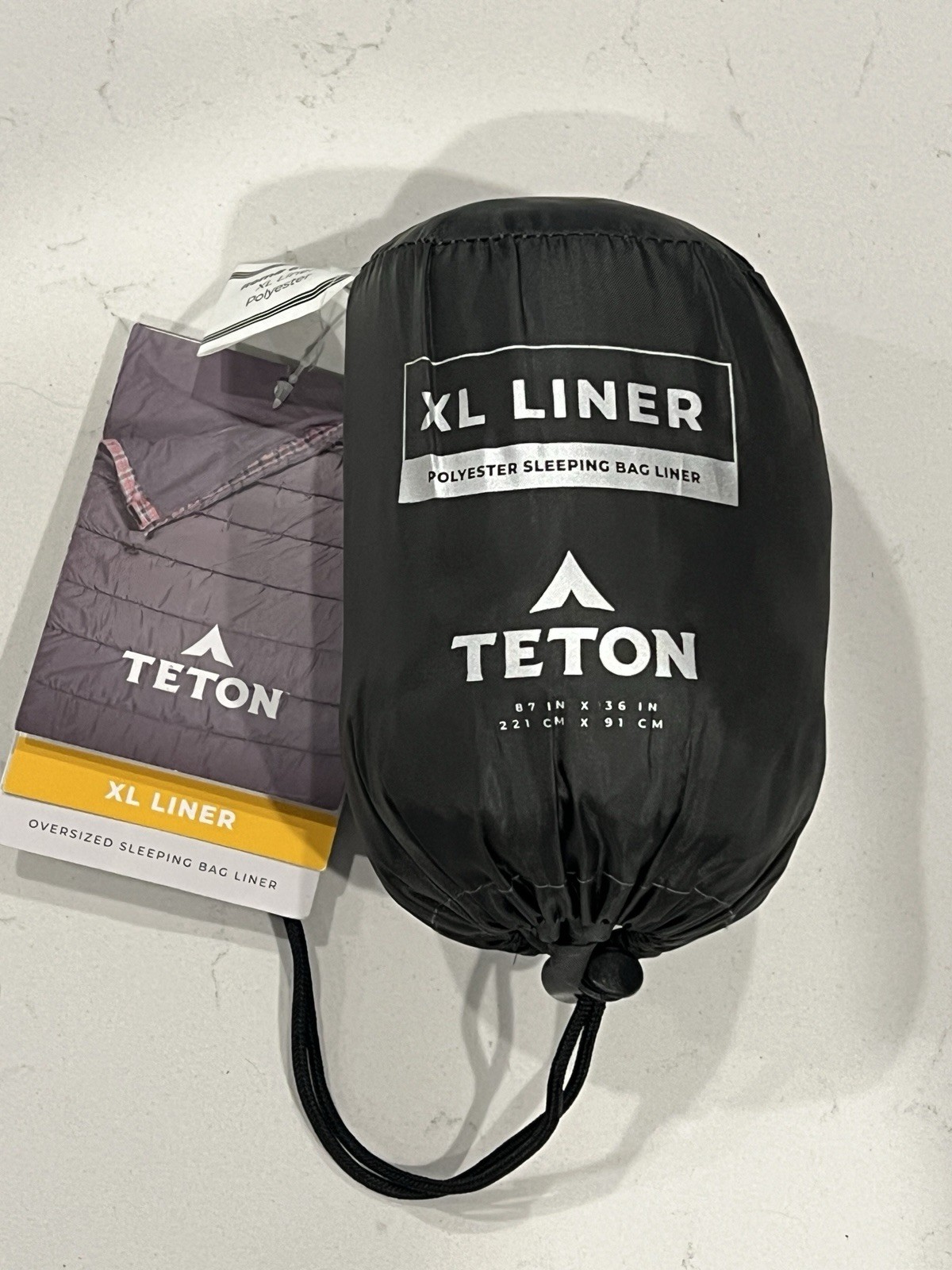

Photos from current listings. Actual item, color, and included accessories may vary.
Sleeping Bag Liner Buying Guide
A sleeping bag liner is a thin fabric insert that adds warmth, keeps your bag clean, or serves as a standalone summer bag. The core trade-off is fabric performance: silk and merino wool offer the best warmth-to-weight and odor resistance, while polyester and cotton are cheaper but heavier and less insulating. Buy a liner rated with a specific temperature boost (typically 5-15°F) and sized to your bag's internal dimensions, not a one-size-fits-all bag.


At a glance
- Category
- Sleeping Bags, Pads & Cots
- Data updated
- Nov 16, 2026
Current offers

Highlights
- Temperature boost ranges from about 5°F for cotton/silk liners to 15°F for fleece or insulated synthetic liners; mummy-shaped liners with hoods trap more heat than rectangular ones.
- Fabric weight and weave determine warmth: silk liners at 60-80 g/m² add minimal bulk; fleece liners at 200-300 g/m² add substantial warmth but pack larger.
- Mummy liners must match bag shape with a hood and tapered footbox; rectangular liners fit rectangular bags and double as hostel sheets.
- Integrated liners (like the Coleman Cozy 30F) are permanently attached or zipped into a specific bag; standalone liners use their own zipper or drawstring closure.
Best use cases
- Best for added warmth in a mummy bag: choose a mummy-shaped silk or fleece liner with a hood; skip rectangular liners that bunch at the footbox.
- Best for hostel or travel hygiene: choose a rectangular silk or cotton liner with pillow pocket; skip heavy fleece liners that are bulky to pack.
- Best for summer standalone sleeping: choose a fleece or synthetic liner rated as a standalone bag; skip ultra-thin silk liners that offer no cushioning.
- Wrong fit: buying an oversized 'XL' liner for a standard mummy bag causes cold air gaps; match liner length to bag length within 2-4 inches.
Buying tips
- Measure your bag's internal length and shoulder width; liner should be equal or slightly smaller so it doesn't twist or create air pockets.
- Choose silk (lightest, 5-8°F boost), merino wool (odor-resistant, 8-12°F), fleece (bulkiest, 10-15°F), or polyester/cotton (cheapest, 5°F).
- Check zipper compatibility: standalone liners with full-length zippers are easier to enter; integrated liners must match the bag's attachment points.
- For warmth stacking, a liner adds roughly 10°F to a bag's comfort rating; don't expect a 30°F bag plus liner to reach 15°F.
Specs
| Fabric Type | Silk / Merino / Fleece / Poly-Cotton |
|---|---|
| Warmth Boost | 5-15°F added to bag rating |
| Shape | Mummy (hooded) vs Rectangular |
| Closure | Drawstring / Full zip / Integrated |
Related searches
What to check before buying
- Measure bag internal length and width; liner length should be within 2-4 inches of bag length and no wider than bag shoulder width.
- Confirm bag shape (mummy vs rectangular) and hood presence; mummy liners need a hood cutout to work with hooded bags.
- Check packed size and weight: silk liners pack to fist size; fleece liners take 2-3 liters of pack space.
- Verify closure type: drawstring, full zipper, or integrated attachment; integrated liners require the exact matching bag model.
FAQ
Data sources: eBay / Amazon listings and product attribute feeds Data updated Nov 16, 2026.
Some links on this page are affiliate links. If you buy after clicking one, we may earn a commission at no extra cost to you. This does not change which products appear here or their order. Affiliate disclosure.