Photos from current listings. Actual item, color, and included accessories may vary.
Waterproof Sleeping Bag Buying Guide
A waterproof sleeping bag uses a water-resistant or waterproof shell fabric and coated or taped seams to block moisture from rain, tent condensation, and damp ground. The core trade-off is breathability versus waterproofing: fully waterproof laminates stop liquid water but trap perspiration, while water-resistant shells breathe better but wet through in sustained rain. The decision rule is simple: choose a fully taped waterproof shell only for wet climates and ground sleeping, and choose a water-resistant ripstop shell with a waterproof footbox for general three-season camping.

At a glance
- Category
- Sleeping Bags, Pads & Cots
- Data updated
- Nov 16, 2026
Current offers
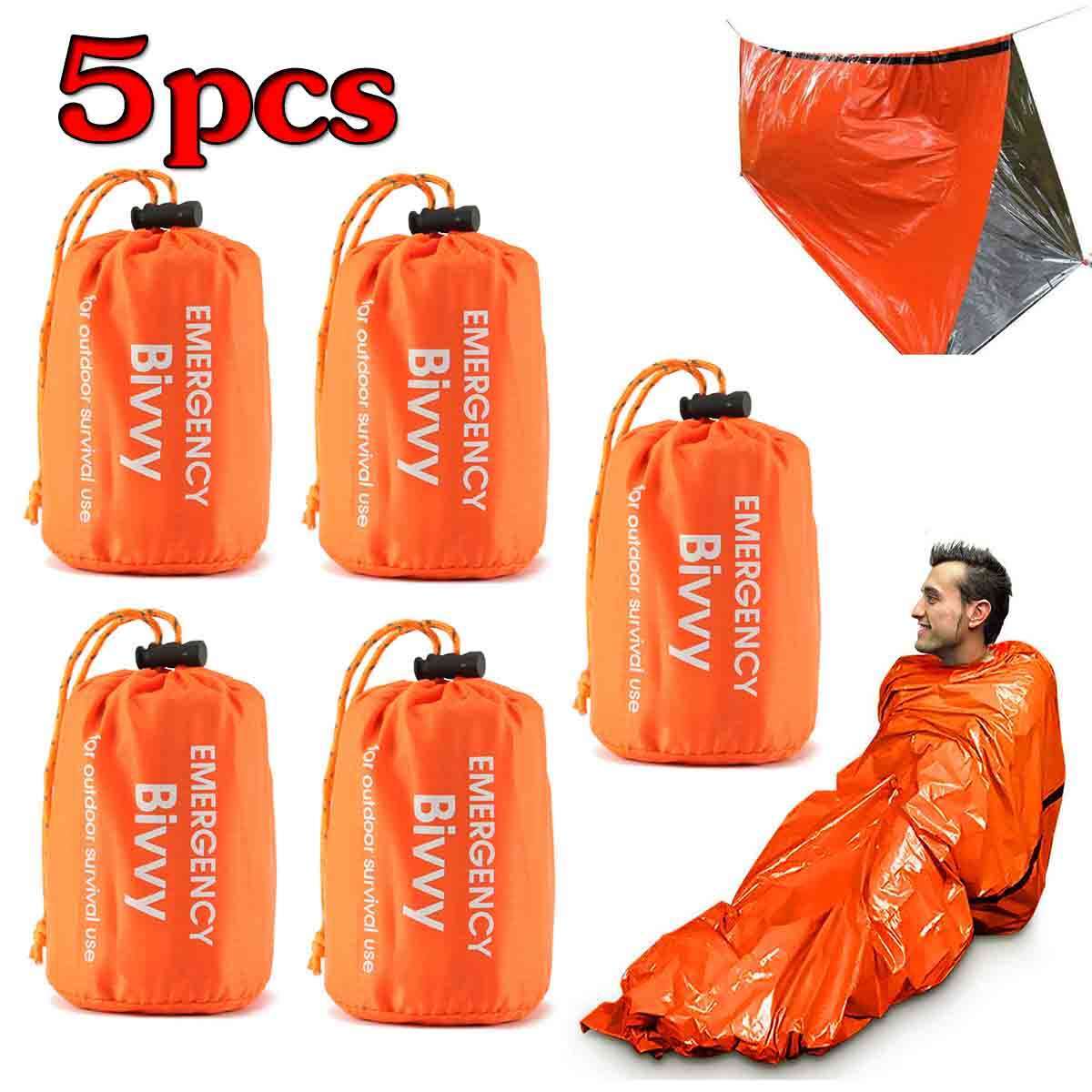 5pcs Emergency Sleeping Bag Thermal Waterproof Outdoor Survival Camping Hiking$27.80
 View on eBay
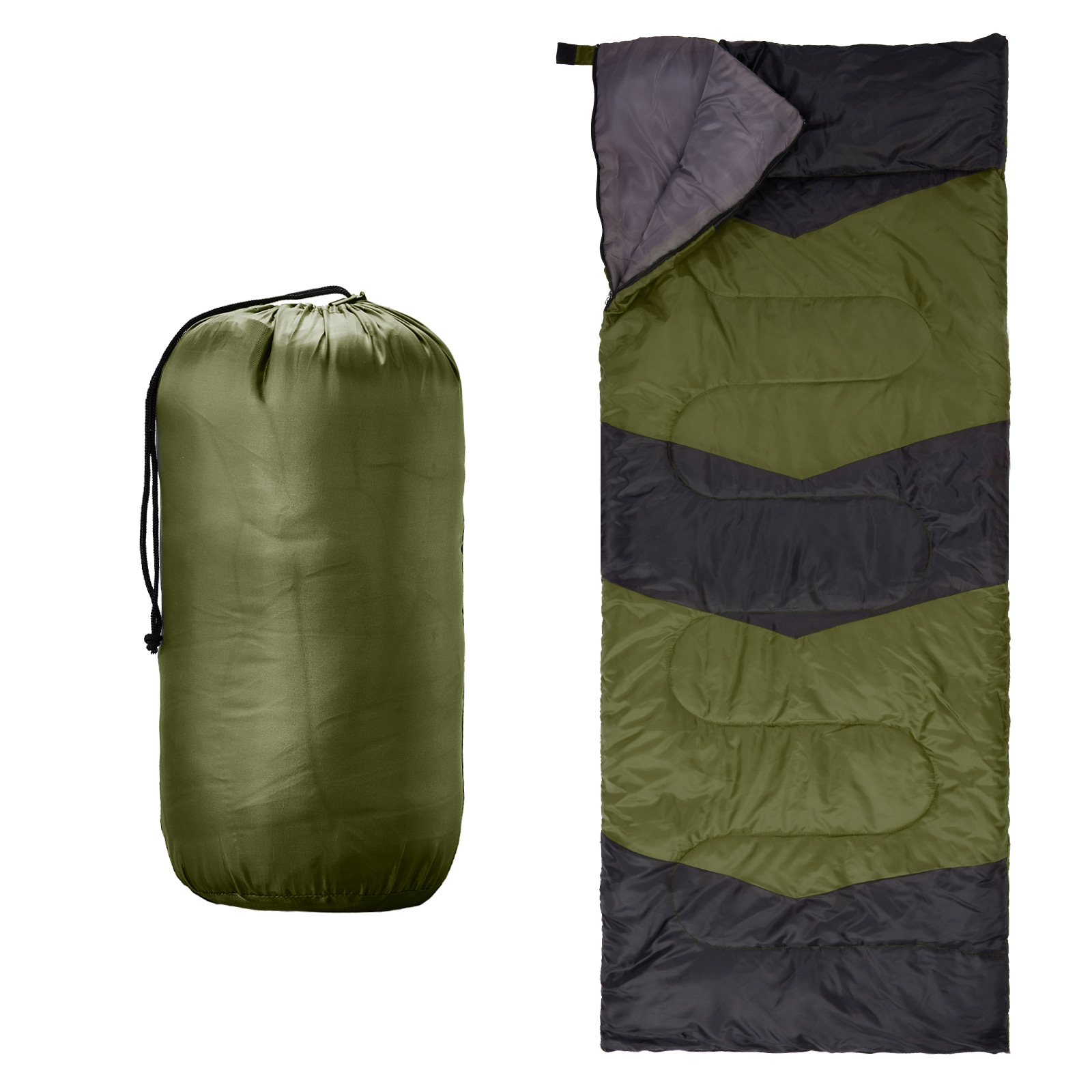 Lightweight Sleeping Bag For Backpacking, Hiking, Waterproof Compact Envelope Bag For Cold & Warm Weather, Green$28.99
 View on Mallflare
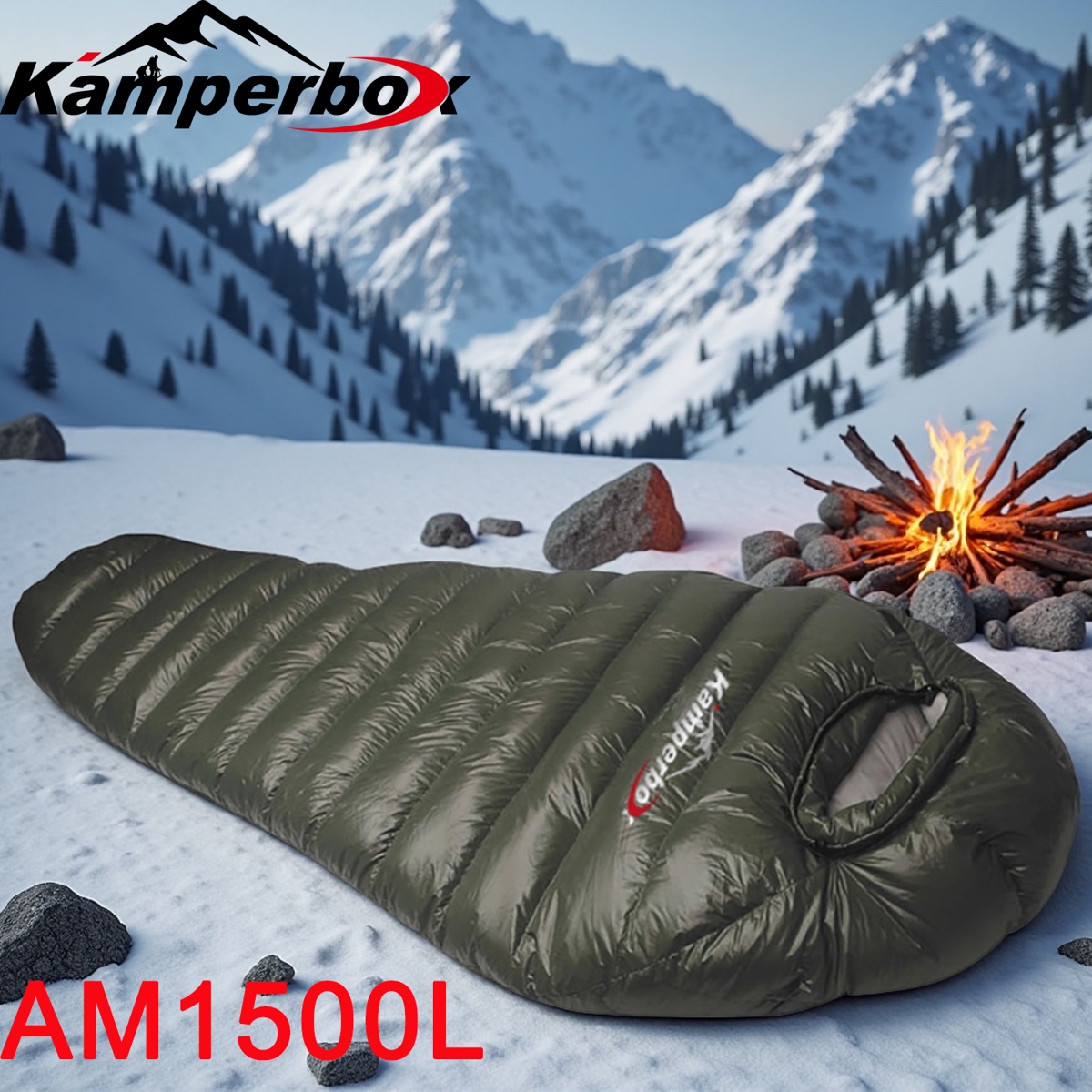 Sleeping Bag Winter Warm Waterproof Camping and Hiking.$71.47View on eBay
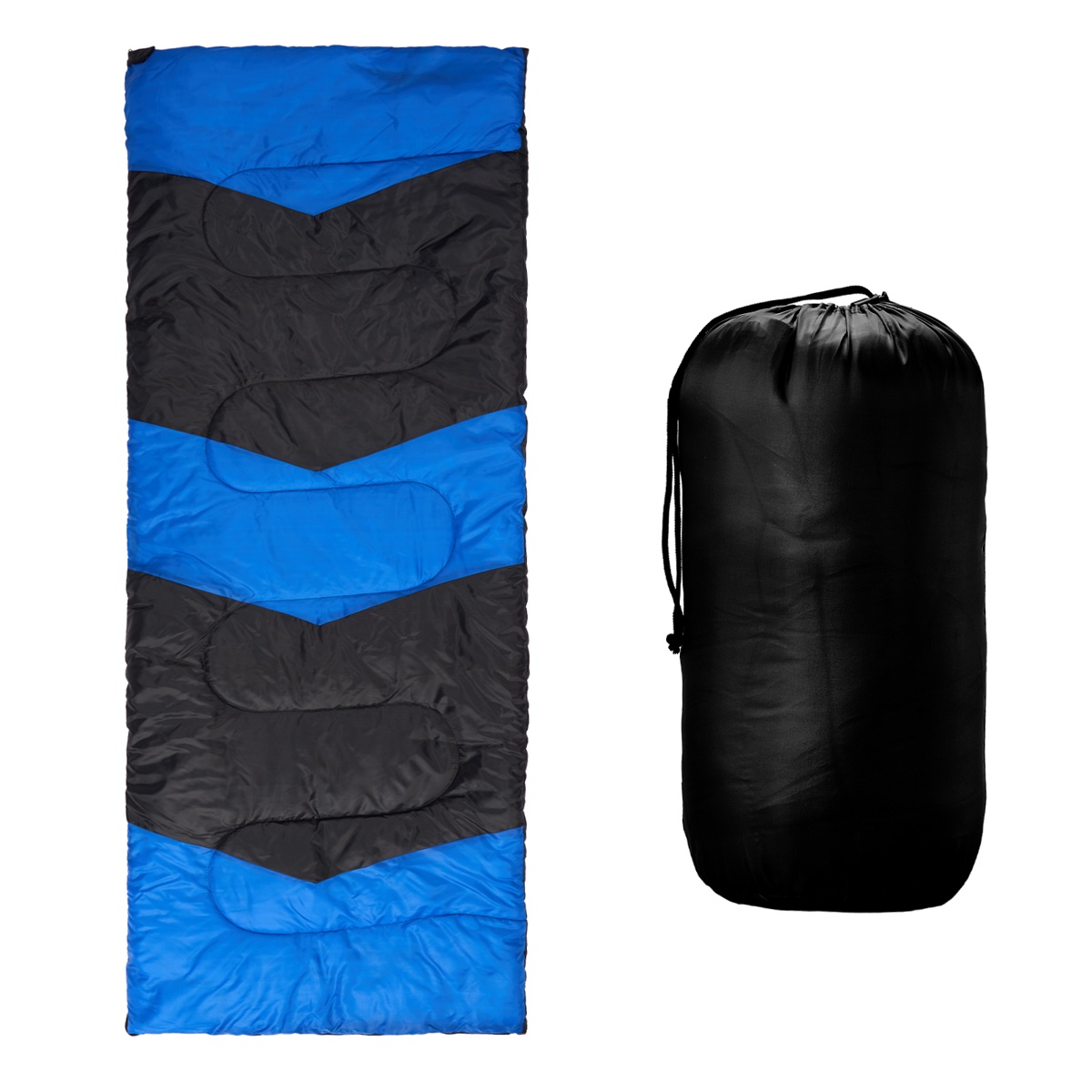 Lightweight Sleeping Bag For Backpacking, Hiking, Waterproof Compact Envelope Bag For Cold & Warm Weather, Blue$29.99View on Mallflare
Highlights
- Shell waterproofing is rated in millimeters of hydrostatic head: 1,500–2,000 mm resists light rain and condensation; 5,000 mm and above handles sustained rain and wet ground.
- Taped or seam-sealed construction is the real durability marker; unsealed seams leak regardless of shell coating, so prioritize fully taped seams over higher hydrostatic numbers.
- Synthetic insulation (hollow-fiber polyester) retains loft and warmth when damp, while down clumps and loses insulation when wet, making synthetic the safer pairing for waterproof shells.
- Waterproof breathable laminates (2.5-layer or 3-layer) trade moisture vapor transmission for rain protection; non-breathable coated shells are cheaper but accumulate condensation inside the bag.
Best use cases
- Best fit: choose a fully taped, 5,000 mm+ waterproof shell with synthetic insulation for wet-climate ground camping, canoe trips, and emergency kits where rain and splashes are constant.
- Best fit: choose a water-resistant ripstop envelope bag with a waterproof footbox and draft tube for three-season backpacking, where breathability and pack weight matter more than full rainproofing.
- Wrong fit: skip fully waterproof non-breathable bags for cold-weather winter camping, because trapped perspiration freezes inside the shell and erodes warmth.
- Wrong fit: skip emergency Mylar or PE-film bags for multi-night comfort use; they are single-use heat-reflective shelters, not breathable sleeping systems.
Buying tips
- Match shell rating to exposure: 1,500–2,000 mm hydrostatic head for tent interiors and light condensation; 5,000 mm+ for exposed ground, hammock, or tarp shelters.
- Size by internal length plus 4–6 in (10–15 cm) of foot room, and match the bag's shoulder and hip girth to your body plus one insulating layer; a compressed bag loses loft and warmth.
- Pair waterproof shells with synthetic fill rated to your expected low; down is warmer per weight but fails when wet, so reserve down for water-resistant shells used under shelter.
- Check the temperature rating standard: EN/ISO 13537 or ISO 23537 tested comfort and lower-limit ratings are comparable across brands, while untested ratings are marketing claims.
Specs
| Shell Waterproofing | 1,500–2,000 mm vs 5,000 mm+ HH |
|---|---|
| Seam Construction | Taped/sealed vs stitched only |
| Insulation Fill | Synthetic hollow-fiber vs down |
| Temperature Rating | EN/ISO 13537 comfort & lower limit |
Related searches
What to check before buying
- Measure your pad width and bag girth: a bag narrower than your pad causes cold spots and compression; confirm the bag fits your pad plus body plus a base layer.
- Confirm your shelter strategy: full waterproof shells suit tarp, hammock, and exposed ground sleeping; tent sleepers can save weight with water-resistant shells and a waterproof footbox.
- Check packed size and weight against your pack volume and carry distance; synthetic waterproof bags pack larger than down equivalents and suit car, canoe, or basecamp use.
- Verify seam construction and zipper protection: fully taped seams, a waterproof zipper flap or storm flap, and a draft collar are the leak points that decide real-world dryness.
FAQ
Data sources: eBay / Amazon listings and product attribute feeds Data updated Nov 16, 2026.
Some links on this page are affiliate links. If you buy after clicking one, we may earn a commission at no extra cost to you. This does not change which products appear here or their order. Affiliate disclosure.