Trail Gear Advisor

Trail Gear Advisor

Outdoor Gear Reviews & Buying Guides

Compare outdoor gear by use case, features, trade-offs, price, returns, and seller terms before you buy.

Buying guides

Tents & Shelters

Car Tent

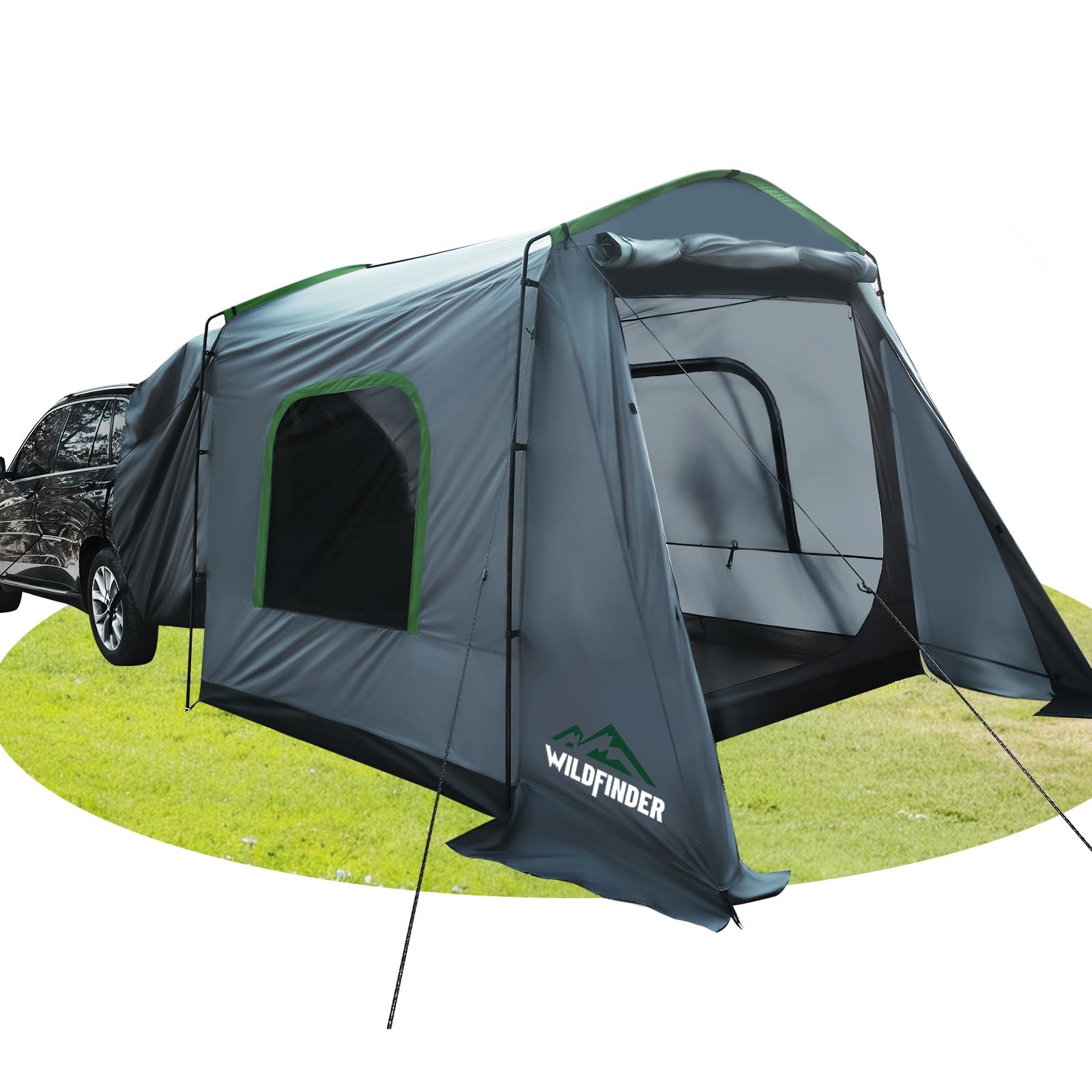
Car tents are vehicle-mounted shelters that attach to a car, SUV, or truck to extend living space or elevate Sleeping off the ground. The core trade-off is between tailgate-attached ground tents (more space, lower cost, but rely on the vehicle's rear opening) and roof-top tents (faster setup, better weather protection, but heavy and vehicle-dependent). Choose a tailgate tent for family basecamp space and a hard-shell rooftop tent for quick solo or couple overlanding with minimal footprint.
Fishing Rods

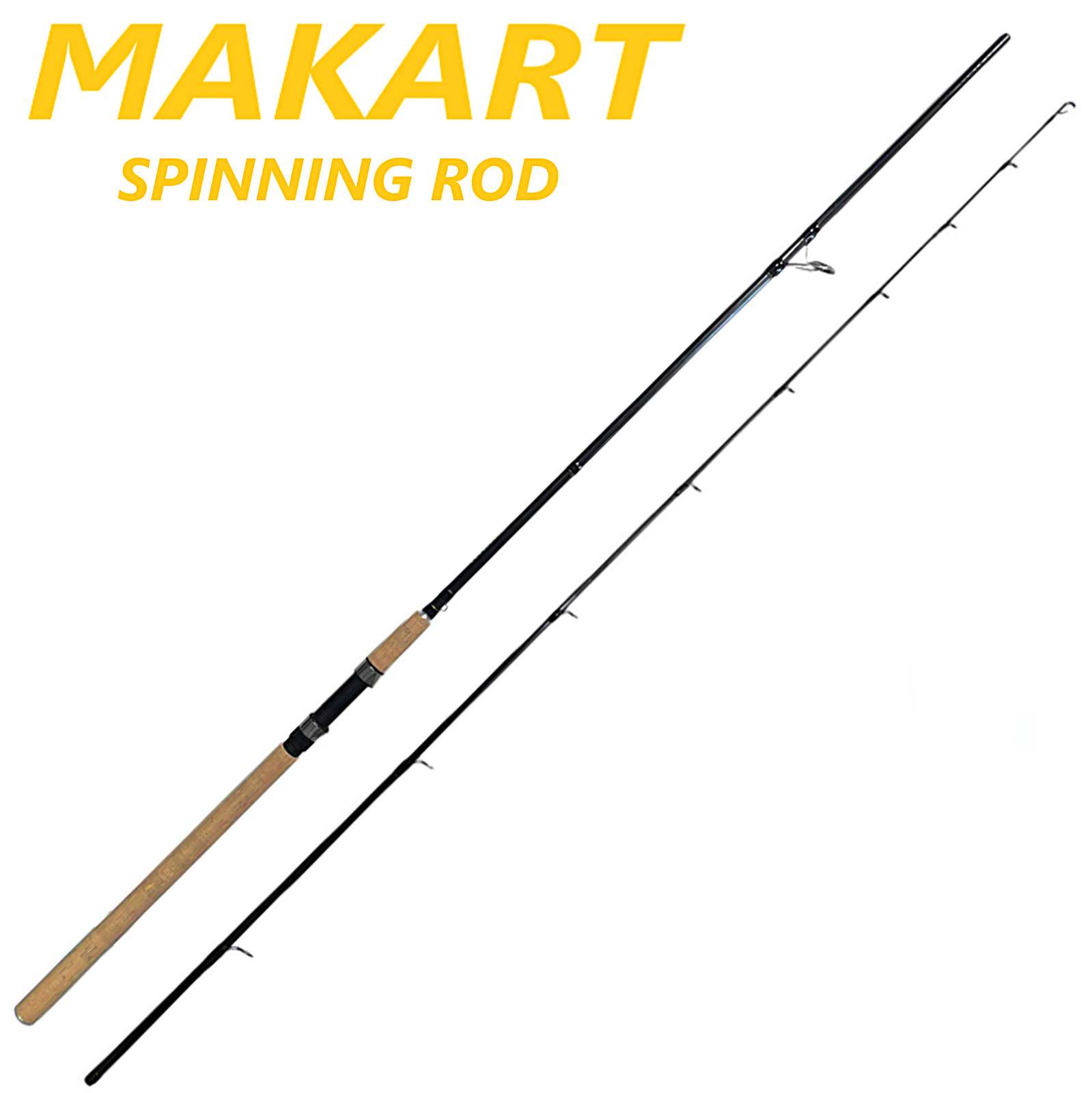
Spinning

Compare current listings and seller terms before buying.

Surfboards

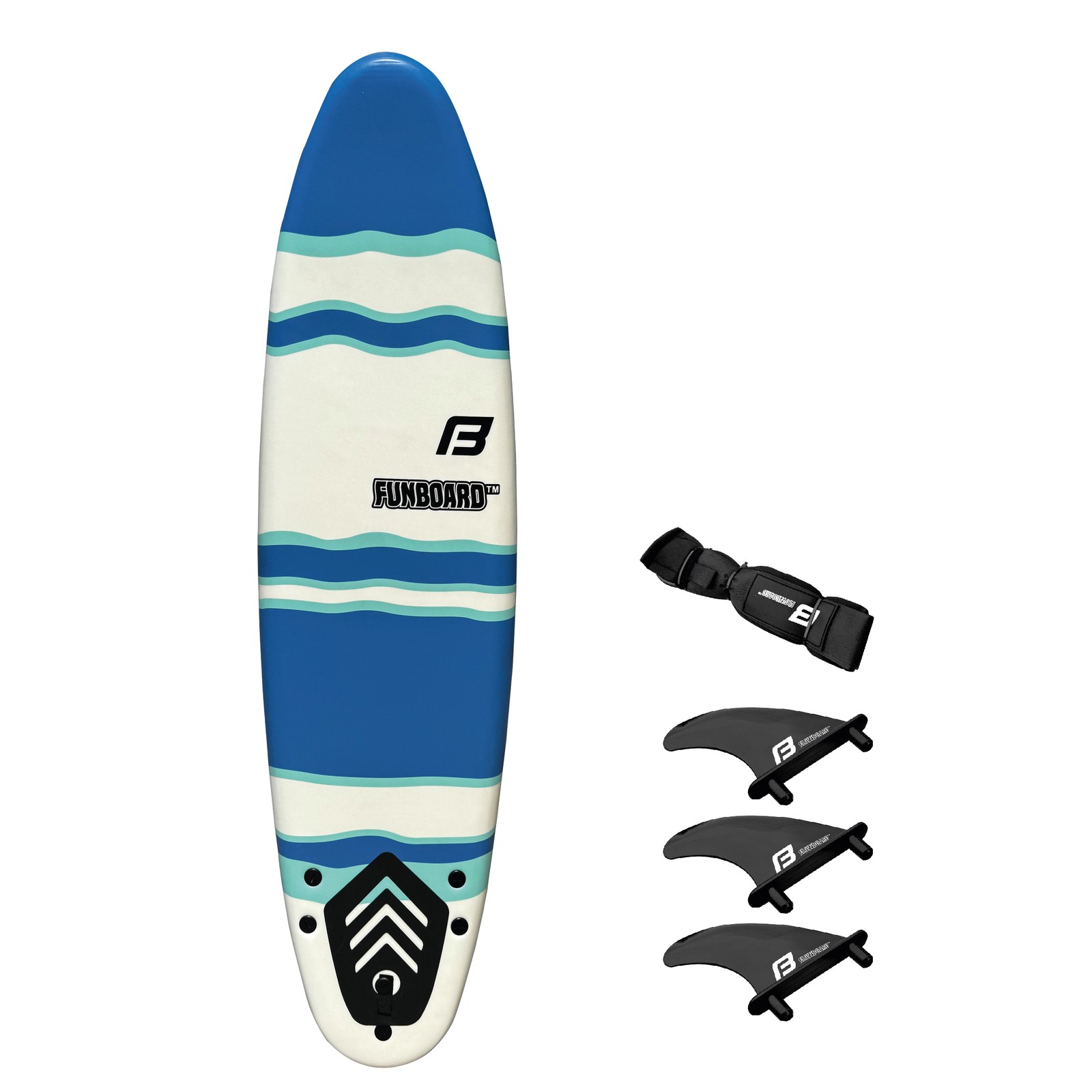
Surfboard

Surfboards span soft-top foamies for beginners to glassed fiberglass or epoxy performance shapes for advanced riders. The primary trade-off is durability and safety versus responsiveness: foam-core soft-tops forgive mistakes and resist dings, while hard-shell boards deliver speed and turn control at the cost of fragile, repair-prone finishes. The decision rule is simple: match the board's construction and volume to your skill level and wave type—soft-top for learning and small surf, hard-shell for committed riding and larger waves.

Pickleball Nets & Court Gear

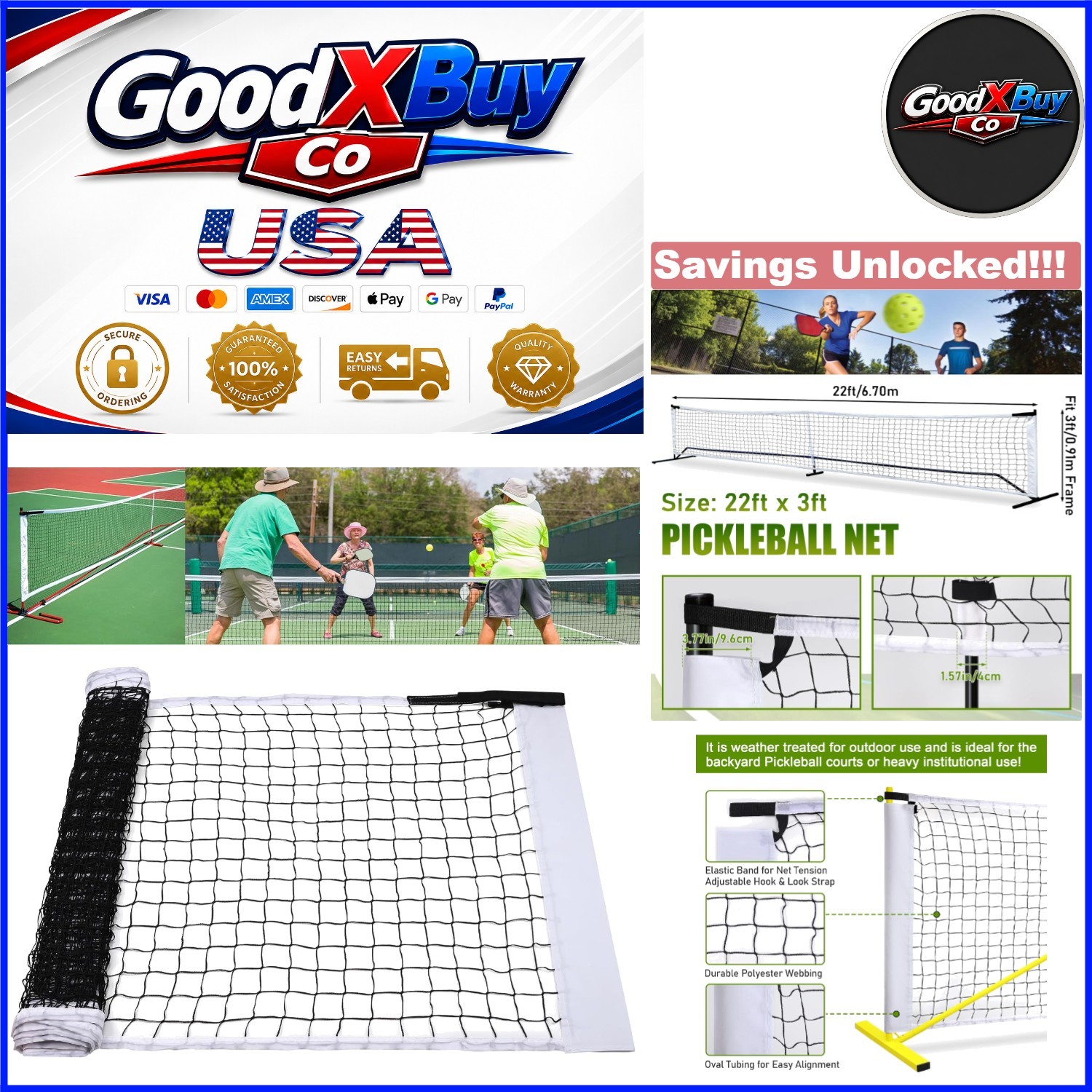
Outdoor Pickleball Net

An outdoor pickleball net is a freestanding or post-mounted barrier built to survive wind, UV, and repeated setup while holding regulation 22-foot width and 34-inch center height. The core trade-off is frame gauge and net denier versus portability: lightweight aluminum pop-ups save weight but flex and sag, while powder-coated steel frames with weighted bases hold tension and stay upright in breeze. Choose a regulation 22x36-inch mesh net with a 1.5-inch top band and steel or thick-wall aluminum frame for permanent outdoor use; skip mini or thin-nylon sets unless you only need driveway dinking.

Lifting Belts, Wraps & Protection

Weight Belt

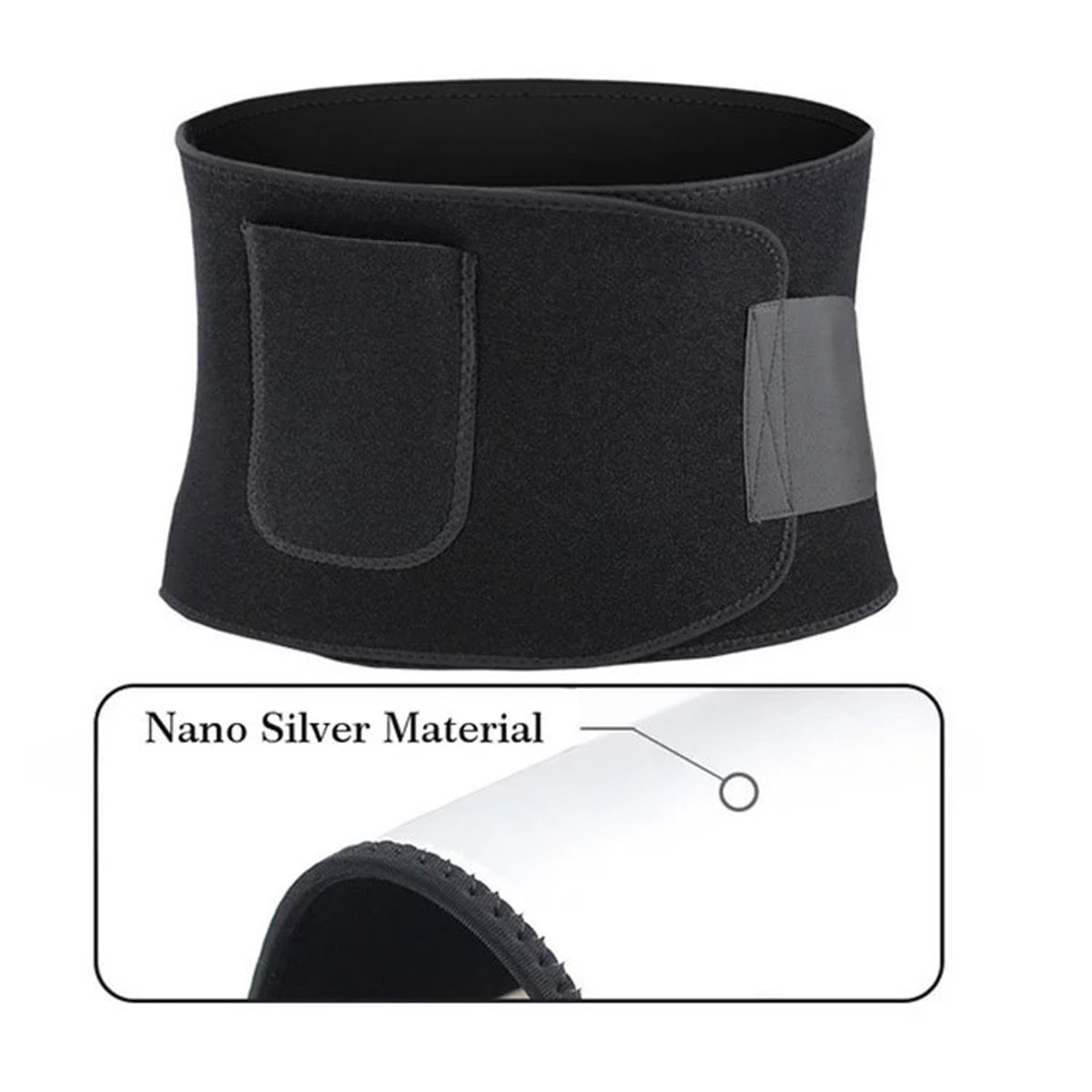
A weight belt is a rigid torso brace that increases intra-abdominal pressure to stabilize the spine under heavy loads. The core trade-off is stiffness versus mobility: thick leather belts maximize bracing for maximal lifts, while nylon or 4-inch padded belts balance support and flexibility for CrossFit-style mixed training. Buy leather for squats and deadlifts above 80% effort, nylon for functional fitness and Olympic lifts.

Camp Kitchen & Stoves

Stove System

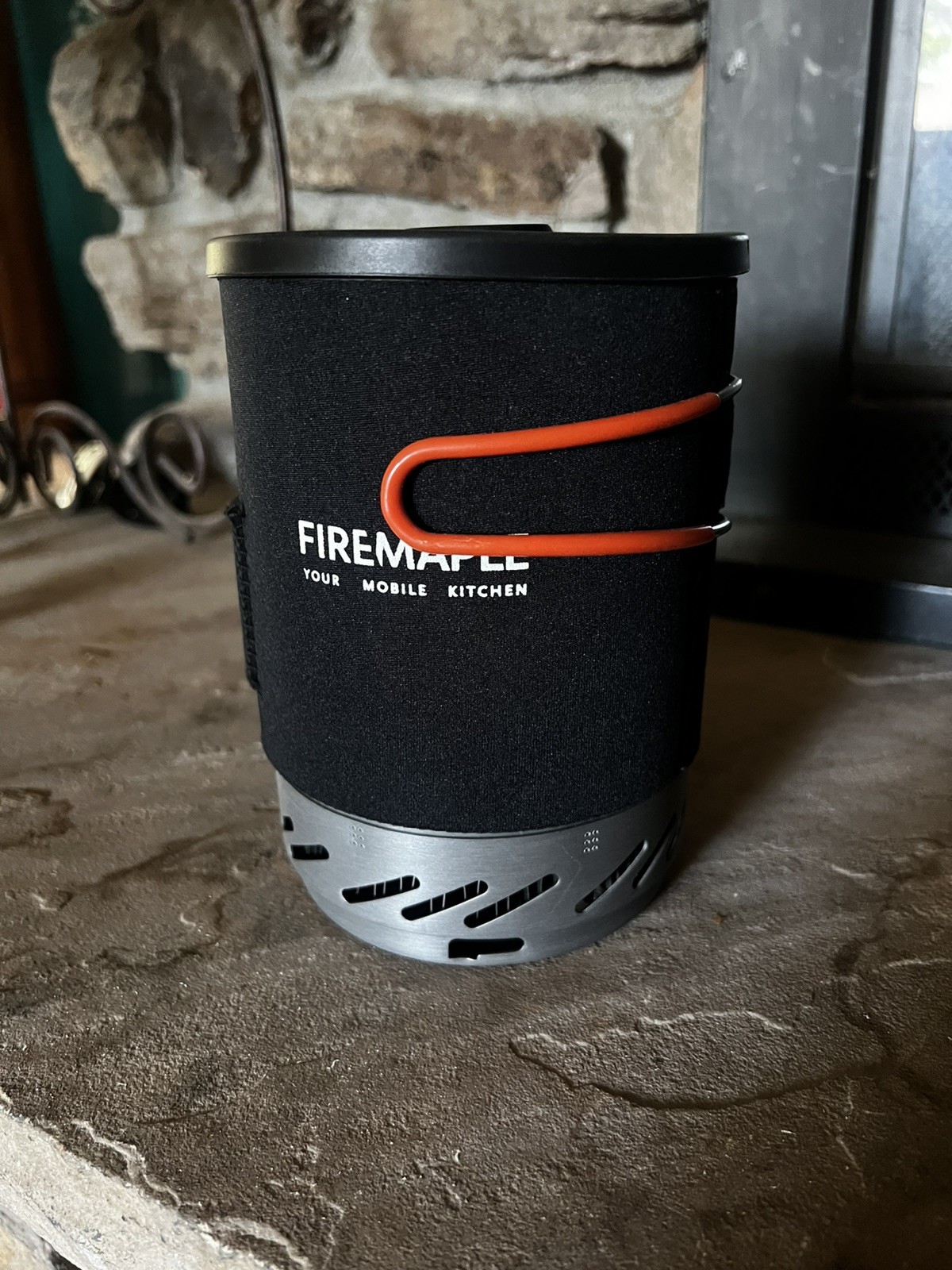
A stove system integrates burner, pot, and often fuel into a matched set, trading ultimate light weight against wind resistance and fuel efficiency. Canister systems dominate for solo backpacking, while liquid-fuel and multi-burner systems serve groups and cold-weather use. Choose an integrated canister system for 1-2 people and liquid fuel or a two-burner for groups or sub-freezing trips.

Hunting, Prospecting & Metal Detecting

Metal Detector

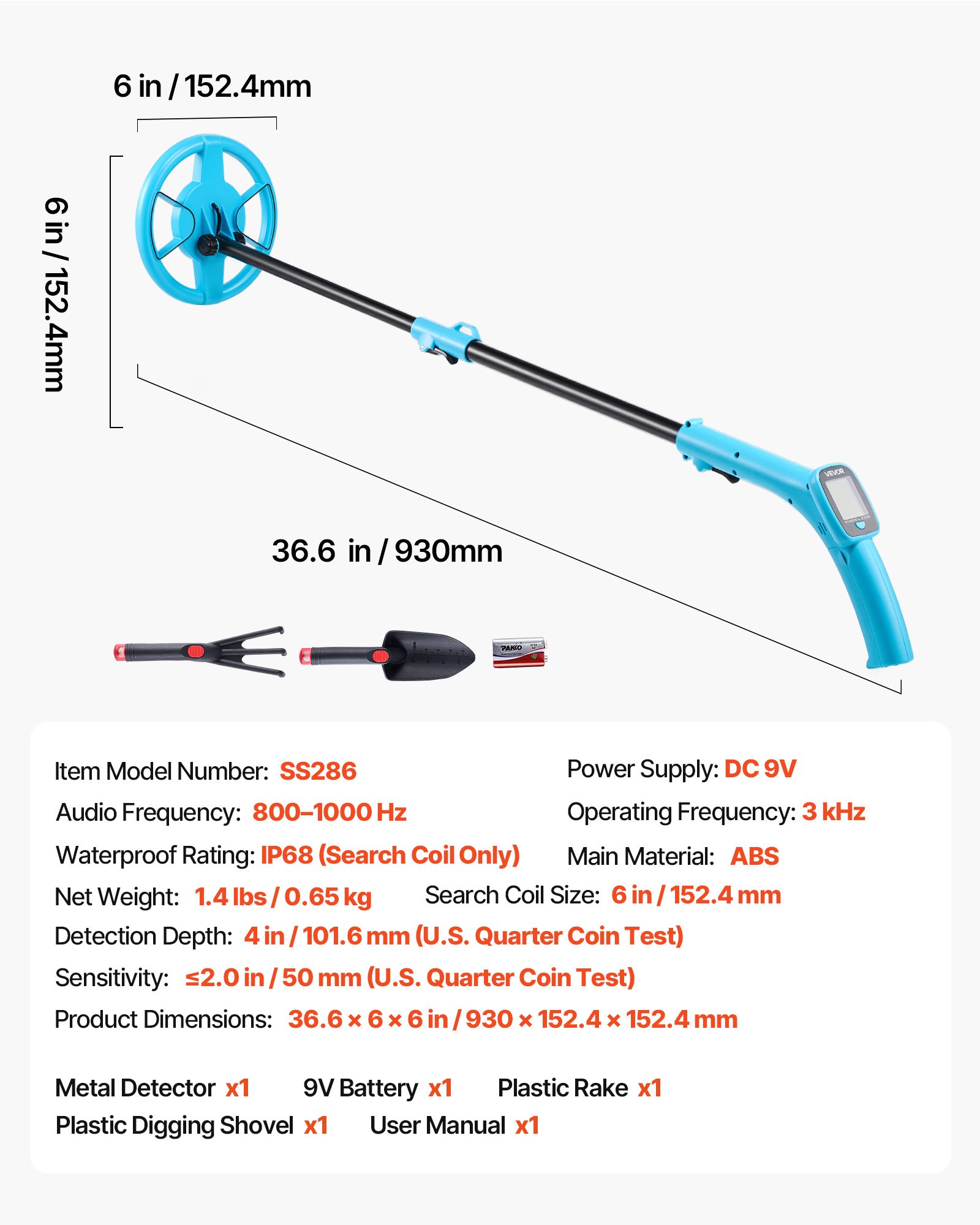
A metal detector is a VLF or pulse-induction instrument whose real-world performance hinges on coil size, target separation, ground-balance capability, and waterproof rating—not on mode count. The primary trade-off is sensitivity versus false signals: larger coils go deeper but miss small gold in trashy ground, while small coils separate targets but lose depth. Buy a detector with manual or automatic ground balance and a genuinely waterproof coil if you hunt mineralized soil or beaches; skip fixed-ground-balance toys with sealed coils.

Hiking Backpacks & Hydration Packs

Hydration Pack

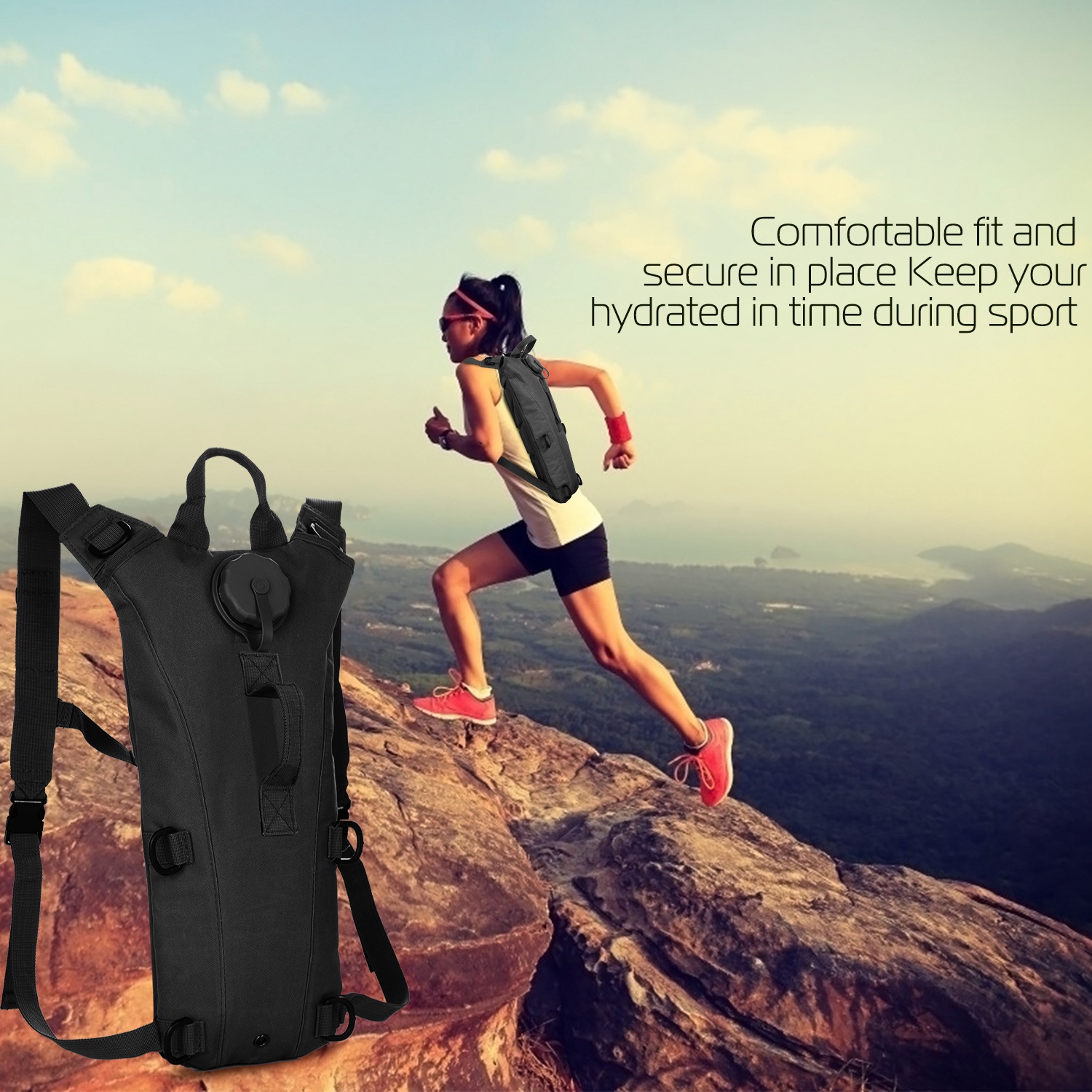
A hydration pack integrates a fluid reservoir with a body-hugging carrier, where the reservoir grade, harness ventilation, and cargo-to-fit ratio determine whether it stabilizes on technical terrain or bounces empty. The core trade-off is between lightweight ventilated mesh suspension and abrasion-proof ripstop nylon with insulated bladder sleeves. Choose a dedicated 1.5–3L lumbar or vest-style pack for fast movement, and step up to a 12–20L daypack with a suspended mesh back panel only when you need load transfer for full-day carry.

Sleeping Bags, Pads & Cots

Sleeping Pad

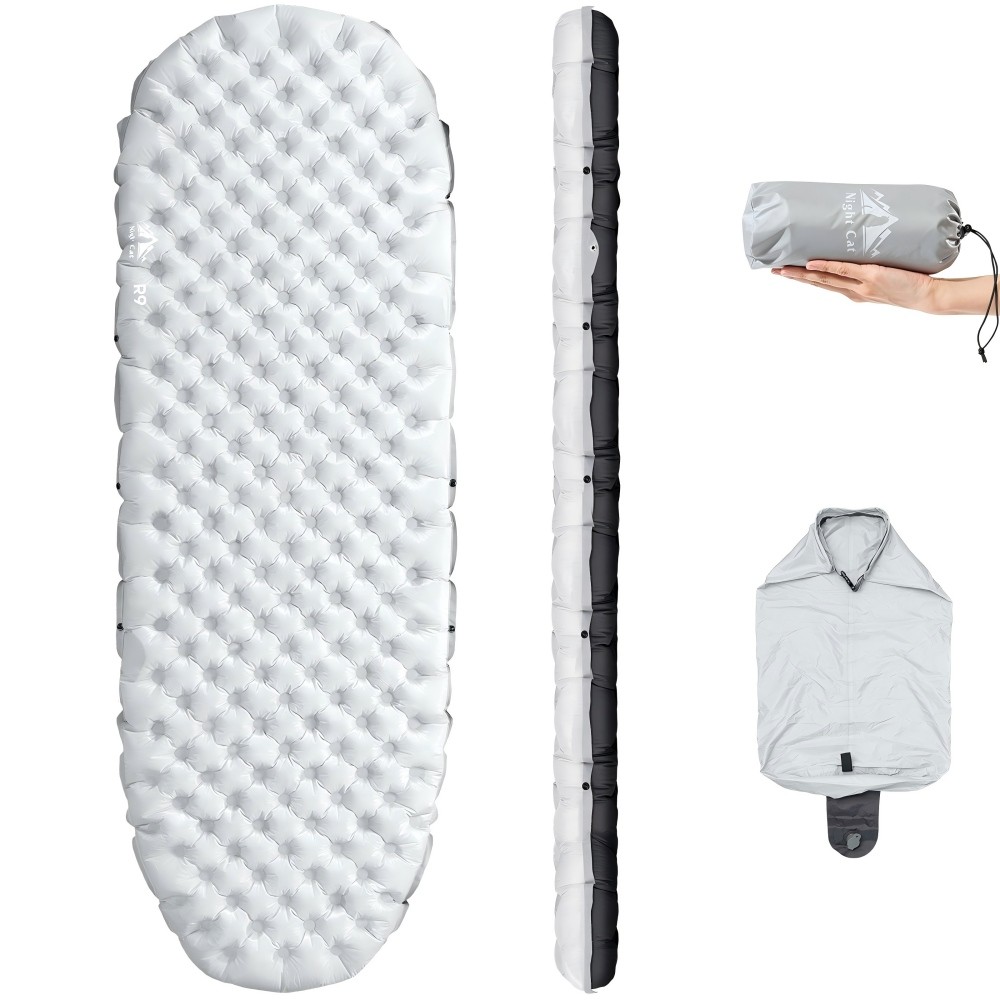
Sleeping pads are the primary comfort and insulation layer between you and the ground, and the core trade-off is weight/packability versus durability and warmth. Air pads win on packed size but demand careful puncture care; closed-cell foam and self-inflating pads trade bulk for bombproof reliability and instant setup. The decision rule: match R-value to ground temperature and choose construction type by transport mode—rolled foam for car camping, air or self-inflating for backpacking.

Recovery & Massage

Compression Sleeve

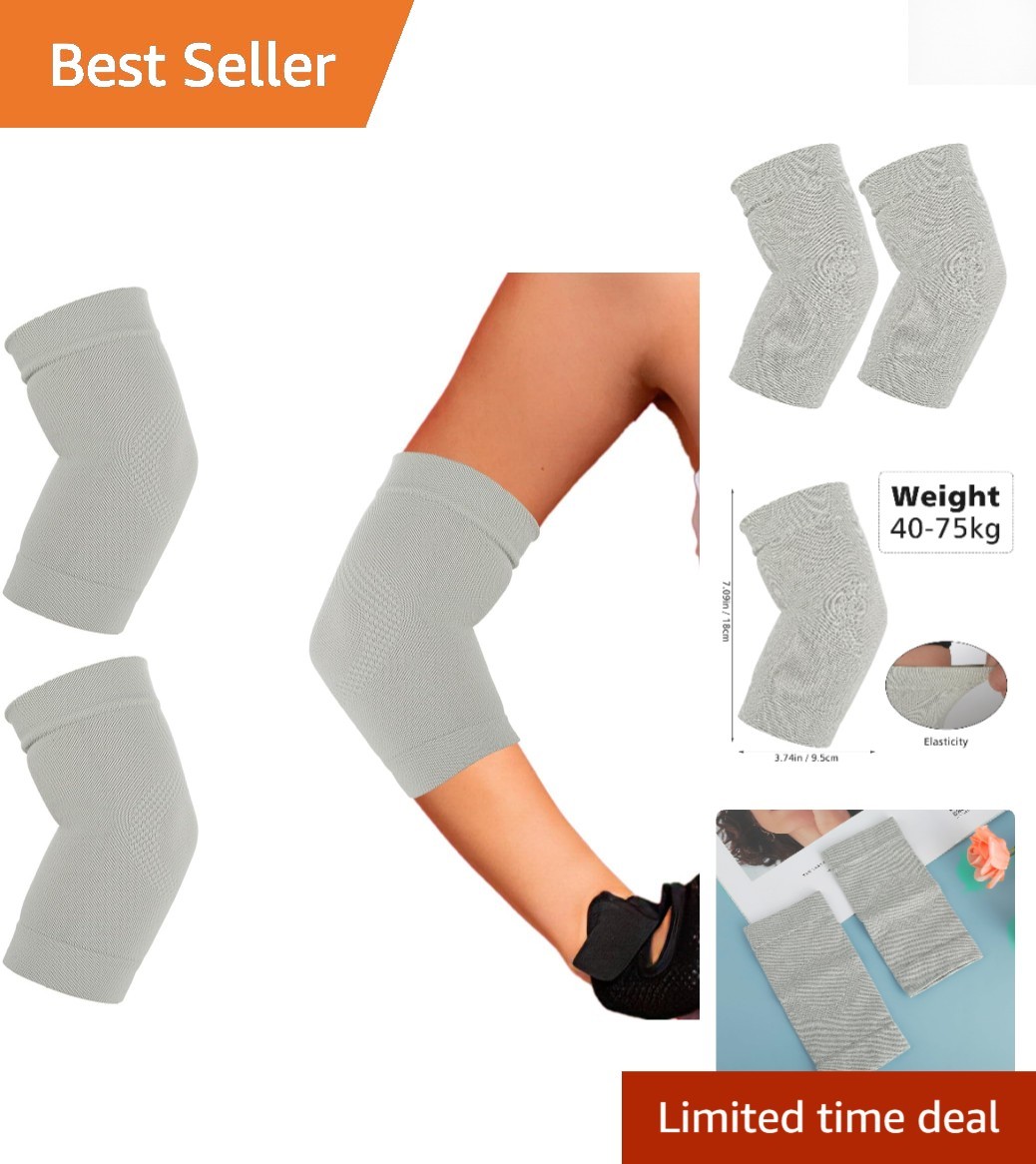
Compression sleeves are tubular knit garments worn on the knee, elbow, calf, or arm to apply graduated pressure for joint support, swelling control, and muscle recovery. The core trade-off is fabric engineering: medical-grade graduated compression with verified mmHg ratings and breathable moisture-wicking yarns versus cosmetic nylon tubes that bunch, roll, and lose elasticity after a few washes. Buy medical-grade graduated compression for injury recovery or clinical swelling; buy sport knit sleeves for training warmth, abrasion protection, and mild proprioceptive support.

Fishing Hooks, Lures & Baits

Topwater Lure

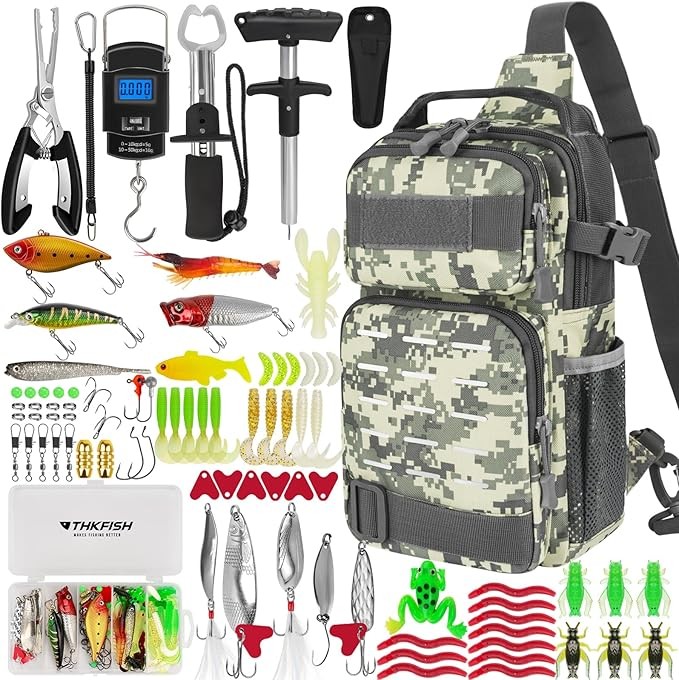
Topwater lures are floating or slow-sinking artificial baits that generate surface commotion—walking, popping, buzzing, or plopping—to trigger aggressive bass and pike strikes. The core trade-off is between hard-bait action durability (ABS shell thickness, through-wire construction, premium trebles) and soft-bait hookup mechanics (hollow-body frog collapsibility, weedless double-hook geometry, plastic softness). Durable topwater picks use molded-through wire harnesses and corrosion-resistant hooks; compromises use glued-in hangers, thin 0.8mm ABS, and unplated hooks that bend or rust within a season.

Fishing Reels

Shimano Spinning Reel

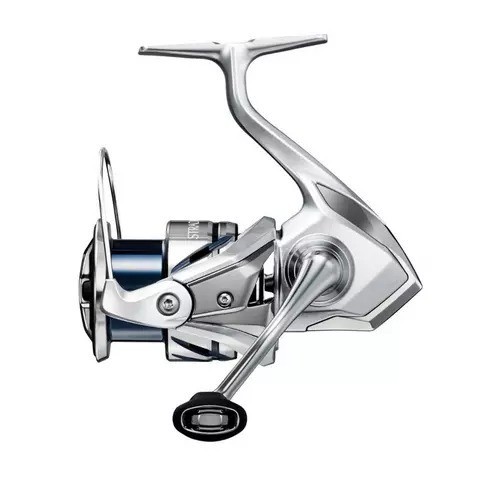
Shimano spinning reels span from entry-level plastic-bodied models to magnesium and aluminum flagship reels, with the core trade-off being weight and rigidity versus price and corrosion resistance. The decisive rule: buy a reel whose frame material matches your exposure (saltwater vs freshwater) and whose drag and line capacity match your target species, not the marketing tier name. Durable options use aluminum or magnesium frames with sealed bearings and a screw-in handle; compromises use plastic frames, bushing-supported drives, and unsealed drags.

Fishing Rods

Telescopic Fishing Rod

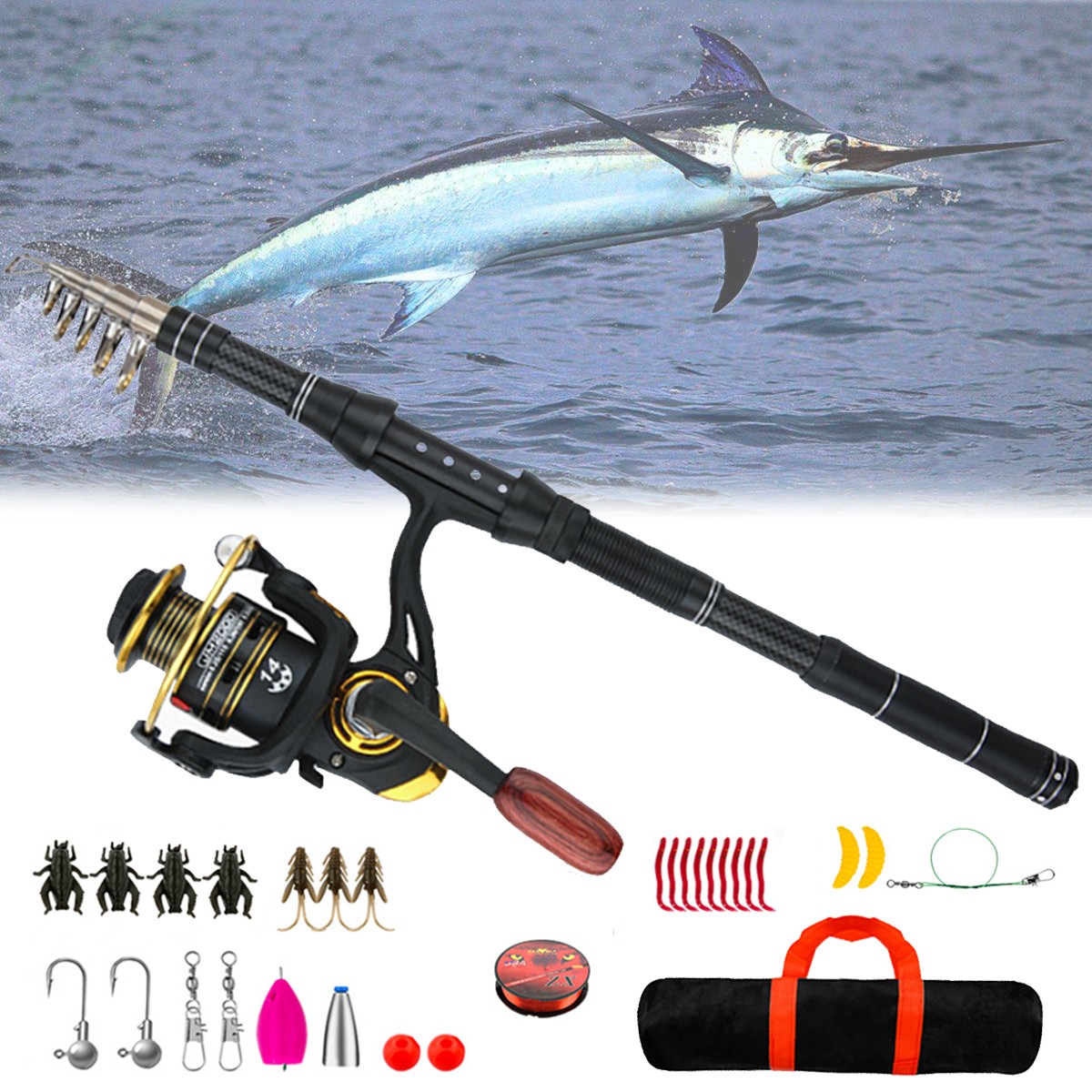
A telescopic fishing rod collapses through a series of nested tubular sections for backpack-portable transport, trading some stiffness and sensitivity against collapsibility. The key decision is section count and blank material: fewer, longer sections and higher-modulus carbon keep action crisp, while budget multi-section glass blanks turn mushy and bind at the ferrules. Buy a carbon-matrix blank with 5–7 sections and a matching reel seat for real fishing; skip 8+ section or fiberglass economy poles unless the priority is compactness over feel.

Fishing Rods

Telescopic Fishing Pole

A telescopic fishing pole is a collapsible rod that nests into its handle for backpack or glovebox transport, trading some sensitivity and lifting power for portability. The core trade-off is section count and wall thickness: fewer, thicker sections cast and fight fish better, while more sections pack shorter but feel softer and are more prone to joint failure. Buy a rod with 5 sections or fewer and a stated carbon content for real fishing; treat ultra-compact 8+ section poles as emergency or backpacking tools only.

Ski Bags, Racks & Protection

Ski Bag

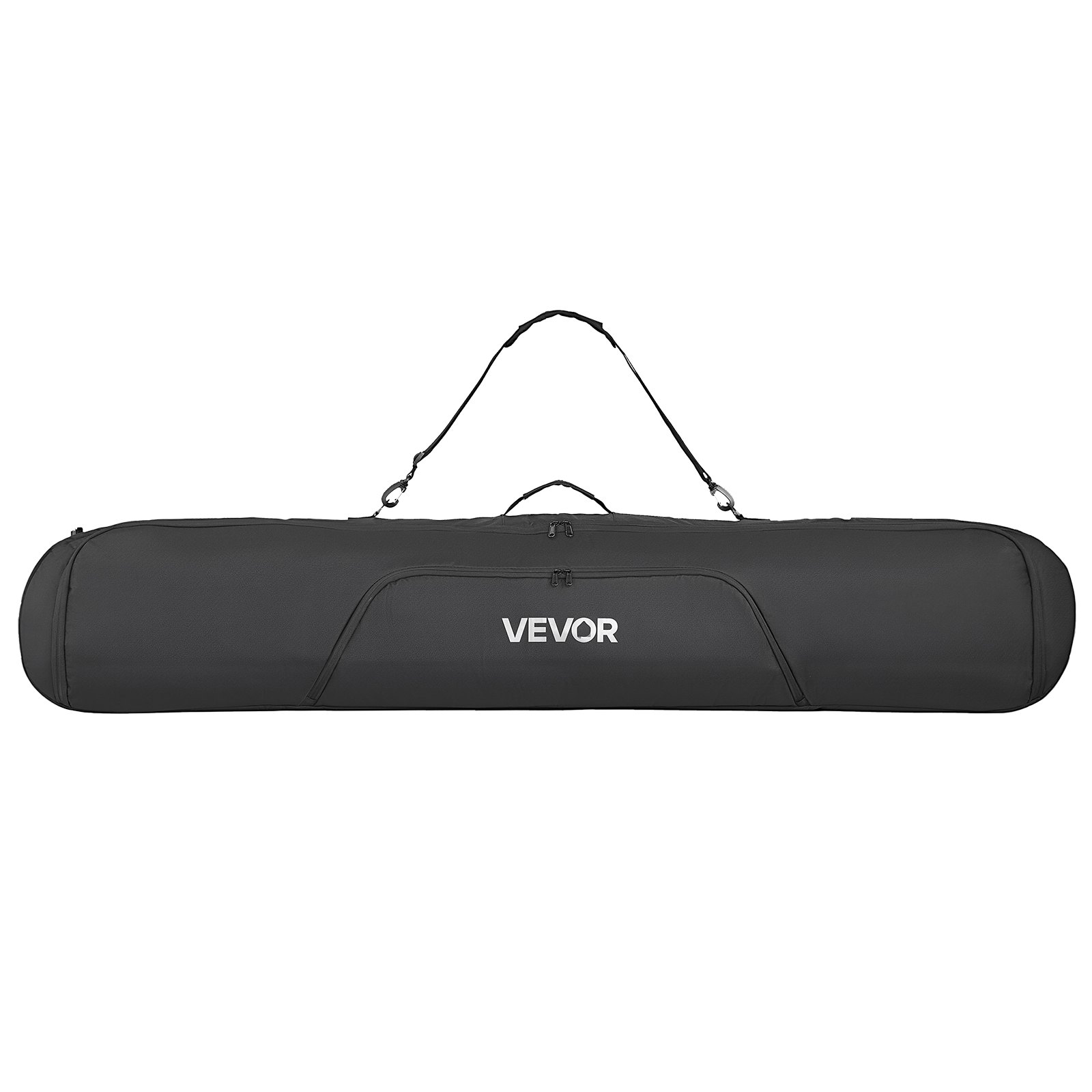
A ski bag is a padded, purpose-built carrier that protects skis, poles, and often boots and helmets during transport, and its core trade-off is between lightweight soft-shell convenience and rigid, airport-resistant protection. Durable options use 600D–1680D Oxford or ballistic nylon, closed-cell foam padding, and YKK-style zippers, while compromises thin the fabric below 400D, skip padding at the tips and bindings, and rely on single-stitch seams that fail under airline handling.

BBQ Rubs, Sauces & Prep Tools

Cleaning Brush

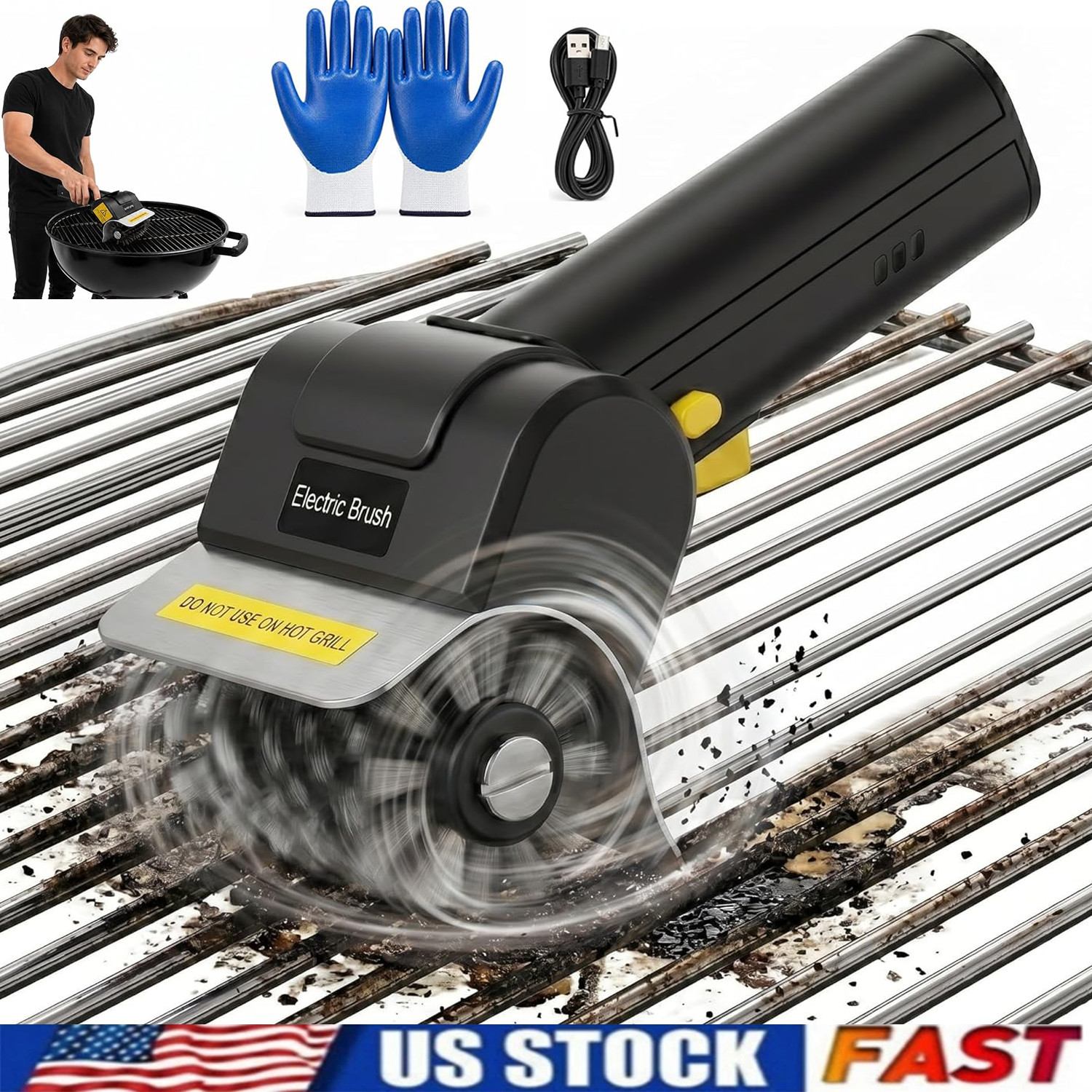
A grill cleaning brush is a wear part, not a lifetime tool: the decision comes down to bristle architecture (wire vs. bristle-free coil) and whether you want manual leverage or a rechargeable motor. Buy bristle-free or fully encapsulated wire coils for kamado, ceramic, and stainless grates; skip cheap loose-wire brushes whose bristles can shed into food.

You may also like

Finding more guides for you…