Trail Gear Advisor

Trail Gear Advisor

Outdoor Gear Reviews & Buying Guides

Compare outdoor gear by use case, features, trade-offs, price, returns, and seller terms before you buy.

Buying guides

Skis & Snowboards

Ski With Binding

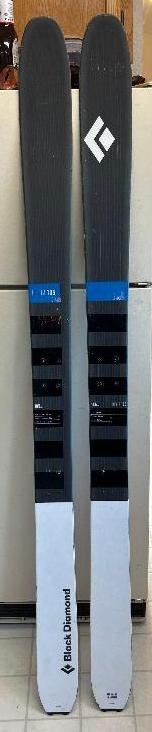
A ski-with-binding package pairs a specific ski model with a matched binding system, and the critical trade-off is whether the binding is factory-integrated (system ski) or a separately mounted alpine binding—each with different release consistency, remount flexibility, and boot-compatibility constraints. The decision rule: buy a system ski if you want zero setup hassle and a known DIN range matching your boot sole length; buy a flat ski plus separate binding only if you need a specific DIN/brake width or plan to remount across multiple skis.
BBQ Grills & Smokers

Blackstone Grill

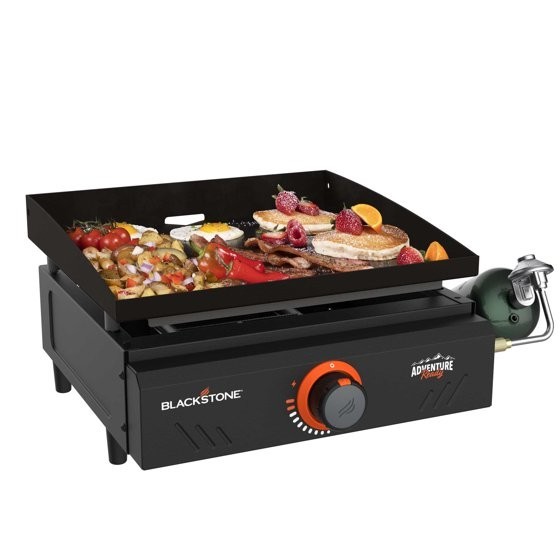
Blackstone grills are flat-top gas griddles built around a cold-rolled steel cooking surface, and the primary trade-off is burner count and BTU output versus footprint and propane consumption. Buyers should pick the smallest griddle that covers their typical batch size, because a larger surface than needed wastes fuel and heats unevenly at the edges.

BBQ Fuels & Smoking Wood

Kingsford Charcoal Bbq

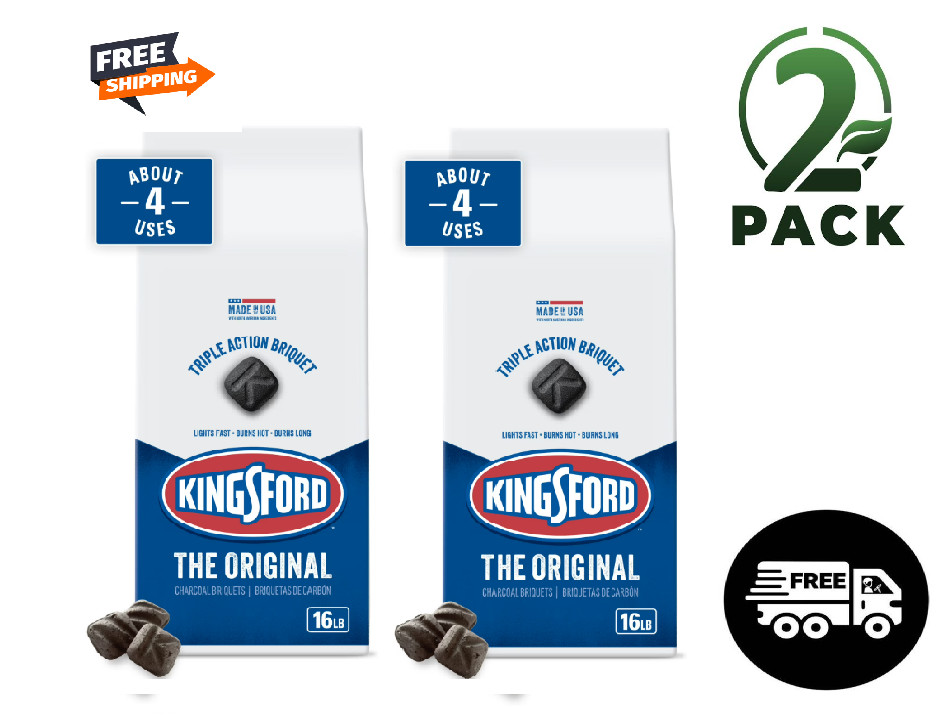
Kingsford charcoal is the benchmark American briquette fuel, built from charred hardwood and a starch binder that delivers predictable heat and long burn times. The core trade-off is between Original briquettes (consistent, ash-heavy, easy lighting) and professional/hardwood lump variants (hotter, cleaner, faster-burning), so buyers must match the fuel format to their cooker type and cook style rather than chasing brand loyalty alone.

Fishing Hooks, Lures & Baits

Bass Topwater Fishing Lure

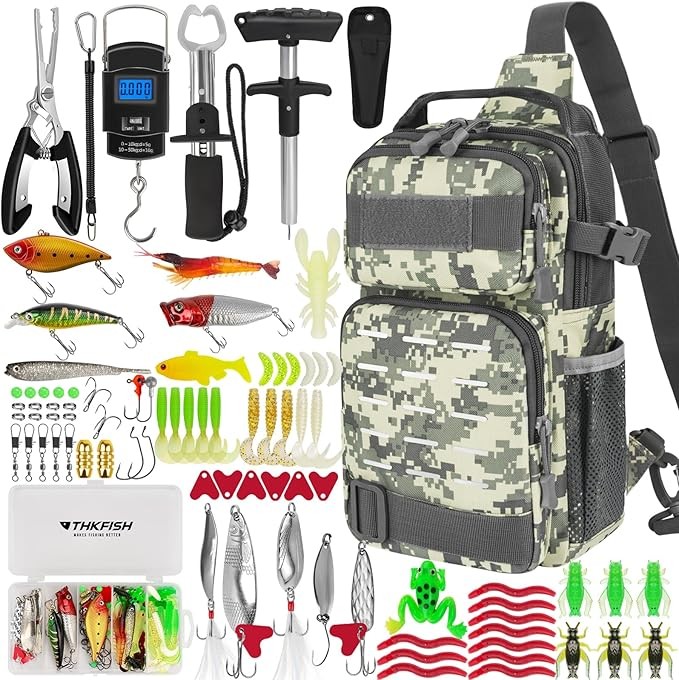
Topwater bass lures are floating or wake-generating artificials—poppers, walkers, frogs, and prop baits—that trigger surface strikes by imitating injured baitfish, frogs, or insects. The core trade-off is action versus hookup durability: hollow-body frogs and soft plastics deliver soft, collapsible strikes but wear out, while ABS hard baits and wire-through construction hold up but demand correct cadence and hook sizing. Choose hollow-body soft frogs for slop and weed mats, and hard ABS poppers or walkers with VMC-style trebles for open water and wind.

Fishing Hooks, Lures & Baits

Bass Topwater Lure

Bass topwater lures are floating or waking surface baits—poppers, walkers, prop baits, and hollow-body frogs—that trigger explosive strikes; their performance hinges on buoyancy control, hook quality, and hardware corrosion resistance. The core trade-off is between cheap kits with soft, dull hooks and ABS bodies versus proven models with sharp, saltwater-grade trebles and tuned balance. The decision rule: buy proven lure architectures with name-brand hooks and through-wire construction; skip generic bulk kits whose hook points and split rings are the weak link.

Fishing Reels

Bass Fishing Reel

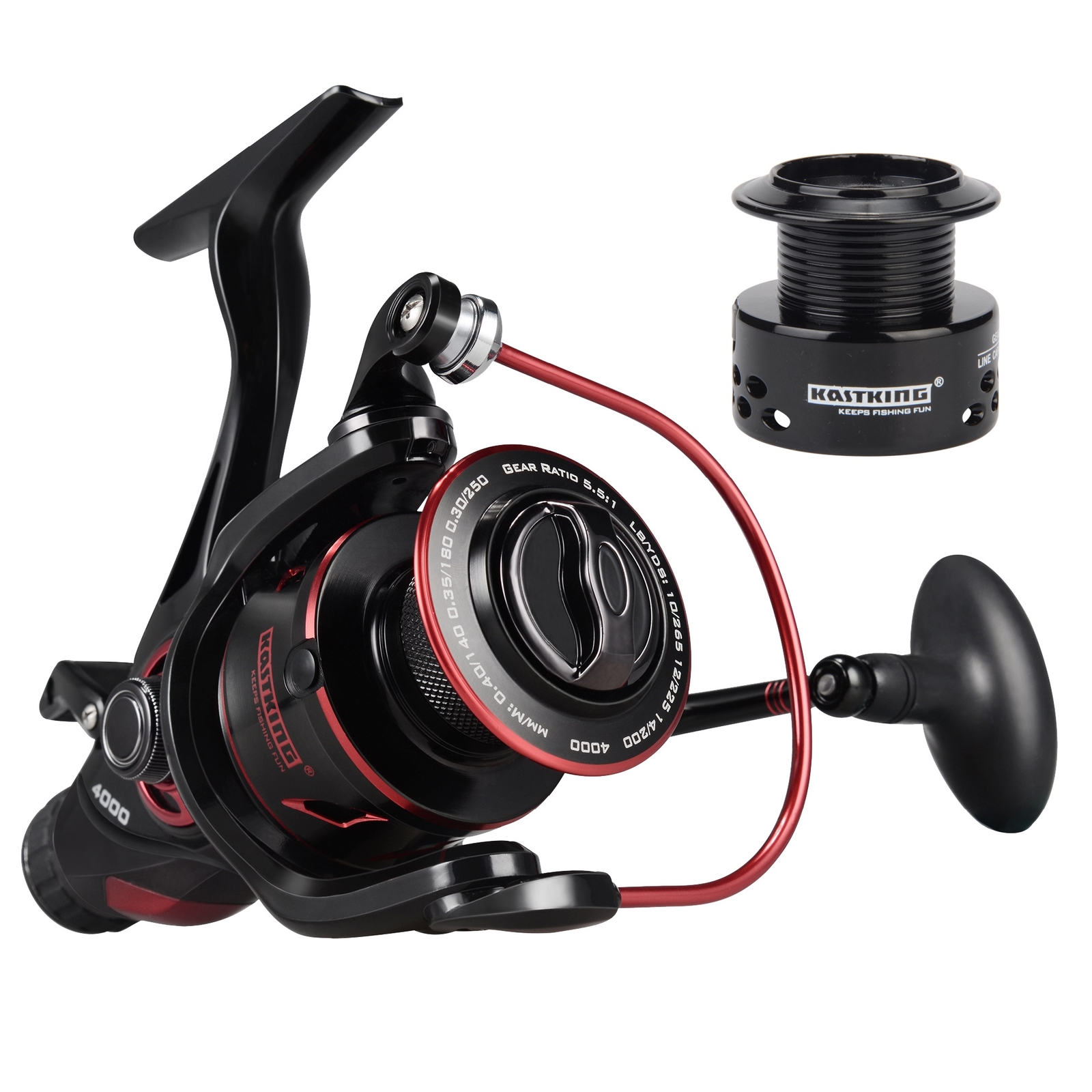
Bass fishing reels split into spinning (finesse, light lures, easy casting) and baitcasting (power, accuracy, heavy cover), with build quality determined by drag system, gear material, and frame rigidity. The core trade-off is weight and backlash control versus casting distance and power. Buy spinning for lures under 3/8 oz and baitcasting for 3/8 oz and up when accuracy and hauling bass out of cover matter.

Fishing Rods

Saltwater Fishing Rod Reel

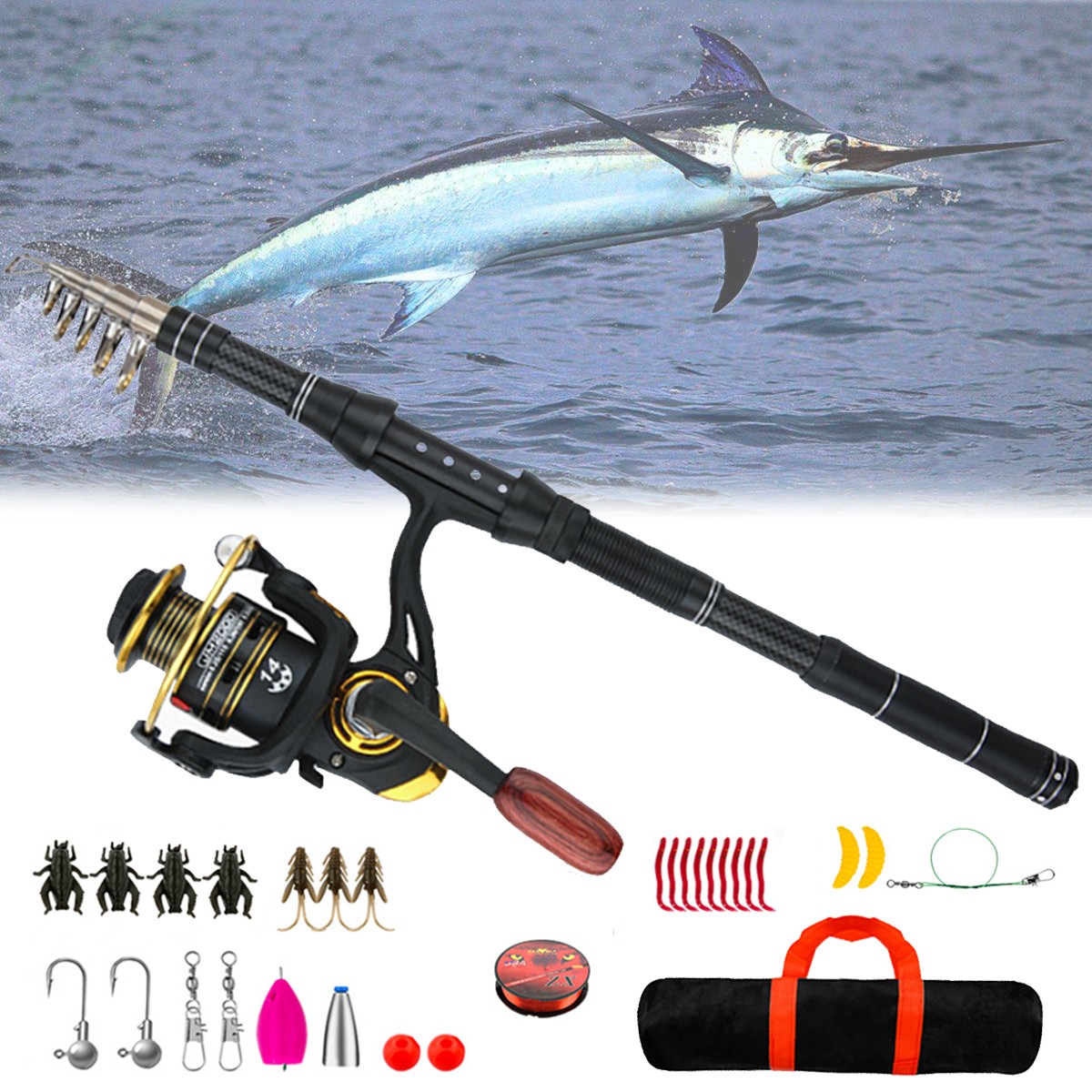
A saltwater fishing rod and reel combo is a matched rod-and-reel package built to handle salt, sand, and larger, harder-fighting species than freshwater gear. The primary trade-off is sealed, corrosion-resistant construction versus low-cost telescopic convenience—budget collapsible combos often use unsealed reels and thin blank walls that fail under salt exposure and load. The decision rule: choose a combo with a sealed drag, stainless or titanium-oxide guides, and a two-piece or short-section rod for serious saltwater use; reserve telescopic combos for travel backup and light inshore duty.

Tennis & Racquet Sports

Wilson Rf 01

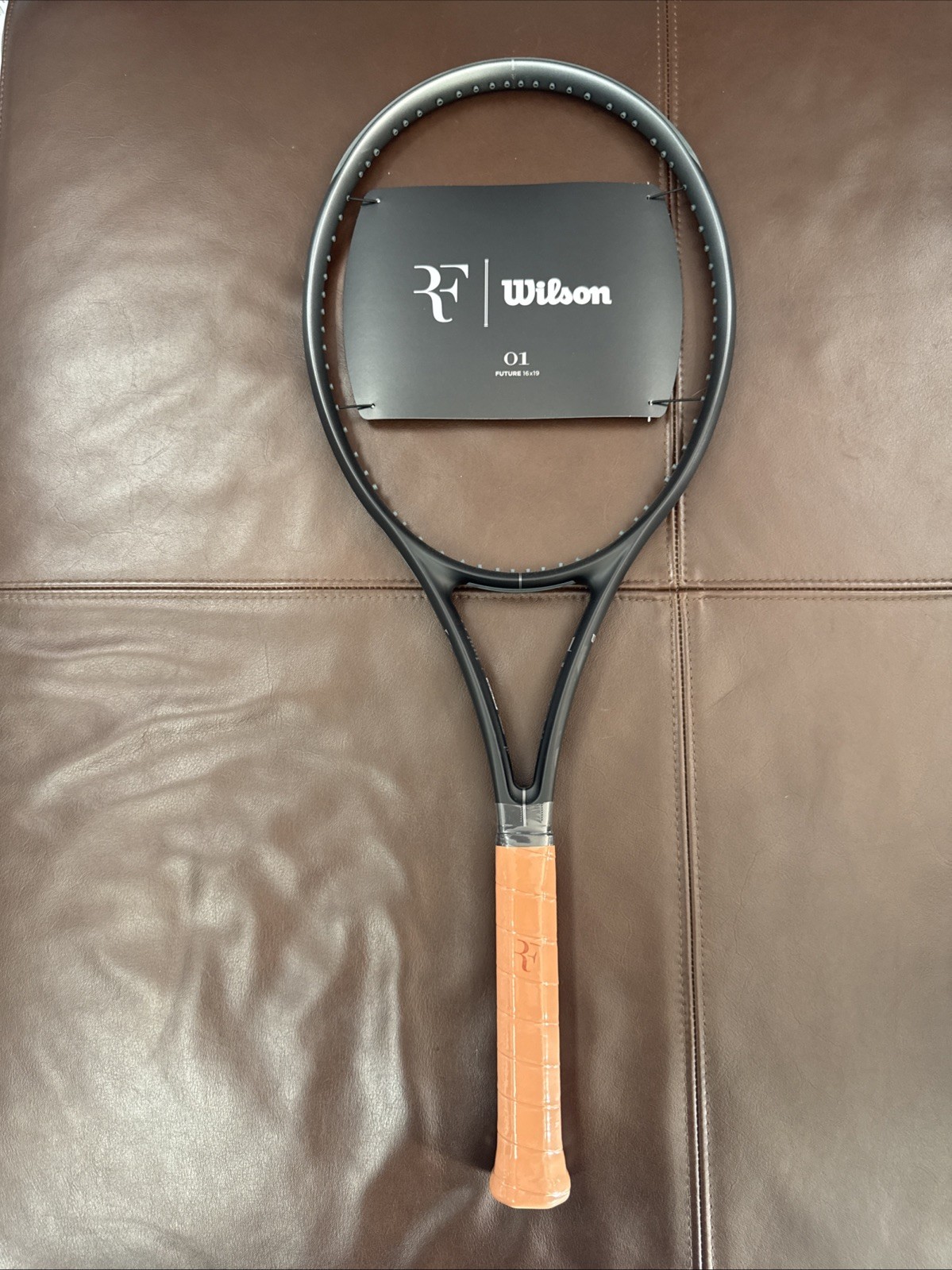
The Wilson RF 01 family is Roger Federer's signature player-frame line, offering three distinct layups: the standard RF 01 at 280g unstrung, the RF 01 Pro at 320g, and the RF 01 Future as a lighter transitional frame. The core trade-off is mass versus maneuverability—heavier static weight adds plow-through and stability against pace, while lighter layups demand earlier preparation and cleaner timing. Choose the Pro only if you can swing a 315–320g unstrung frame for a full match; choose the standard or Future if you need easier racquet-head speed and arm comfort.

Equestrian Saddles & Pads

Western Saddle

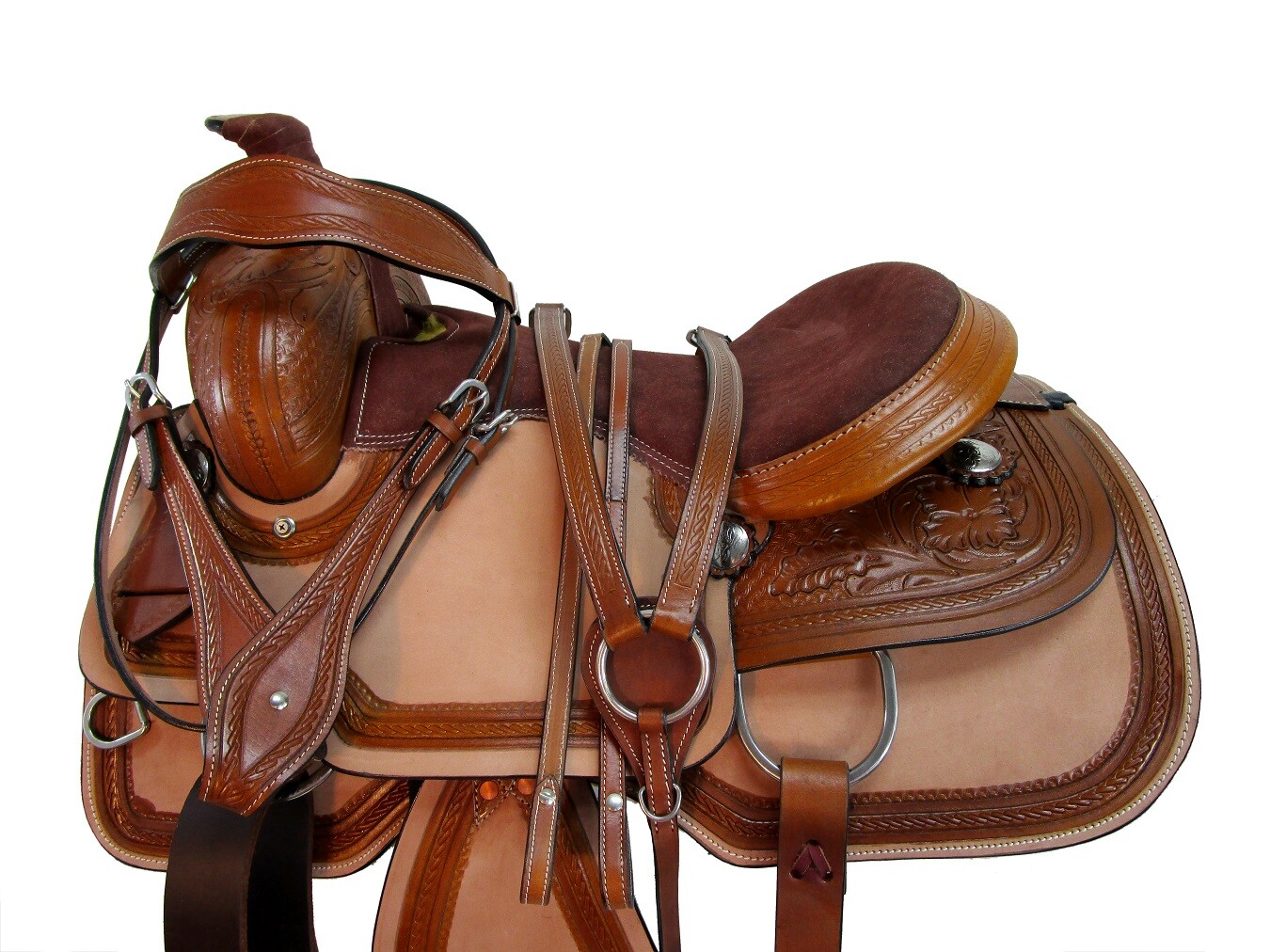
Western saddles are the heavy-duty work and trail riding saddles defined by a horn, deep seat, and wide weight-distributing bars; the core trade-off is between proper tree fit and bar angle for your horse versus cosmetic leather tooling and trim. A durable Western saddle starts with a solid wood or fiberglass-covered tree with correct gullet width and bar spread, quality full-grain leather, and stainless or brass rigging hardware; anything that skimps on the tree or uses bonded leather is a short-lived compromise.

Skateboard Wheels & Bearings

Cruiser Board Wheel

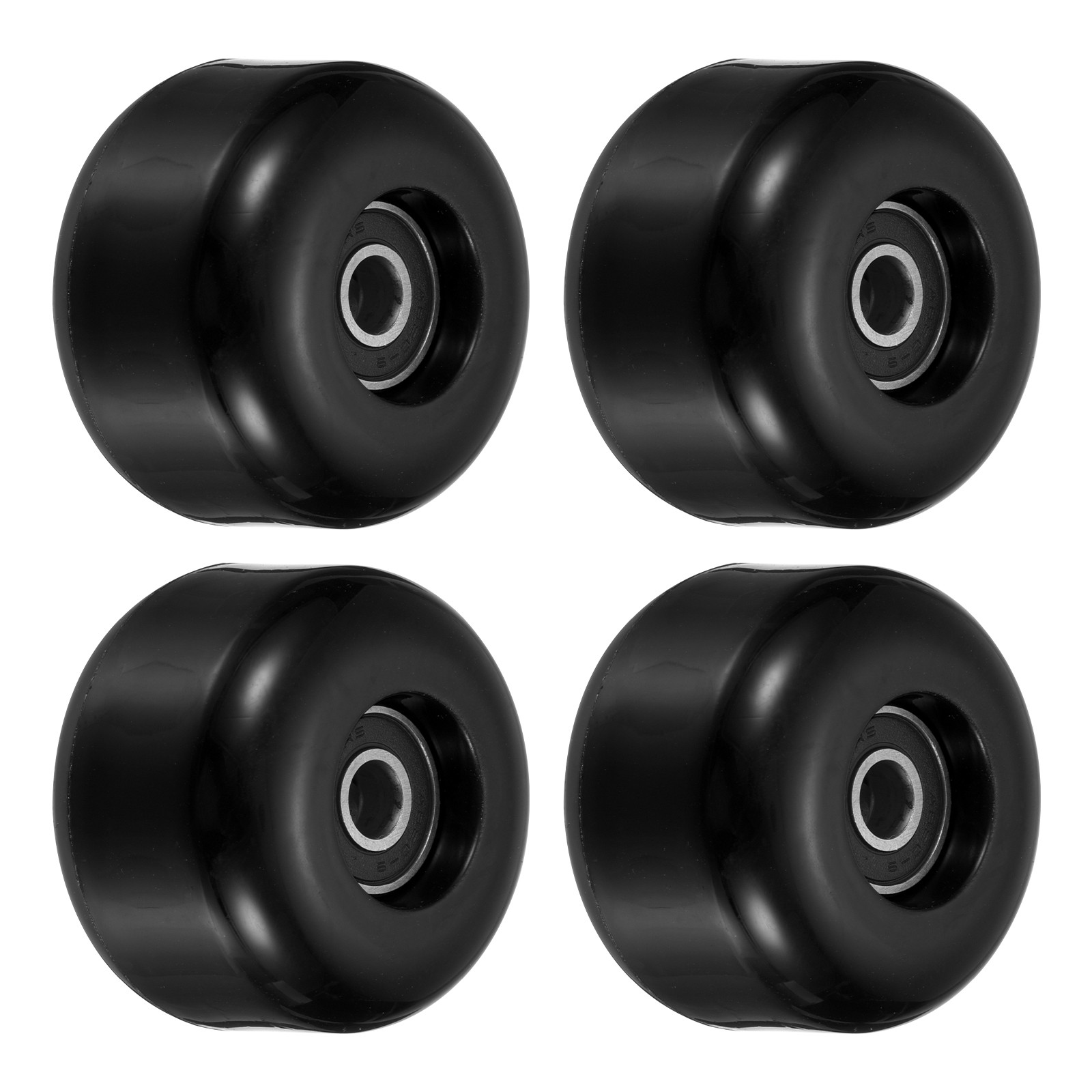
Cruiser board wheels are soft-urethane wheels (typically 54–60mm wide, 78A–85A durometer) designed to roll fast on rough pavement while still fitting standard skateboard trucks. The primary trade-off is durometer vs. diameter: softer (78A–80A) and larger (58–60mm) wheels absorb cracks and roll over debris, while harder (85A–92A) and smaller (54–56mm) wheels feel snappier but transmit road vibration. The clear decision rule: buy 78A–80A in 58–60mm for cracked streets and mixed commute terrain; buy 85A–92A in 54–56mm only for smooth skatepark concrete or technical street riding.

Skateboard Wheels & Bearings

Cruiser Skateboard Wheel

Cruiser skateboard wheels are soft, wide-contact wheels designed to roll smoothly over rough pavement, debris, and cracks while still fitting standard street trucks. The core trade-off is durometer versus roll speed: softer wheels (78A–85A) absorb vibration and grip but wear faster and feel sluggish on smooth concrete, while harder cruiser wheels (90A–92A) roll faster and slide predictably but transmit more road buzz. The decision rule: buy 78A–85A for cracked asphalt and commuting comfort, 90A–92A only for smooth parks and technical sliding, and always match wheel diameter and width to your truck axle and deck clearance.

BBQ Fuels & Smoking Wood

Charcoal Pellet

Charcoal pellets are extruded hardwood fuel engineered for pellet smokers and grills, bridging the convenience of pellet feeding with the flavor profile of charcoal. The core trade-off is between pure carbonized hardwood pellets that deliver clean, steady heat and blended briquette-style pellets that add binders and ash for a more traditional charcoal taste. Choose pure low-ash hardwood pellets for automated pellet smokers; choose charcoal-blend or briquette-style pellets only when you want aggressive charcoal flavor and accept higher ash and potential auger wear.

Camping Chairs & Tables

Lawn Chair

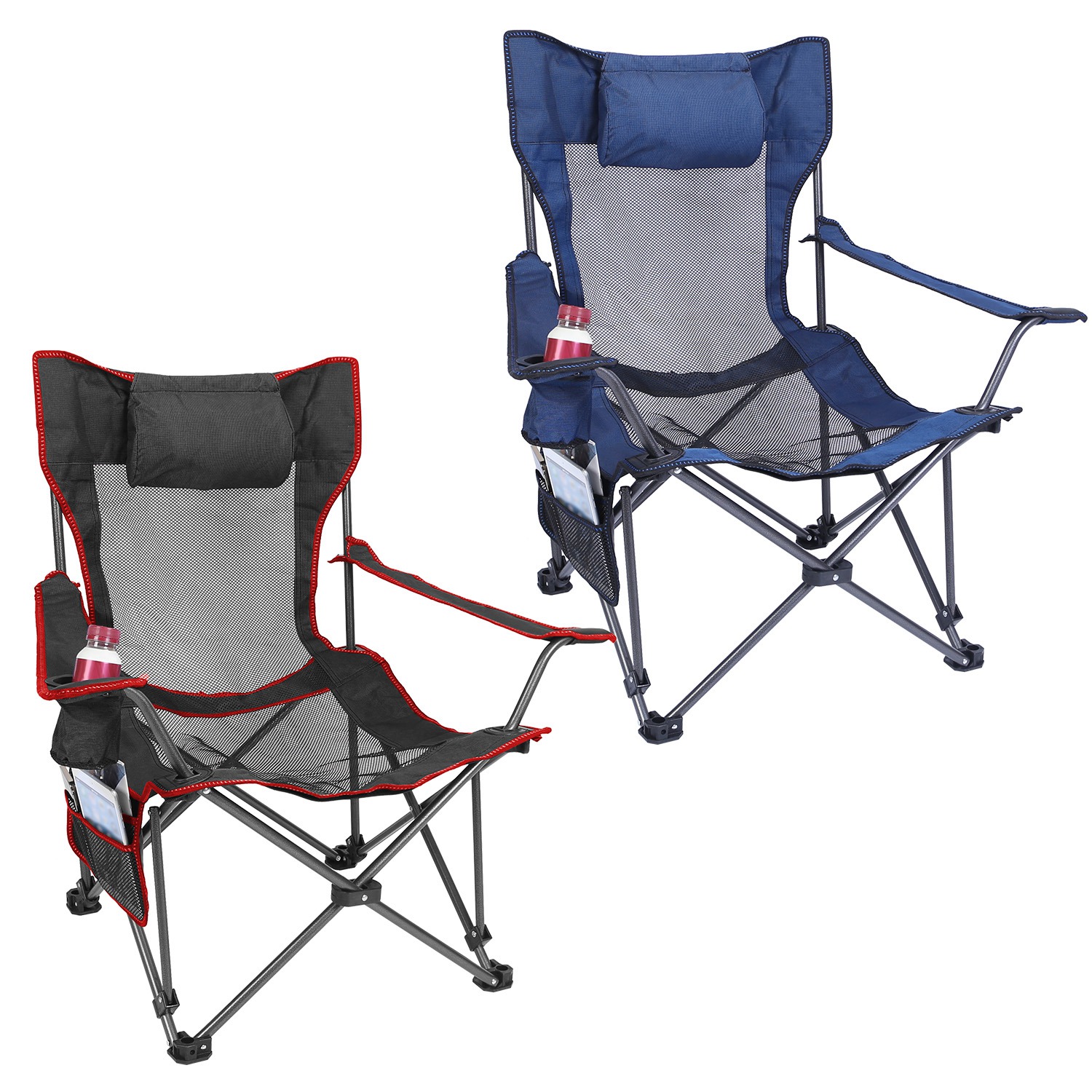
Lawn chairs are folding or collapsible outdoor seats built for yards, campsites, and events, where the core trade-off is frame rigidity and fabric durability versus pack weight and portability. Buying well means matching the frame grade (powder-coated steel vs aluminum) and fabric (600D+ polyester vs thin oxford) to your body weight and carry distance, not paying for gimmicks like canopies or reclining hinges on weak tube stock.

BBQ Fuels & Smoking Wood

Charcoal

Charcoal is the primary solid fuel for direct and indirect grilling, and the core trade-off is between briquettes (uniform shape, steady heat, ash-heavy) and lump hardwood (higher peak heat, faster ignition, irregular burn). Choose briquettes for long, predictable low-and-slow sessions and lump for high-heat searing and shorter cooks; avoid generic dusty or chemically-smelling bags regardless of type.

Golf Training, Shoes & Gloves

Outdoor Golf Net

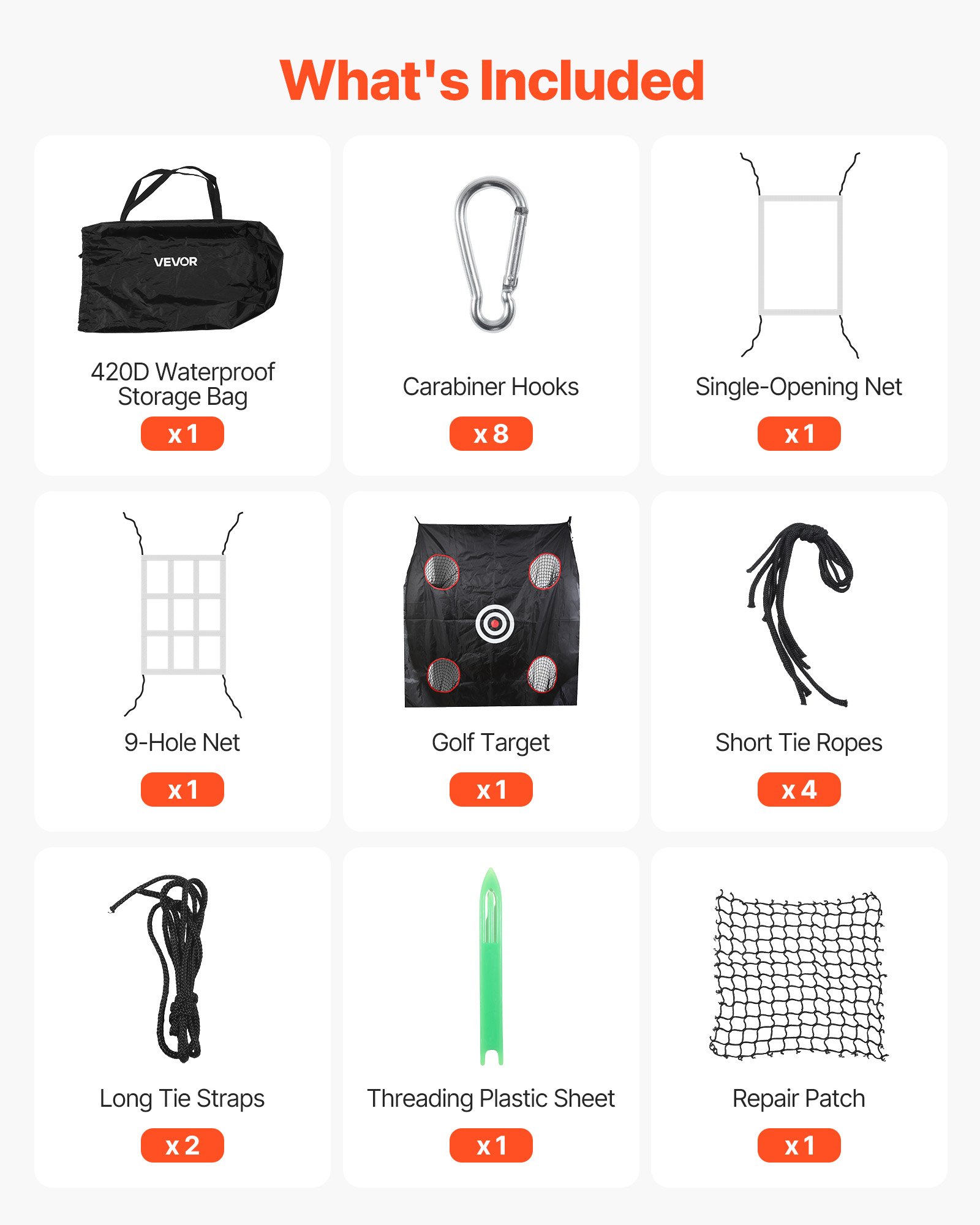
An outdoor golf net is a freestanding or framed practice enclosure that stops full-swing shots without a permanent structure, and the core trade-off is netting durability versus frame stability. Buy a replaceable-panel net with UV-stabilized, knotted or knotless polyester of at least 3-ply thickness on a powder-coated steel frame; skip thin single-layer nets on fiberglass poles for full-swing outdoor use.

Sleeping Bags, Pads & Cots

Folding Sleeping Cot

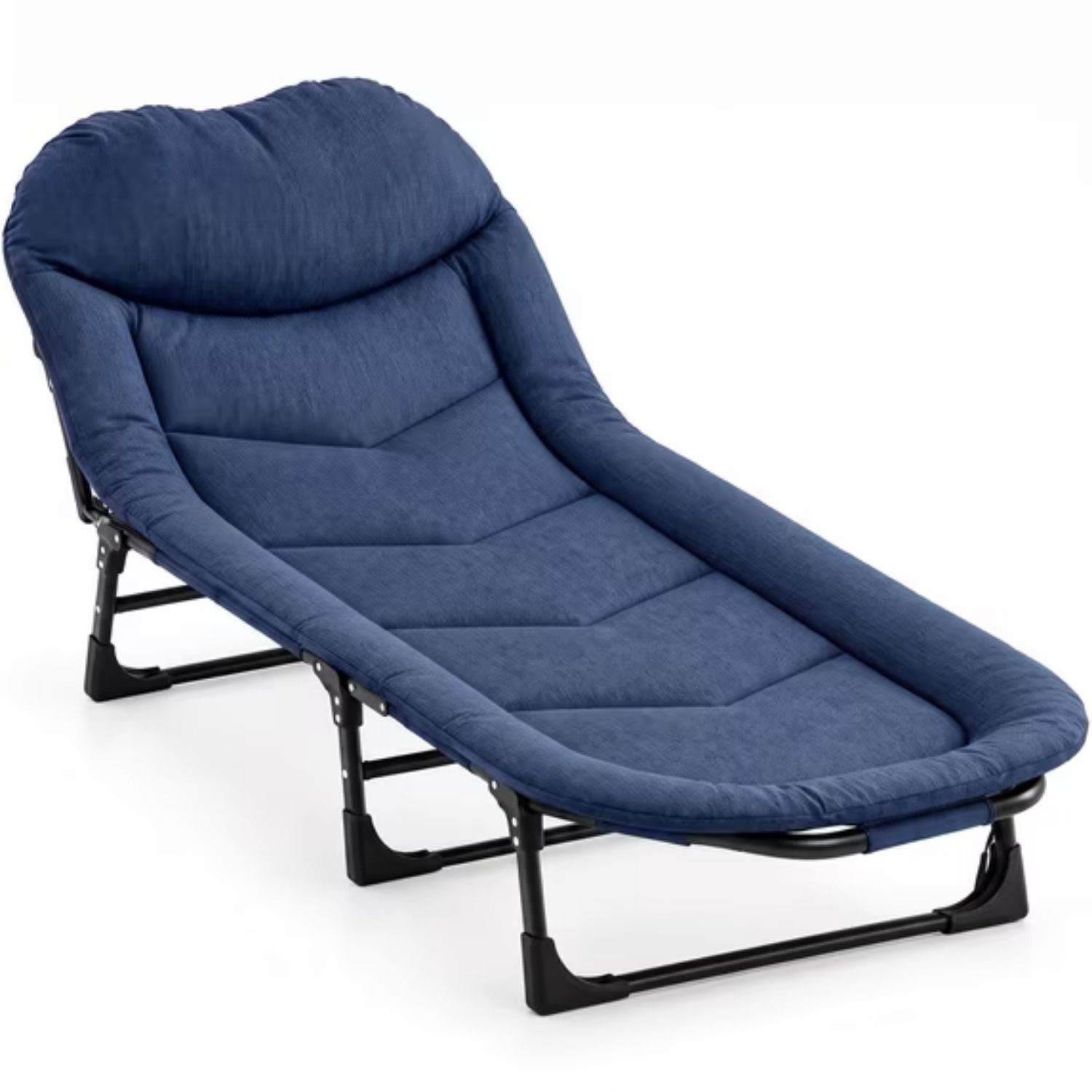
A folding sleeping cot is a collapsible bed frame with a taut fabric deck, used for camping, guest sleeping, or indoor napping. The core trade-off is frame architecture and fabric strength versus packed weight: steel X-leg cots are the most durable and stable but heavy, while aluminum or low-profile designs save weight at the cost of capacity and longevity. The decision rule is simple: buy a steel X-leg cot rated for your body weight with a 600D+ fabric deck for primary sleeping, and only accept lighter aluminum or narrower decks for occasional travel use.

Skateboard Wheels & Bearings

Bone Skate Wheel

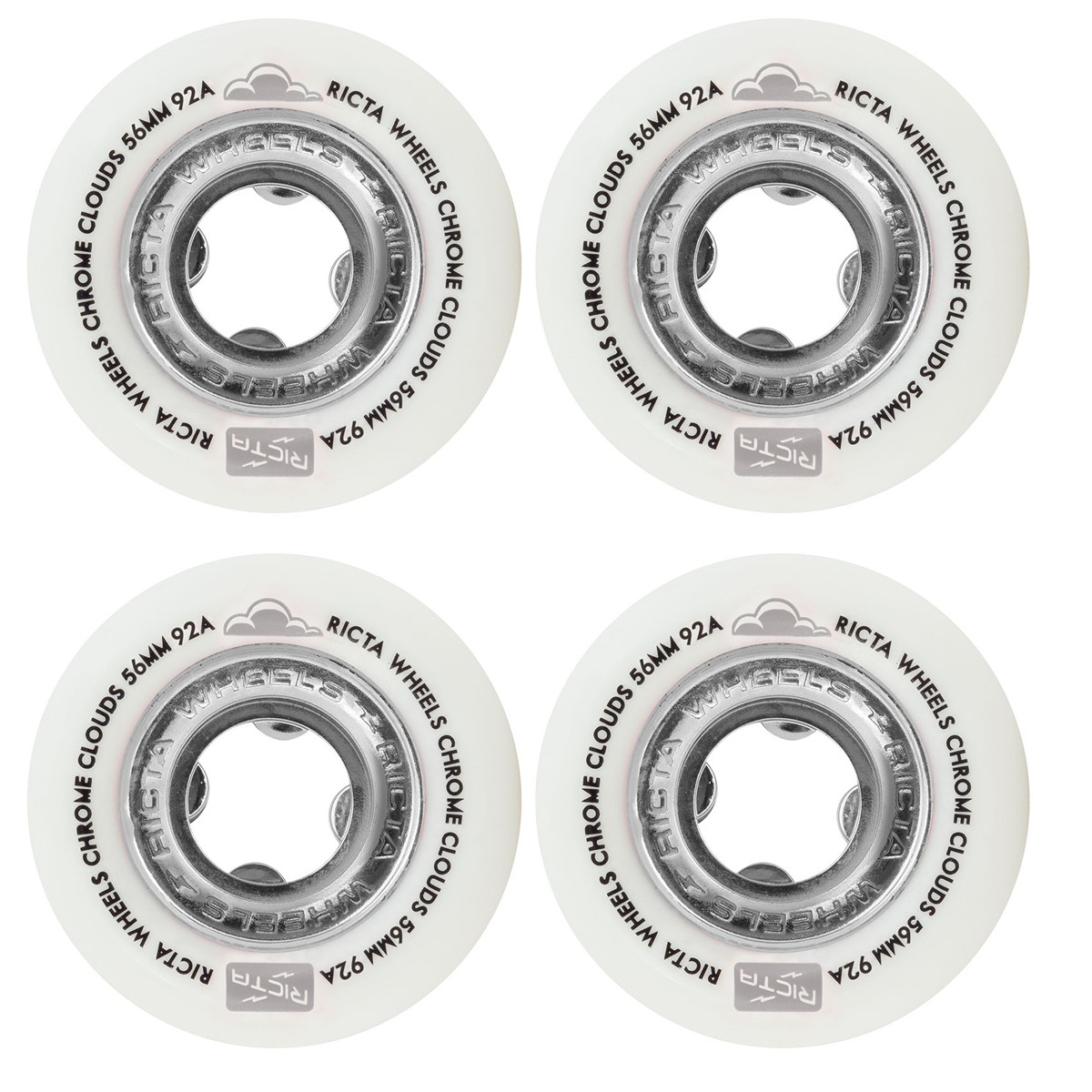
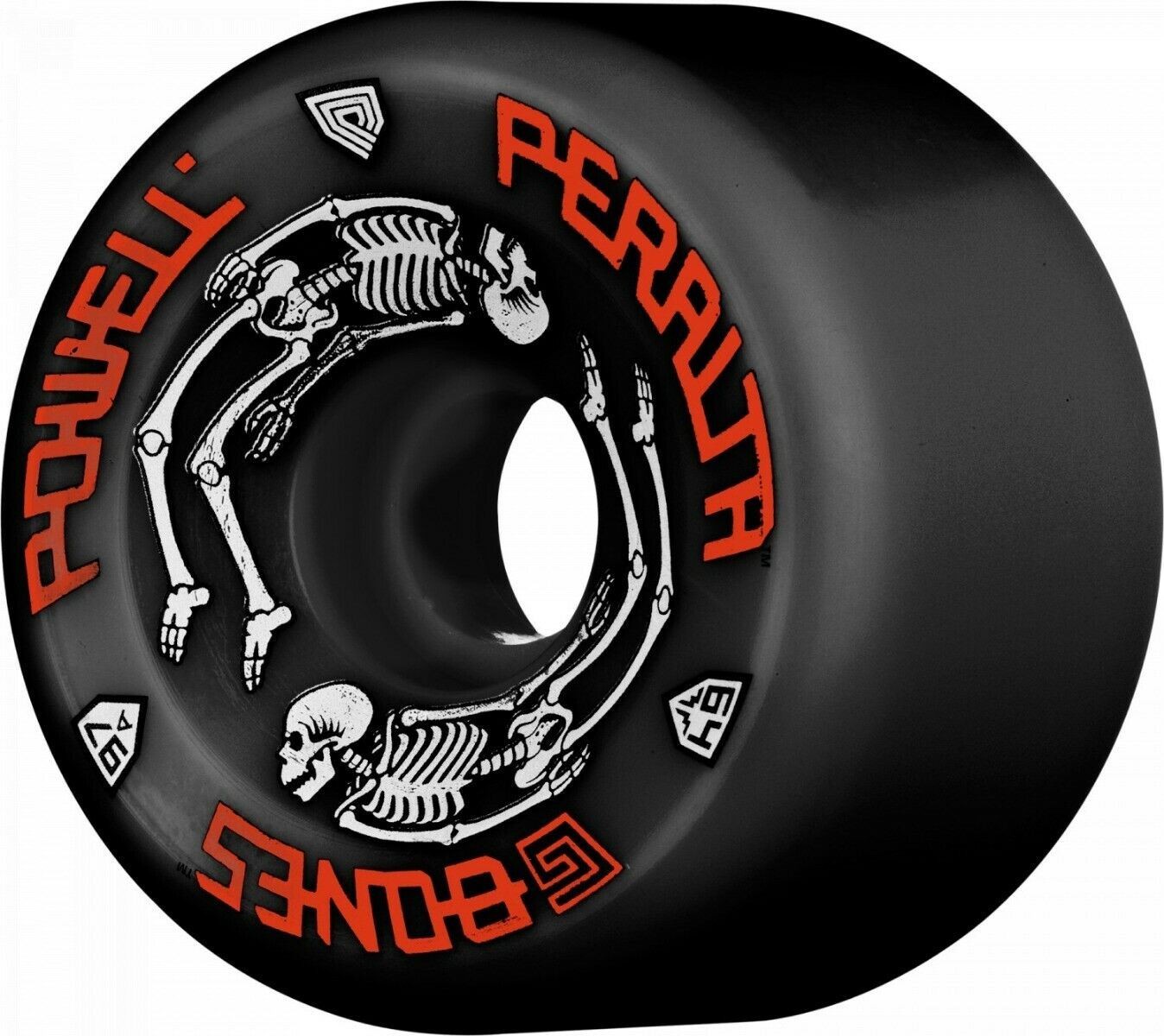
Bones skate wheels are Powell Peralta's urethane wheel lines, split by durometer and formula into Street/Tech (83B-84B, 103A-104A), Park/ATF (81B-84B, 97A-101A), and old-school reissues like Rat Bones (85A-90A). The core trade-off is urethane hardness versus rebound: harder, higher-rebound formulas roll faster and slide predictably on smooth concrete, while softer, higher-ounce formulas absorb rough asphalt and curb impacts. The decision rule: match durometer to surface first (rough pavement = 85A-90A, smooth park = 99A-104A), then match width and shape to your riding style and axle standard.

Skateboard Wheels & Bearings

Bone Skateboard Wheel

Bone skateboard wheels are Powell Peralta's urethane line (Bones, Rat Bones, G-Bones), defined by durometer and shape rather than brand hype. The core trade-off is hardness (97A+ for slide/park speed) versus softness (85A–90A for rough pavement grip and shock absorption). Buy by durometer and width first; if a wheel lacks a printed durometer and a defined riding style, treat it as a compromise.

Team Sports

Portable Baseball Net

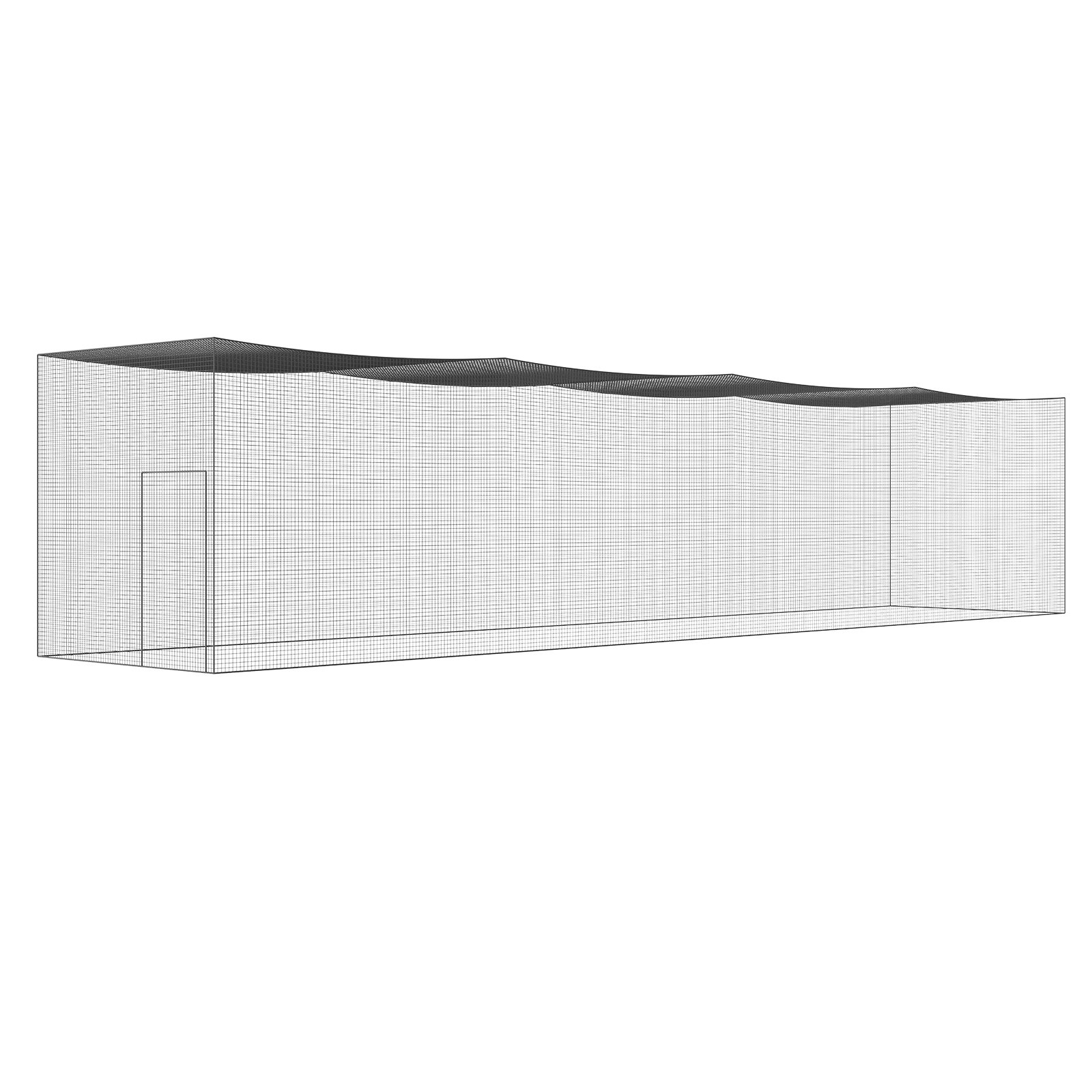
A portable baseball net is a freestanding or frame-supported barrier used for batting, pitching, and fielding practice, available as net-only replacements or complete training kits. The primary trade-off is between bare PE netting (cheap, needs a frame, degrades in UV) and turnkey systems with a steel or fiberglass frame, integrated strike zone, and carry bag. The decision rule: buy a complete framed kit with a weighted base and UV-stabilized knotless netting for repeat outdoor use; buy net-only PE only as a replacement for an existing cage or frame you already own.

Team Sports

Soccer Training Cone

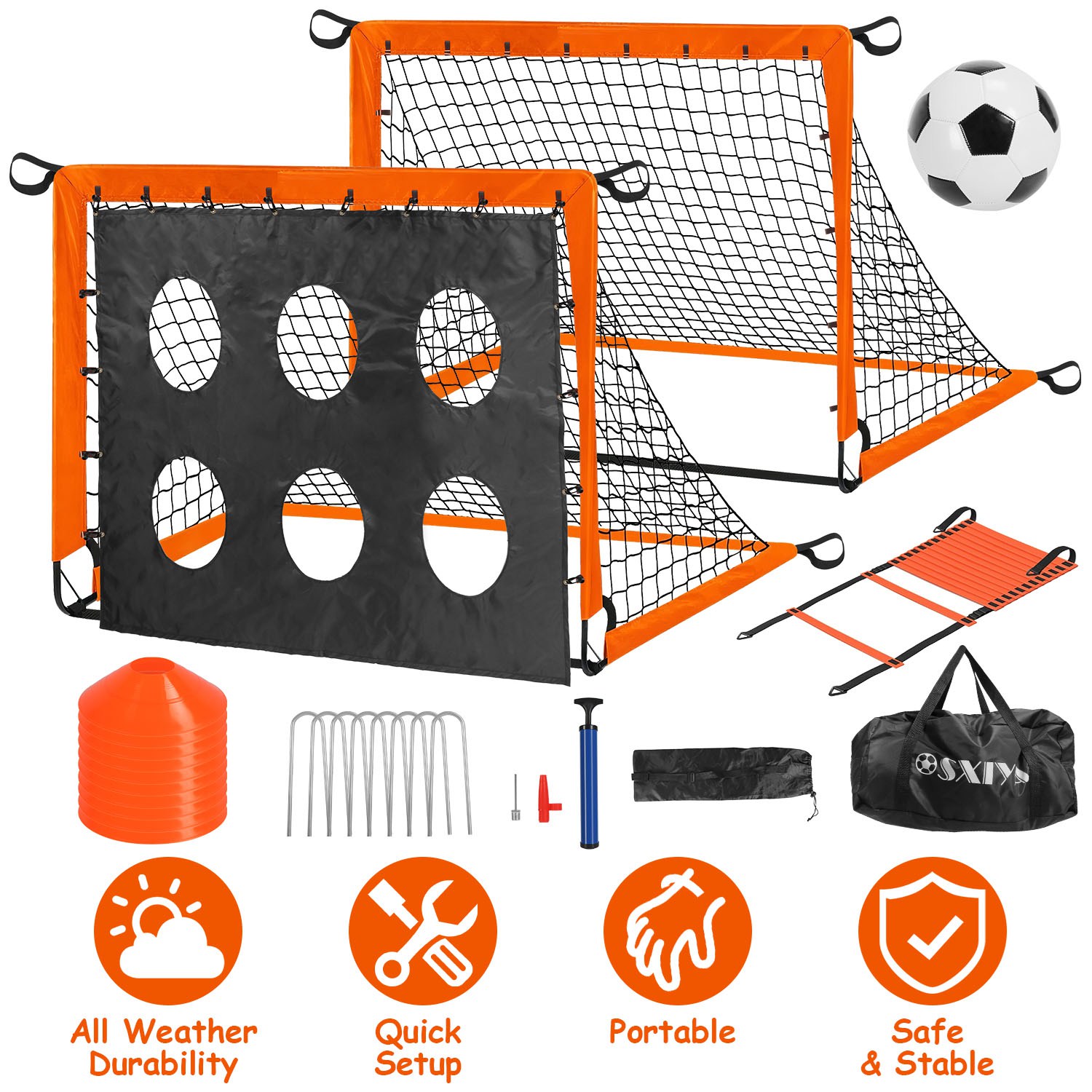
Soccer training cones are lightweight field markers used to define drills, goals, and agility courses, and their primary trade-off is collapsibility versus durability: cheap PVC cones crack in cold weather and blow away, while flexible PE or PU cones hold their shape and survive cleats and sun. The decision rule is simple: buy cones rated for outdoor UV exposure with a wide base for wind resistance, and skip thin discount sets that ship flattened and never recover.

You may also like

Finding more guides for you…